How It Shows Up
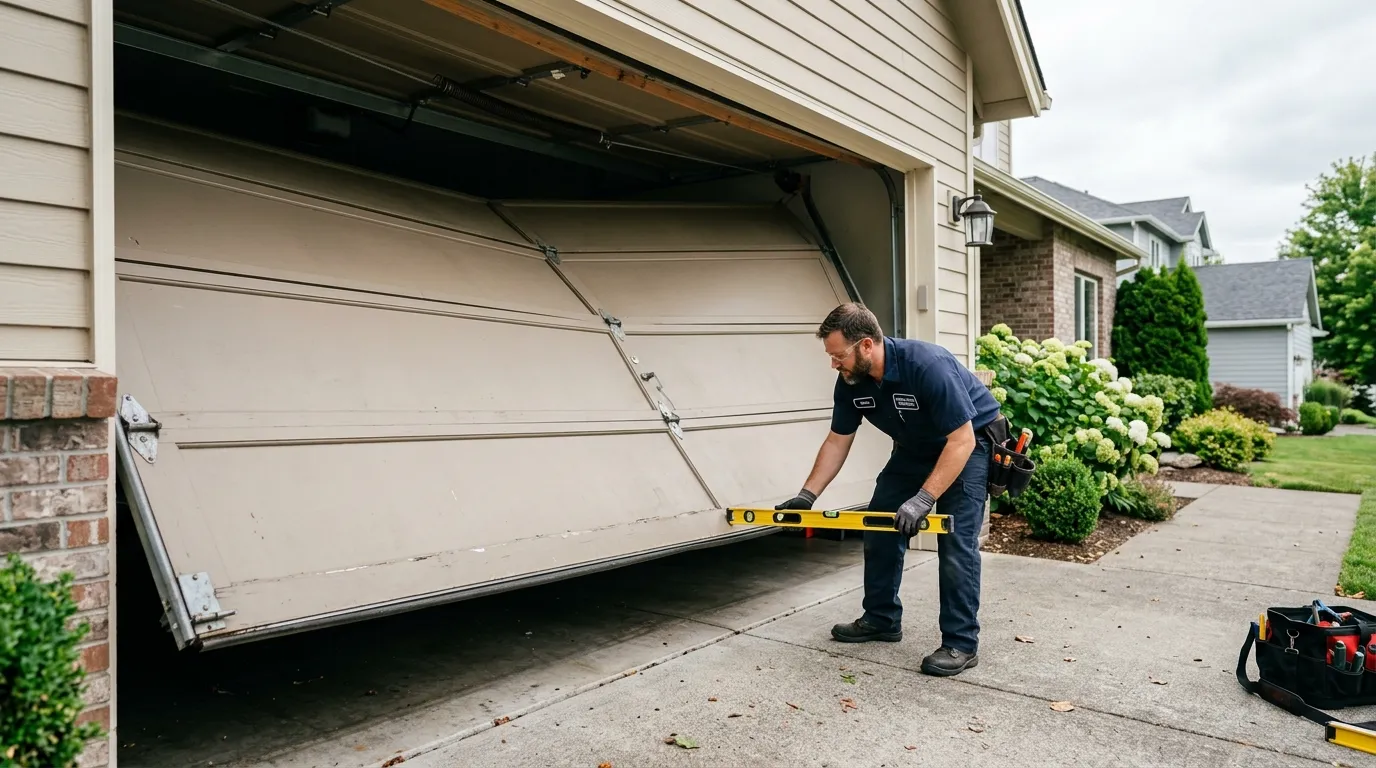
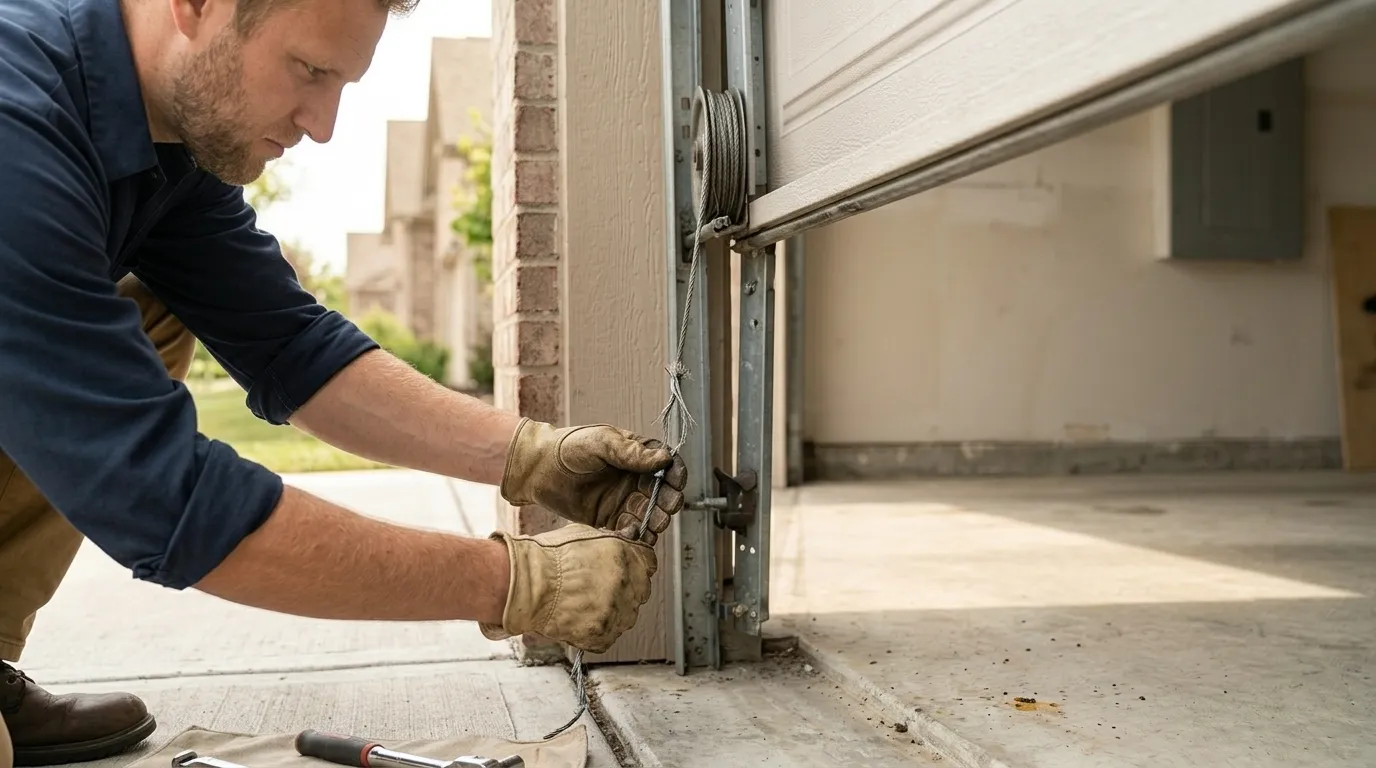
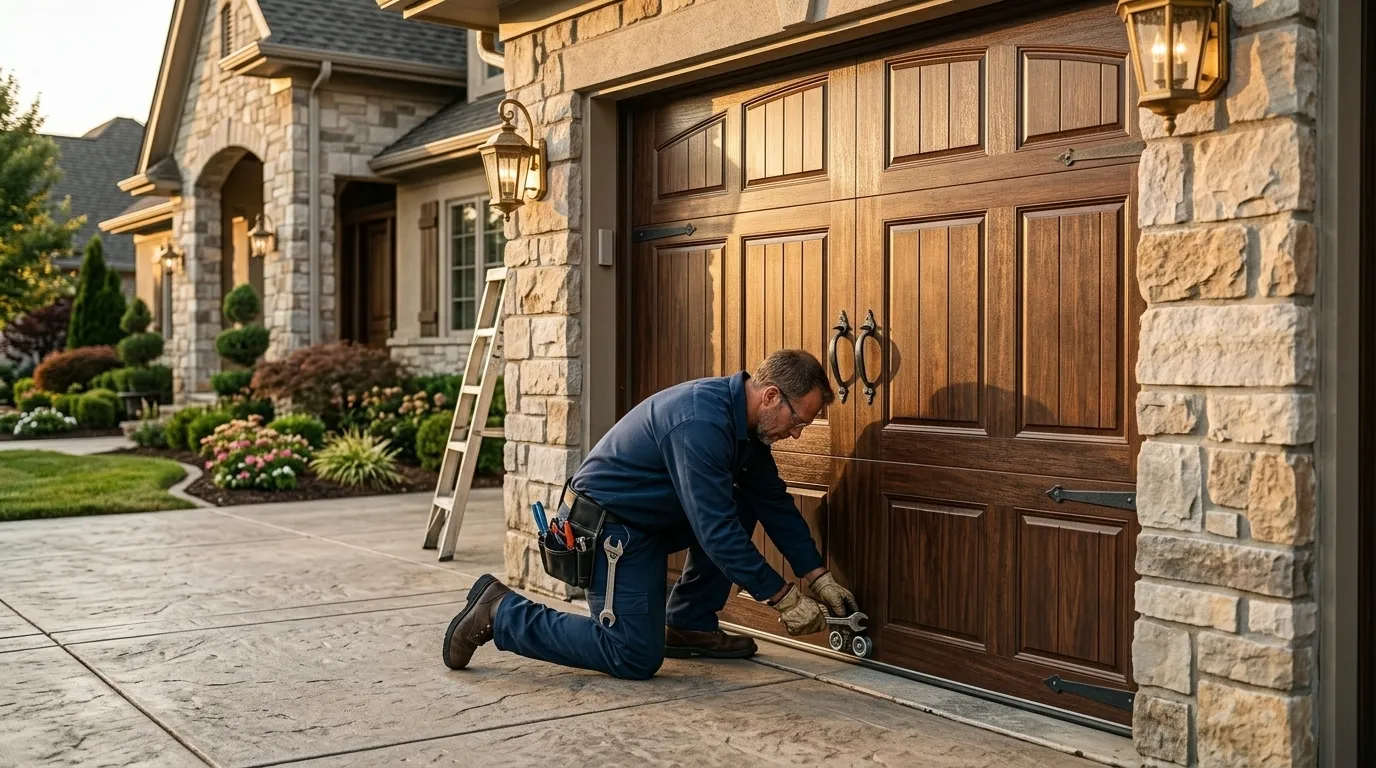
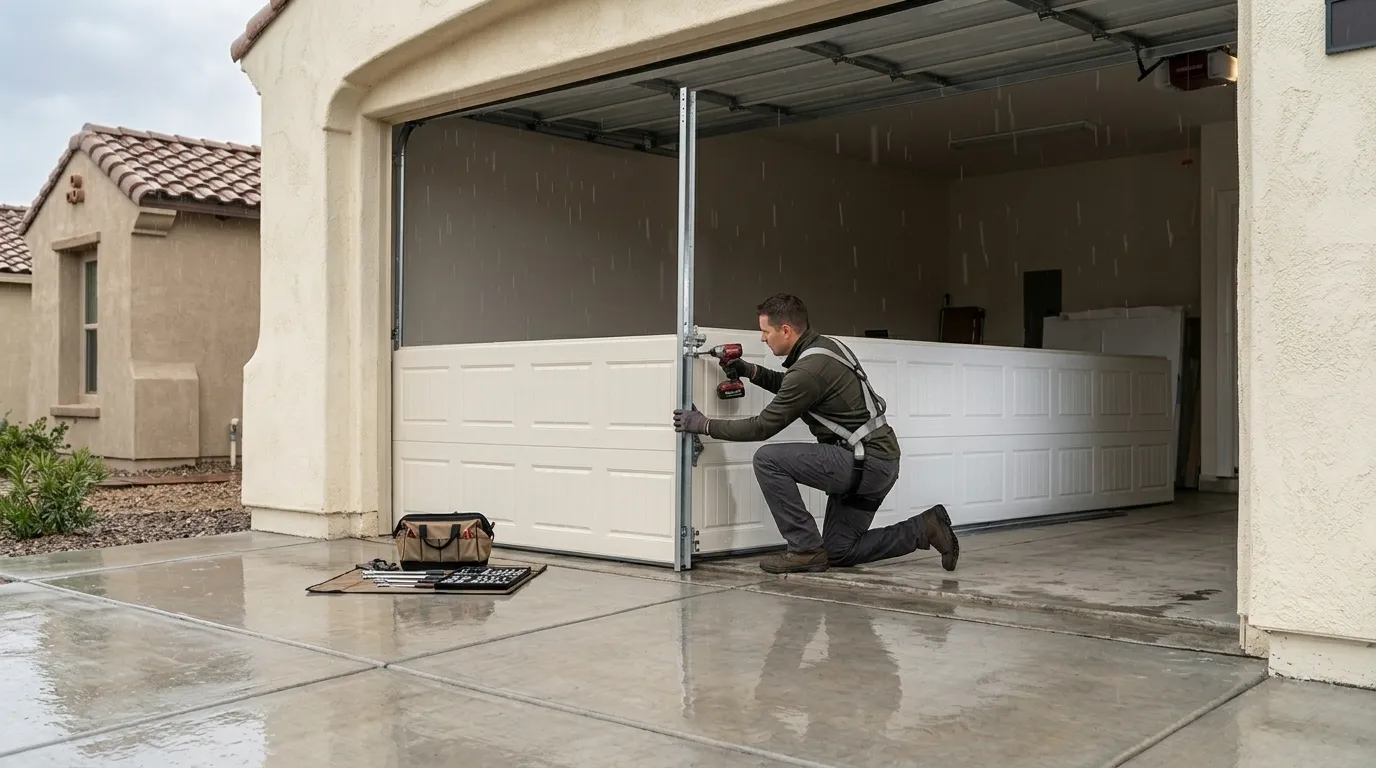
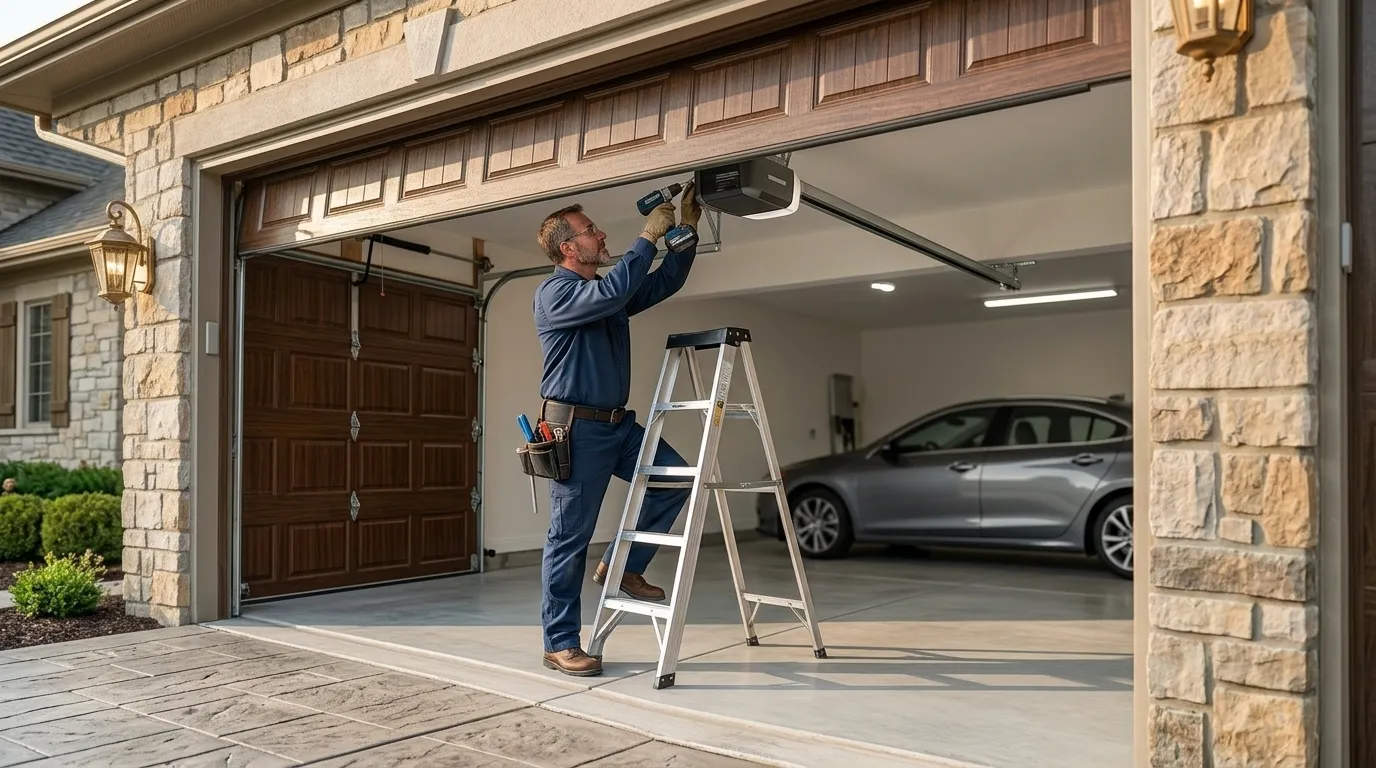
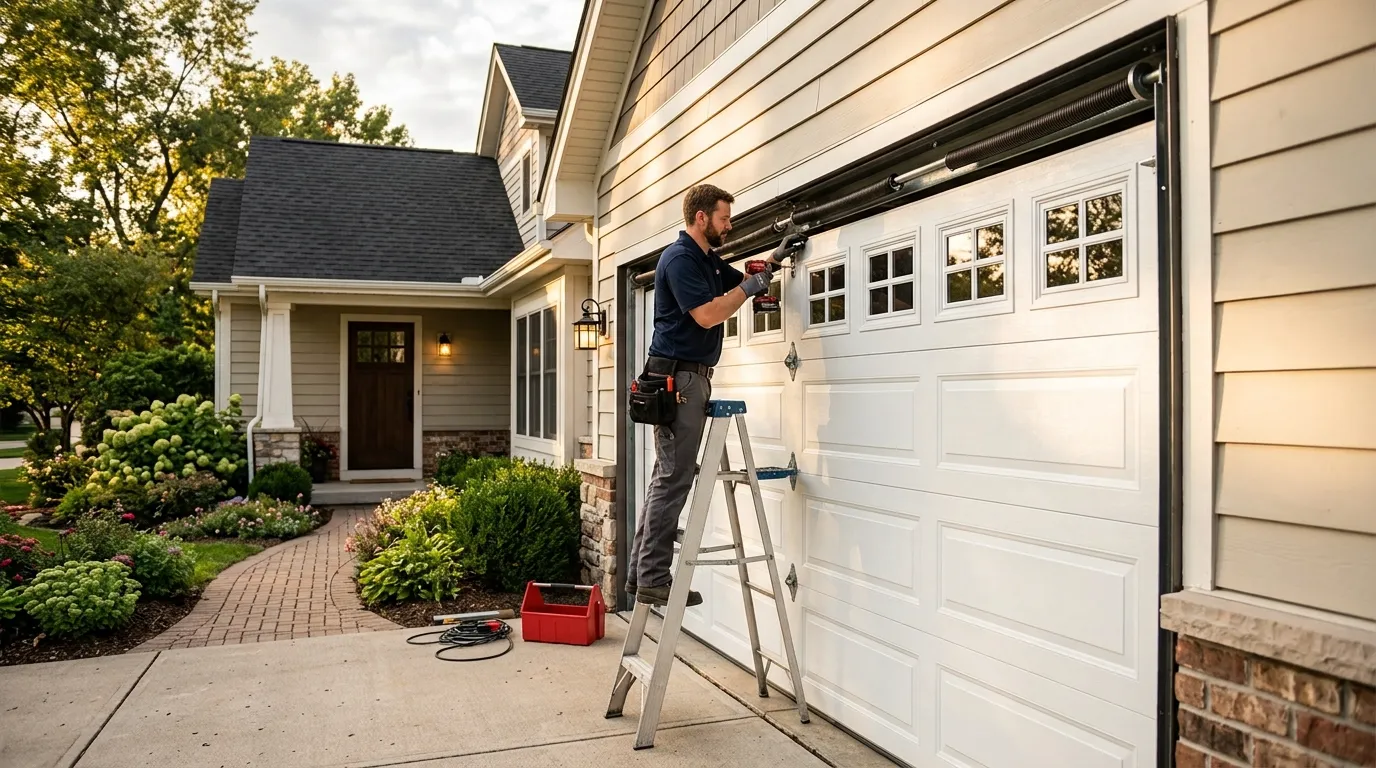
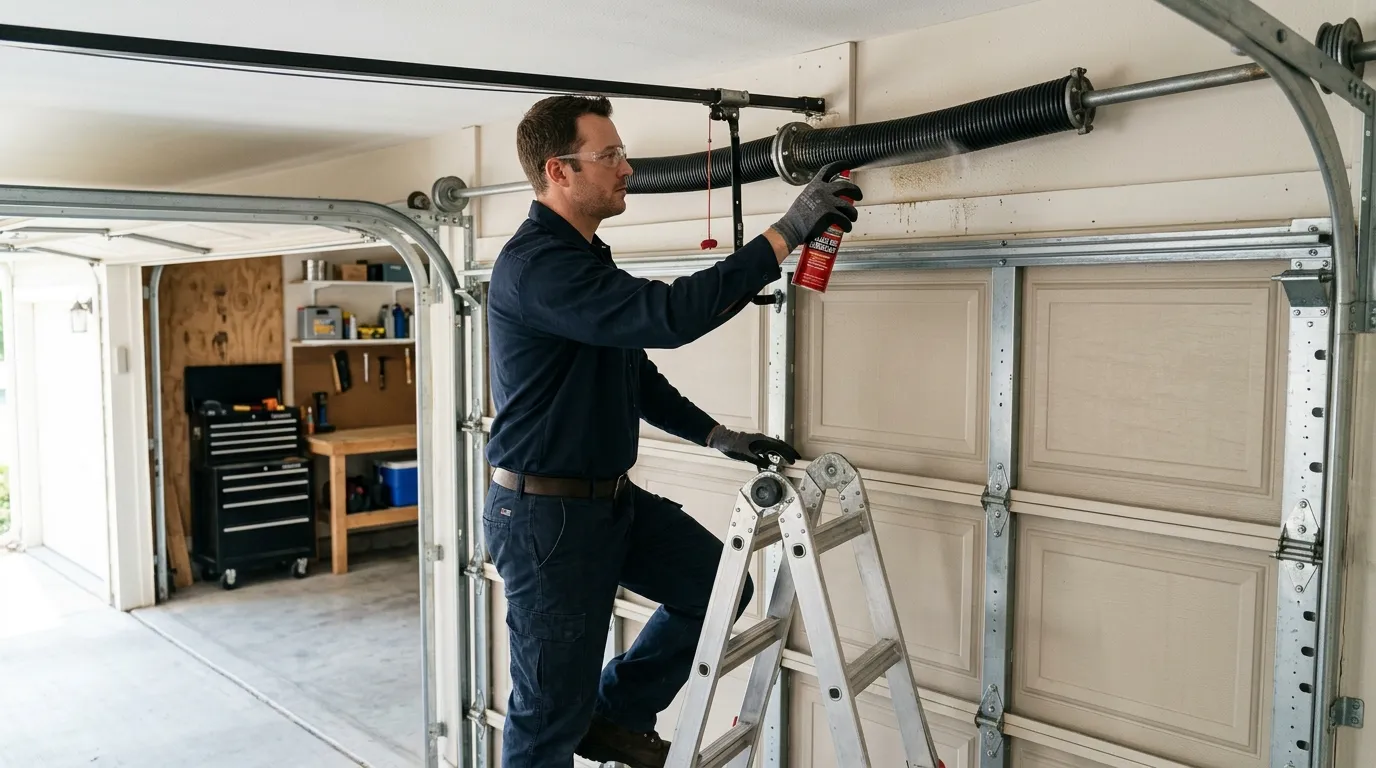
Most calls we get from Lincolnwood start the same way: the door won't open, or it opens partway and stops. Someone tries the remote a few times, then walks out to the garage and finds the door sitting crooked in the track, or a spring hanging loose above the header. On a lot of these houses, built somewhere between 1938 and 1994 with a median around 1961, that hardware is original or close to it. A torsion spring rated for 10,000 cycles doesn't care what decade it is - it just wears out, and on a house pushing sixty years old, it's usually well past due.
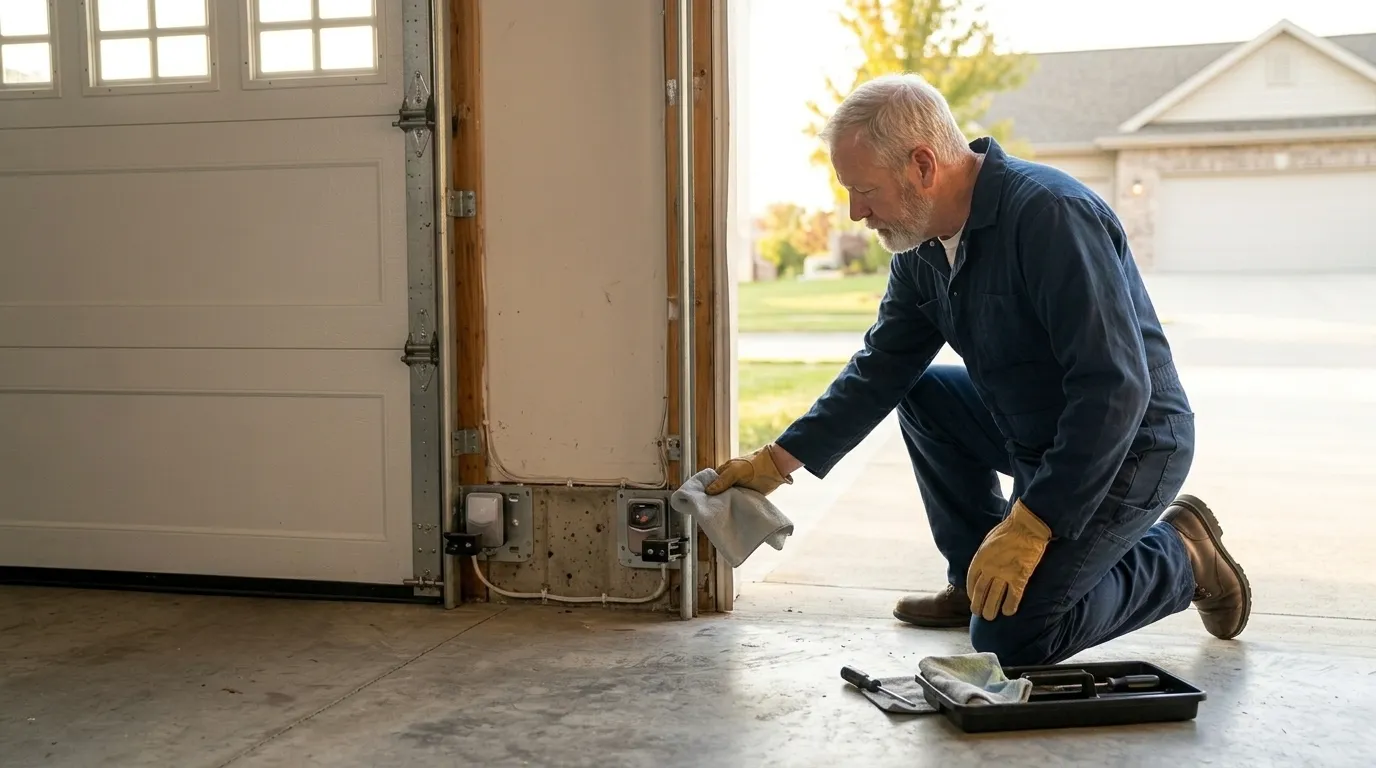
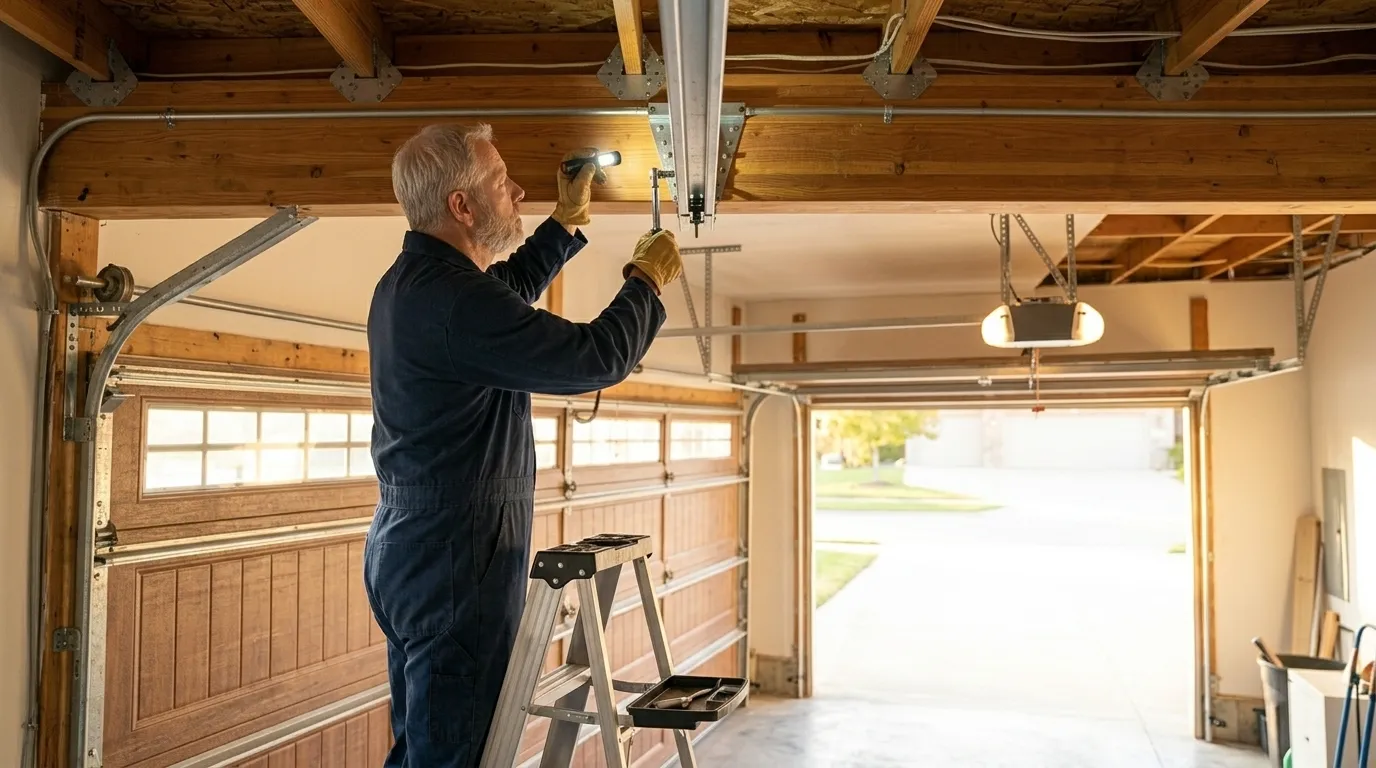
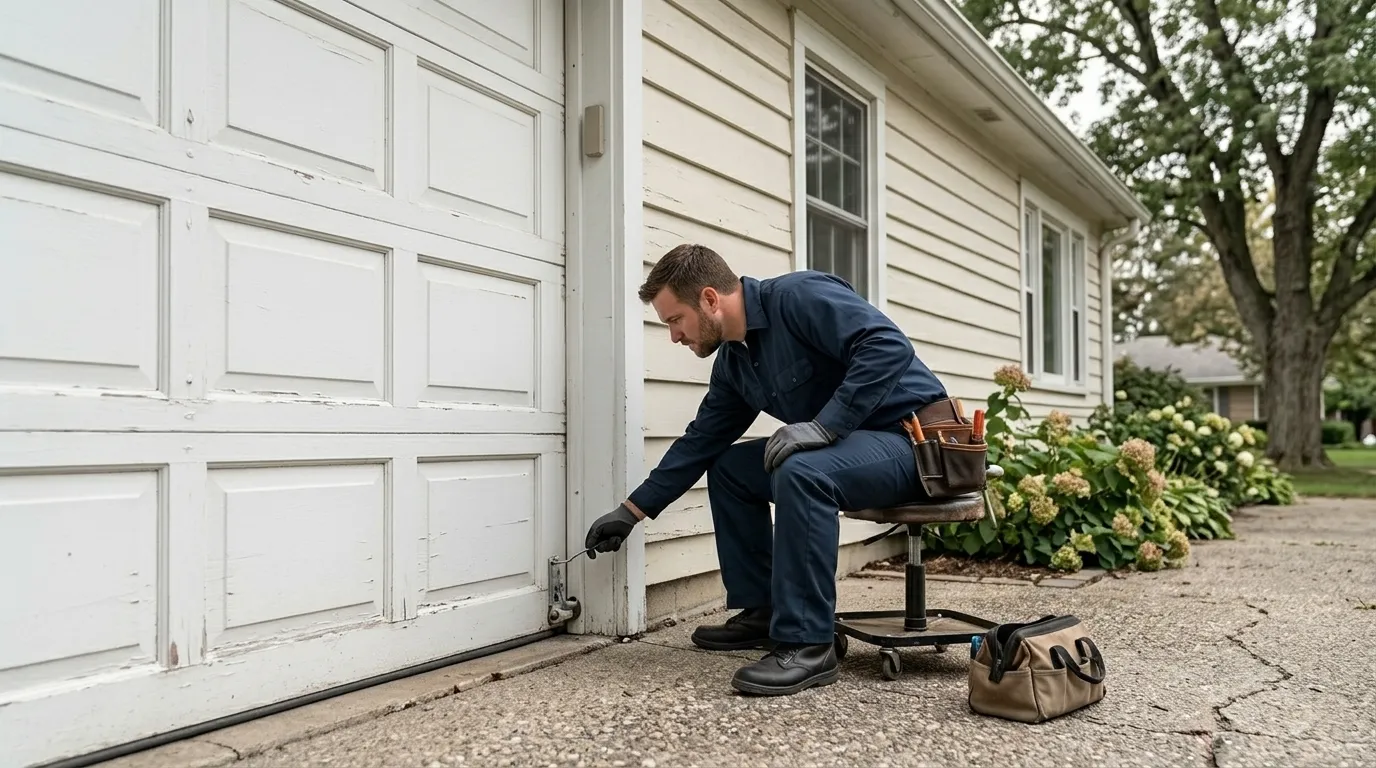
The other pattern is the opener straining on a cold morning. It'll run for a second, groan, and reverse itself. That's not always the opener's fault. On older track systems, the rollers dry out and the door gets heavier to lift than the opener was ever asked to handle when it was new. You hear a grinding sound instead of the door moving, or the light blinks and nothing happens at all.
Why This Fails Locally
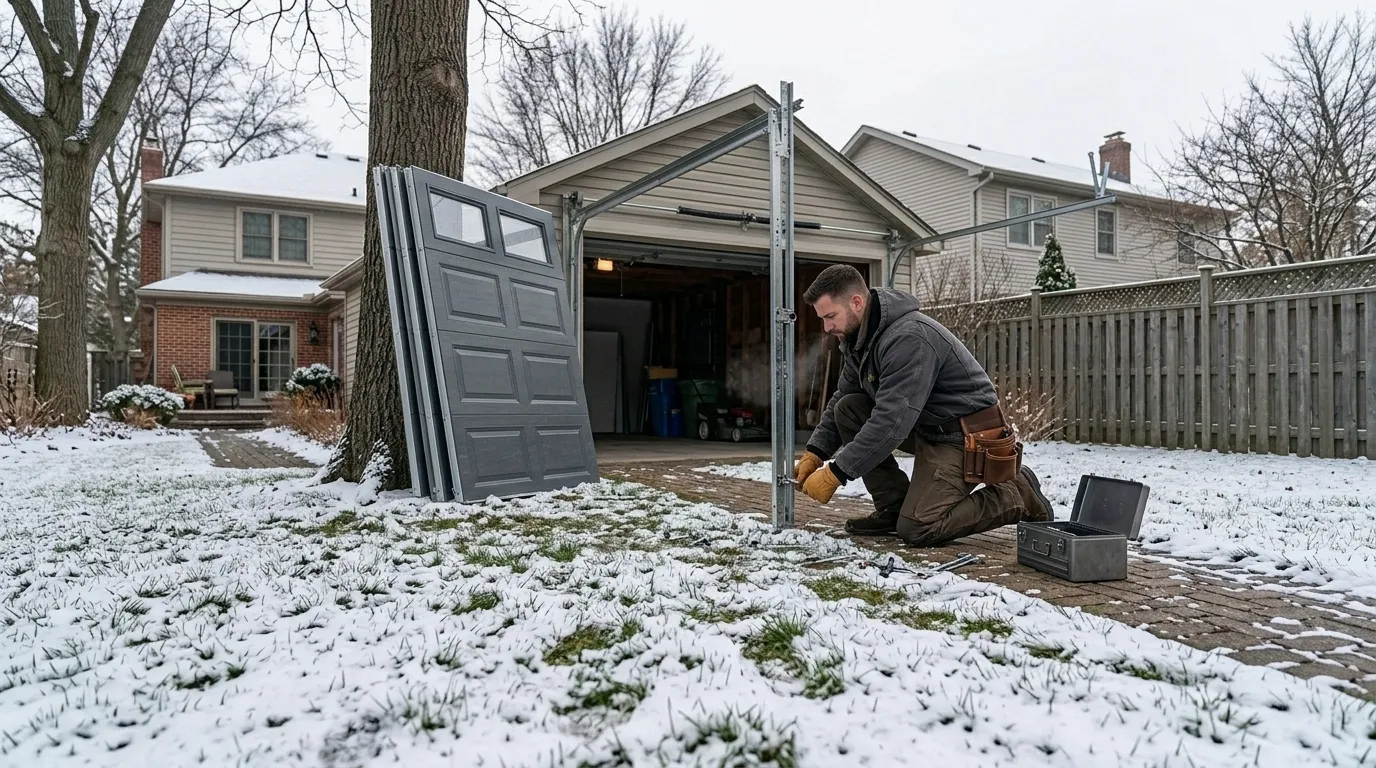
Lincolnwood sits in a cold, moderate climate band, and that matters more for garage doors than people expect. Steel torsion springs lose tension as temperatures drop - the metal contracts, the coil gets stiffer to wind, and a spring that was already near the end of its life gives out on the first hard freeze rather than gradually. On a house from the 1960s or 70s stock that makes up most of this area, that spring has usually never been replaced.
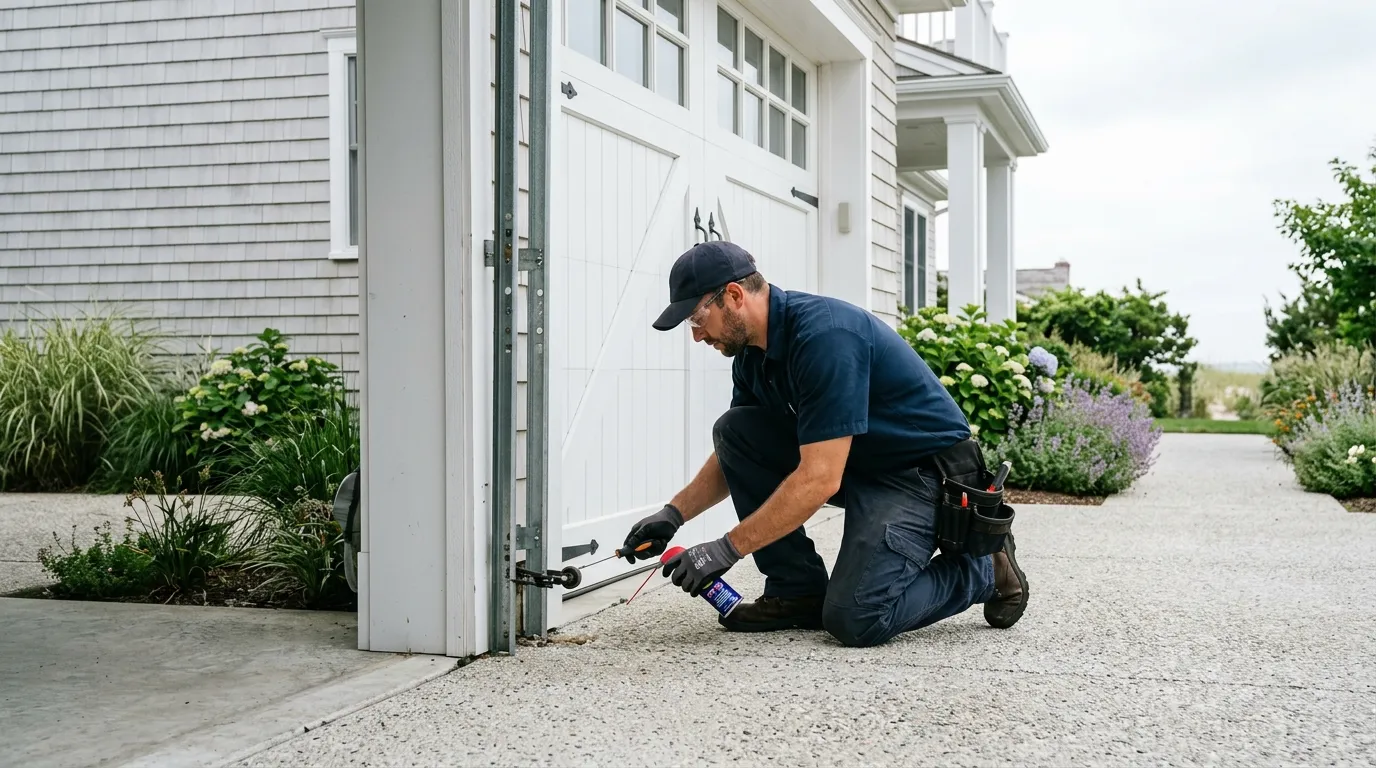
Cold also thickens the grease in old rollers and bearings, so the opener's motor works harder just to get the door moving. On newer installations with sealed bearings and better-lubricated tracks, that's a non-issue. On original hardware from a build era before those parts were standard, it's the difference between a door that runs quiet and one that strains every time the temperature drops below freezing. We see this pattern across Lincolnwood and the older housing near North Park, Edgebrook, and Forest Glen, all a few miles away with similar-age stock.
Booking a Visit
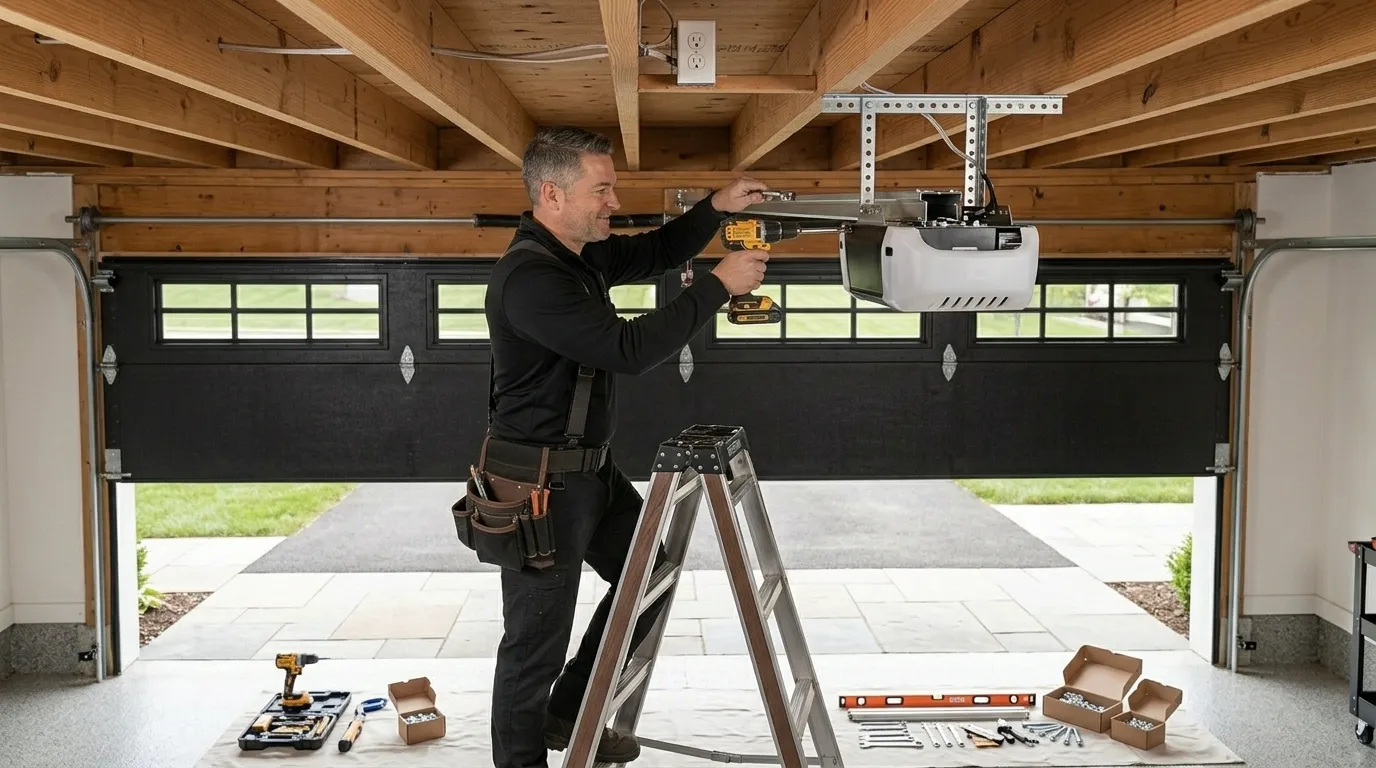
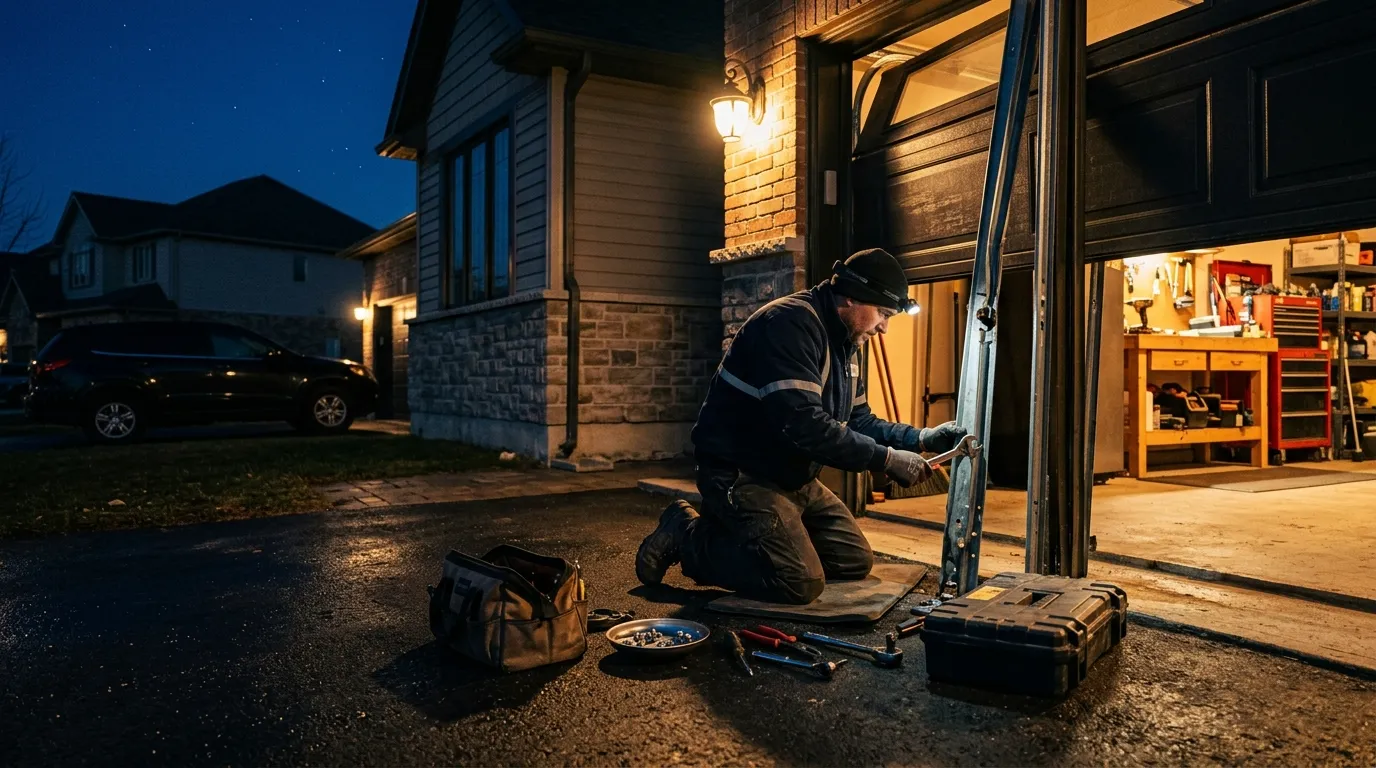
If your door in Lincolnwood is sticking, groaning, or not moving at all, tell us what you're seeing and when it started - that's usually enough for us to have an idea of what's needed before we're on site. Given how much of the housing stock here runs 1960s and 70s vintage, we come prepared for torsion spring work and old-track roller replacement as a first guess, and adjust from there once we see the door.
You can reach us through the site to get a visit set up.