What We Get Called For
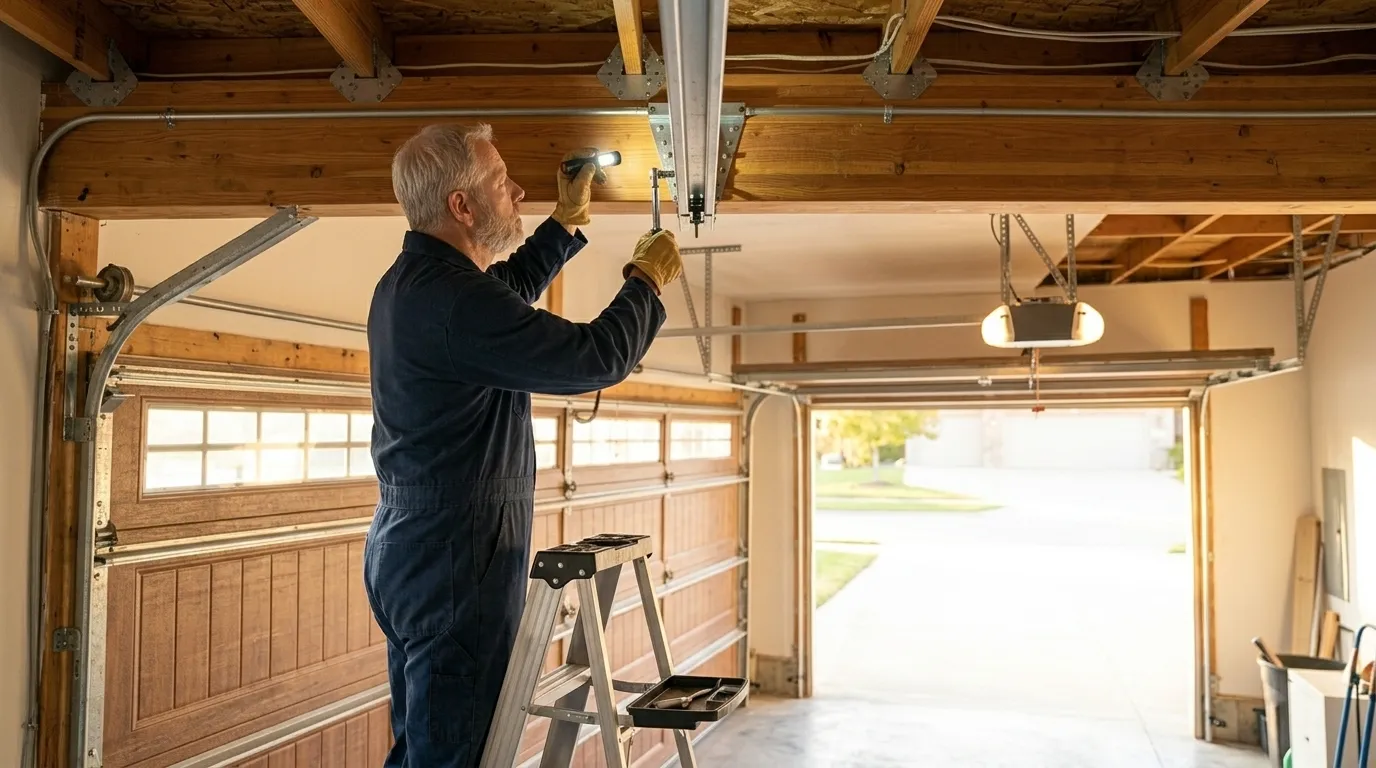
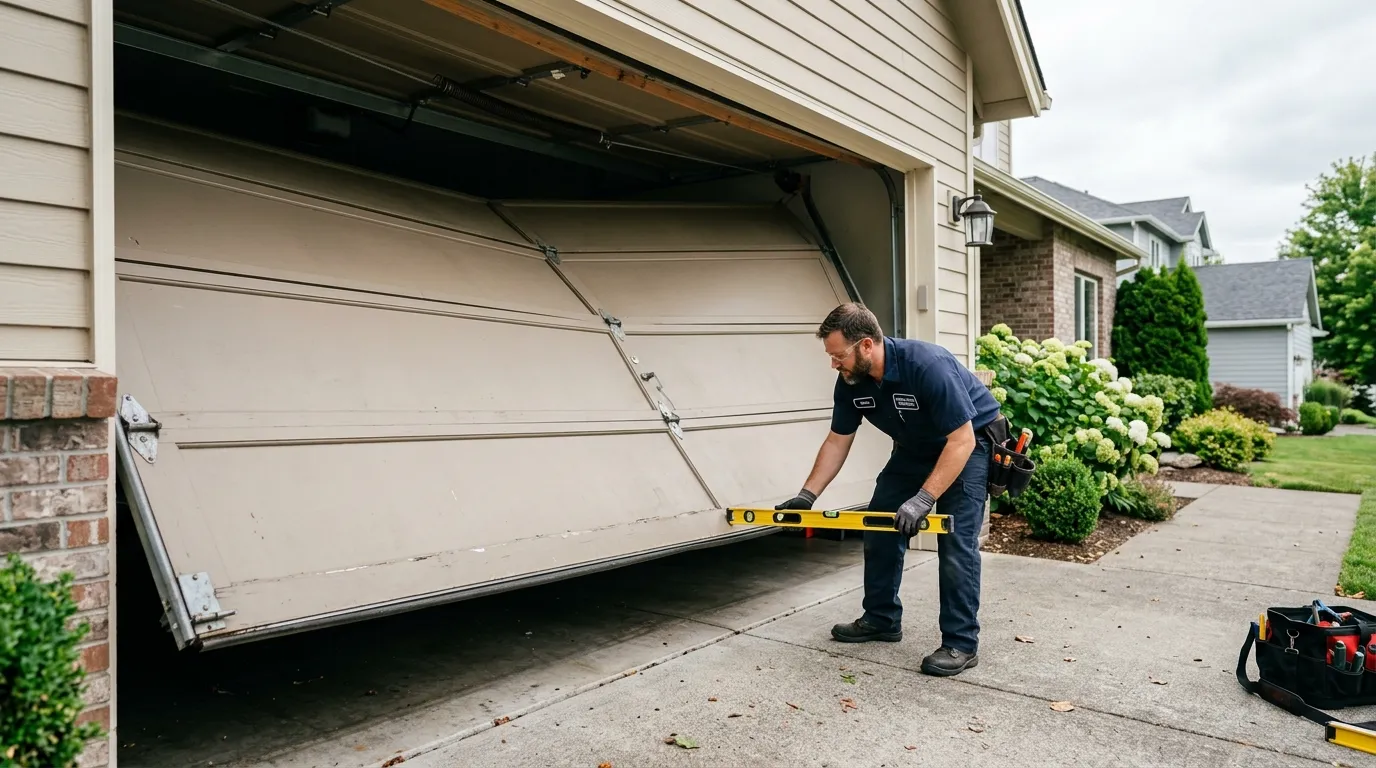
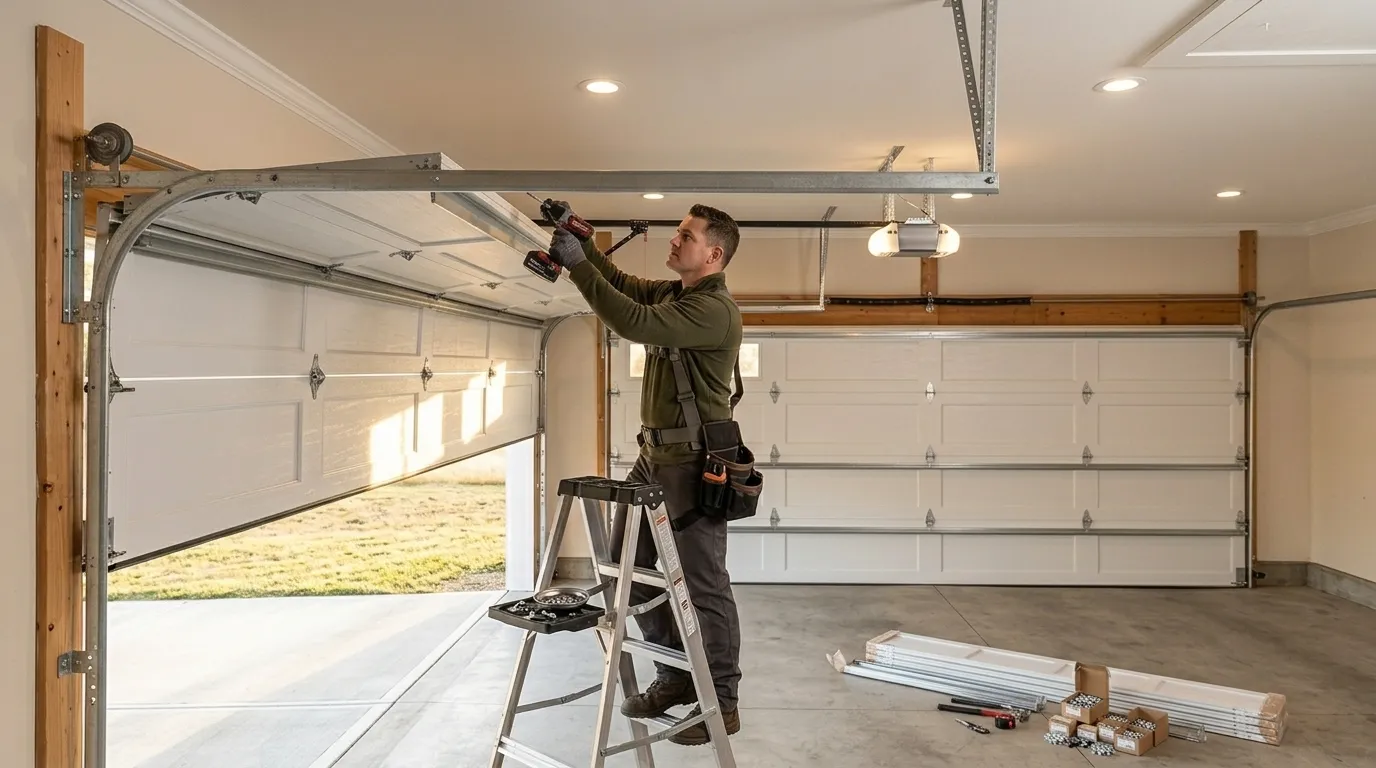
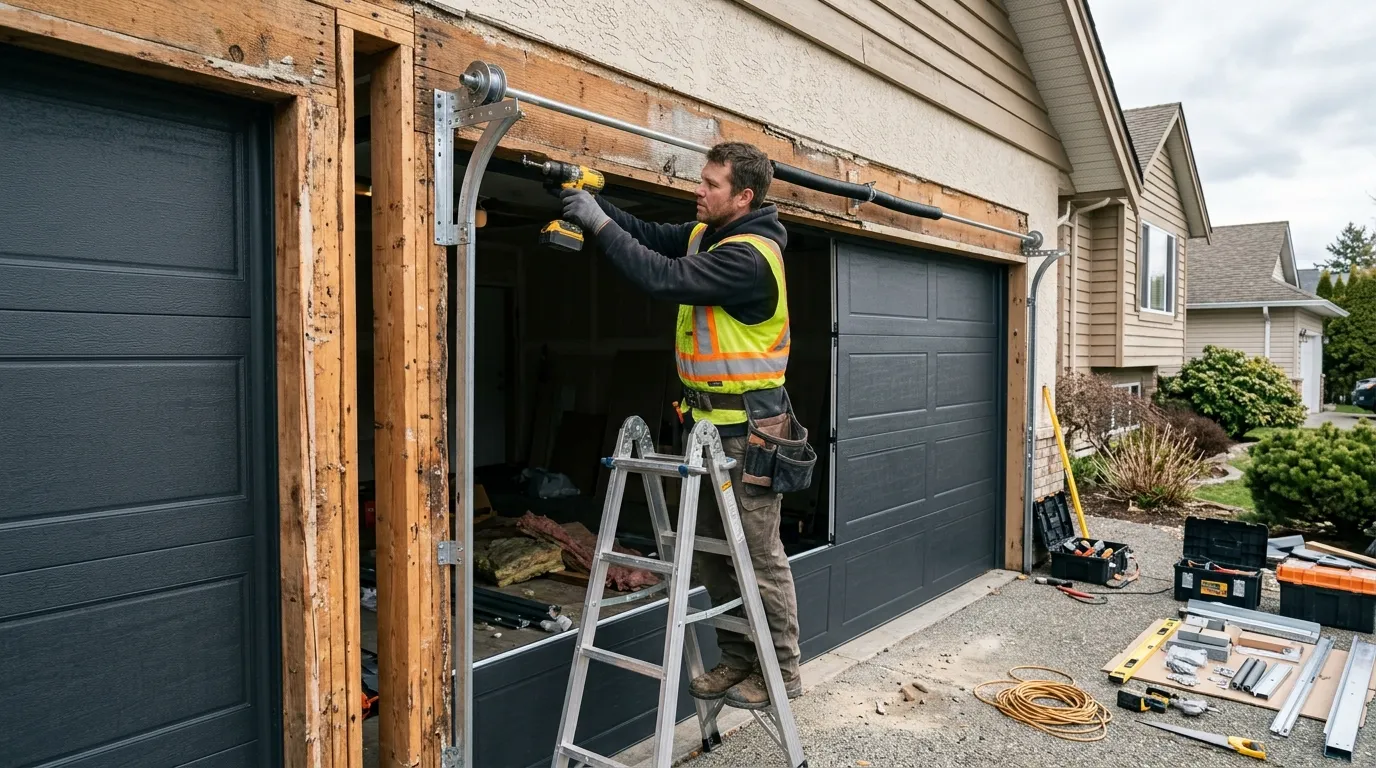
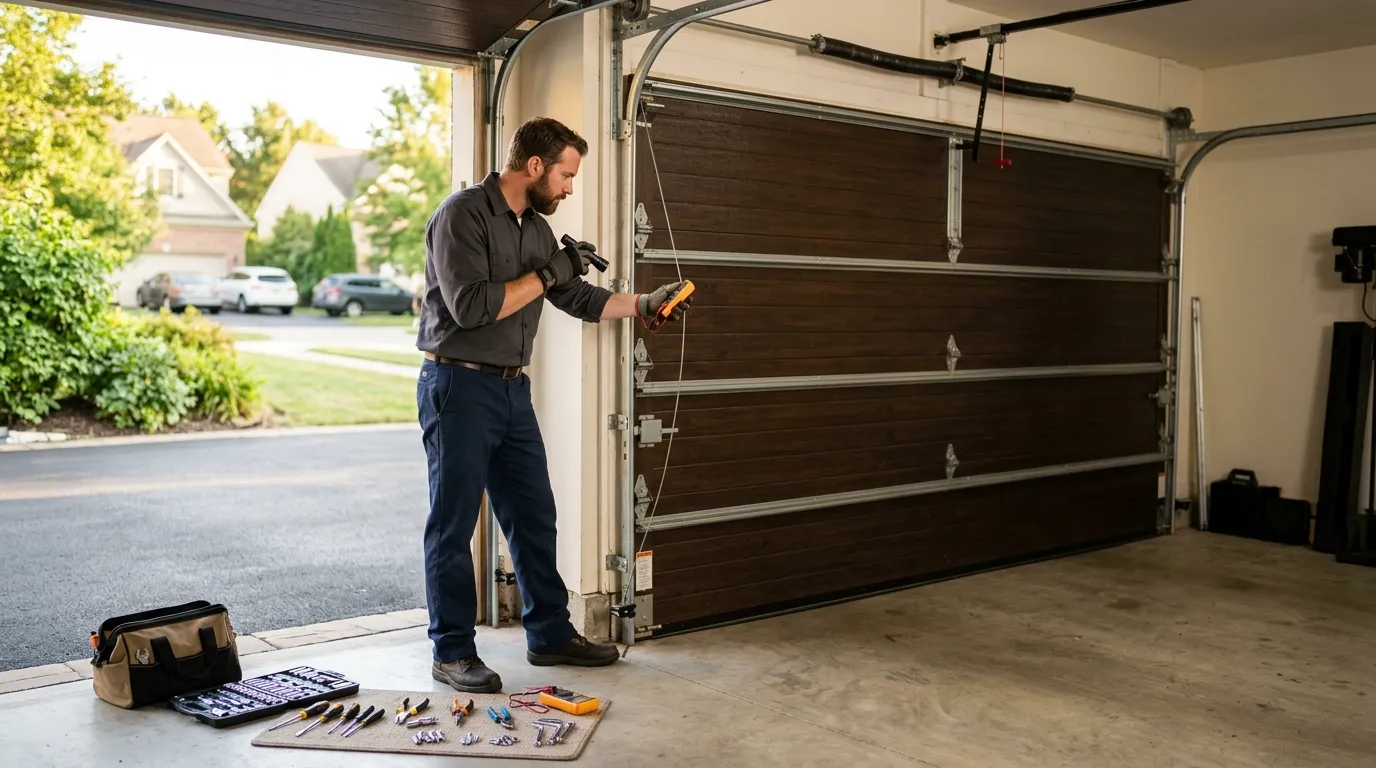
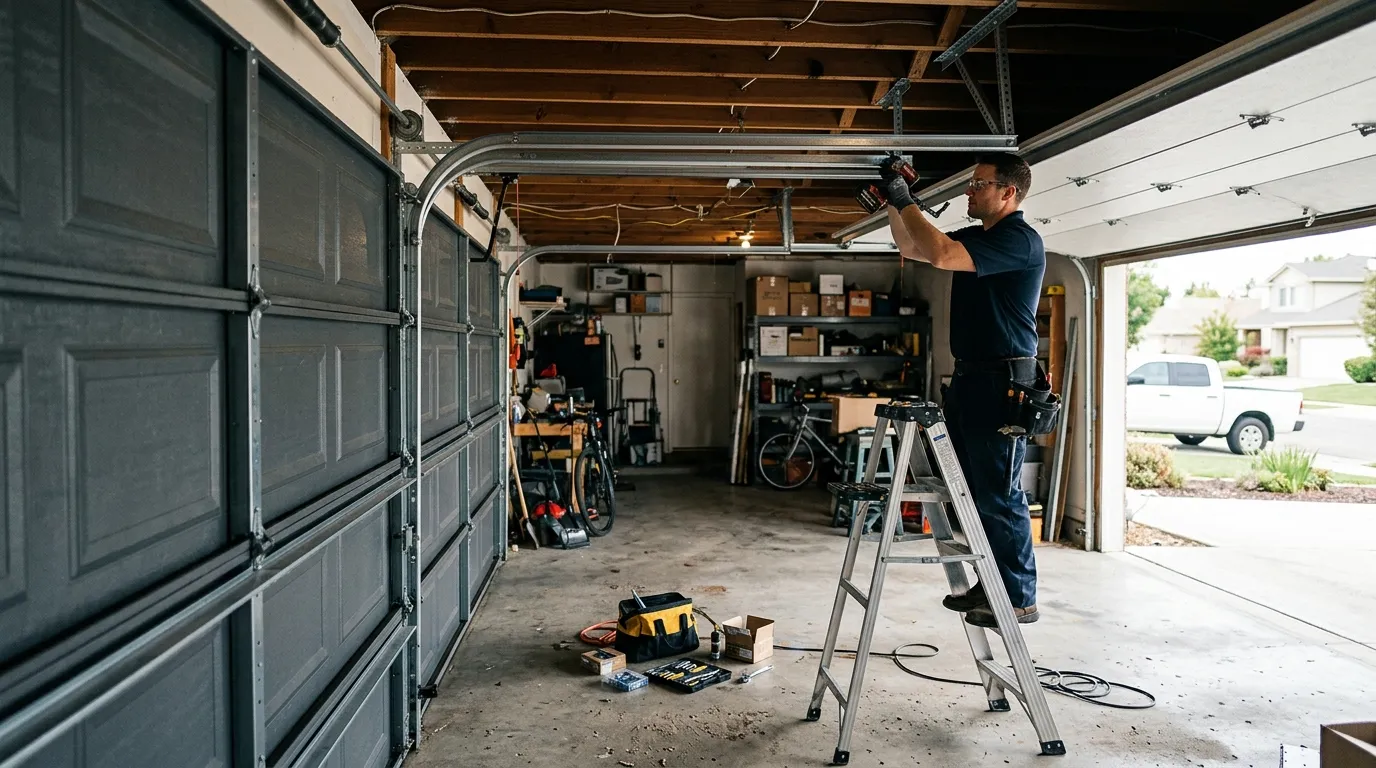
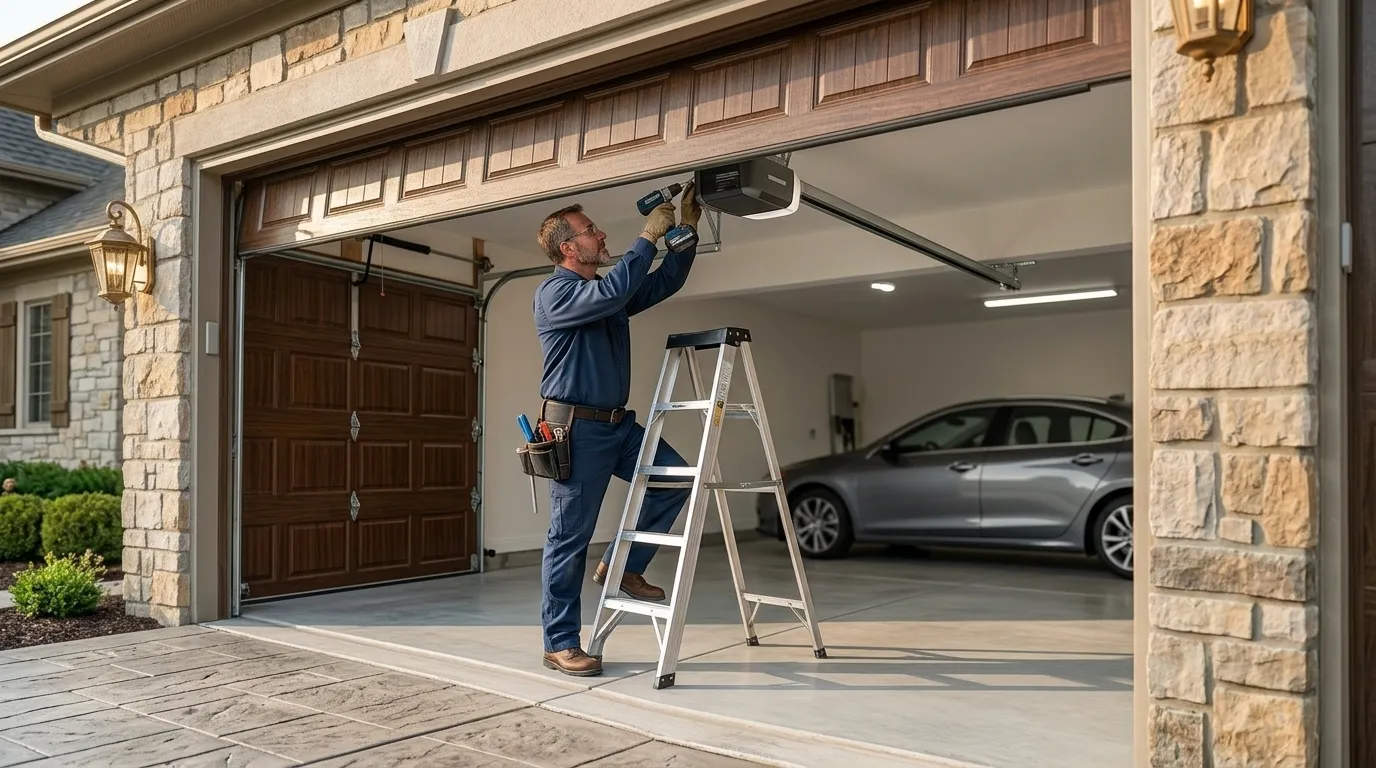
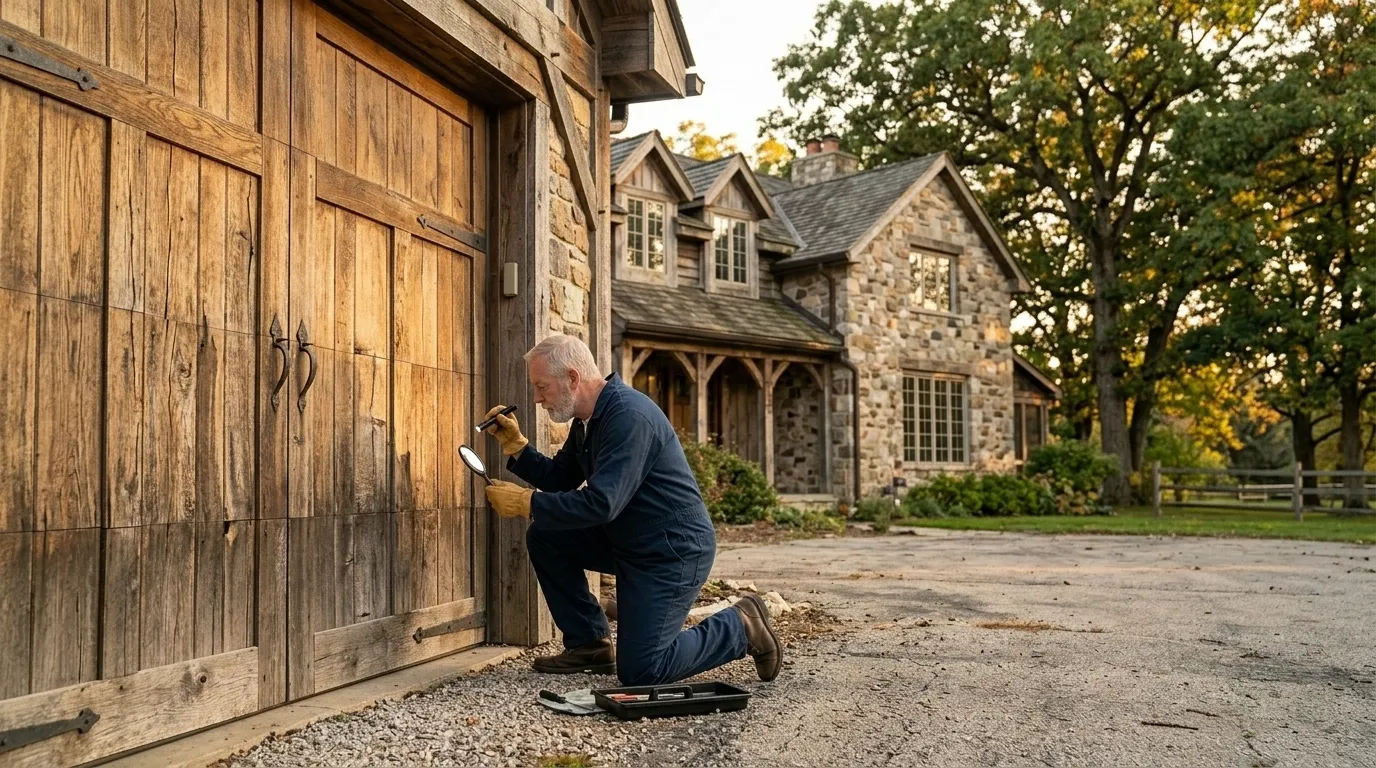
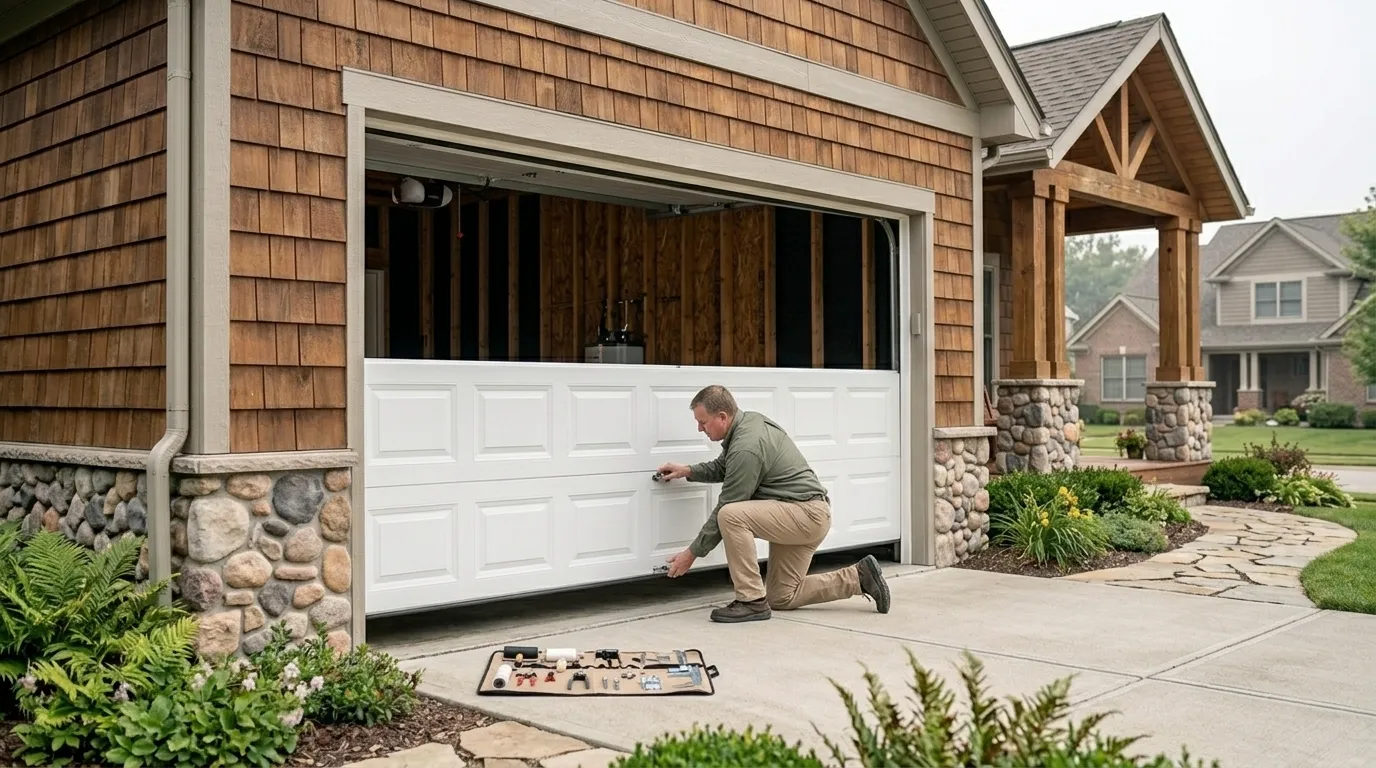
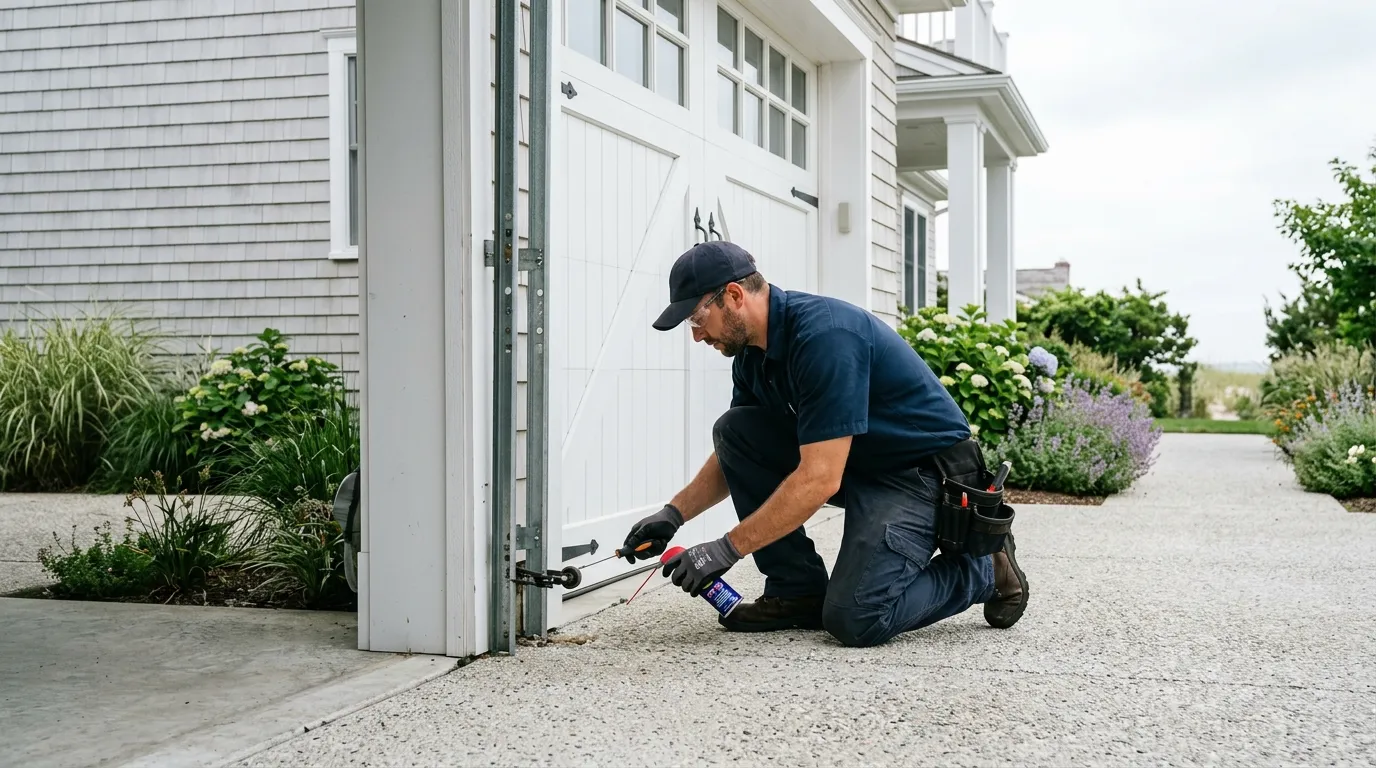
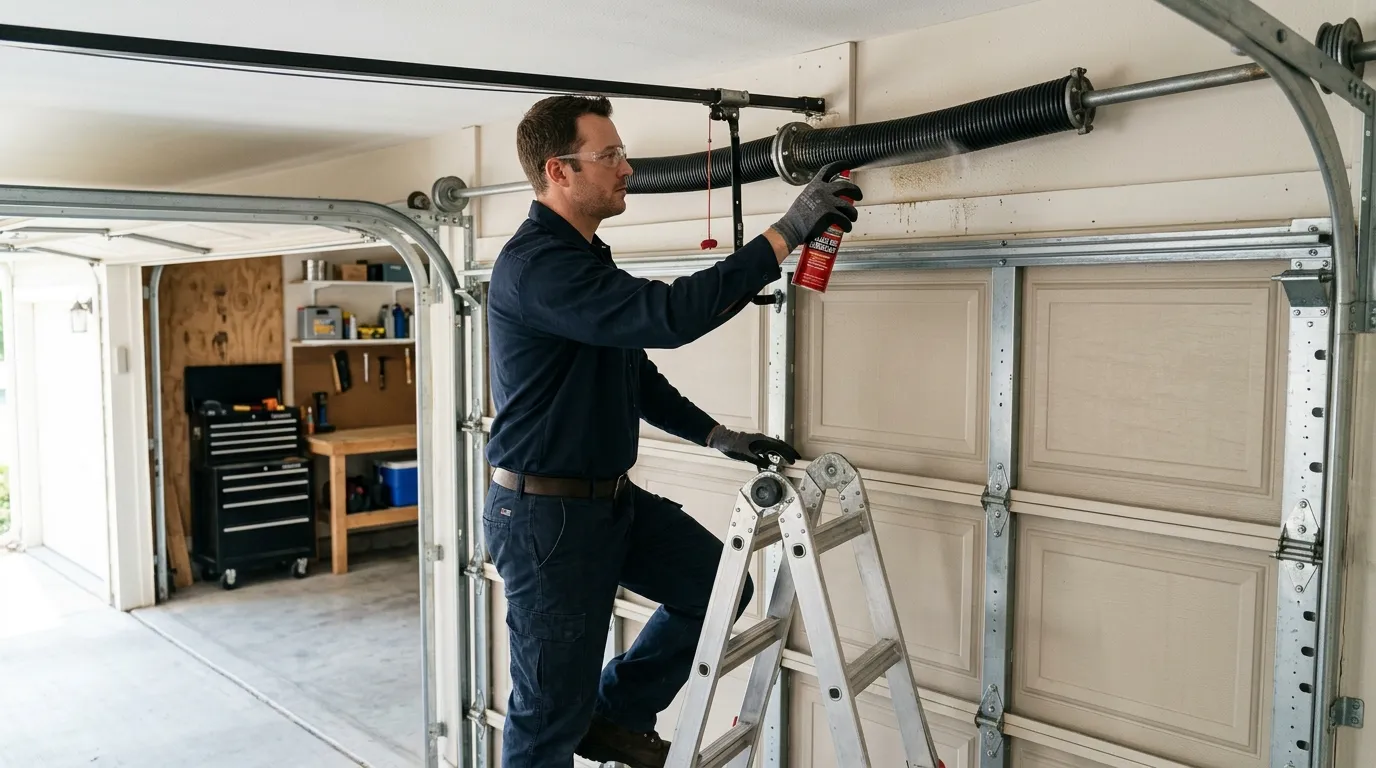
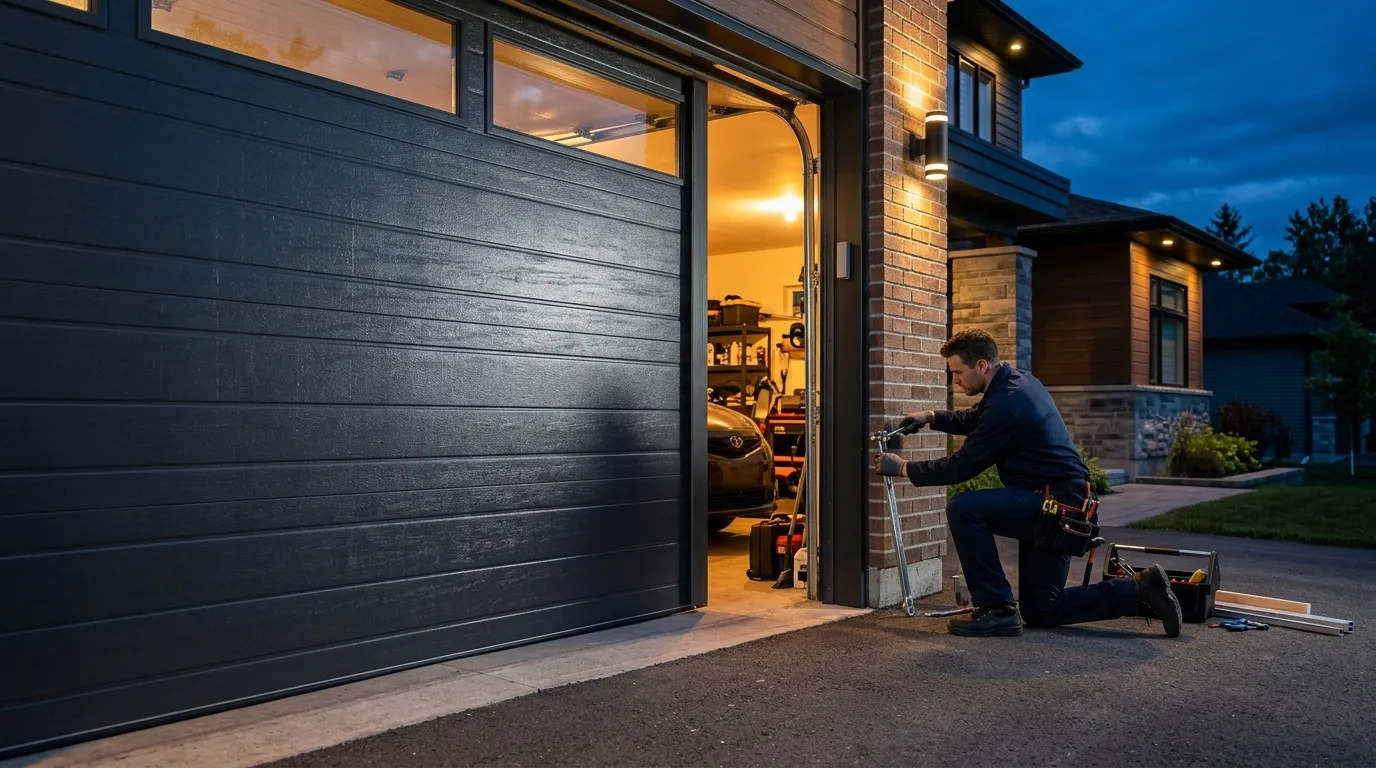
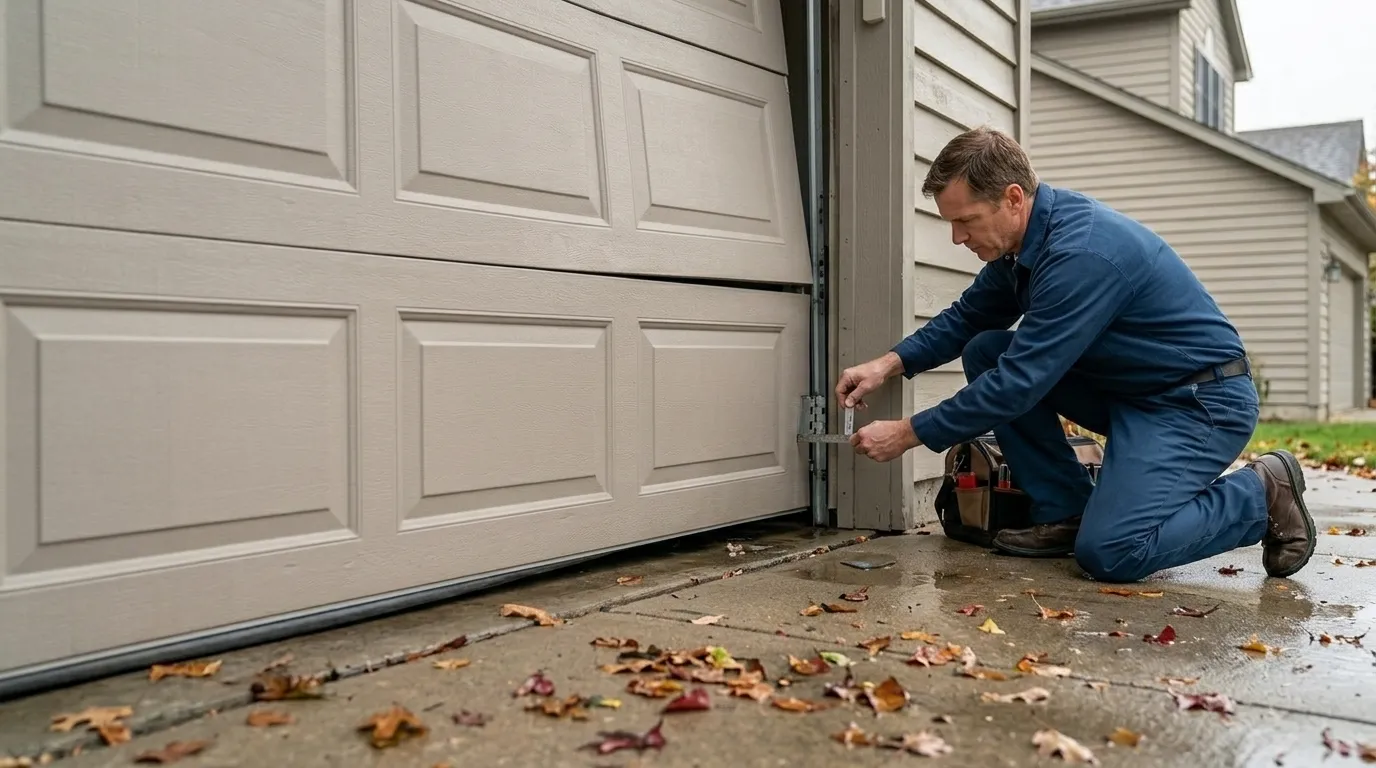
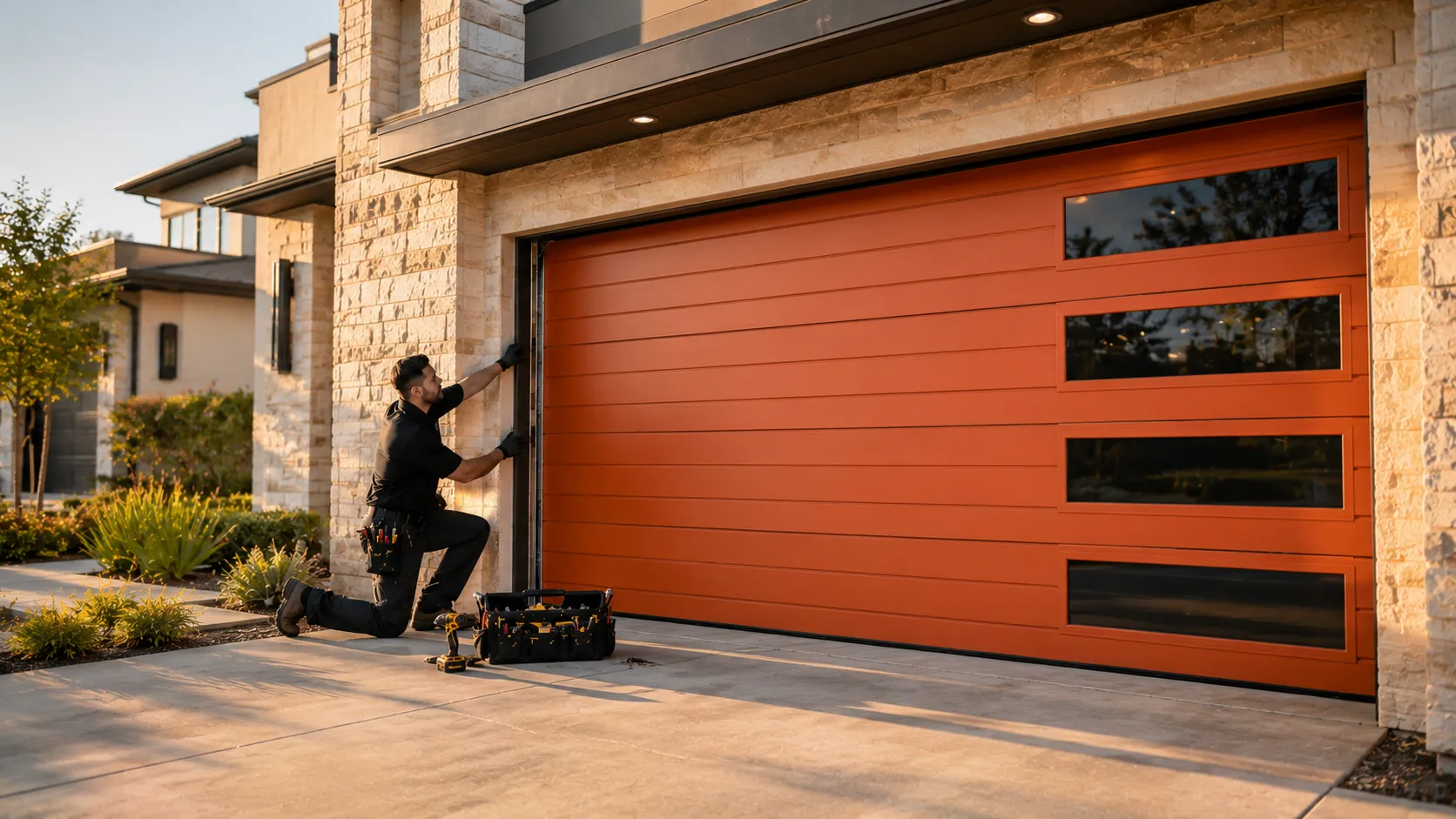
Most calls out this way trace back to the age of the door, not the door itself. Housing across the Lincolnwood service area was mostly built between 1938 and 1994, with the median landing around 1961, and Lake View sits inside that same window. That means a lot of torsion springs original to the house, wound for a lighter door than what's hanging on the track now if a panel swap happened somewhere along the way. We see broken torsion springs on double doors, worn extension springs on single-car openings, and openers that were never sized right for a door that's been replaced once since the house went up. Rollers on steel track from that era wear unevenly because the track itself has settled with the slab. None of this is exotic. It's just what happens to a door that's been doing its job since Eisenhower or Kennedy was in office and hasn't had the hardware looked at since. We don't push full replacement on a door that just needs a spring and a service call - if the track's straight and the panels aren't rusted through, a repair is usually the right call.
Where You Are
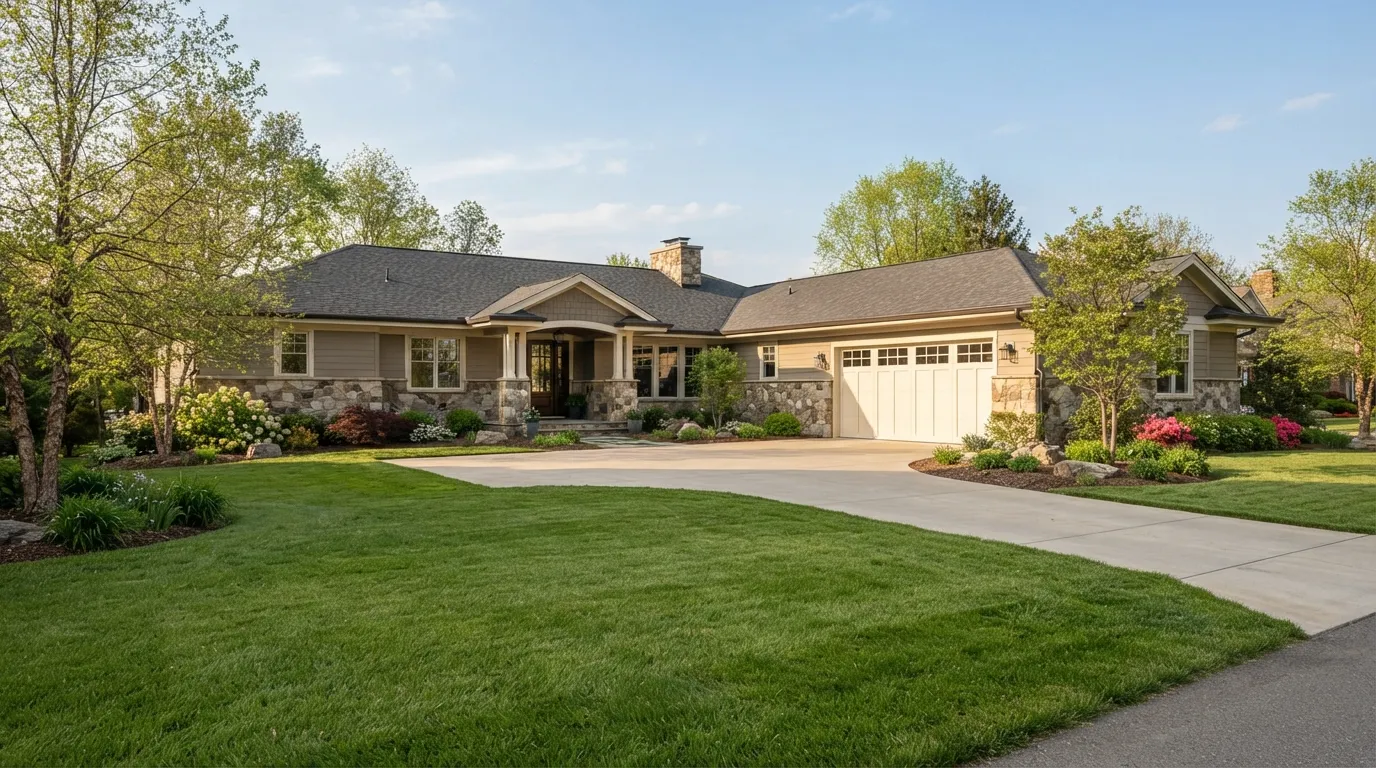
Lake View sits about six miles southeast of the Lincolnwood center, on the far edge of where our trucks run without adding real drive time to the call. It's one of forty named areas across a service territory covering roughly 104,270 households, about half of them owner-occupied single family homes rather than rentals or condos - the kind of houses with an actual garage and an actual door, not a shared structure. Median household income across the area runs close to $99,861, which is part of why we don't see people limping along on a door that's failed twice. They fix it and move on. We won't pretend to know a specific street or corner in Lake View - we don't have that on file, and we're not going to guess at a landmark to sound local. What we do know is the housing era and the climate band, and that's enough to know what's likely wrong before the truck even rolls.