Lincolnwood, IL
Garage doors we install
Steel, insulated, carriage, full-view, and commercial doors - sized and fitted to your opening.
Carriage house
Request a quote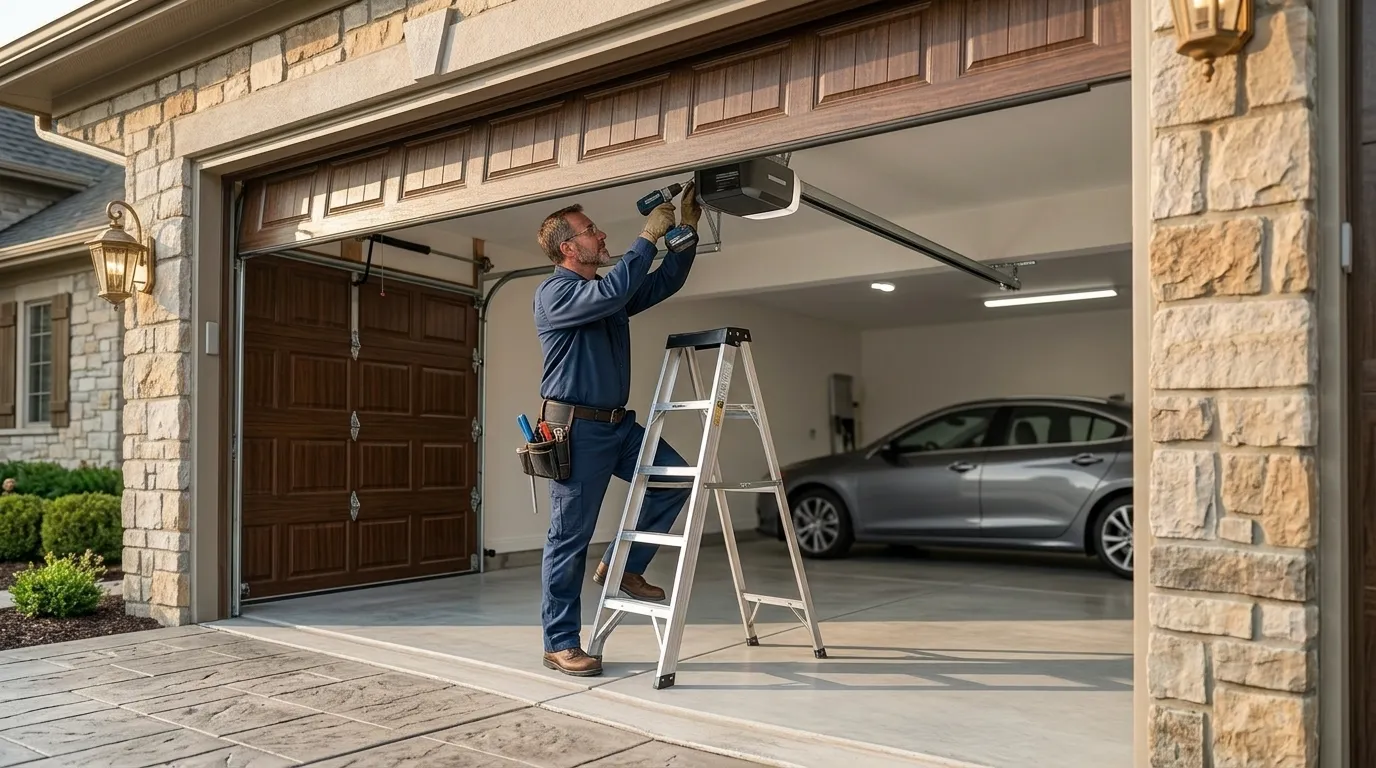
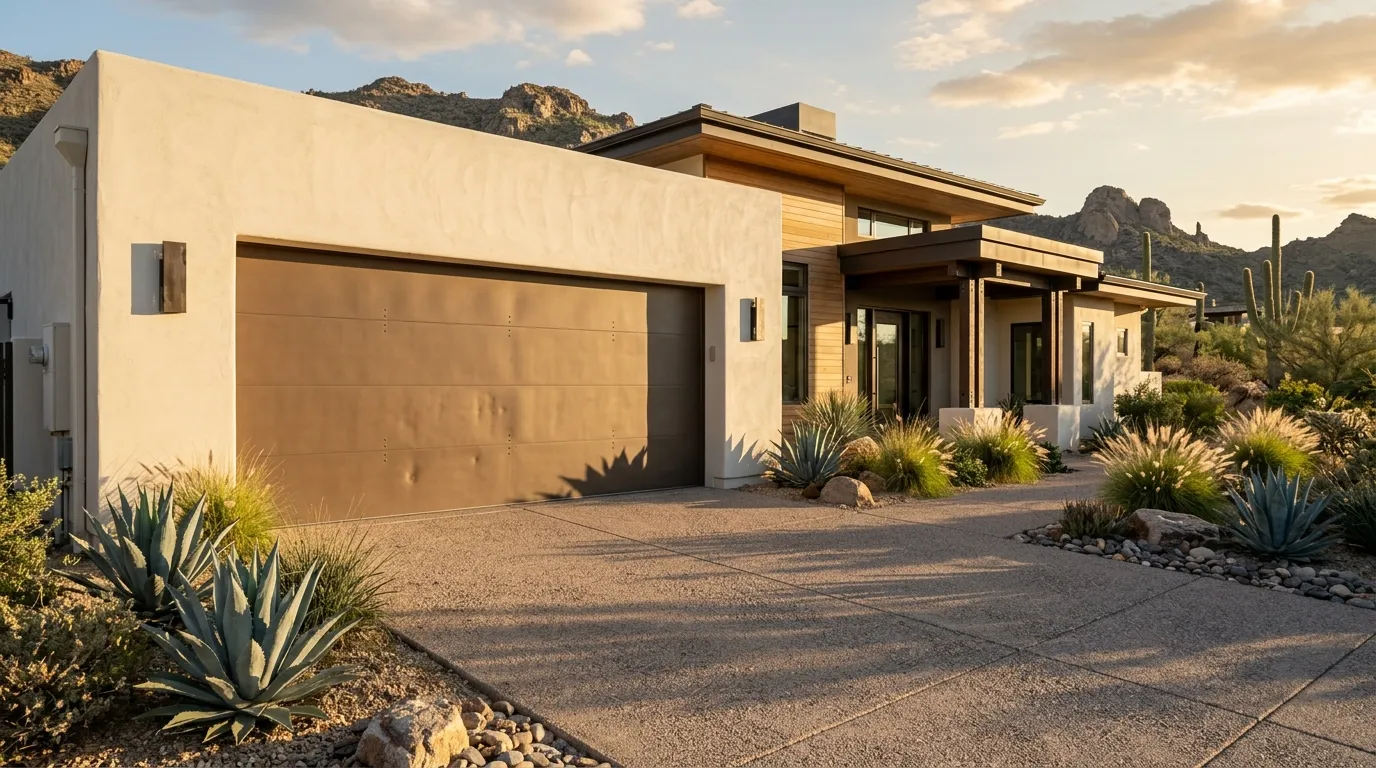
Modern flush
Request a quote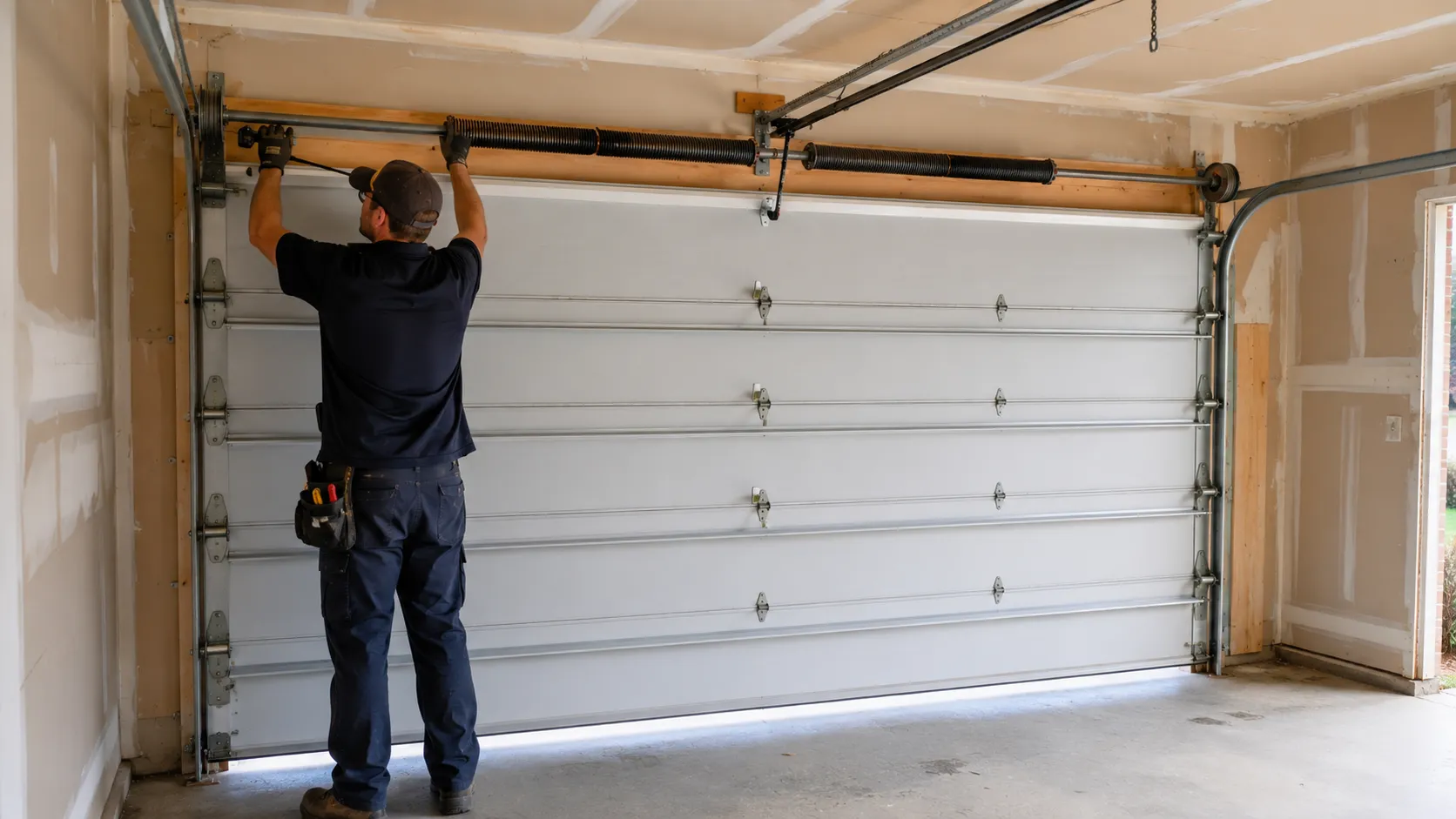
Full-view glass
Request a quote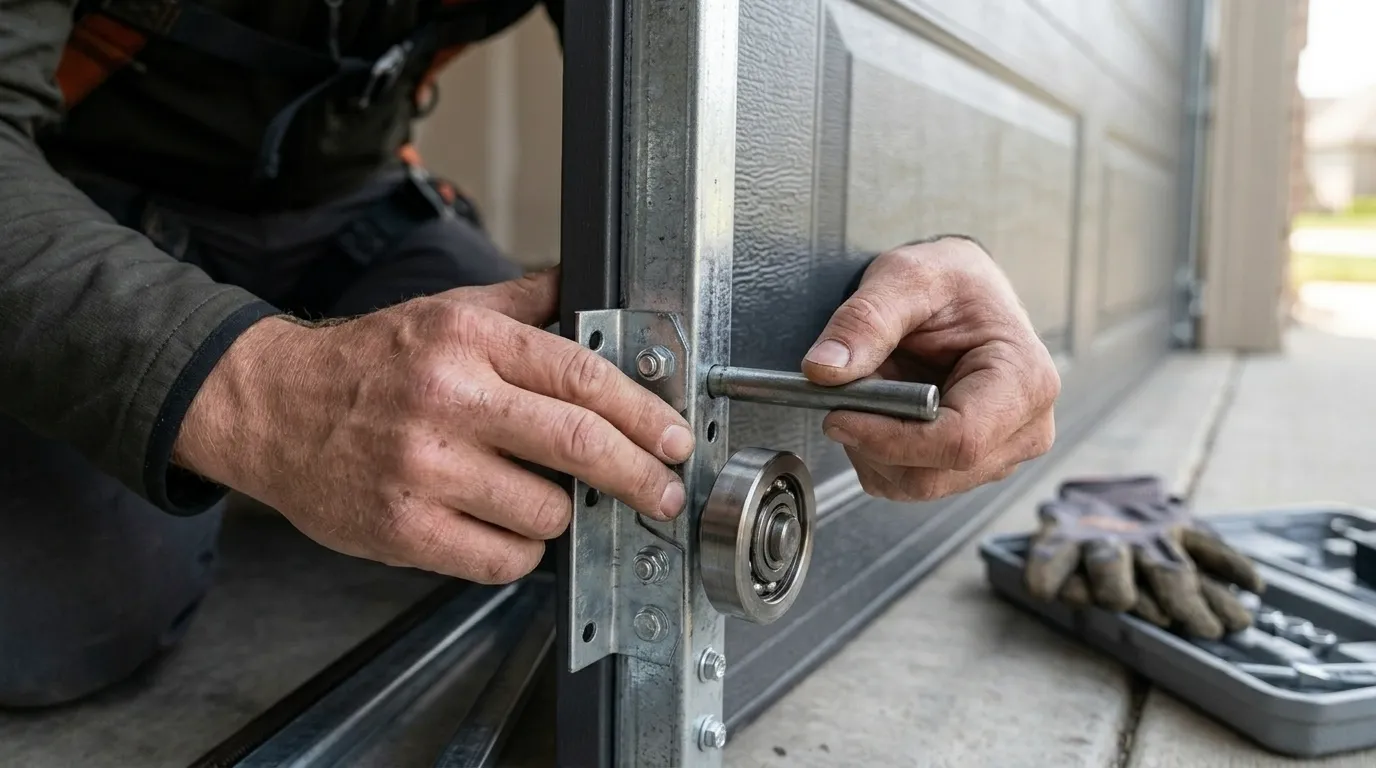
Raised panel
Request a quote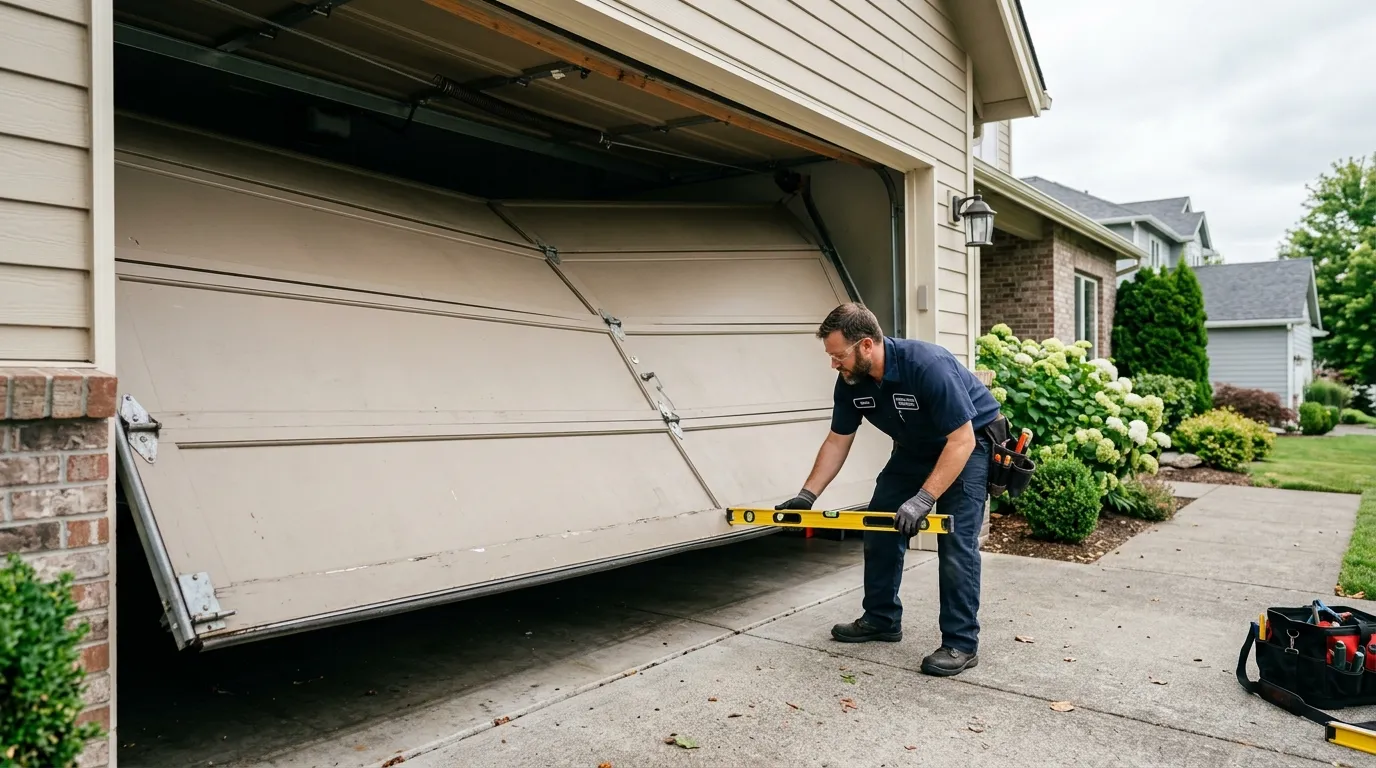
Commercial roll-up
Request a quoteMaterials & styles
Comparing door styles
General characteristics of each style - your exact options depend on the manufacturer and product line.
Sectional steel
Steel, insulated or non-insulated
The most common residential garage door style in North America. Horizontal panel sections hinge together and roll up along a pair of vertical-then-horizontal tracks. Available as a single steel skin or, more often, an insulated build with a foam core between two steel layers.
Carriage house
Steel, composite, or wood-faced
Styled to look like the swing-out carriage or barn doors of an older building, but operates on the same overhead track as a standard sectional door. Usually finished with decorative hinge and handle hardware to complete the look.
Modern flush
Steel or aluminum
A flat, smooth-faced panel design with no raised molding or ridges - a minimalist look that pairs with contemporary architecture. Built on the same sectional-track mechanism as a traditional panel door.
Full-view glass
Aluminum frame with glass or acrylic panels
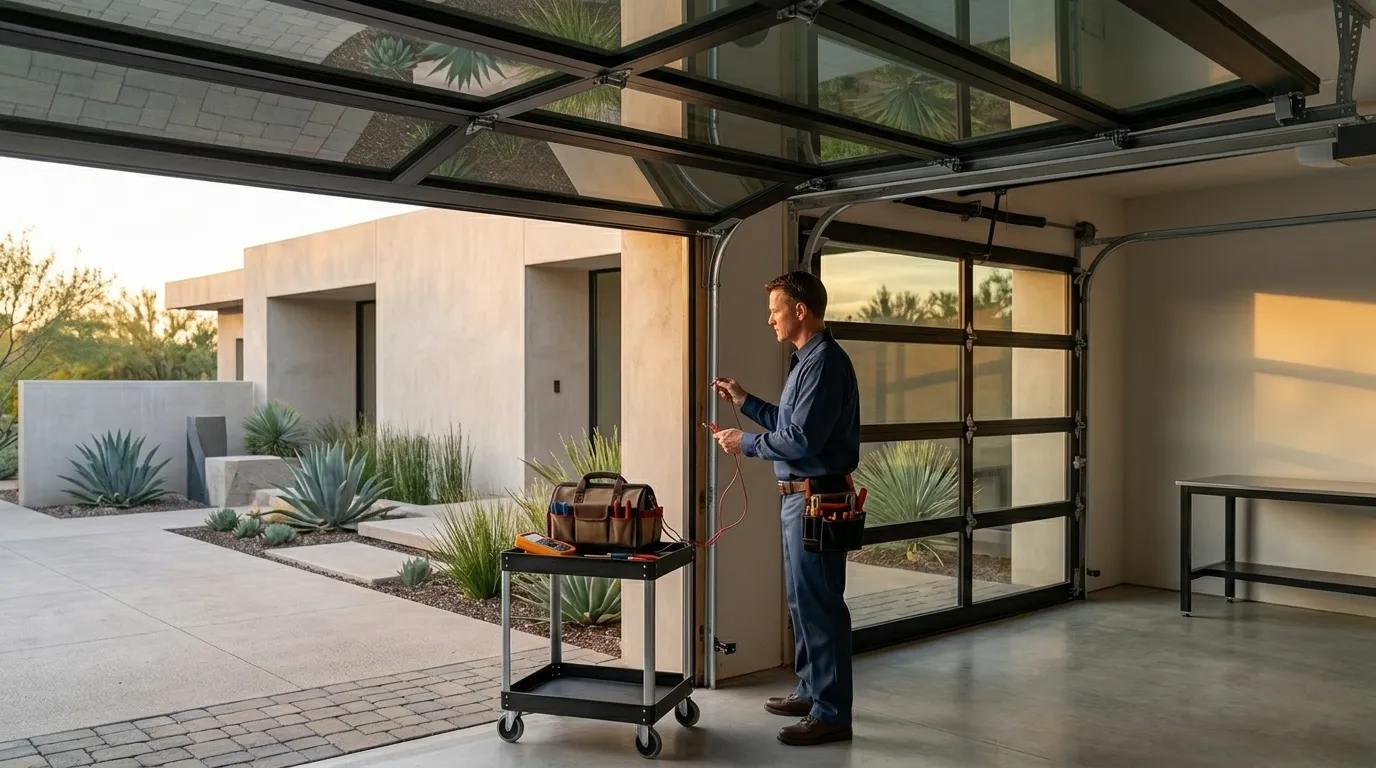
Aluminum-framed sections glazed with glass (clear, frosted, or tinted) instead of solid panels. Common on modern homes and commercial storefronts for natural light; typically offers less insulation than a solid steel door unless the glazing itself is insulated.
Raised panel
Steel
The traditional embossed-panel look most associated with a residential garage door, available in long- or short-panel patterns. Comes insulated or non-insulated, same as sectional doors.
Commercial roll-up
Heavy-gauge rolling steel
A rolling steel curtain (often slatted) built for higher daily cycle counts and larger openings than a residential sectional door - loading docks, warehouses, and commercial bays.
Options
Insulation & options
How it works
From “it’s stuck” to “it’s fixed”
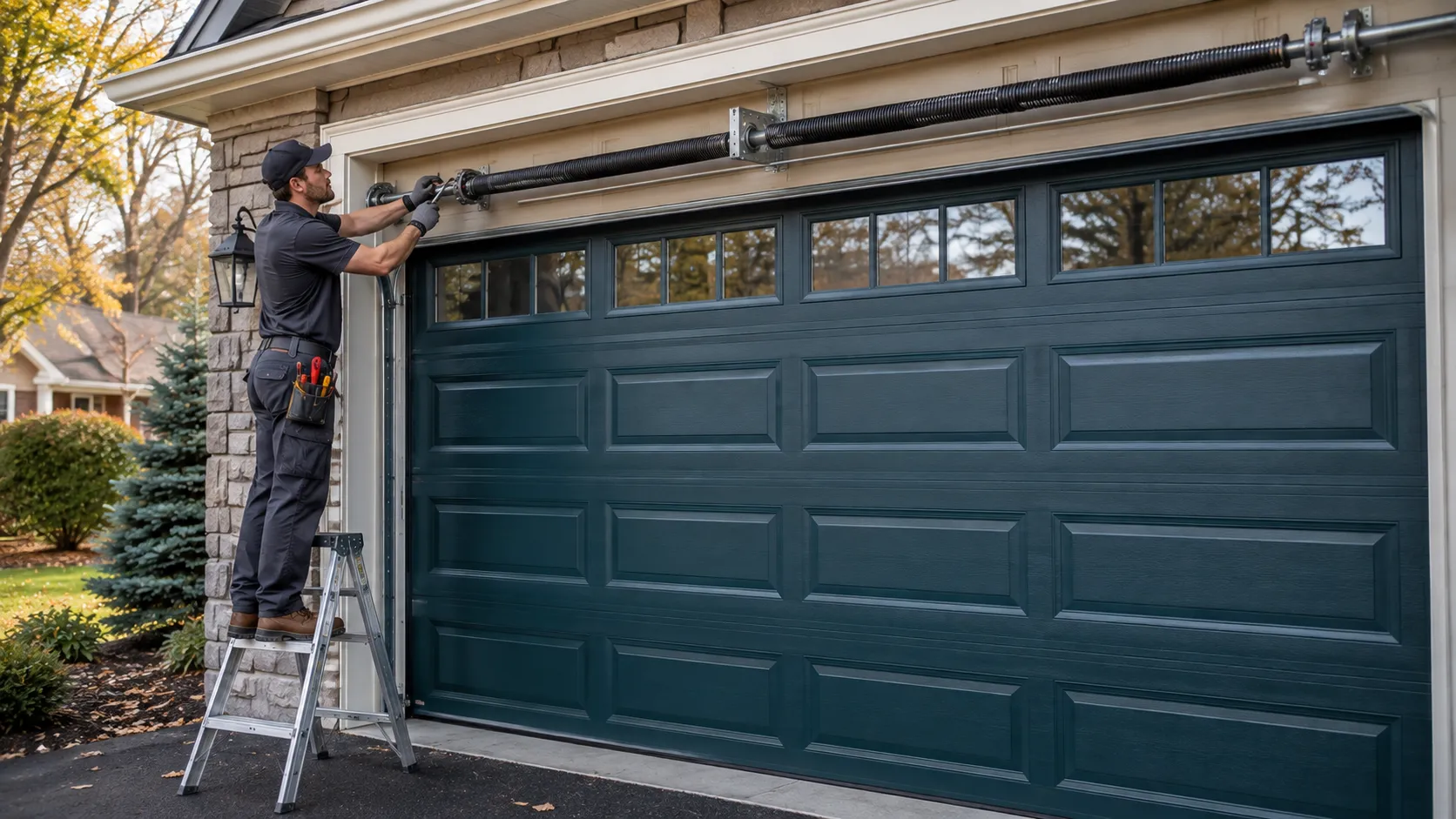
Tell us what’s wrong
Describe the symptom - won’t open, loud bang, opener runs but the door won’t move.
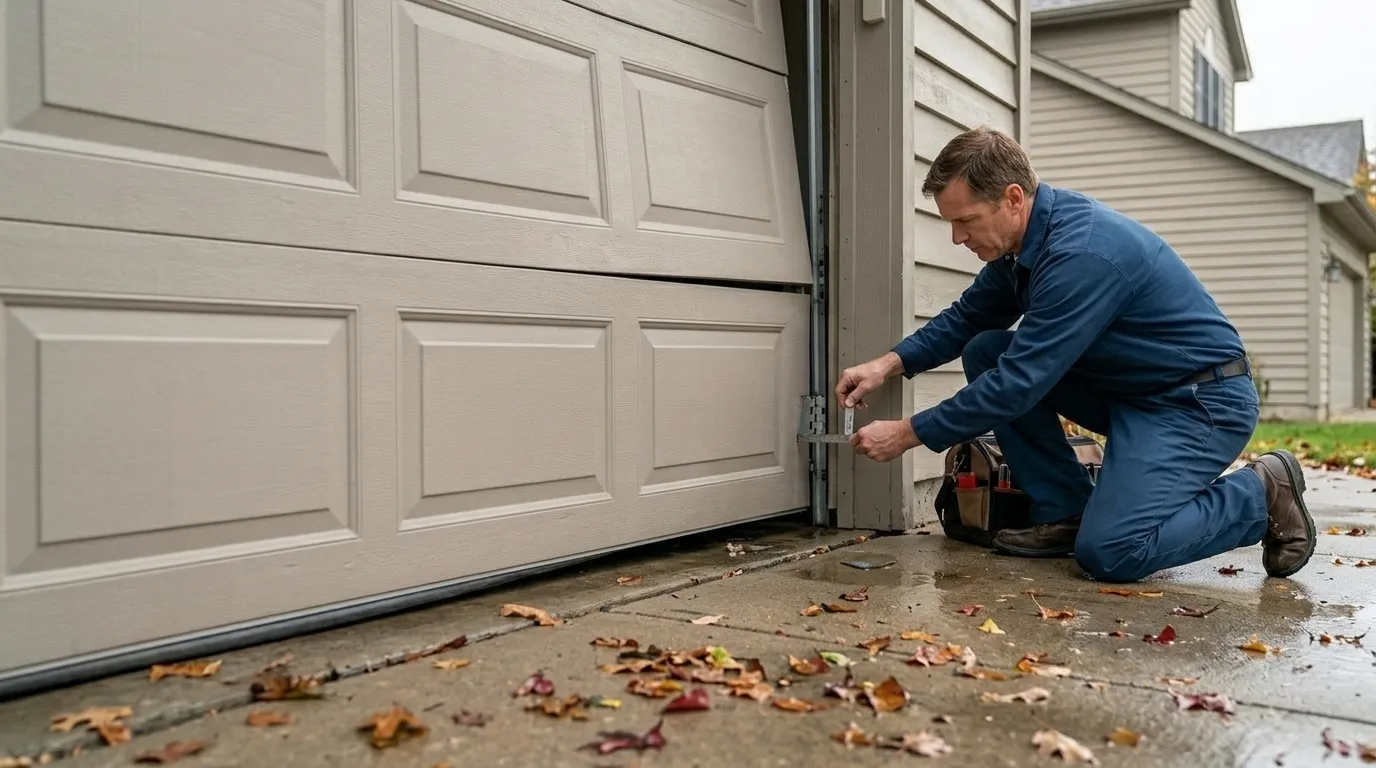
On-site diagnosis
A technician tests the door under power and by hand and finds what actually failed.
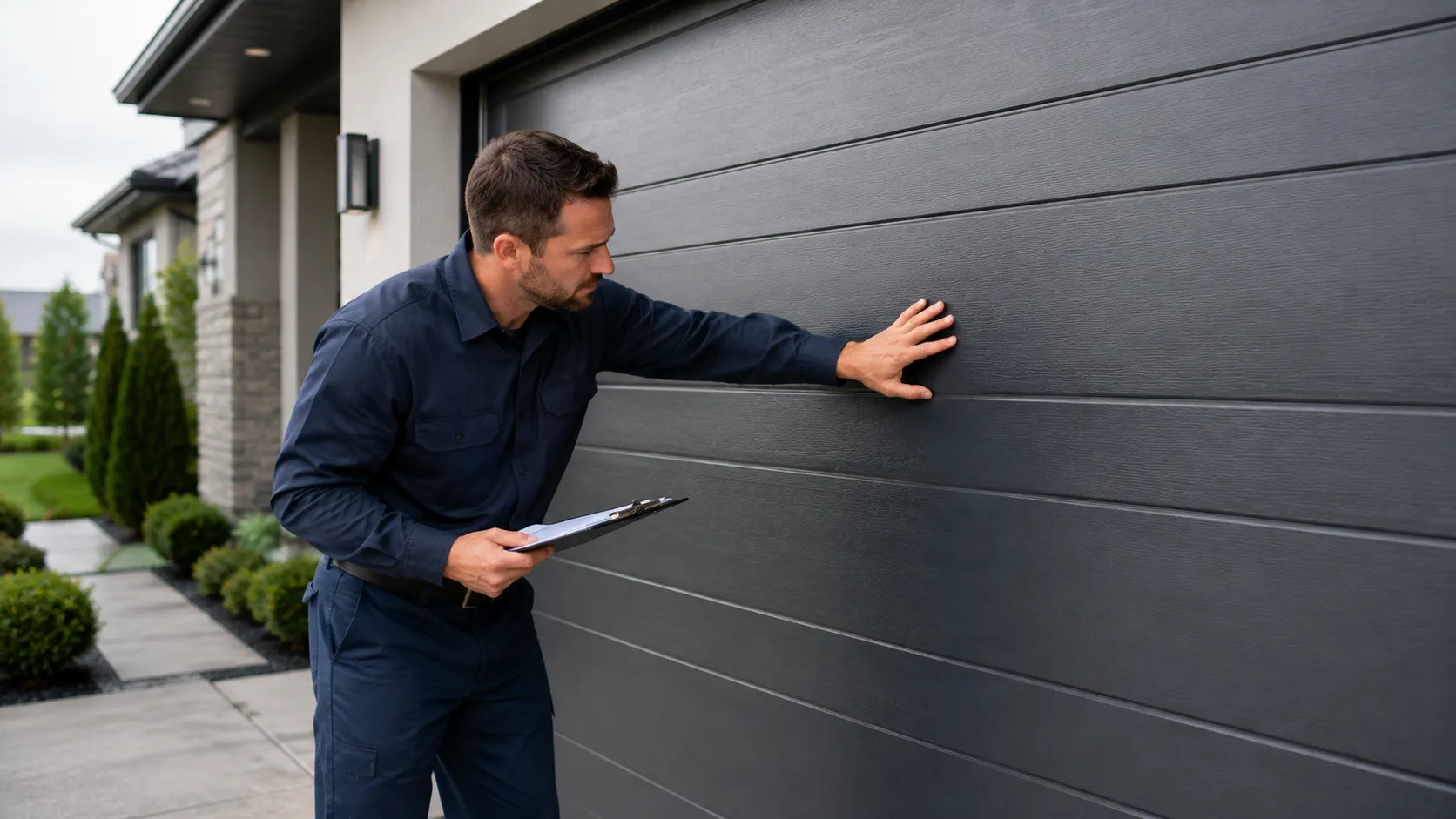
Clear, up-front plan
You get the fix that’s needed and what drives the cost - before any work starts.
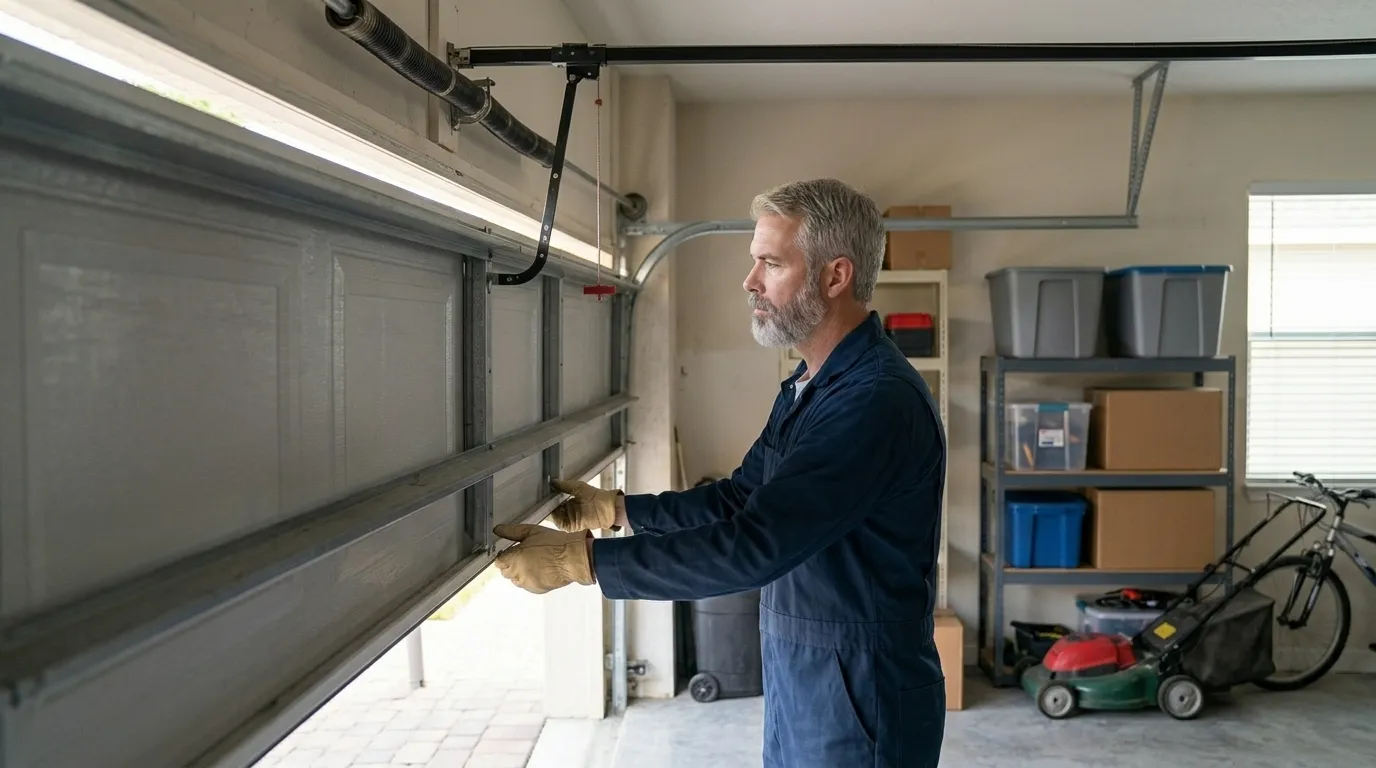
Repaired & tested
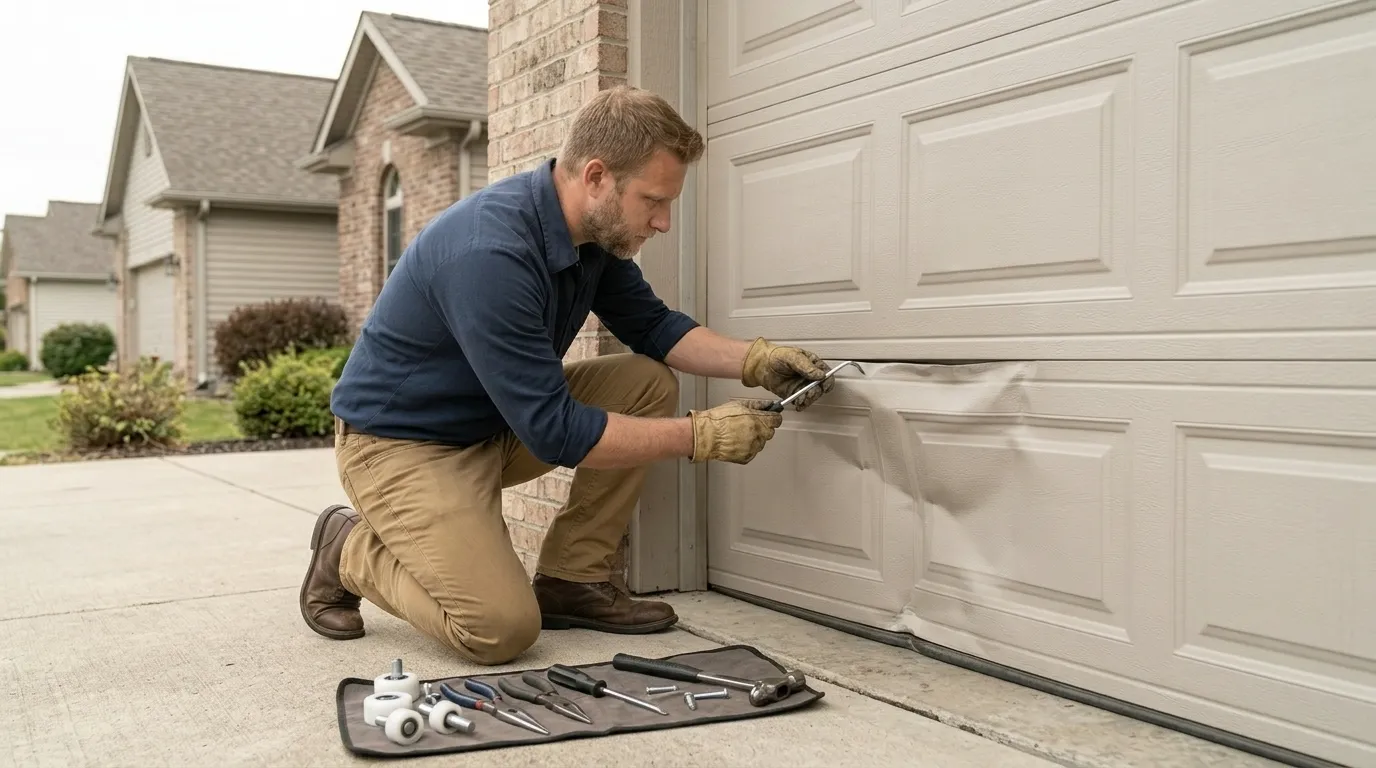
The repair is done, the door is set true and tested, and the work area left clean.
Door styles
Doors and work we handle
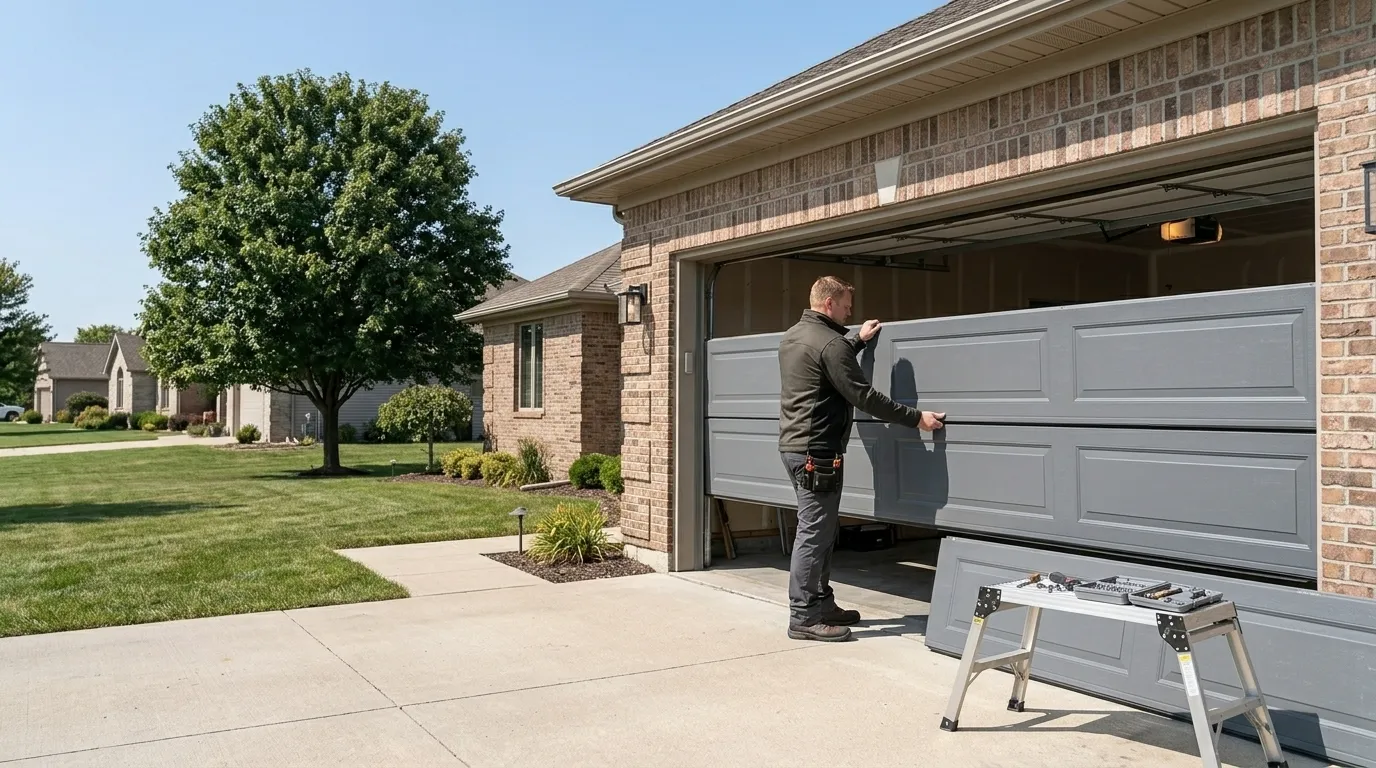
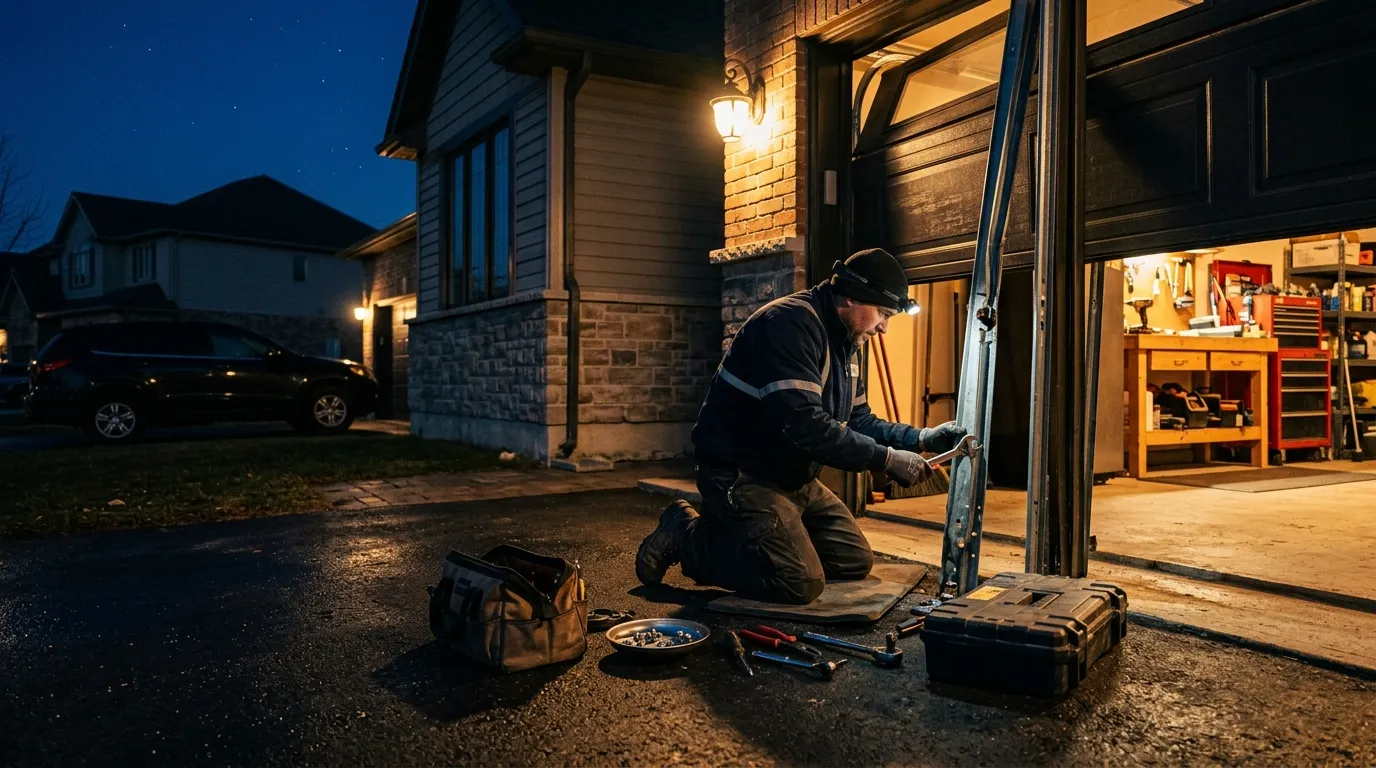
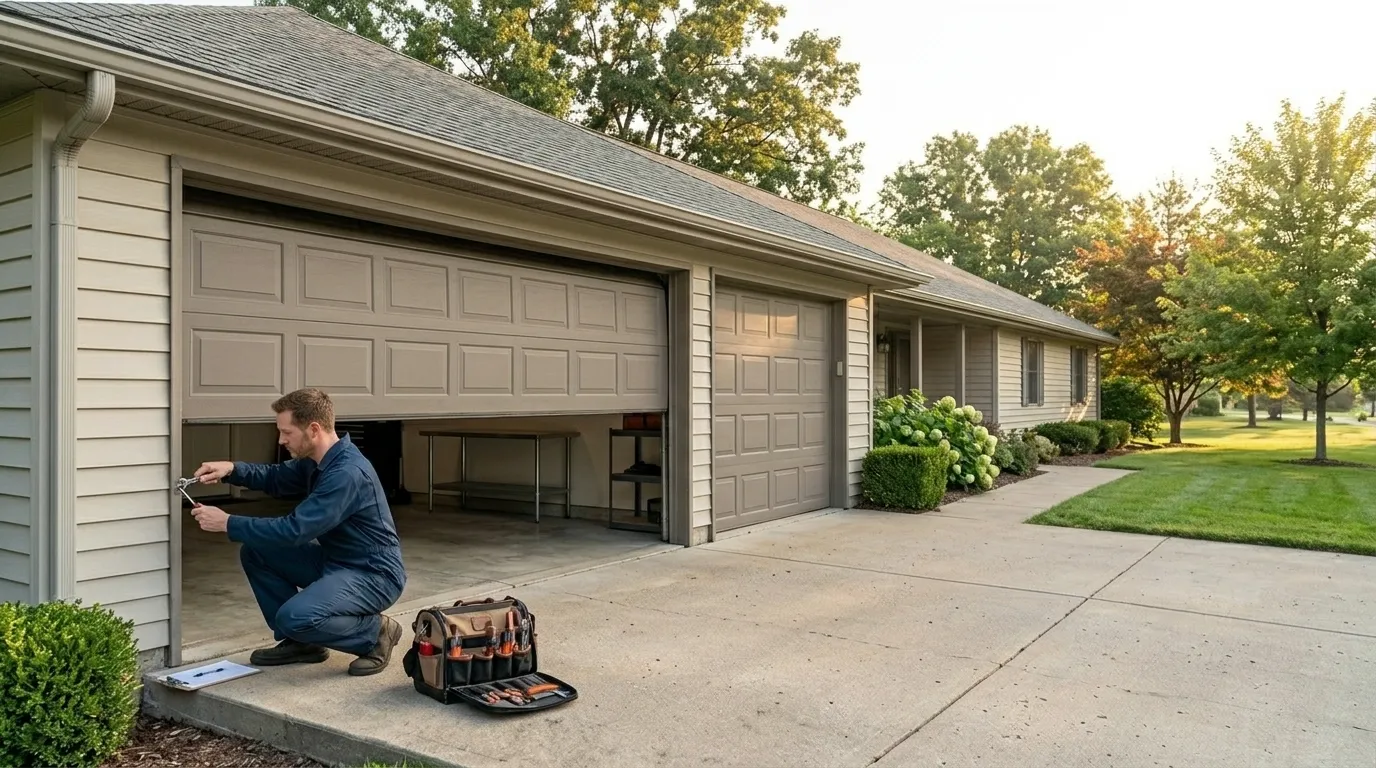
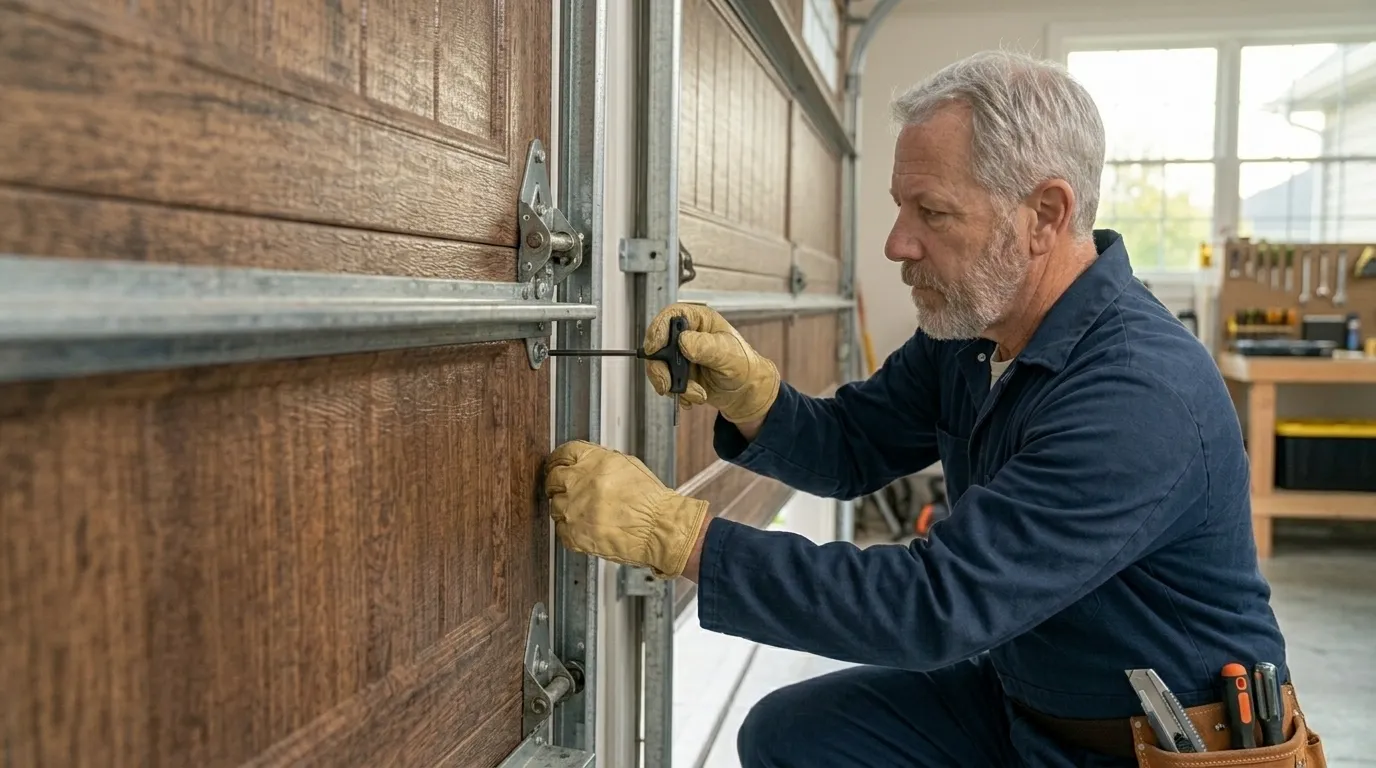
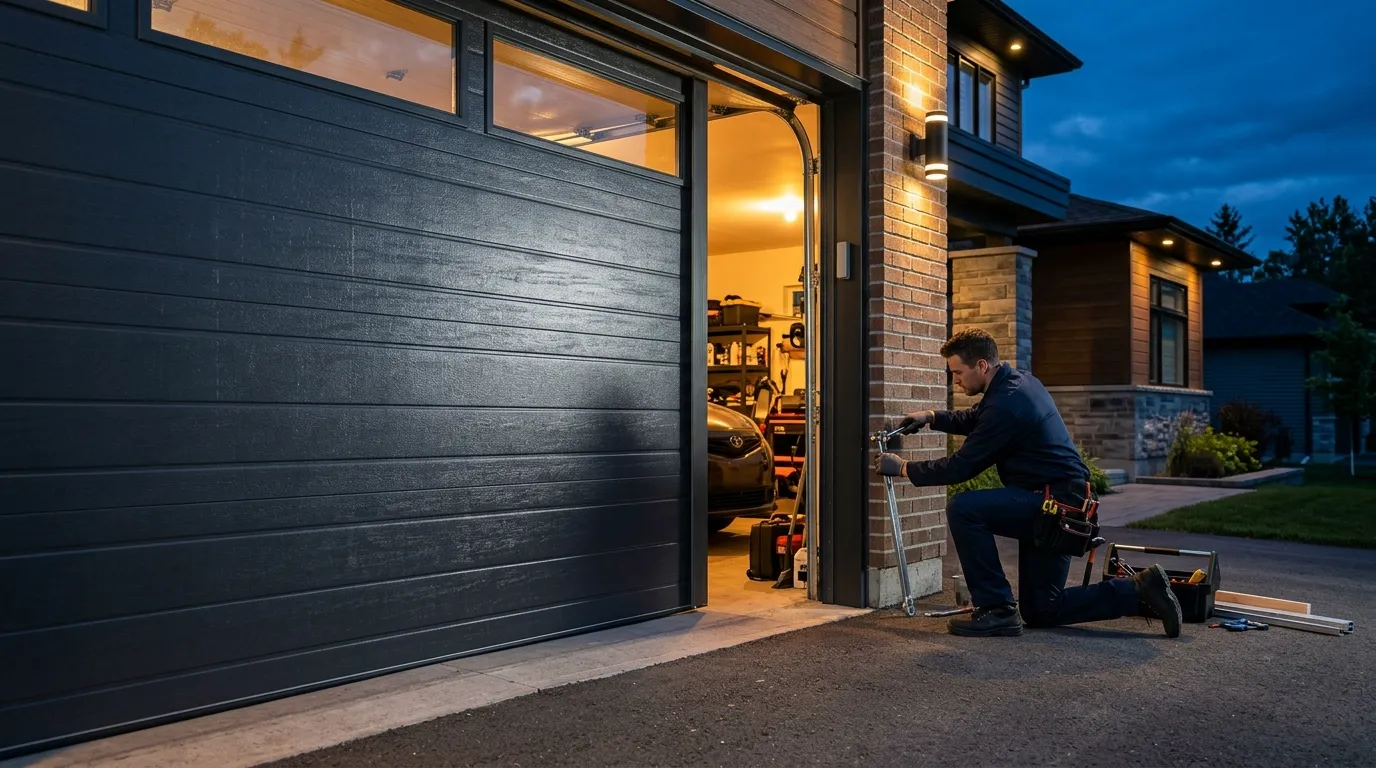
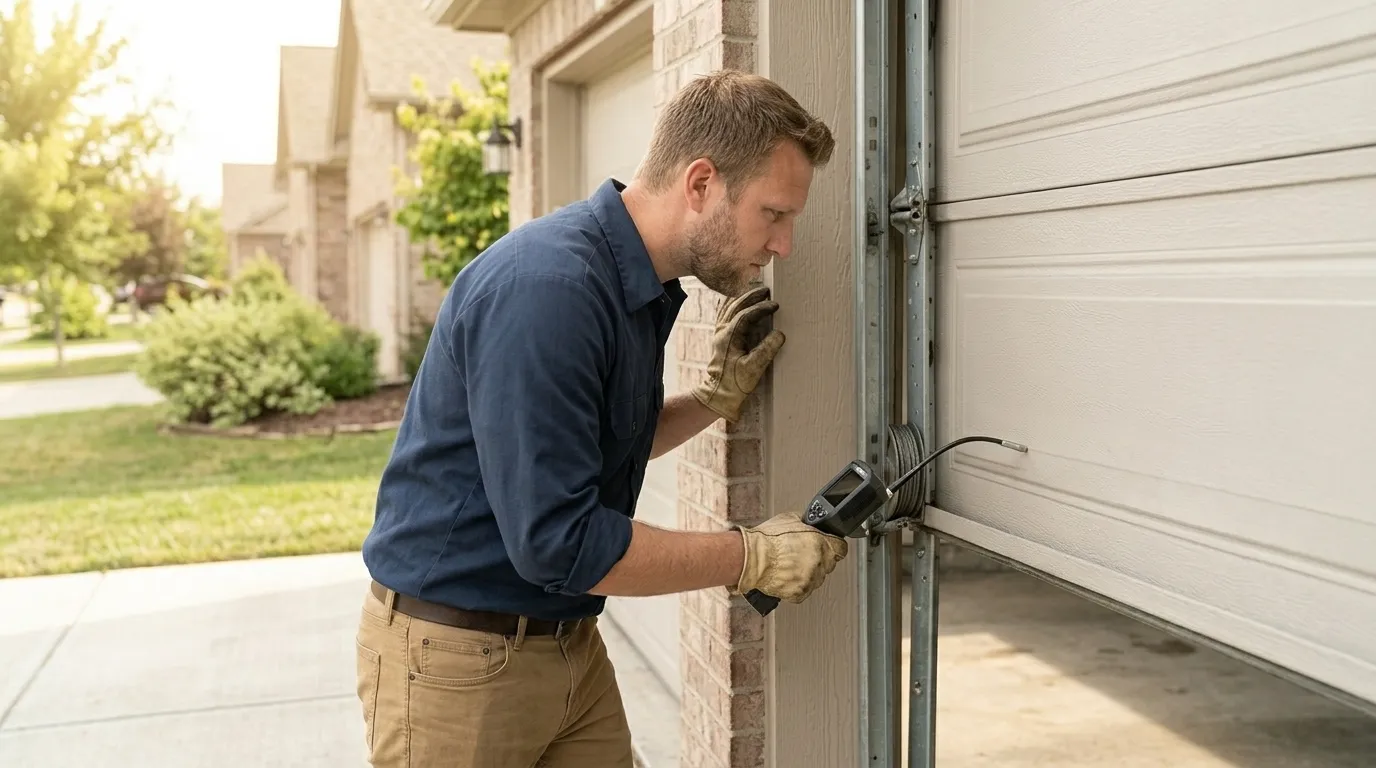
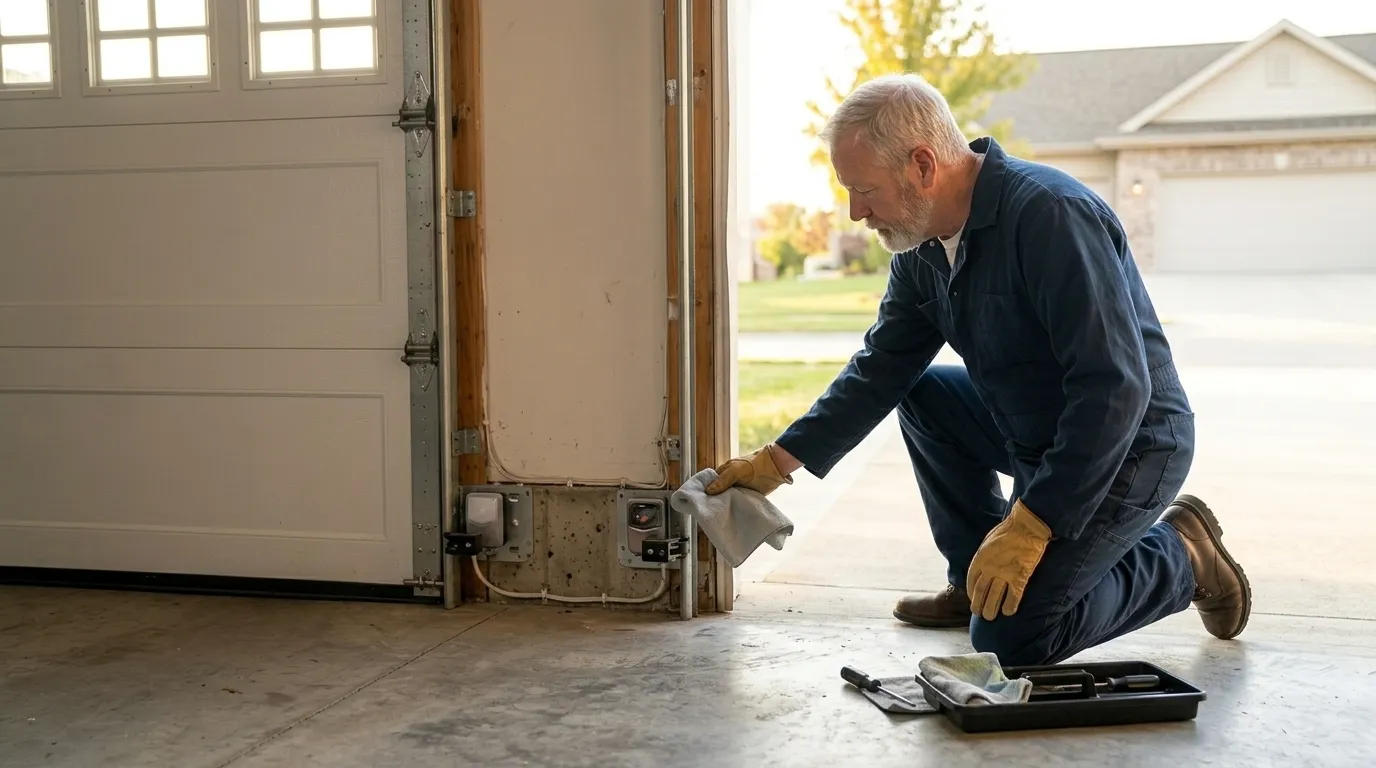
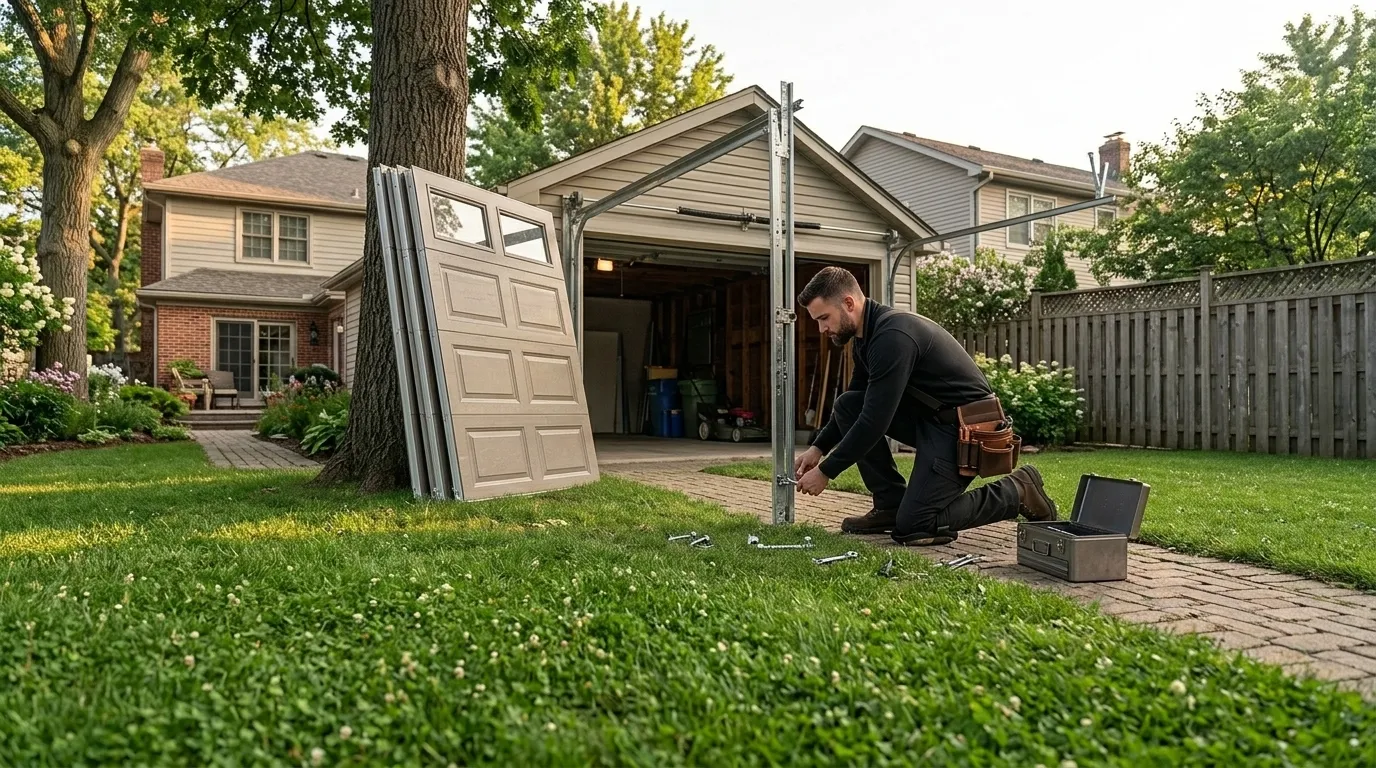
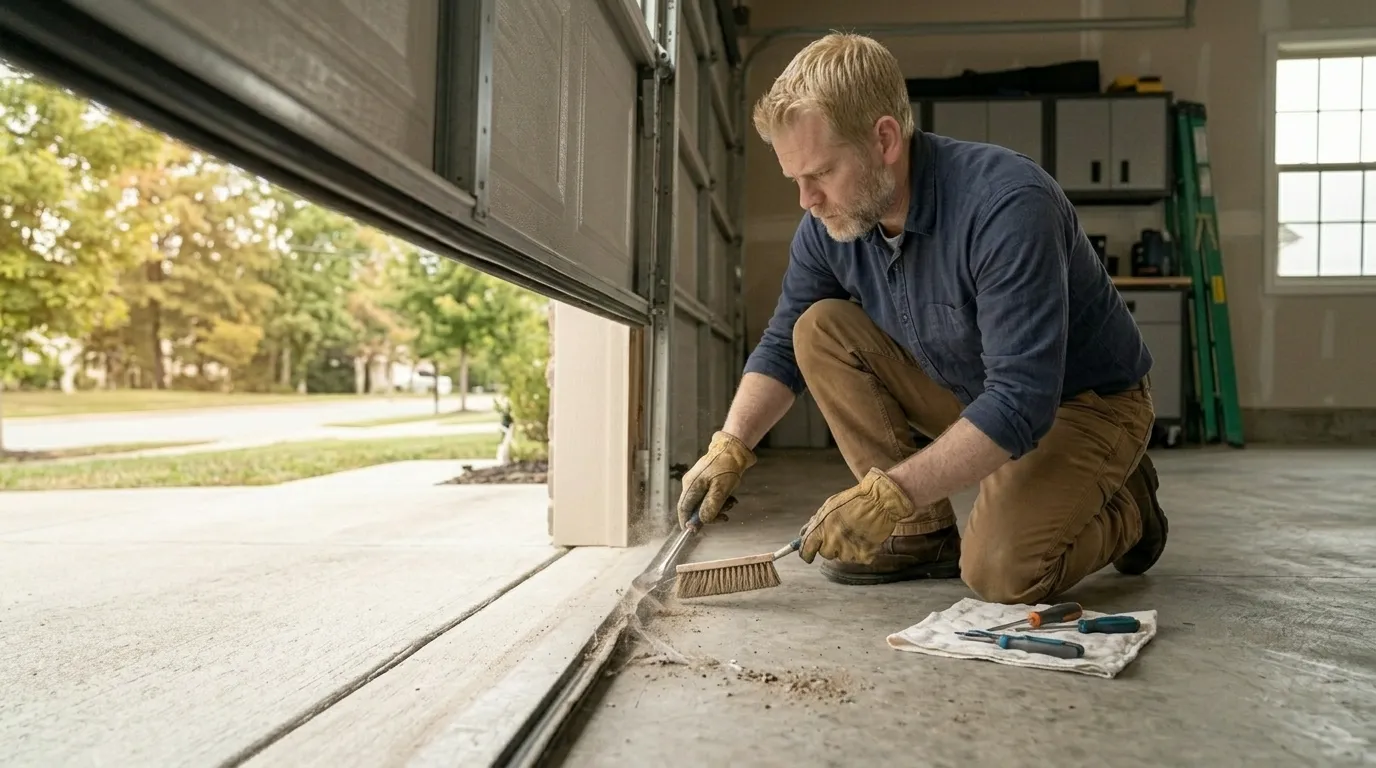
Illustrative styles - sectional, insulated steel, carriage, and commercial doors.
Questions
Frequently asked
Straight answers about garage door repair in Lincolnwood. Still unsure? Ask us directly.
How old is a typical garage door in Lincolnwood?
Most houses in this area were built between 1938 and 1994, with the median landing around 1961. That means a lot of original garage doors and hardware are pushing sixty years old, especially on the one-piece doors with side-mounted torsion springs common to that era.
Why do springs seem to break more in winter?
This area sits in a cold-moderate climate band, and cold snaps are hard on a spring that's already worn from decades of cycling. The metal loses tension faster through freeze-thaw stretches, so a spring near the end of its life often gives out on the first sharp cold morning of the season.
Is it worth repairing a door from the 1960s or 70s?
Sometimes. If it just needs a spring or a roller, repair makes sense. But if it's an original one-piece door on old side-mounted hardware and you're replacing parts every year or two, a new sectional door and opener installed can end up costing less than chasing obsolete parts.
Do you give a price over the phone?
No. Spring size, track type, opener age, and panel material all change the cost too much to guess without seeing the door. We give a written number on site before any work starts.
Ready to get your garage door sorted?
Tell us what it’s doing and where you are in Lincolnwood - we’ll take it from there.