24/7 Emergency Service Open 7 days · 7am–8pm Serving Lincolnwood, IL & nearby
(224) 353-7699
Lincolnwood, IL

What Actually Happens During a Service Call Here

A look at what a real service call includes for Lincolnwood homes built 1938-1994, with cold-climate hardware wear and local cost factors explained.

What Actually Happens During a Service Call Here

What Most People Get Wrong

Most homeowners think a service call means someone shows up, sprays the track, and leaves. That's not what it is. A real call starts with the door's history - and in Lincolnwood, that history usually starts in a specific decade. With housing here built between 1938 and 1994, median year 1961, a tech is walking into a door system that's almost always older than a quick lube job can fix. The spring, the hinges, and the opener bracket may not match what's sold today, because the house itself predates the current hardware standard.

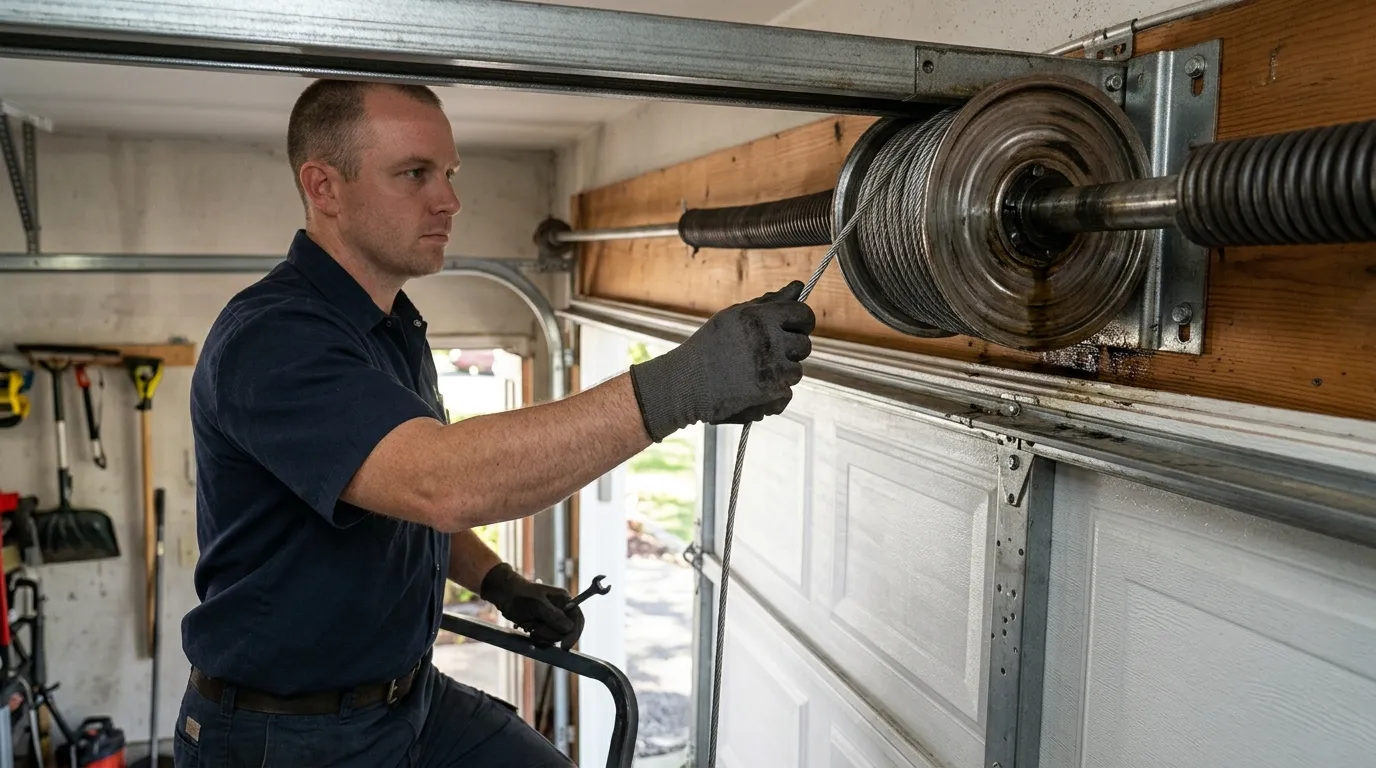
The other thing people get wrong is assuming the call is just about the door panel. It's about the whole assembly - track alignment, cable wear, spring tension, and the opener's connection to all three. On a 1960s-era door, those parts have usually been replaced piecemeal over decades by different people, which means a tech has to check whether the spring size actually matches the door weight before doing anything else. Skipping that step is how a five-minute adjustment turns into a callback.

How Local Conditions Play In

Lincolnwood sits in a cold, moderate climate band, and that matters more for a garage door than most people expect. Steel contracts in winter cold, and on a door with an original torsion spring from the 1960s-70s stock common across this area, that contraction shows up as a slightly shorter door cycle - the spring pulls tighter, the opener strains a bit more, and the rollers wear faster on the cold end of the season than the warm one.

A tech checking a door here in January is looking for something different than a tech checking the same door in July: ice buildup at the bottom seal, stiffness in the extension springs, and whether the opener's force setting has drifted enough that the safety reversal is no longer reliable in cold air. None of that is guesswork - it's just what cold-climate steel and 50-to-80-year-old spring hardware do to each other over a winter.

The Situation

Across the area - from the blocks near Golf and Harwood Heights out toward Jefferson Park and Albany Park - most of the housing stock dates to the 1960s and 70s, with the broader range running 1938 to 1994. That's the range a service call is built around. A door installed in a house from that median 1961 build year has usually gone through at least one opener swap and one spring replacement by now, sometimes done to code, sometimes not.

With 52,848 owner-occupied houses in the service area and 104,270 households total, there's a wide spread of exactly how each door was maintained - some by the original installer, some by whoever was cheapest at the time. A service call has to sort that out before recommending anything: what's original, what's been swapped, and what's about to fail regardless of age.

The Cost of This Job

We don't have a flat number to quote here, and giving one without seeing the door would be a guess dressed up as a fact. What we can say is that cost tracks pretty closely with how much of the original 1960s-70s hardware is still on the door. A door that's had its spring and opener replaced at some point costs less to service than one still running its original torsion setup - the older parts take longer to source and longer to adjust safely.

Median household income in the area runs $99,861, and that shows up less in what people are willing to pay and more in what they ask for: full opener upgrades over patch repairs, and a preference for doing the job once. One honest limit worth naming: if the spring or track hardware is original to a 1938-1994 build and heavily worn, replacement is usually the better call than repeated small fixes - we'll say so rather than keep billing for adjustments that won't hold.
How it works

From “it’s stuck” to “it’s fixed”

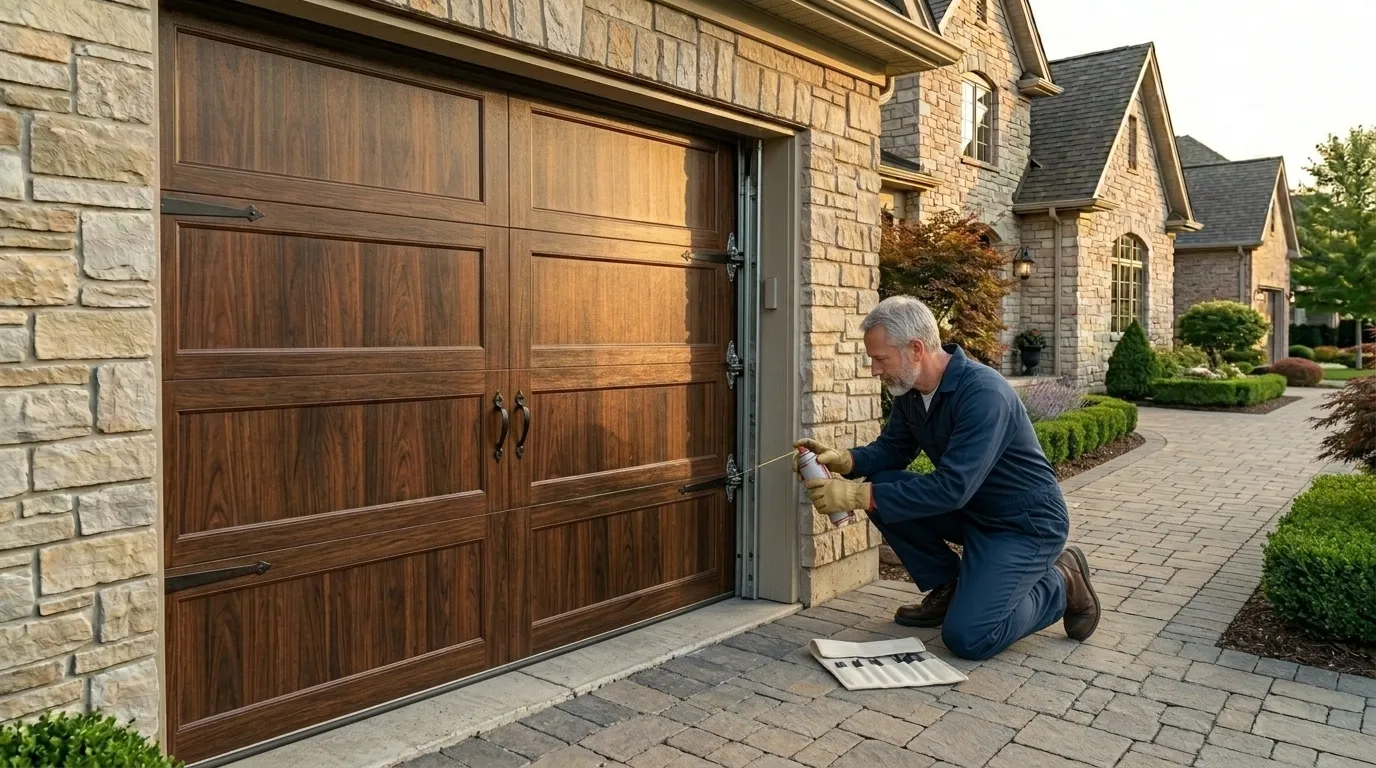
Tell us what’s wrong - Lincolnwood garage door service

Tell us what’s wrong

Describe the symptom - won’t open, loud bang, opener runs but the door won’t move.

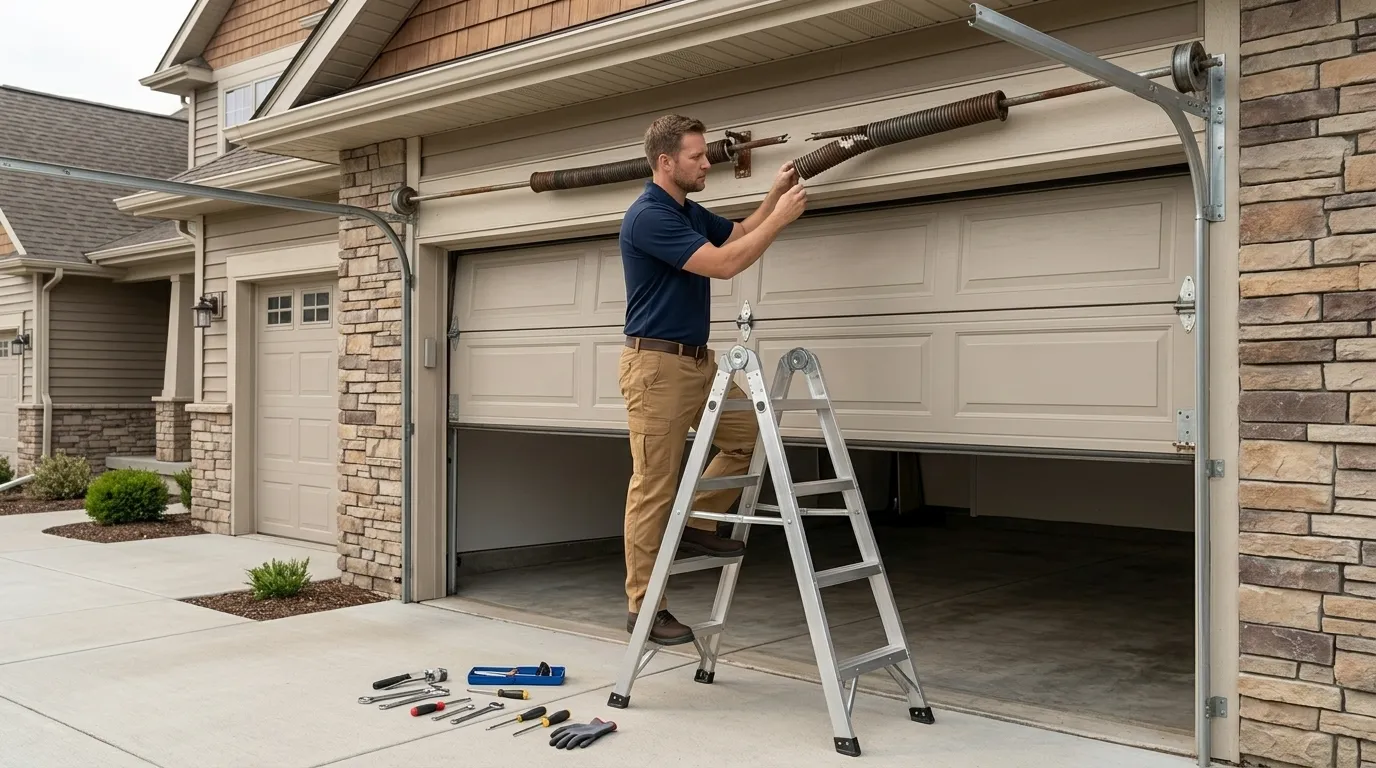
On-site diagnosis - Lincolnwood garage door service

On-site diagnosis

A technician tests the door under power and by hand and finds what actually failed.

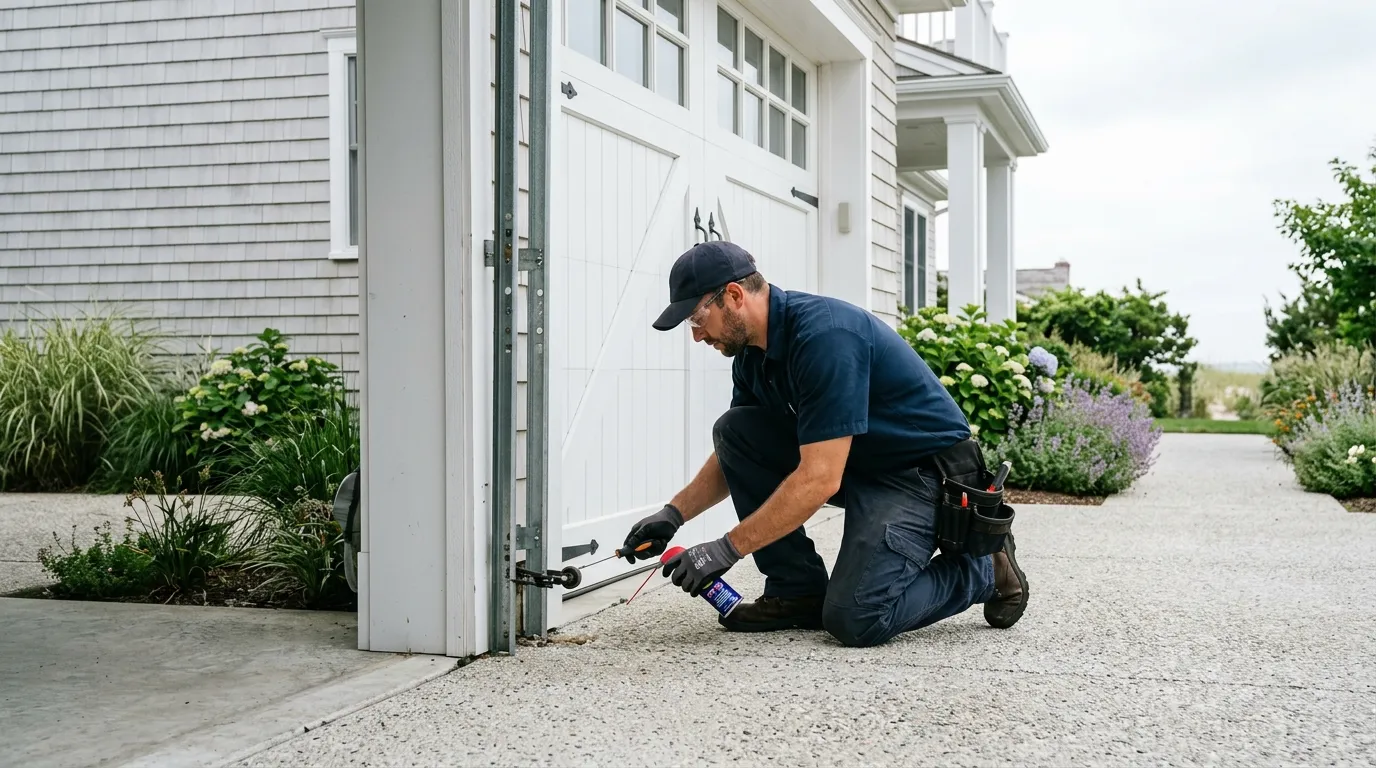
Clear, up-front plan - Lincolnwood garage door service

Clear, up-front plan

You get the fix that’s needed and what drives the cost - before any work starts.

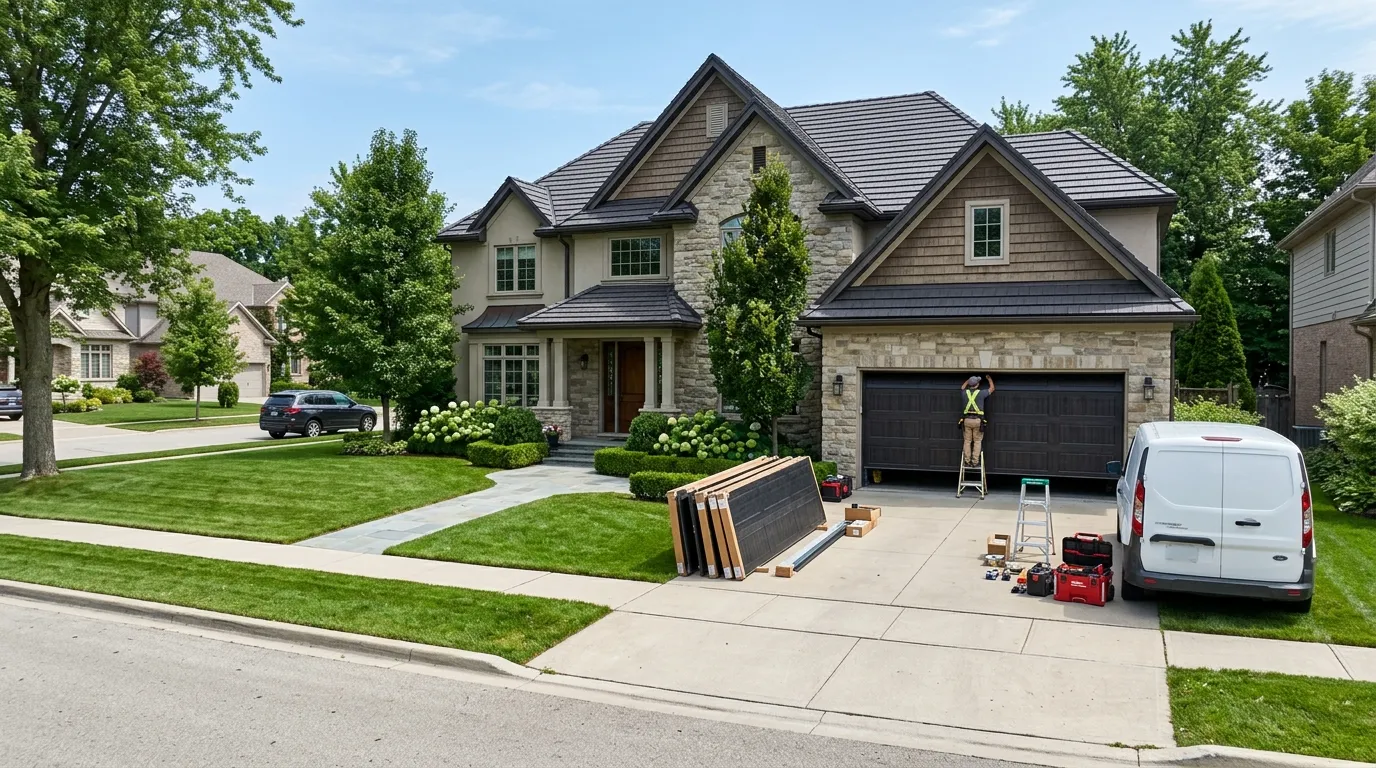
Repaired & tested - Lincolnwood garage door service

Repaired & tested

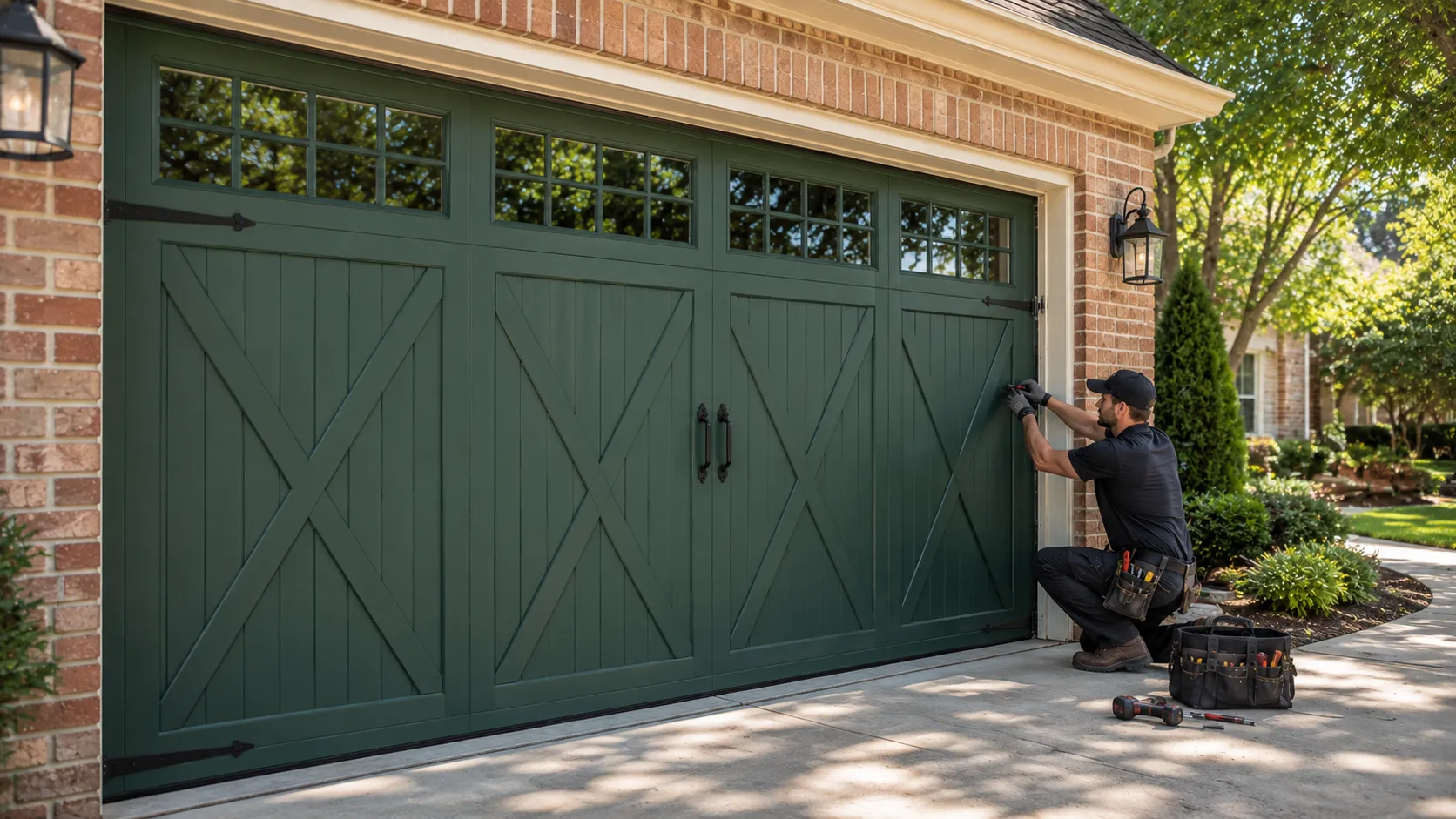
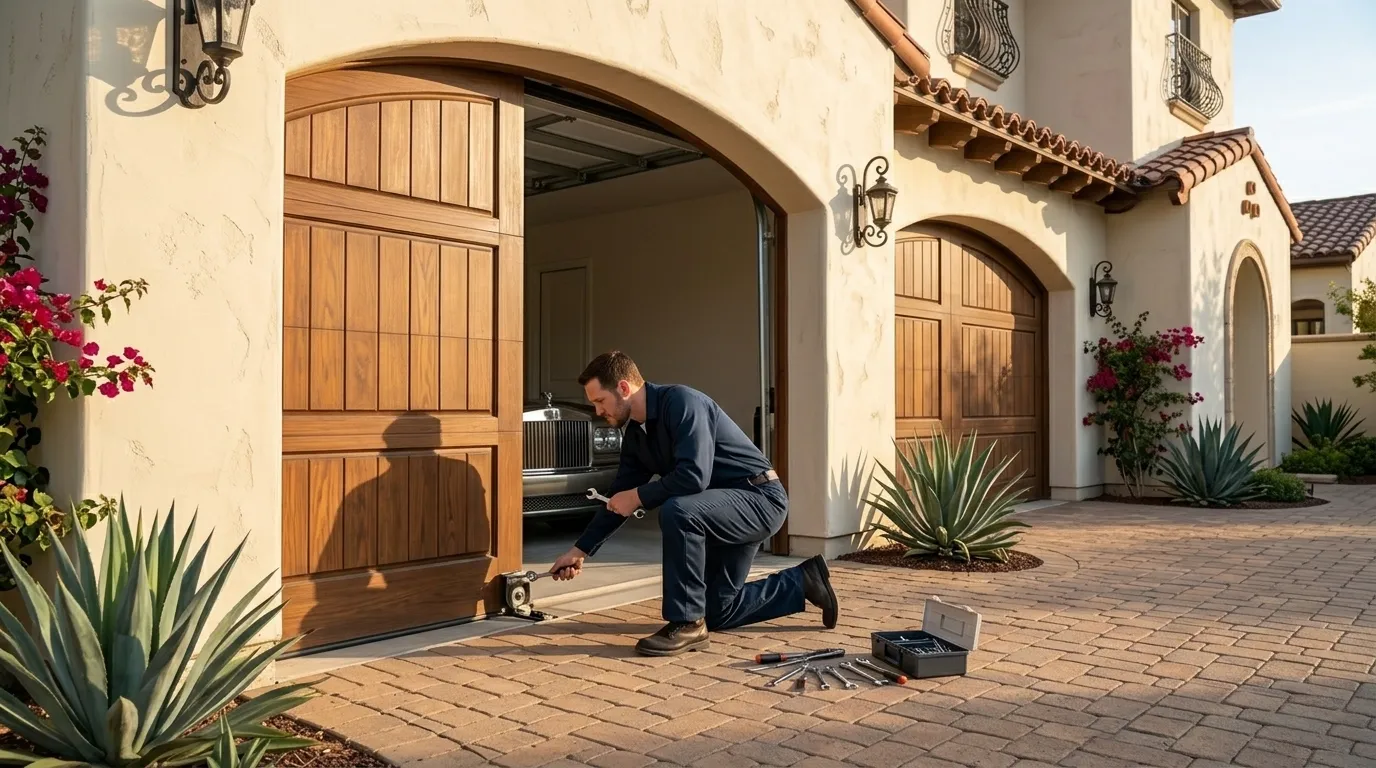
The repair is done, the door is set true and tested, and the work area left clean.

Serving Lincolnwood, IL - tell us what your door’s doing and we’ll take it from there.

How we work

What to expect

Diagnosis firstEvery visit starts by finding what actually failed - not a pre-written parts list.
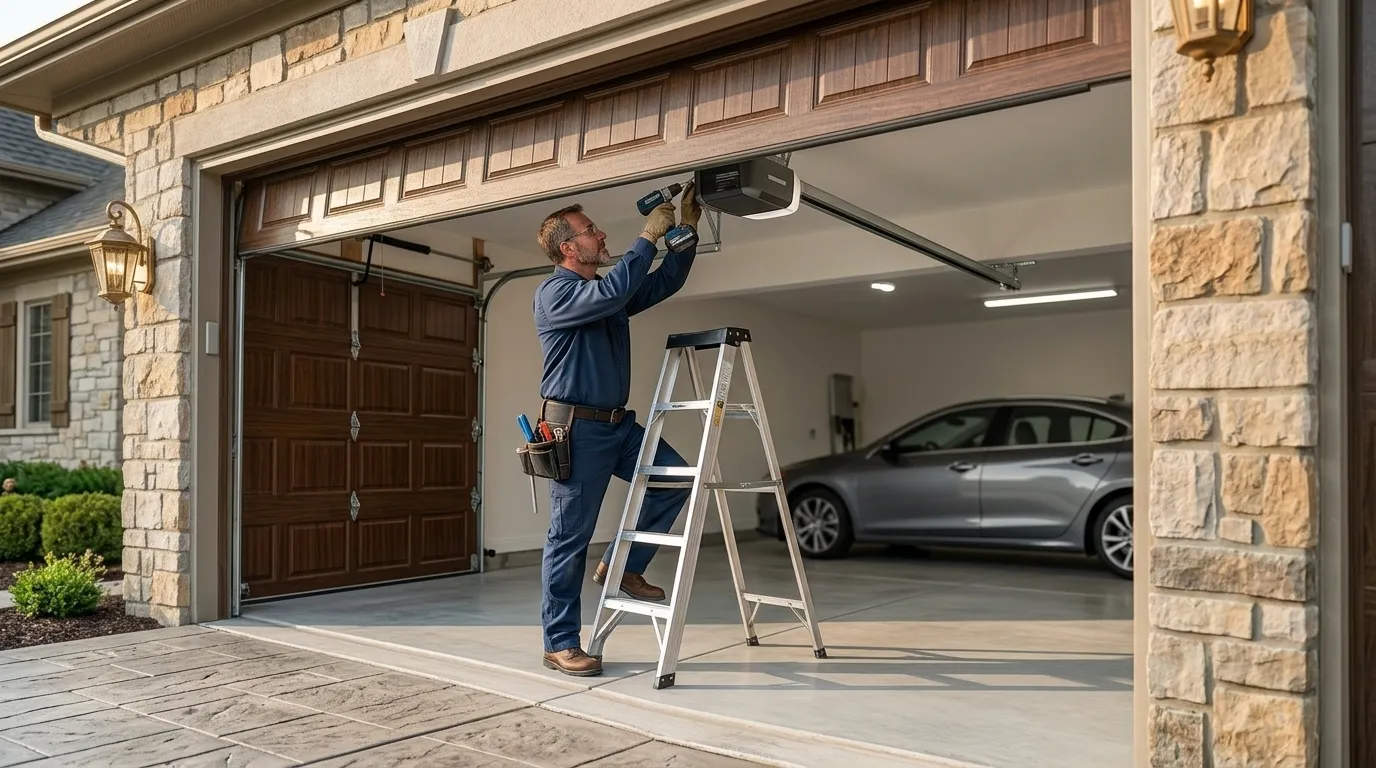
The right part for the doorSprings and openers matched to the door’s weight and age, so the fix holds up.
Straight answersWhen a repair makes more sense than a replacement - or the reverse - you hear it plainly.
Clean, careful workTension released safely, hardware set true, the door tested under power before we leave.
Questions

Frequently asked

Straight answers about garage door repair in Lincolnwood. Still unsure? Ask us directly.

How do I know if my garage door hardware is original to the house?

If your Lincolnwood house was built in the 1938-1994 range - most were put up in the 1960s or 70s - and no one in your ownership history has mentioned a spring or opener swap, there's a real chance the torsion spring or track dates back close to the build year. A tech can tell fairly quickly by the hardware style and mounting.

Does cold weather actually affect my garage door spring?

Yes. Lincolnwood sits in a cold, moderate climate band, and steel springs tighten slightly as temperatures drop. On older torsion springs common in this area's 1960s-70s housing stock, that extra tension shows up as harder lifts, more opener strain, and faster roller wear through winter.

Why can't I get a flat price over the phone?

Because the right fix depends on what's already on the door. A house built near the 1961 median here might still have original hardware, or it might have been fully replaced already - those are two different jobs with different parts and different time on site, so a real number needs a look at the door first.

Ready to get your garage door sorted?

Tell us what it’s doing and where you are in Lincolnwood - we’ll take it from there.

Request a QuoteCall