What We Get Called For
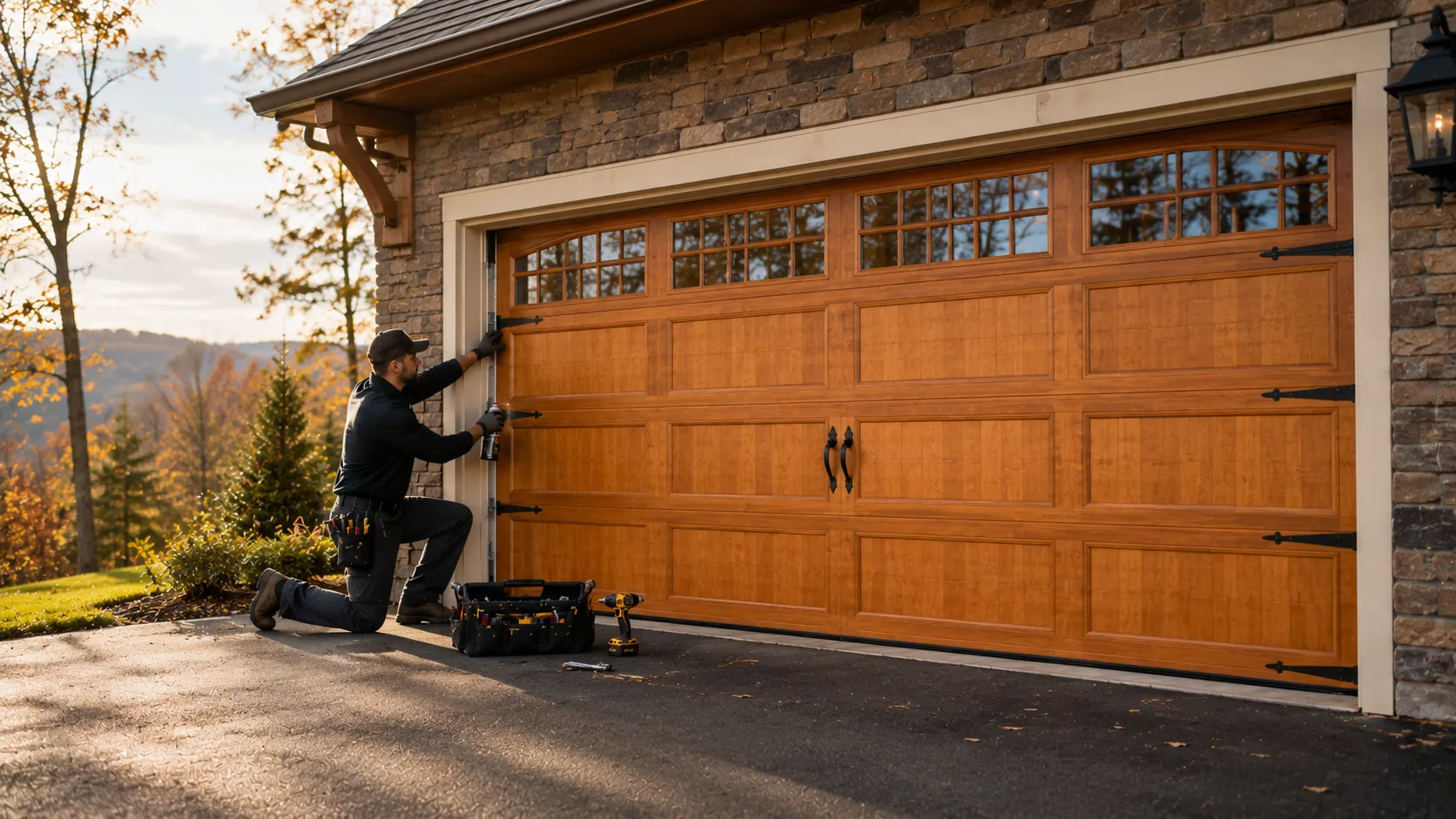
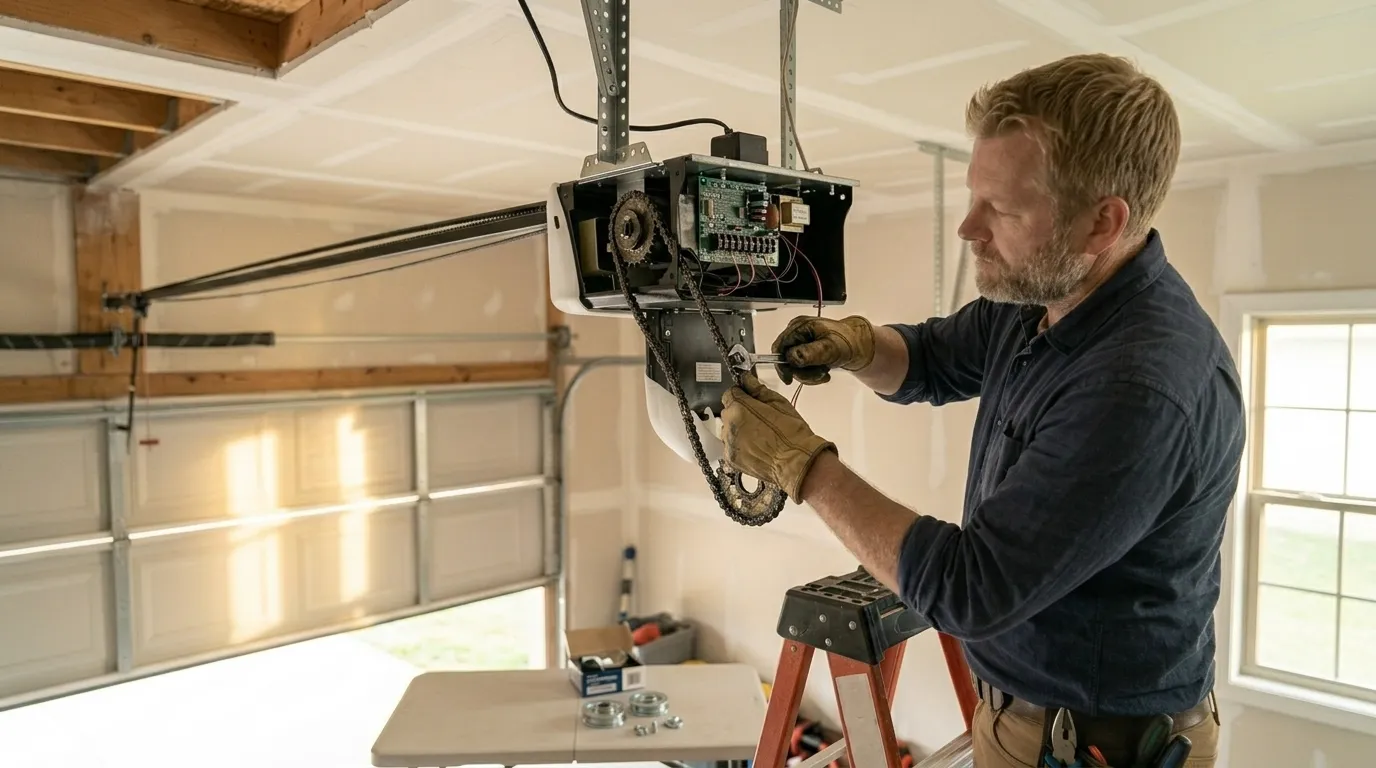
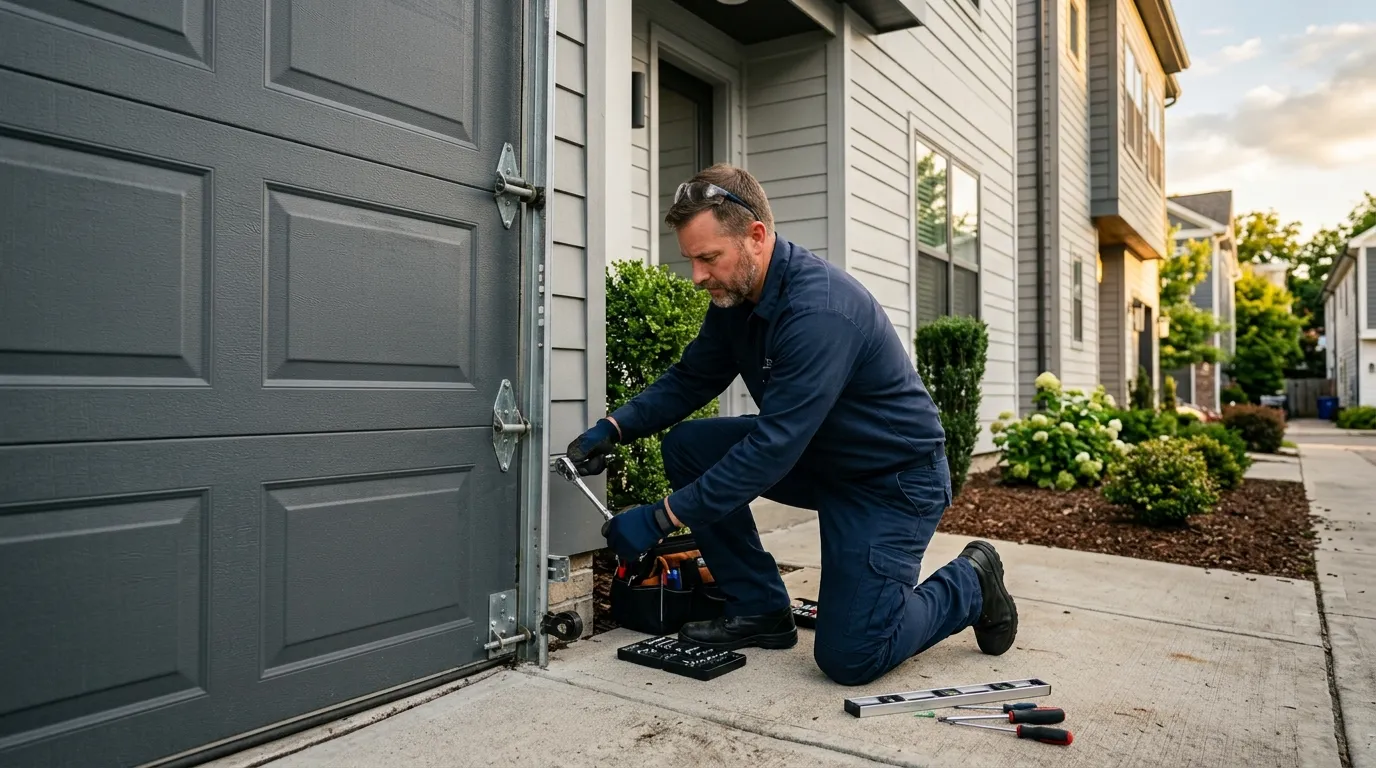
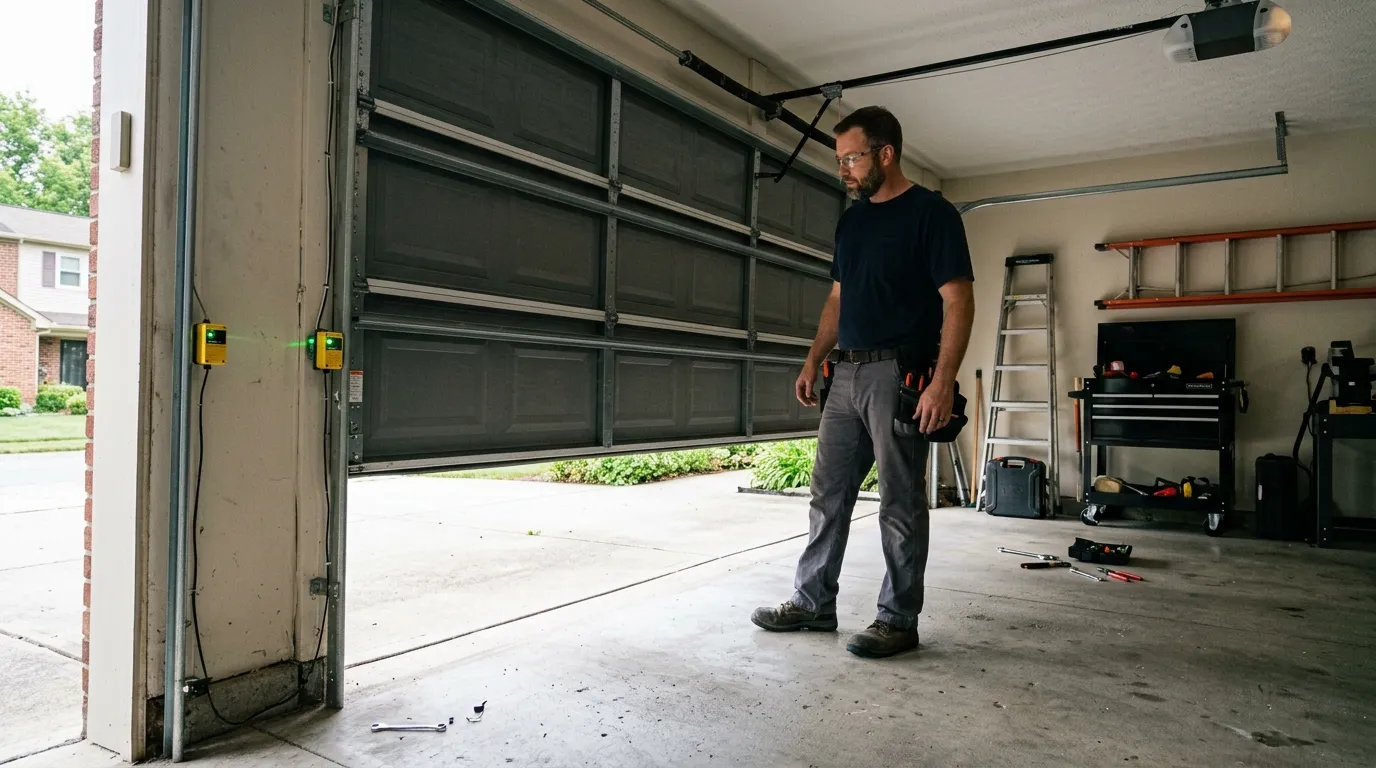
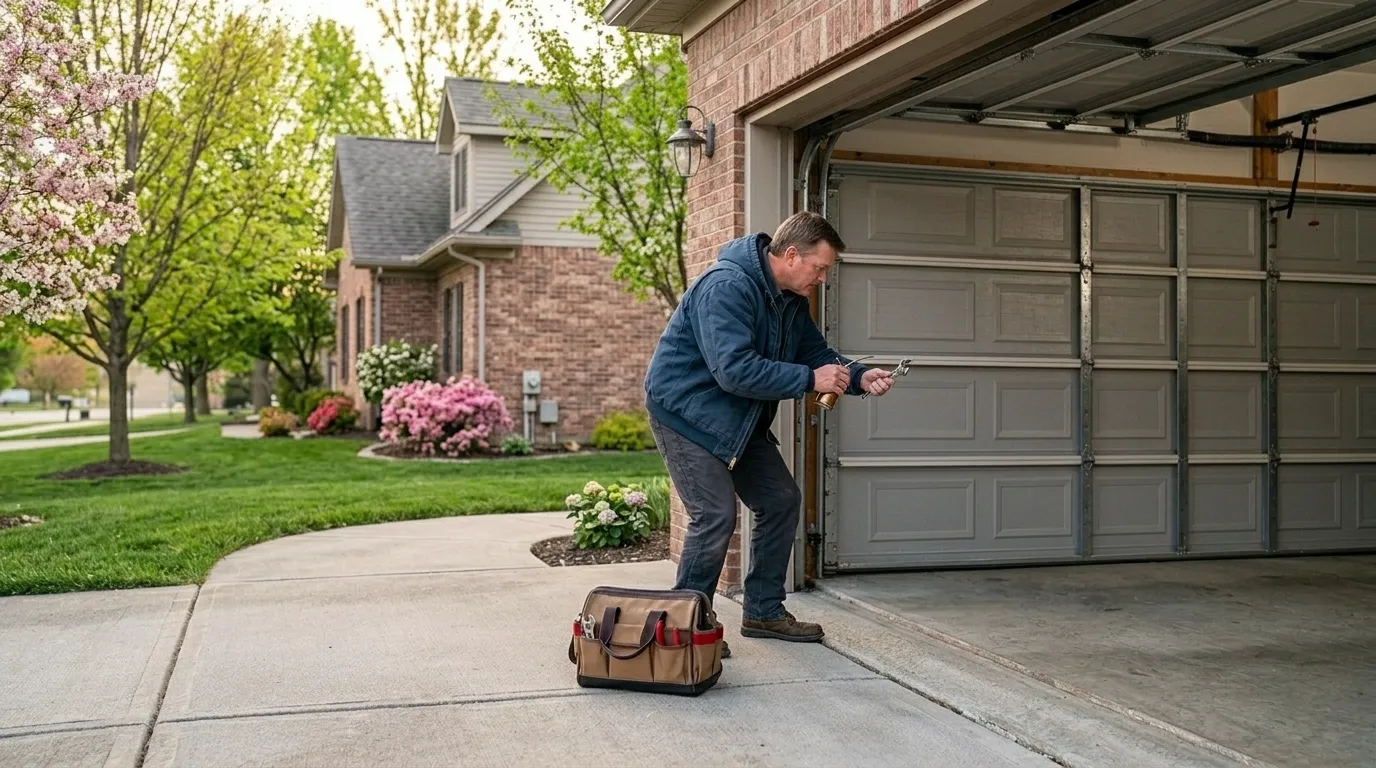
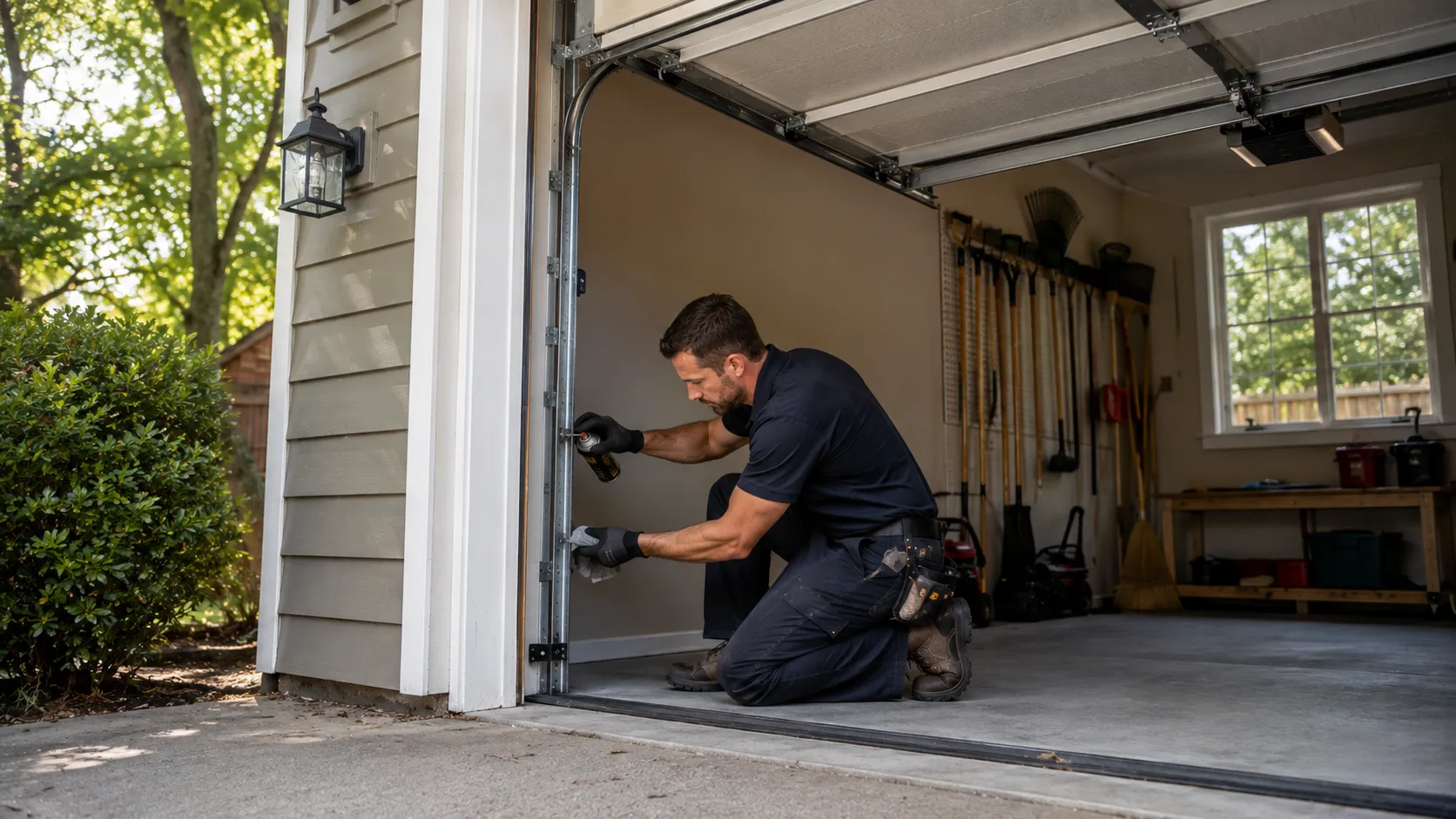
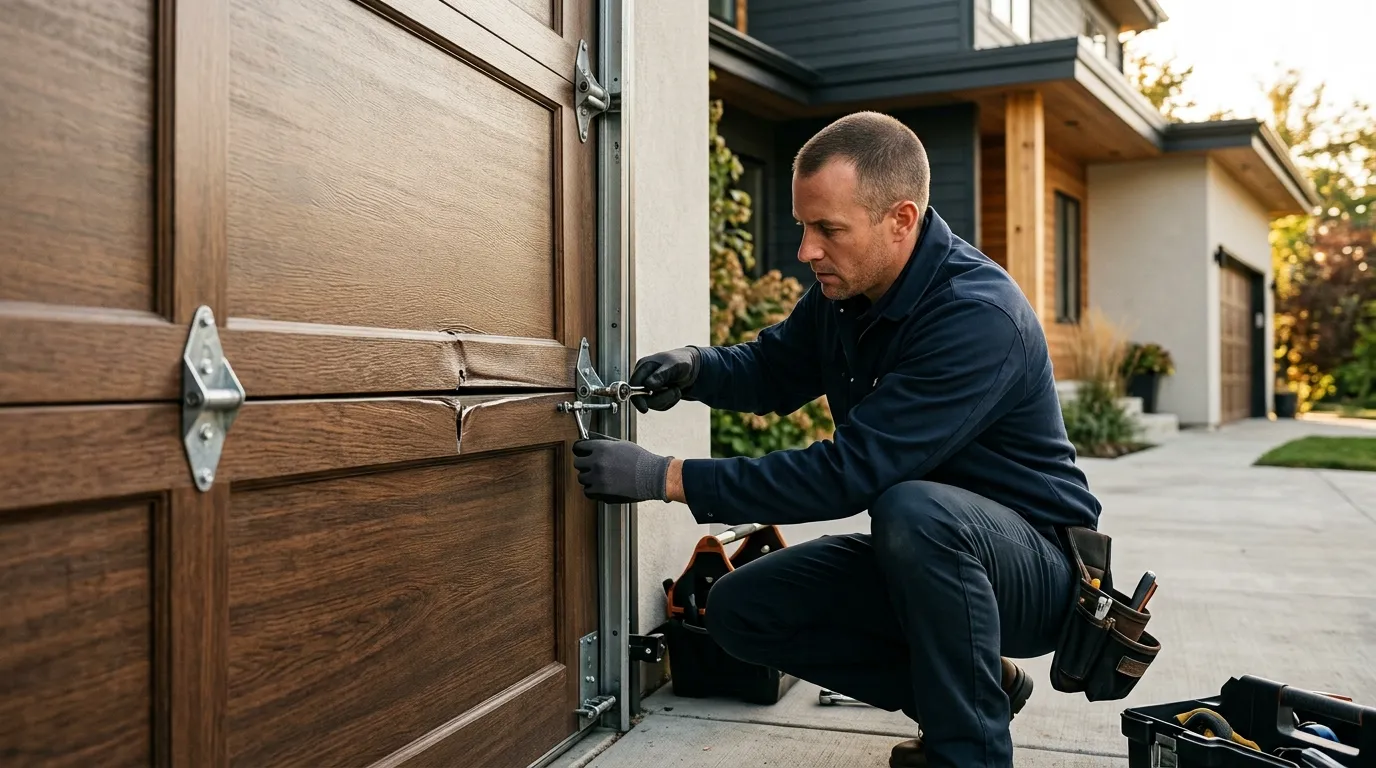
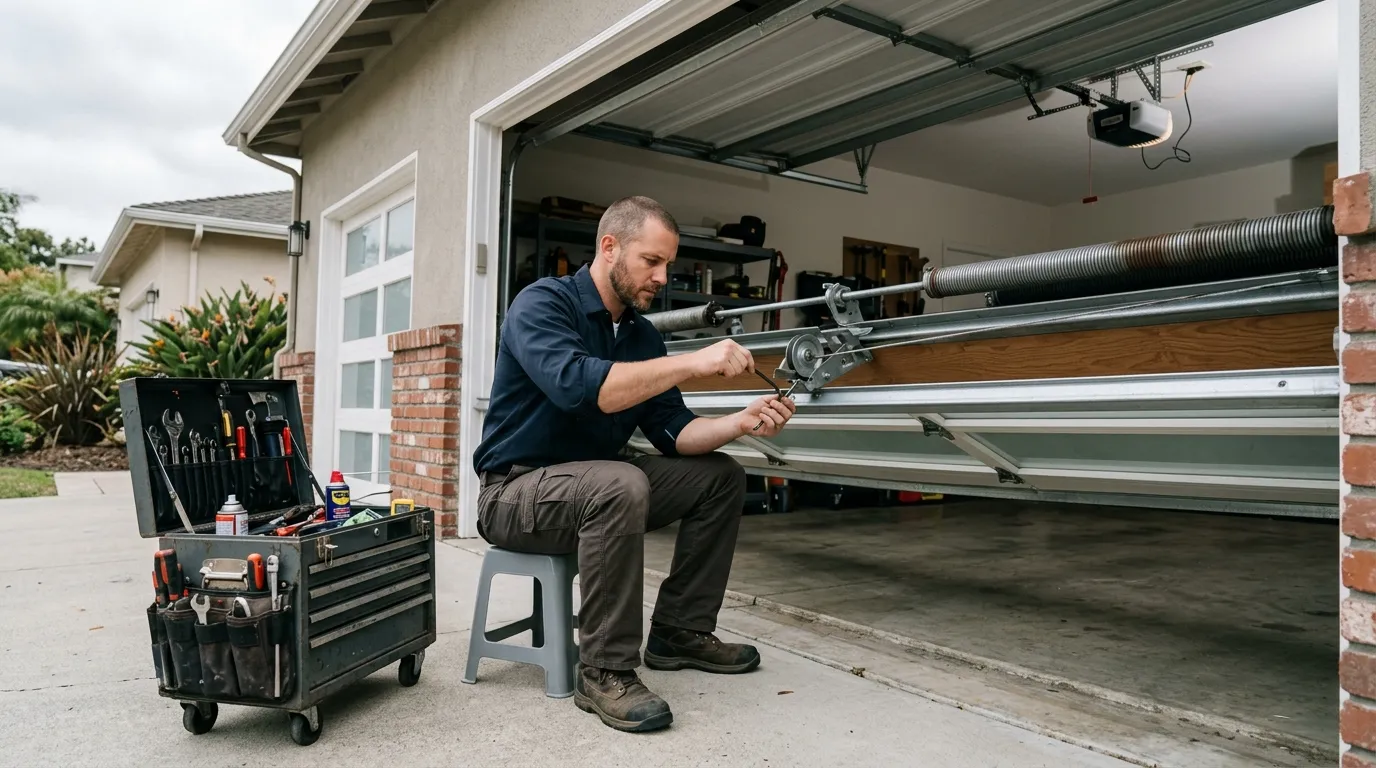
Forest Glen falls inside a stretch of the service area where houses mostly went up between 1938 and 1994, with the typical build landing around 1961. That means a lot of garages still running the torsion spring setups and steel sectional doors that came standard in that window. We get called out for the usual wear on that vintage: a torsion spring that's stretched and lost its snap, rollers that have worn their grooves down to metal, and openers original to the house that finally quit after decades of daily use.
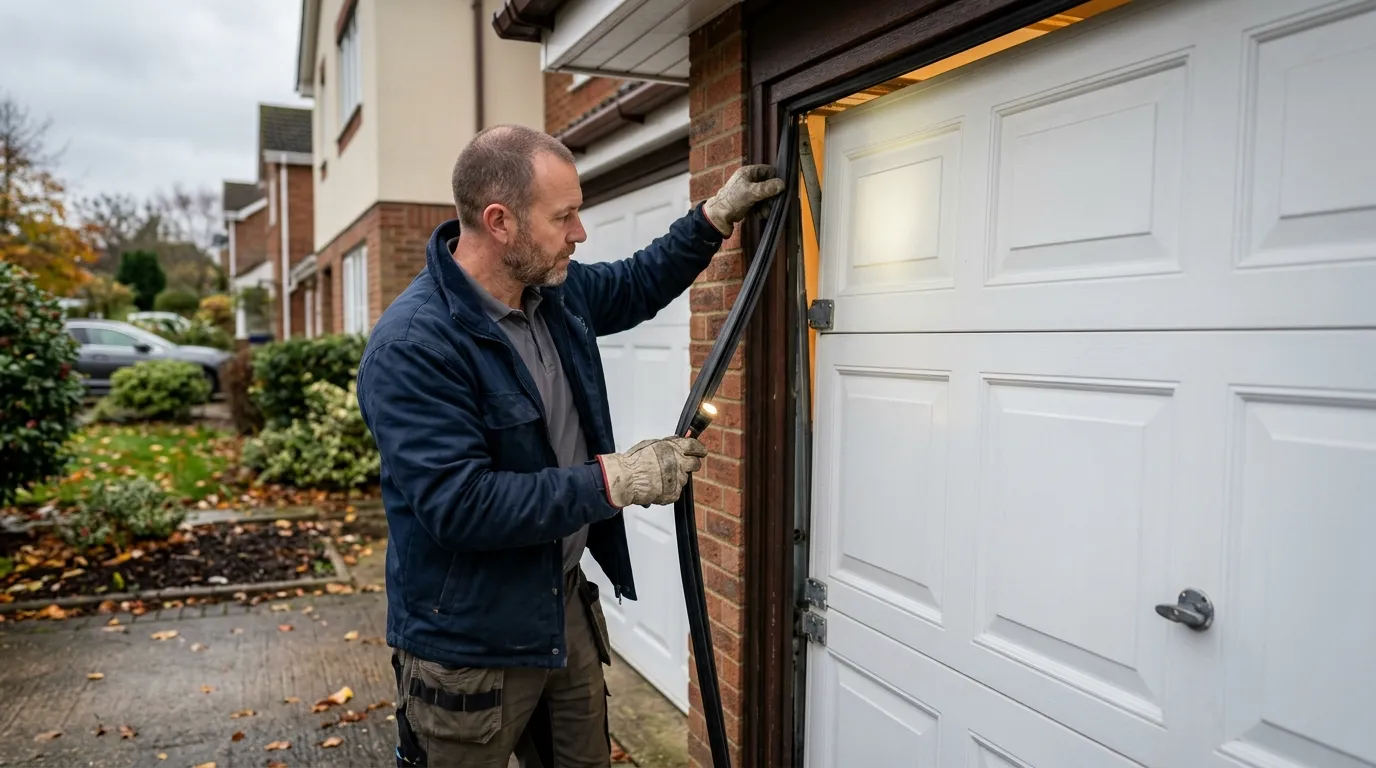
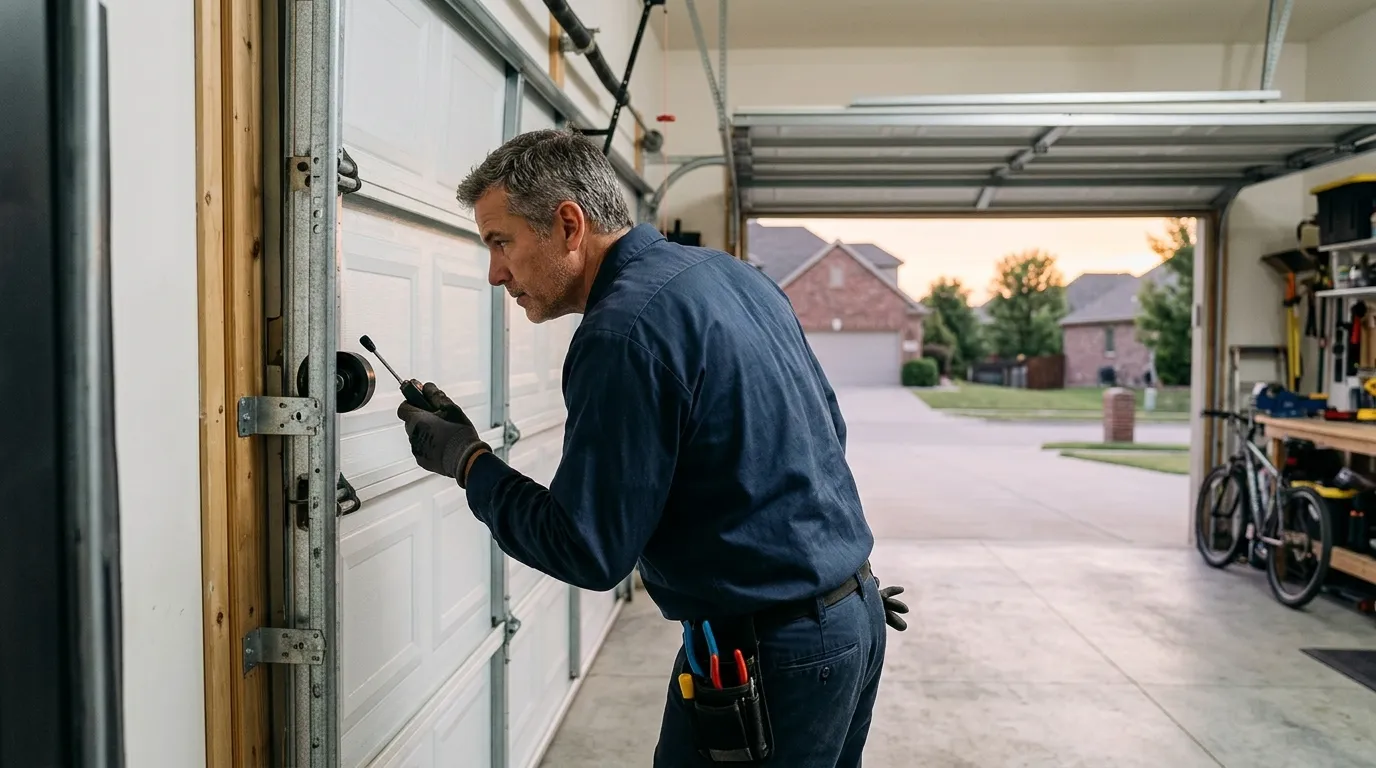
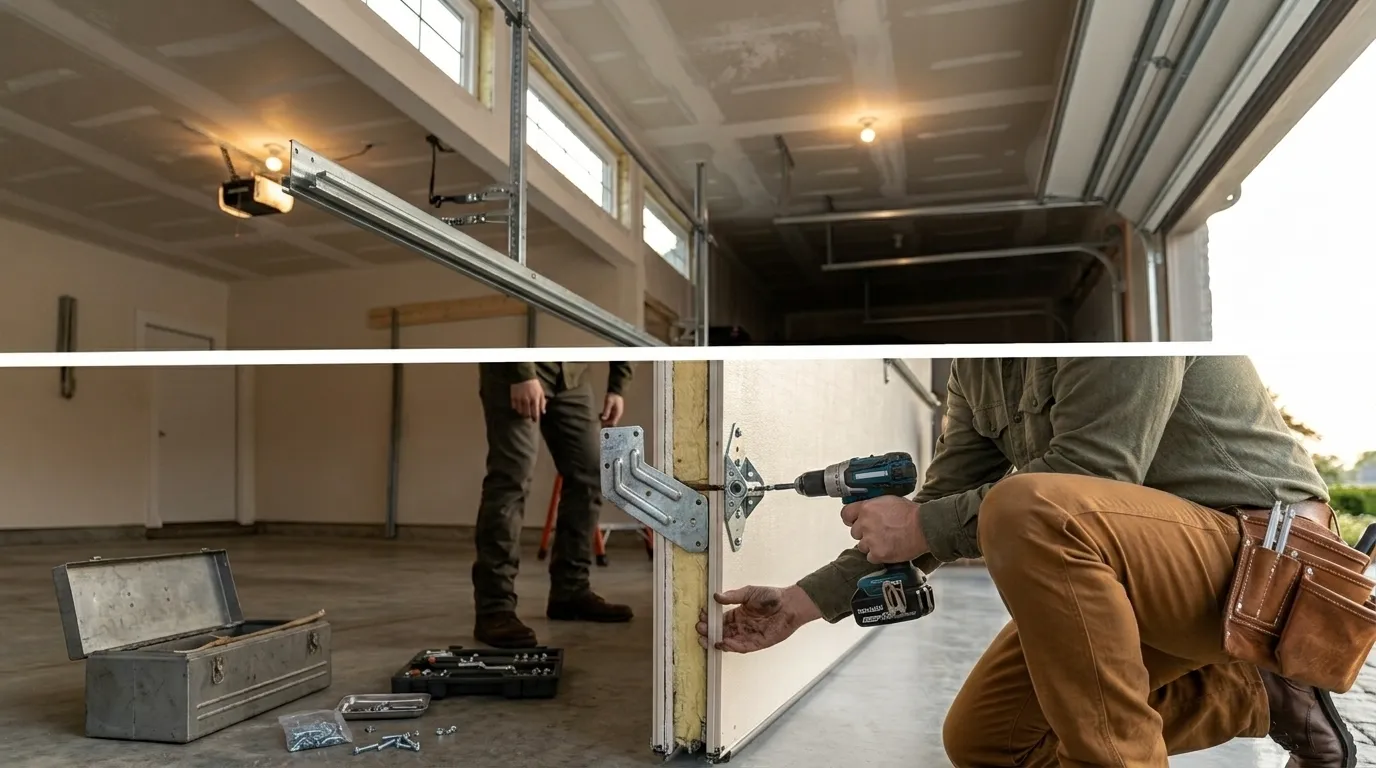
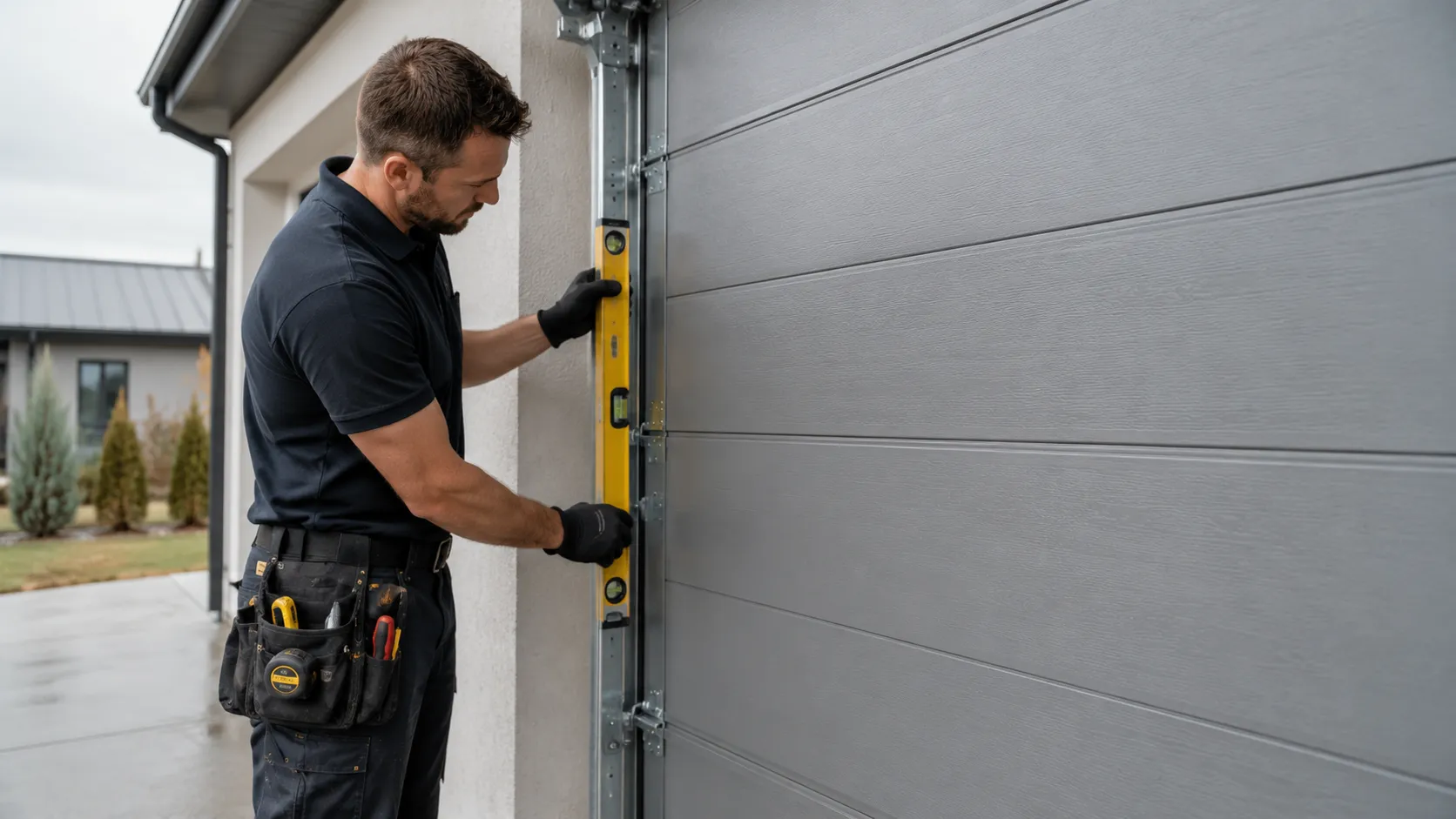
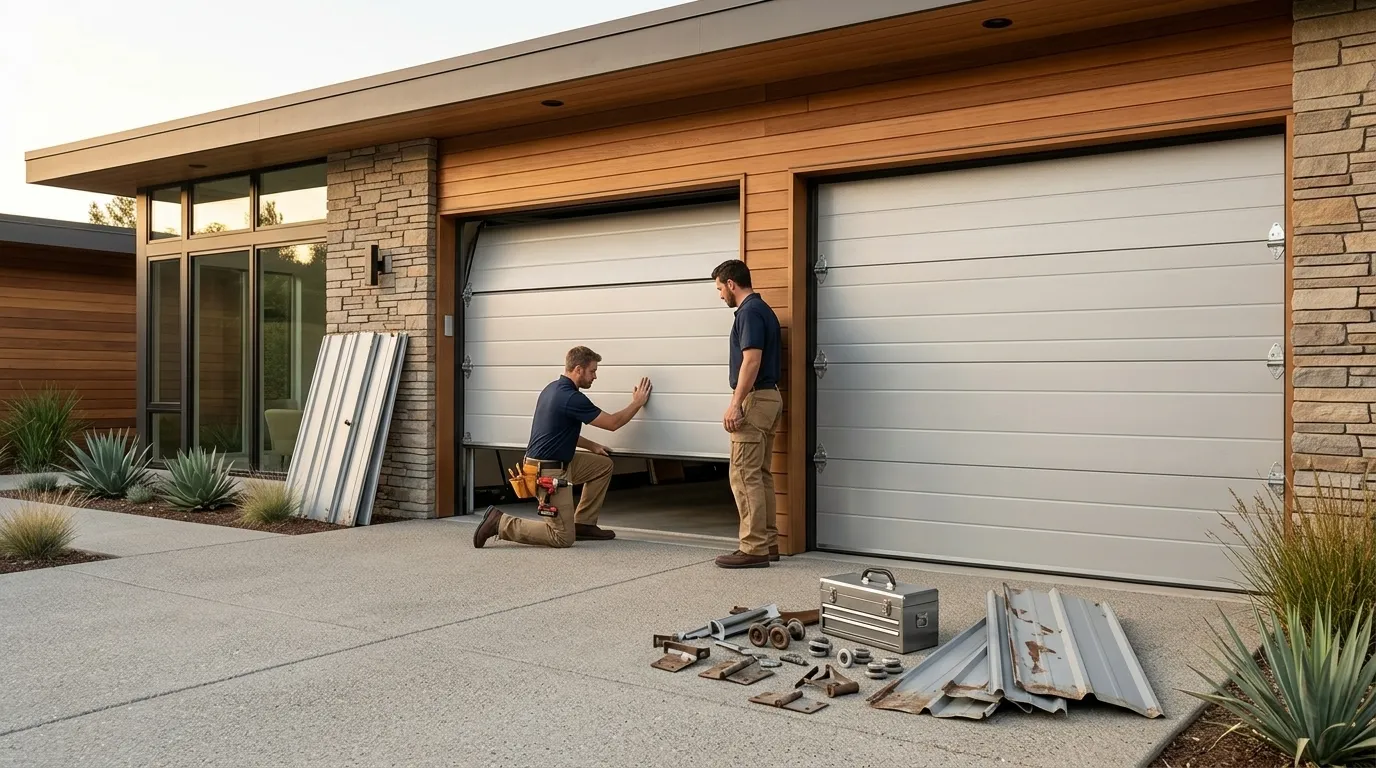
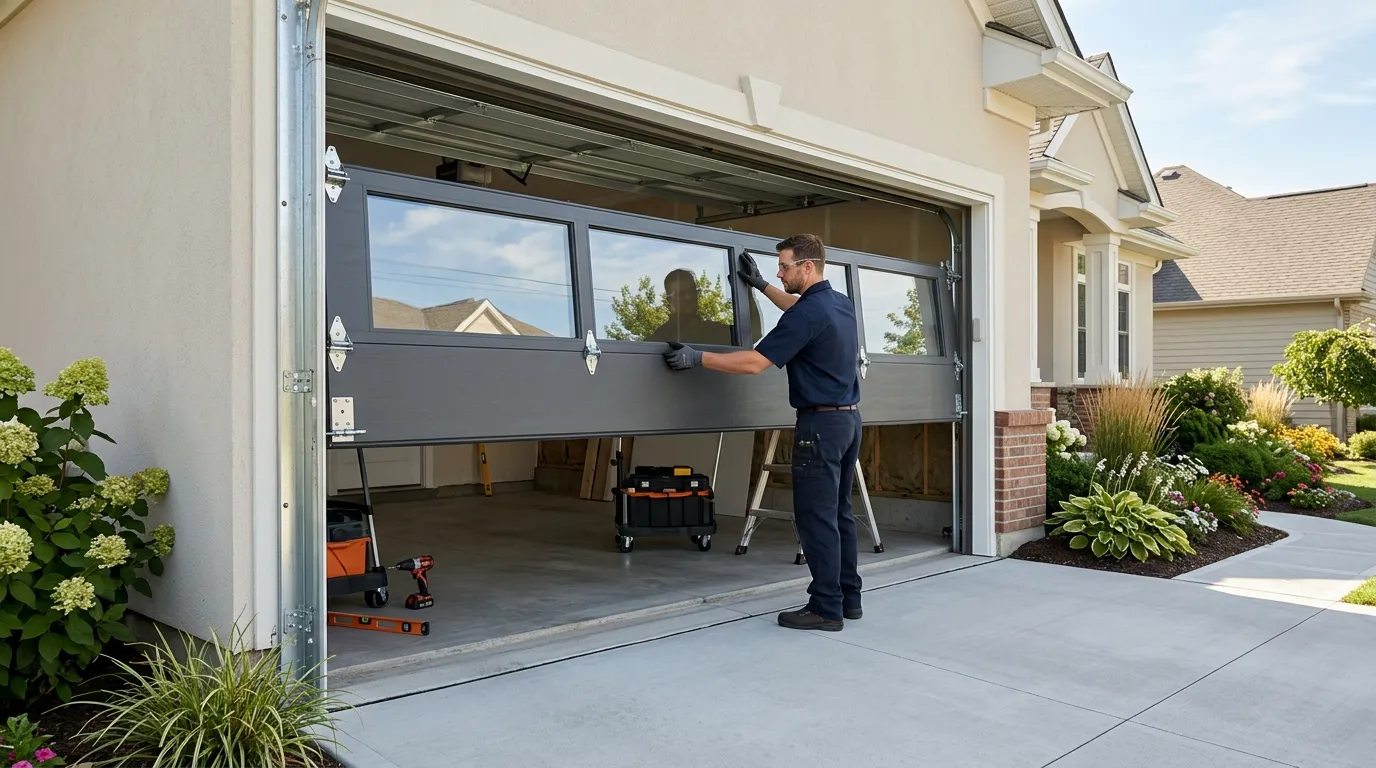
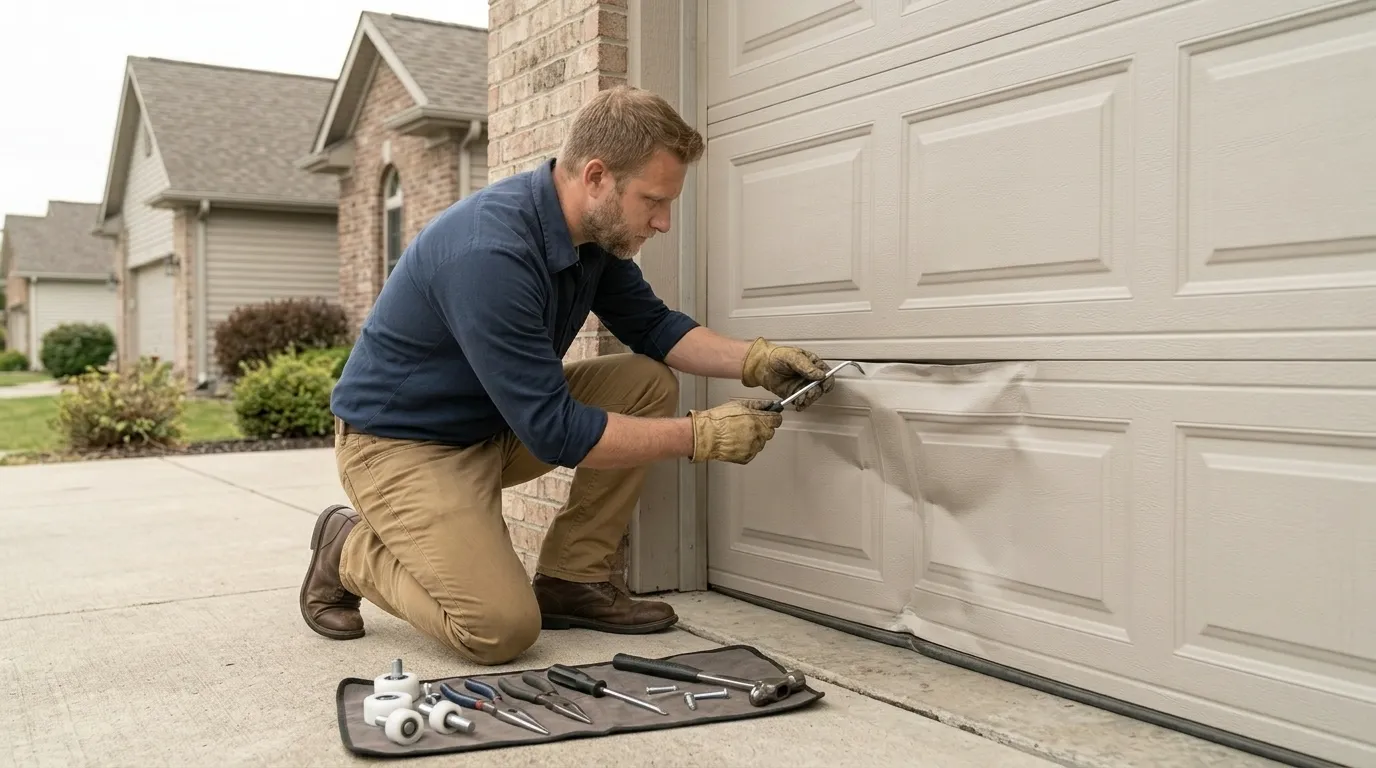
We also see cable fraying on the older drum setups and hinges that have loosened enough to let a panel sag at the seam. None of this is exotic work, but it's not the same as troubleshooting a door installed five years ago. Parts for some of the oldest track hardware aren't something every supplier stocks, so on rare jobs we're sourcing a compatible replacement rather than an exact match. We'll tell you upfront when that's the case rather than promise a part we can't get by end of day.
Where You Are
Forest Glen sits about 2 miles west-southwest of our shop in Lincolnwood, close enough that a same-day call doesn't mean a long haul across town. It's one of roughly 40 named pockets we work across, most sharing that same 1960s-to-70s housing stock rather than newer construction, which is part of why the calls we get here tend to repeat: original hardware finally giving out, not something installed last year.
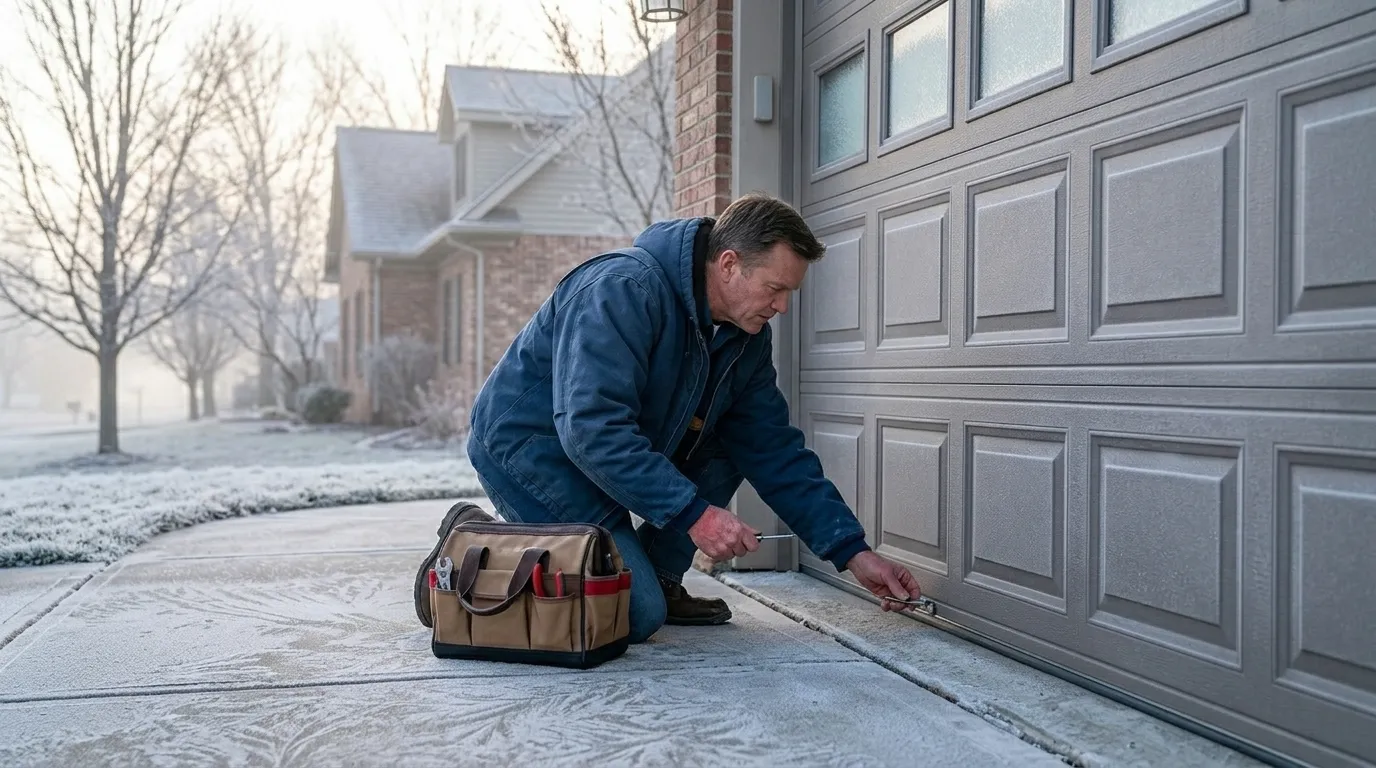
The broader area runs cold-climate winters, and that matters more for garage doors than people expect. Steel contracts in the cold, torsion springs lose tension faster with repeated freeze-thaw cycling, and opener gears that were fine in July can bind up in January. If your door's been sticking or groaning more since the temperature dropped, that's consistent with what we see on this side of town every winter, not a sign something's wrong with just your unit.