What Most People Get Wrong
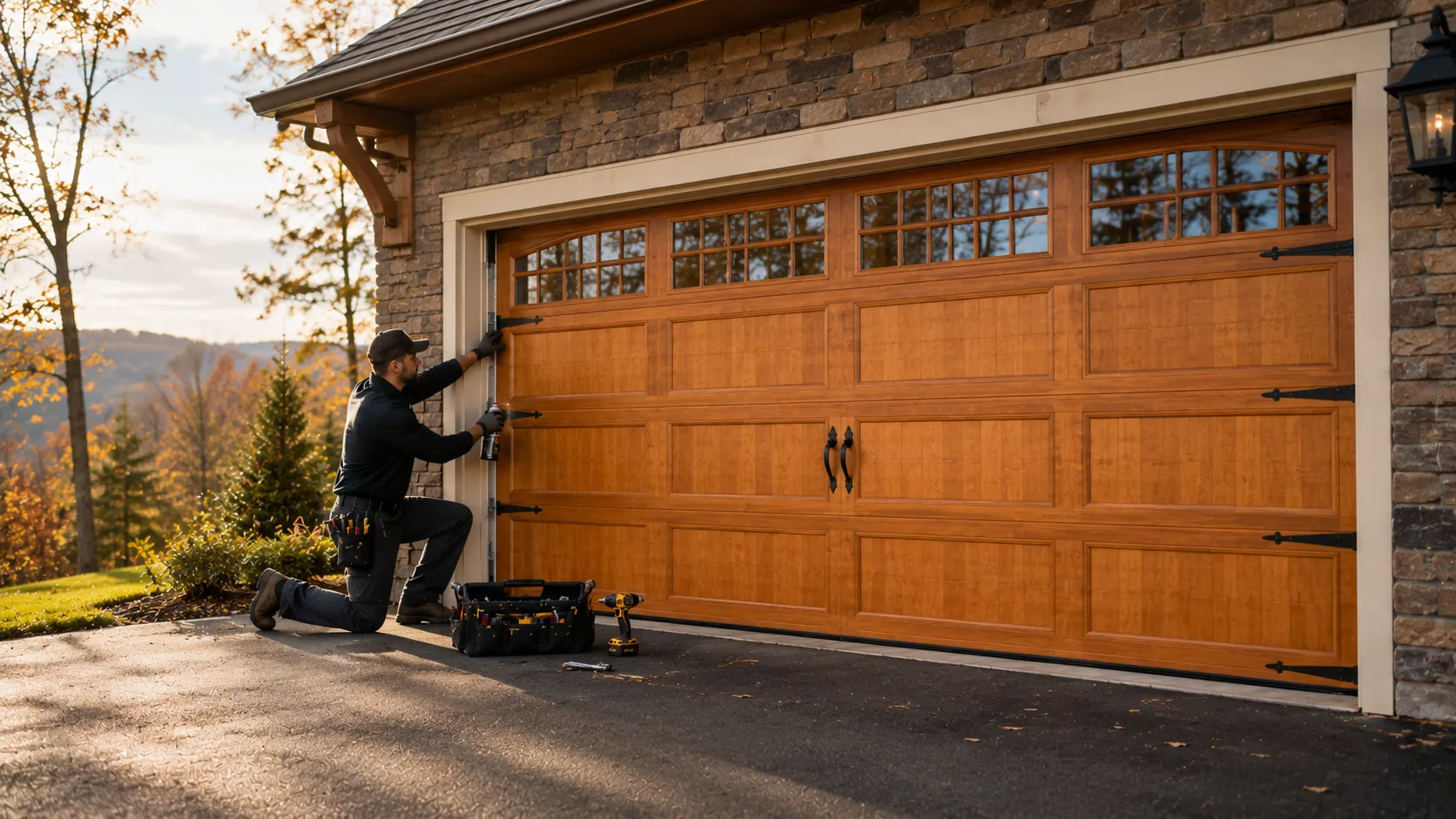
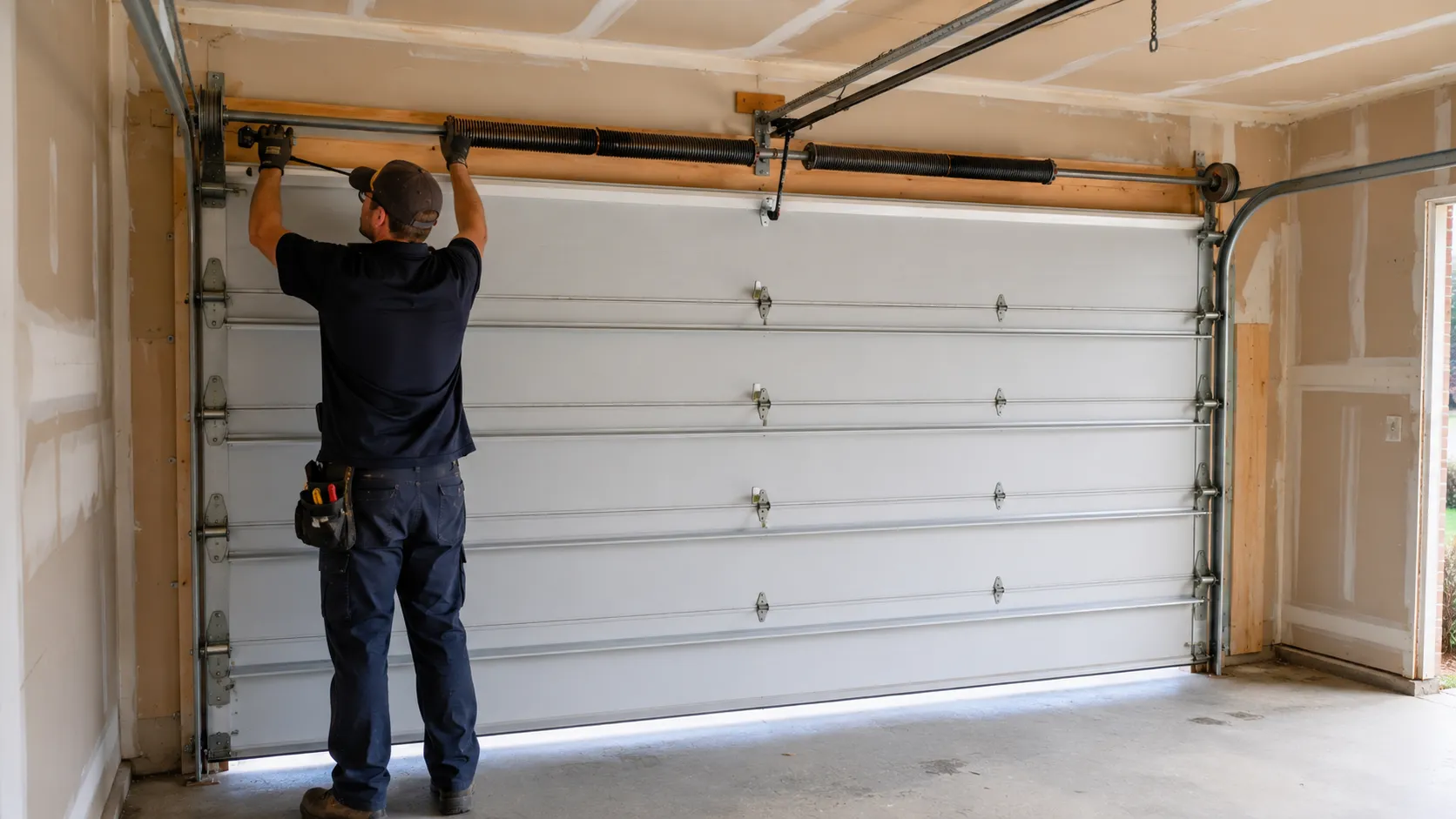
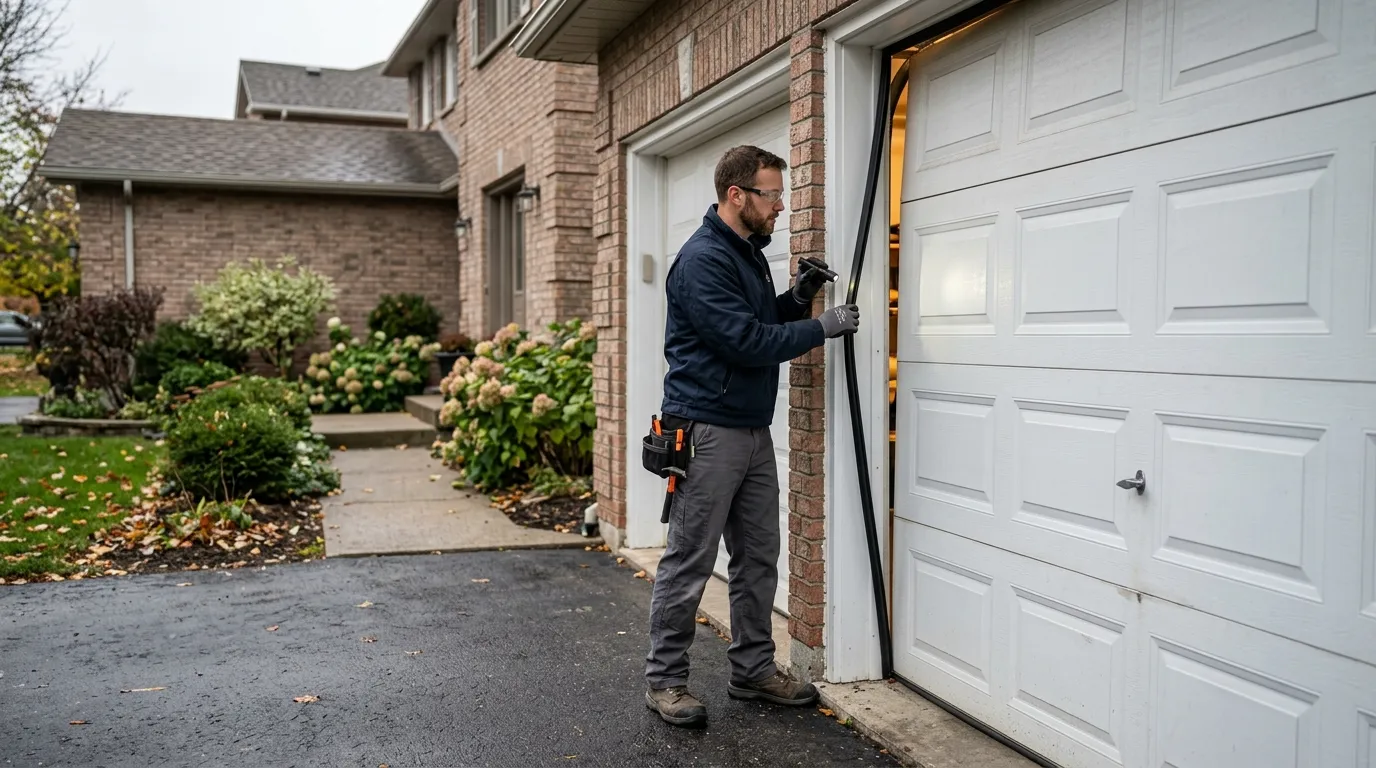
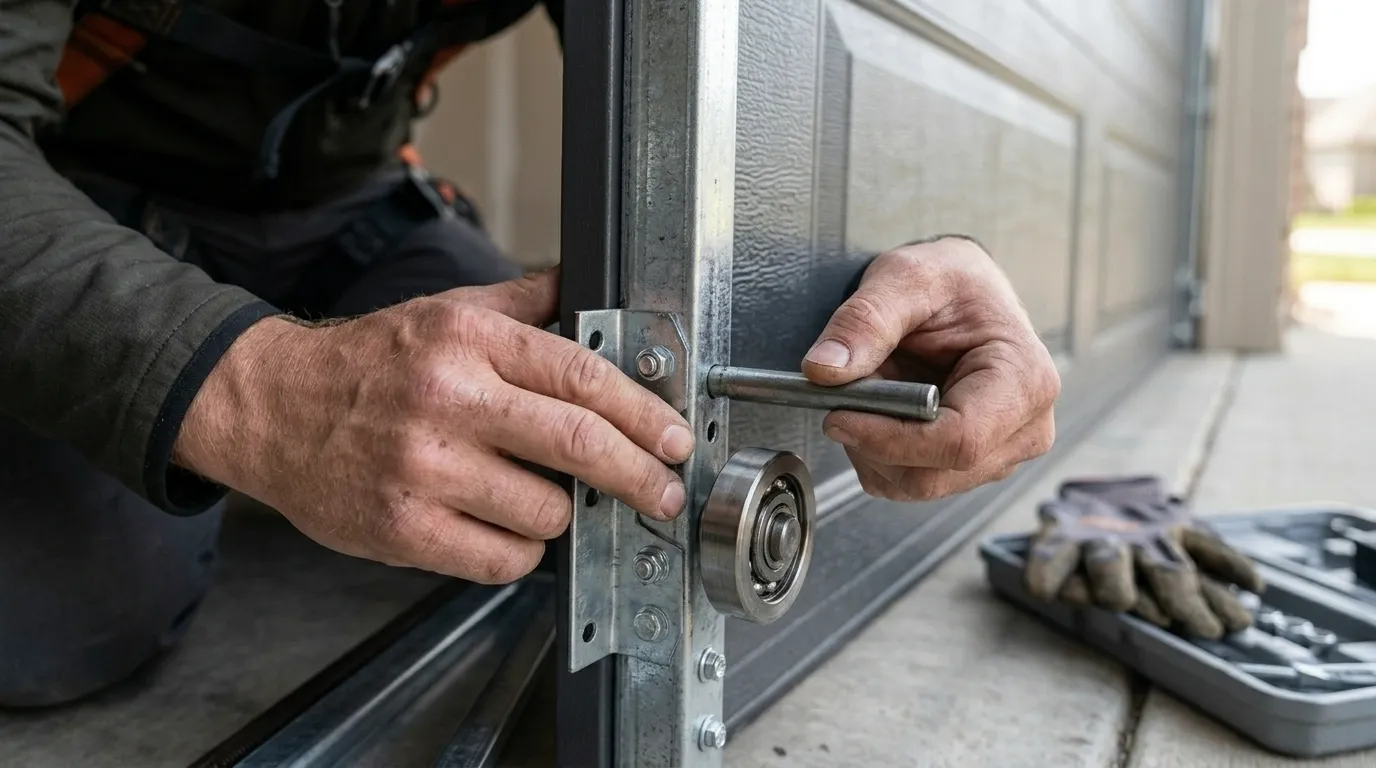
The biggest mistake we see is treating every garage door call the same, no matter the house. That doesn't hold up in Lincolnwood. Most of the housing stock here went up between 1938 and 1994, with the median landing around 1961, so a huge share of doors are original or close to it - one-piece or early sectional doors on side-mounted torsion hardware that manufacturers stopped making parts for decades ago. Homeowners call expecting a quick spring swap and find out the drum, the shaft, or the track profile doesn't match anything on the shelf at the supply house.
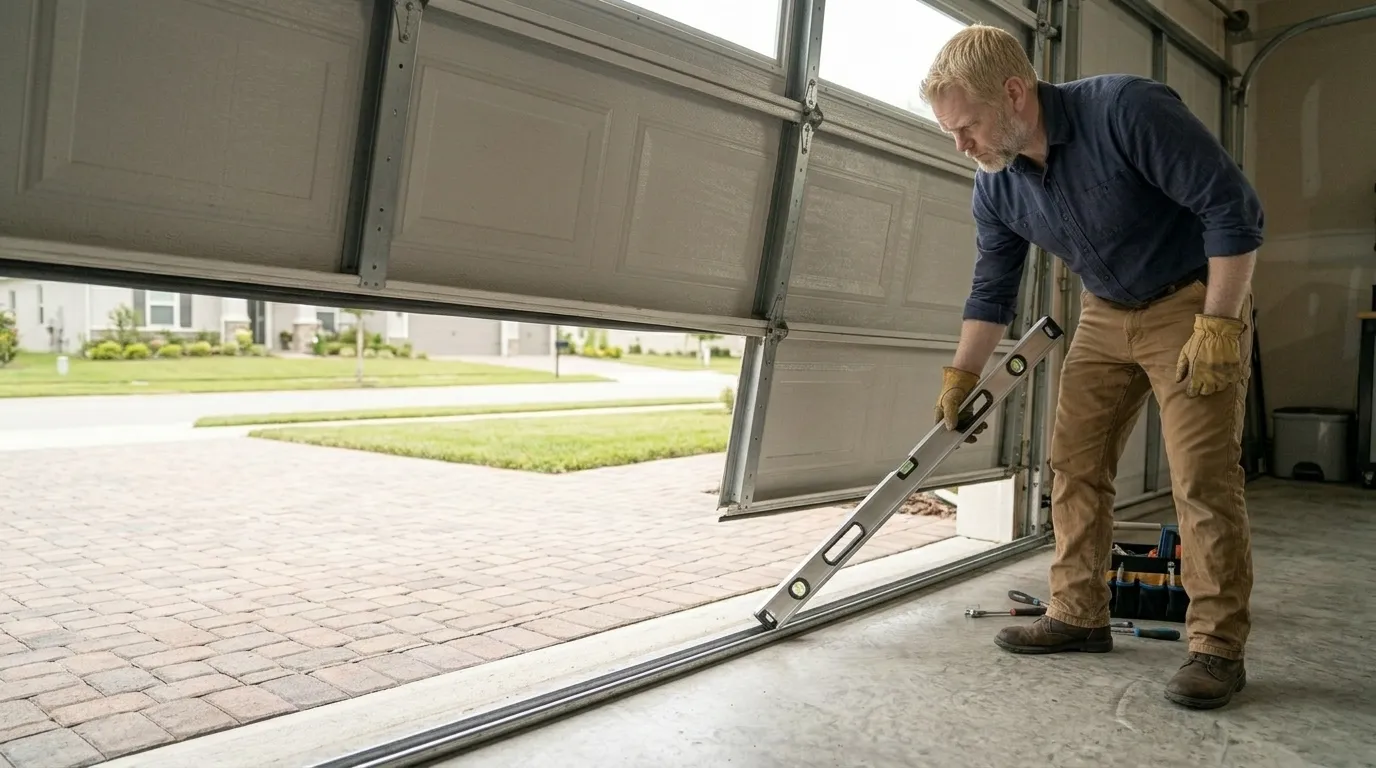
The other habit that gets people in trouble is ignoring the opener until it stops working entirely. A door built before insulation rules were common wasn't paired with a modern opener to begin with, so a lot of these setups are running a chain-drive unit from the 70s or 80s bolted onto hardware from an even earlier decade. Mixing eras like that means a failure in one part rarely stays isolated - a worn cable will take a stressed spring with it, and a stressed spring will take a strained opener gear with it. Fixing the symptom instead of the hardware generation just buys a few more months before the next call.
How Local Conditions Play In
Lincolnwood sits in a cold-moderate climate band, which matters more for garage doors than most people think. Steel contracts in cold weather, and on doors built before insulation rules were standard, that means thin single-layer panels flexing against tracks that were never adjusted for the temperature swing. Torsion springs stiffen in the cold too, so a spring that was already near the end of its life in October is far more likely to snap in January, not July.
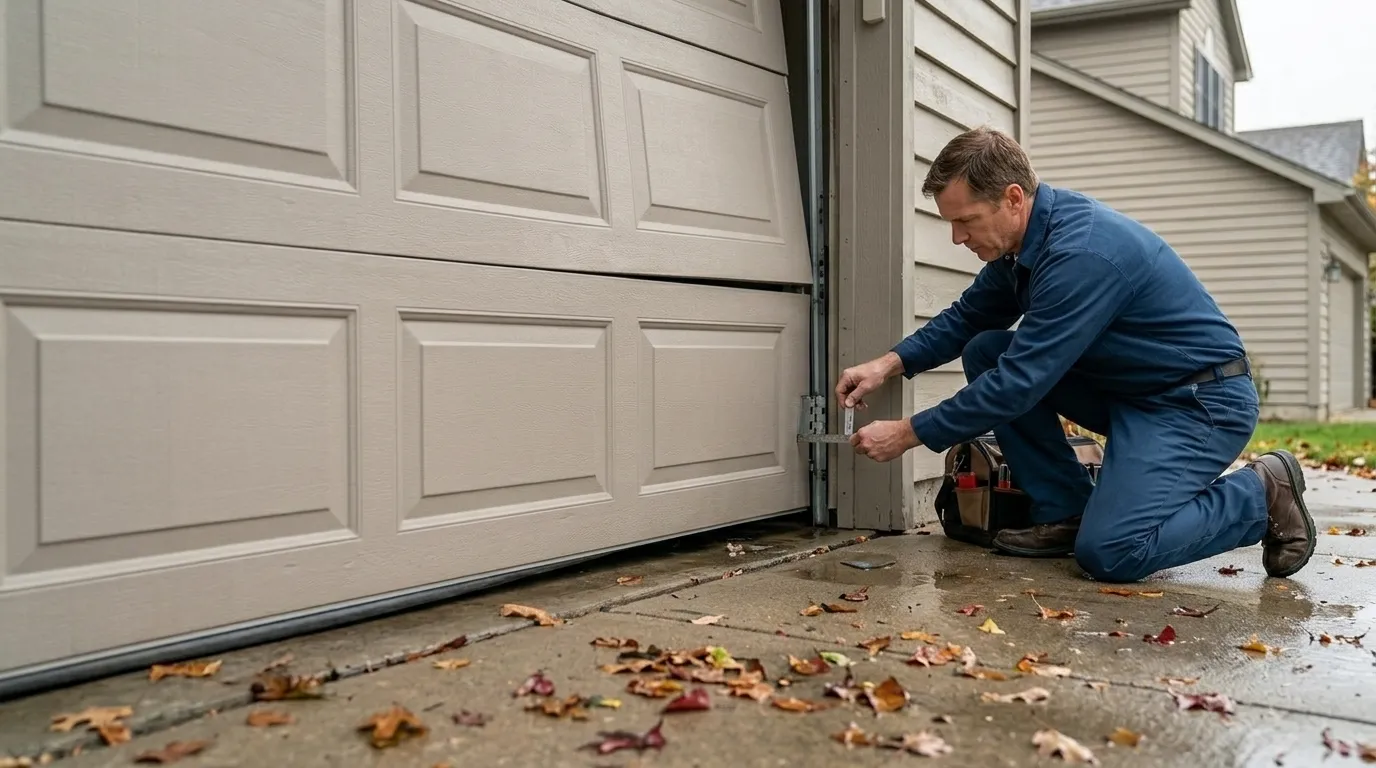
Because most of this area's stock dates to the 1960s and 70s, the weatherstripping and bottom seals on these doors were designed for a lower bar than what current cold-climate doors ship with. That's not a defect, it's just the era - but it means the gap under an old Lincolnwood door lets in more cold air than a newer door two towns over would, and the opener has to work against a heavier, cold-stiffened door every single cycle through winter. We see more spring failures and cable wear here between December and February than in the warmer months, and the age of the hardware is a big part of why.
The Cost of This Job
We're not going to quote a number here we don't have - pricing depends on what's actually wrong and what parts a specific door needs, and that varies more in this town than in a newer subdivision. What we can tell you is what drives the cost up on a Lincolnwood job specifically: age and part availability. A torsion spring sized for hardware from 1961 isn't a stock item at most suppliers, so sourcing it correctly, rather than forcing a close-enough substitute onto the shaft, takes longer and costs more than a same-day part on a newer door.
The honest limitation here is lead time. If your door needs a part built to an older spec - a specific drum size, an obsolete track bracket, a hinge pattern nobody makes new - we may need to order it rather than pull it off the truck, and that can push a job out several days. On doors this old, we'll also tell you straight if a repair isn't worth it. Past a certain point, patching sixty-year-old hardware piece by piece costs more over two years than replacing the door once, and we'd rather say that up front than keep billing you for band-aids.