What We Get Called For
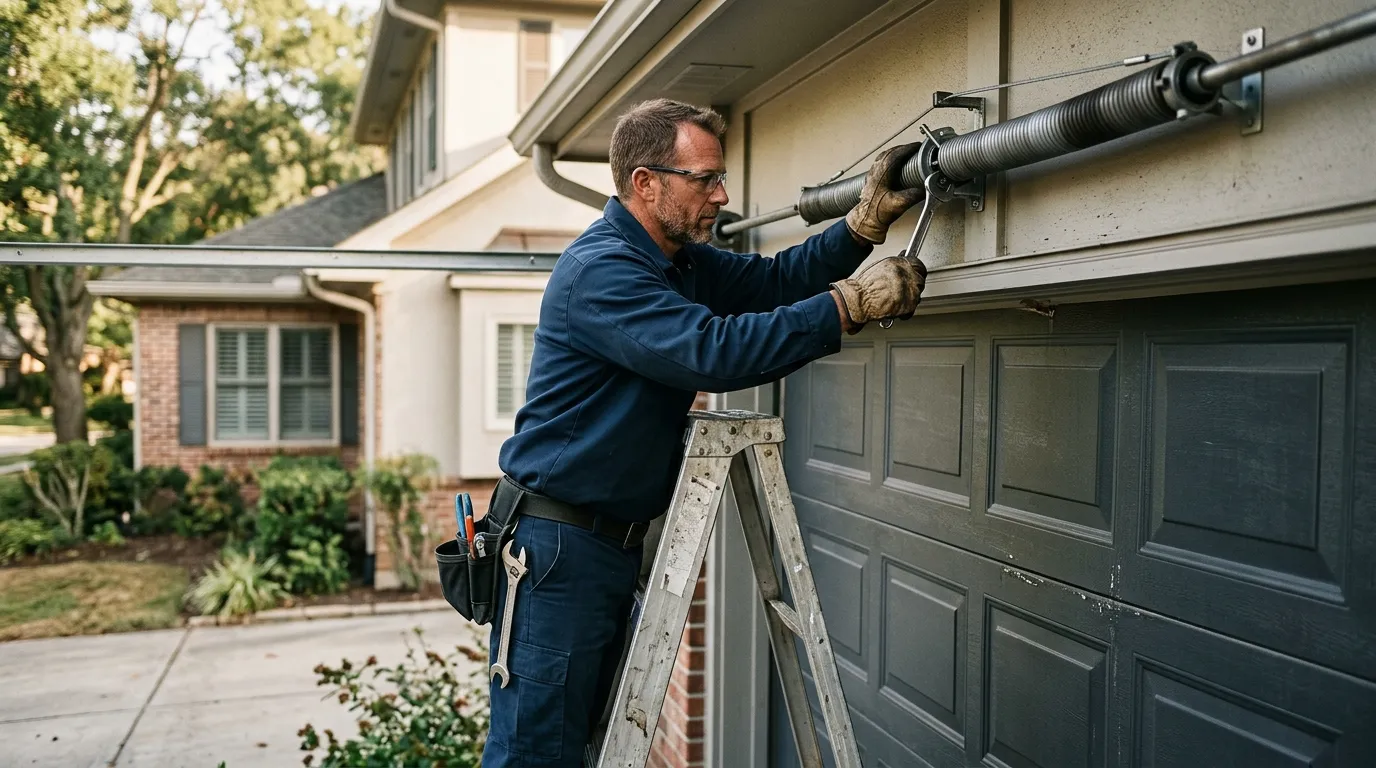
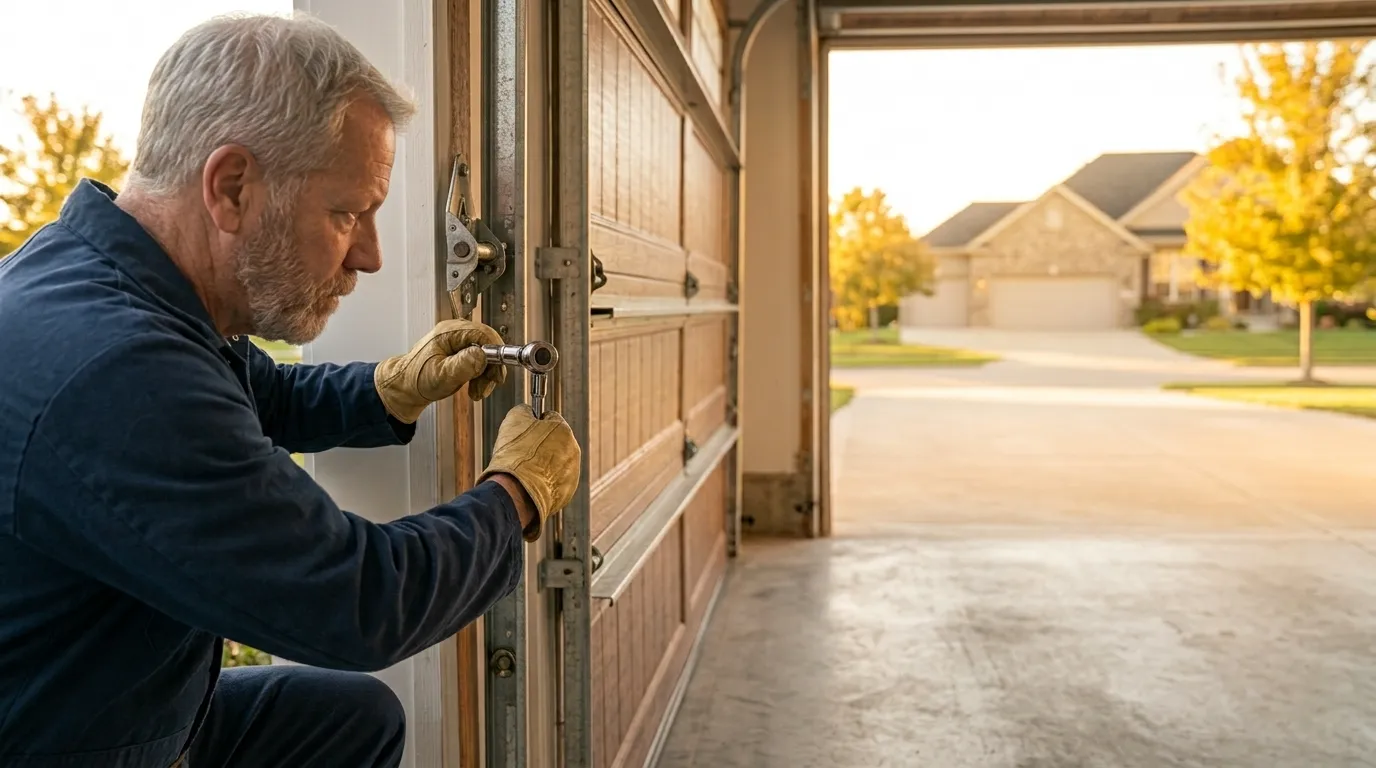
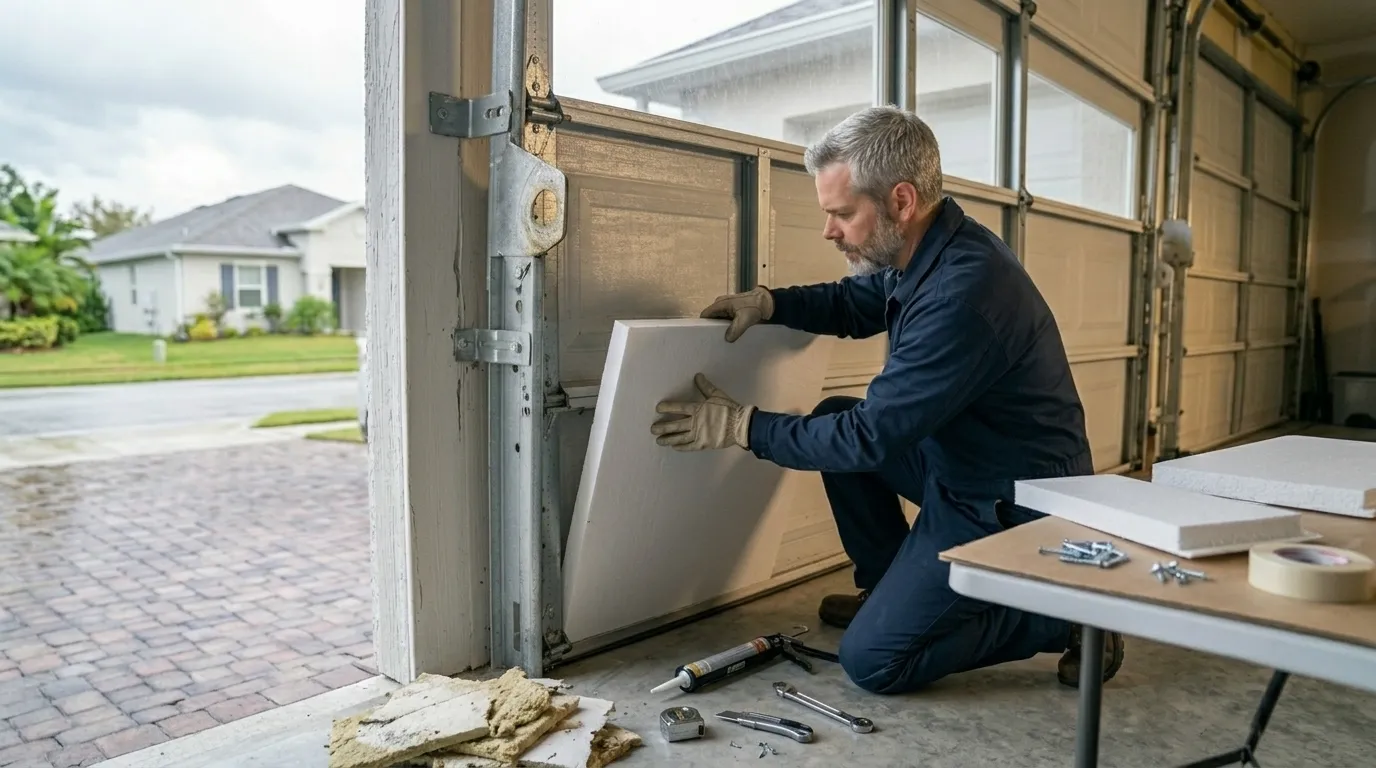
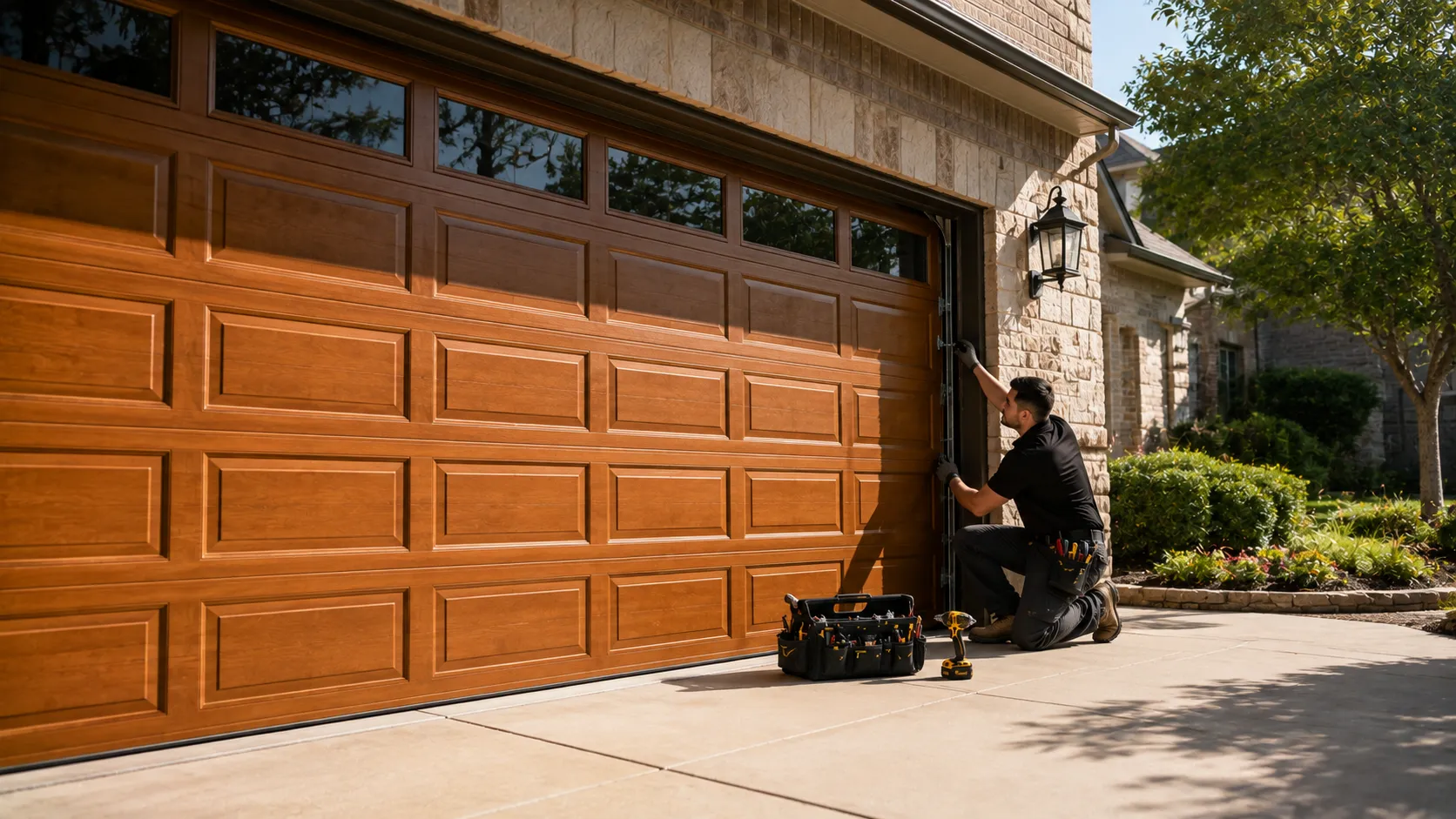
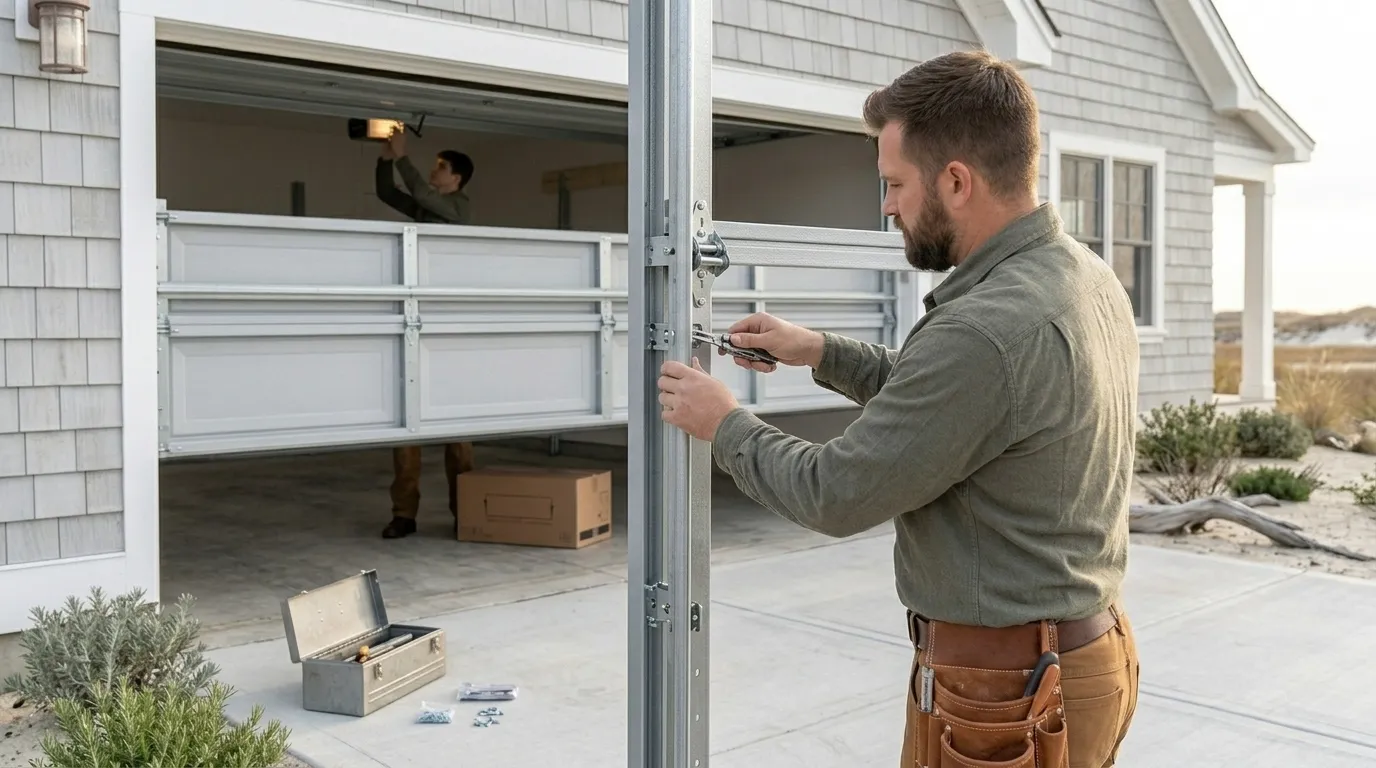
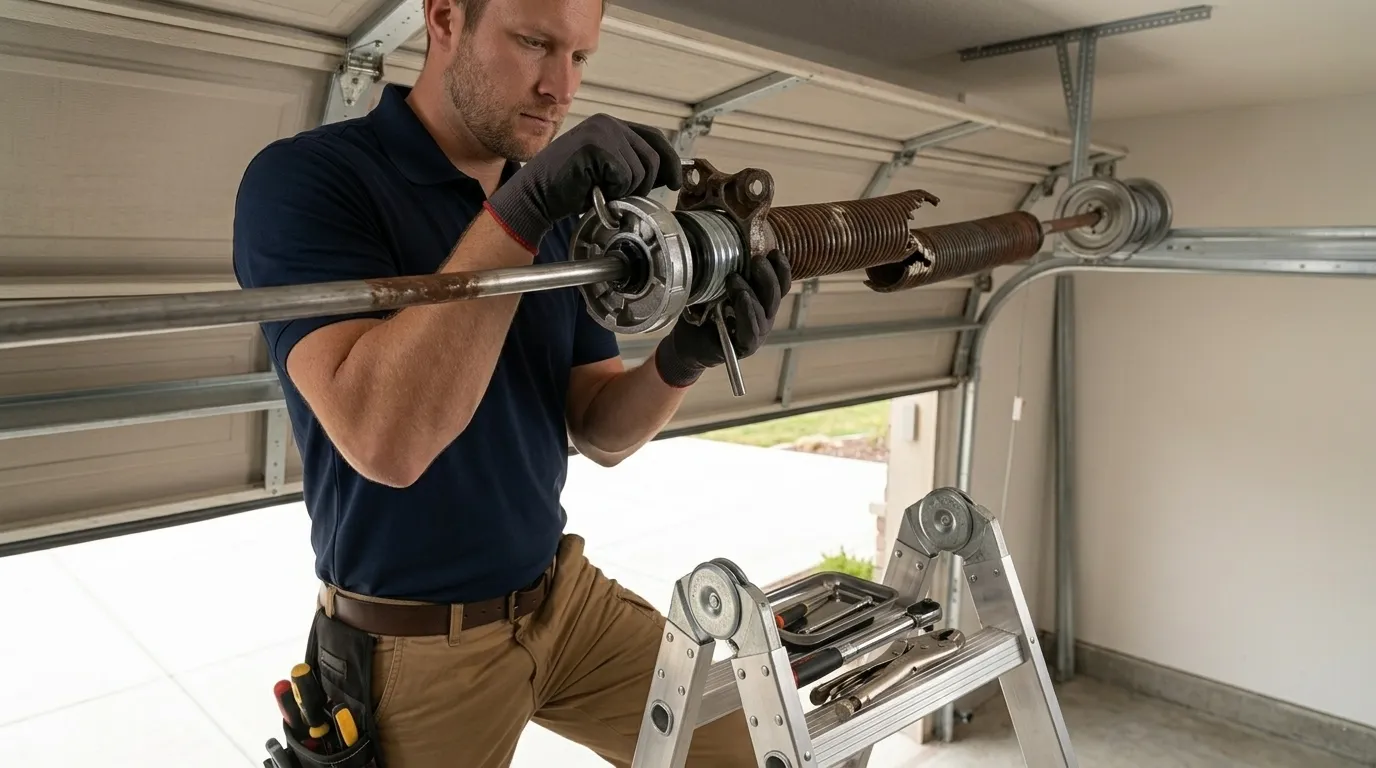
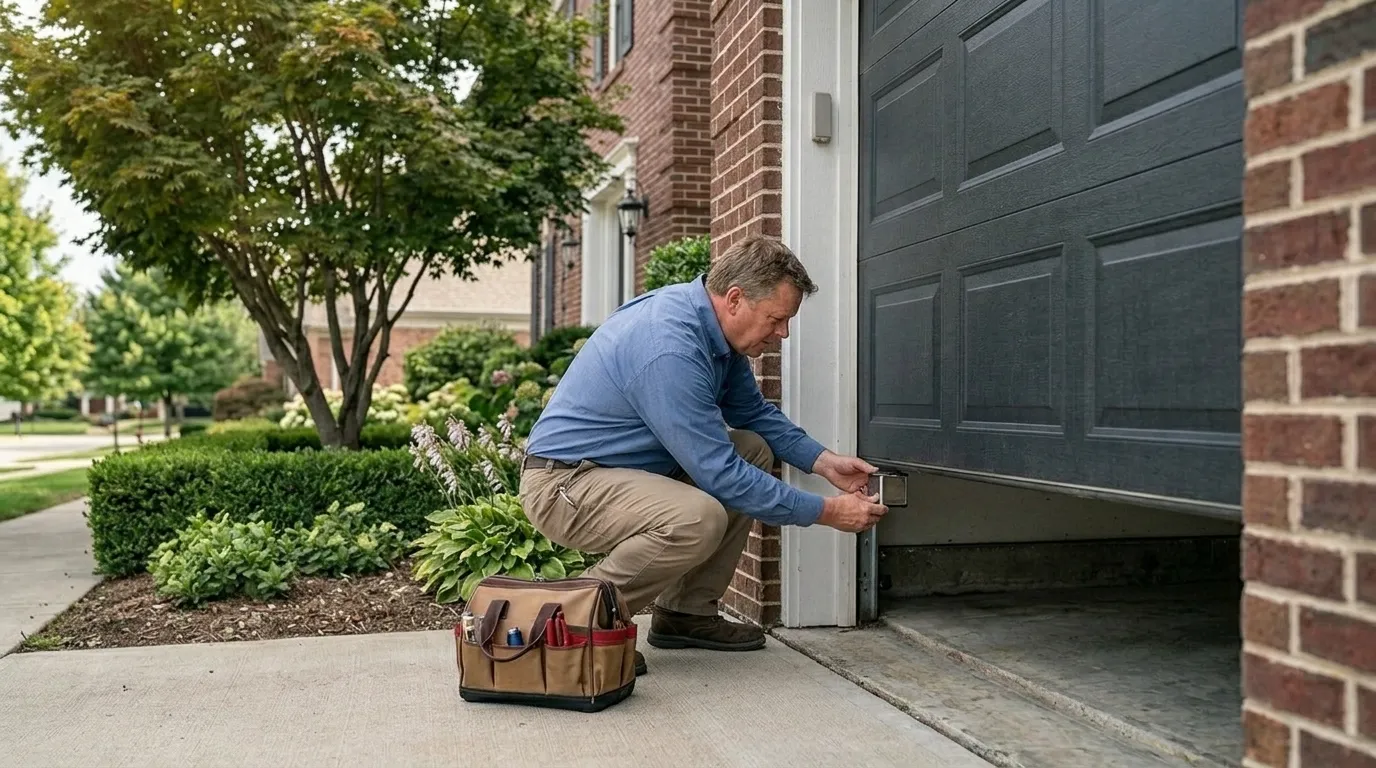
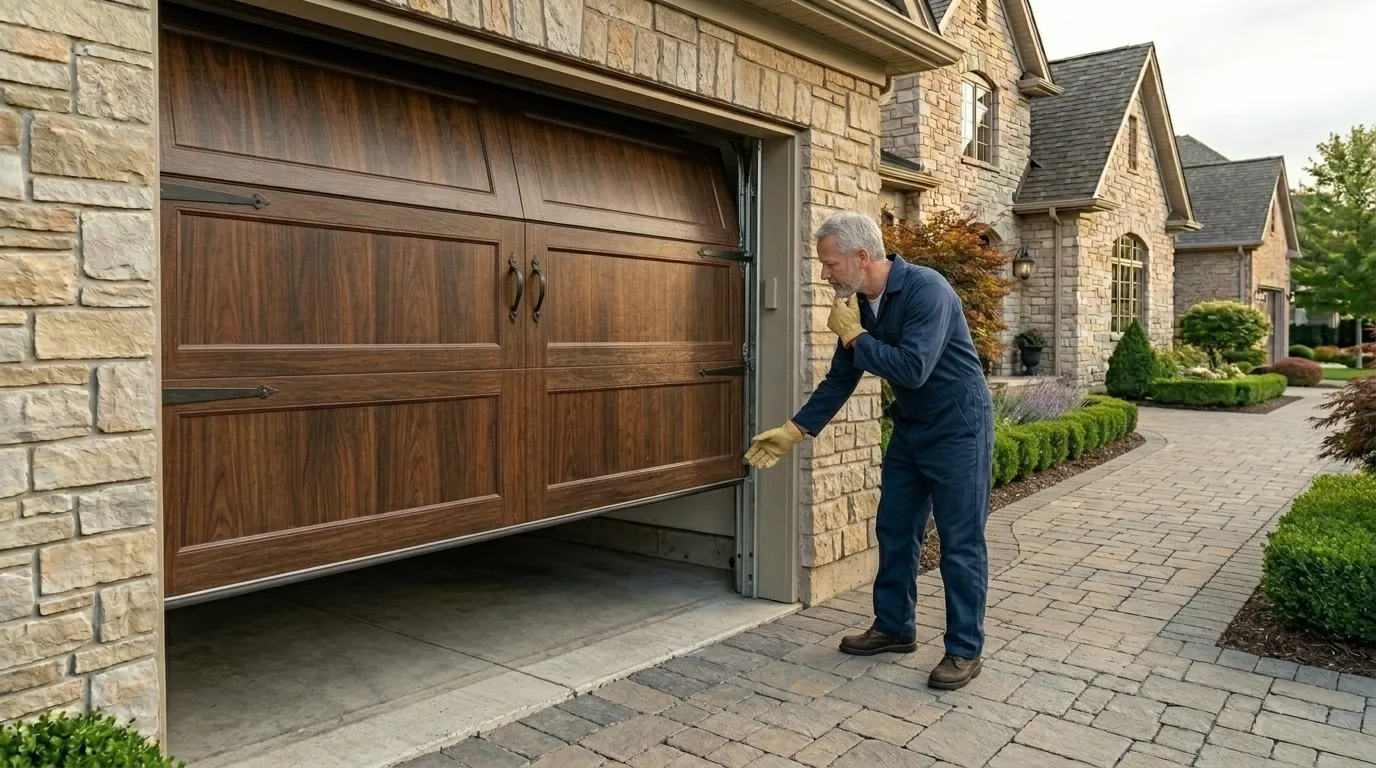
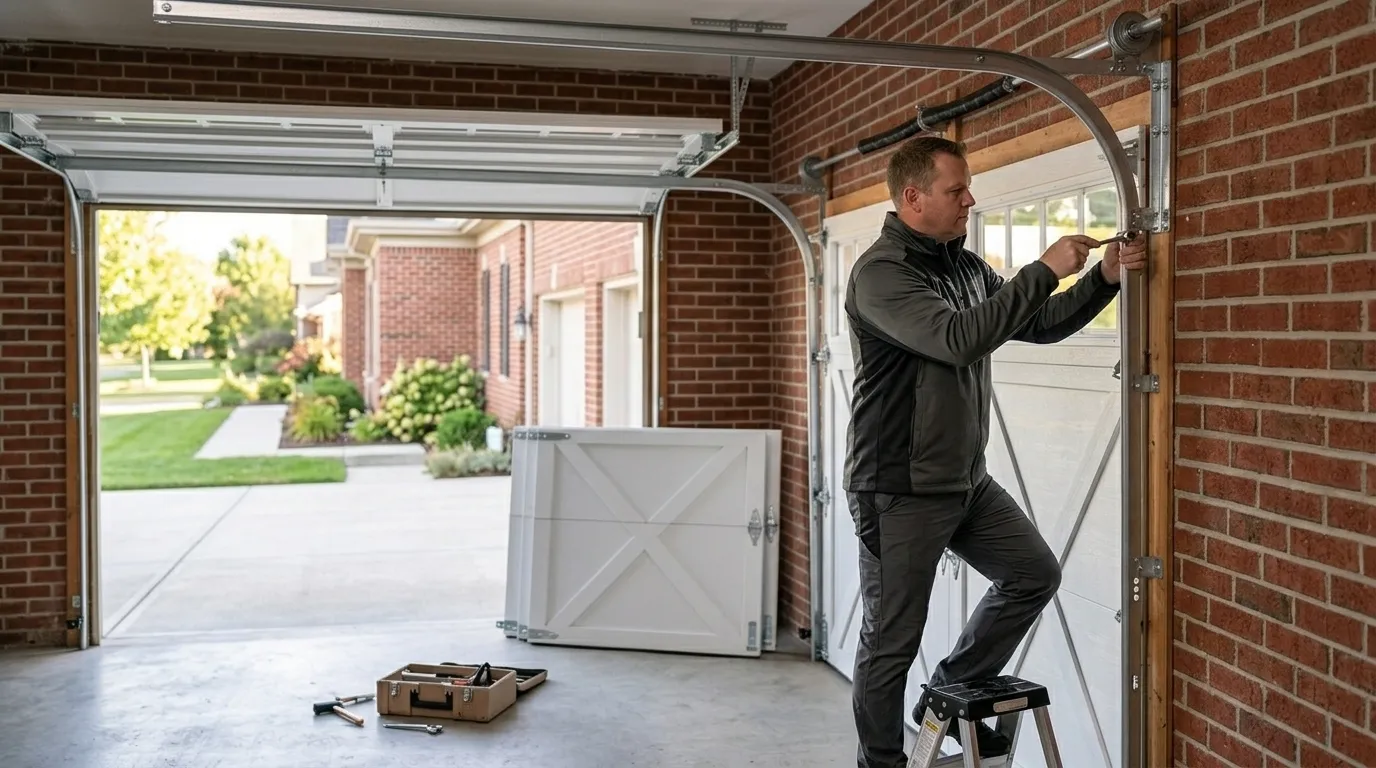
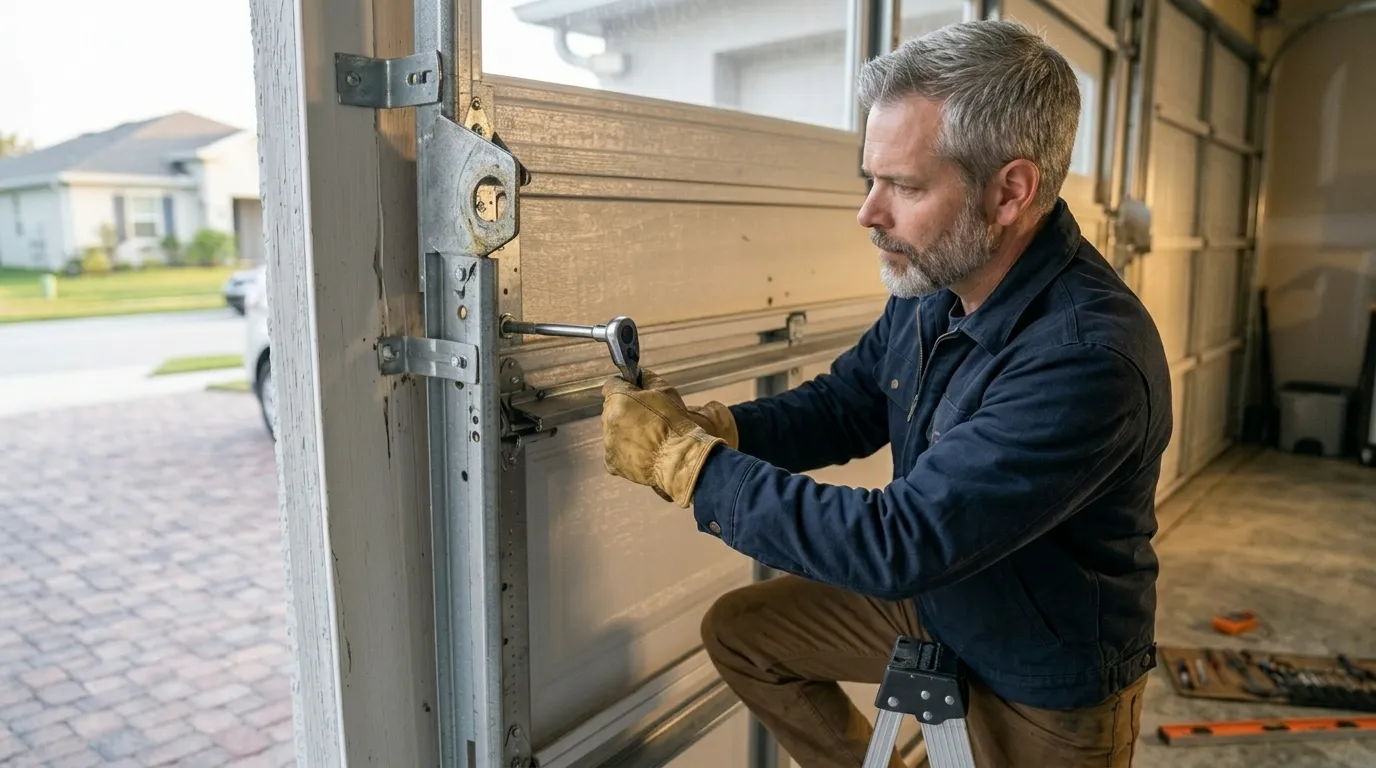
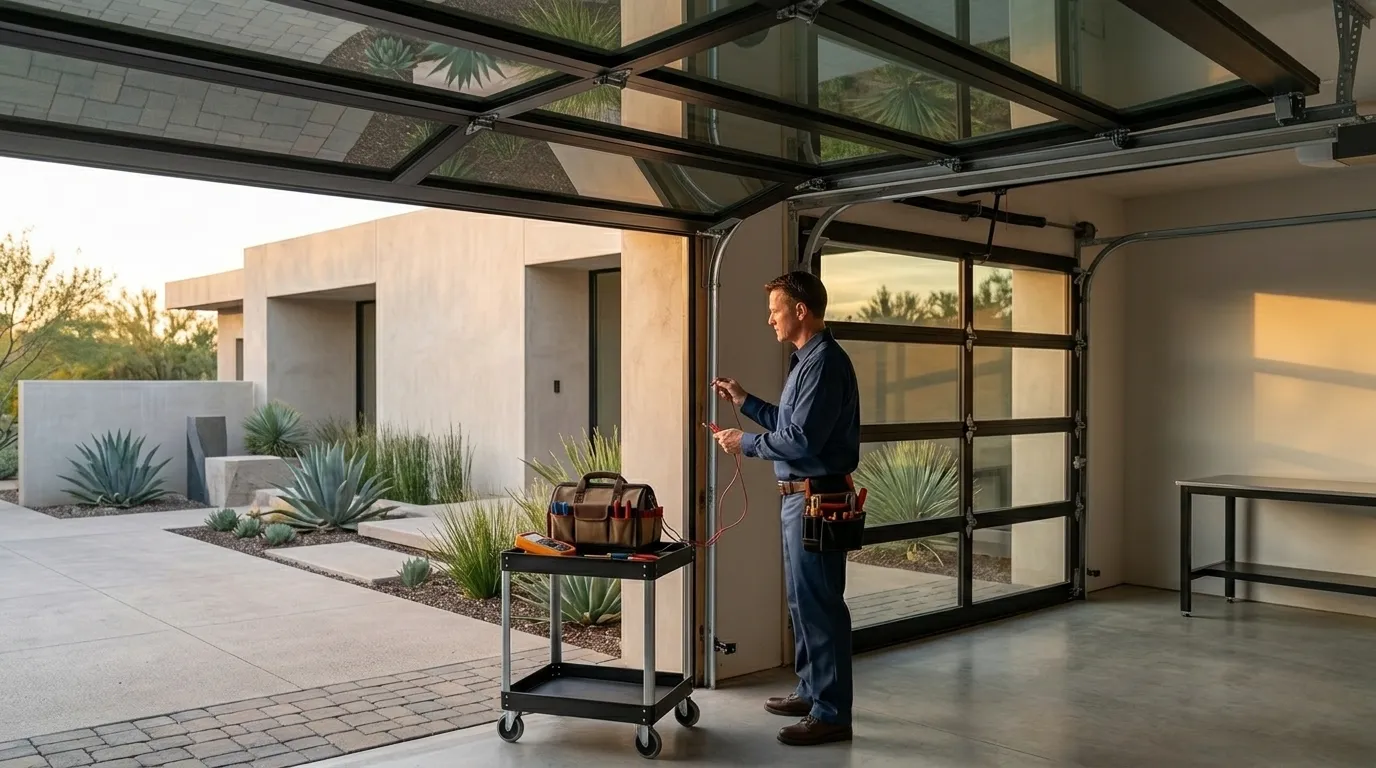
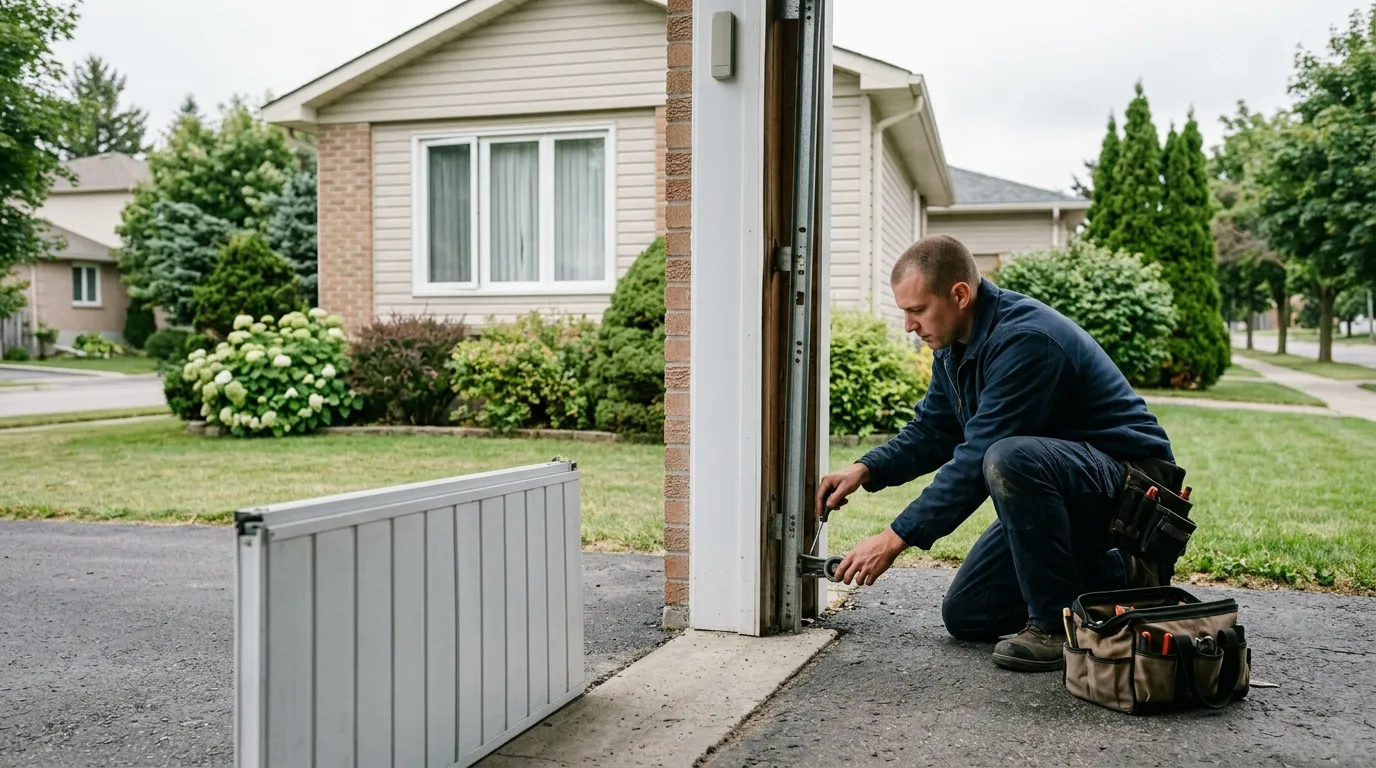
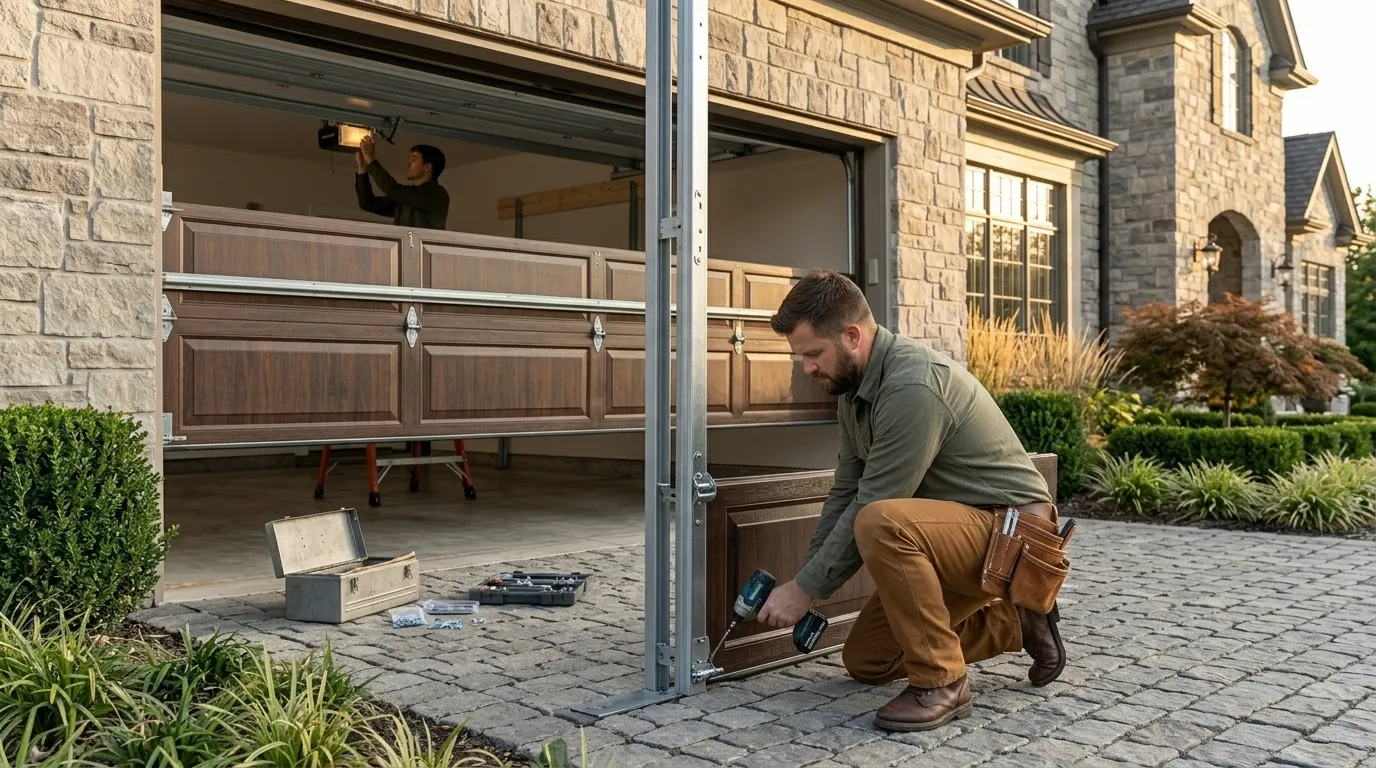
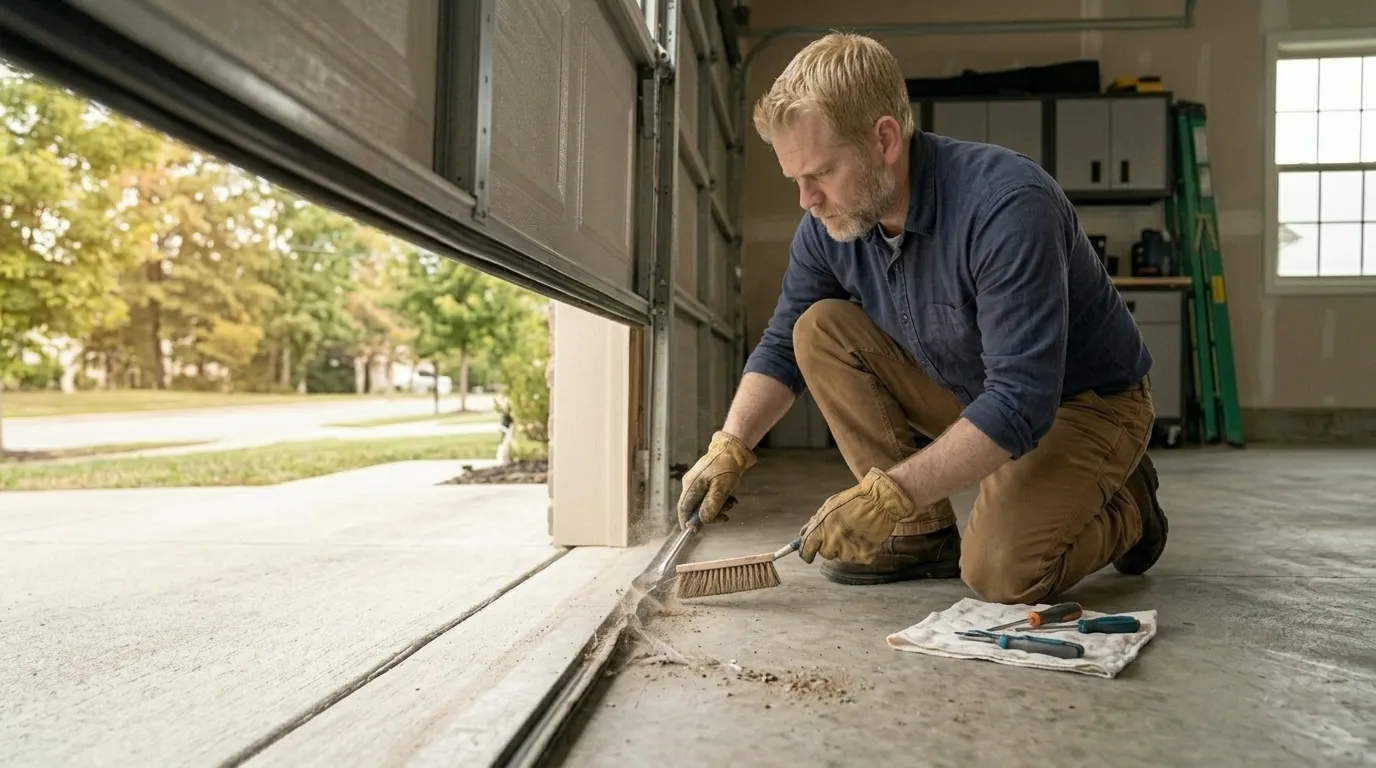
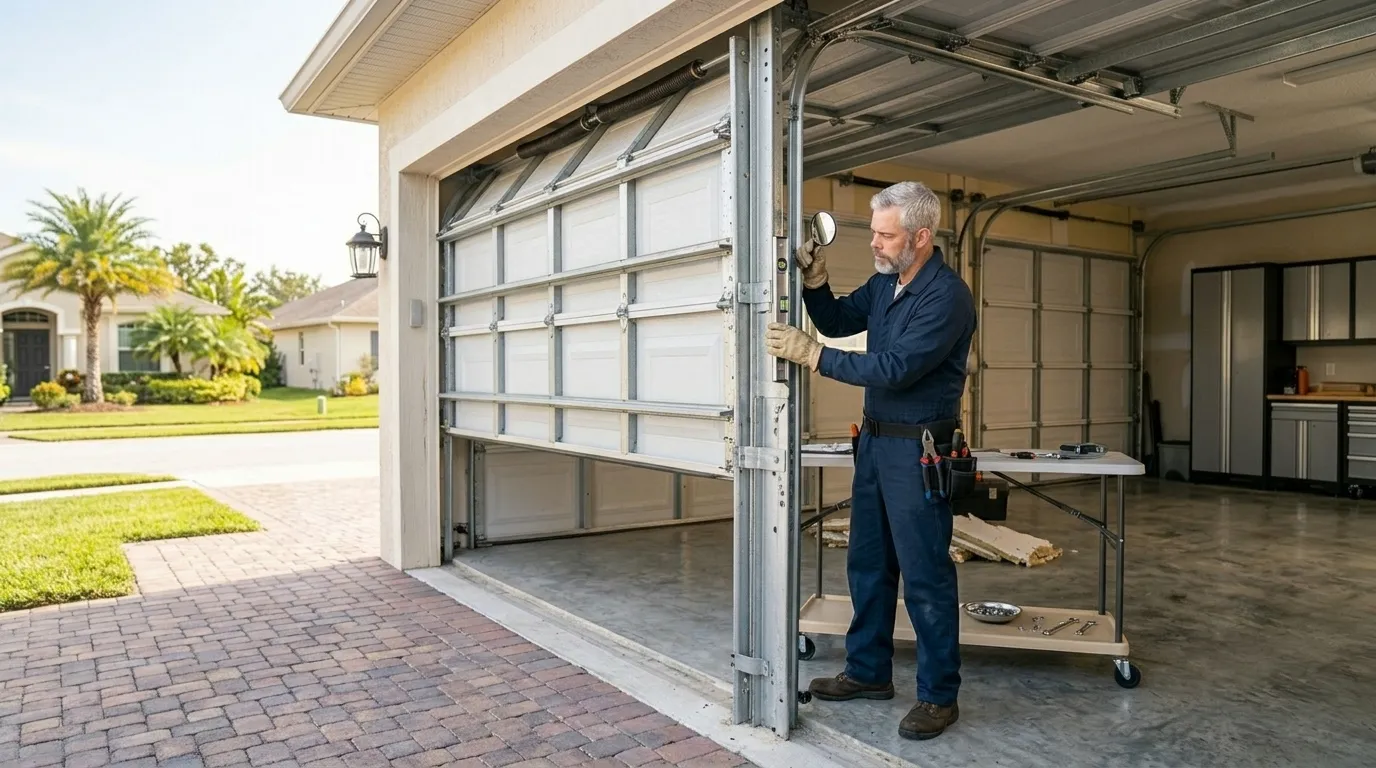
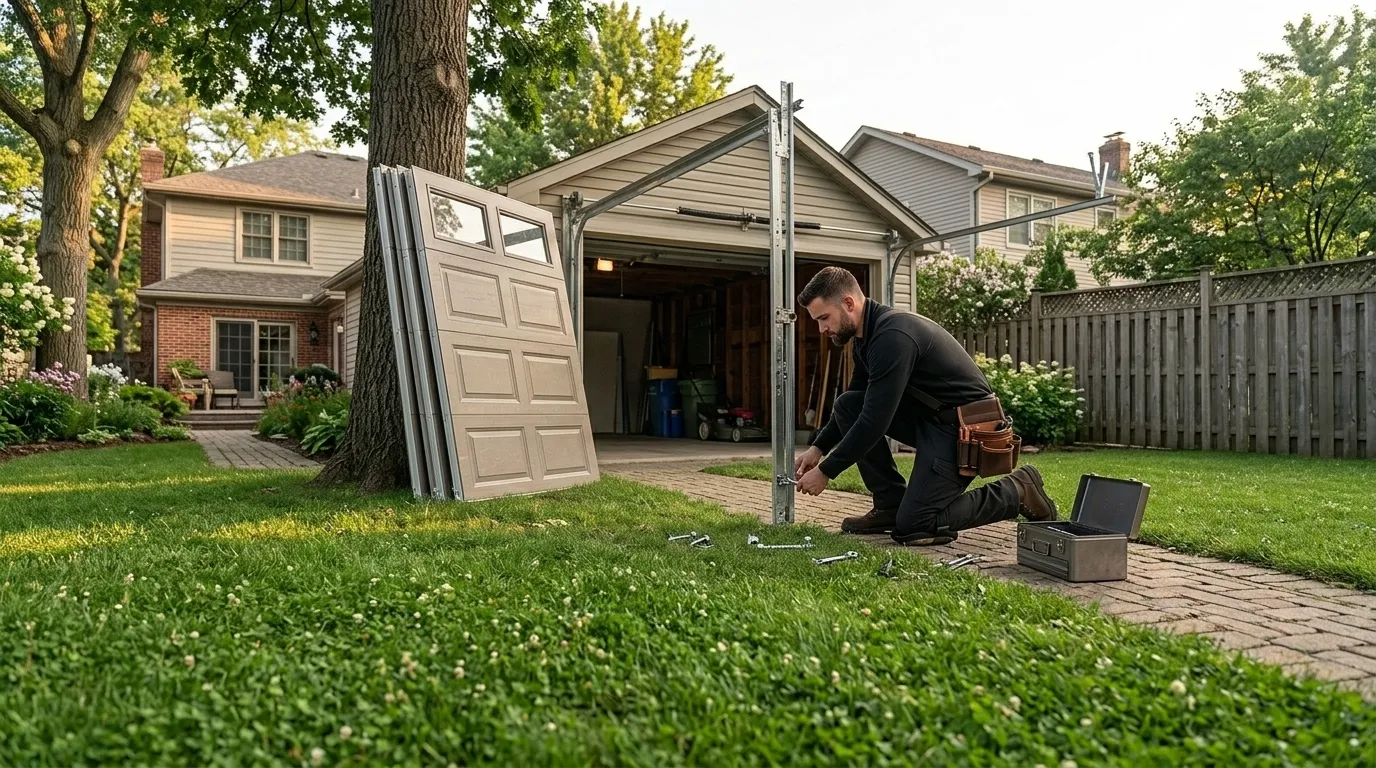
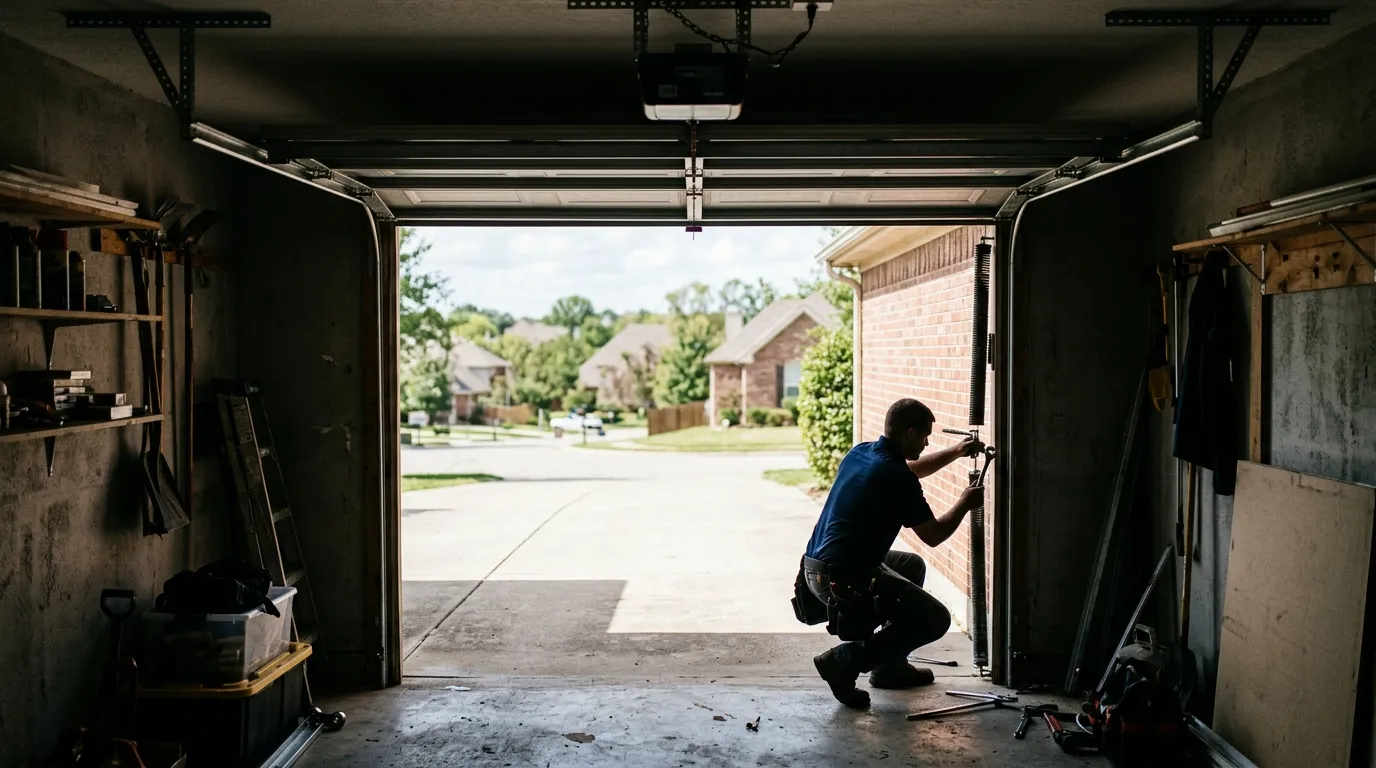
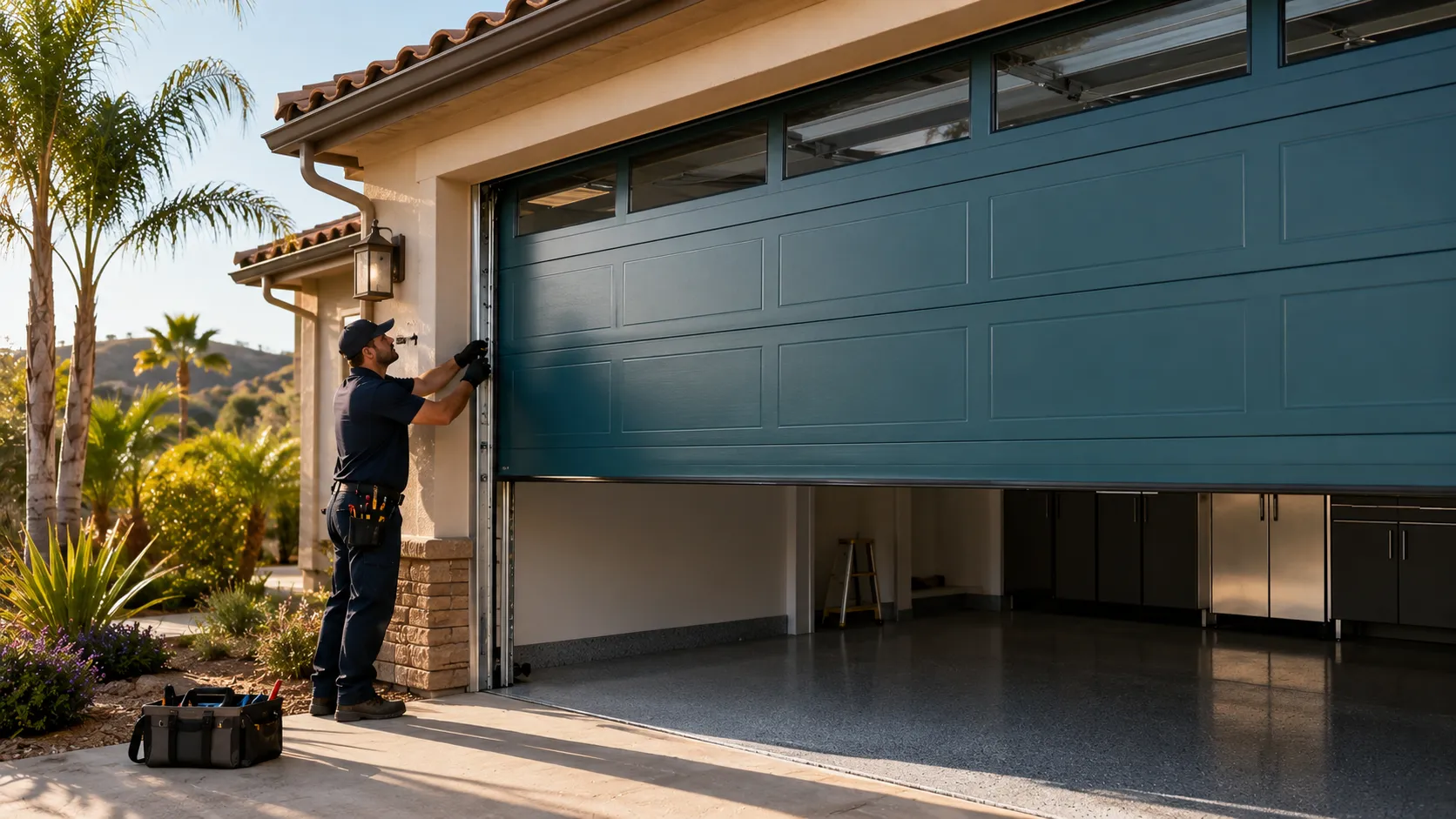
Albany Park sits inside a service area where most housing went up between 1938 and 1994, with the median build year landing around 1961. That puts a lot of the doors and openers we see on original or first-replacement hardware - torsion springs sized for a lighter door than what's on the track now, and openers from the era before rolling-code security became standard. We get called for the spring that finally lets go after a decade of quiet strain, for openers that grind instead of lift, and for tracks that have gone slightly out of true after years of freeze-thaw on the slab. Cold-band winters here mean lubricant that's too thick in January turns rollers sluggish and puts extra load on a spring that's already tired. We also see a fair number of panel replacements on doors from that 1960s-70s stretch of construction - steel that's dented but the frame underneath is still sound, so a full replacement isn't always the answer. What we don't do is guess at a fix over the phone. If a door's cycling rough, we want to see the spring wind, the track alignment, and the opener's force settings before we say what it needs. On a door this old, half the job is figuring out which part is actually the problem.
Where You Are
Albany Park sits about 3 miles south of the center of Lincolnwood, which puts it inside the same cold-climate band that shapes how doors and openers age across this whole service area - the moderate-cold classification means real freeze cycles every winter, not the occasional cold snap. The service area itself covers 40 named areas and roughly 104,270 households, with about 52,848 of those owner-occupied houses, so a garage door here is usually attached to a house someone owns and maintains themselves, not a rental unit with a landlord fielding the call. Median household income across the area runs $99,861, which tends to mean people replace a worn opener before it strands them, rather than nursing it along for another two winters. We work out of Lincolnwood and cover Albany Park along with the nearer areas - Golf, Harwood Heights, and the rest of the close-in list - without treating any of them as an afterthought stop on the way to somewhere else.