What Most People Get Wrong
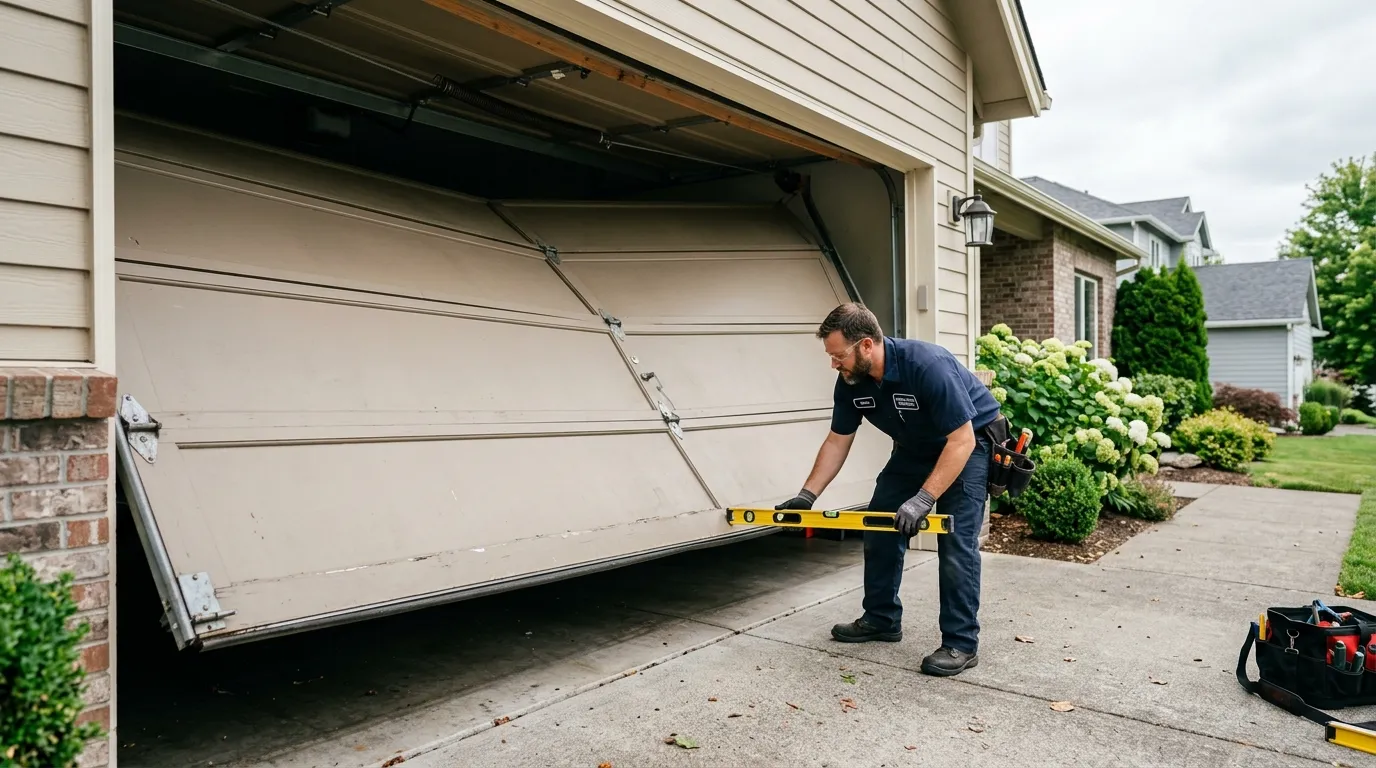
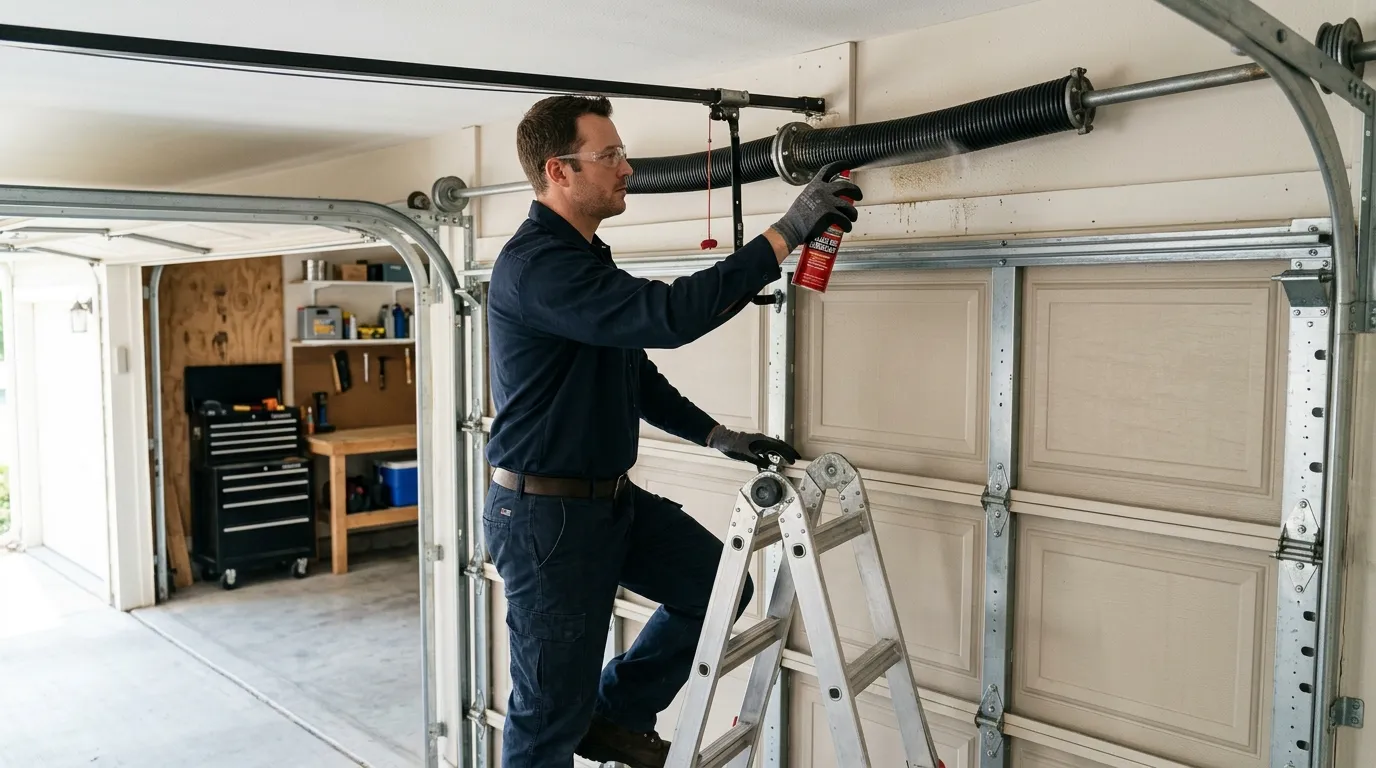
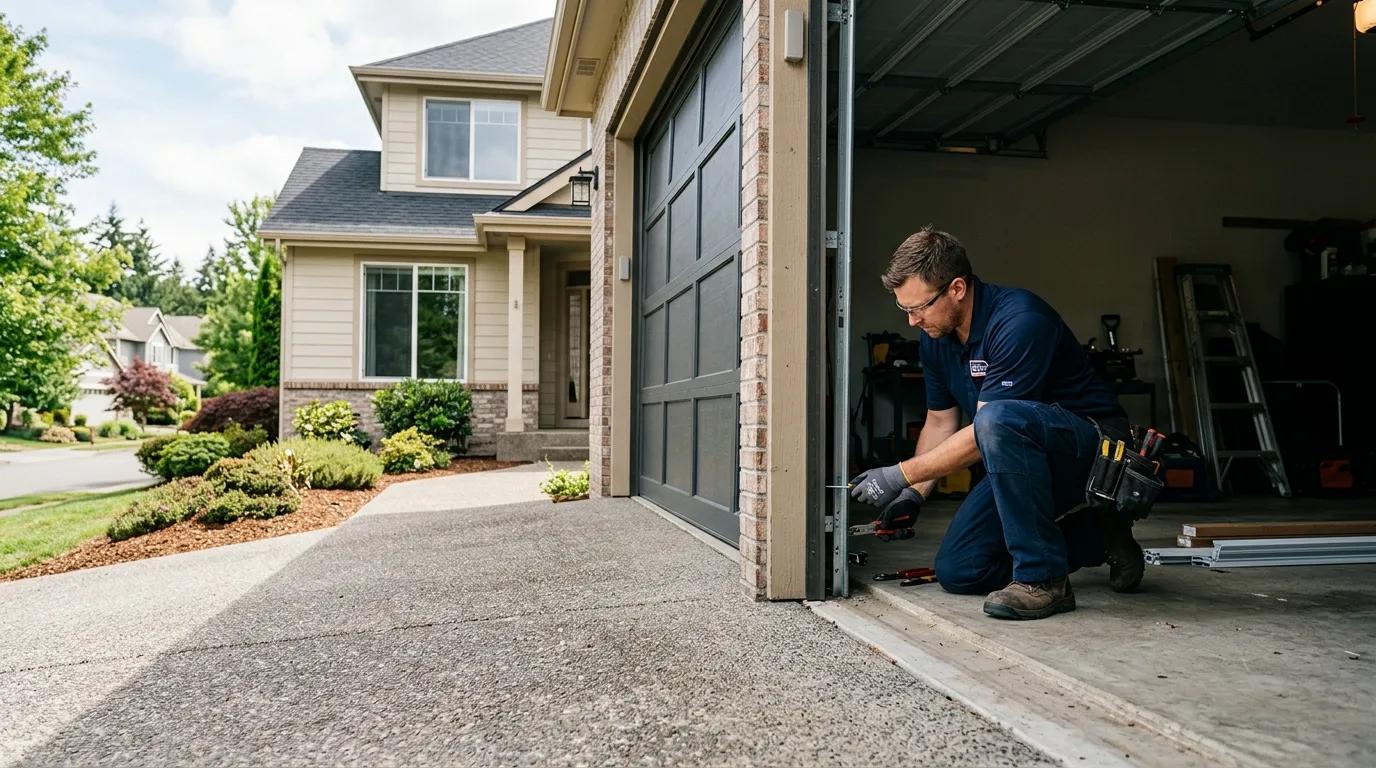
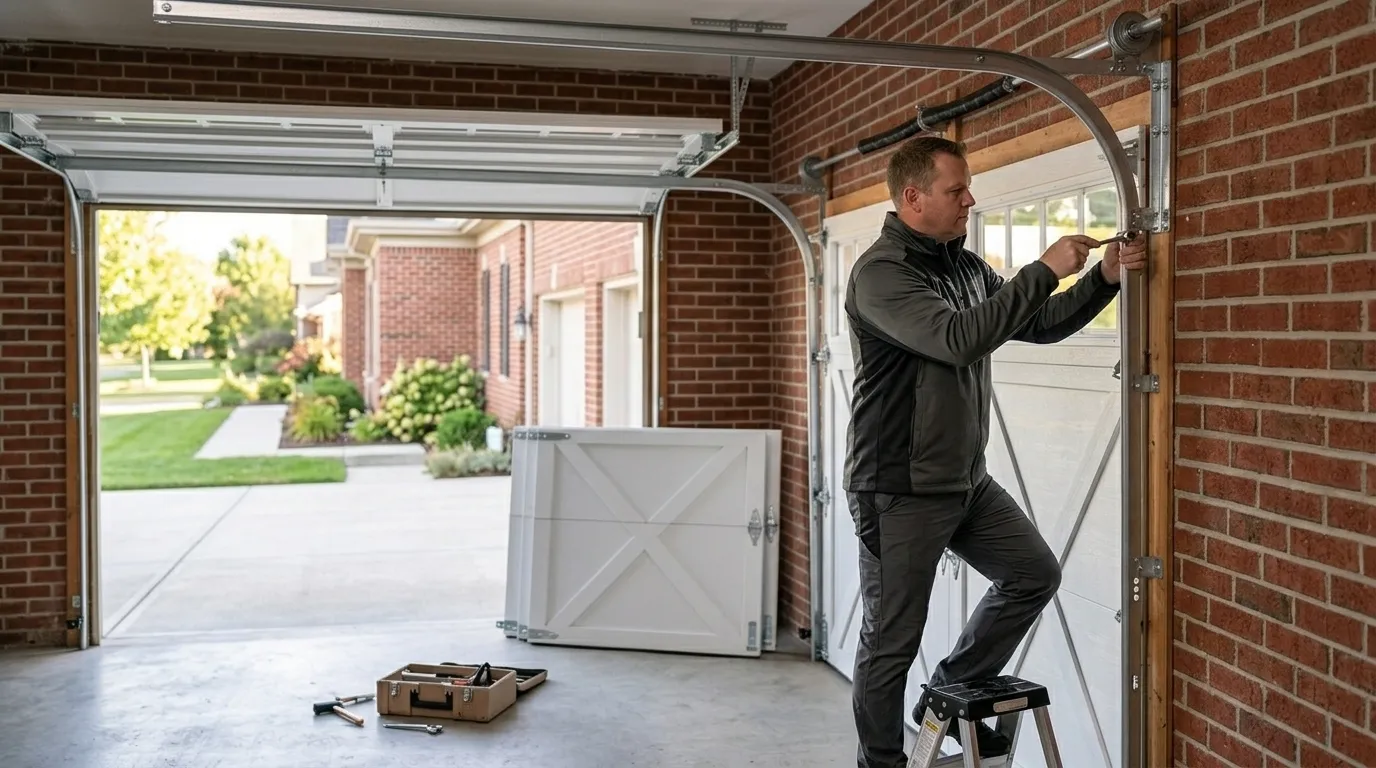
Most owners assume a blinking sensor light means the sensor itself is dead. Nine times out of ten it isn't the eye, it's the bracket. The two photo-eye sensors on either side of the door track have to stay pointed at each other within a fraction of a degree, and on a house built the way most of Lincolnwood was built - between 1938 and 1994, with the bulk of that stock going up in the 1960s and 70s - those brackets are usually screwed straight into original wood jambs that have moved a little every year since Eisenhower was president. People re-aim the sensor, it works for a week, then it's back. The fix that actually holds is re-anchoring the bracket to something that isn't shifting, not nudging the sensor a quarter inch and calling it done. We also see owners disconnect the sensors entirely to stop the nuisance reversals, which defeats the one safety feature standing between the door and a pinched hand or a trapped pet. That's not a repair, that's a liability sitting in the garage.
How Local Conditions Play In
This area sits in a cold moderate climate band, and that matters more for sensor alignment than most people expect. It's not the cold itself that throws the eyes out of true, it's the freeze-thaw cycle underneath the slab every winter and spring. The concrete apron and the garage floor heave slightly as the ground under them freezes and thaws, and since the sensor brackets are usually mounted low - 4 to 6 inches off the floor - even a small heave changes the angle of the beam. On a house from the 1960s or 70s original build era, the slab has had 50-plus winters to settle unevenly, so the drift tends to be consistent rather than random: same wall, same direction, every year around the same season. Once you know that, you stop chasing it every time it happens and instead mount the bracket on a shim system that tolerates the seasonal shift instead of fighting it.
The Cost of This Job
With a median household income of $99,861 across the service area and roughly 104,270 households, about half of them in owner-occupied houses, most owners here treat this as a repair worth doing properly rather than a stopgap. A re-anchored bracket with a shim system costs less than a service call for the same complaint every winter for the next five years. Replacing a rotted jamb section is a bigger job and the price reflects that - it's carpentry as much as garage door work. We don't quote a number without seeing the mounting surface first, because a slab that's heaved an inch calls for a different fix than one that's heaved an eighth of an inch, and guessing on the phone does nobody any favors.