What We Get Called For
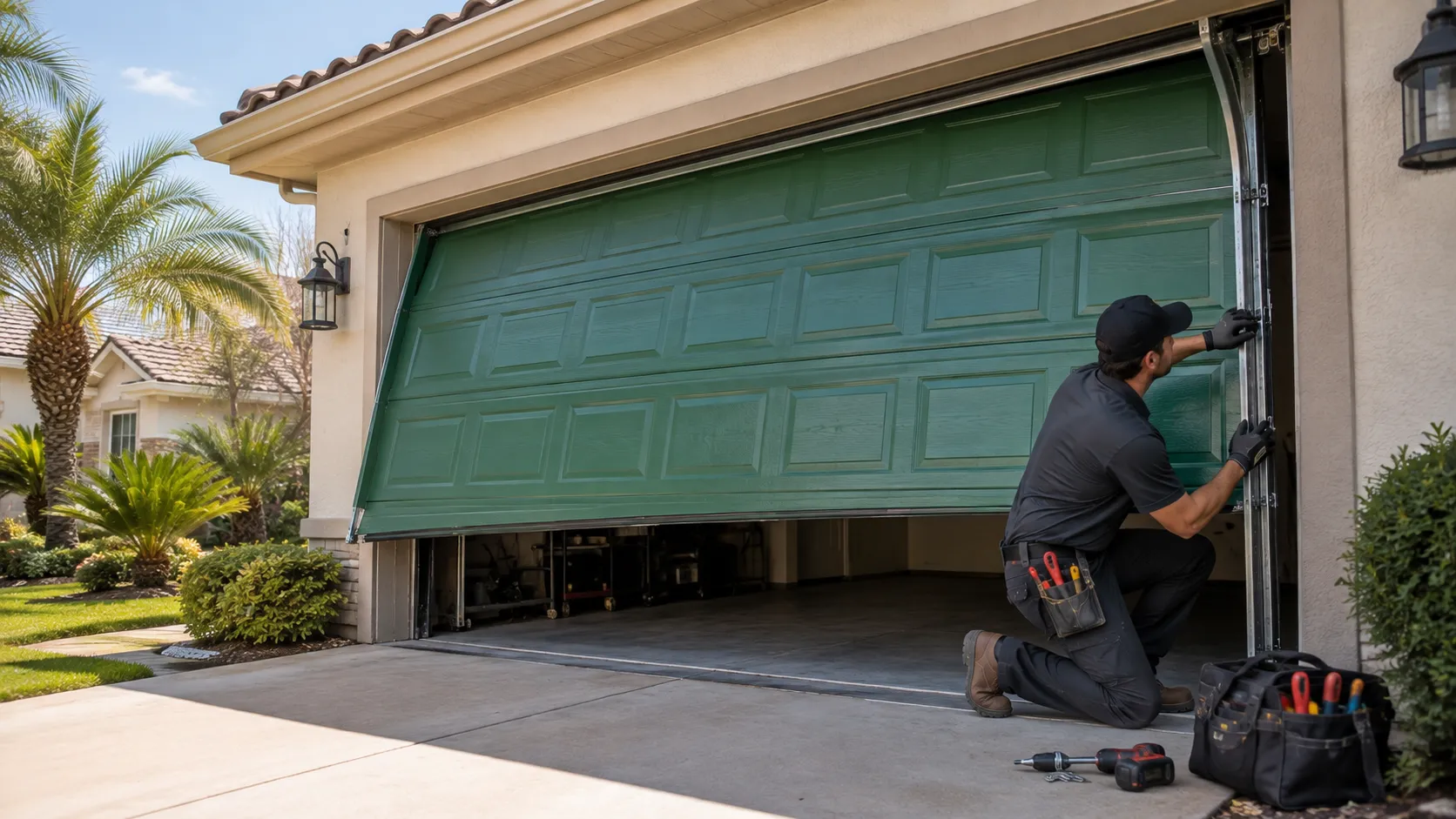
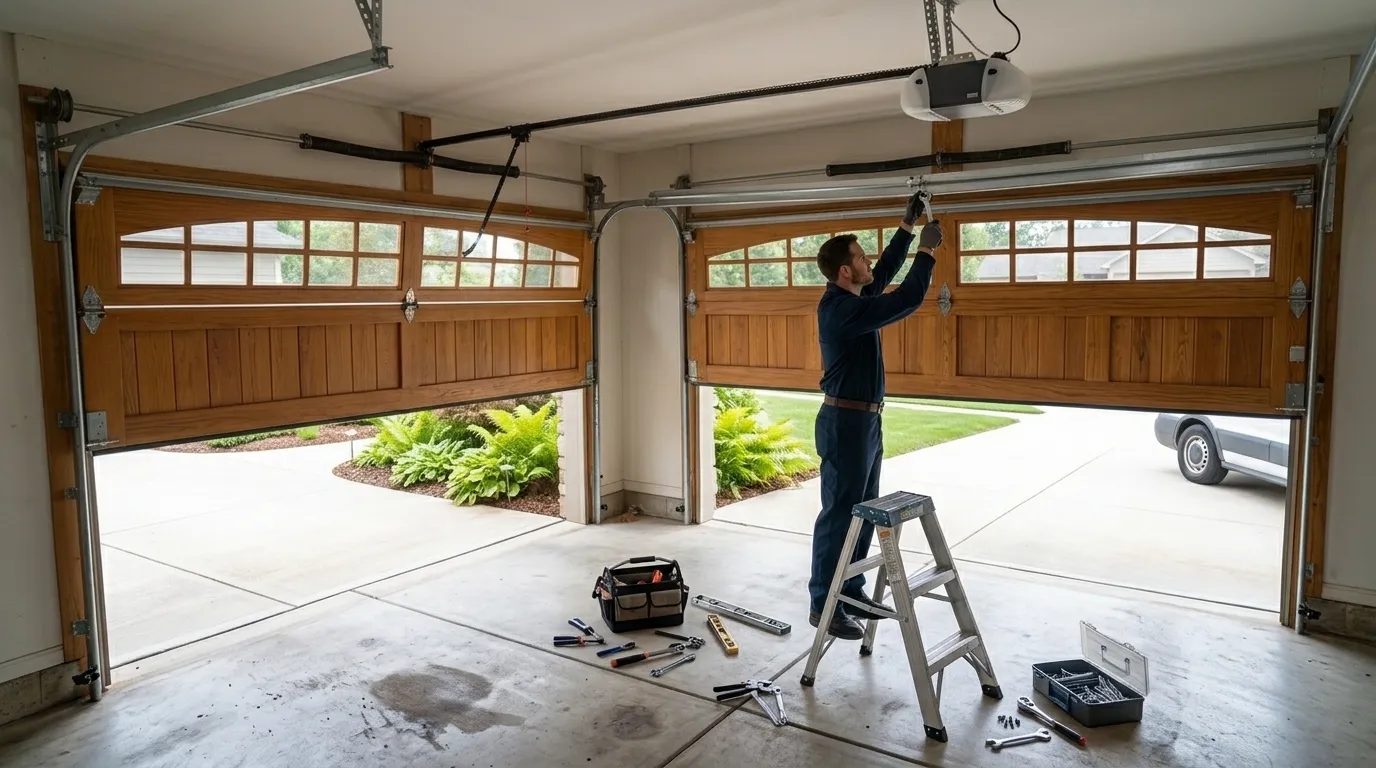
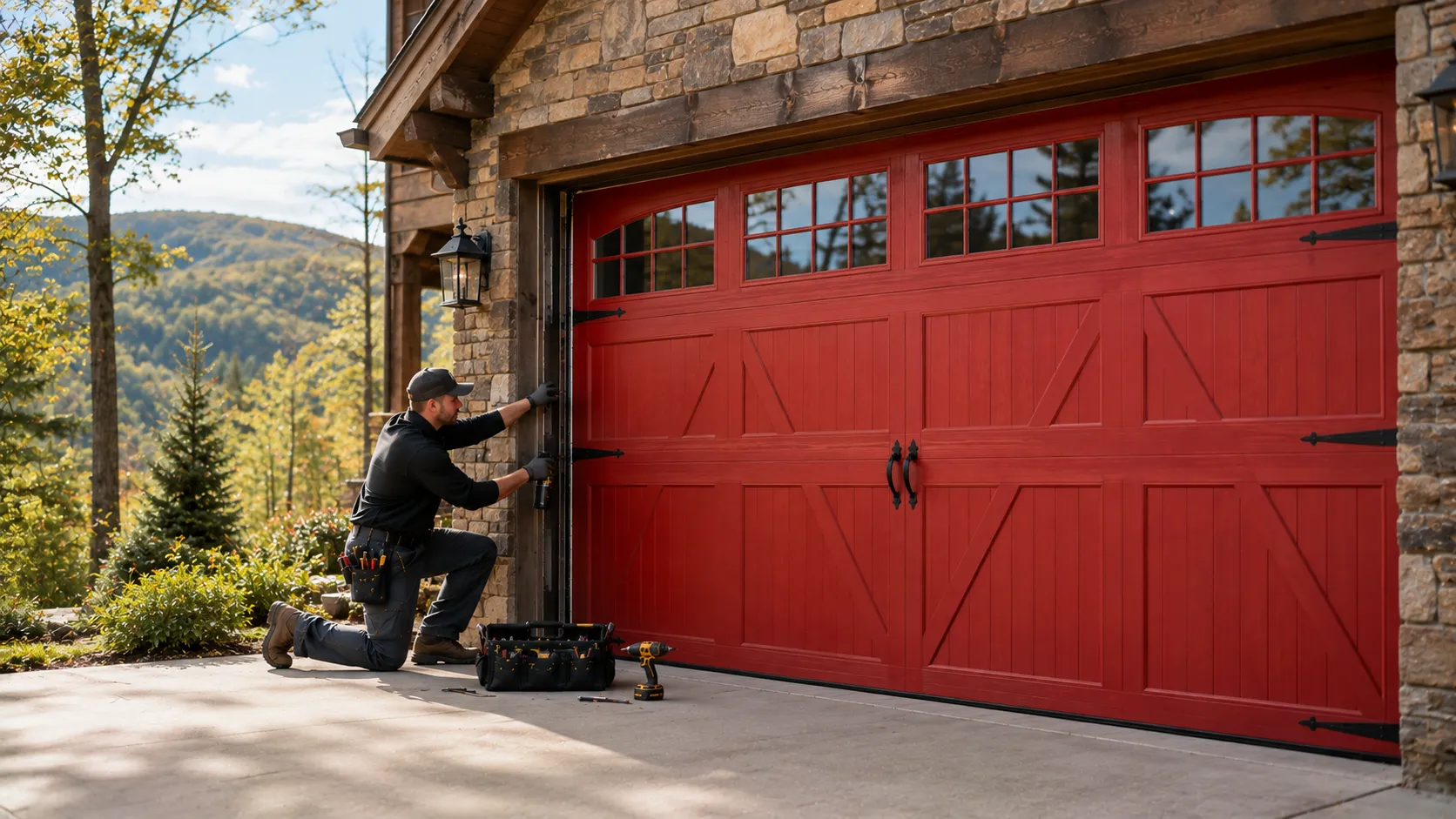
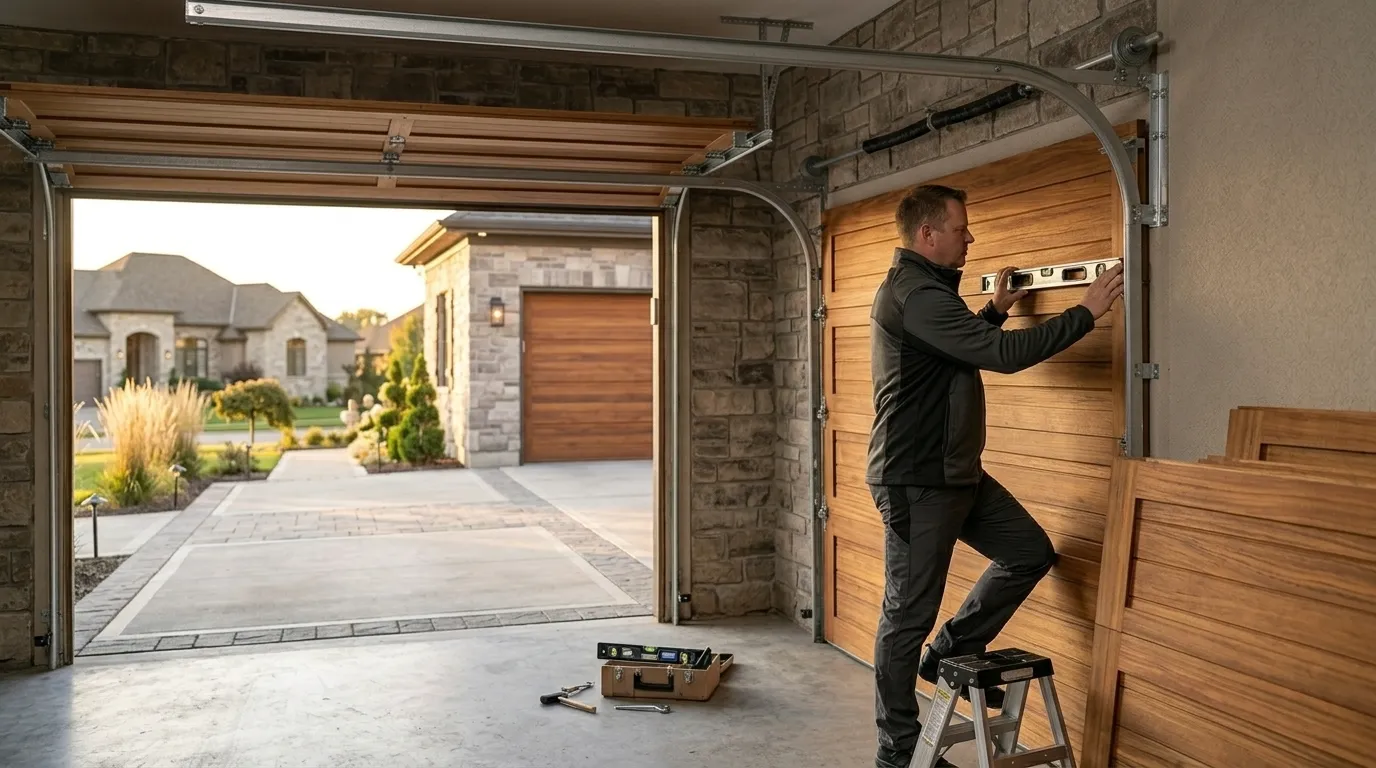
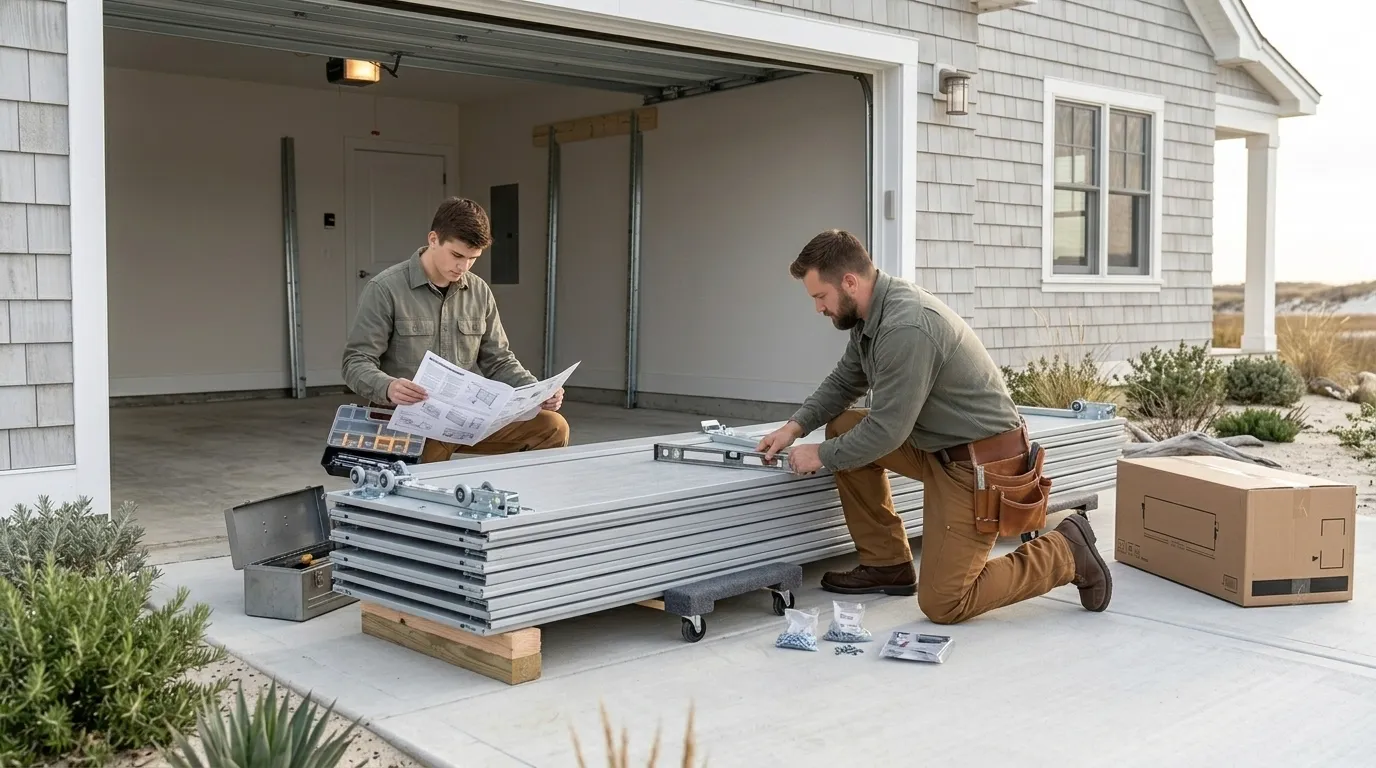
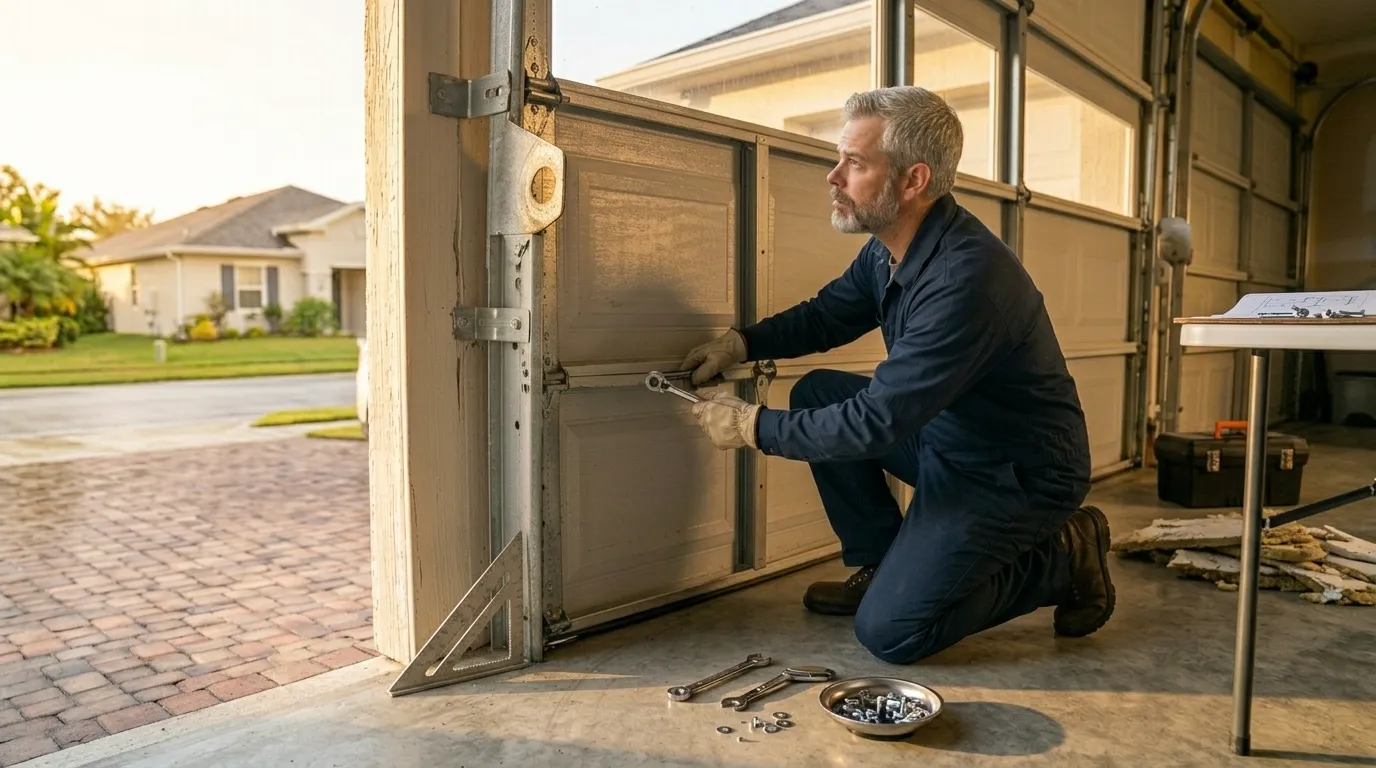
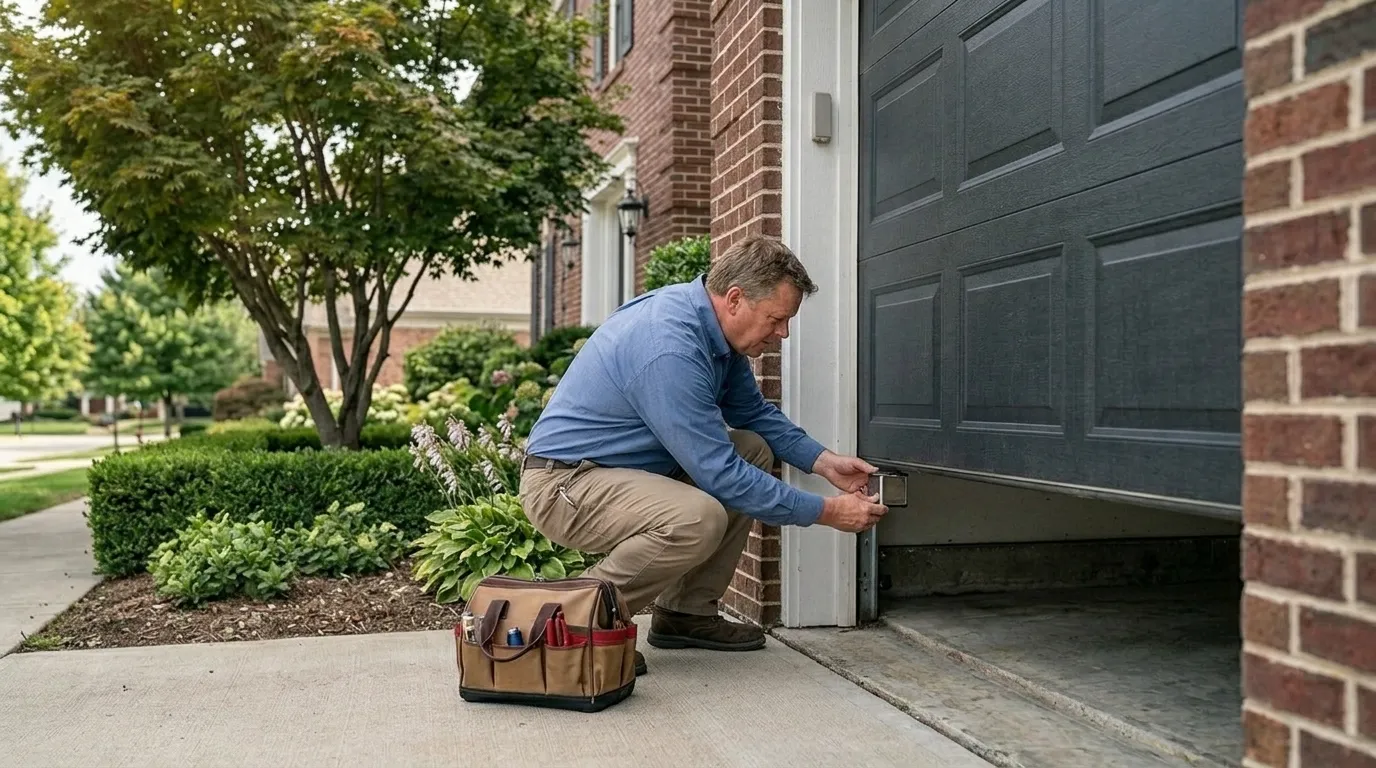
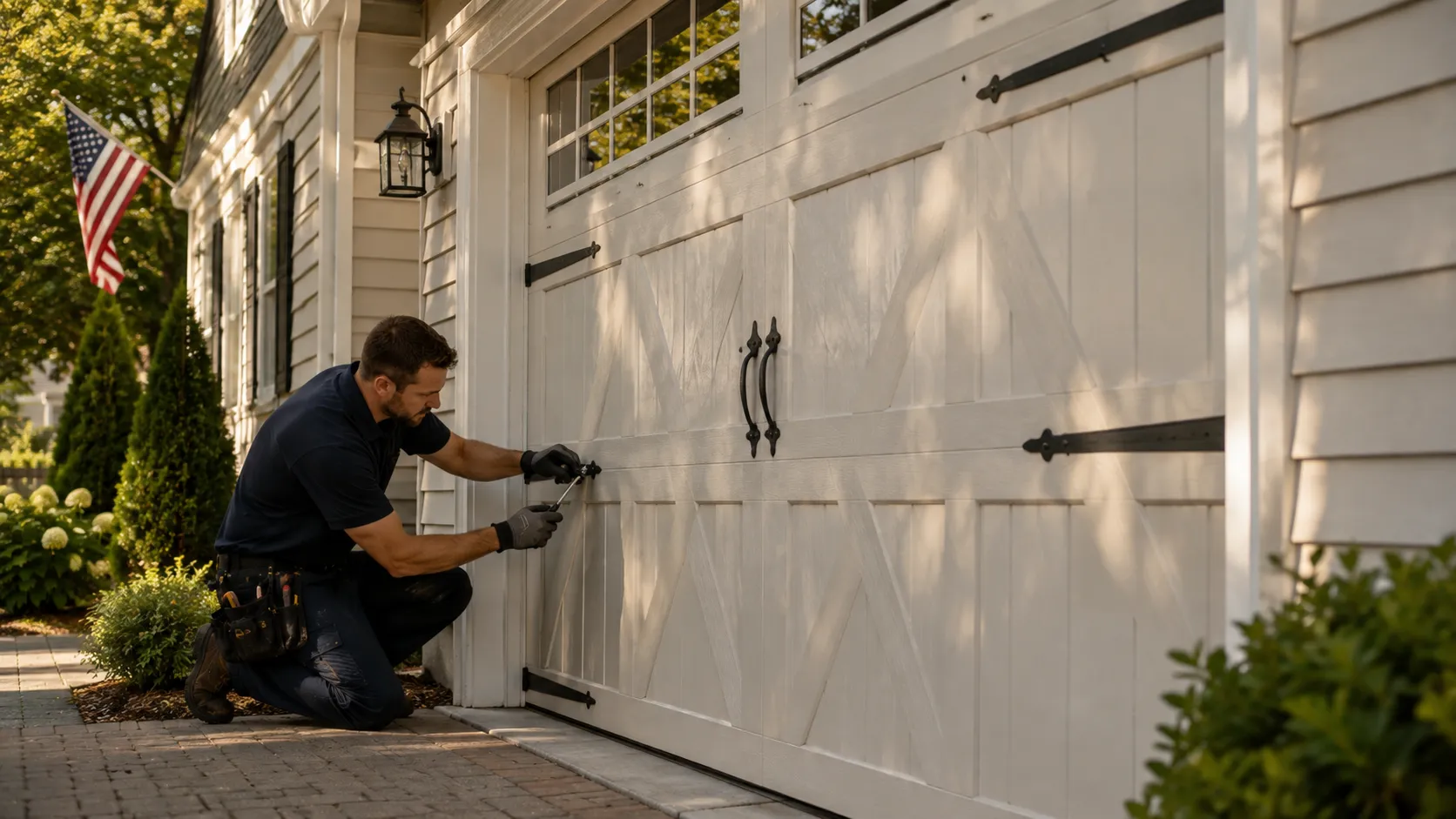
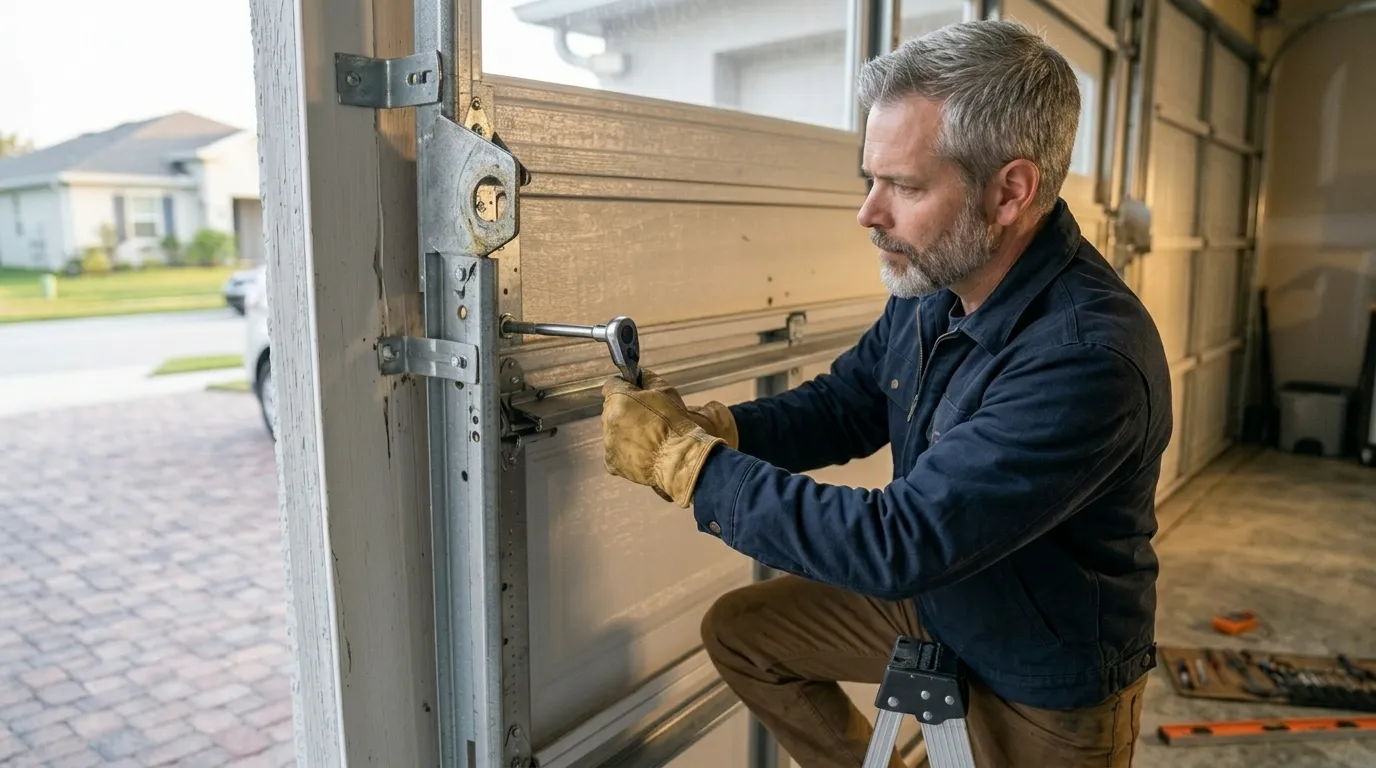
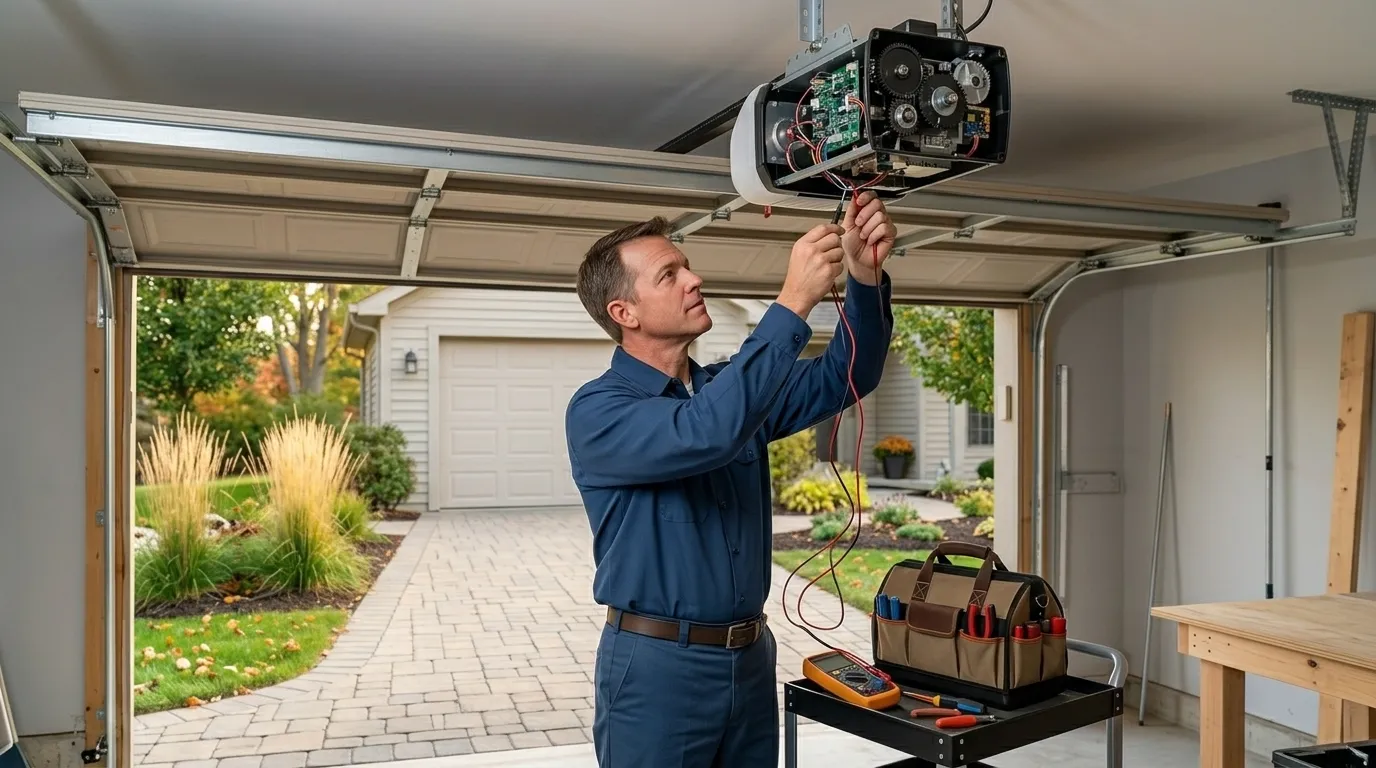
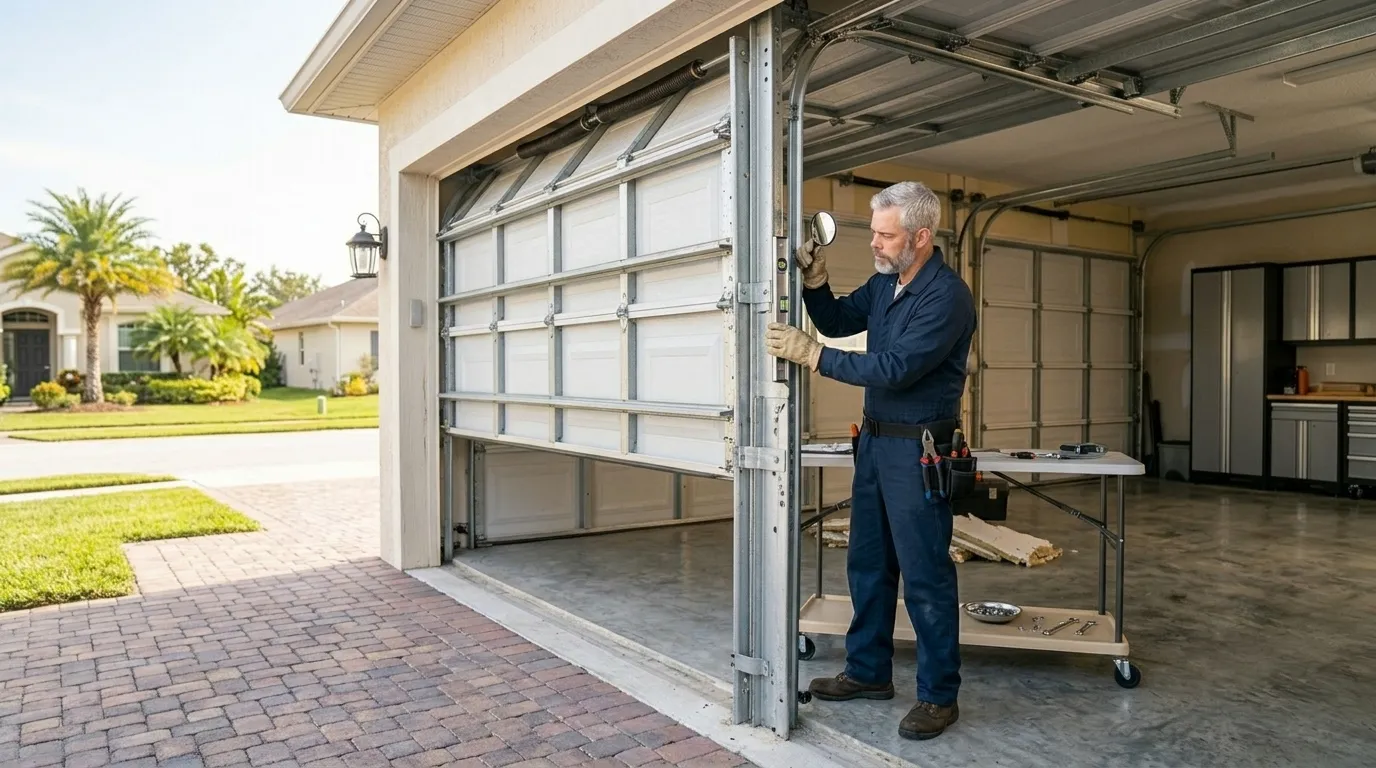
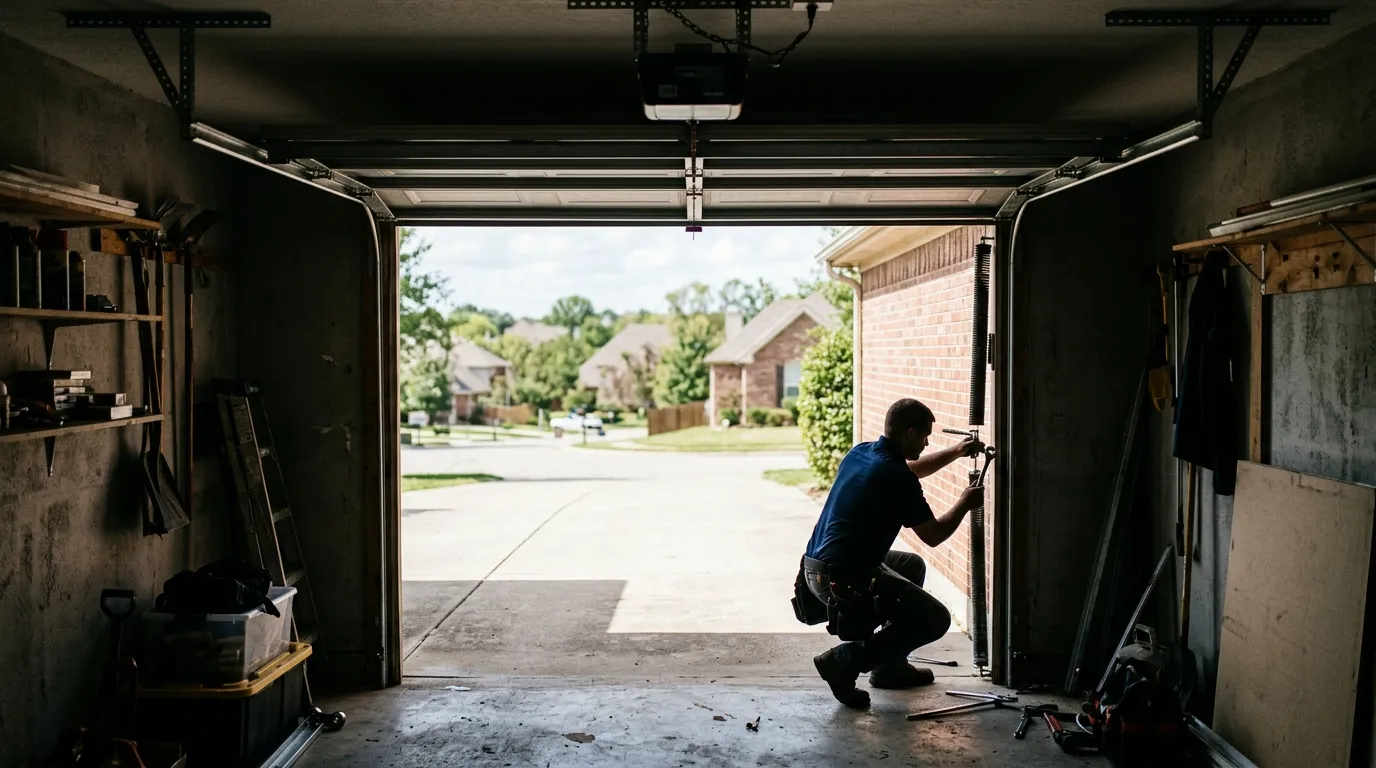
Uptown falls inside the stretch of housing the whole service area shares: built mostly between 1938 and 1994, with the median year landing around 1961. That's not a small range, but it tells you what's on the wall of most garages here. A lot of these openers are second or third replacements on original torsion hardware that was never upgraded to today's cable drum spacing. So the calls we get from this pocket run predictable: torsion springs that finally let go after a hard cold snap, rollers worn oval from decades of use, and older chain-drive openers that grind before they quit outright.
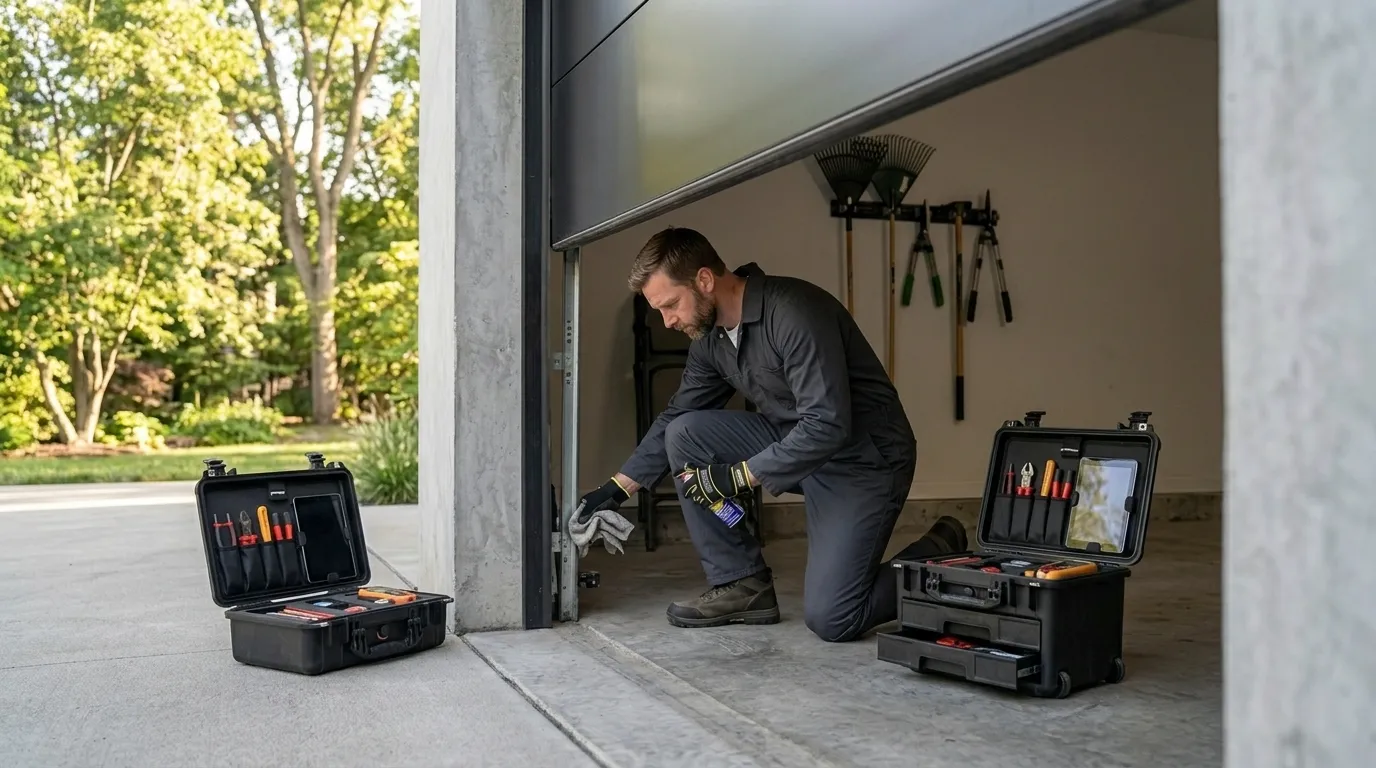
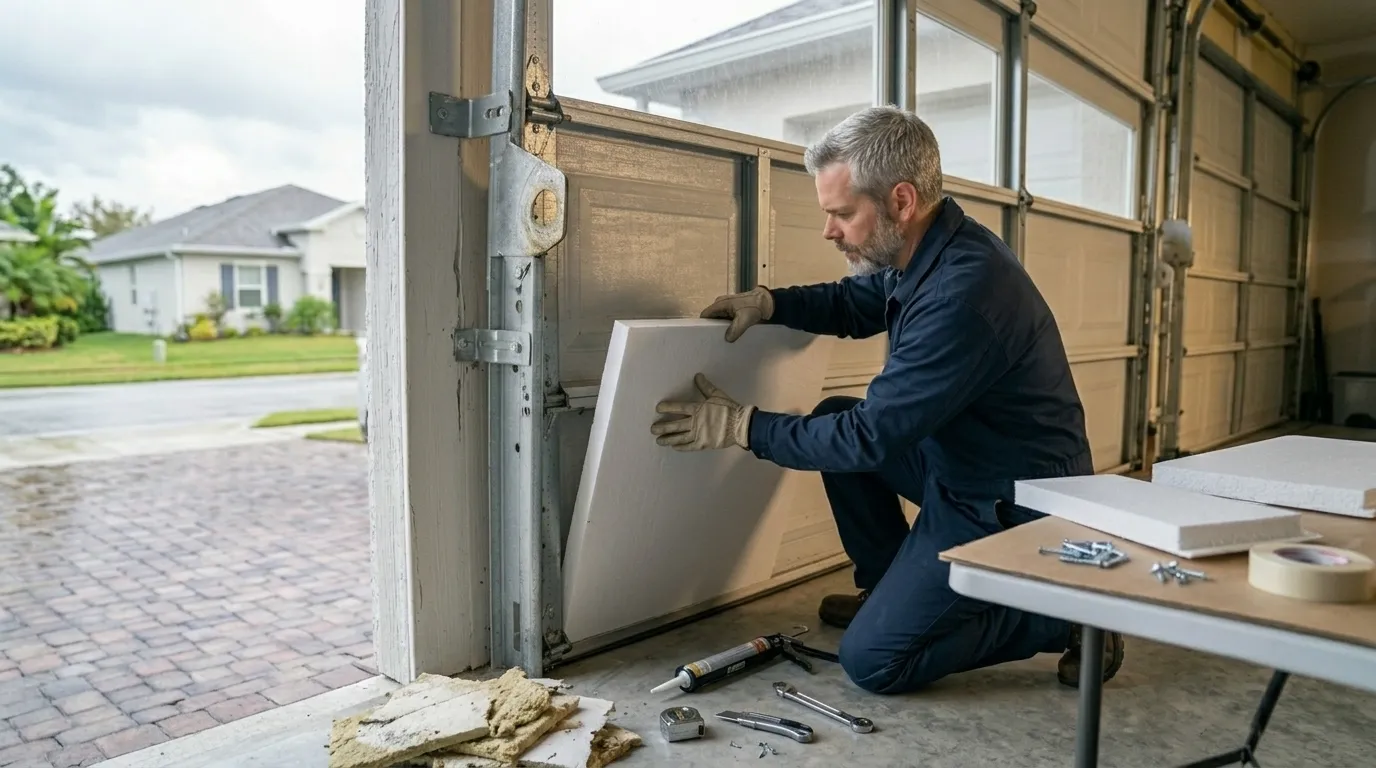
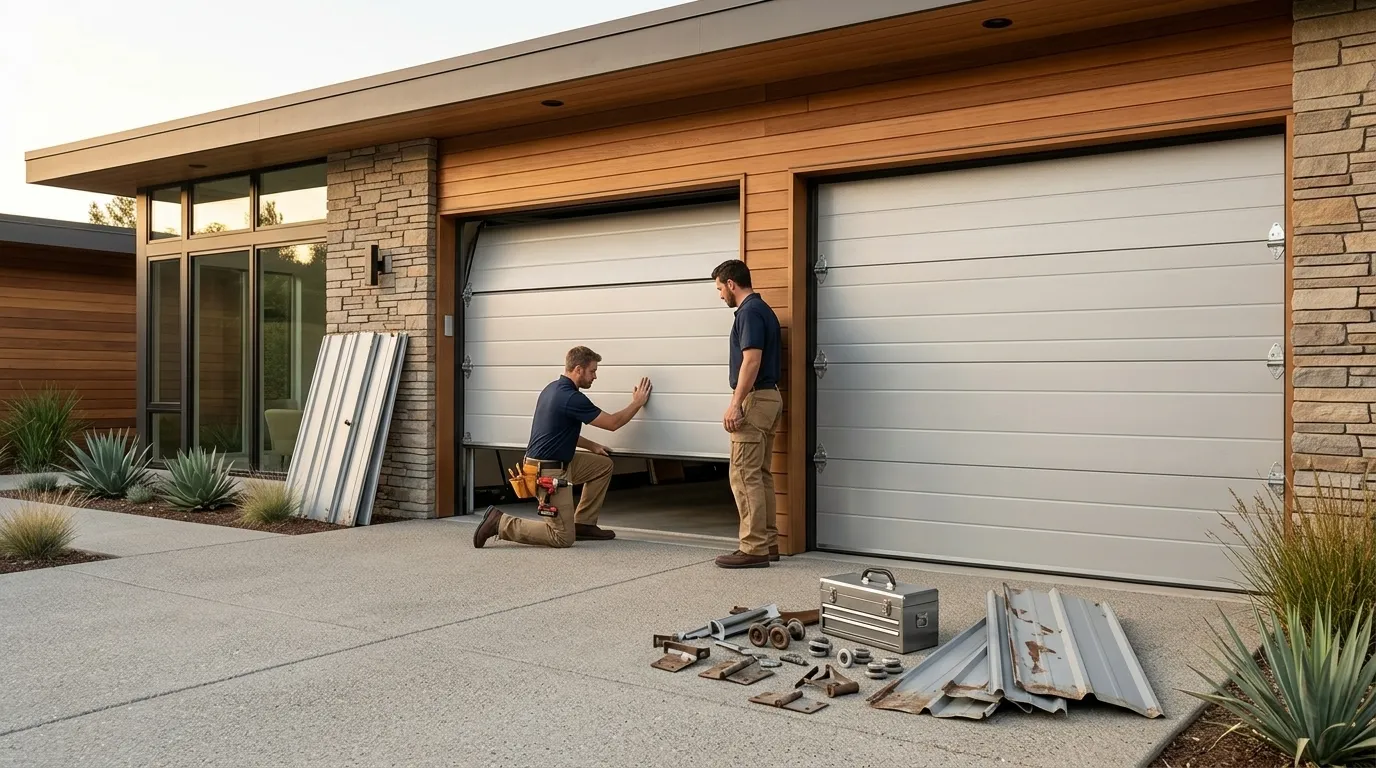
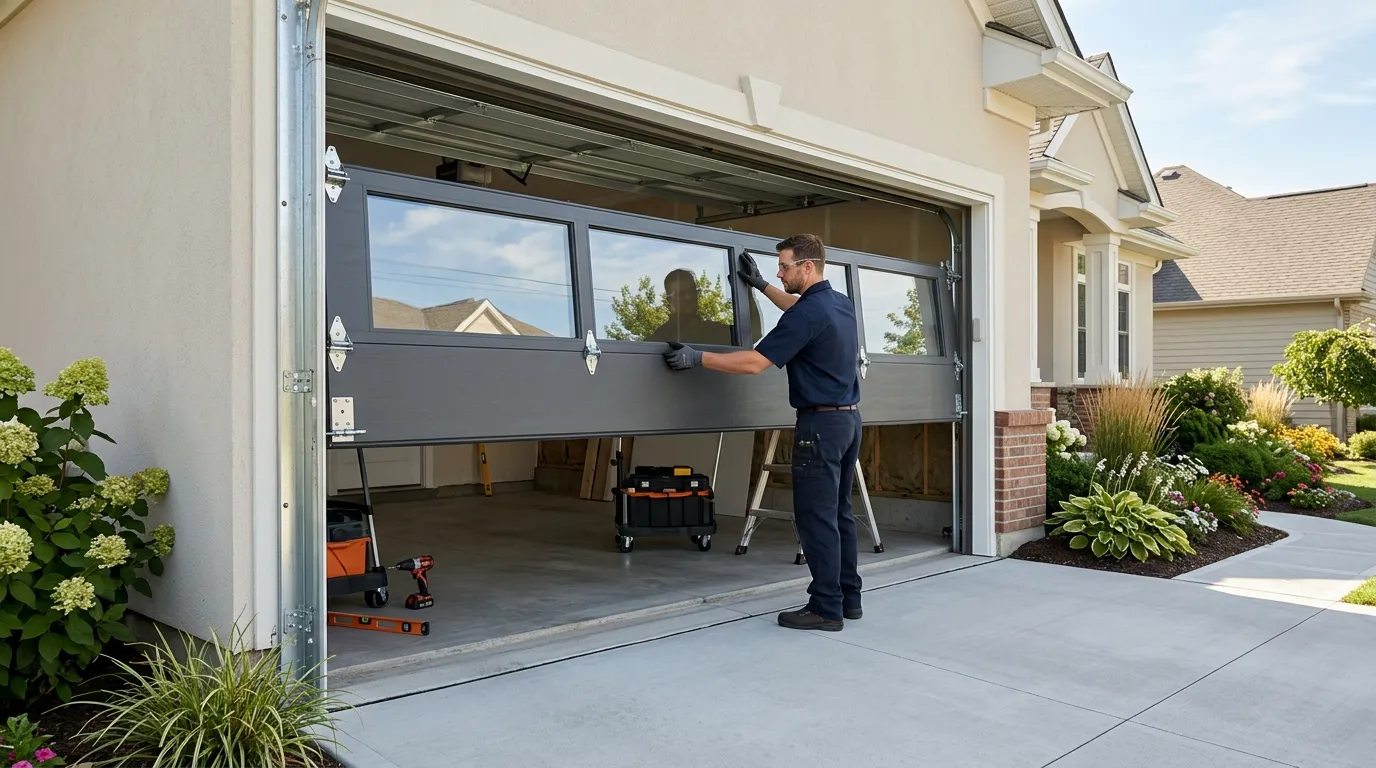
Because the winters here sit in a cold-moderate band, steel springs lose a little flex every year they sit in an unheated garage, and that shortens their working life compared to a milder climate. We see more mid-life spring failures than you'd expect, and fewer full opener replacements than you'd think - most of these units can take one more repair before they're done. We don't push a full door swap when a spring and a set of rollers will get another decade out of the door. If the track is bent past true or the panels are rusted through at the bottom, that's a different conversation, but that's the exception here, not the rule.
Where You Are
Uptown sits about five miles southeast of our shop in Lincolnwood, one of roughly forty named neighborhoods and suburbs we keep on our route sheet, most of them carrying that same 1960s-and-70s housing stock. At that distance you're closer to us than places like Golf or Harwood Heights, which sit four and five miles out in the other direction, and well inside the radius that includes Albany Park, Lincoln Square, and Ravenswood.
We mention the distance because it matters for scheduling, not because it changes the work. A torsion spring in Uptown behaves the same as a torsion spring anywhere else in the cold-moderate band - it just depends on how old the door is and how it's been maintained. What does change block to block is the mix of original hardware versus replaced hardware, and in a neighborhood this size that mix varies more than a builder-tract subdivision would. We don't have street-level detail for Uptown beyond the housing era, so we're not going to pretend we know which block has which garage door brand. What we know is the range of ages we're likely to find, and we plan the truck's parts stock around that.