What People Here Ring About
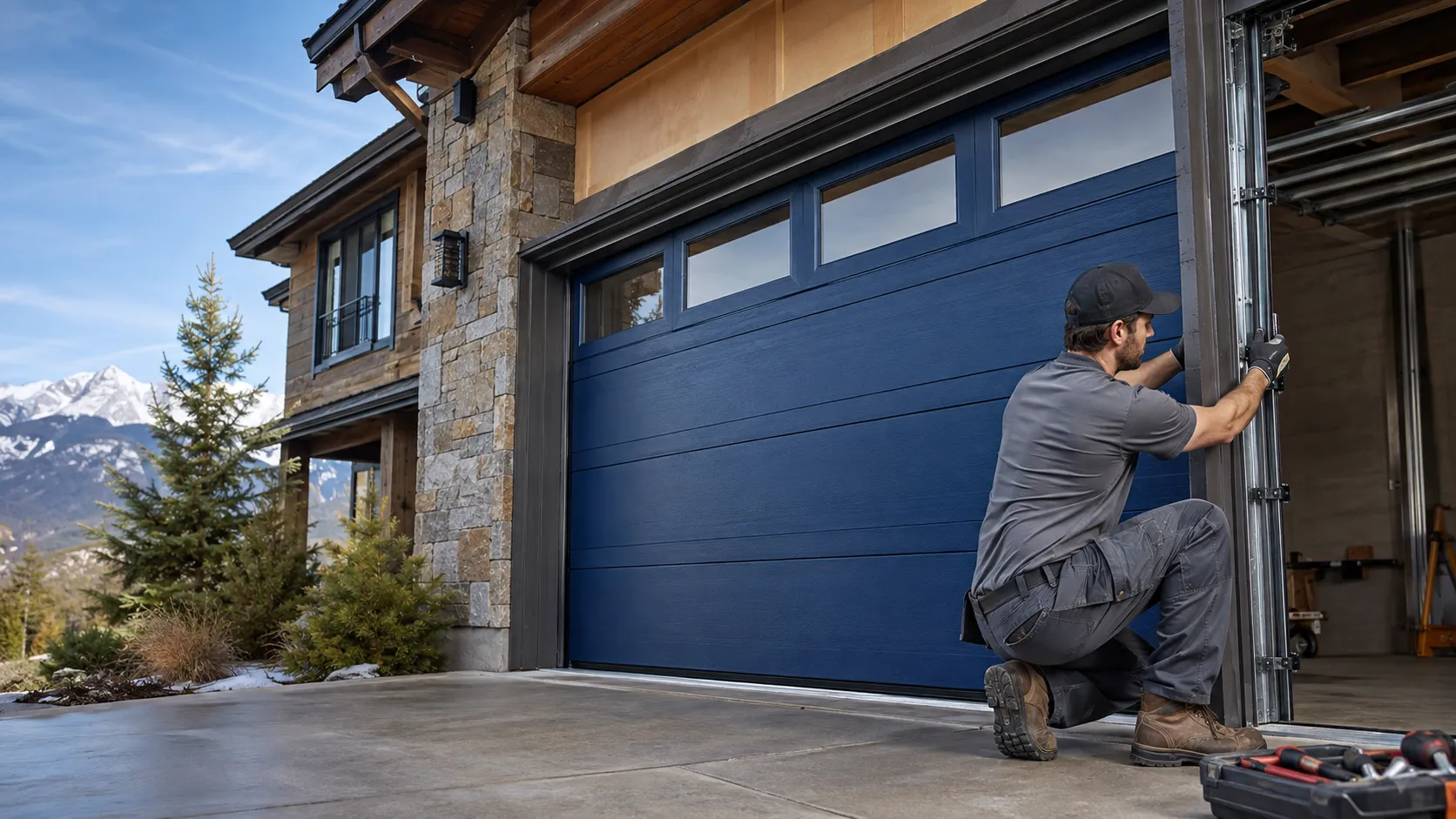
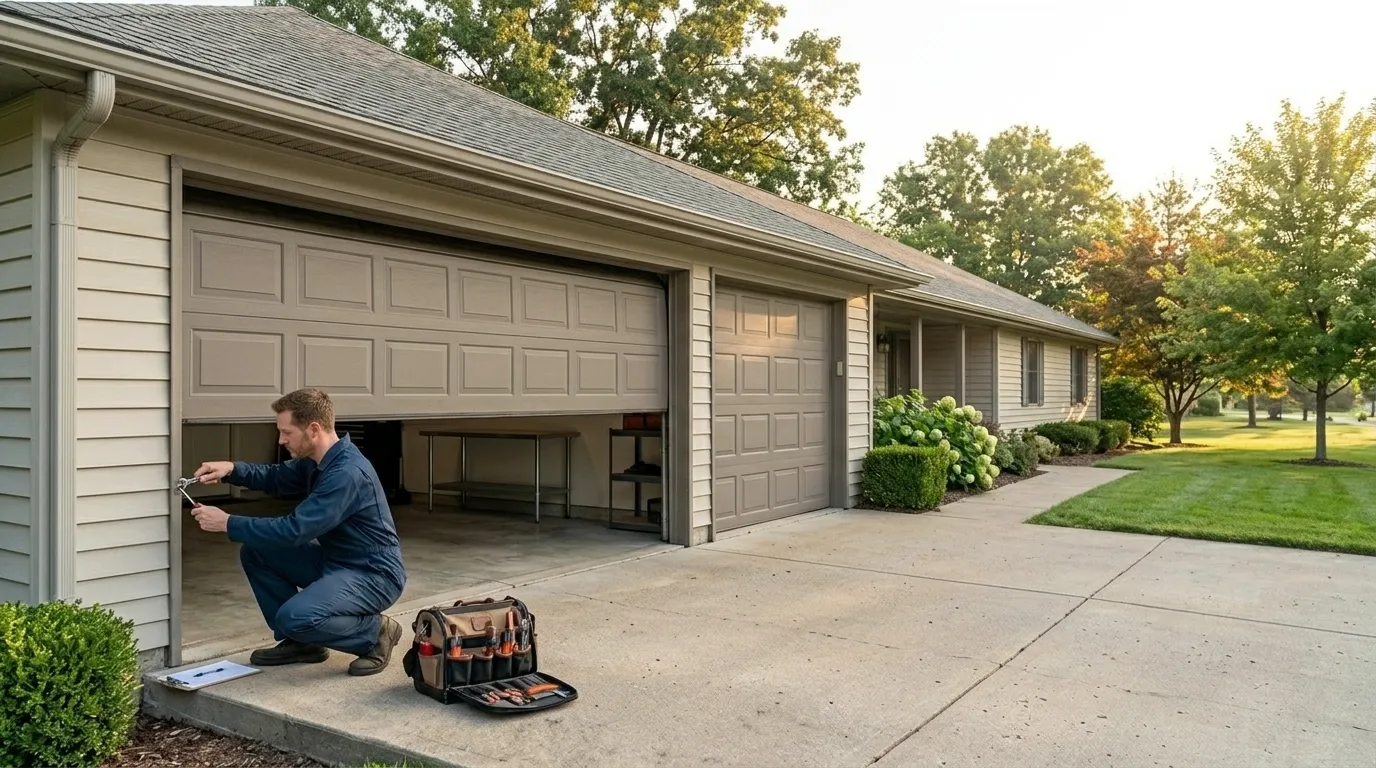
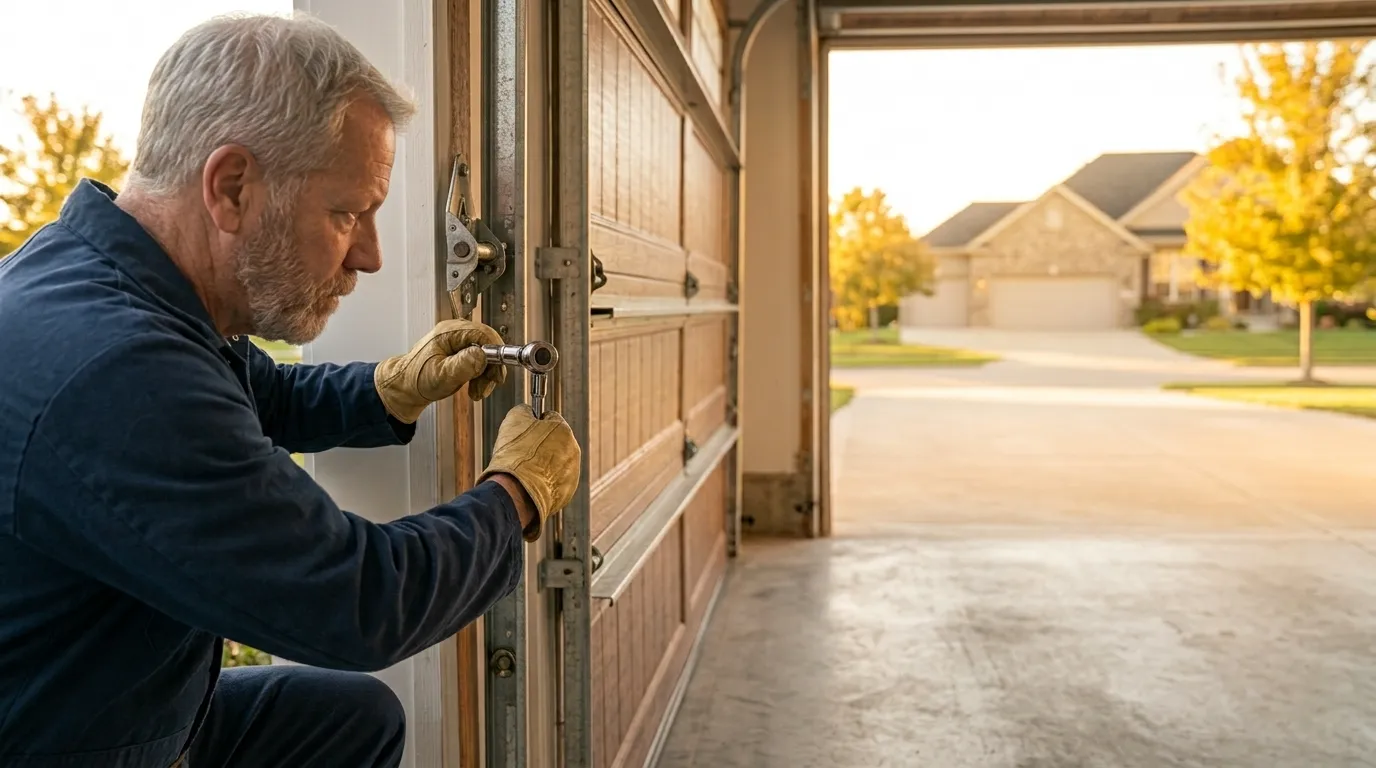
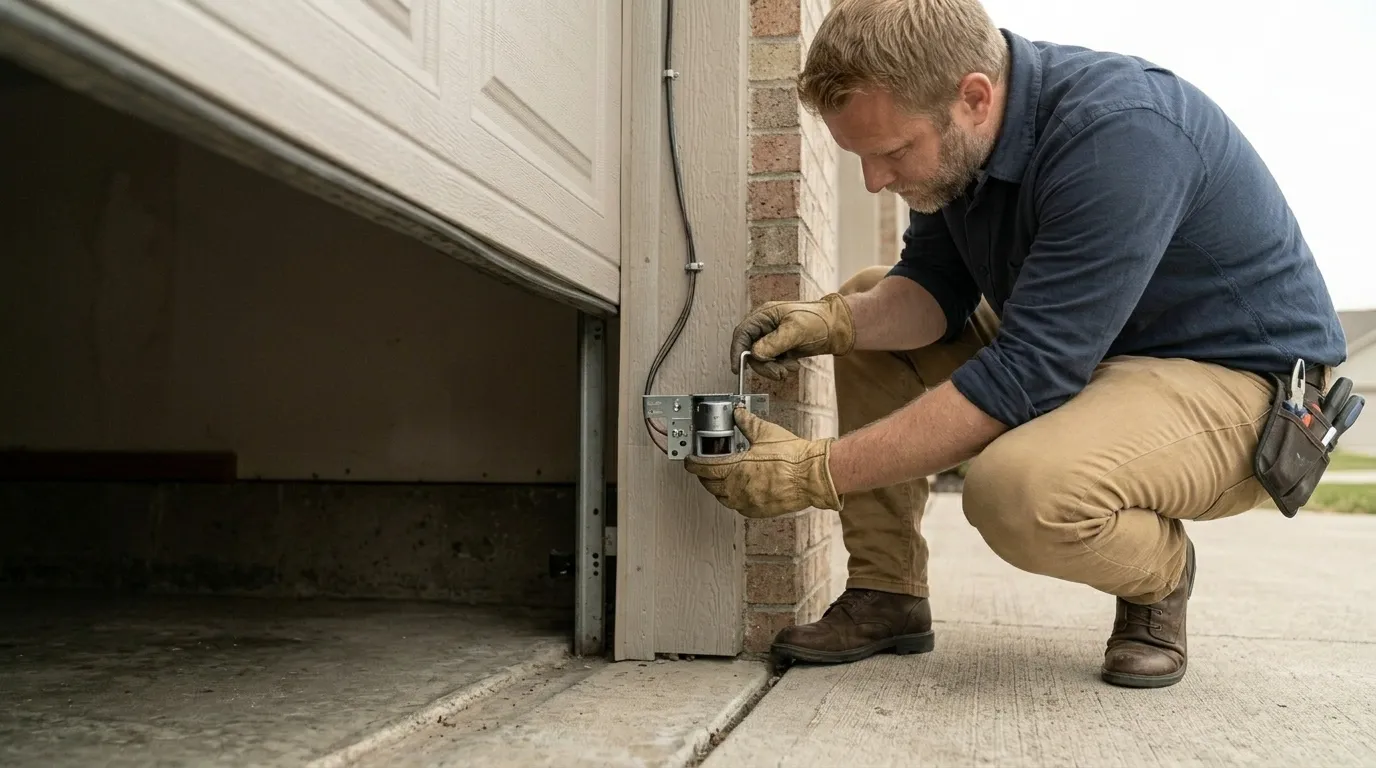
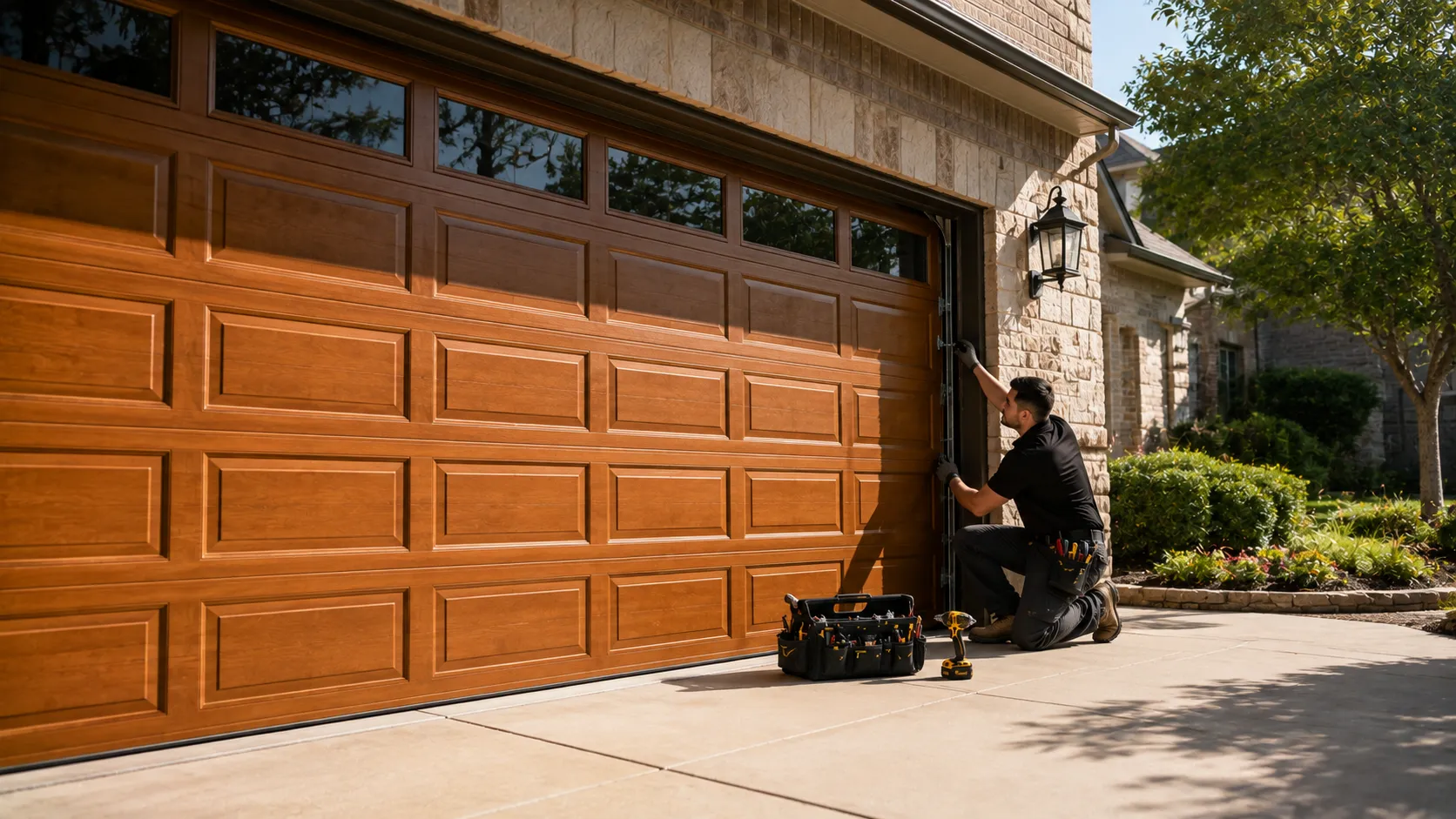
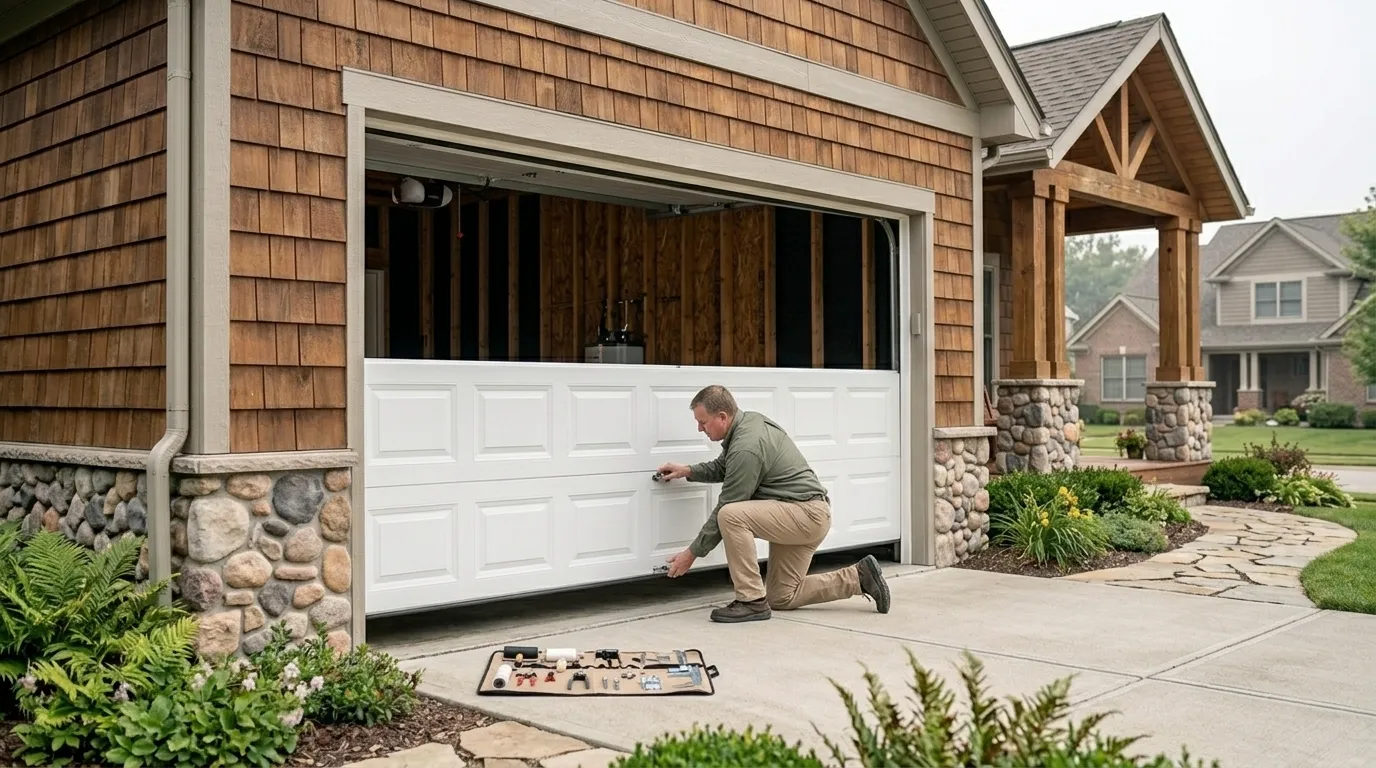
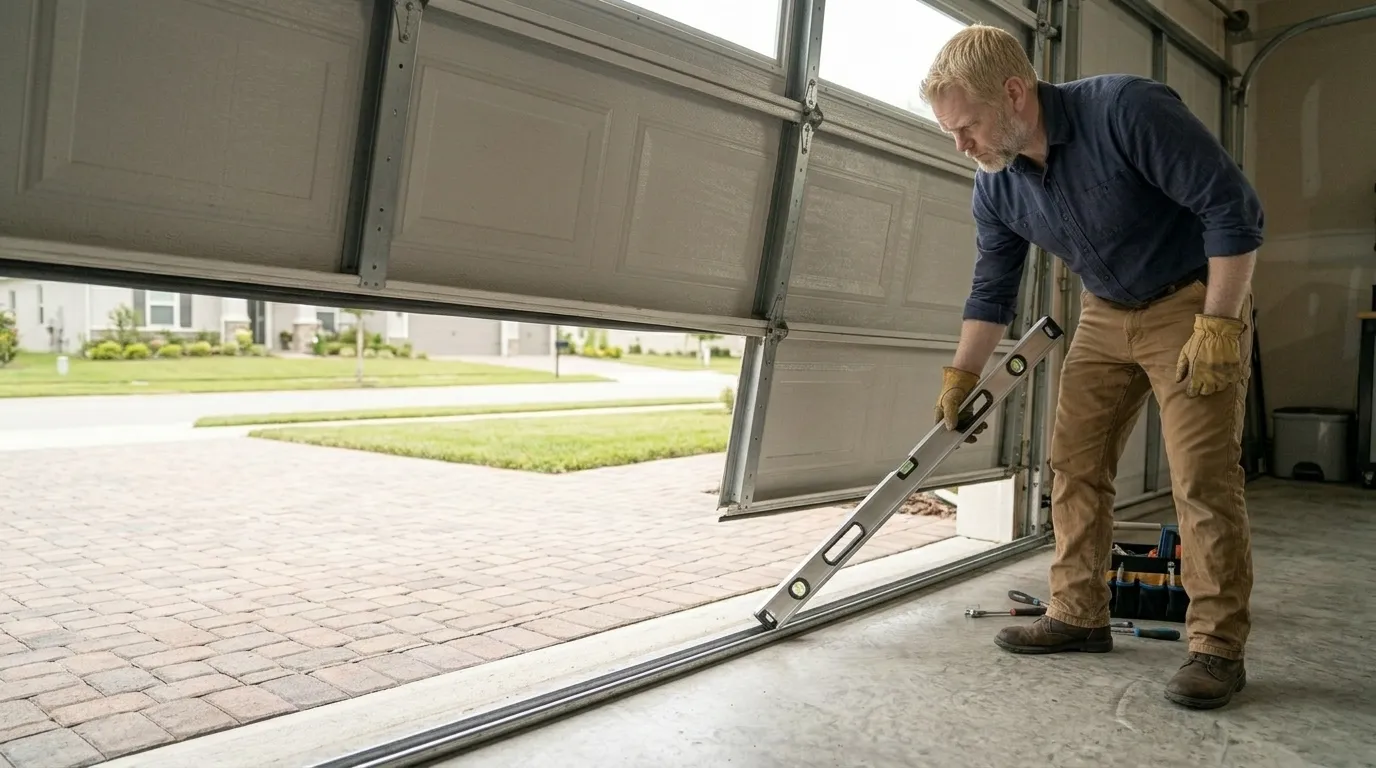
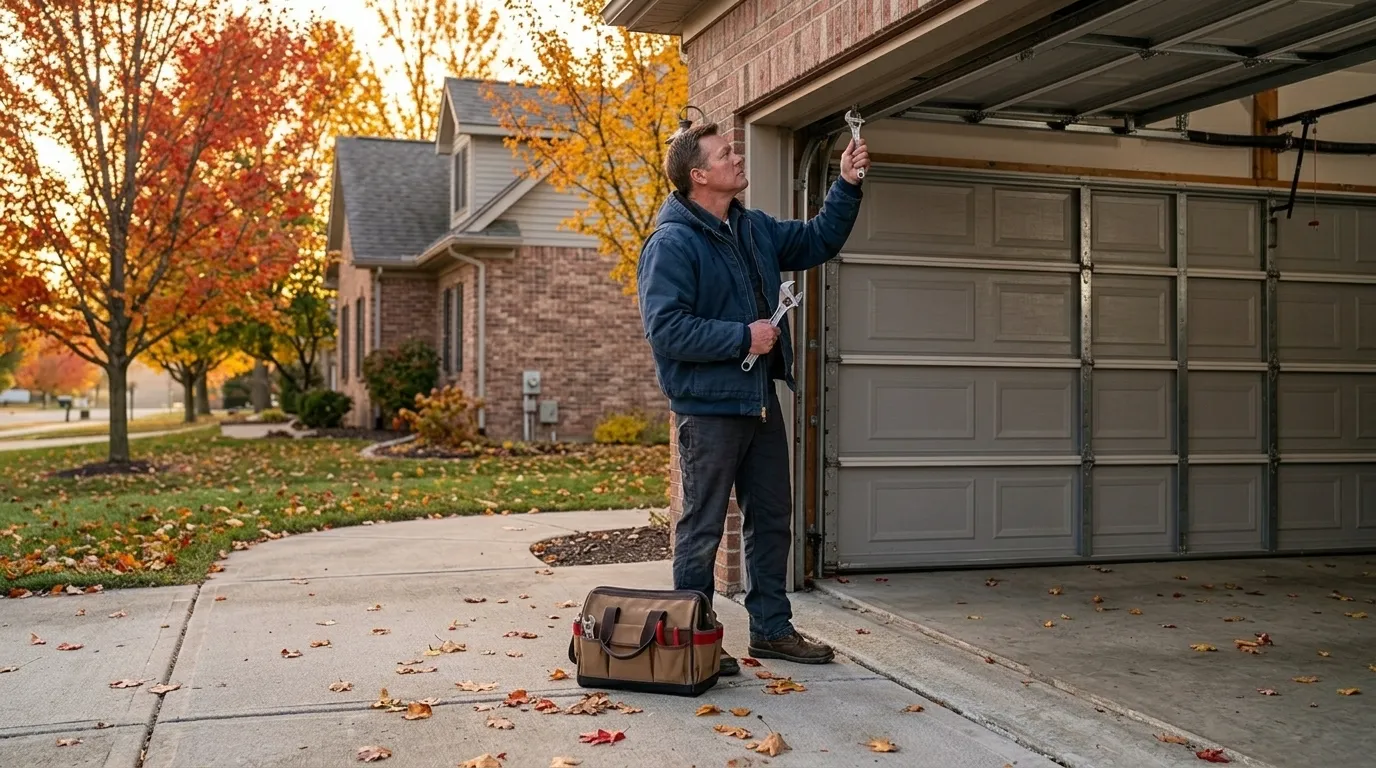
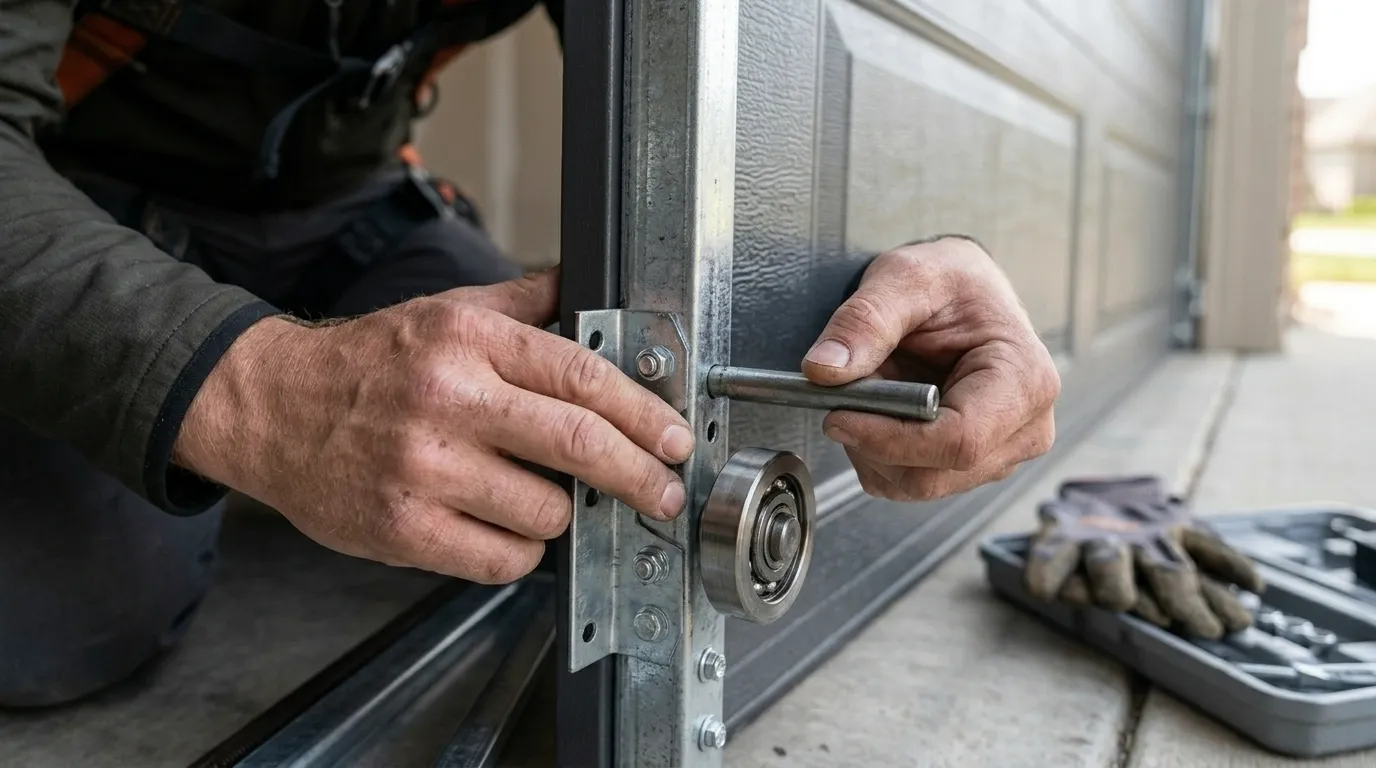
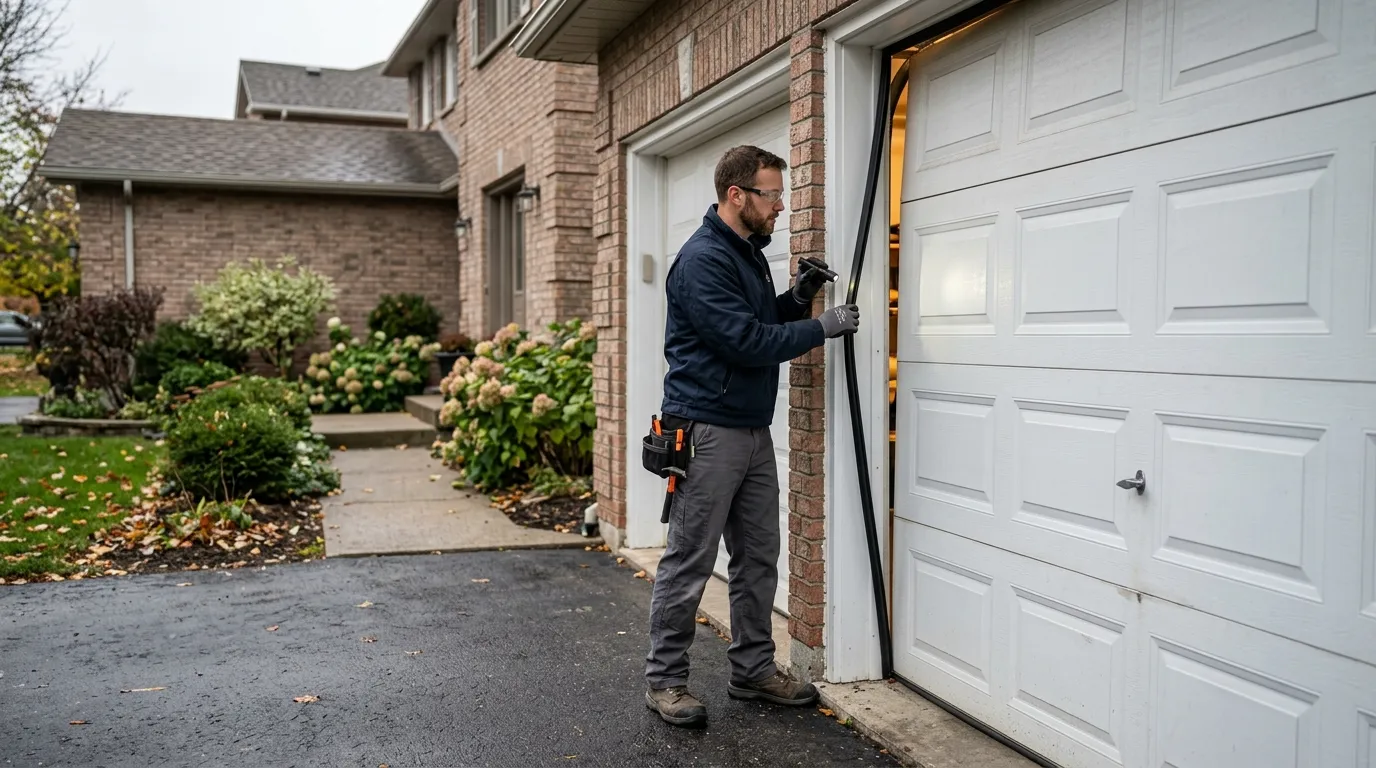
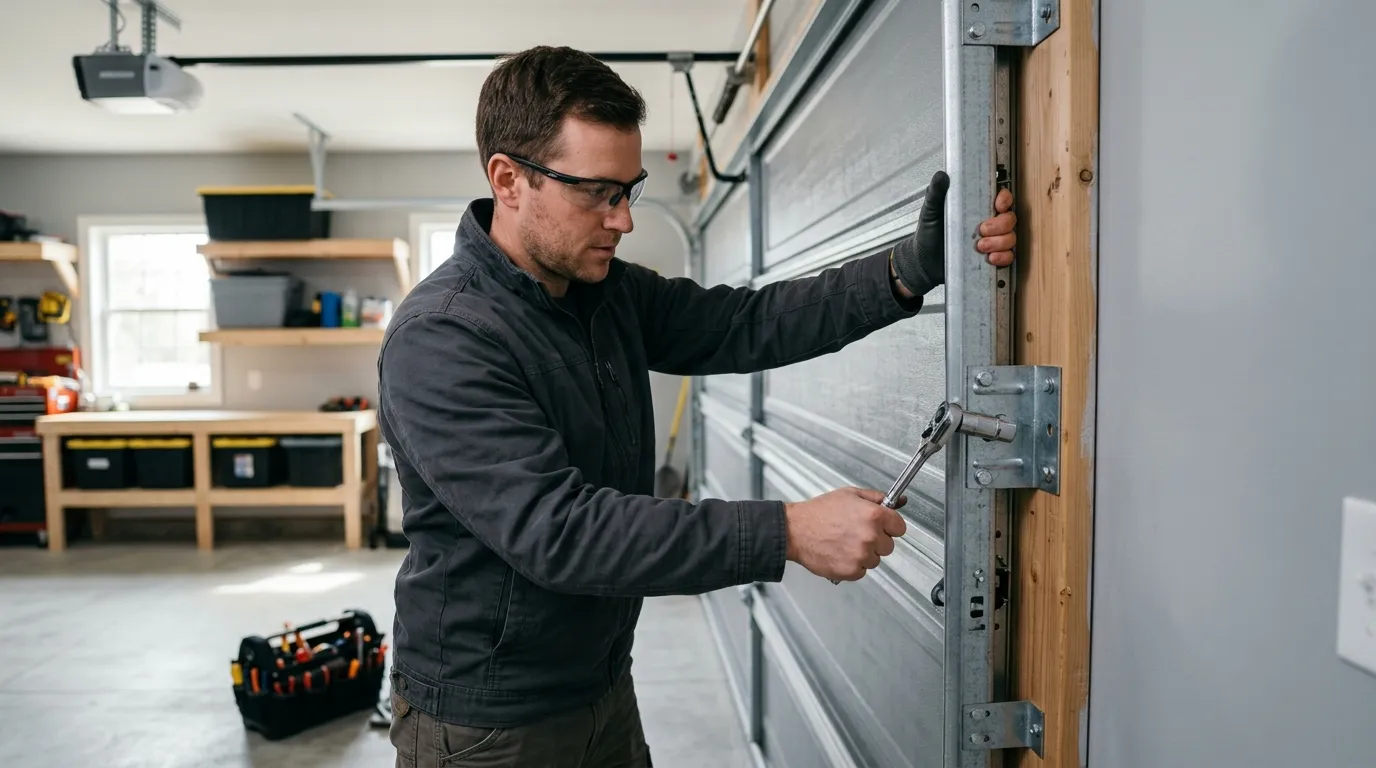
Berkeley sits about 12 miles from our shop in Lincolnwood, and most of the calls we get from this side of the coverage area are about doors that are older than the owner realized. With a median build year around 1955, a lot of these houses still have their original steel sectional doors, or a replacement door hung on hardware nobody's touched since Carter was president. The complaints are predictable once you know the housing: springs that finally give out after decades of cycles, openers bolted onto brackets that were never rated for the chain-drive units homeowners added later, and tracks that have loosened from the jamb because the framing has settled. We also hear from people whose torsion springs snapped without warning - which is normal for a spring that's 20, 30, 40 years old and has never been serviced. None of this is dramatic. It's just what happens to doors that have been doing their job quietly since Eisenhower-era construction went up around here, with nobody checking the hardware in between.
What the Housing Means for Your Door
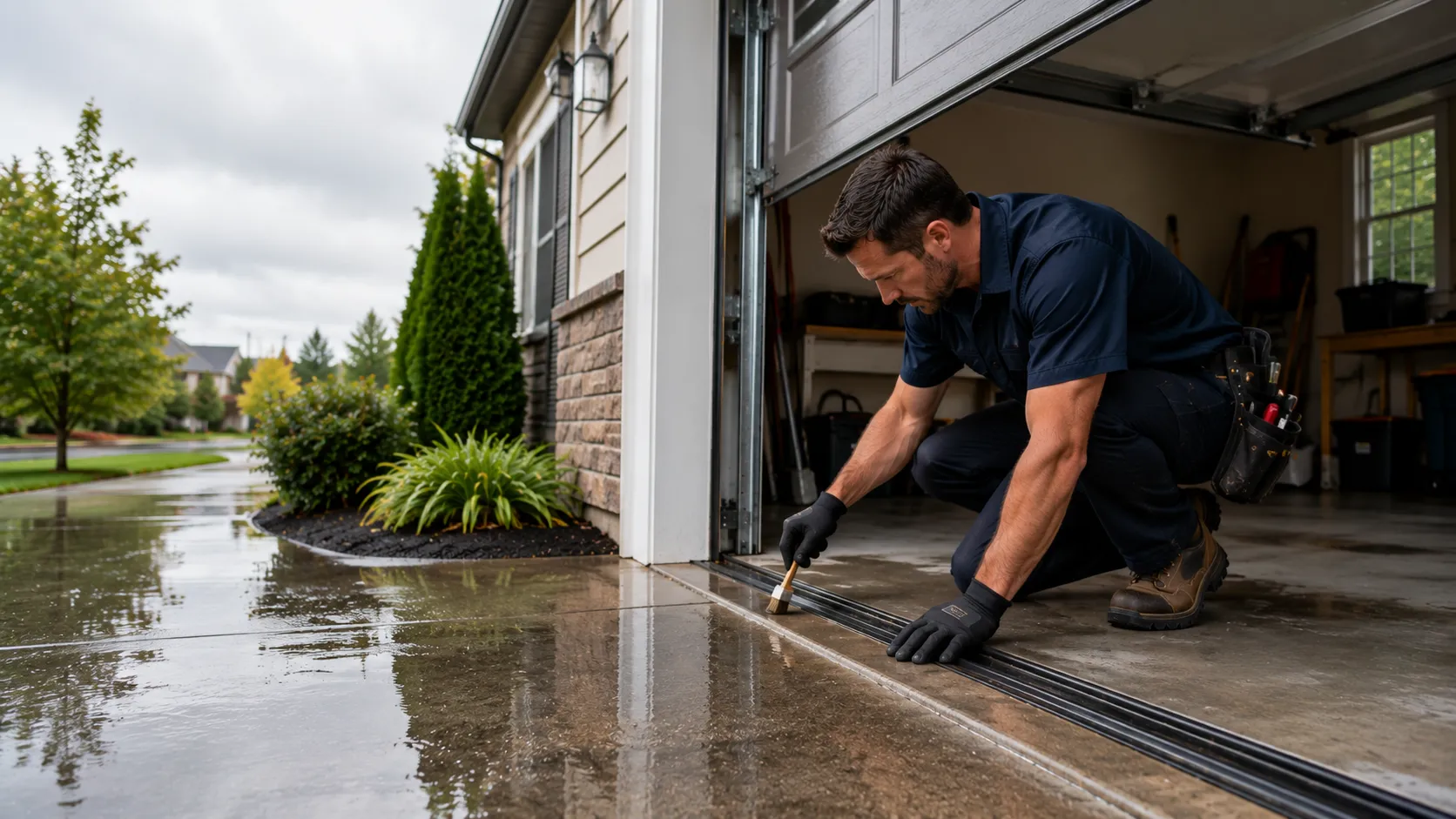
A house built in 1955 almost never has the same garage door setup as one built in 1985. Berkeley's housing stock, sitting right in that mid-century band, tends to have narrower single-car openings, lower headroom in the garage, and older-style extension springs mounted along the horizontal track rather than the torsion springs common in later construction. That matters because a lot of the replacement doors and openers sold today assume torsion hardware and more headroom than these garages actually have. Retrofitting a modern opener onto an older Berkeley garage sometimes means adjusting the mounting, not just bolting on a new unit and hoping. The area also sits in a cold climate band, and older wood or single-layer steel doors from that era were not built with the insulation values you'd want for a Chicago-area winter - condensation and drafts along the bottom seal are common in doors this age that haven't been swapped for an insulated panel.
The Houses Here
Berkeley has around 1,997 households, and the median household income sits at about $83,224, which tells you something about what people are willing to spend and what they're not: solid repairs over full replacements, unless the door is genuinely past saving. Housing across the wider area we cover was mostly built between 1938 and 1994, with Berkeley's median landing closer to 1955 - older than a lot of the newer pockets further out. That means original hardware is still common here, and when it fails, it fails the way old hardware fails: gradually, then all at once. We see this pattern across the 1960s-70s housing stock that dominates much of the broader service area too, but Berkeley's homes are, on average, a bit older still, which shows up in the parts we're pulling off doors on these streets.