What Most People Get Wrong
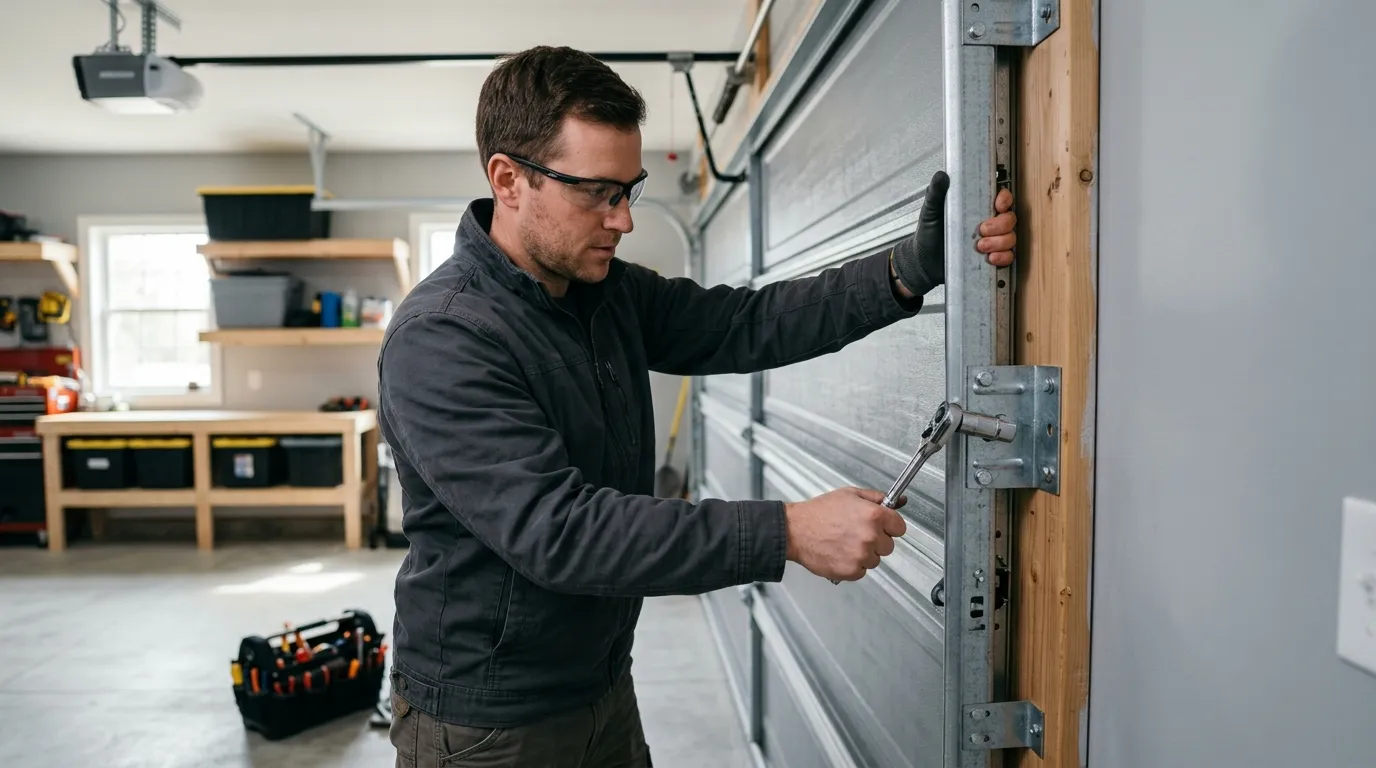
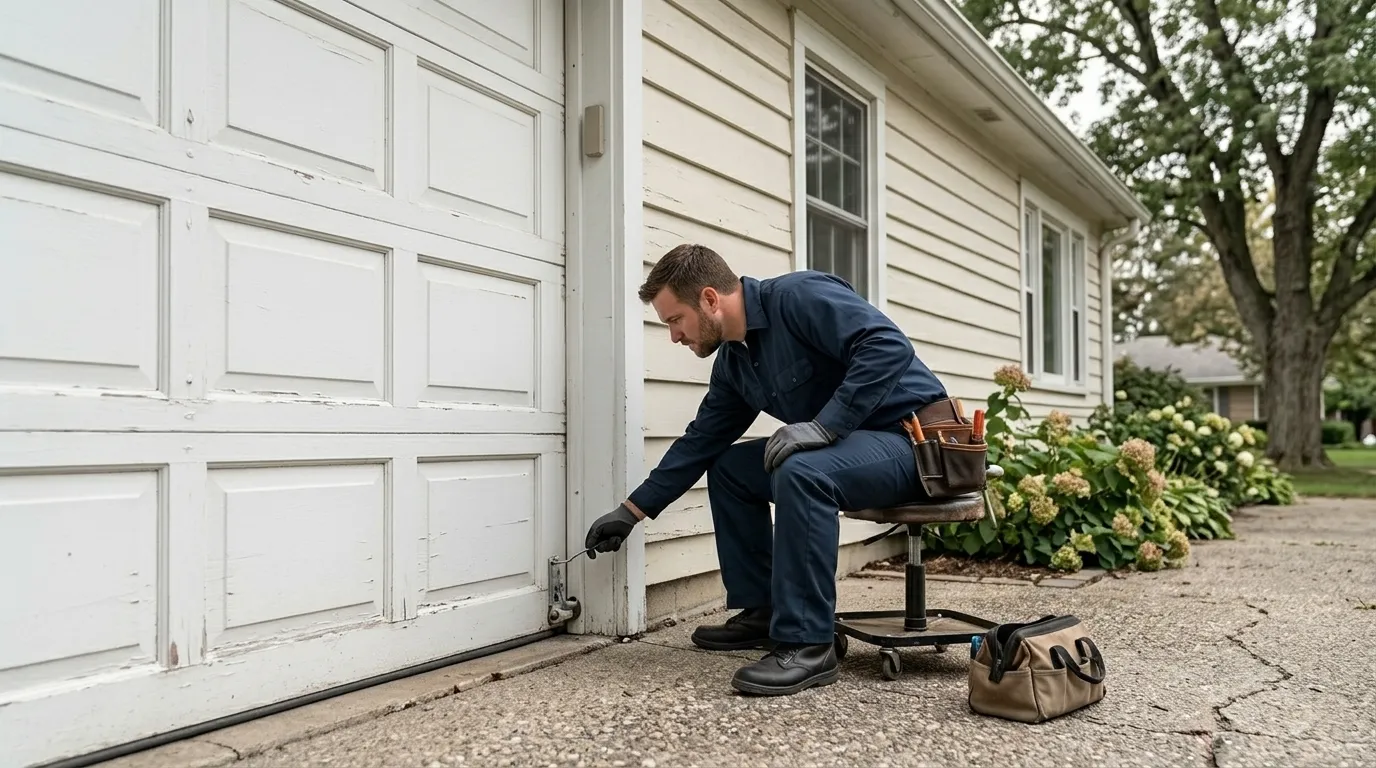
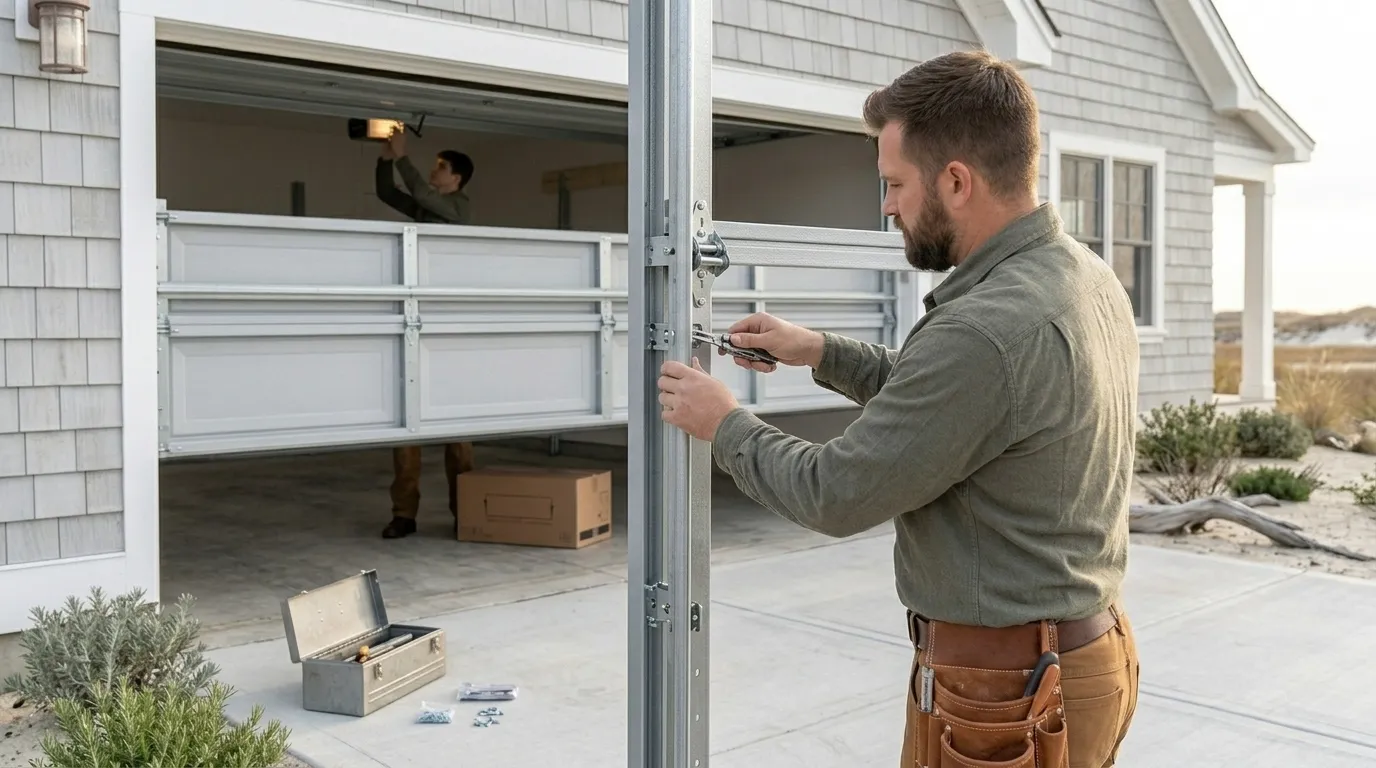
A lot of homeowners assume any door off a truck will fit their opening. In Lincolnwood, that's a bad bet. Most houses here were built between 1938 and 1994, with the typical build year landing around 1961, and across the wider area the stock leans heavily toward 1960s and 70s construction. Openings from that era were framed to fit doors and track hardware that manufacturers stopped making decades ago. A door that's the right width on paper can still be off by an inch or two in headroom or side clearance because the framing carpenter in 1961 wasn't working to a standard that exists today. The second mistake is assuming the old track and spring setup can just be reused with a new door slab. On a house this age, the torsion hardware has usually outlived its rated cycle count even if it still looks fine. Skipping the measurement and hardware check to save a trip is how you end up with a door that binds on one side or a header that needs shimming you didn't budget for.
How Local Conditions Play In
The climate band here is cold and moderate, which matters more for a garage door than most owners expect. A door with a thin single layer of steel and no insulation will telegraph outside temperature straight into the garage, and if that garage shares a wall with living space - common in houses from this era - the difference shows up on the heating bill. Cold-weather hardware also matters: nylon rollers and properly rated springs hold up better through freeze-thaw cycles than the steel rollers and standard-duty springs that shipped on doors decades ago. With median household income in the area at $99,861, most owners here can reasonably consider an insulated steel or composite door rather than defaulting to the cheapest uninsulated option, and it's worth doing given the climate. That said, insulation isn't free lunch - a heavier insulated door puts more load on an opener that might be original to the house, and matching the two sometimes means replacing both rather than just the door.
The Cost of This Job
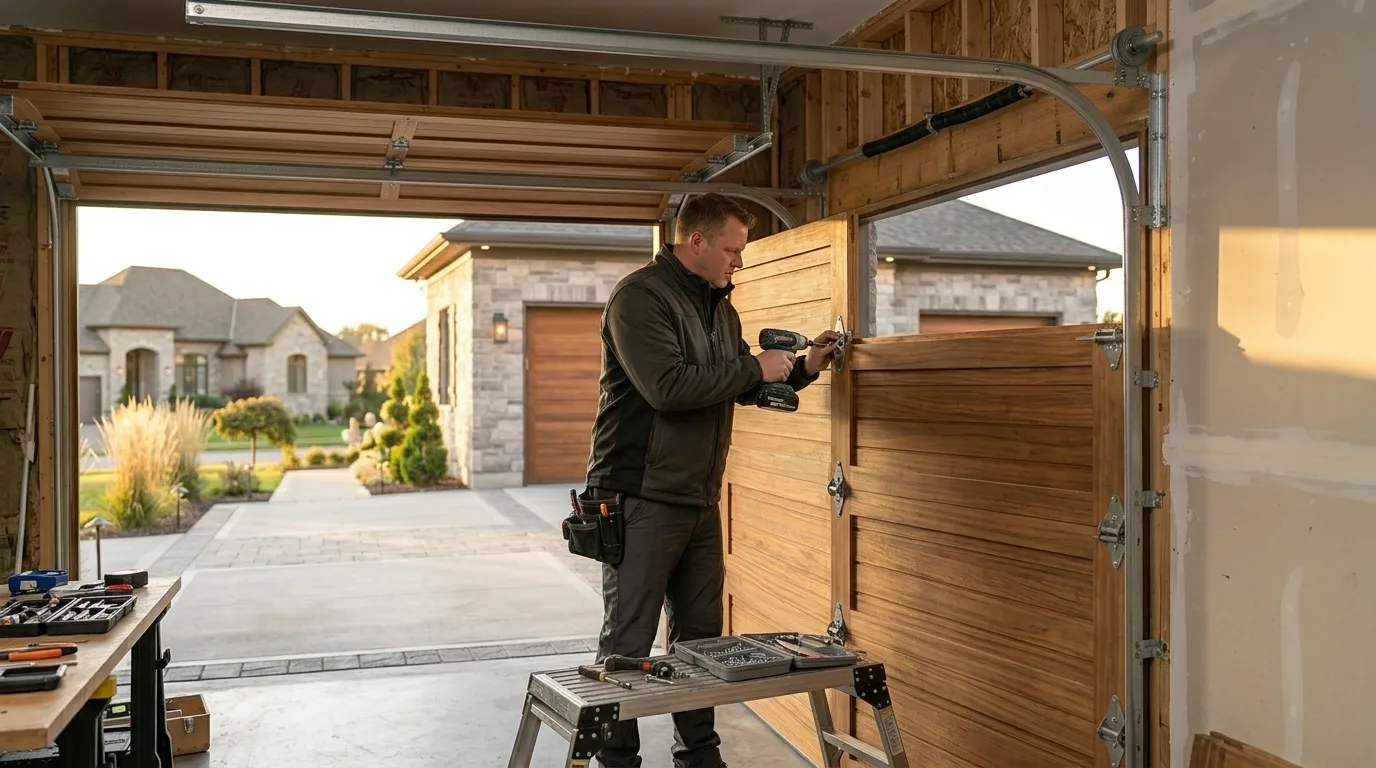
I can't give you a number here without a real quote in hand, because cost swings on width, insulation level, and whether the opener and track need to come out too. What I can tell you is what drives the swing on a house like the ones common in this area: a standard opening on a house built around 1961 usually costs less to fill than one where the original framing is out of square, which happens more often the older the house gets. Insulated doors cost more upfront than bare steel, but given the cold-moderate climate here, that difference usually pays back in comfort even if you can't put a hard number on the utility savings. One honest limitation: if your opener is original to the house and the new door is significantly heavier, don't expect us to just bolt it on and call it done - the opener often needs to be sized up too, and that's a separate line item, not a rounding error. Get the door and opener quoted together, not one after the other, or you'll be back on the phone in a month.