24/7 Emergency Service Open 7 days · 7am–8pm Serving Lincolnwood, IL & nearby
(224) 353-7699
Lincolnwood, IL

Fixing an Older Garage Door in Lincolnwood: What Actually Makes Sense

Lincolnwood's housing dates mostly to 1938-1994, median 1961, so a lot of doors here are older than the springs and openers holding them up. Here's how to tell if yours is worth fixing.

Fixing an Older Garage Door in Lincolnwood: What Actually Makes Sense

What Most People Get Wrong

Most homeowners here assume that because a door is old, it's a lost cause. That's backwards more often than not. Lincolnwood's housing stock runs mostly 1938 to 1994, with a median build year of 1961, which puts a huge share of garage doors and their original openers at 50 to 60 years old. What fails first almost never the door panel itself - steel and wood sections from that era were built heavier than what goes in today. What fails is the torsion spring, the cable, or the roller track, all of which get replaced as parts, not as a whole unit.

The mistake is treating the door as one system that lives or dies together. A 1962-built garage in this town can have a perfectly straight, sound door hanging on a spring that's simply worn out its cycle count. Swap the spring, lubricate the track, true up the hinges, and you've got another decade out of a door that looks its age but works fine. Replacing the whole unit because one part failed is the expensive version of this job, not the necessary one.

How Local Conditions Play In

Lincolnwood sits in a cold, moderate climate band, and that matters more for older doors than newer ones. Original weatherstripping and seals from a 1960s or 70s install have usually hardened or cracked by now, which lets in the kind of temperature swing that stresses wood panels and throws off the balance point the spring is calibrated to. On an older door, that shows up as a door that's suddenly heavier to lift by hand, or an opener that strains and stalls partway up.

Cold-weather cycling is also hard on steel torsion springs that are already near the end of their rated life. A spring that's been fine for 20 years can snap in a cold snap because the metal's fatigued and the temperature swing is the final push. This is why an older door in this climate needs its spring and hardware checked on a real schedule, not just when something breaks. It's not that the cold breaks doors on its own - it's that it exposes weak points that were already there.

The Situation

The 1960s and 70s housing stock that defines Lincolnwood isn't unique to this town alone - it's shared across a wide band of nearby areas including West Ridge, Jefferson Park, Albany Park, Lincoln Square, Ravenswood, and Forest Glen, all built out in roughly the same postwar wave. That matters for parts: doors and openers from this era used hardware sizes and spring wind patterns that aren't always stocked the way current models are. A tech working in this area sees the same handful of legacy setups over and over, which is useful - it means the failure patterns are known, even if the exact part sometimes takes an extra call to track down.

Where this gets harder is on doors that were already replaced once, in the 80s or 90s, with a mid-grade steel door that's now itself 30-plus years old and rusted at the bottom panel or delaminated at the seams. That's a different call than a well-kept original. A rusted-through bottom panel on a door that's otherwise sound sometimes gets a panel swap; if the rust has spread or the frame's racked, the honest answer is that patching it isn't worth the labor.

The Cost of This Job

Lincolnwood's median household income sits at $99,861, and across the wider service area there are roughly 104,270 households, about half of them owner-occupied houses - the kind with an actual garage door to maintain, as opposed to a shared structure. That's the context worth knowing: a spring or opener repair on an older door is almost always the cheaper path, and it's usually the right one if the panels and track are still straight.

Where replacement starts making more financial sense is when you're stacking repairs - a new spring this year, a new opener next year, a panel the year after. At that point you're paying for a door in installments anyway, just less efficiently than buying one. I'll say plainly: I don't carry every obsolete spring size or hardware bracket from every era of construction in this area, and on some older setups a part has to be ordered in, which adds a few days most people don't expect. That's the honest tradeoff of keeping an original door running instead of replacing it outright.
How it works

From “it’s stuck” to “it’s fixed”

Tell us what’s wrong - Lincolnwood garage door service

Tell us what’s wrong

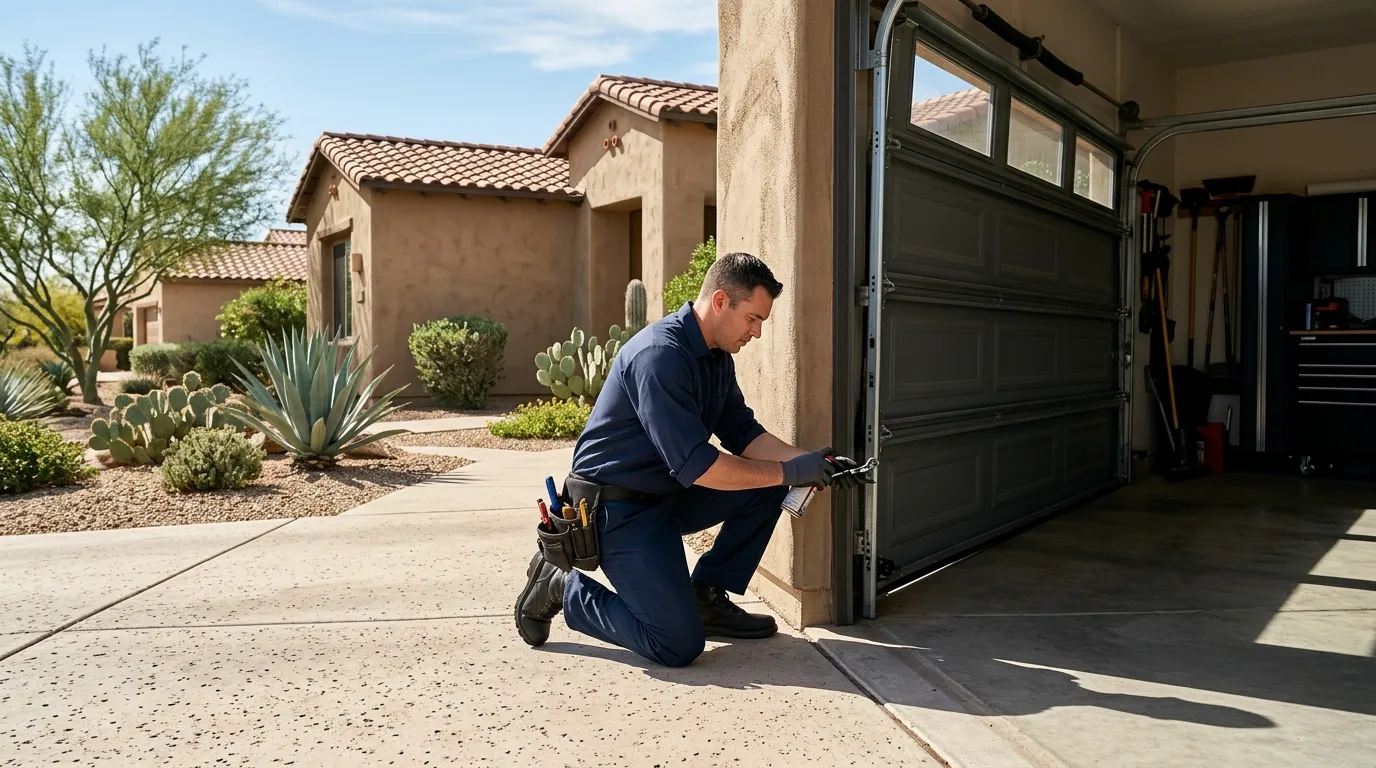
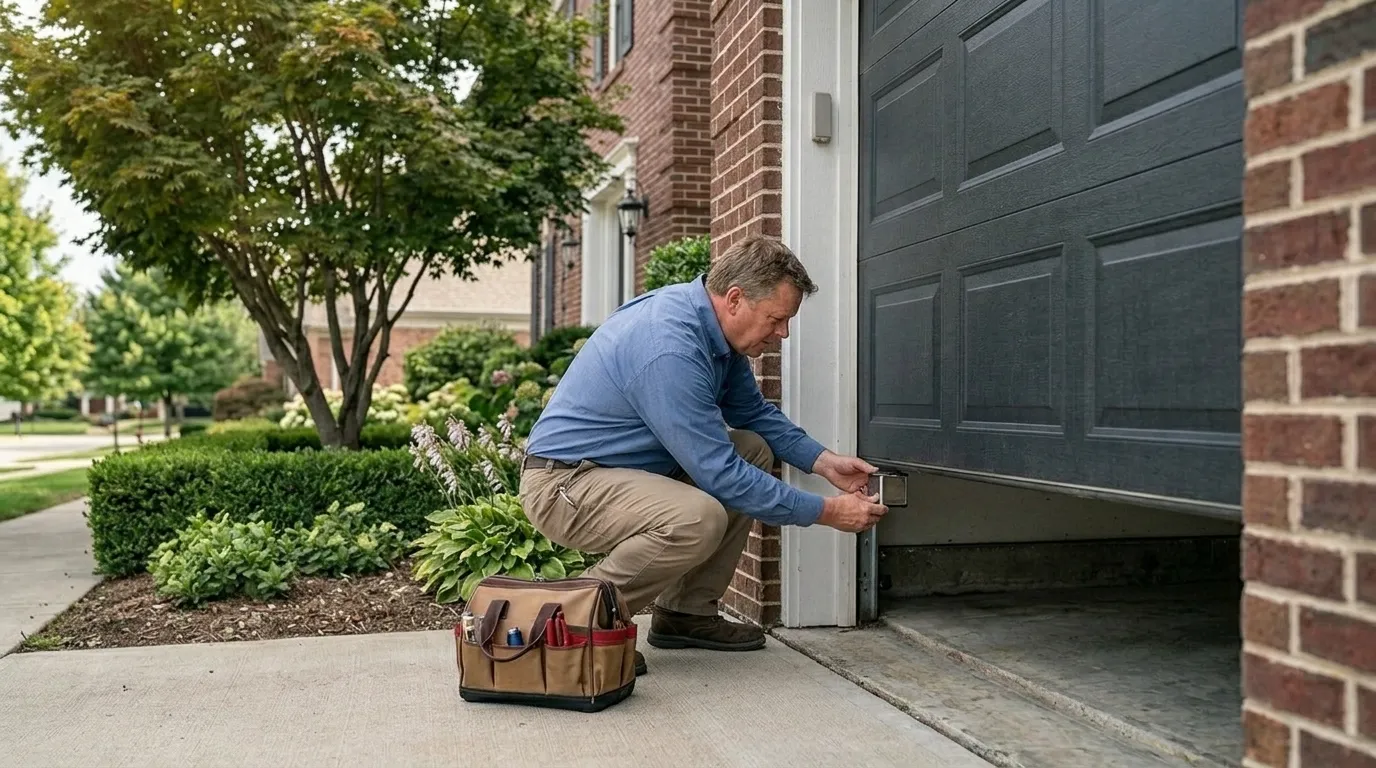
Describe the symptom - won’t open, loud bang, opener runs but the door won’t move.

On-site diagnosis - Lincolnwood garage door service

On-site diagnosis

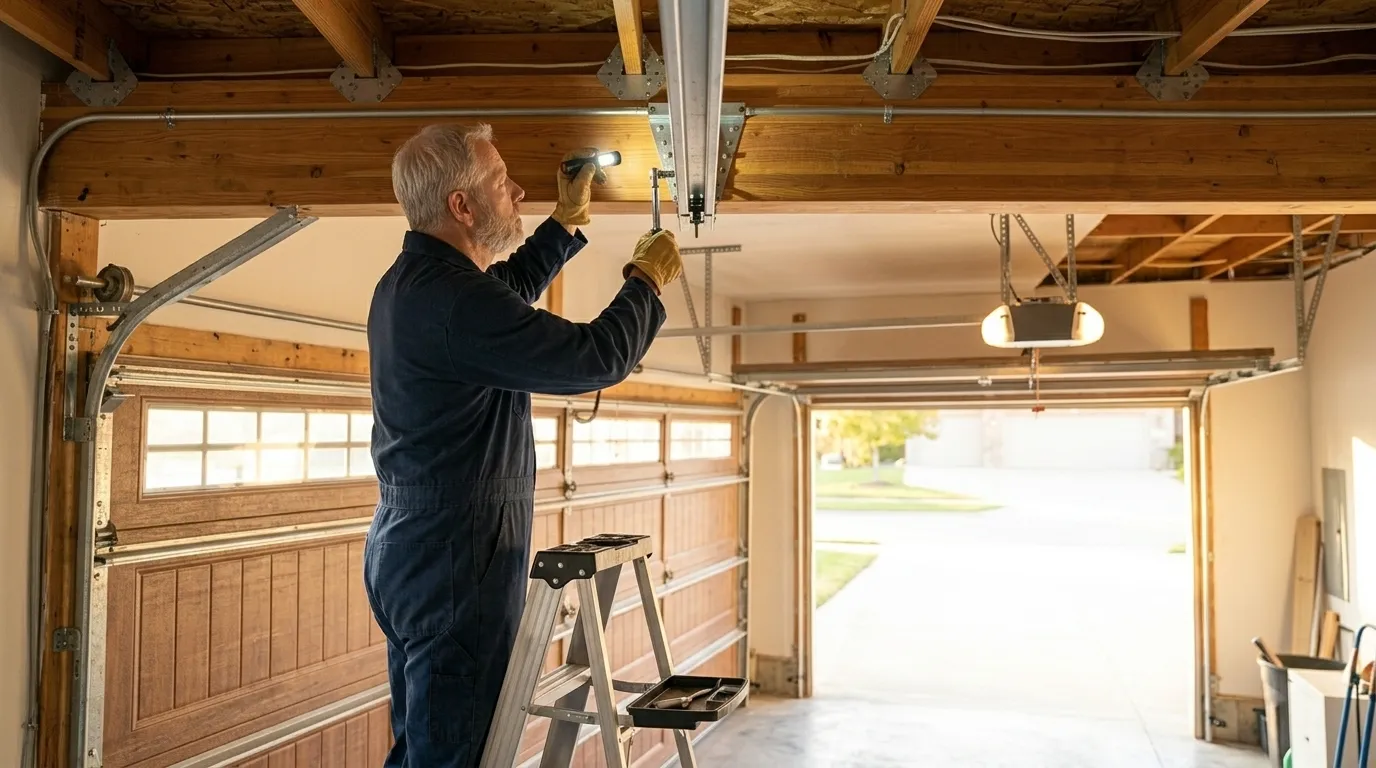
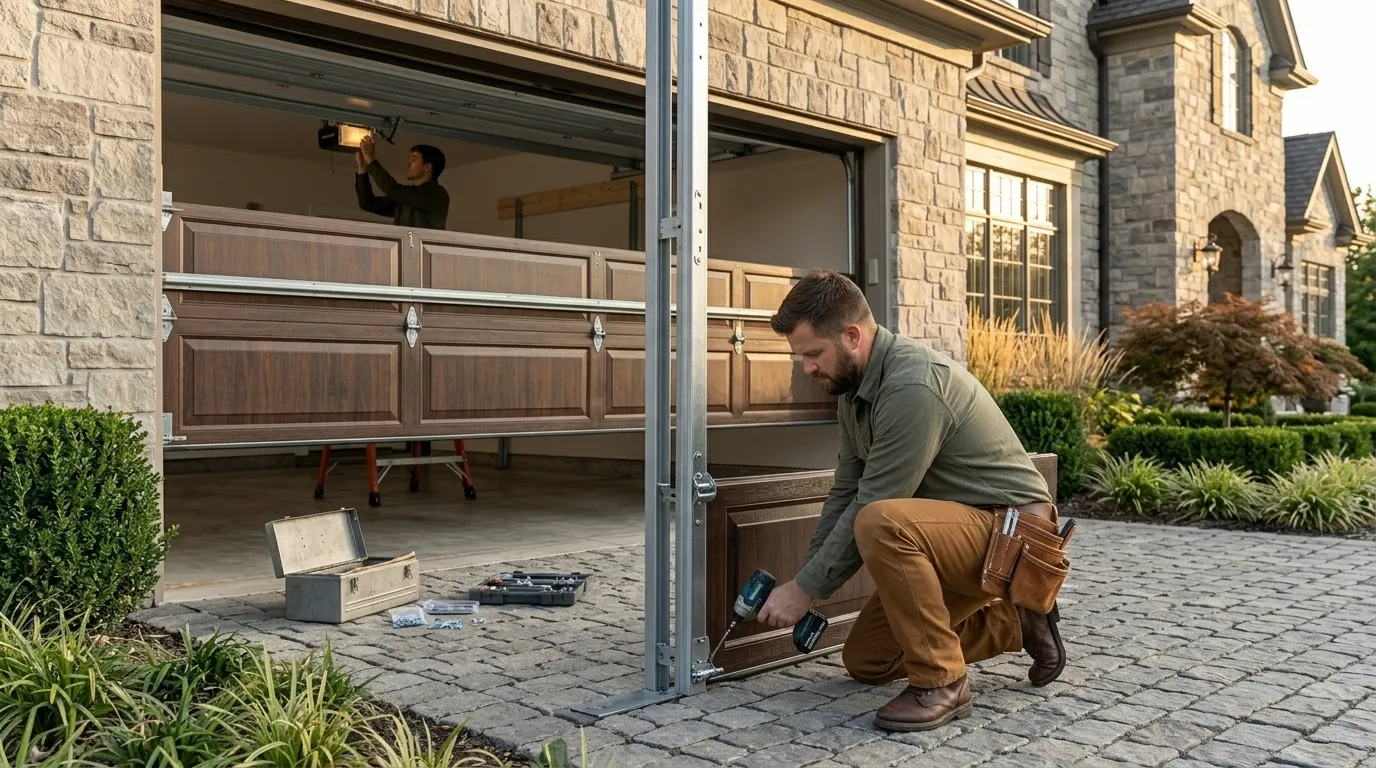
A technician tests the door under power and by hand and finds what actually failed.

Clear, up-front plan - Lincolnwood garage door service

Clear, up-front plan

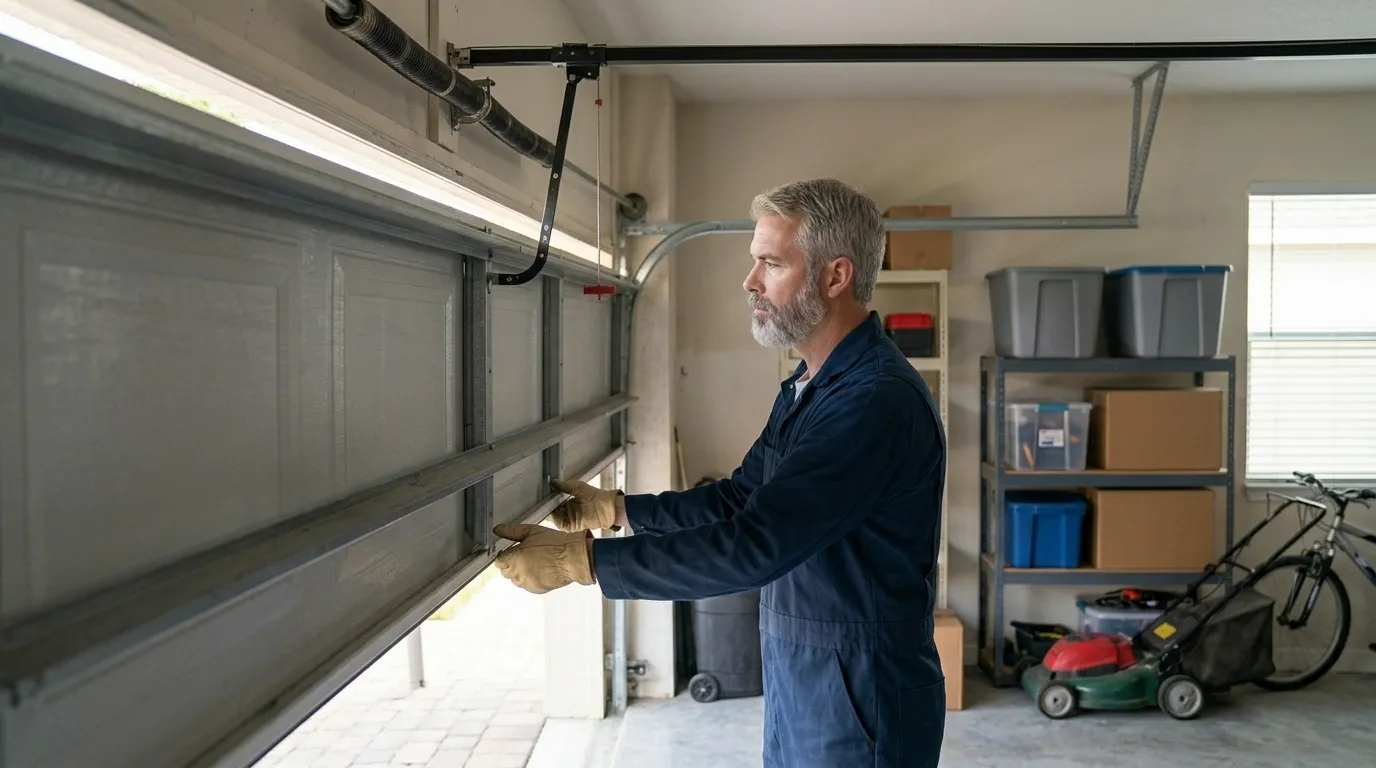
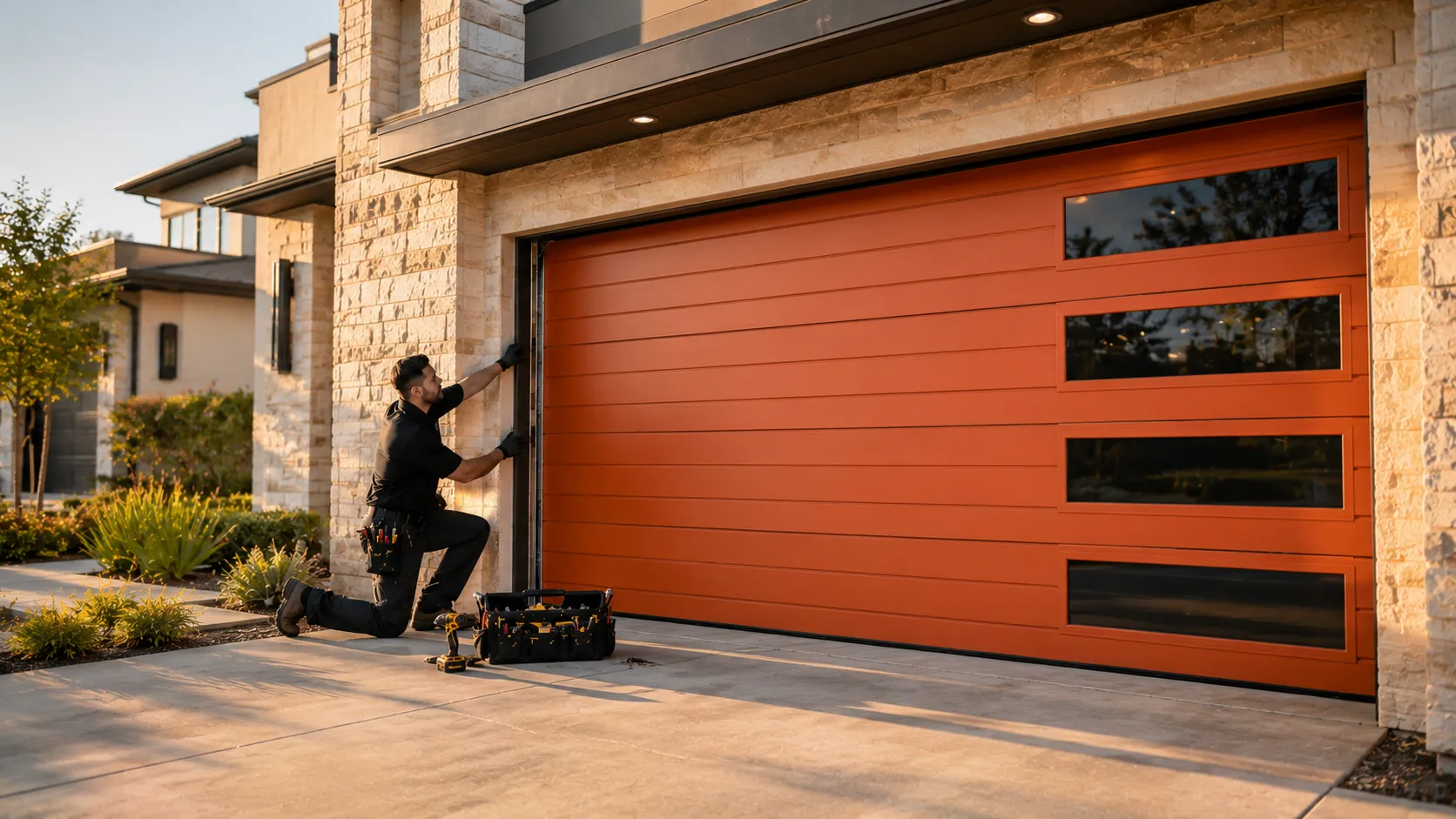
You get the fix that’s needed and what drives the cost - before any work starts.

Repaired & tested - Lincolnwood garage door service

Repaired & tested

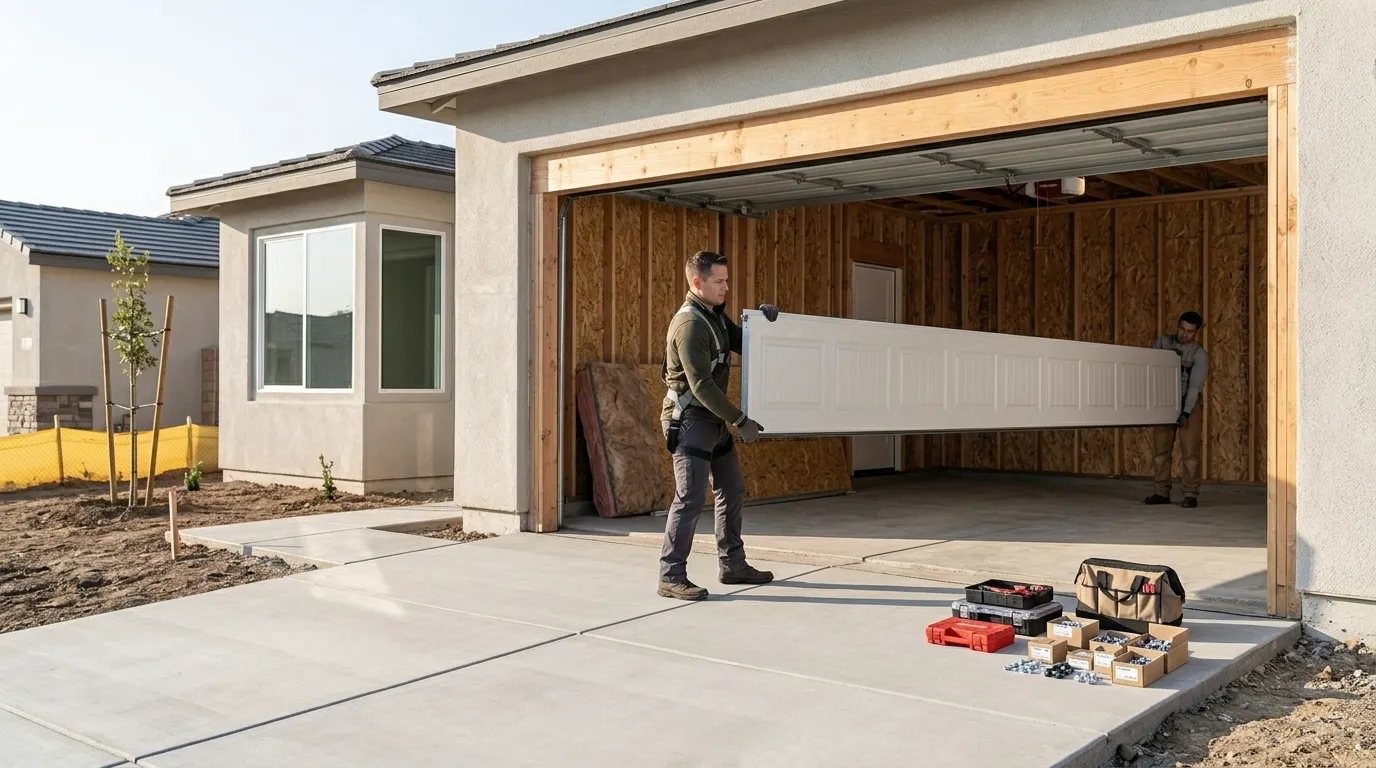
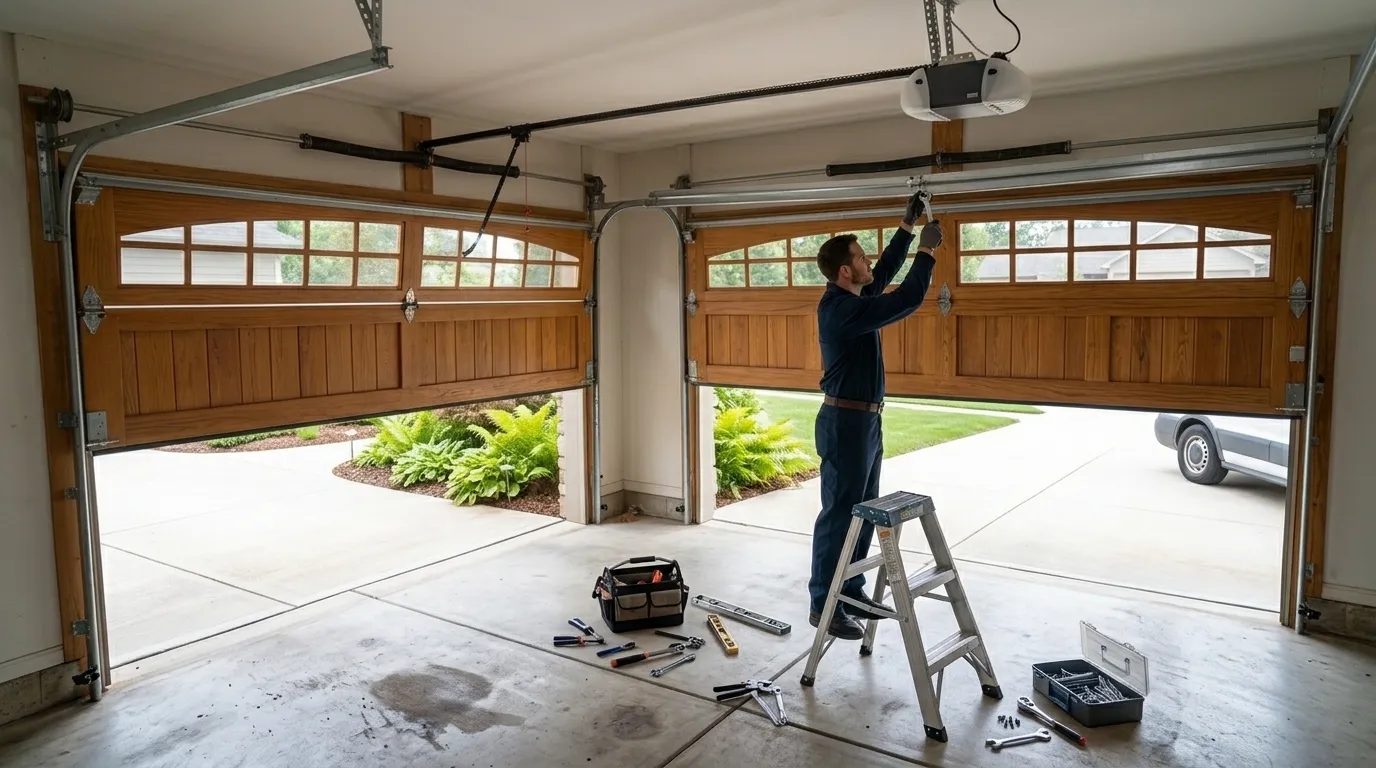
The repair is done, the door is set true and tested, and the work area left clean.

Serving Lincolnwood, IL - tell us what your door’s doing and we’ll take it from there.

How we work

What to expect

Diagnosis firstEvery visit starts by finding what actually failed - not a pre-written parts list.
The right part for the doorSprings and openers matched to the door’s weight and age, so the fix holds up.
Straight answersWhen a repair makes more sense than a replacement - or the reverse - you hear it plainly.
Clean, careful workTension released safely, hardware set true, the door tested under power before we leave.
Questions

Frequently asked

Straight answers about garage door repair in Lincolnwood. Still unsure? Ask us directly.

My garage door is from the 1960s - is it too old to fix?

Not necessarily. Age alone isn't the deciding factor - the condition of the panels and track is. A lot of doors from Lincolnwood's peak building era are still structurally sound; it's the spring, cables, or rollers that wear out. If the door itself isn't rusted through or racked, repair is usually the cheaper and faster fix.

Why did my spring snap in cold weather?

Torsion springs are rated for a set number of open-close cycles, and cold weather adds extra stress right when the metal is already near the end of that life. In this climate, a spring that's fine for years can fail during a cold snap because the temperature swing is the final push on a part that was already worn.

Should I replace the whole door or just fix what broke?

If the panels are straight and not rusted through, fixing the failed part - spring, cable, roller, opener - almost always costs less than full replacement. Replacement starts to make more sense when you're facing repeated repairs in a short span, or when the panel itself is damaged beyond a simple swap.

Ready to get your garage door sorted?

Tell us what it’s doing and where you are in Lincolnwood - we’ll take it from there.

Request a QuoteCall