What People Here Ring About
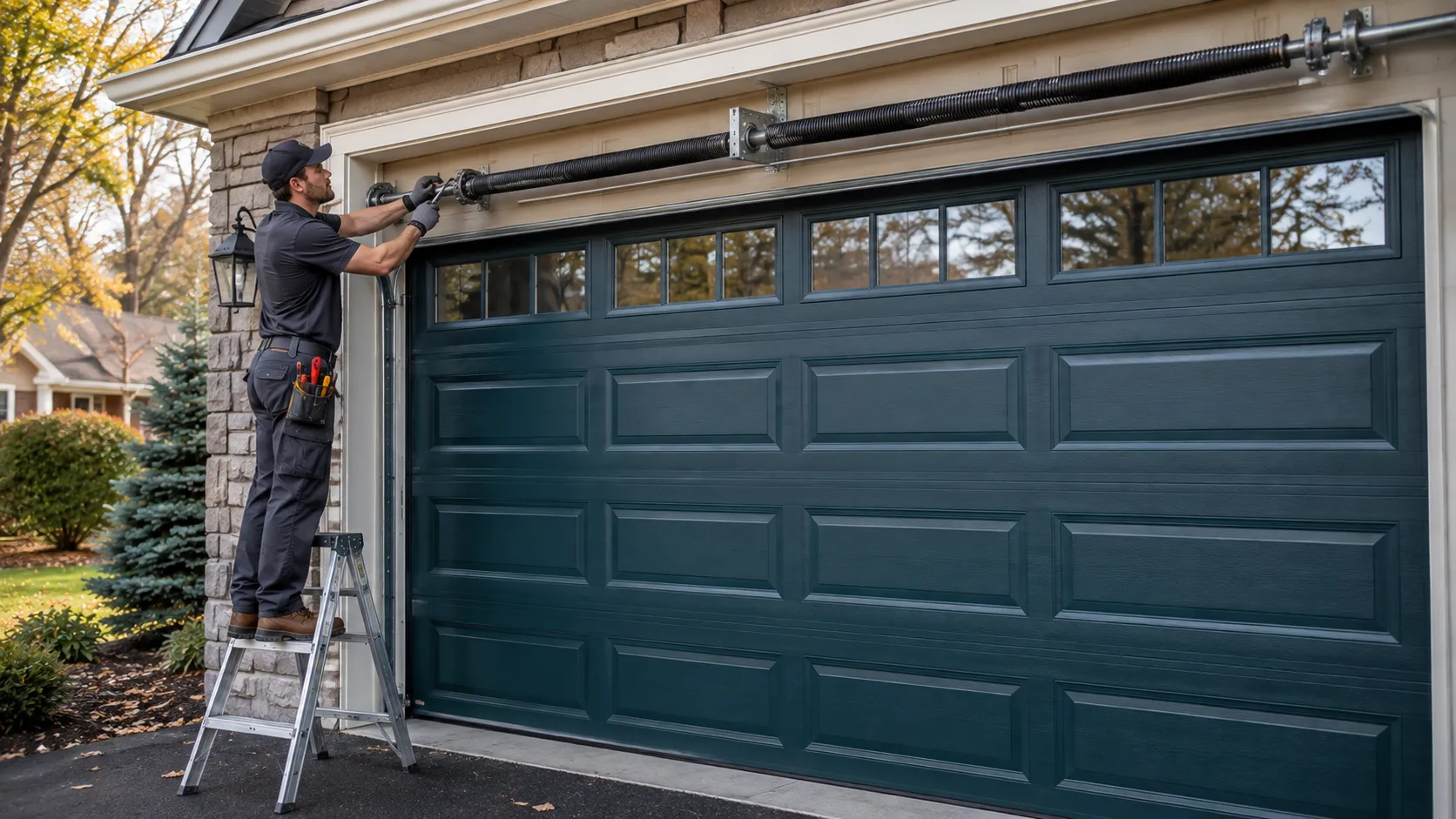
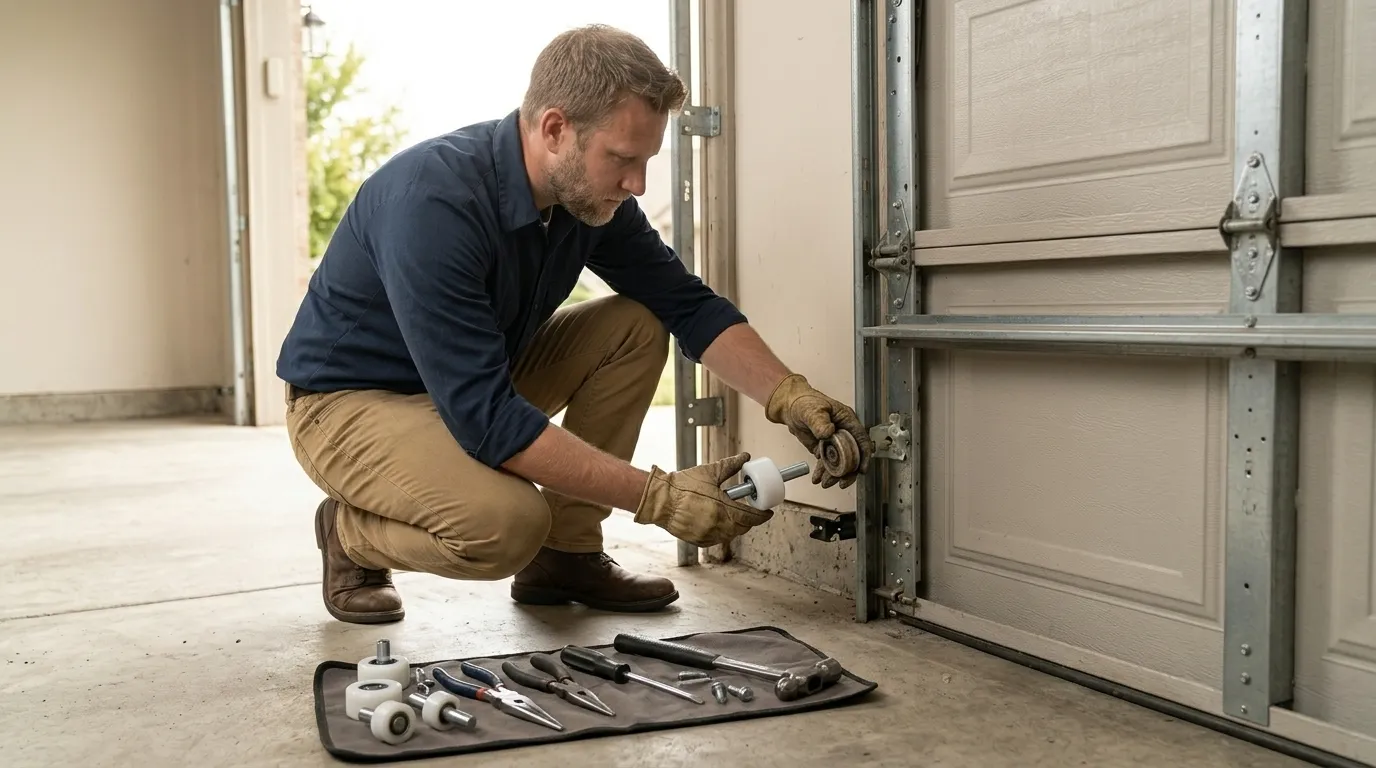
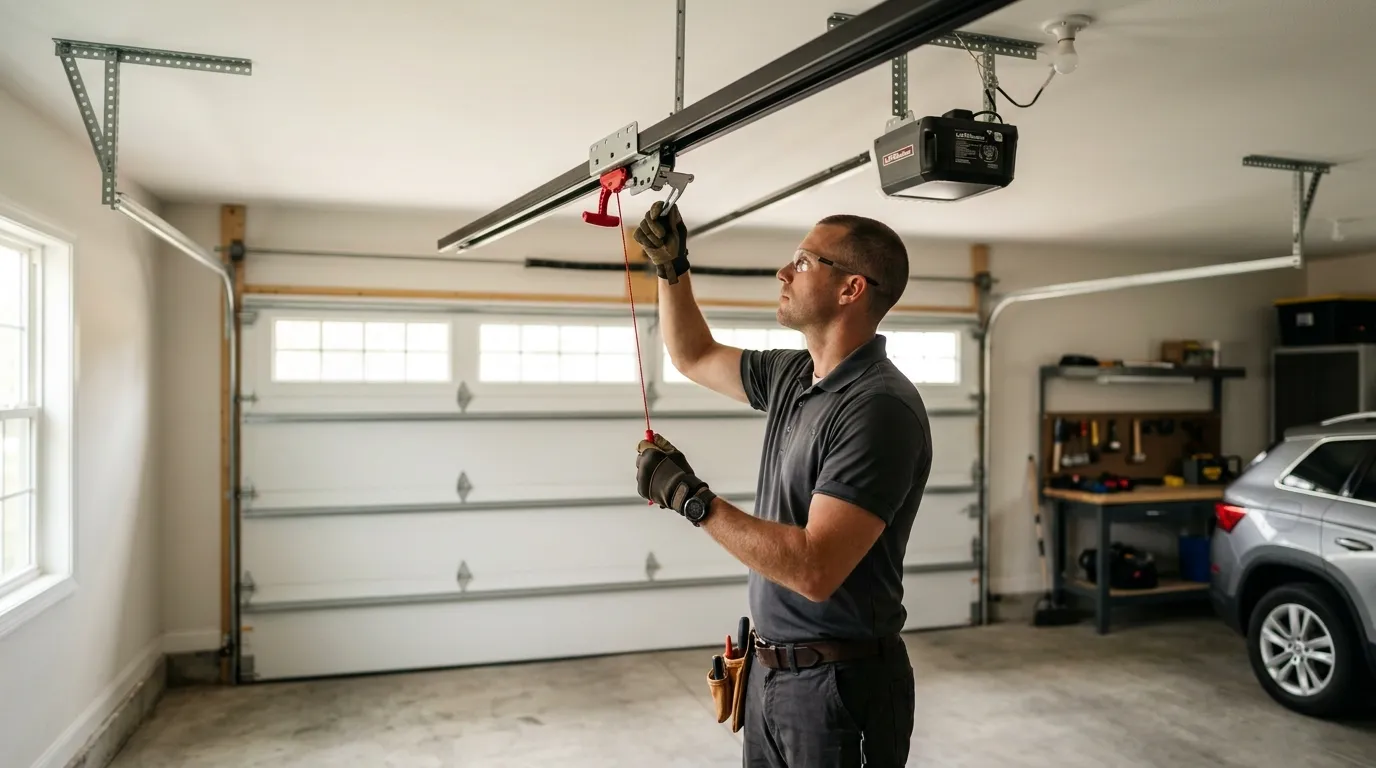
Winnetka's median build year sits at 1938, which is old even by the standards of the wider service area, where most stock dates from the 1960s and 70s. That means the calls we get from this side of town skew toward doors and hardware nobody has manufactured in decades. Owners here call about wood doors that have swollen shut after a cold spell, about tracks that were never sized for the heavier steel doors homeowners have swapped in over the years, and about openers bolted onto framing that was built for a much lighter door. We also hear from people whose garages were converted or extended at some point in the last 80 years, which throws off headroom and makes standard track kits a bad fit without modification. It is a 7 mile run out from our shop in Lincolnwood, so when someone calls about a spring that let go on a Tuesday morning, we are factoring that drive into the job, not showing up from around the corner. With household income here running well above the wider area average - median is over $250,000 - we also see more requests for insulated doors and quieter openers than we do elsewhere on our route.
What the Housing Means for Your Door
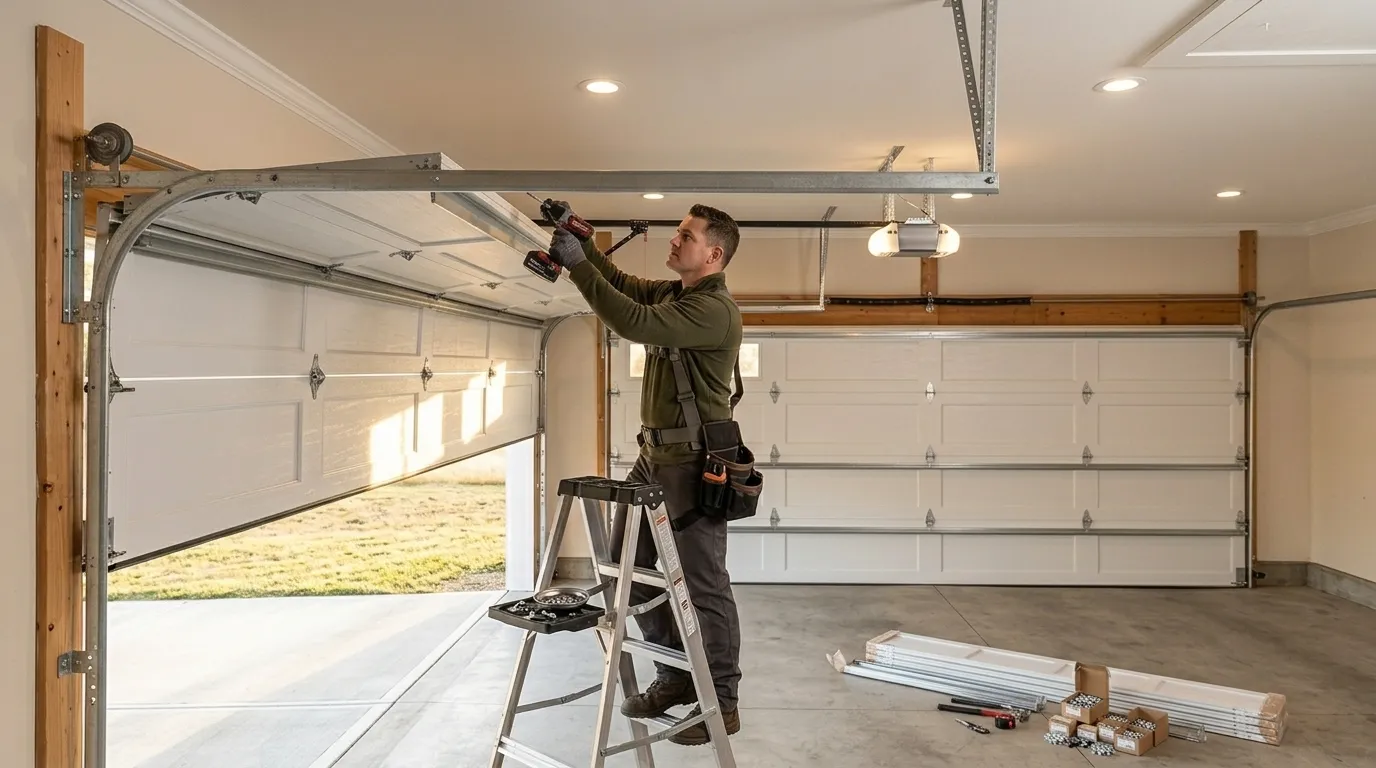
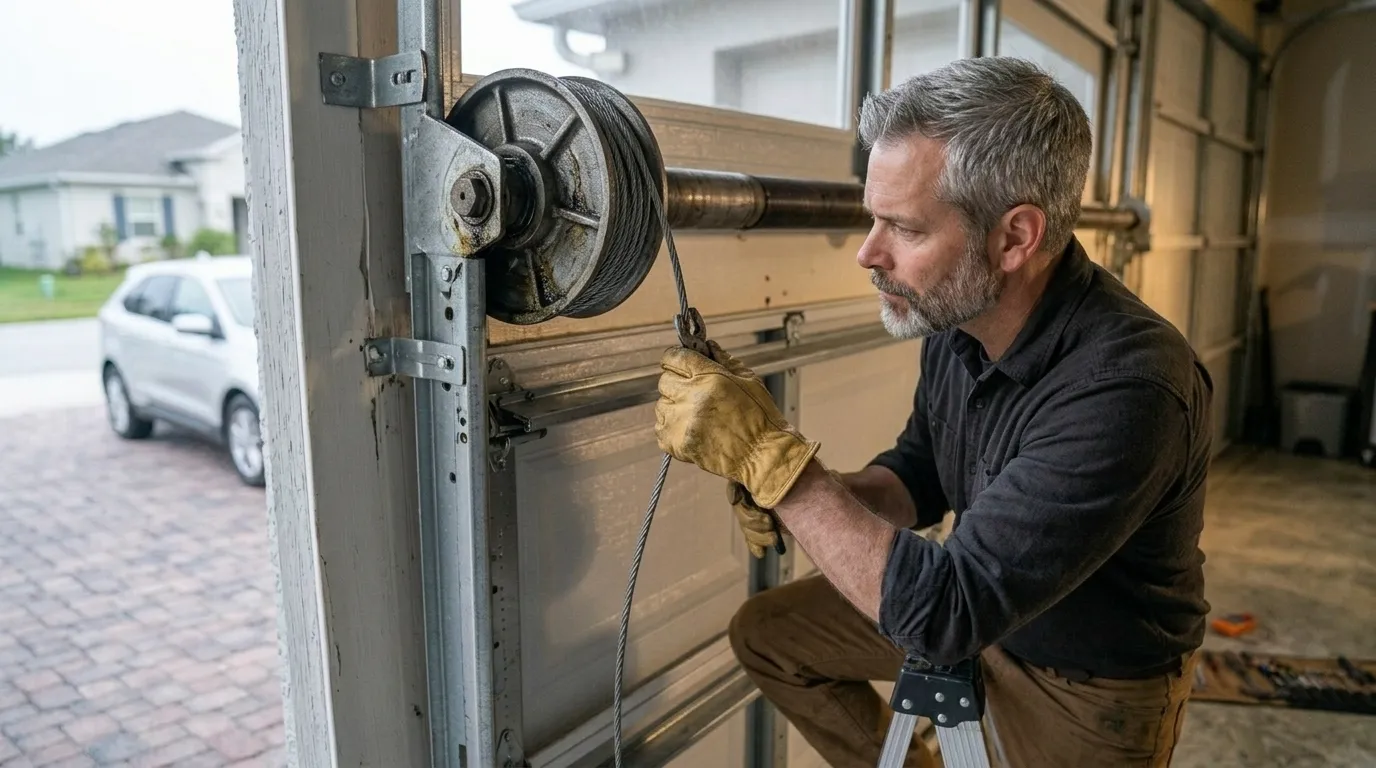
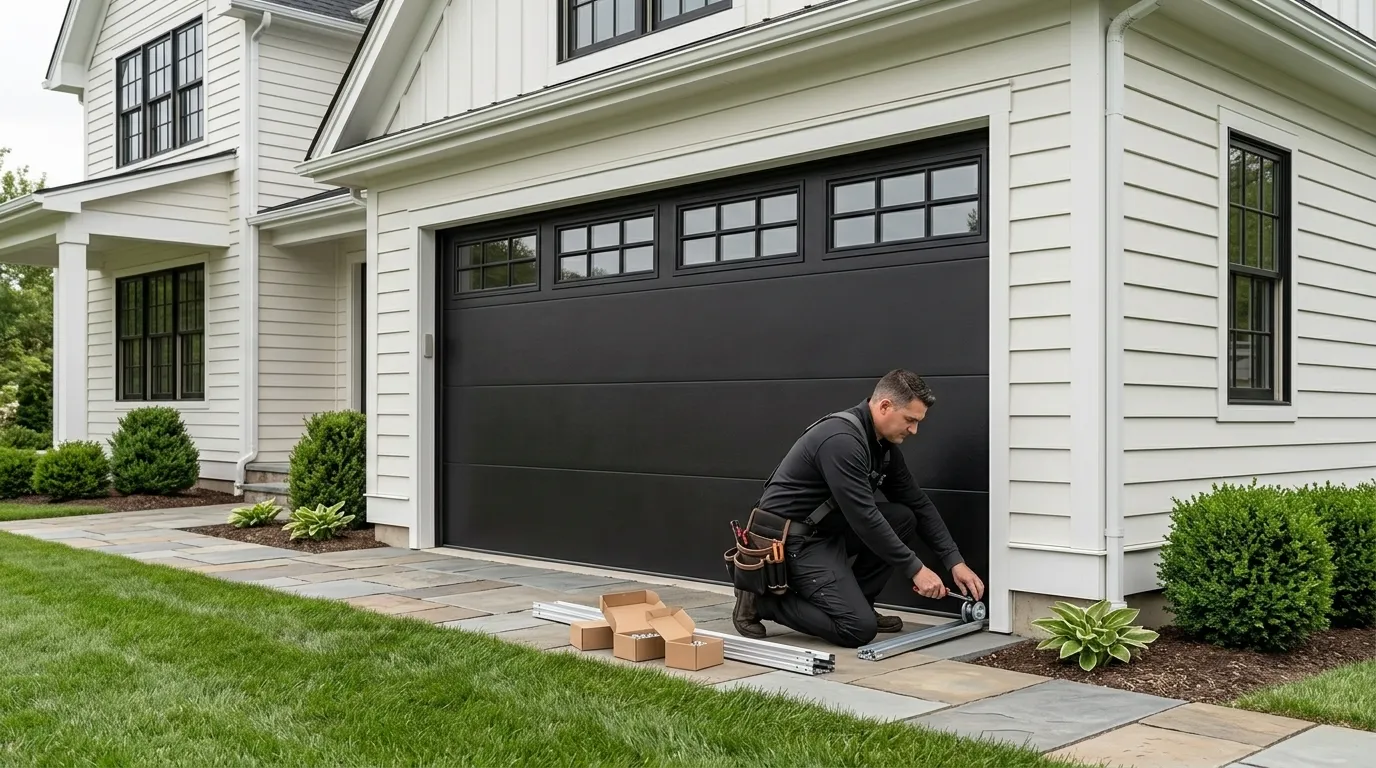
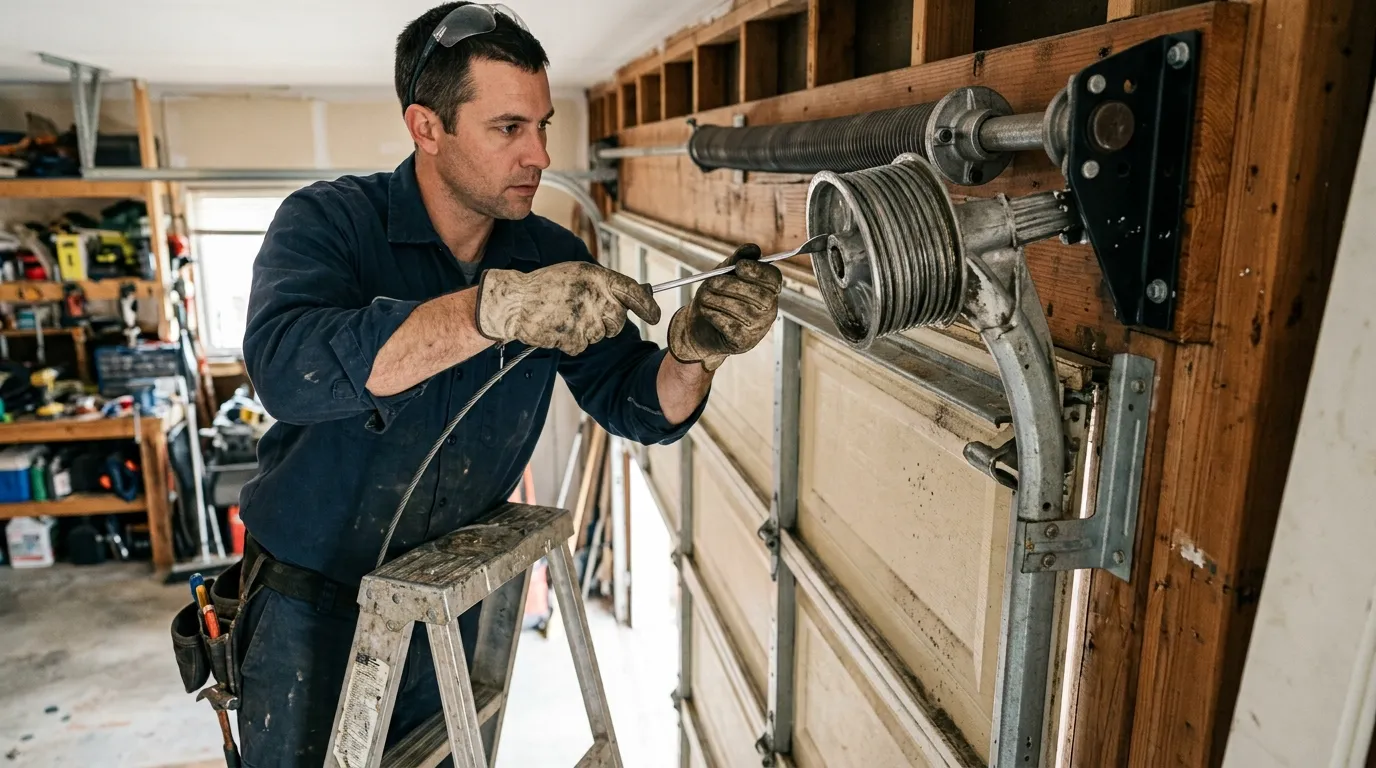
A door installed in a house built in 1938 has almost certainly been replaced at least once, sometimes twice, and each replacement layered new hardware onto an opening that was framed for something else. That mismatch is the root of a lot of the noise and binding complaints we hear from this area. Original framing this old often has less headroom than modern spring and track assemblies expect, so installers sometimes had to compromise on spring size or track radius to make it fit - which shows up later as extra strain on the opener and premature cable wear. Cold matters here too. This area sits in a cold-moderate climate band, and older, less-sealed door bottoms let more of that cold into the garage, which stiffens grease in tracks and rollers and makes marginal springs fail on the coldest mornings rather than gradually. If your house is one of the roughly 4,268 households in Winnetka with a garage from that older building era, a full-width steel replacement door usually solves more problems at once than patching the original hardware piece by piece.
The Houses Here
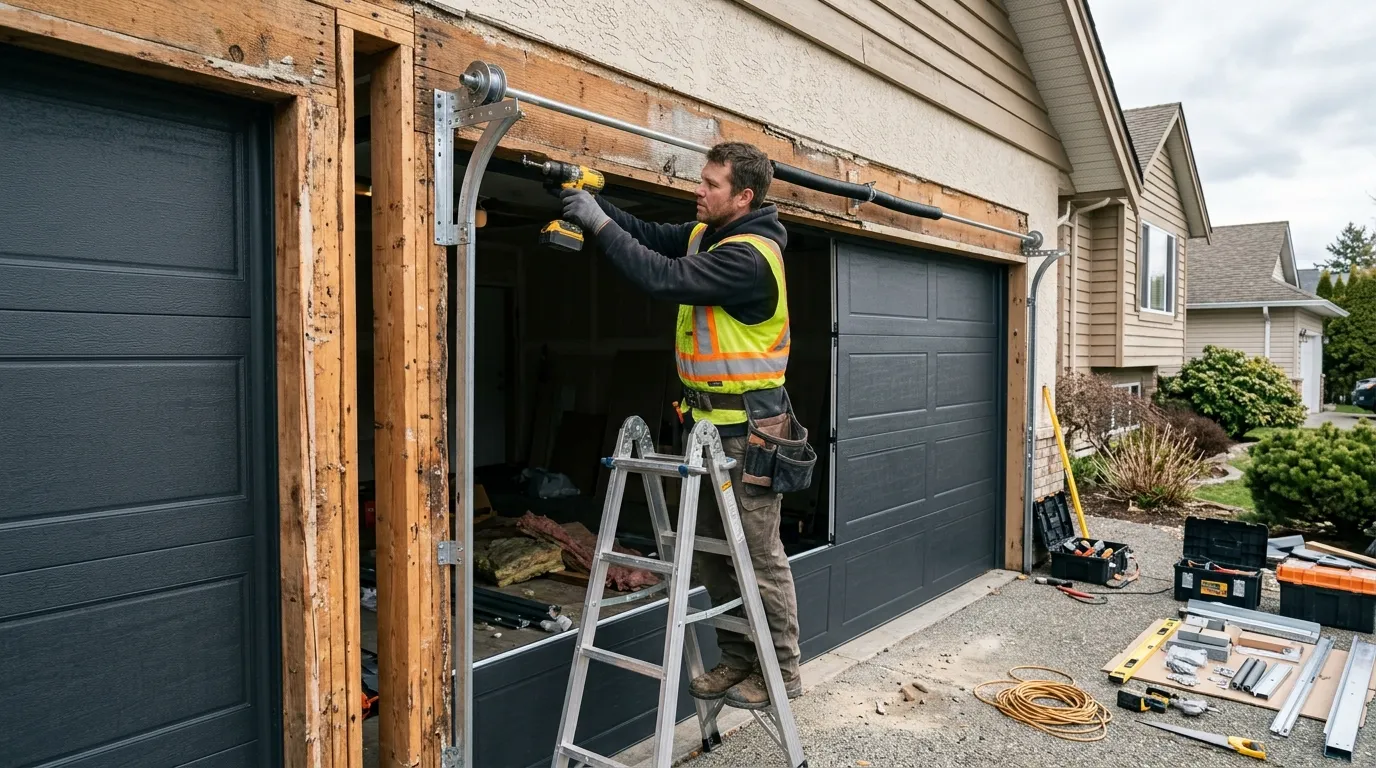
Winnetka's housing sits noticeably older than the average across the broader service area, where most homes date to the 1960s and 70s - here the median build year is 1938, which puts a meaningful share of garages into a category we treat differently from the newer stock we see closer to Lincolnwood. Older openings mean shorter, narrower doors more often, non-standard headroom, and hardware that has been retrofitted rather than original. With roughly 4,268 households in the area and a median income above $250,000, we also see owners investing in higher-end replacements rather than patch repairs, insulated steel doors, quiet-drive openers, and custom sizing to fit the original opening rather than widening it. None of that changes the physics of a torsion spring or a bent track, but it does change what we recommend once we are on site and can see what era of hardware we are actually dealing with.