What People Here Ring About
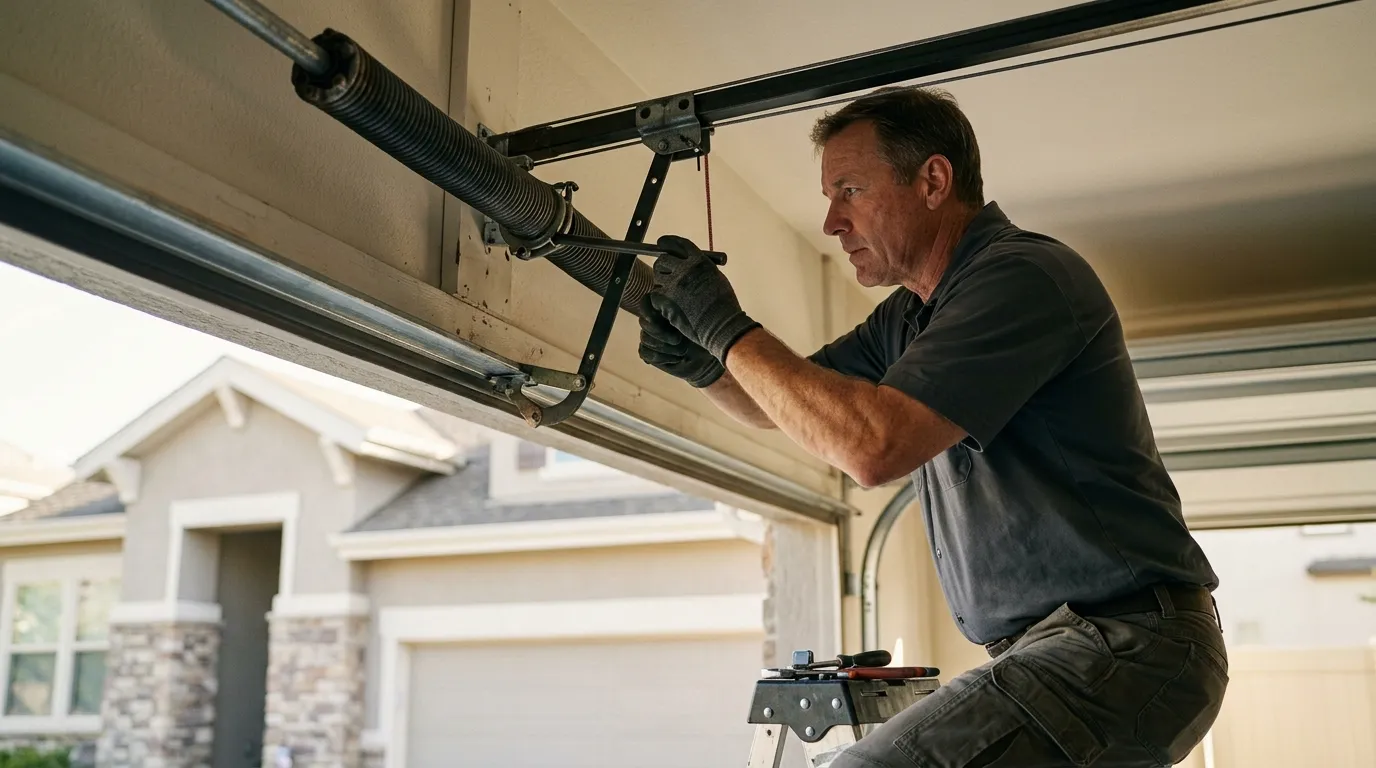
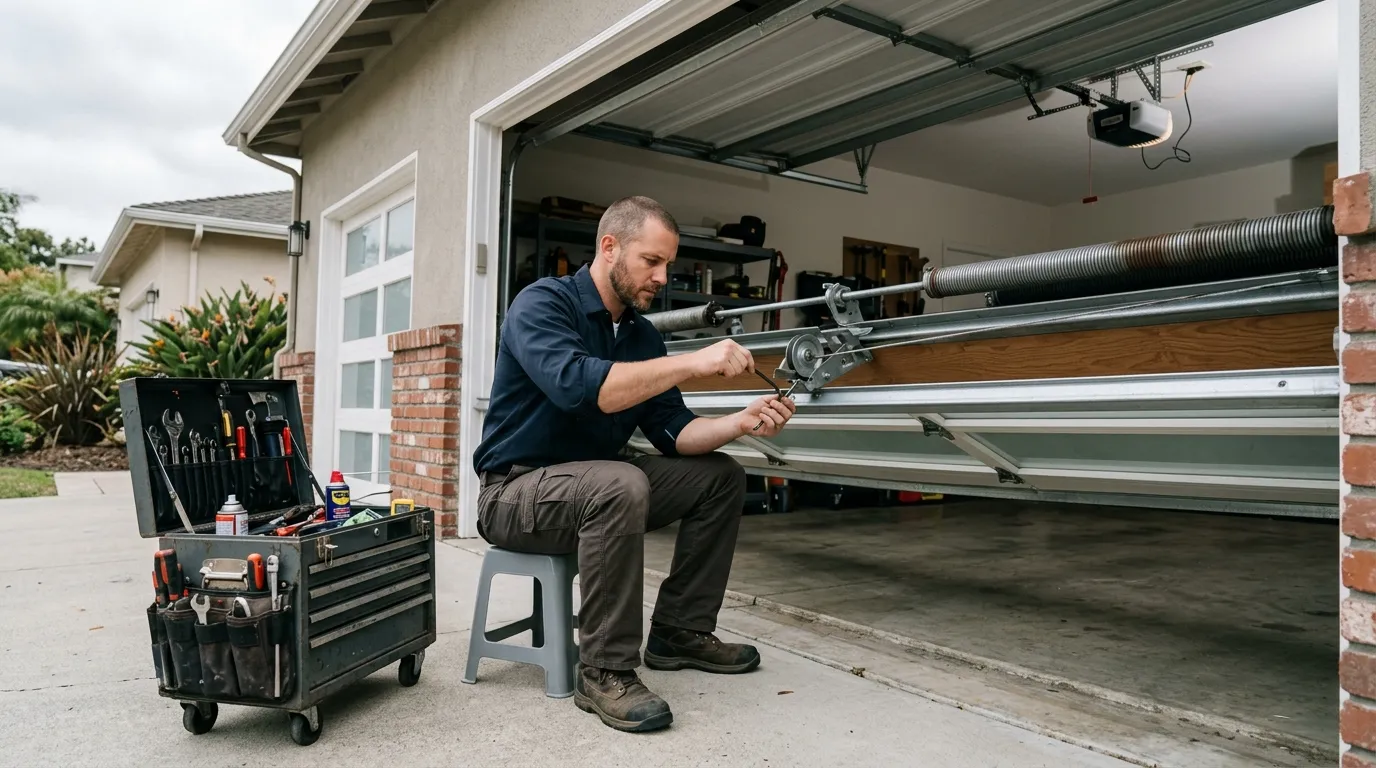
Willowbrook's housing stock runs newer than most of the neighborhoods we cover. The median home here went up around 1980, a good two decades past the 1961 median that describes the rest of the service area. That gap matters more than it sounds like it should. By 1980, torsion springs and steel sectional doors were already the norm, so the calls we get from Willowbrook skew toward worn rollers, opener logic boards, and torsion spring fatigue rather than the older extension-spring setups and one-piece doors we still find on the 1938-1994 stock closer to Lincolnwood.
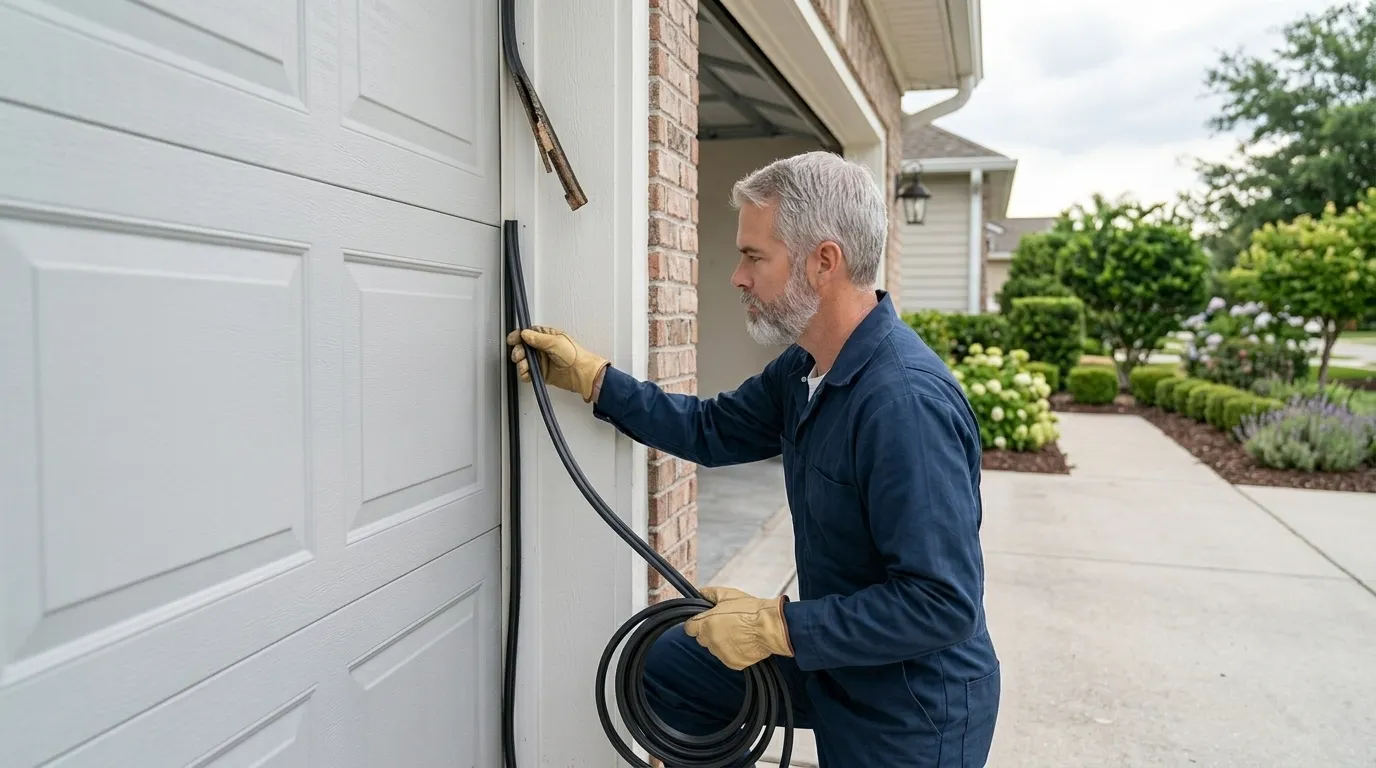
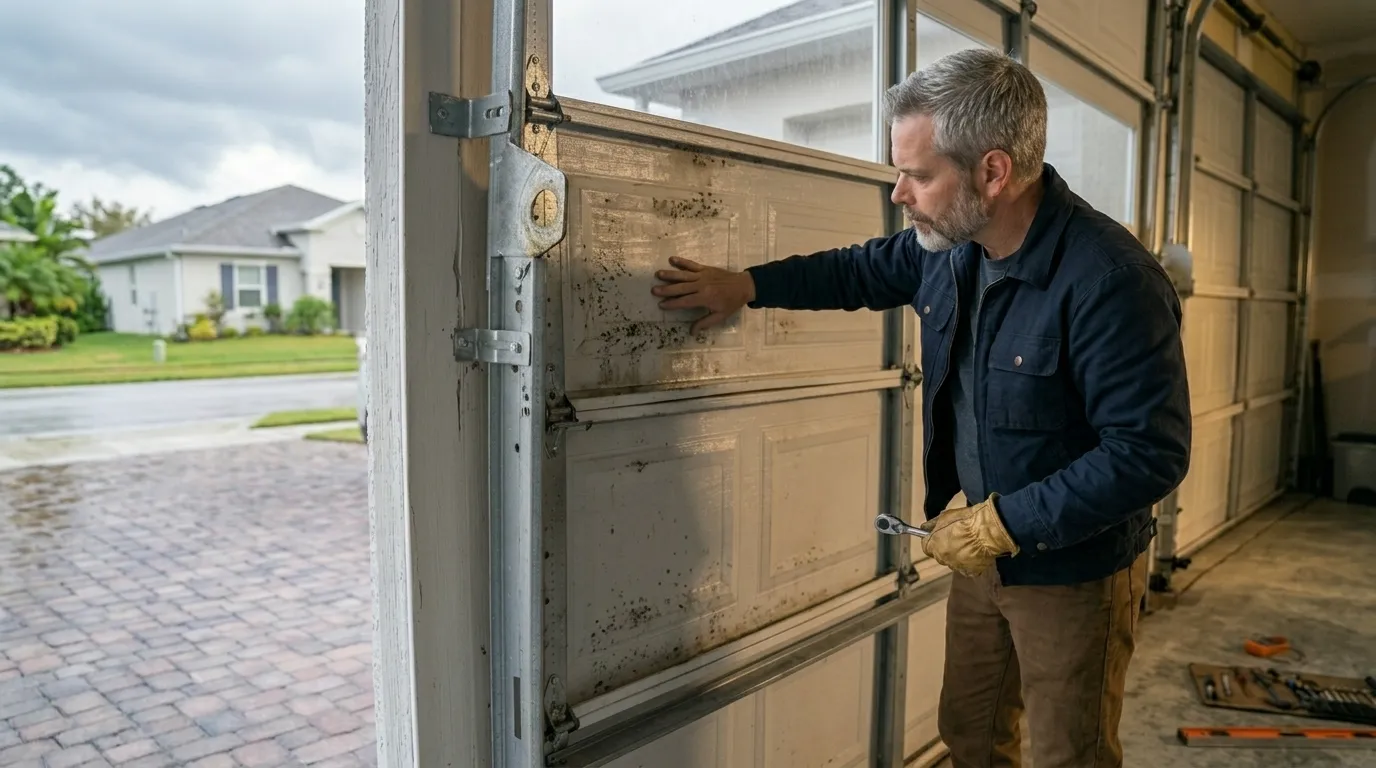
We also hear about weather-stripping failing at the bottom panel, which tracks with the region's cold-moderate climate band - not unique to Willowbrook, but it shows up on any door with hardware pushing forty years old. A 1980-built door isn't new anymore, and the springs and cables installed with it are past their rated cycle count on plenty of these houses.
Opener age is the other recurring theme. Houses built in that era often got a second or third opener replacement over the decades, and troubleshooting means figuring out which generation of hardware is actually on the wall before ordering parts.
What the Housing Means for Your Door
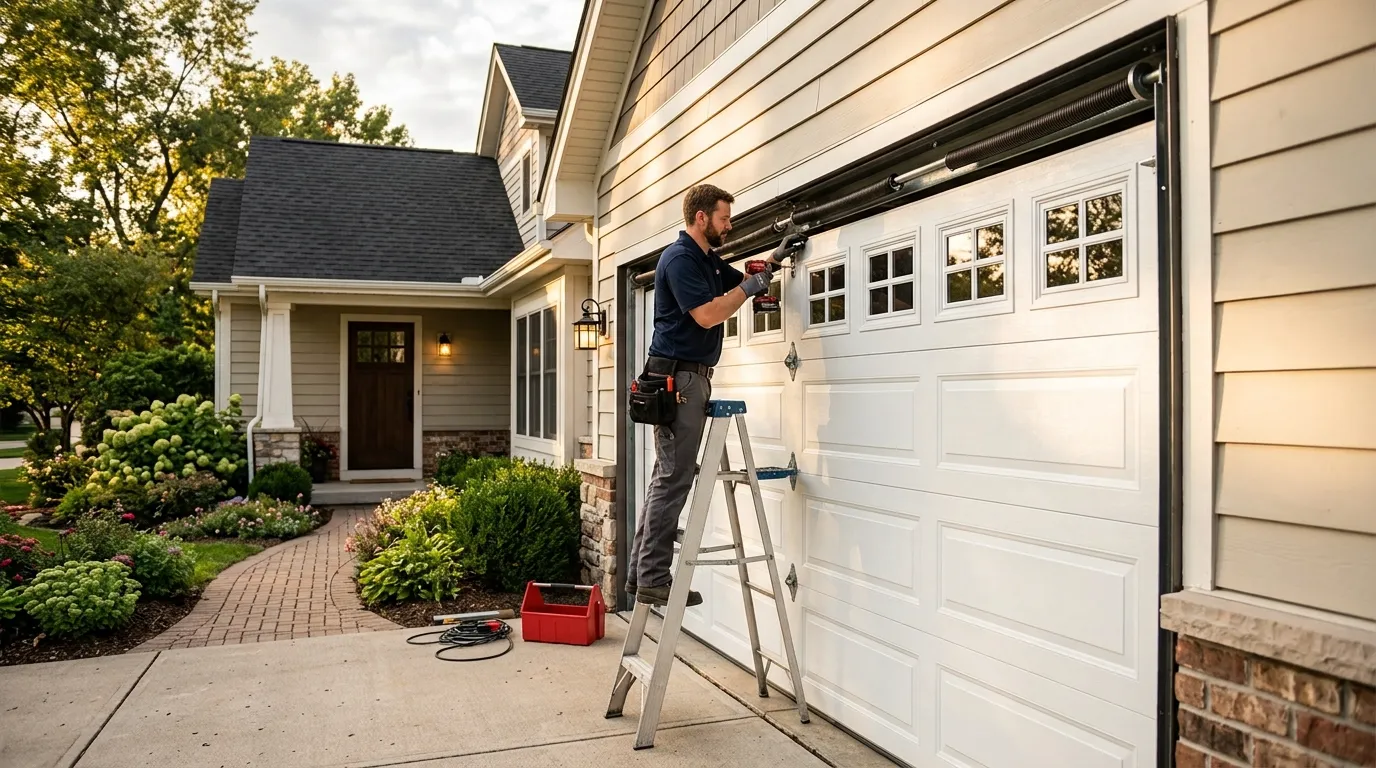
A house built around 1980 almost always shipped with a steel sectional garage door on torsion springs, mounted on a header-above-the-opening bracket rather than the side-mount setups common on older stock. That's a different repair than what we do on 1961-median housing elsewhere in the service area. Panels from this era are usually a standard width, which helps with parts availability, but the torsion spring wind and drum setup varies enough between builders that we still measure before ordering.
Since Willowbrook's stock trends newer, we see fewer of the balky one-piece doors and side-mounted hardware that show up on older 1940s-60s houses in this region. What we do see more of is second-generation openers - chain drive units installed as replacements sometime in the 80s or 90s - now reaching the end of their gear life. Circuit boards and logic units on those openers can be harder to source than the mechanical parts.
The cold-moderate climate here means insulation matters on any door facing a north exposure, and a 1980-era door without added weatherstripping will let more draft through than a door built to current code.
The Houses Here
Willowbrook has roughly 3,910 households, a smaller pocket than a lot of the areas we cover closer to Lincolnwood. Median household income here runs about $97,861, close to the wider service area's $99,861 but not identical, and it's not a number that changes how we quote a job - torsion springs cost what they cost regardless of the block.
What the income and household figures tell us more than anything is that this is a steady, built-out residential area rather than a place still adding new construction. Combined with the 1980 median build year, that means most of the garage doors here were installed once, maybe replaced once, and are now old enough that springs, cables, and rollers are due for attention on a lot of these houses at roughly the same time. When we're quoting a job in Willowbrook we start from that assumption: original or first-replacement hardware, now forty-plus years old, on a door built to 1980s standards rather than the older or newer stock we see elsewhere on the route.