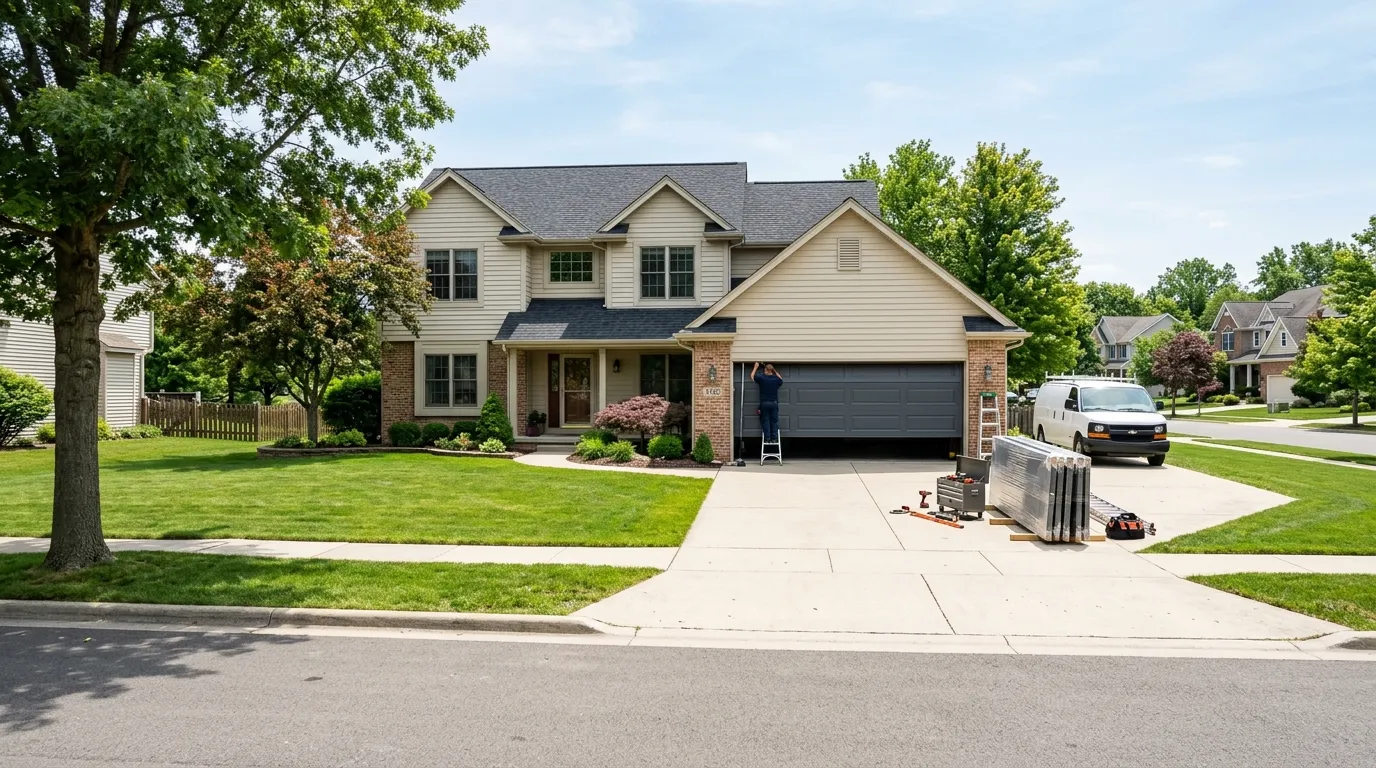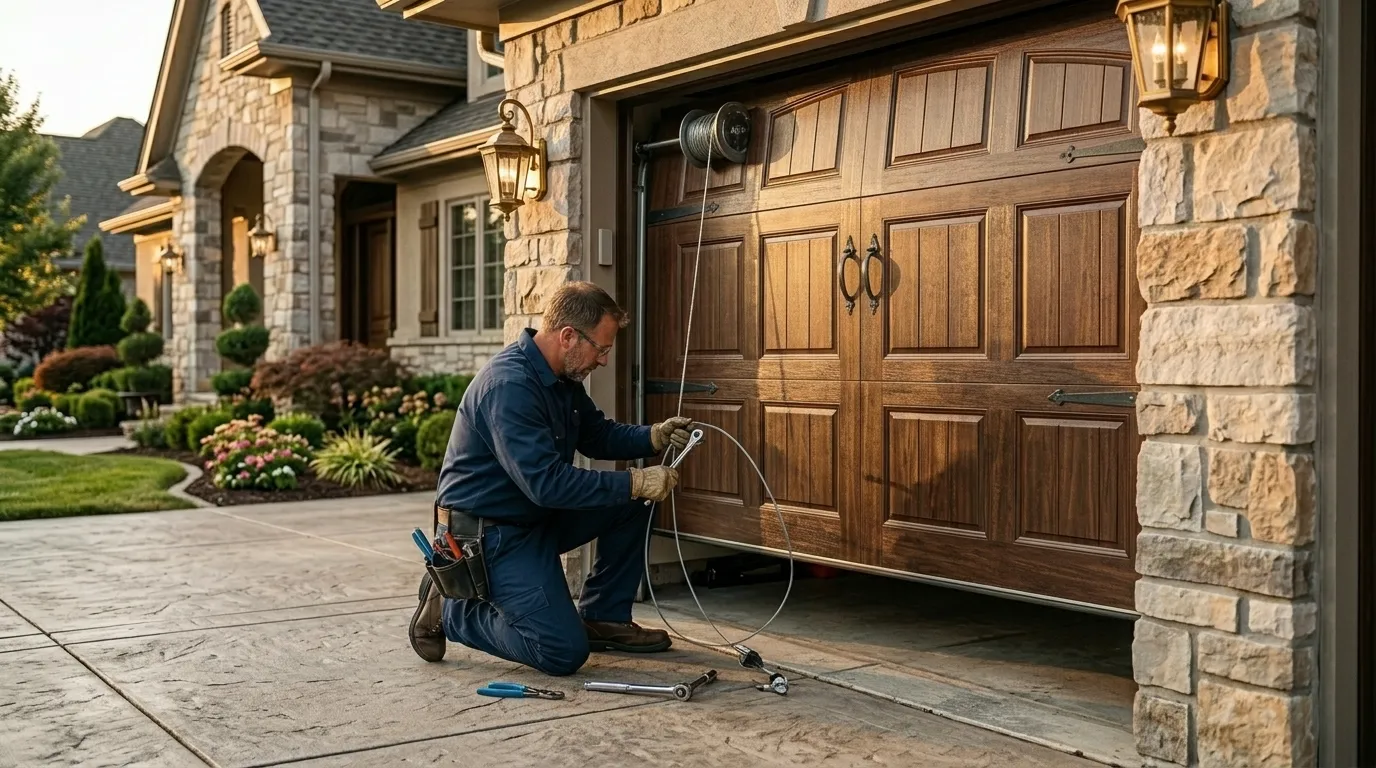
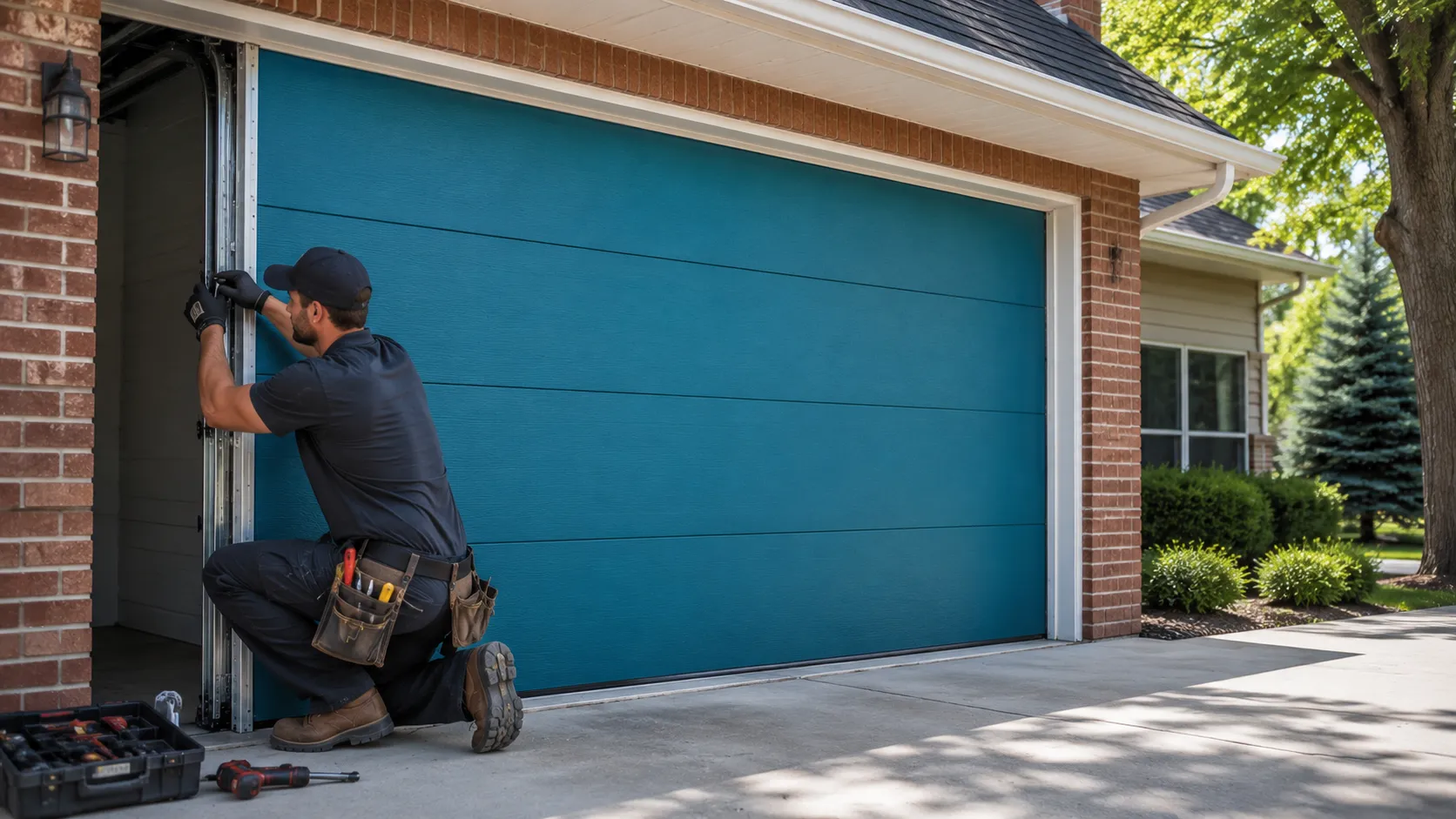
What People Here Ring About
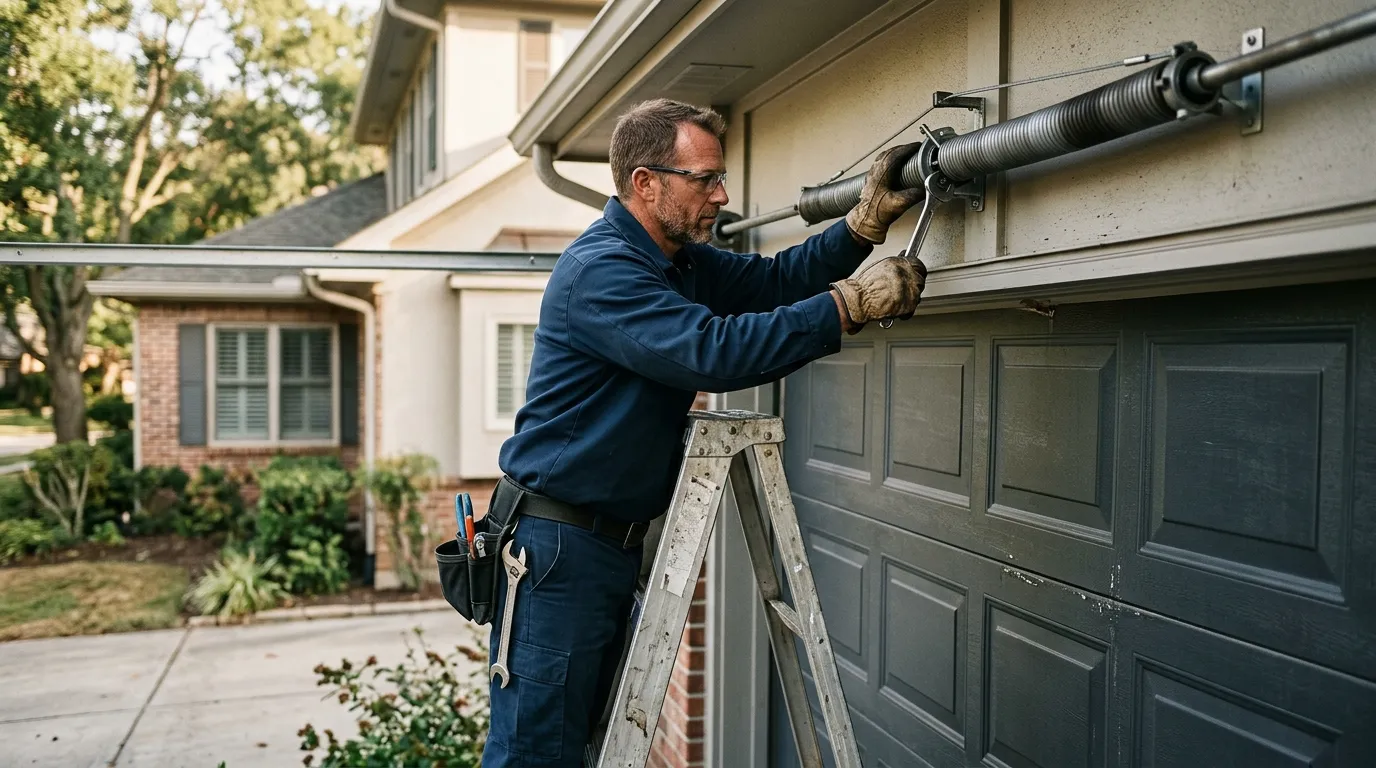
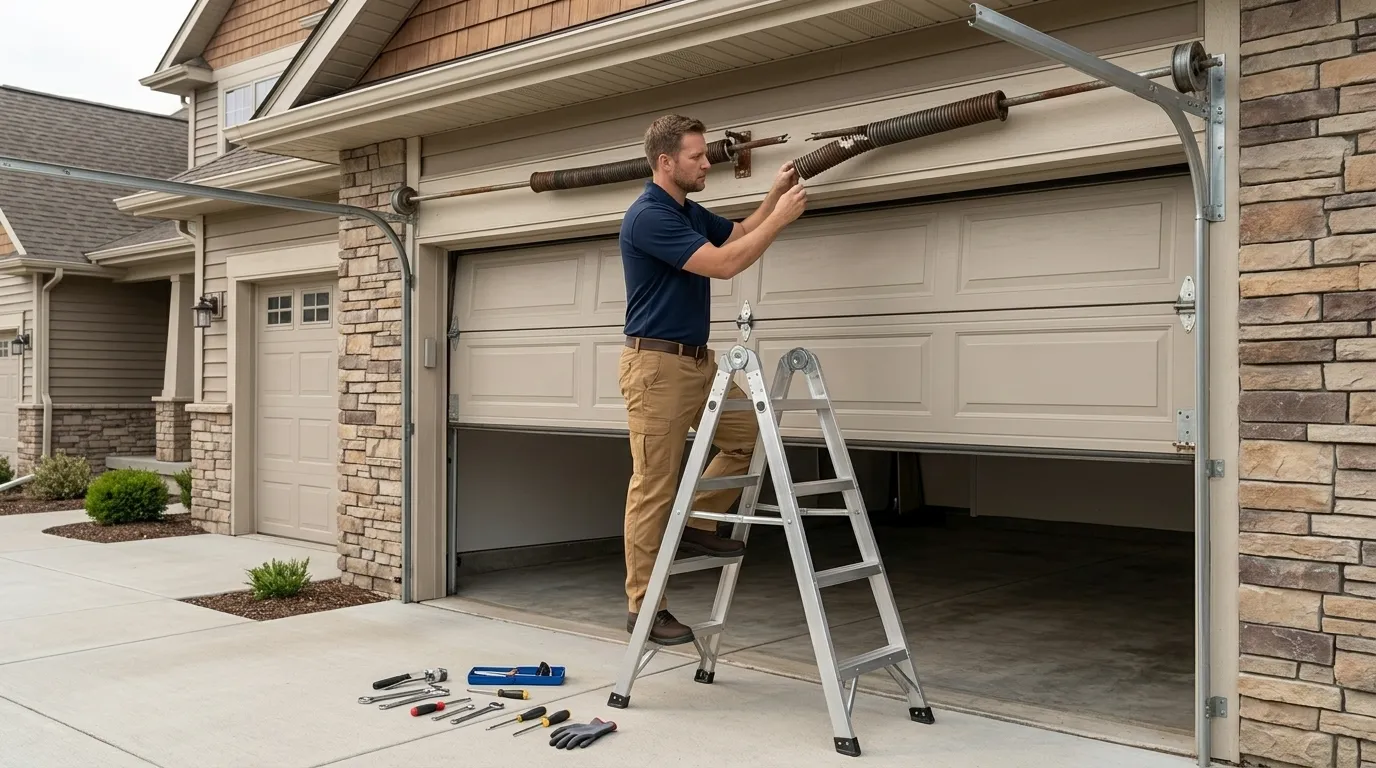
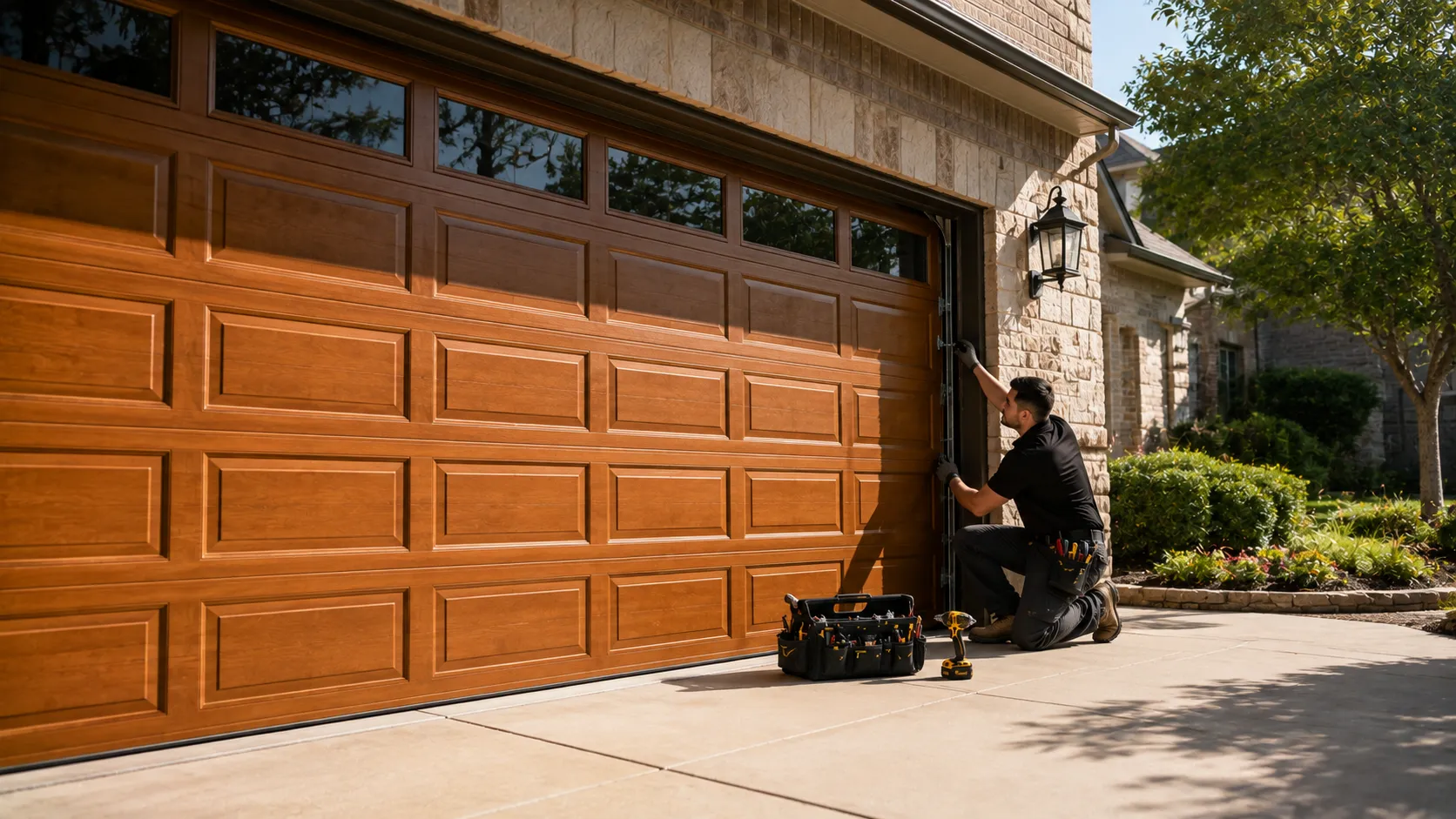
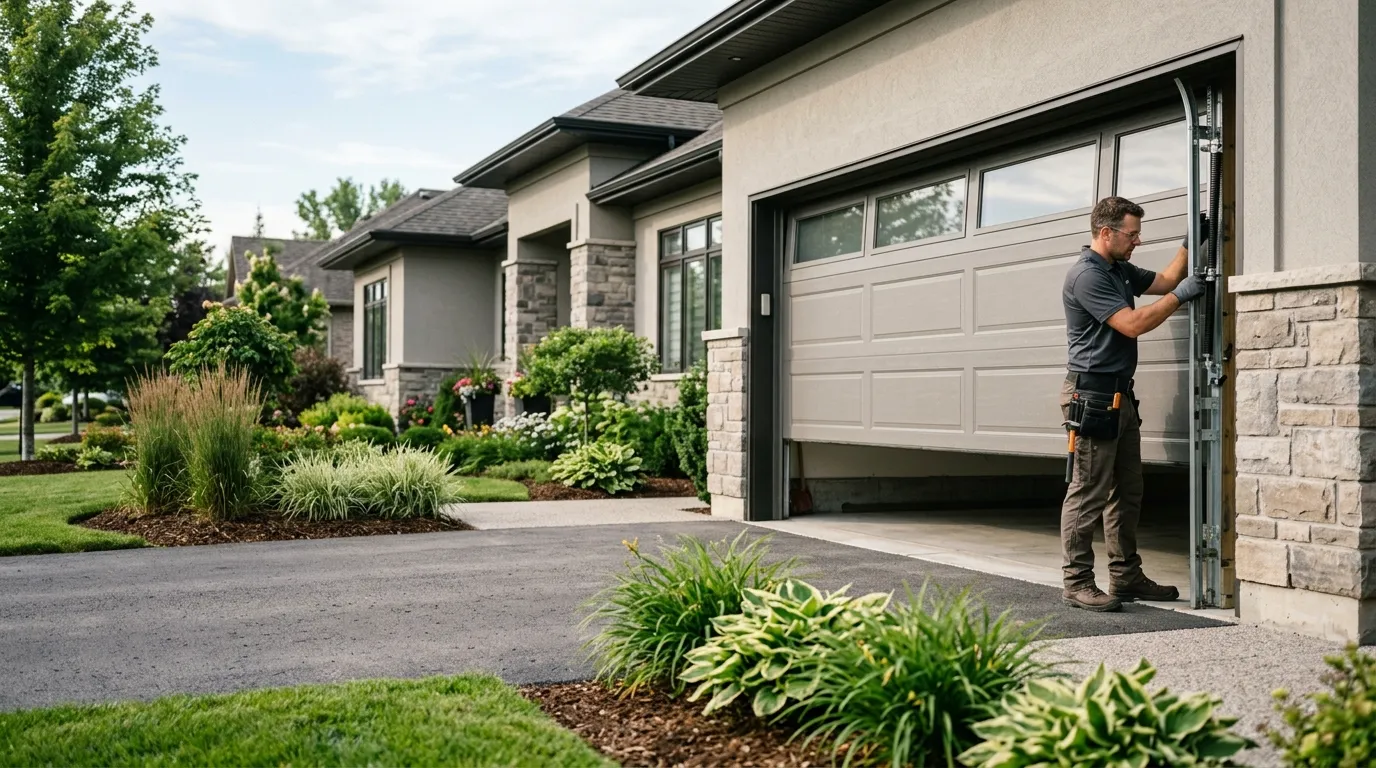
Stone Park sits about 10 miles out from our Lincolnwood shop, and most of the calls we take from this area follow a pattern tied to the age of the houses. With a median build year of 1963, a lot of these garages still carry their original torsion hardware or a first-generation replacement from the 1980s. That means we hear about hard-to-turn springs that finally let go, openers that grind instead of lift, and tracks that have racked slightly out of square after decades of settling.
With 1,203 households in this pocket of the service area, it's a smaller stretch than some of the neighborhoods we cover, and the housing tends to be closer in size and layout than in the bigger, more mixed tracts nearby. That consistency actually helps on the diagnostic side - once we've seen a few doors from this era on a block, we usually know what we're looking at before we open the panel.
The area's median household income here runs around $75,165, noticeably below the wider service area's $99,861 median, and that shows up in the calls too: more requests to repair a spring or cable before replacing a whole door, fewer calls asking for a full high-end system swap. We work with that. A tight budget and a door that still has good bones is a normal Tuesday for us.
What the Housing Means for Your Door
A house built in 1963 was framed for a garage door and opener that look nothing like what's sold today. Panel sizes, track spacing, and spring wind were all standardized differently back then, and unless a prior owner did a full replacement, you're likely looking at either the original steel door or a 1980s-90s upgrade riding on the same jambs and header.
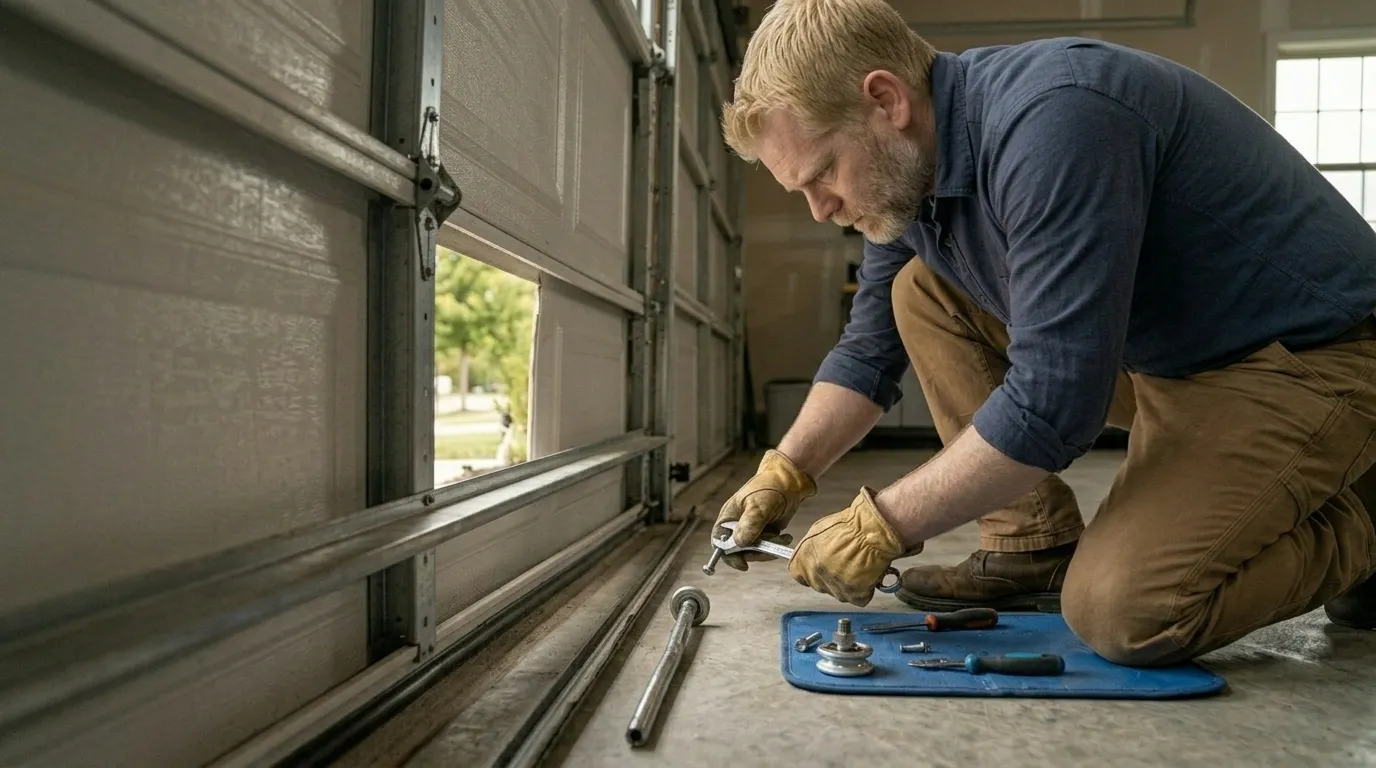
The practical result: torsion springs sized for a lighter, older-style door often get swapped in with a slightly wrong wind count when a previous repair was done in a hurry, which throws off balance and puts extra strain on the opener. Rollers on doors this age are frequently the older steel type rather than nylon, which means more noise and faster wear on the track. And on doors that have never been touched, the galvanized hardware is original - still working, but past the point where we'd bet on it holding for another decade without inspection.
Winters here put a cold-moderate climate load on these older seals and cables, and metal that's flexed through 60-plus seasons doesn't behave like new metal. We check spring wind, roller type, and cable wear as a matter of course on houses from this build era, because on a door this old, the failure is rarely just the part that broke.
The Houses Here
Across the wider service area the housing runs from 1938 to 1994, with a median around 1961 - and Stone Park's own median of 1963 puts it right in that same postwar-to-early-70s band rather than the newer end of the range. That matters for garage doors specifically, because that era is when torsion spring systems became standard but before galvanized coatings and nylon rollers were universal. It's a transitional stock, and it shows in mixed hardware from house to house.
With 1,203 households in this stretch, it's a smaller sample than some of the larger named areas we cover, but the pattern holds: original or first-generation replacement doors, steel panels rather than newer composite, and openers that in many cases are the second or third unit installed since the house was built. Income here running below the broader area's median also means fewer full-door replacements and more targeted repairs - springs, cables, sensors, and roller swaps that extend the life of a door that's already outlasted a lot of newer builds.