What People Here Ring About
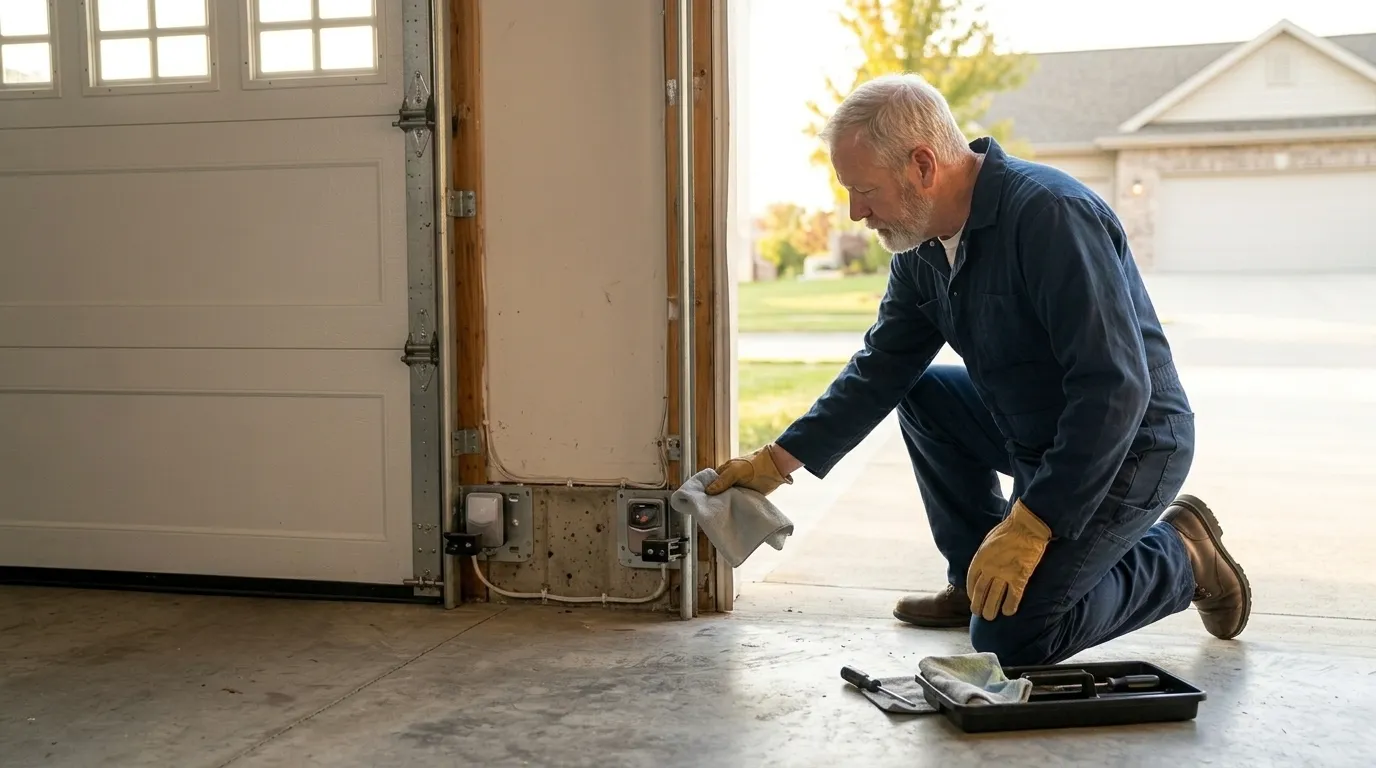
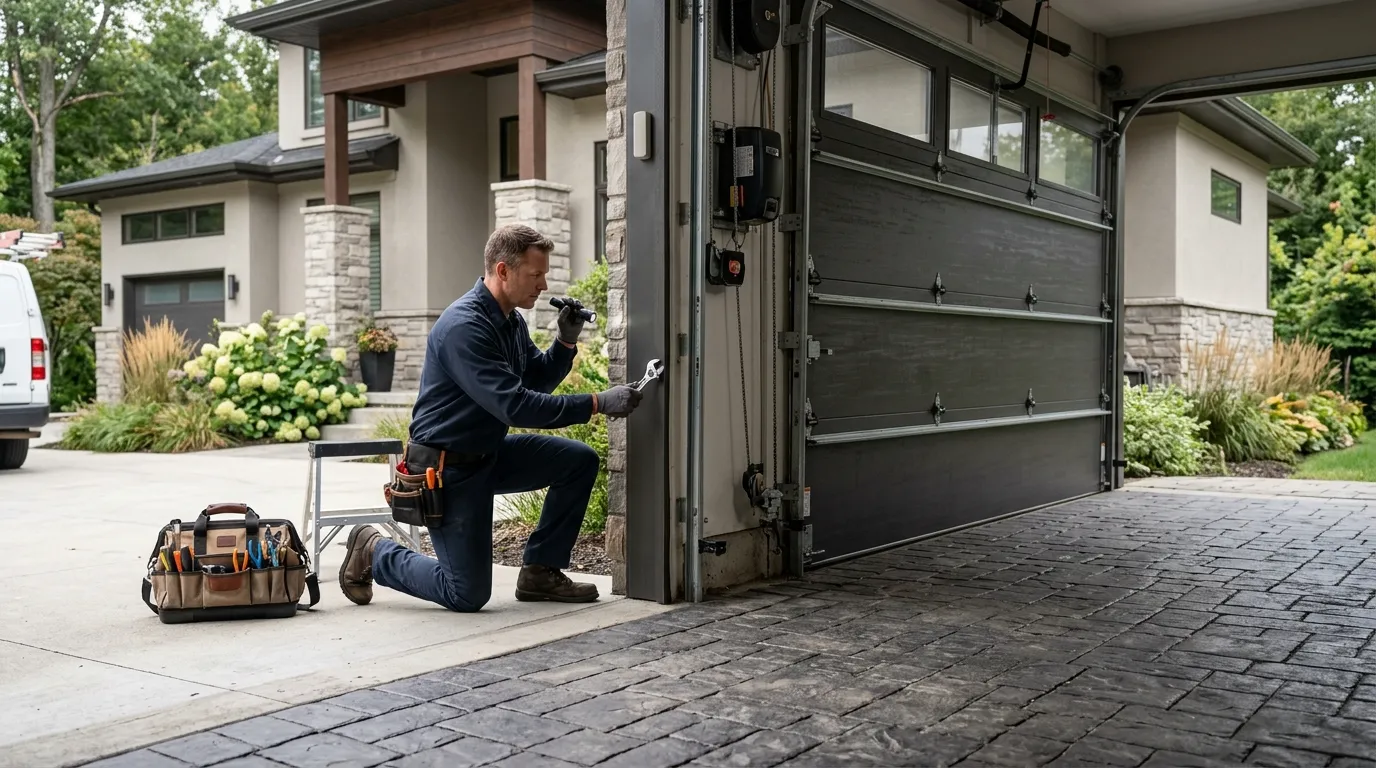
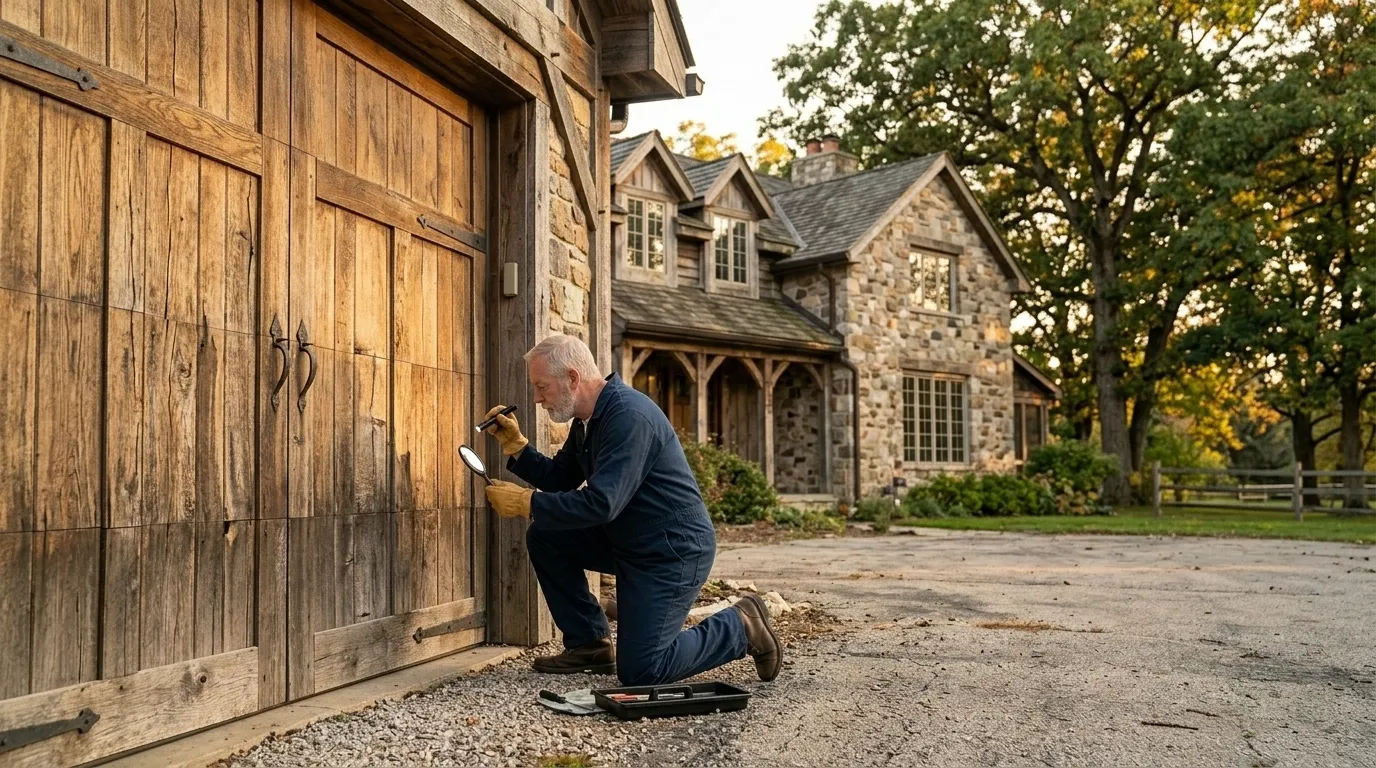
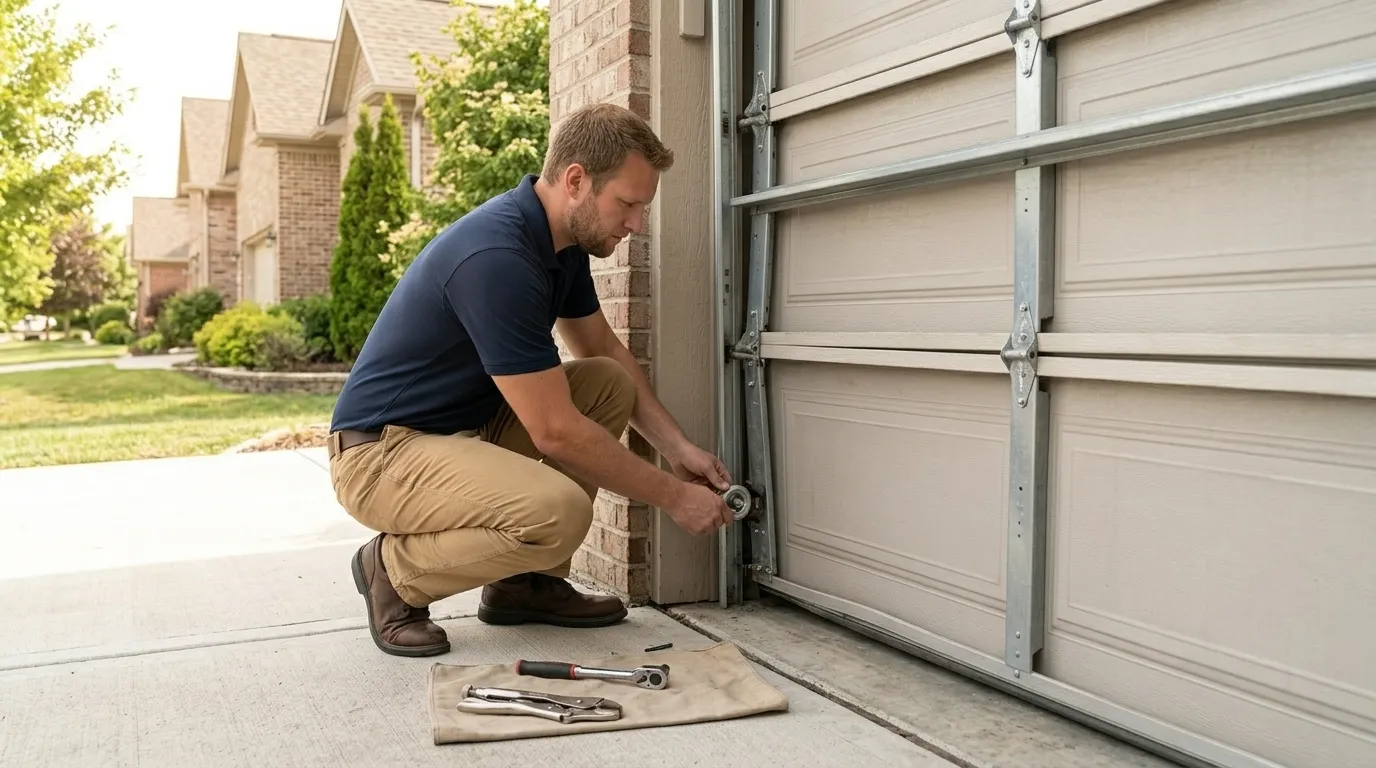
Stickney's houses were mostly built around 1956, and the calls we get from this area follow the age of that stock pretty closely. That's a full five years earlier than the median across our wider coverage area, and it shows up in the hardware. A lot of these garages still have their original torsion springs, often undersized for the door weight by today's standard, and the extension-spring setups that were common in that era are starting to fail on a regular basis after close to seventy years of cycling.
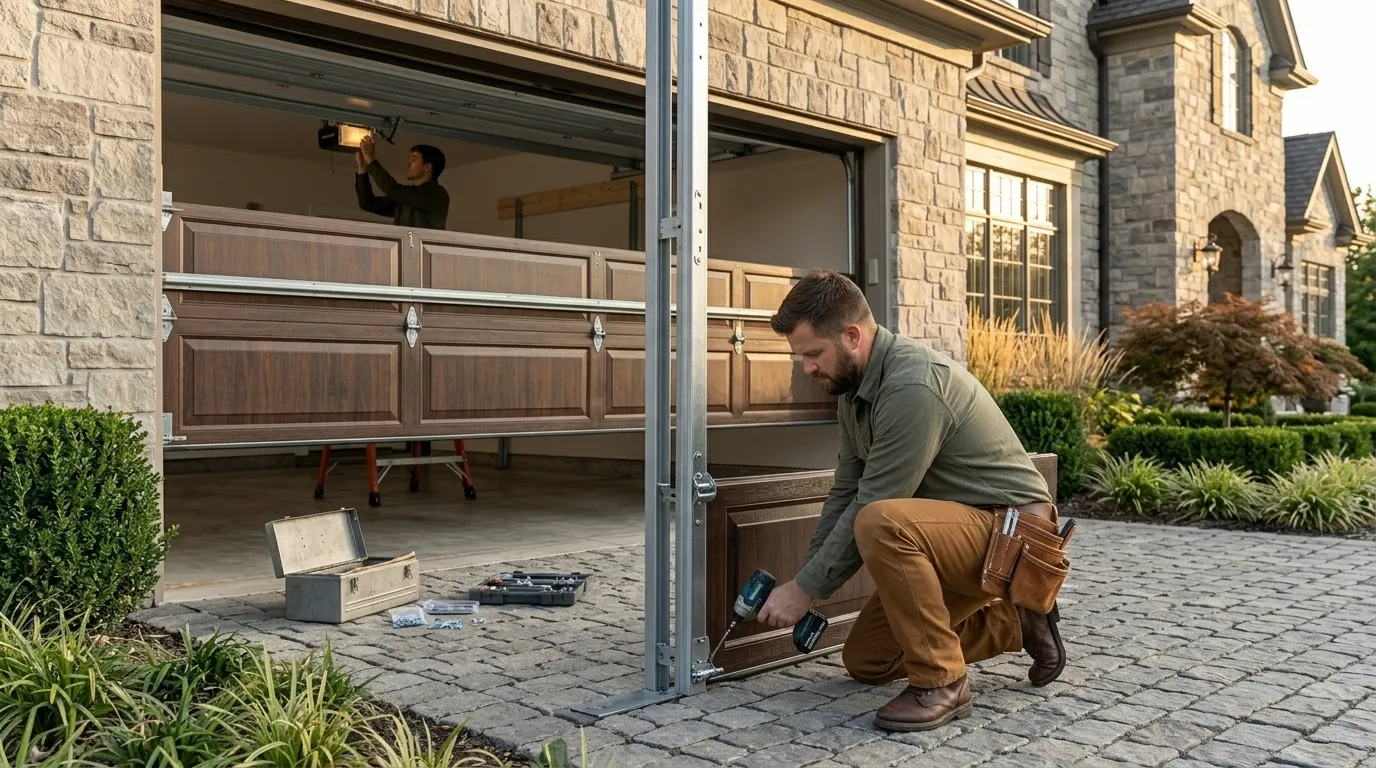
We also hear from owners whose openers are second- or third-generation replacements bolted onto original track and hardware that was never upgraded. That mismatch causes binding, especially in cold months, and it's one of the more common reasons a door that opens fine in September stops moving smoothly in January. With 2,625 households in this area, it's a small enough pocket that the pattern repeats house after house rather than varying block to block the way it might in a newer subdivision.
What the Housing Means for Your Door
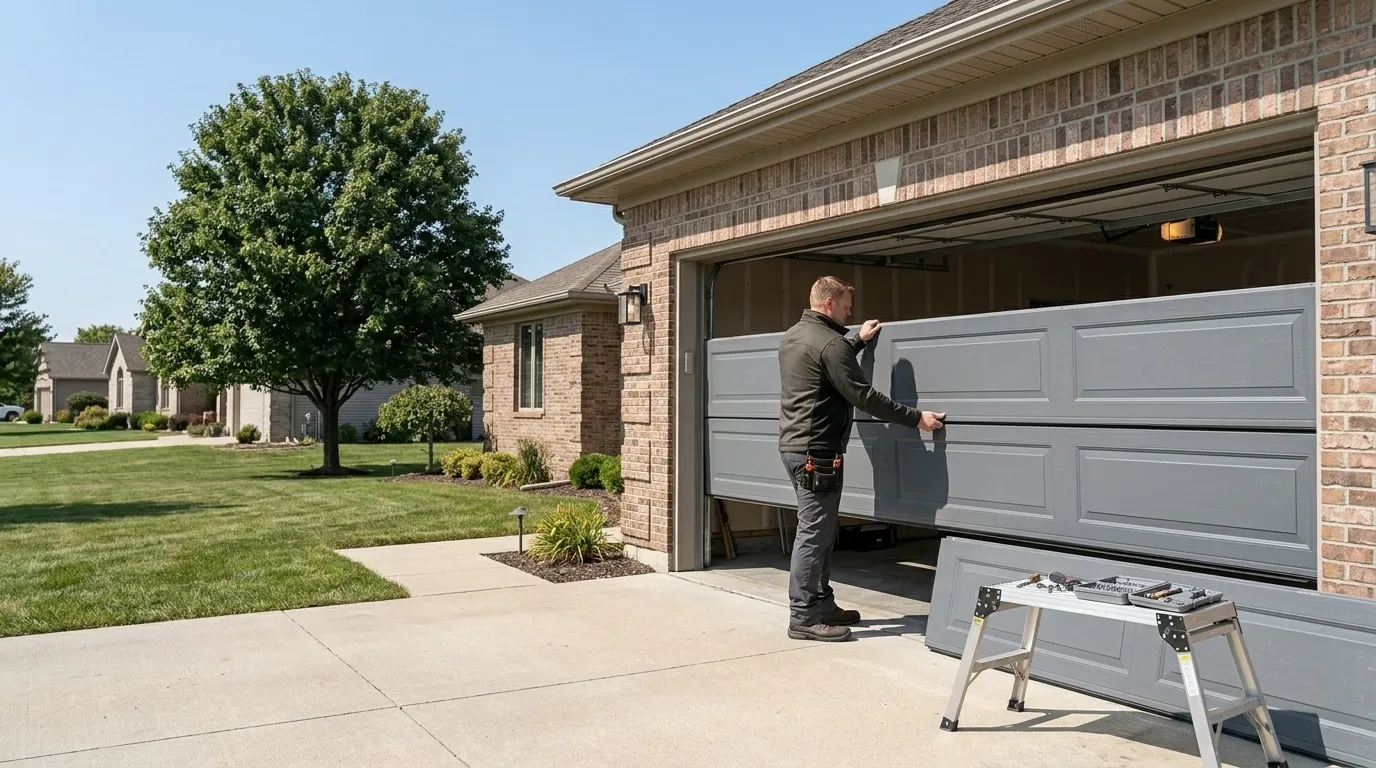
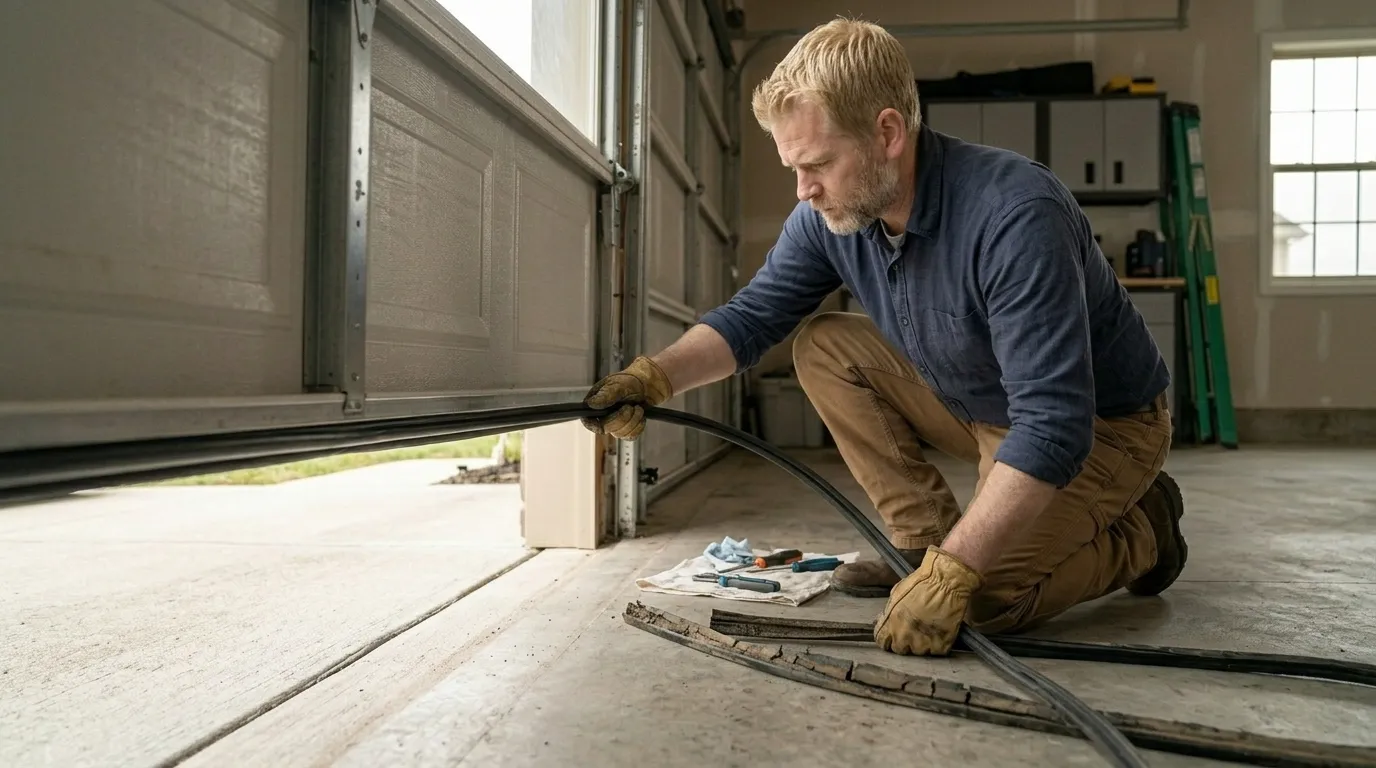
A door built to a 1956 spec is not the same animal as a door built in 1985. Panel gauge is thinner in some of the original steel doors we still see here, and insulation, if there's any at all, is minimal by current standards. In a climate band that runs cold, an uninsulated single-layer door loses whatever heat the garage holds and lets condensation form on the inside skin, which over decades pits the steel and rusts out the bottom panel first.
Track width and drum size on original 1950s hardware often don't match what's sold off the shelf today, so a repair here sometimes means sourcing a compatible part rather than grabbing a standard one. That's worth knowing before you call: a same-day fix on a newer door might take a bit longer here if the original hardware is nonstandard. Median household income in this area is $67,307, noticeably below the wider service area's $99,861, and that gap matters when we're scoping a job - we try to repair what can be repaired before recommending full replacement.
The Houses Here
Across the wider service area, housing runs from 1938 to 1994 with a median around 1961, mostly 1960s-70s stock. Stickney sits on the older edge of that range, with its own median build year closer to 1956. That five-to-ten-year gap is enough to matter for garage doors specifically, since spring tension standards, opener mounting, and door insulation all shifted noticeably through the 1960s and into the 70s.
With 2,625 households in this area, you're looking at a fairly compact, consistent stretch of housing rather than a mix of eras. That consistency is useful for us - once we've worked on a few doors from this vintage, we know roughly what we'll find under the hood before we even open the panel. It doesn't mean every house is identical, but the baseline expectation for spring type, track age, and panel gauge here skews earlier than it does elsewhere in our coverage area.