What People Here Ring About
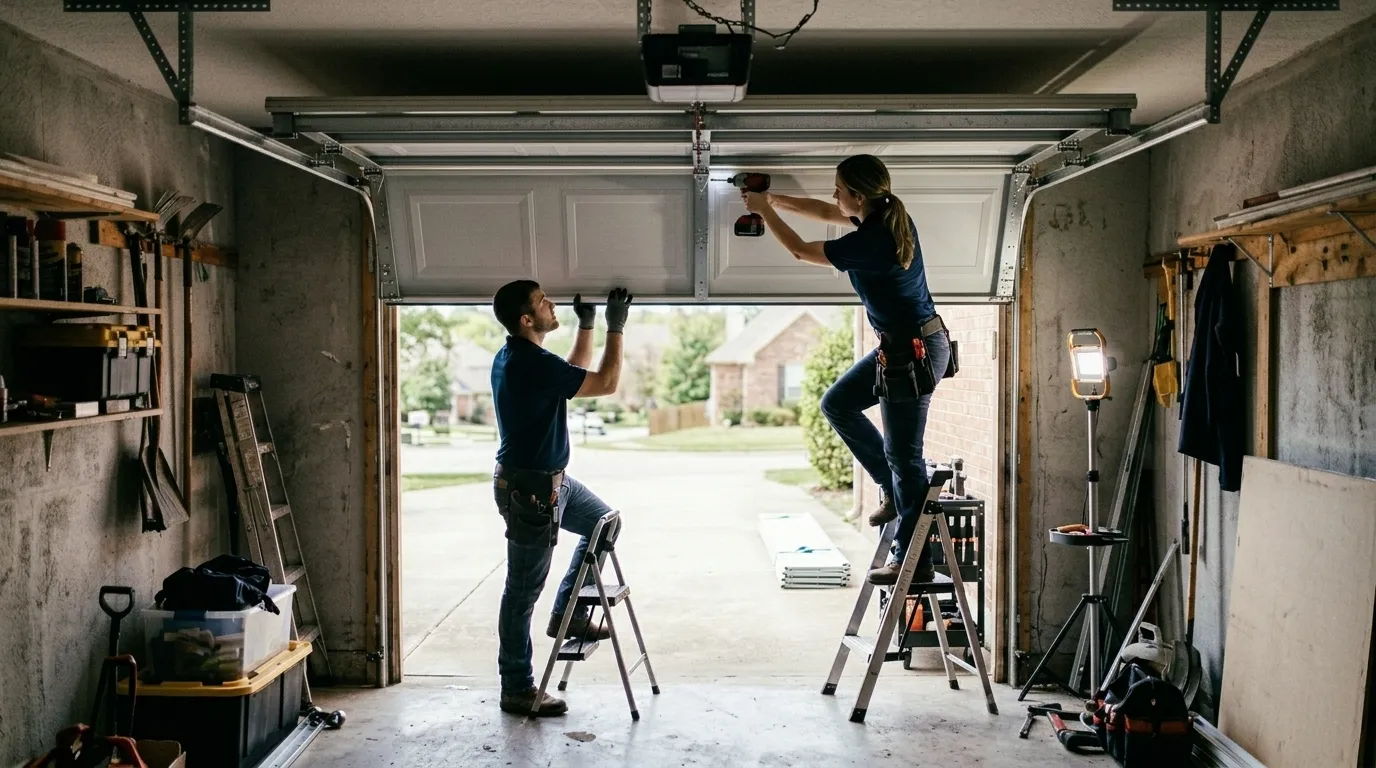
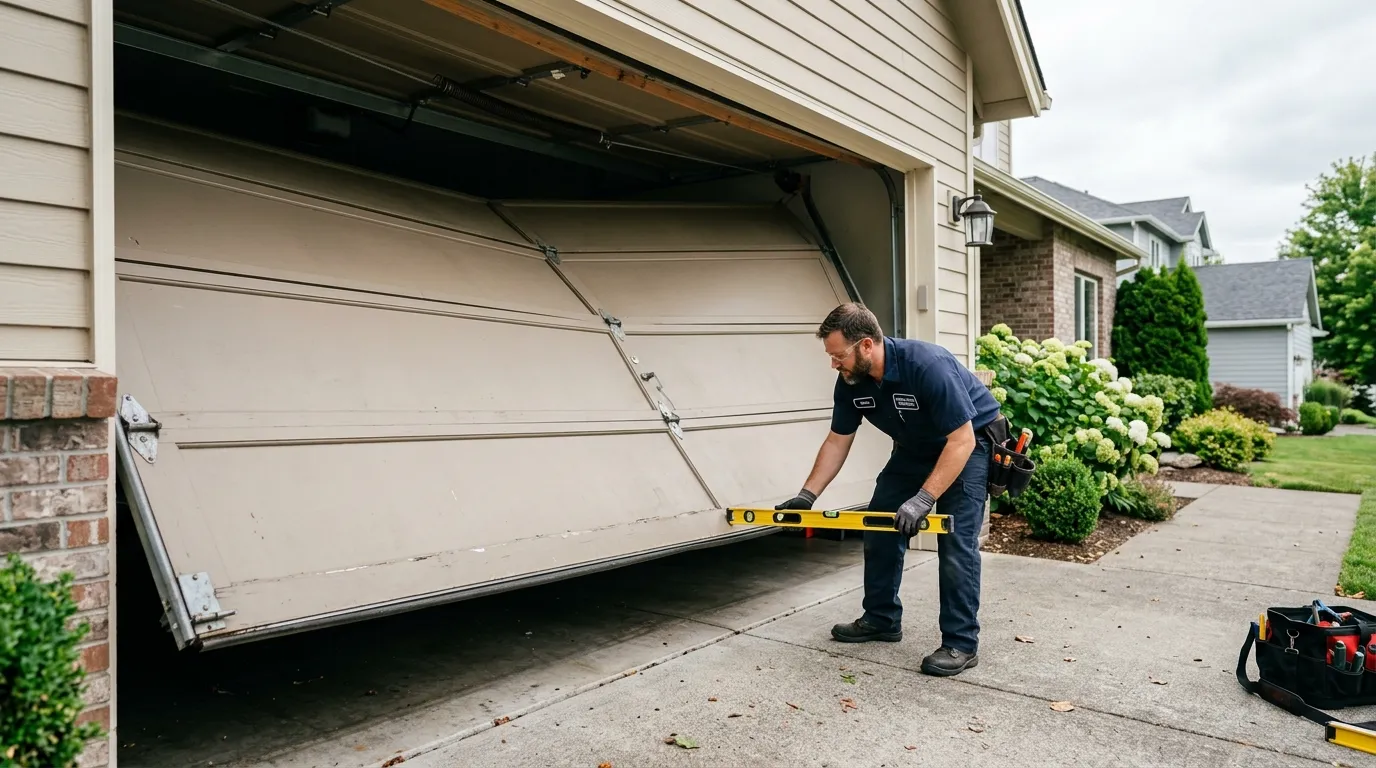
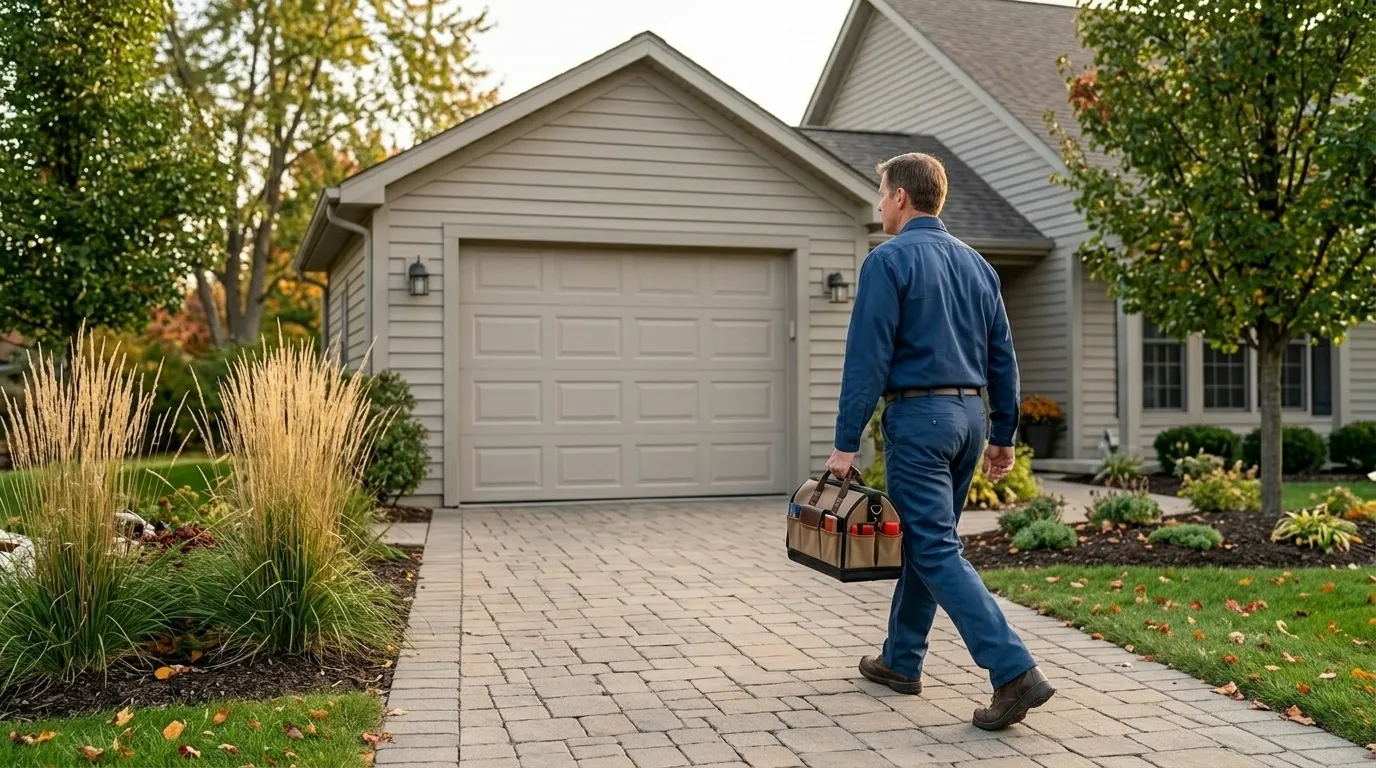
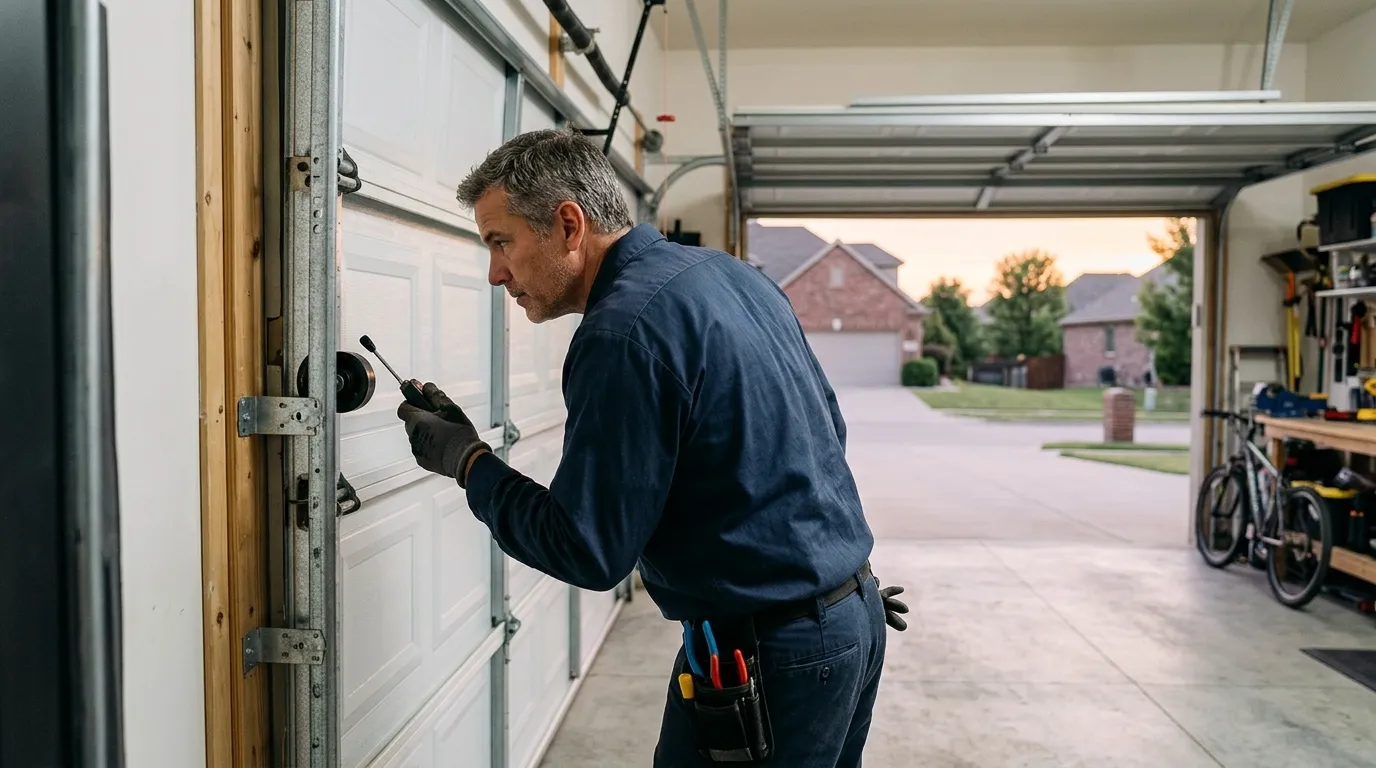
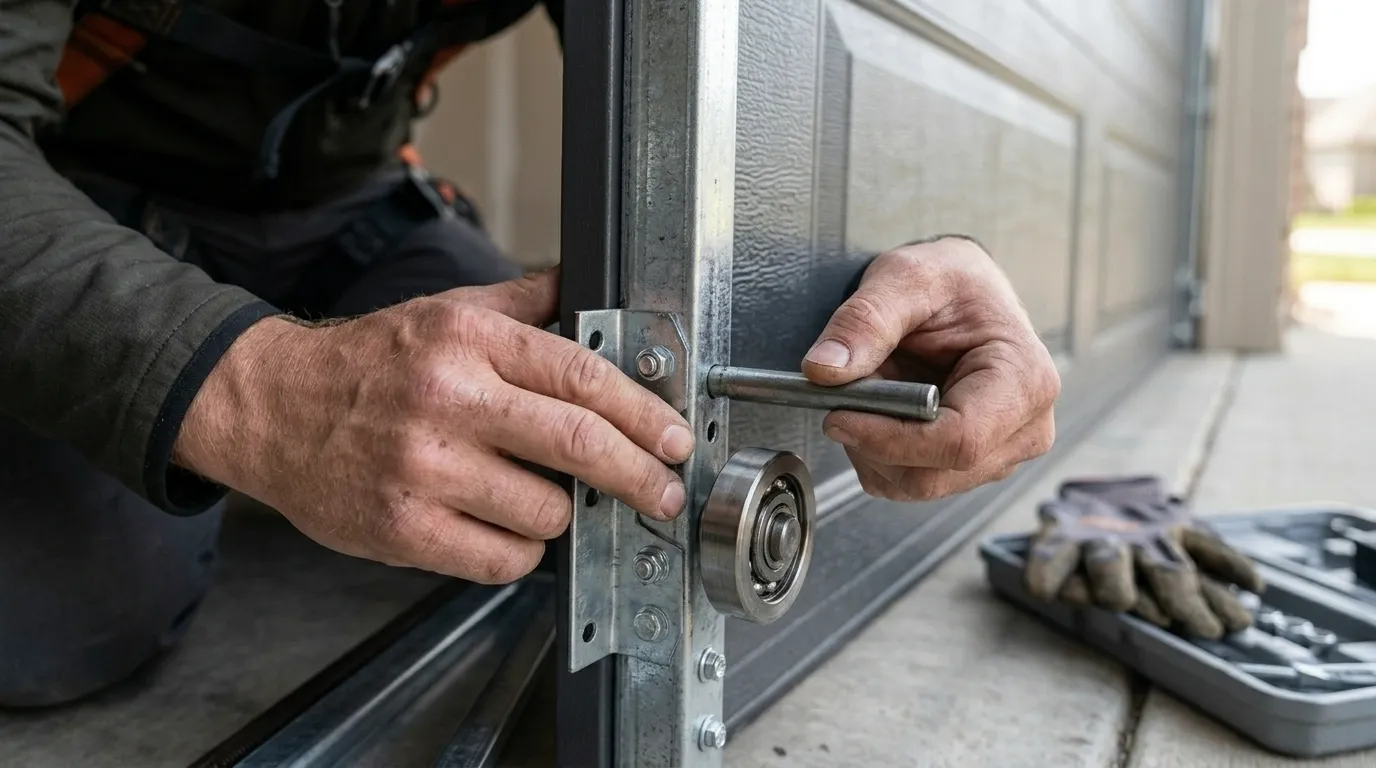
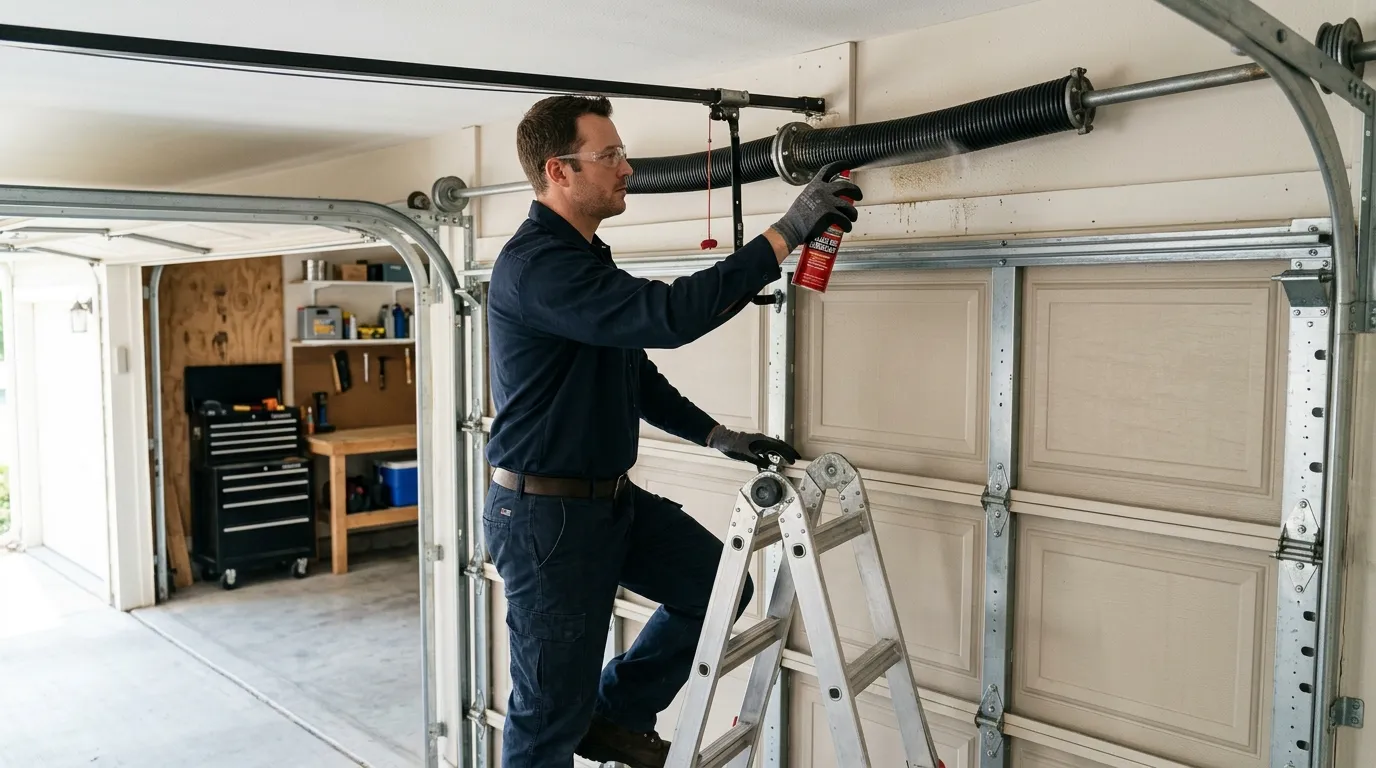
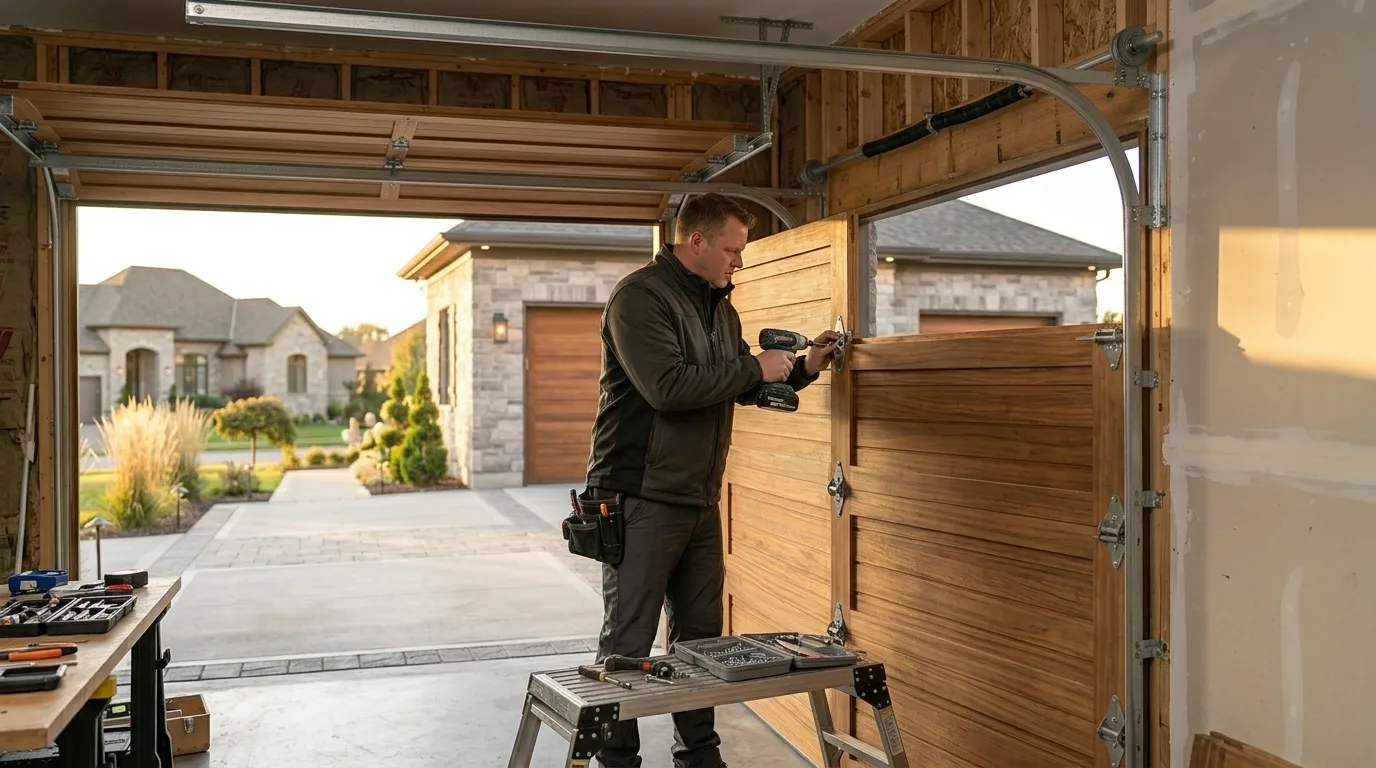
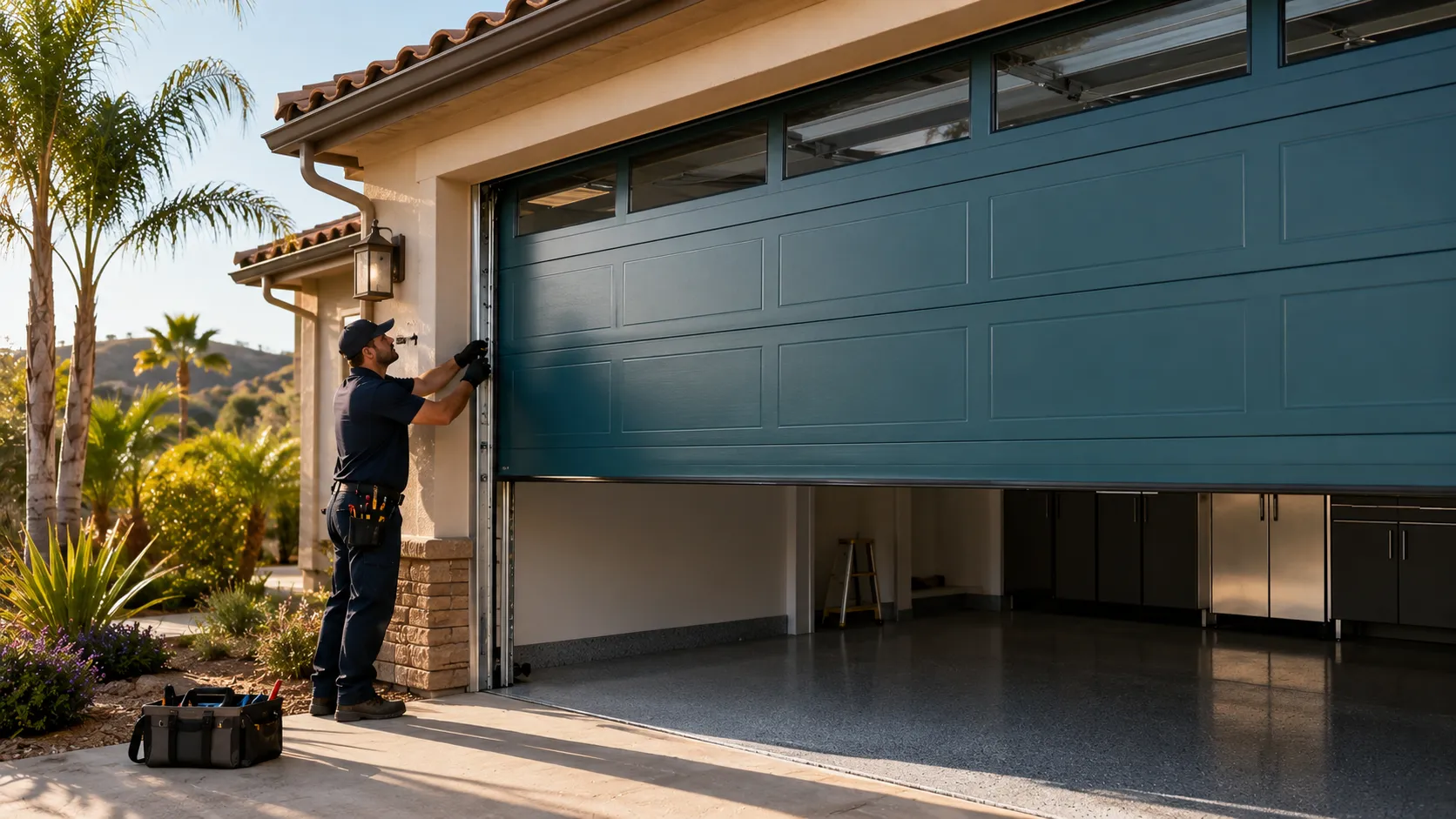
Most calls we get from Schiller Park are about torsion springs giving out or openers that have quit lifting the door all the way. That tracks with the housing stock: a lot of these homes went up around 1963, which puts the original garage door hardware at or past the point where springs are on their second or third cycle of wear. We also hear from folks whose rollers have gone loose and noisy, which is common on doors that have never been serviced since the house was built. Schiller Park sits about 8 miles from our shop in Lincolnwood, so when we get a call from this area we're already thinking about what kind of door and track setup we're likely to find before the truck even leaves. A smaller number of calls are about dented panels, usually from a car bumper or a wind-caught door, rather than full system failures. We don't get many calls about smart openers or insulated doors here yet, which lines up with a neighborhood where a lot of the original equipment is still in place. If your opener is original to a house from the early 1960s, it's worth asking about it before it strands your car in the garage.
What the Housing Means for Your Door
A house built around 1963 usually came with a single-panel or early sectional door on a torsion spring mounted on a header board above the opening, not the side-mounted setups you see in newer construction. Those torsion springs weren't built for 60 years of cycles, and a lot of the ones still running in Schiller Park are well past their rated life. The tracks on these doors also tend to run narrower than what's standard today, which matters if you're replacing a door and not just fixing hardware - a modern door on an old track gap can bind or come off the rollers. With 4,240 households in this area and a median income of $67,473, we see a real mix of folks who want a straight repair to keep the original door running and folks who are ready to replace an aging system outright rather than keep patching it. Either way, the age of the stock here means we're rarely dealing with warranty parts or recent-model troubleshooting - it's older gear, and that changes what tools and springs we bring on the call.
The Houses Here
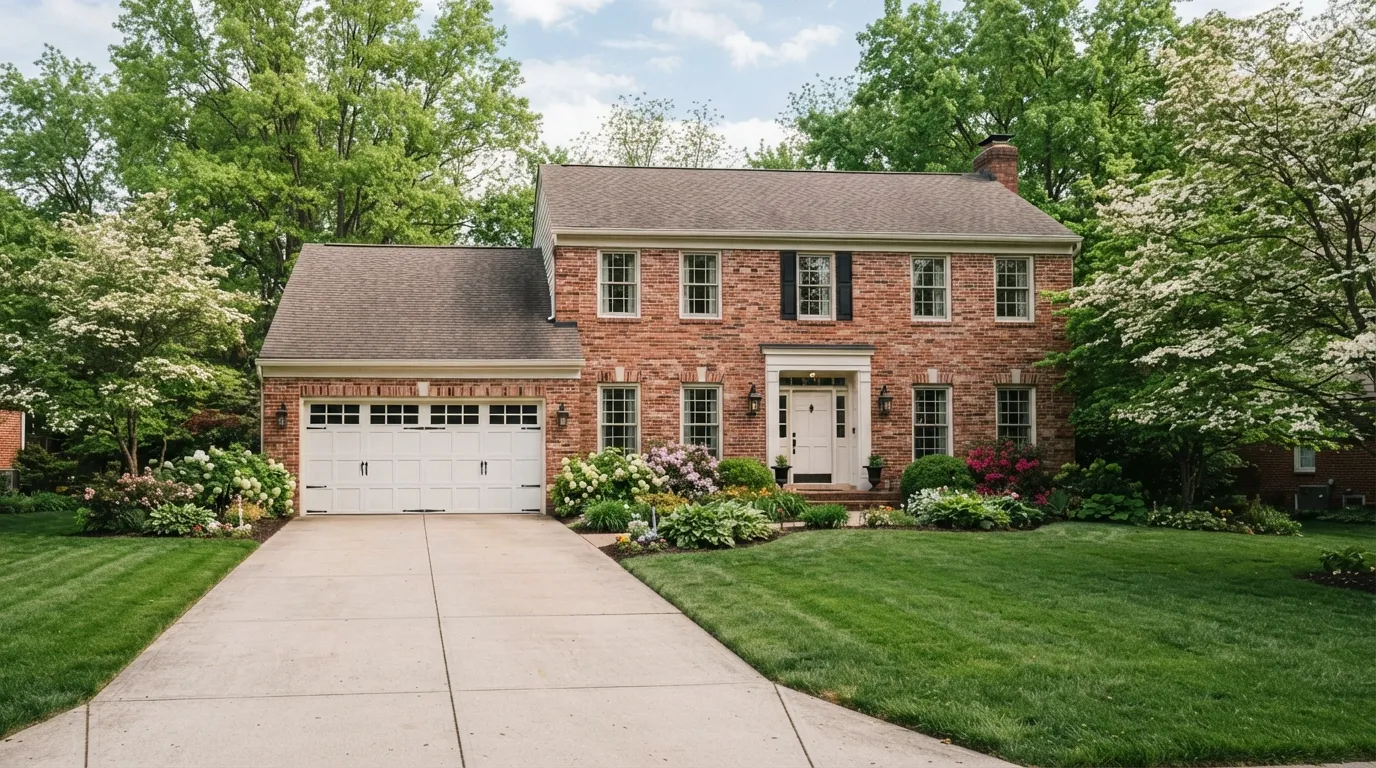
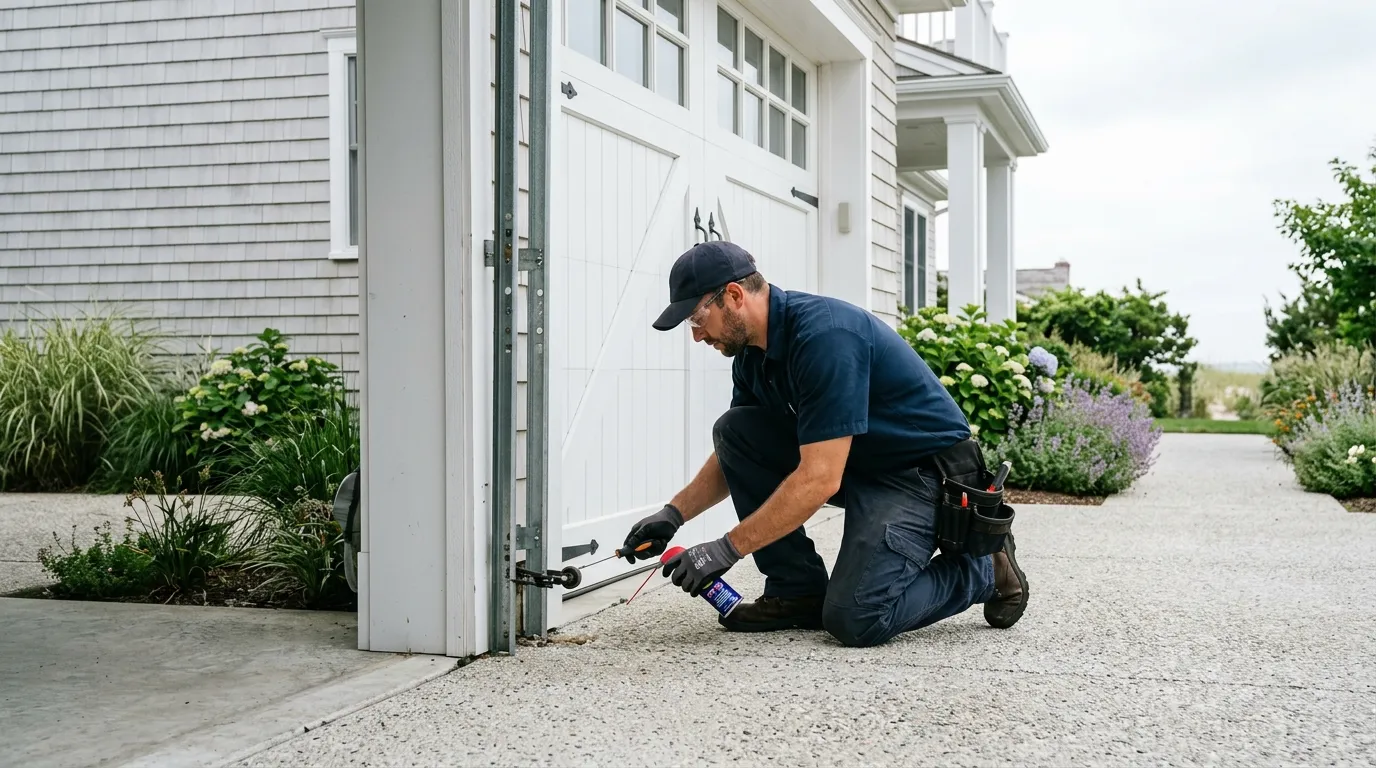
Schiller Park's homes generally date to around 1963, which sits close to the middle of the broader service area's 1938-to-1994 build range but reflects a fairly tight construction period for this particular neighborhood - most houses went up within a few years of each other. That means a lot of these garages share the same era of door, spring, and opener technology, and when one house on a block needs a spring replaced, the neighbors often aren't far behind. The area has around 4,240 households, and a median income of $67,473 that runs below the wider service area's $99,861 - something we keep in mind when we talk through repair versus replacement, since a solid repair on an aging door often makes more financial sense here than a full teardown. Winters in this region fall in the cold moderate band, which is hard on old torsion springs and steel tracks that have gone years without lubrication or adjustment. None of this is unique to any one street - it's a function of when the neighborhood was built, and it shows up consistently in the calls we get from this area.