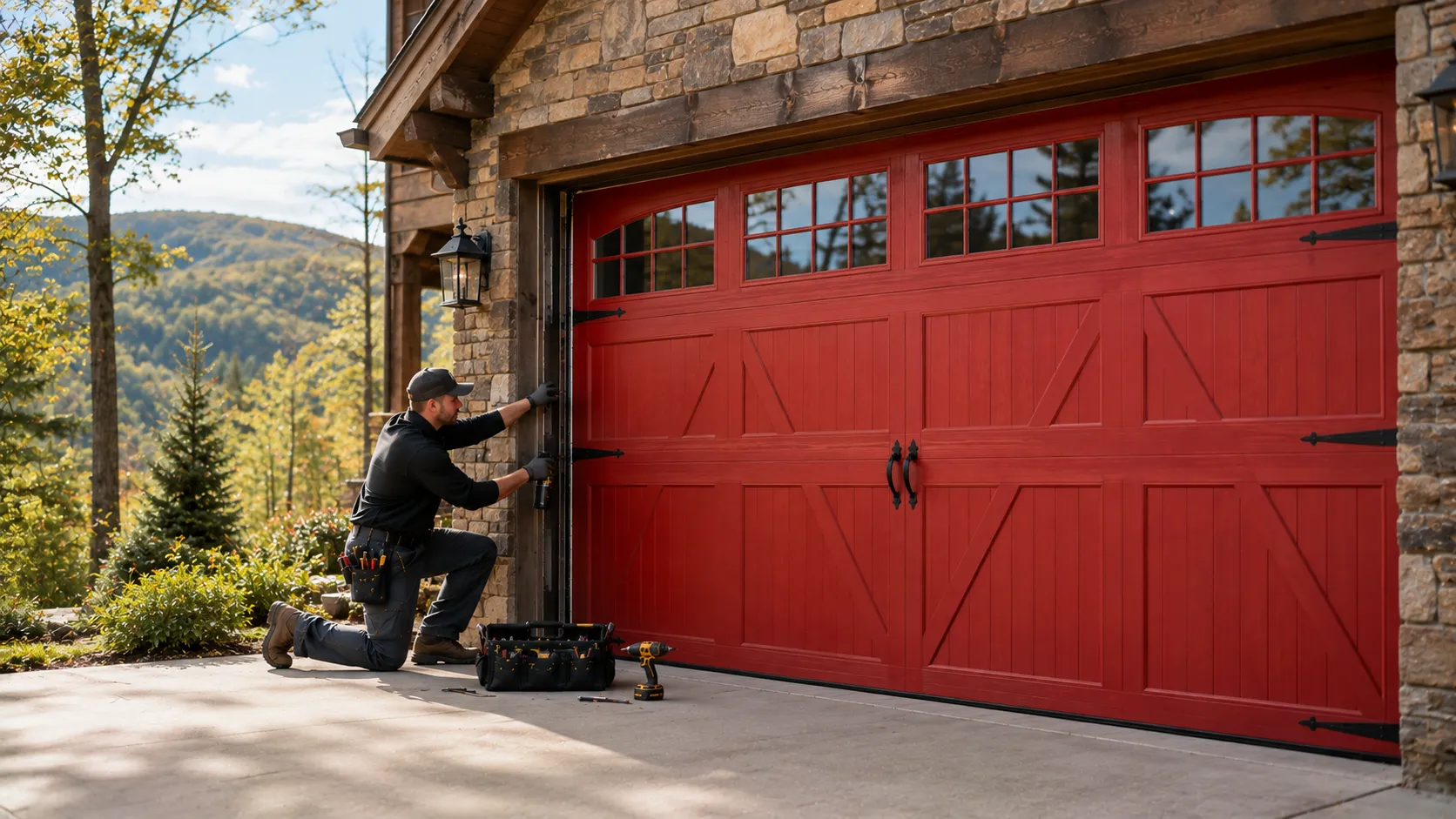
What People Here Ring About
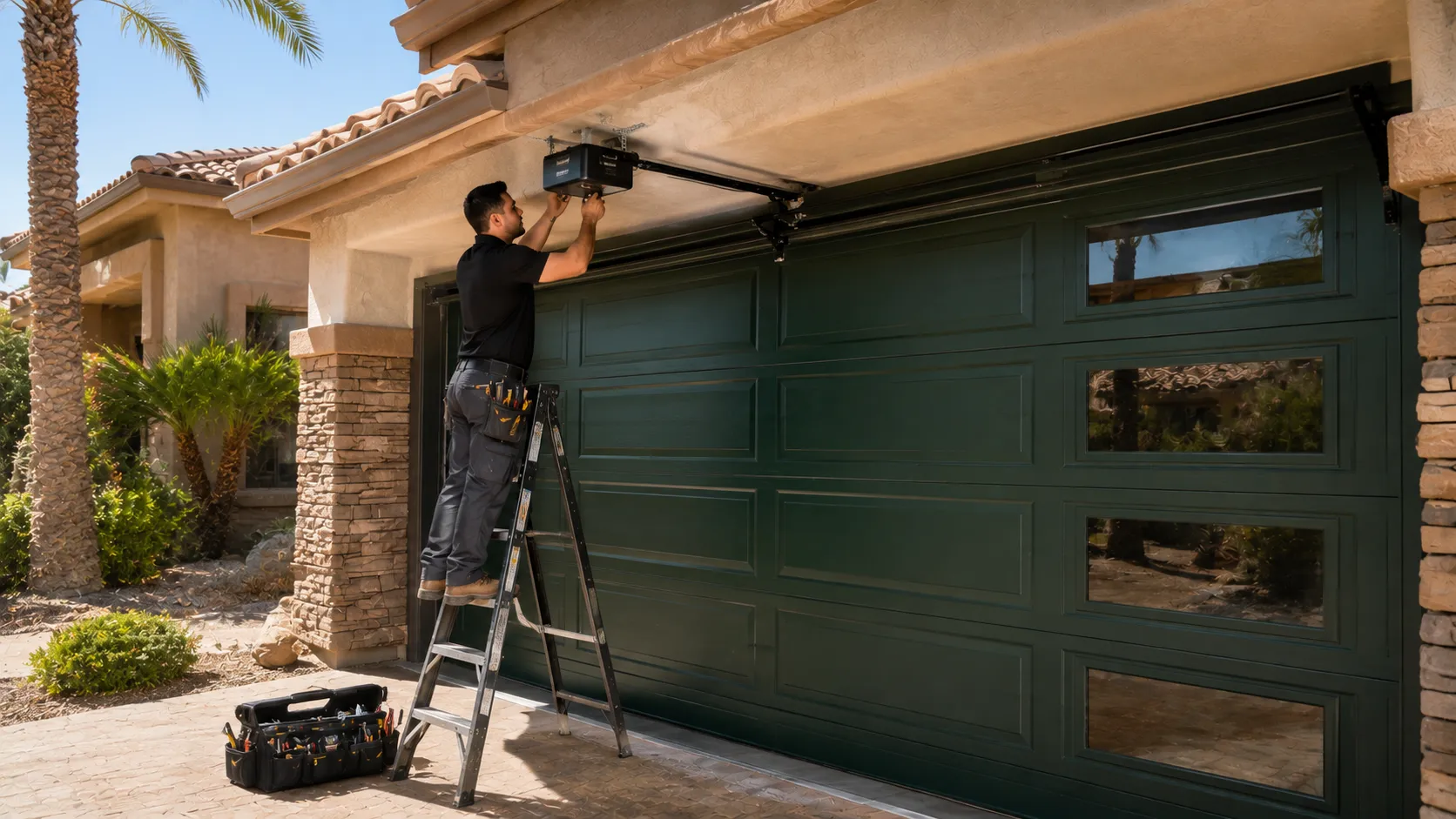
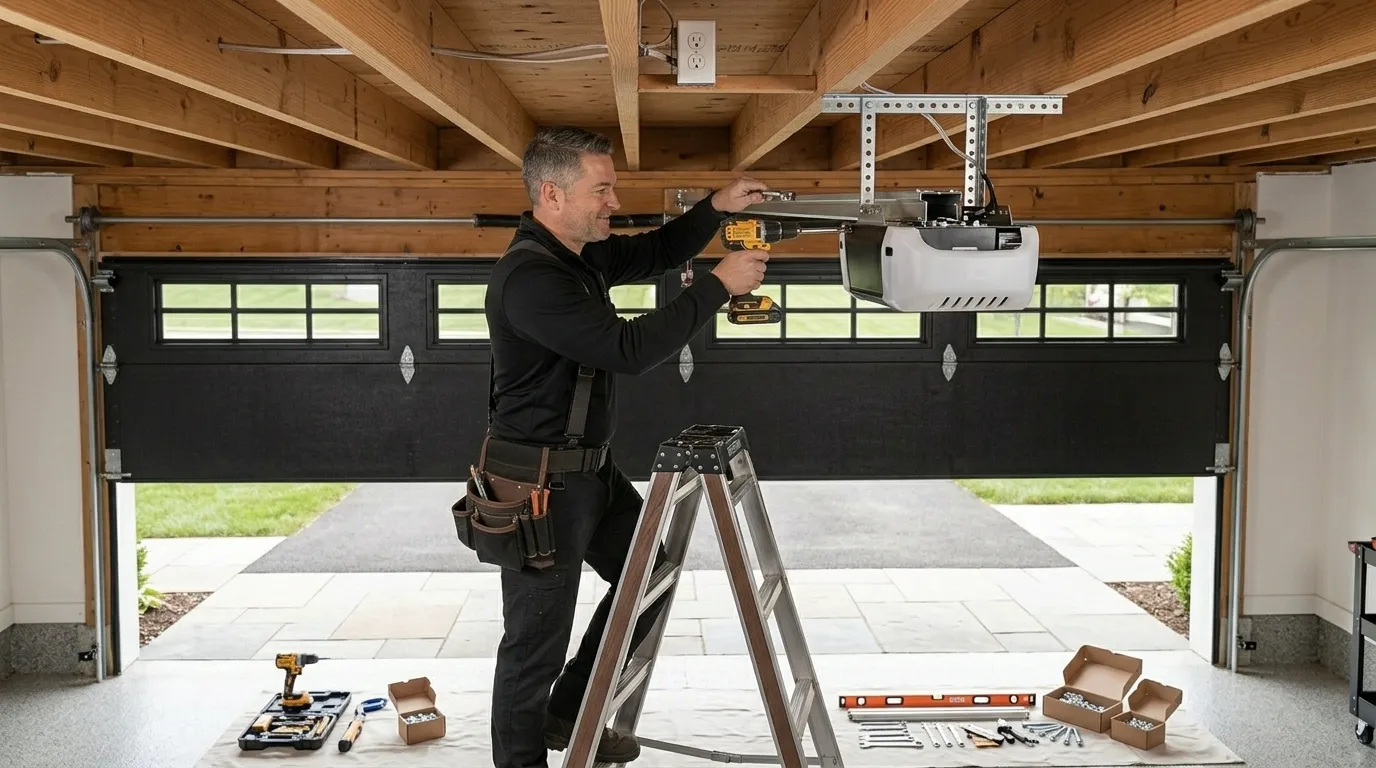
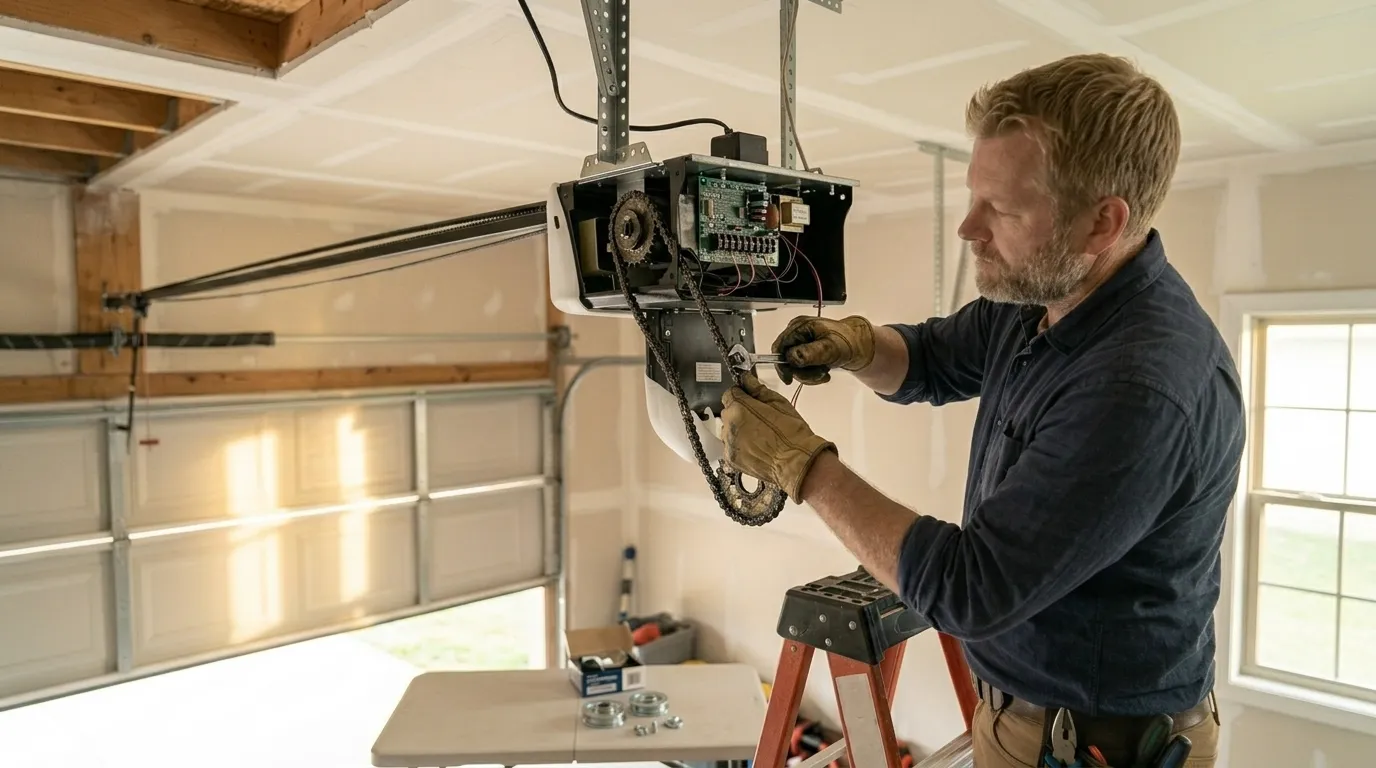
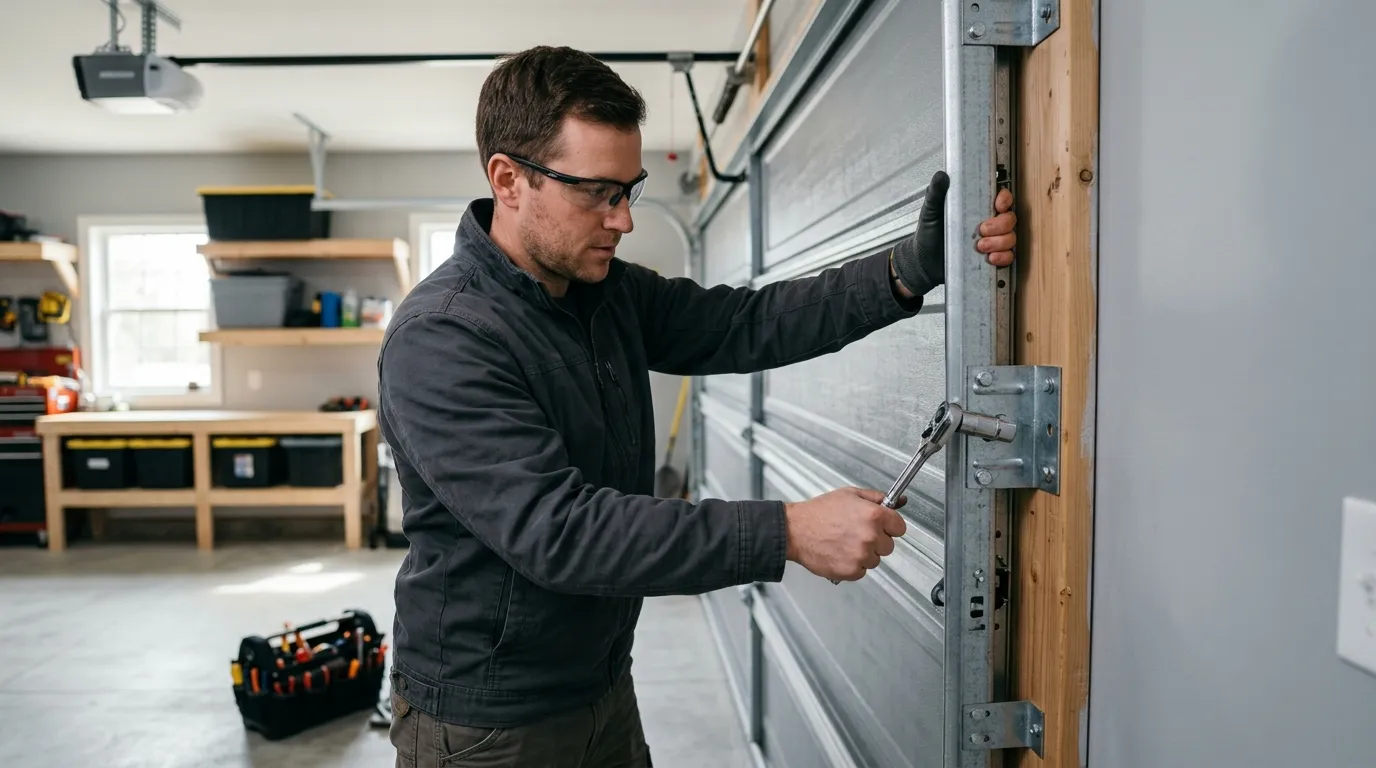
Riverwoods homes mostly went up around 1984, a good two decades after the median house across our wider coverage area, which sits closer to 1961. That later build date means most calls we get from this area are about openers, not the old spring hardware you find on 1960s stock elsewhere. Chain-drive openers from the 1980s and 90s are near the end of their service life by now, and the logic boards on units that age fail in ways that look like a dead opener but are actually a burnt circuit or a stripped drive gear.
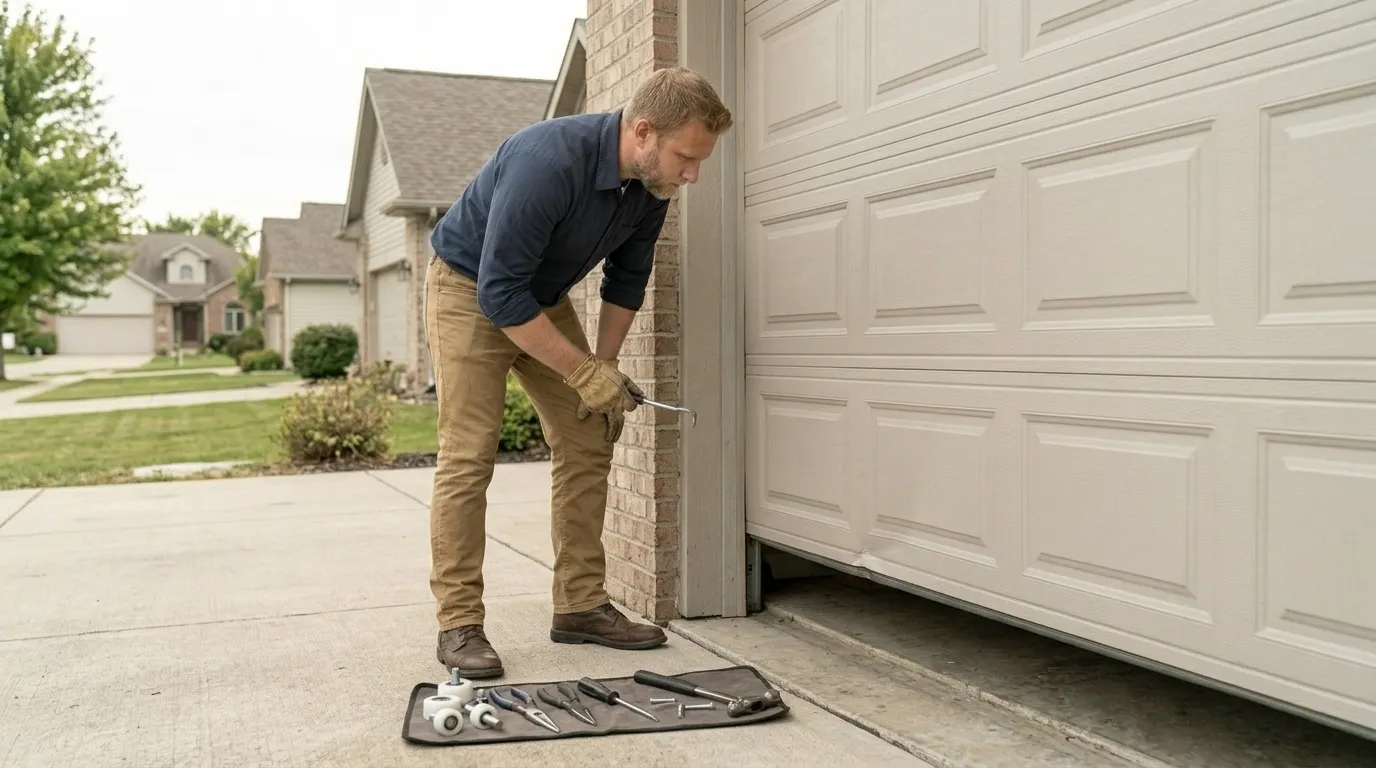
We also hear from owners dealing with rollers that have gone loose in their tracks after thirty-plus years of use, and from people whose remote no longer syncs because the receiver has degraded. None of this is exotic. It's just what happens to a door system that's been running quietly since Reagan was in office and nobody thought to service it.
With a median household income around $243,036 in this area, we also get more calls asking about insulated doors and quieter belt-drive openers as upgrades rather than emergency fixes - people replacing gear before it strands them, not after.
What the Housing Means for Your Door
A house built in 1984 was very likely fitted with a steel sectional door on a standard torsion or extension spring setup, and a garage door opener that's original or close to it. That's different from the one-piece doors and side-mounted hardware common on the older housing stock closer to Lincolnwood. If your door and opener are original to a 1984 build, they are old enough that parts for the exact opener model may no longer be manufactured, and we're working with compatible replacements rather than exact matches.
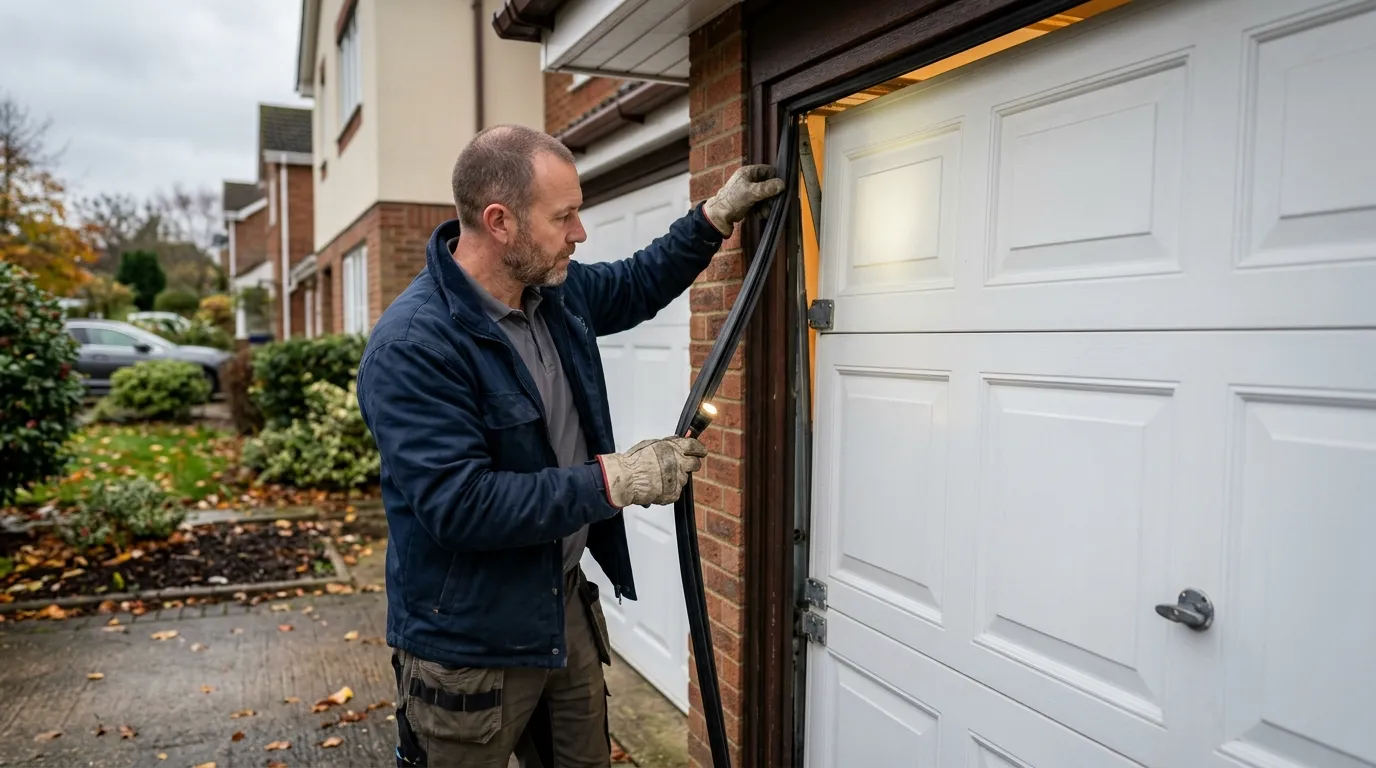
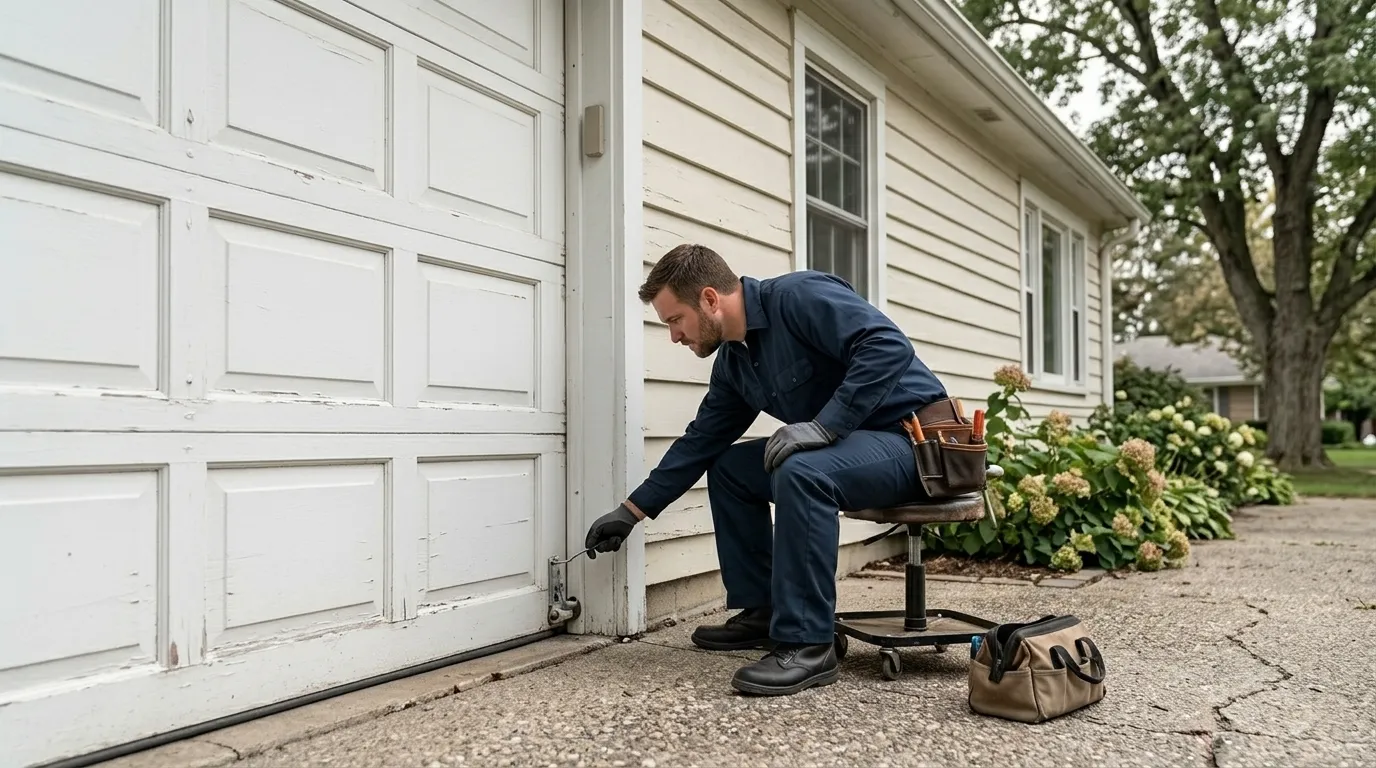
Our wider service area sits in a cold, moderate climate band, and doors from this era weren't always built with the same weatherstripping and insulation standards you'd get today. If your door still has its original bottom seal, it's probably hard and cracked by now, which lets cold air and moisture into the garage.
Riverwoods itself has around 1,265 households, most in a similar age range, so the failures we see repeat: opener gear stripped, torsion spring near its cycle-life limit, and steel panels showing rust at the bottom corners where the old seal let water sit against the metal for years.
The Houses Here
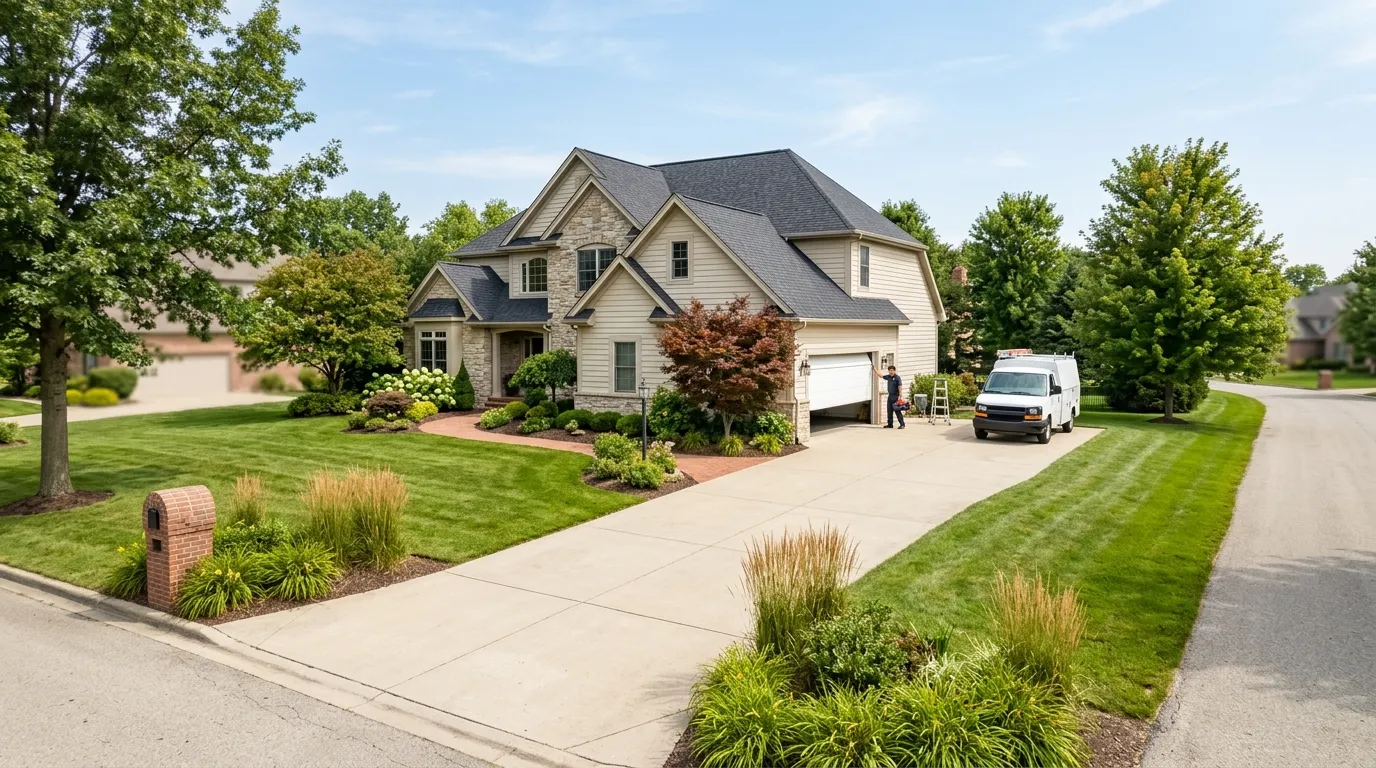
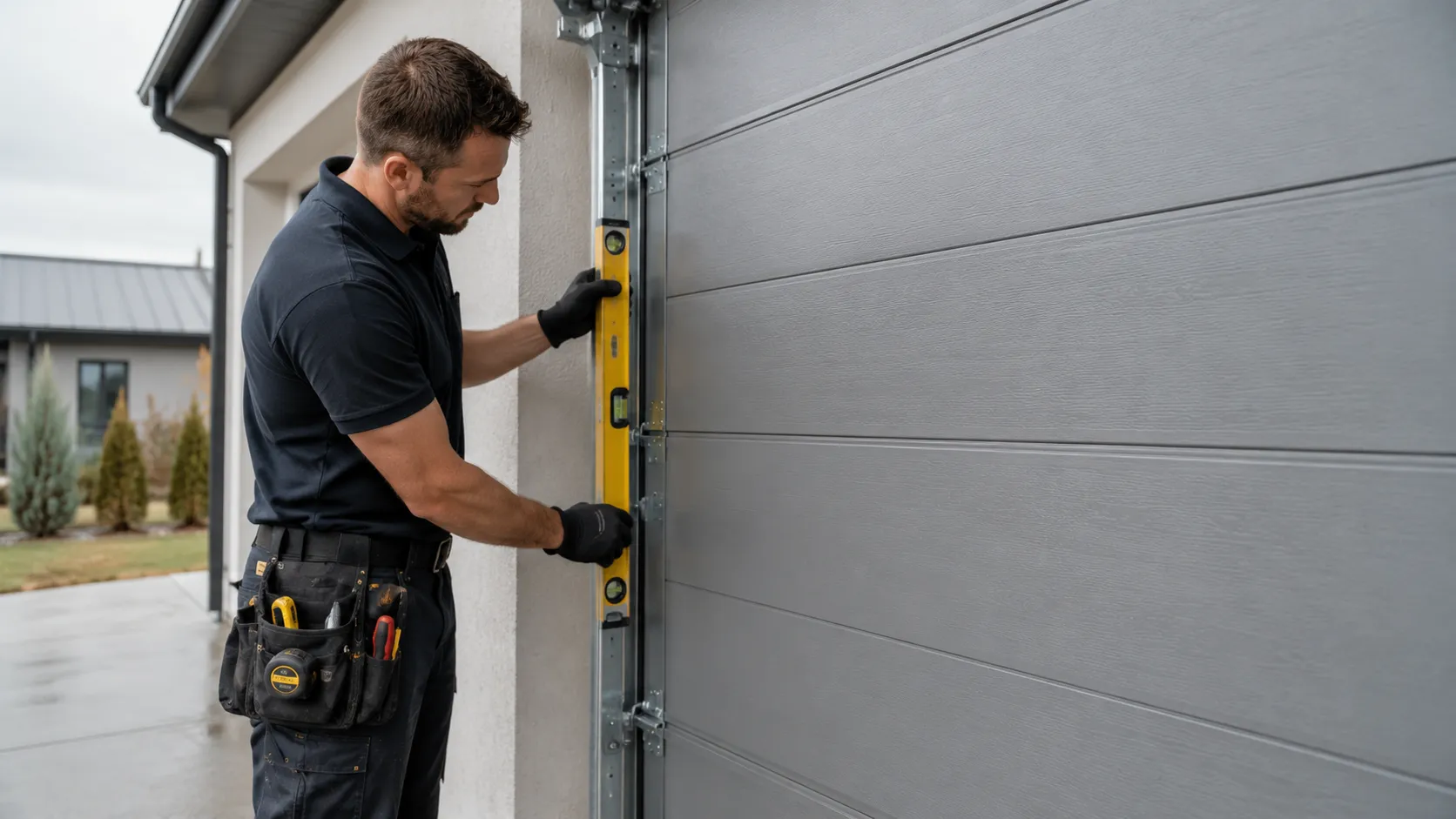
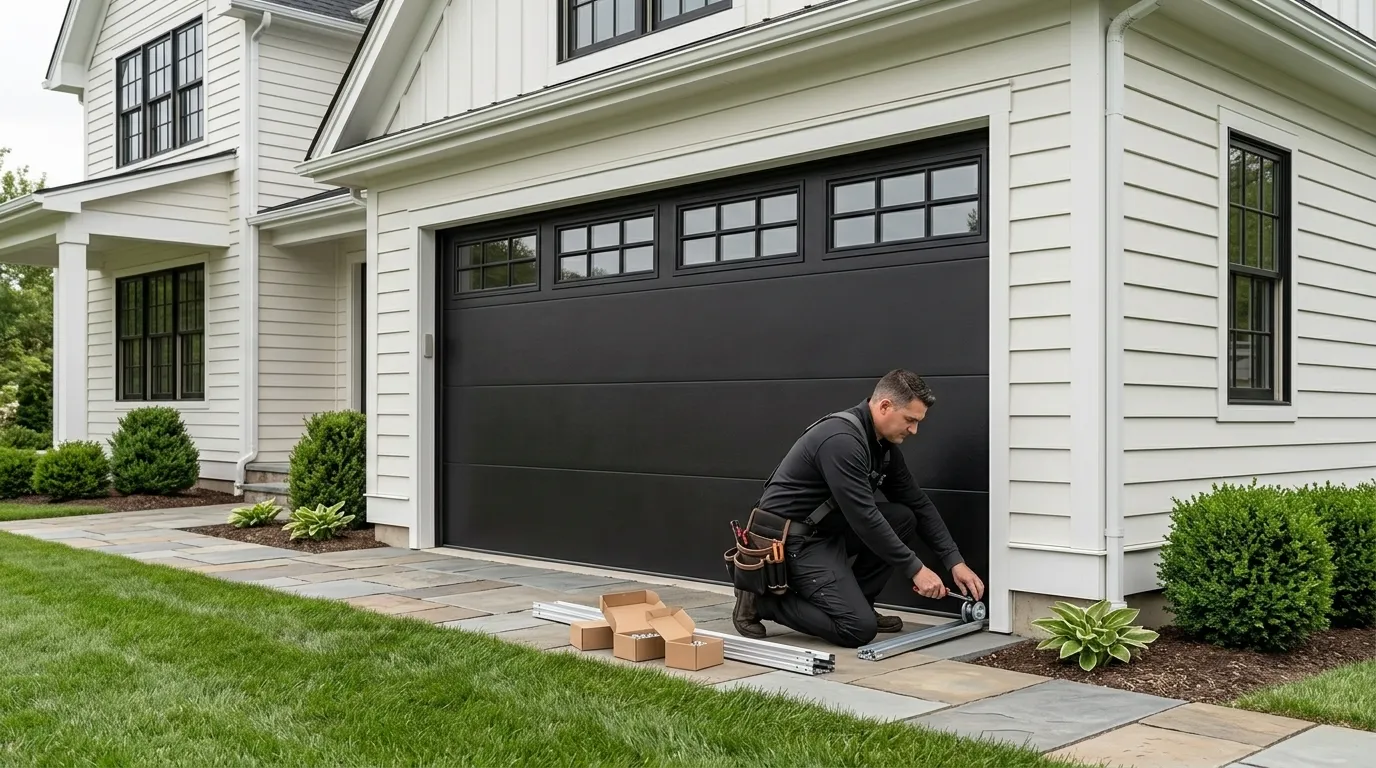
With most homes dating to the 1984 era, Riverwoods doors are typically steel sectional panels rather than the wood or one-piece doors found in older parts of our coverage area. That means panel replacement is usually possible without replacing the whole door, since sectional hardware from this period is more standardized than what came before it.
Opener brands common to the mid-80s through the 90s often used control boards and logic circuits that have since been superseded several times over, so when one fails, we're generally installing a new opener rather than sourcing an exact replacement board. Given the median income and household profile in this area, we also see more requests for quieter, insulated upgrades than for bare minimum fixes.
Across the 40 named communities we cover, including areas much older than Riverwoods, this later build era is one of the more straightforward age brackets to work in: newer wiring, standard door widths, and hardware that isn't yet so old it's obsolete, just old enough to be due.