What People Here Ring About
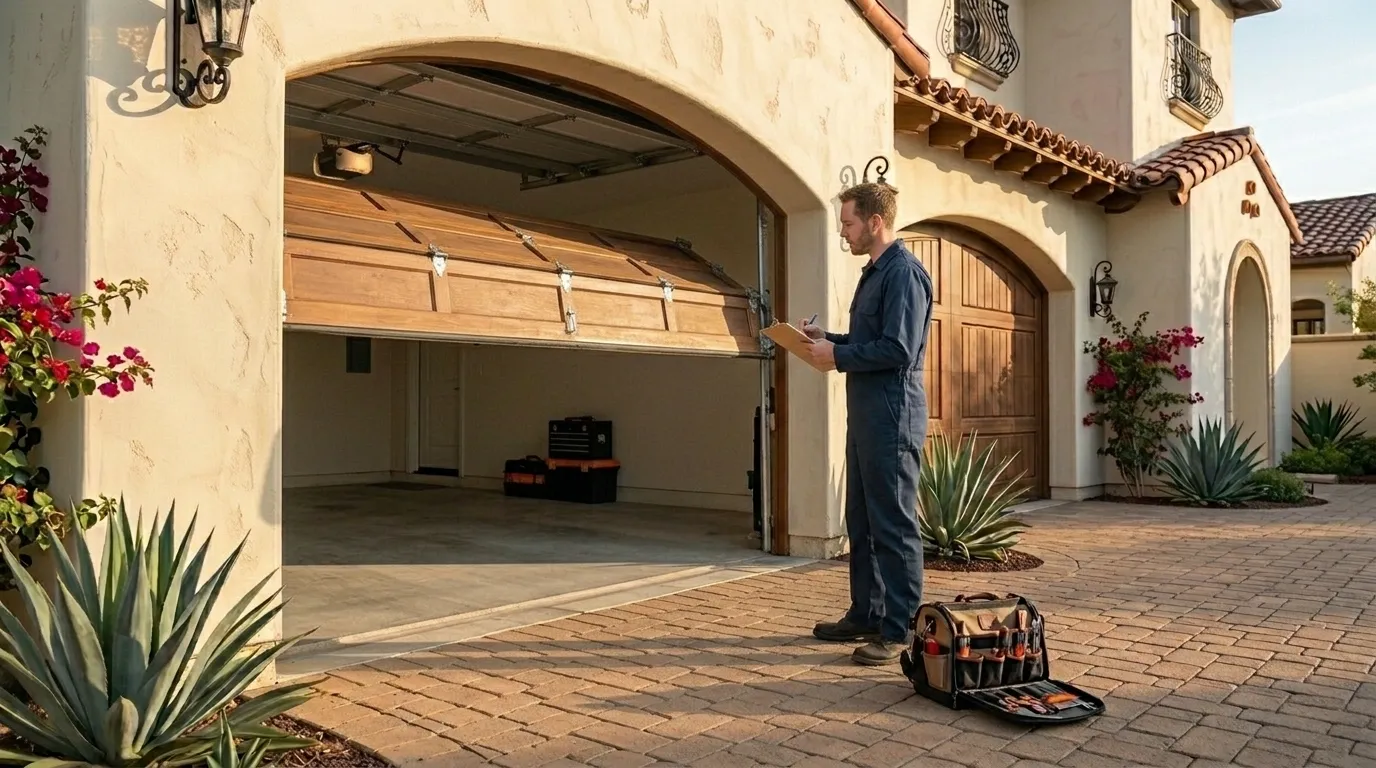
Riverside sits about 13 miles from our Lincolnwood shop, and the calls we get from this side of the service area skew older than most. The median year built here is 1938, well ahead of the 1961 median across the wider area we cover. That means when someone in Riverside calls, it's often about a door or track that's original to a house built before the war, not a builder-grade unit from the 1970s.
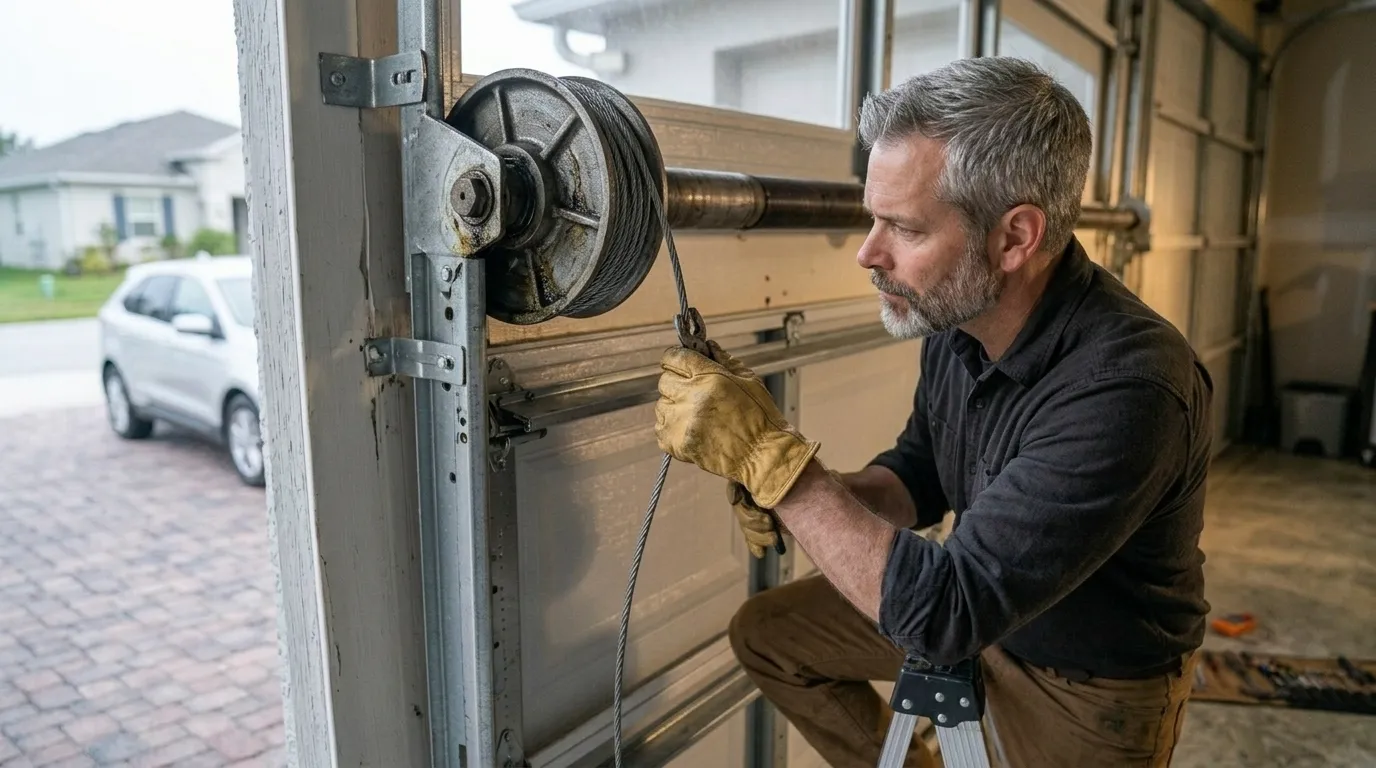
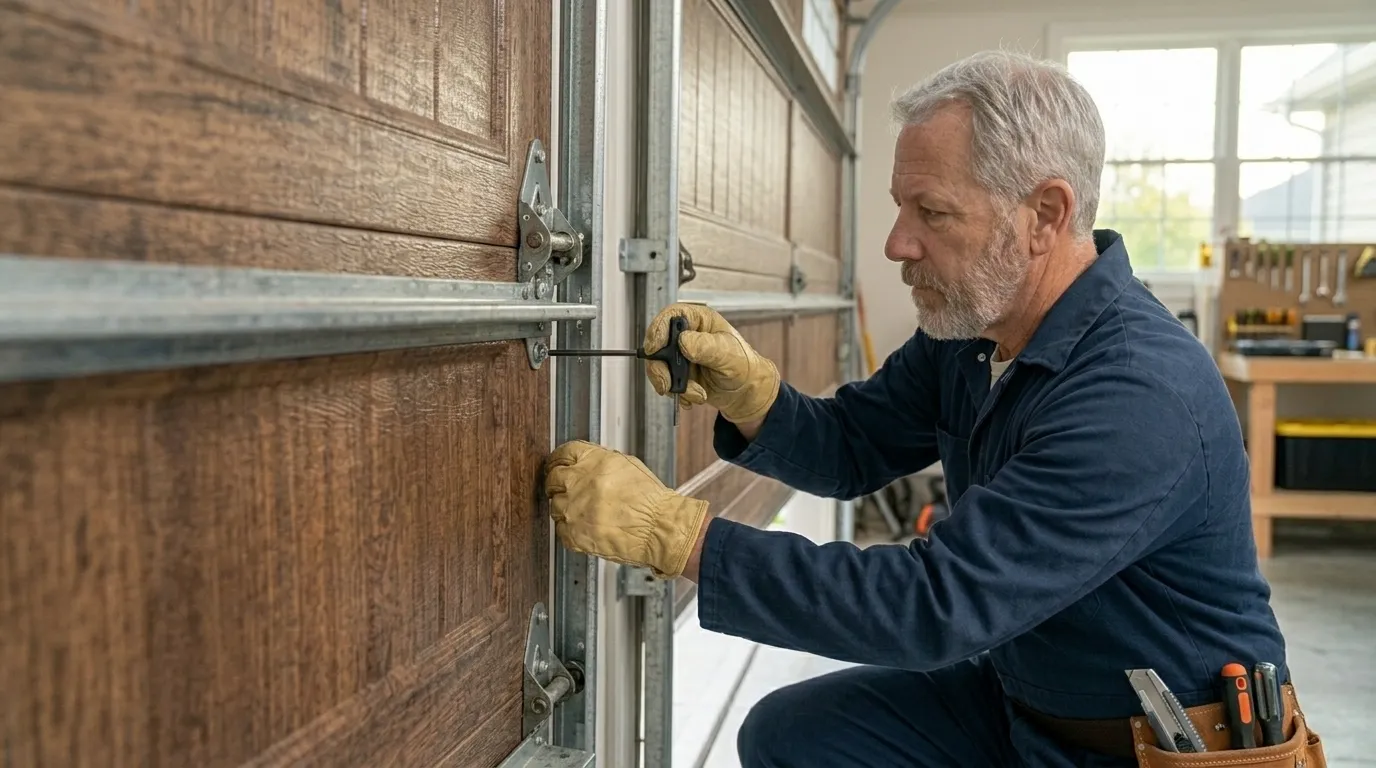
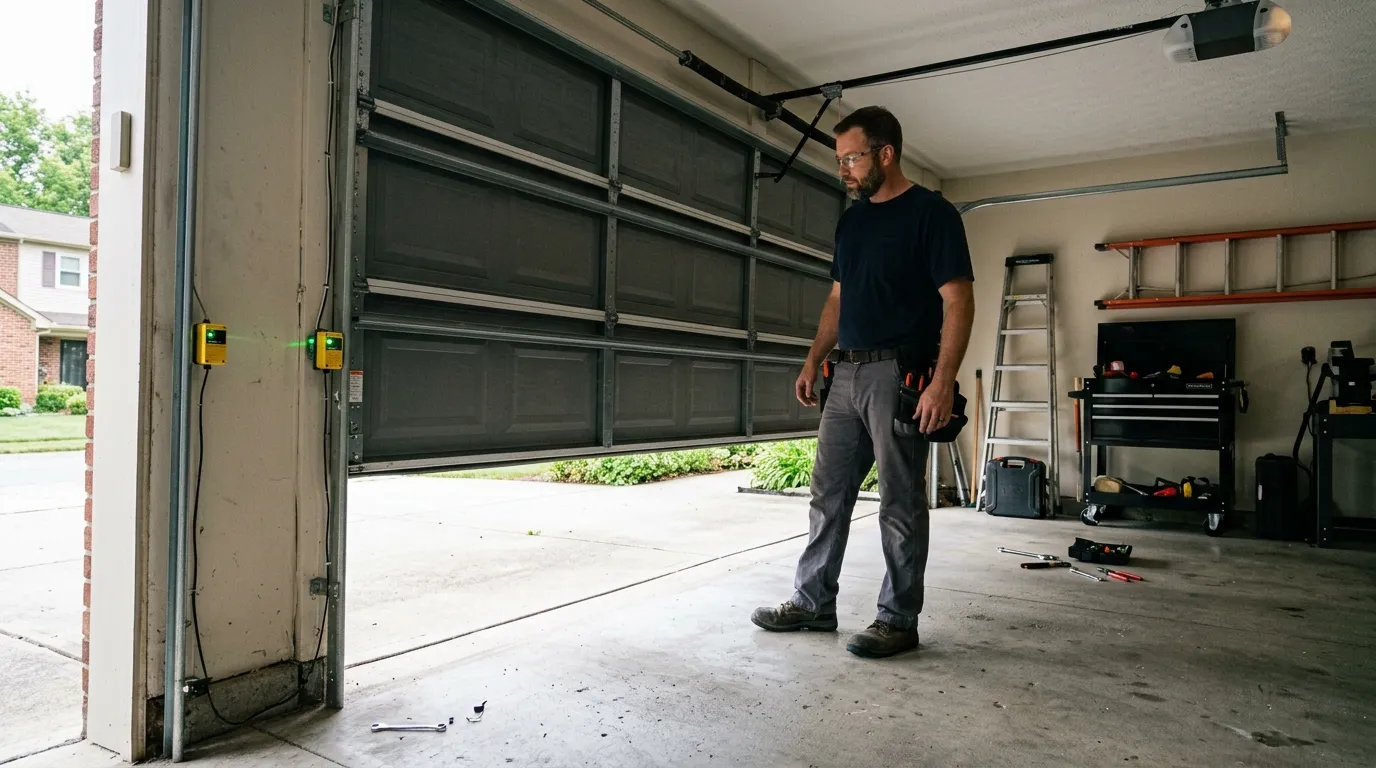
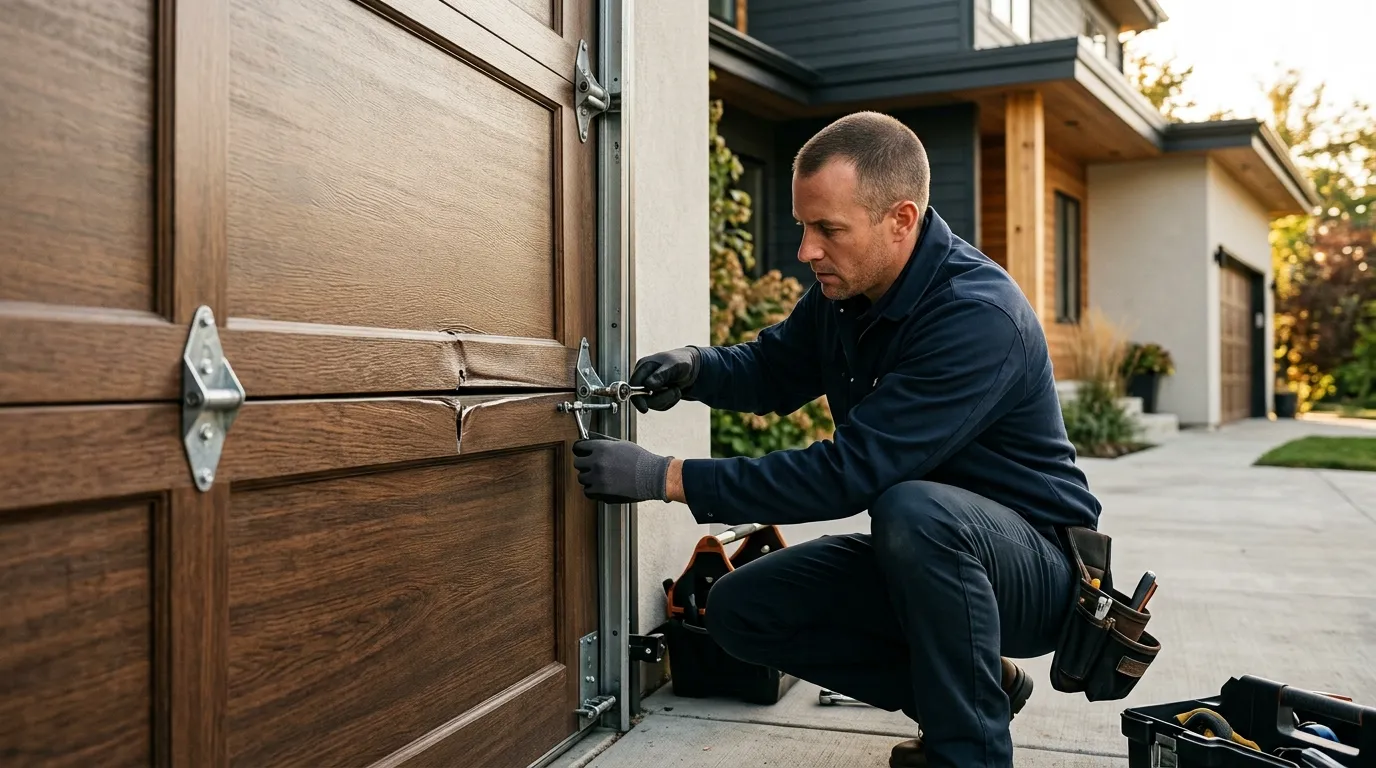
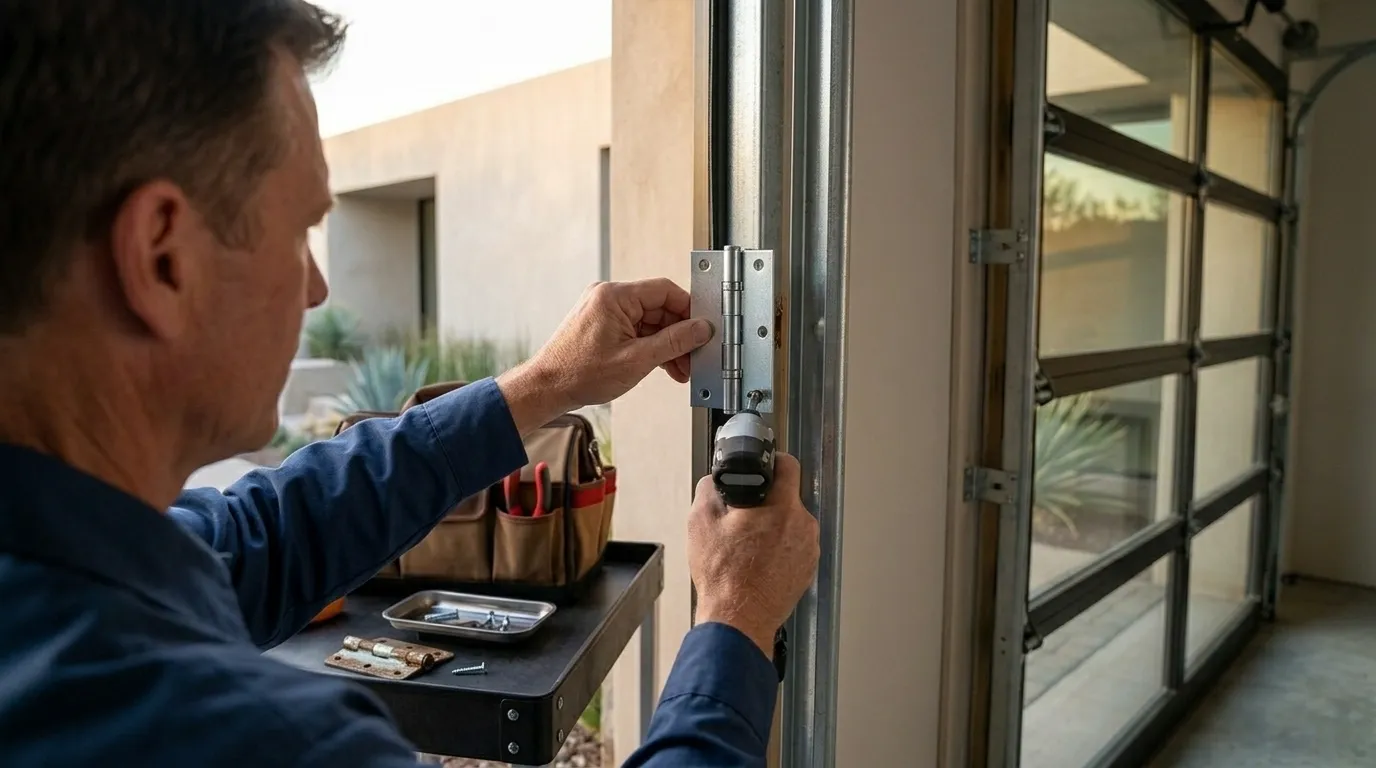
The most common calls: a torsion spring that's finally given out after decades of use, a wood or early steel door binding in an opening that's shifted with the house, and rollers or hinges worn past the point of a quick fix. We also hear from folks whose openers are newer than the door itself - someone added power to an old door years back, and now the mismatch between old hardware and a newer motor is causing grief.
We don't have a local response-time figure to quote you, and we're not going to make one up. What we can tell you is that we come out from Lincolnwood, and we bring hardware sized for older openings, not just the standard stock sizes that fit most 1960s and 70s garages.
What the Housing Means for Your Door
A house built in 1938 was not built with a modern garage door opener in mind, and often not with a modern garage door in mind either. Framing on these openings tends to be narrower and less standardized than what you'll find in houses built in the 1960s and later, which is the more typical vintage across the rest of our coverage area. That earlier build era usually means a smaller, non-standard rough opening, older jamb material, and in some cases hardware that was upgraded piecemeal over the decades rather than replaced as a set.
What this means practically: a torsion spring or cable that looks like a standard size on the shelf may not be the right fit once we're actually looking at the track and drum on an opening this old. Panel replacement is also trickier - matching a single damaged panel on an older door is often not possible, because those exact panel dimensions haven't been made in decades.
Riverside's median household income of $149,219 also tells us something about what homeowners here tend to choose when a door needs real work: more often it's full replacement with insulated steel built to modern spec, rather than patching an original door that's fighting its own age.
The Houses Here
With a median year built of 1938, Riverside's housing stock is meaningfully older than the 1961 median across the broader area we serve from Lincolnwood - and with only 3,534 households here, it's also one of the smaller, more distinct pockets in our coverage. That combination of age and scale matters: fewer houses means fewer of these older doors get touched by any one contractor, so a lot of original hardware is still out there quietly wearing out.
We cover this area as part of a broader footprint reaching households and owner-occupied houses across the region, but Riverside's own numbers - the 1938 median build year, the $149,219 median household income - point to a different kind of job than a newer subdivision. Expect us to ask more questions about the door's age and history before we quote anything, because on a house this old, guessing at hardware size wastes everyone's time. We'd rather look first.