What People Here Ring About
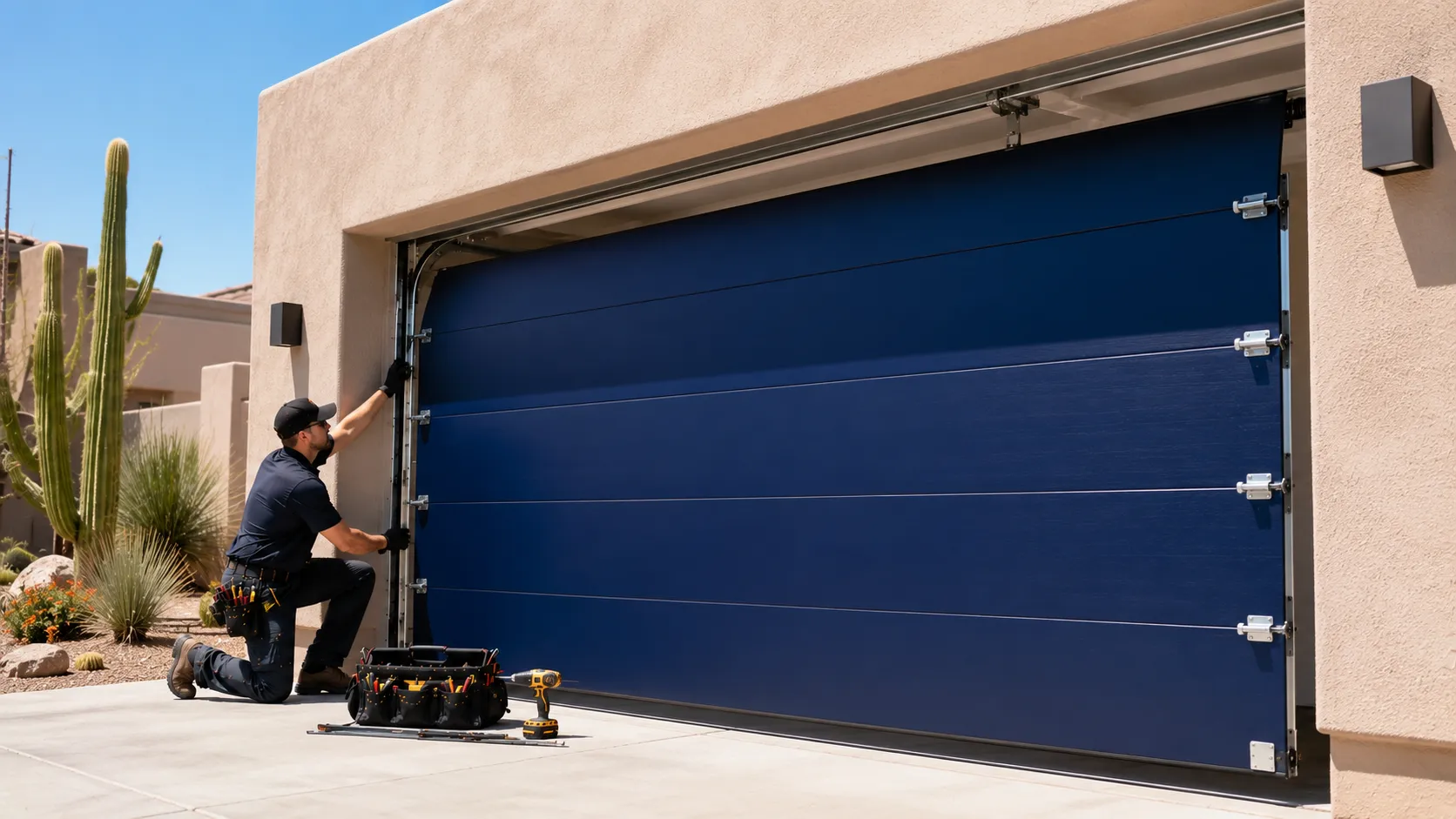
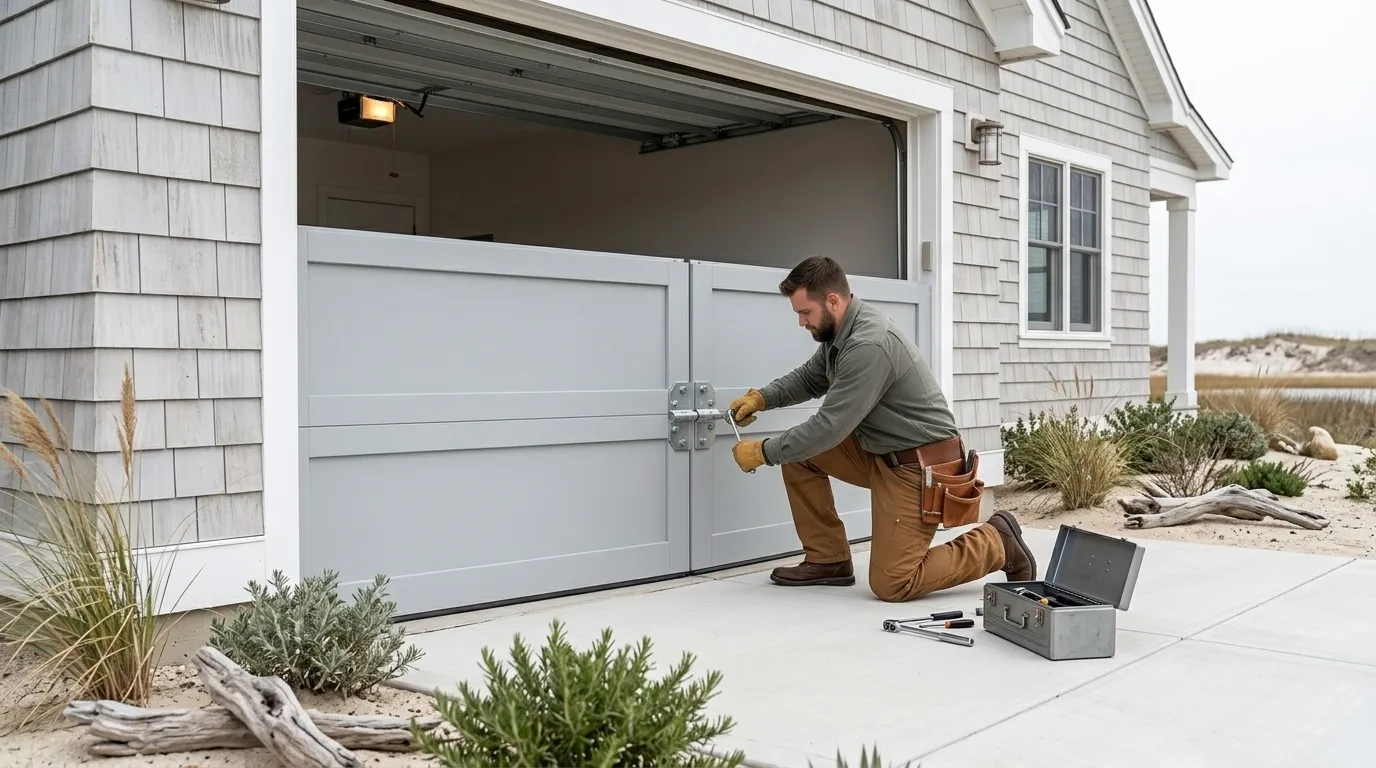
Most of the calls we get from River Grove are about the same handful of problems, and they line up with the age of the neighborhood. River Grove sits about 8 miles from our Lincolnwood base, and the houses we see out there were mostly built right around 1961 - which happens to be the median build year across our whole coverage area, so this isn't a fringe case, it's the norm here.
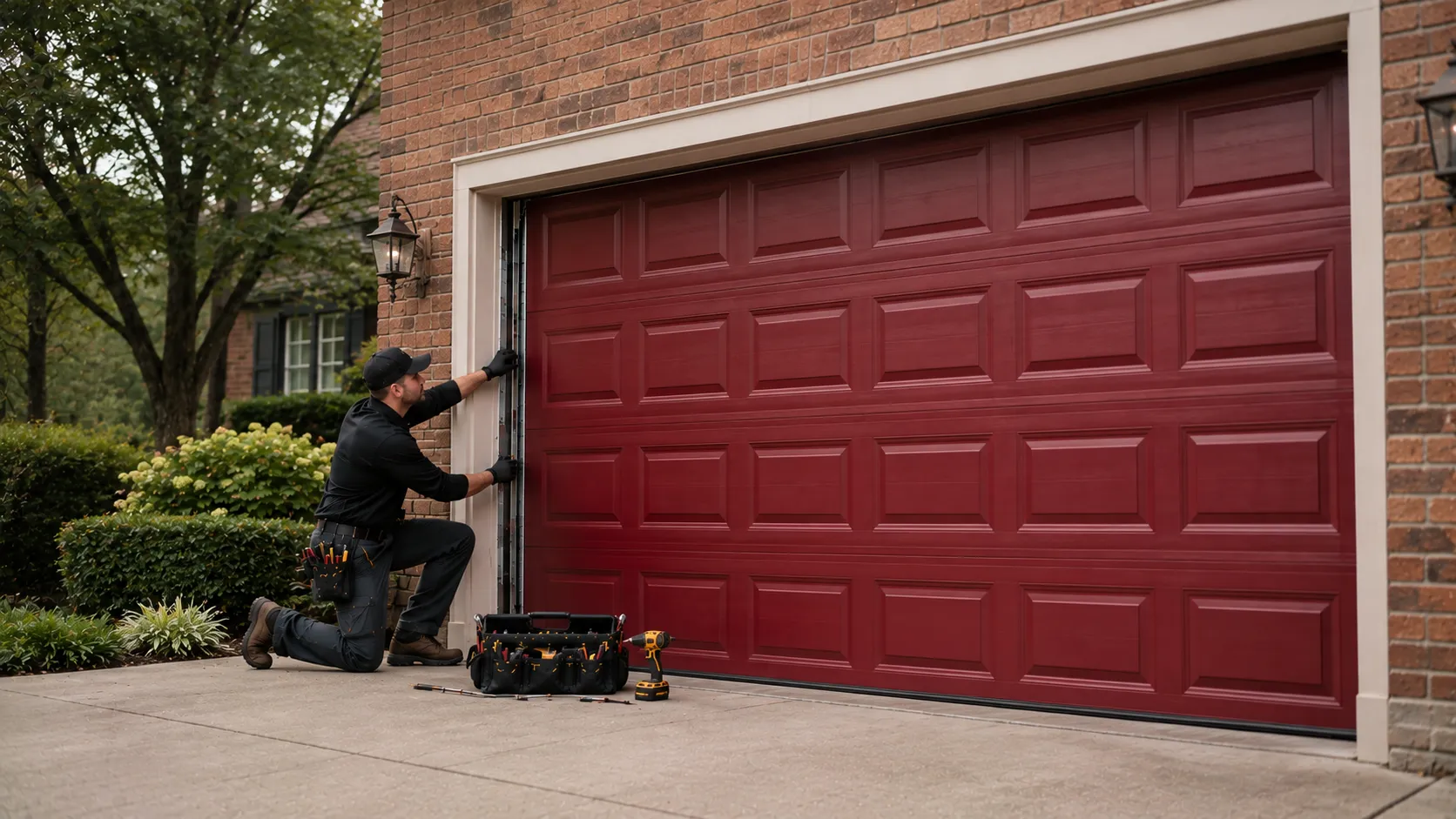
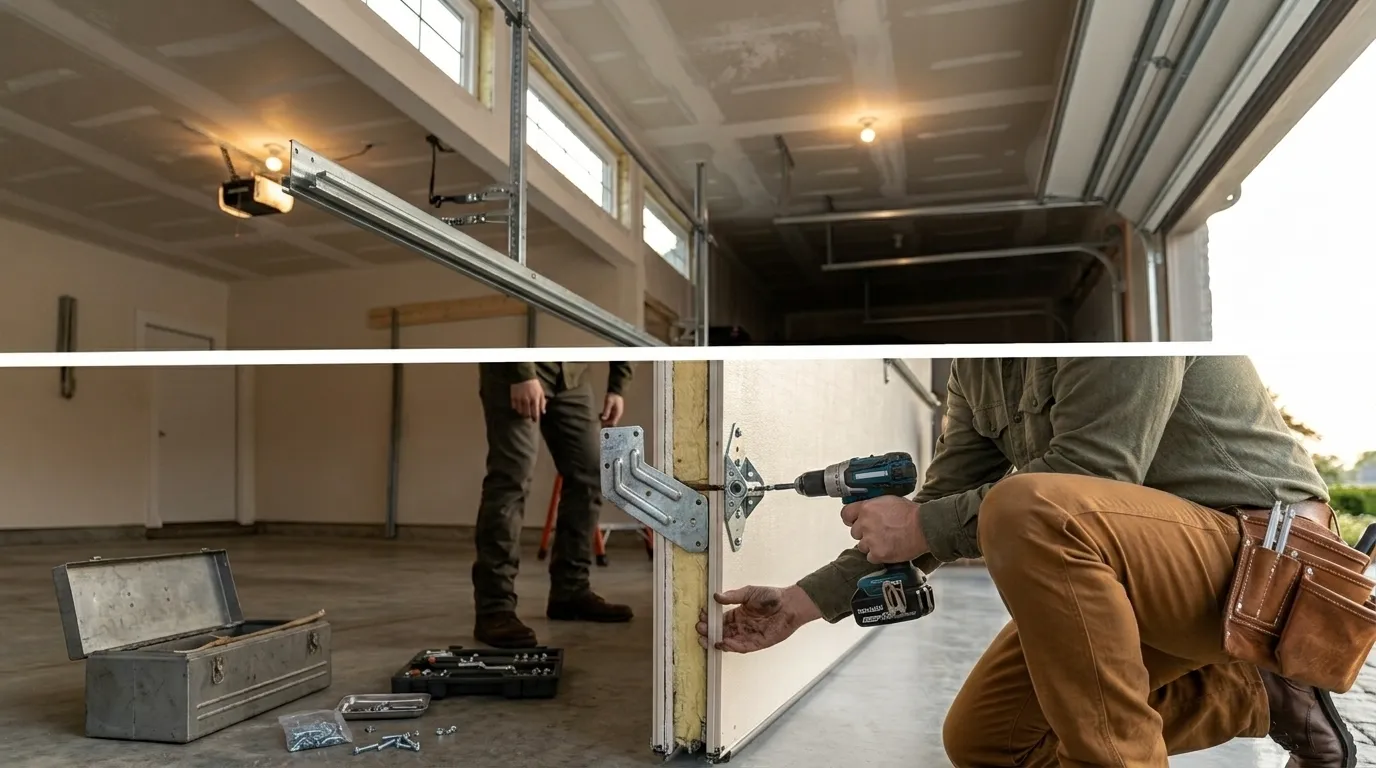
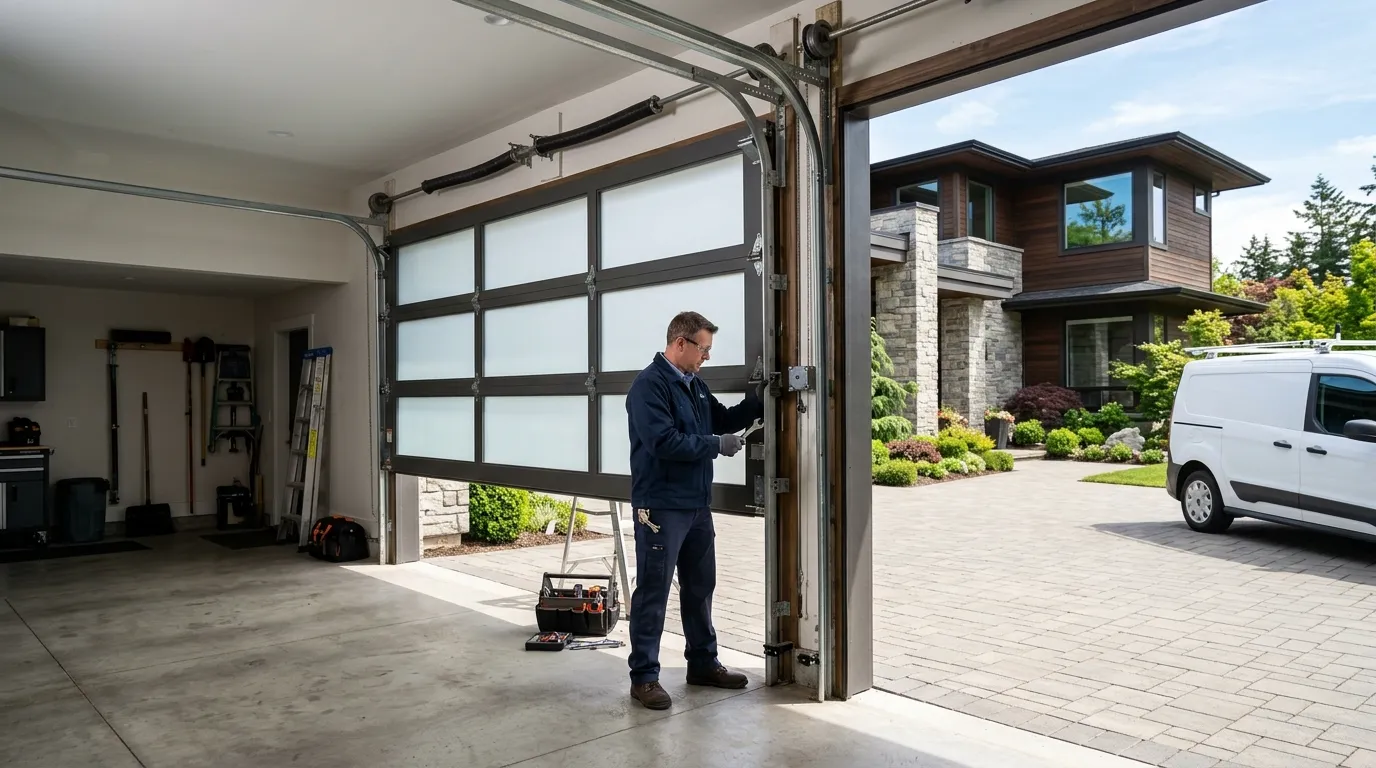
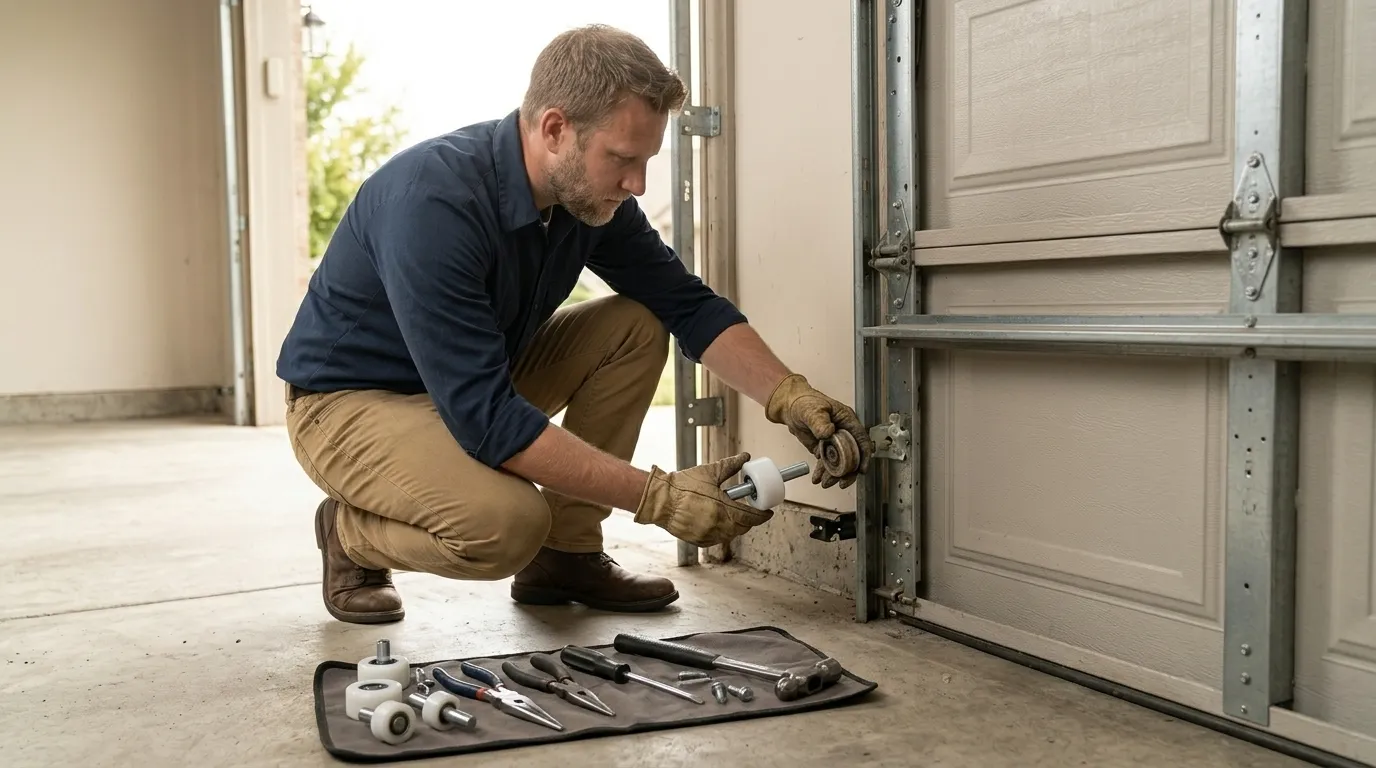
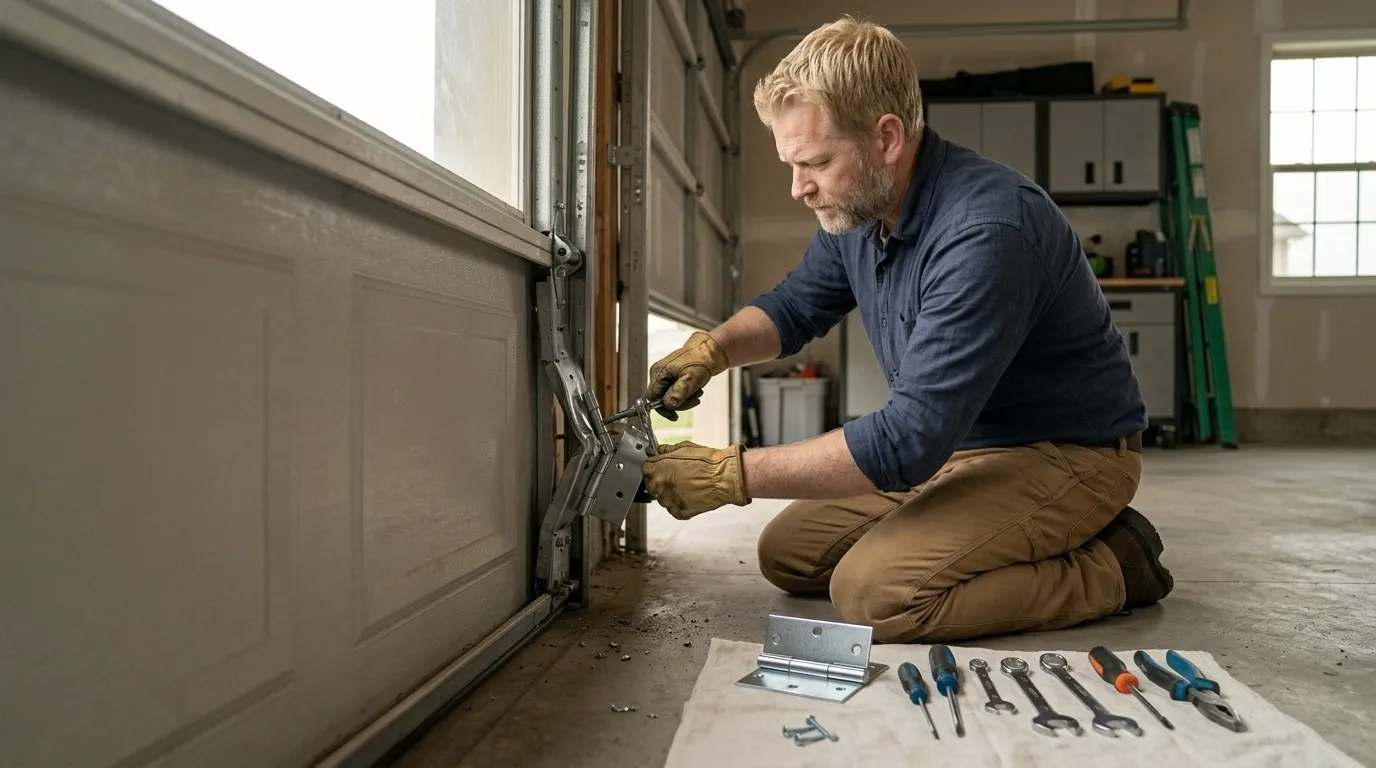
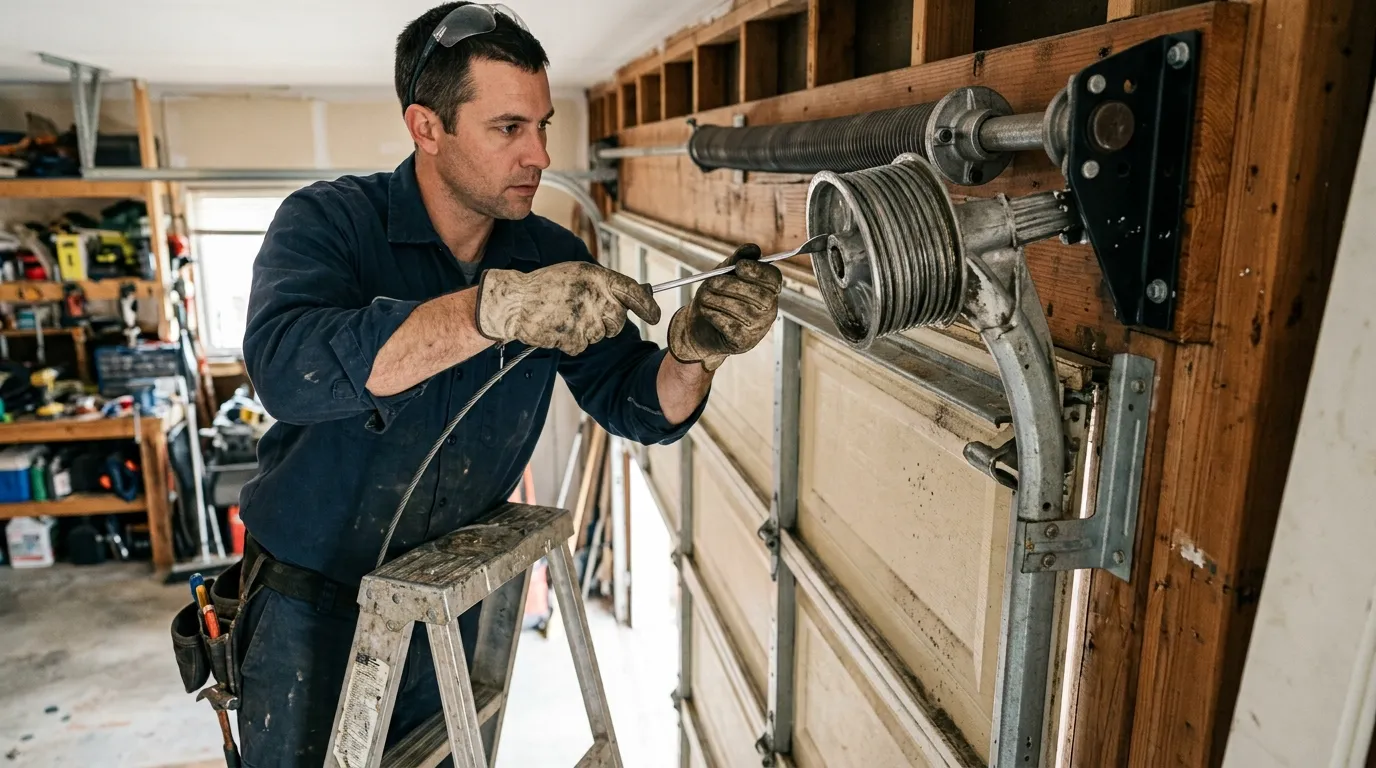
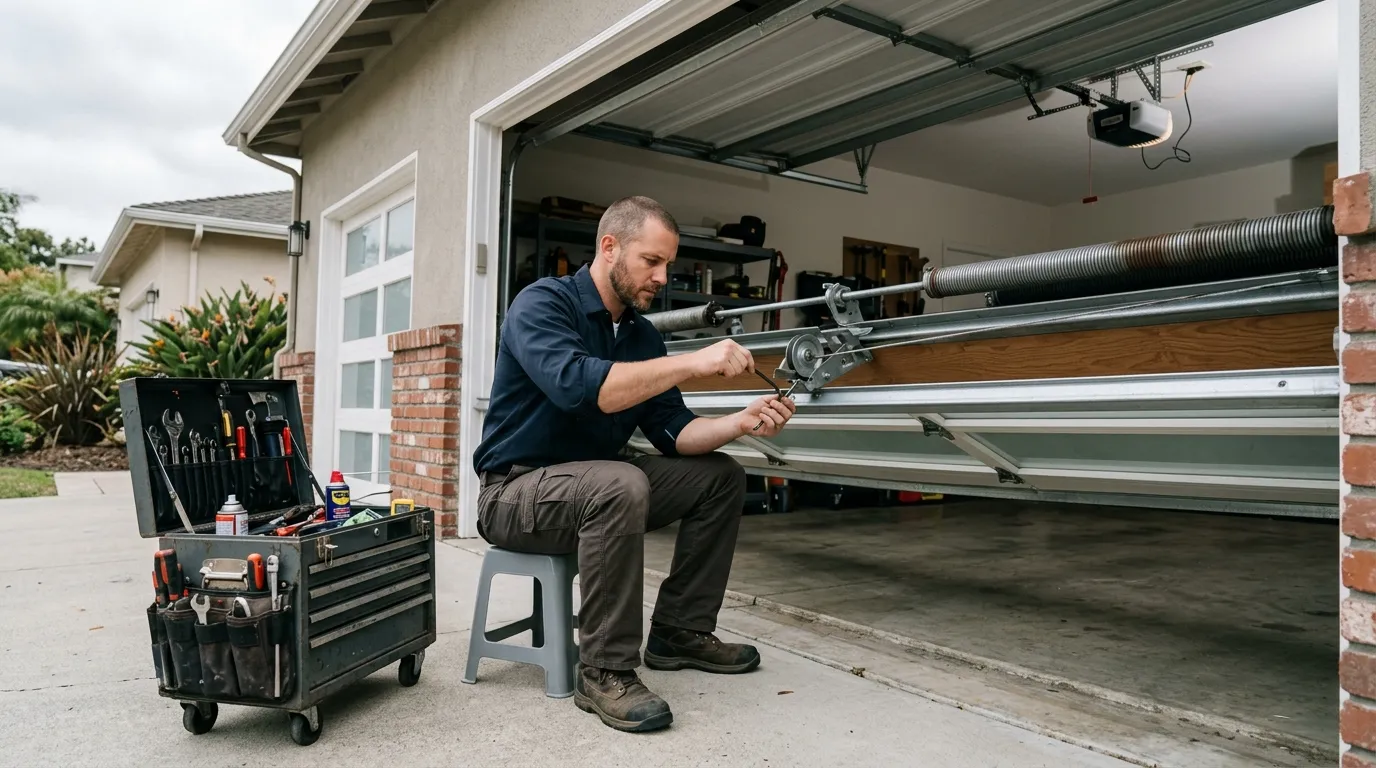
That means a lot of original torsion springs that have finally given out after decades of cycles, openers that were swapped once in the 90s and are now on their second or third motor, and tracks that were never upgraded to today's roller standards. We also hear from folks whose door still has the older style extension springs mounted along the horizontal track instead of torsion springs over the header - common in homes from that build era before torsion setups became standard.
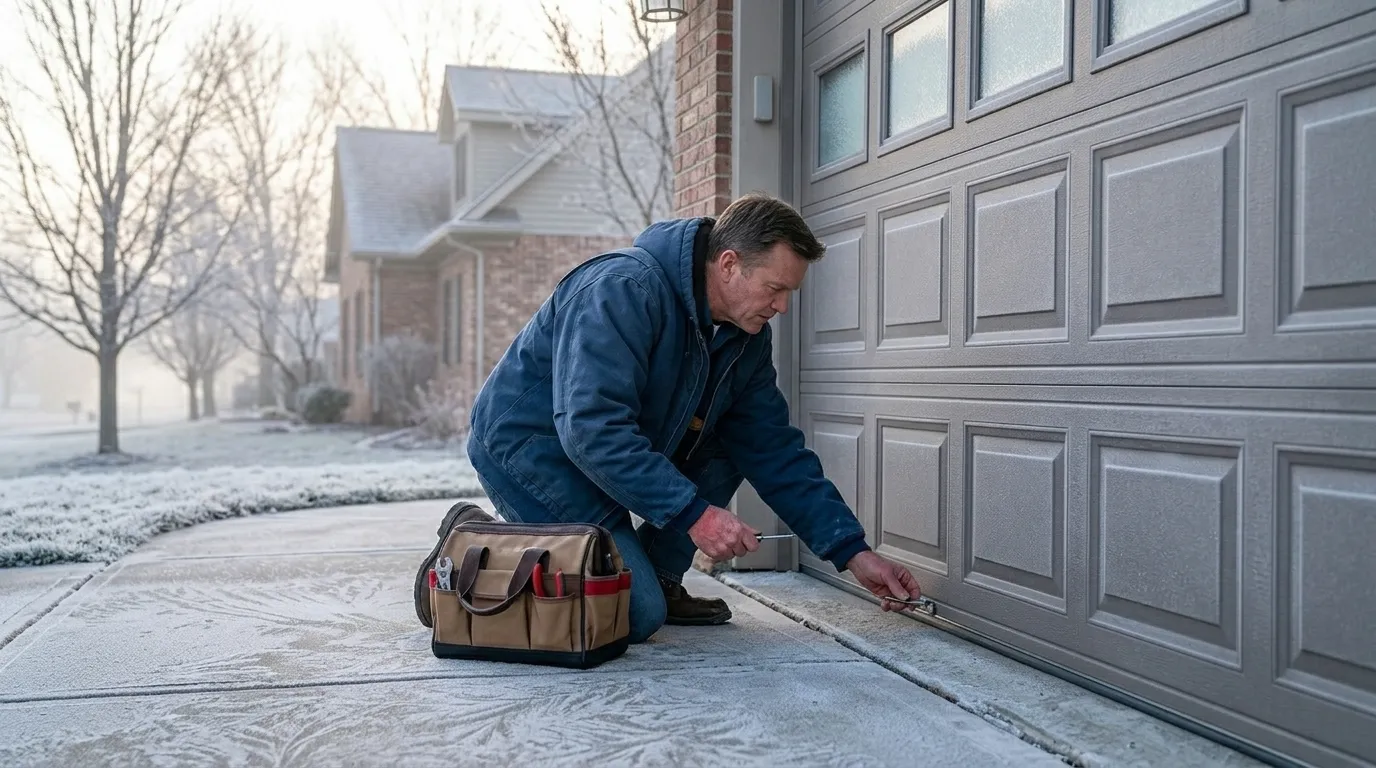
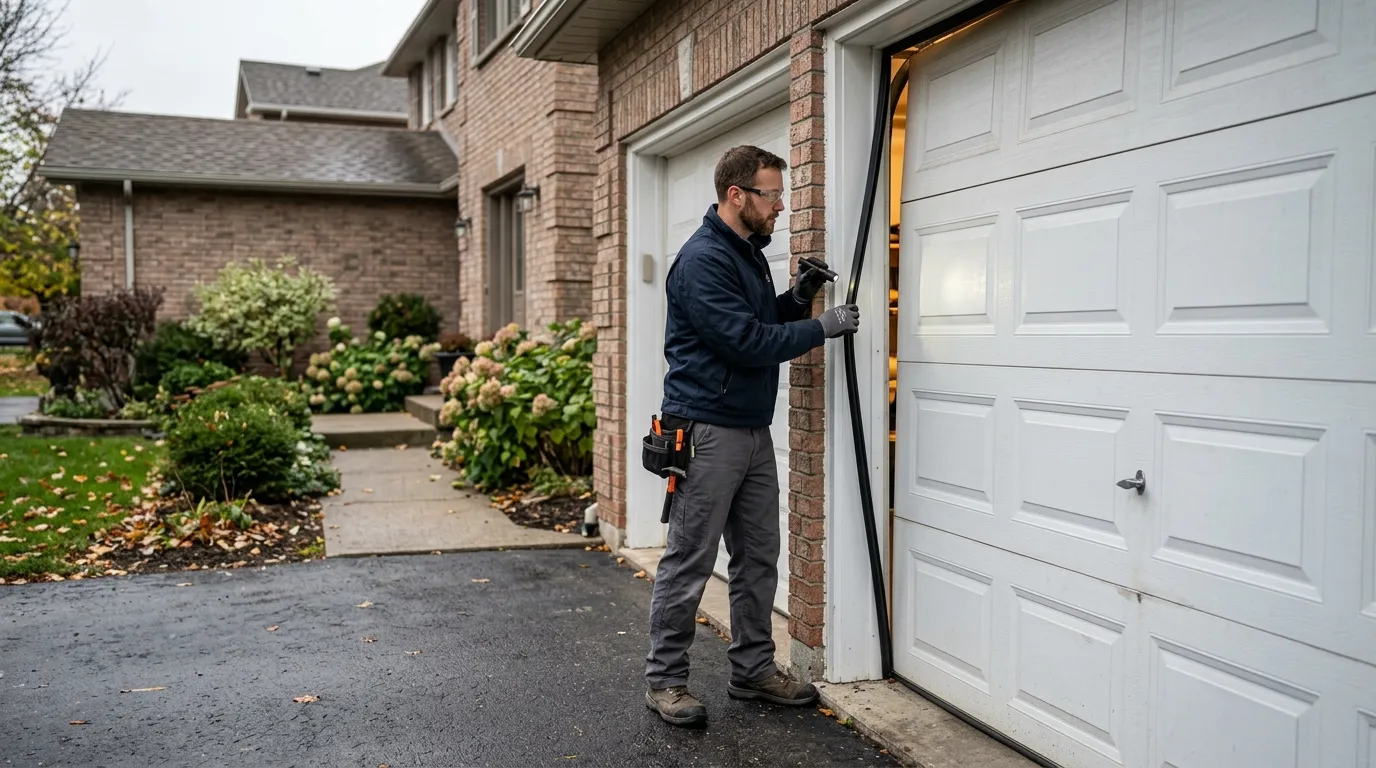
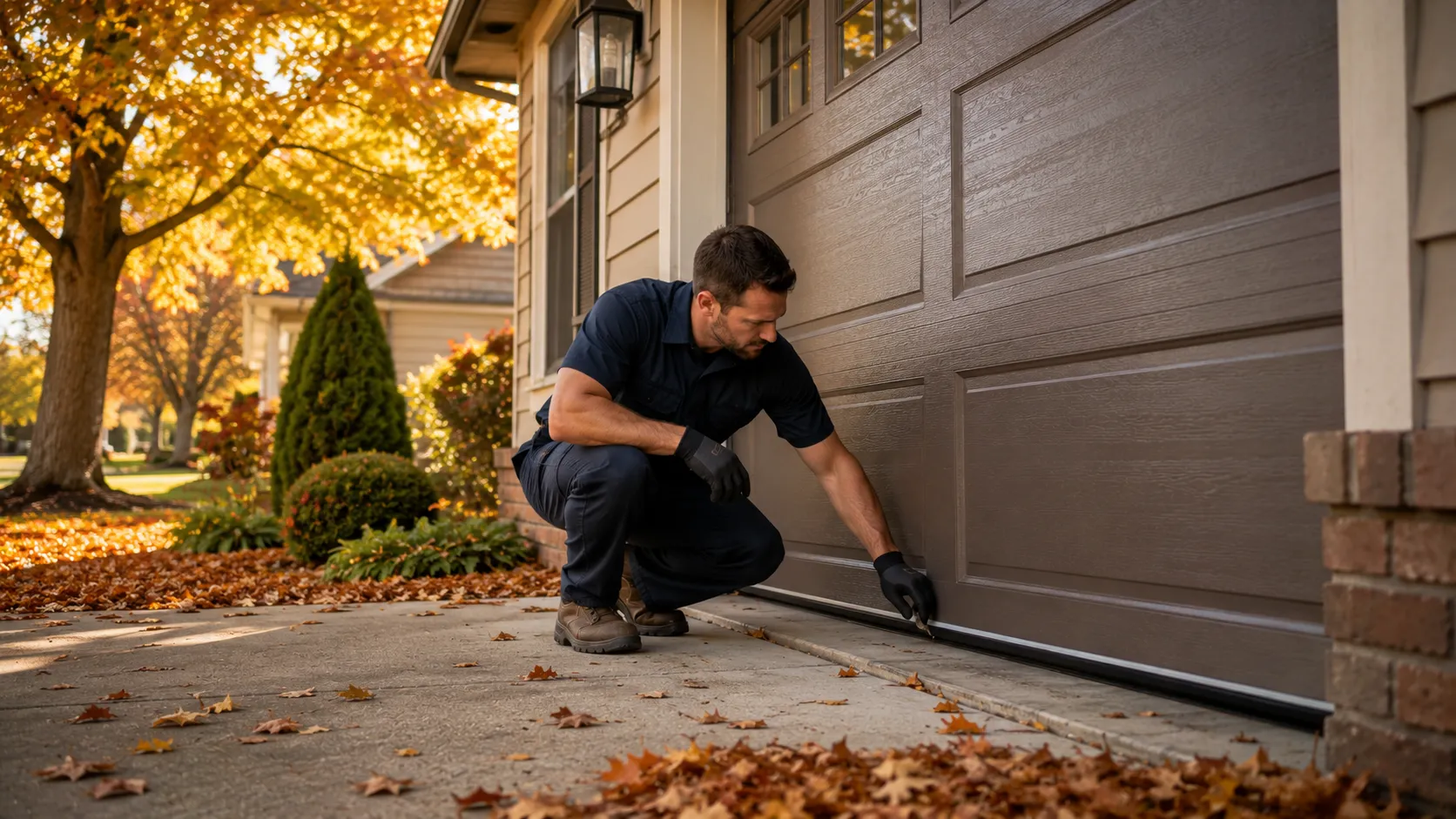
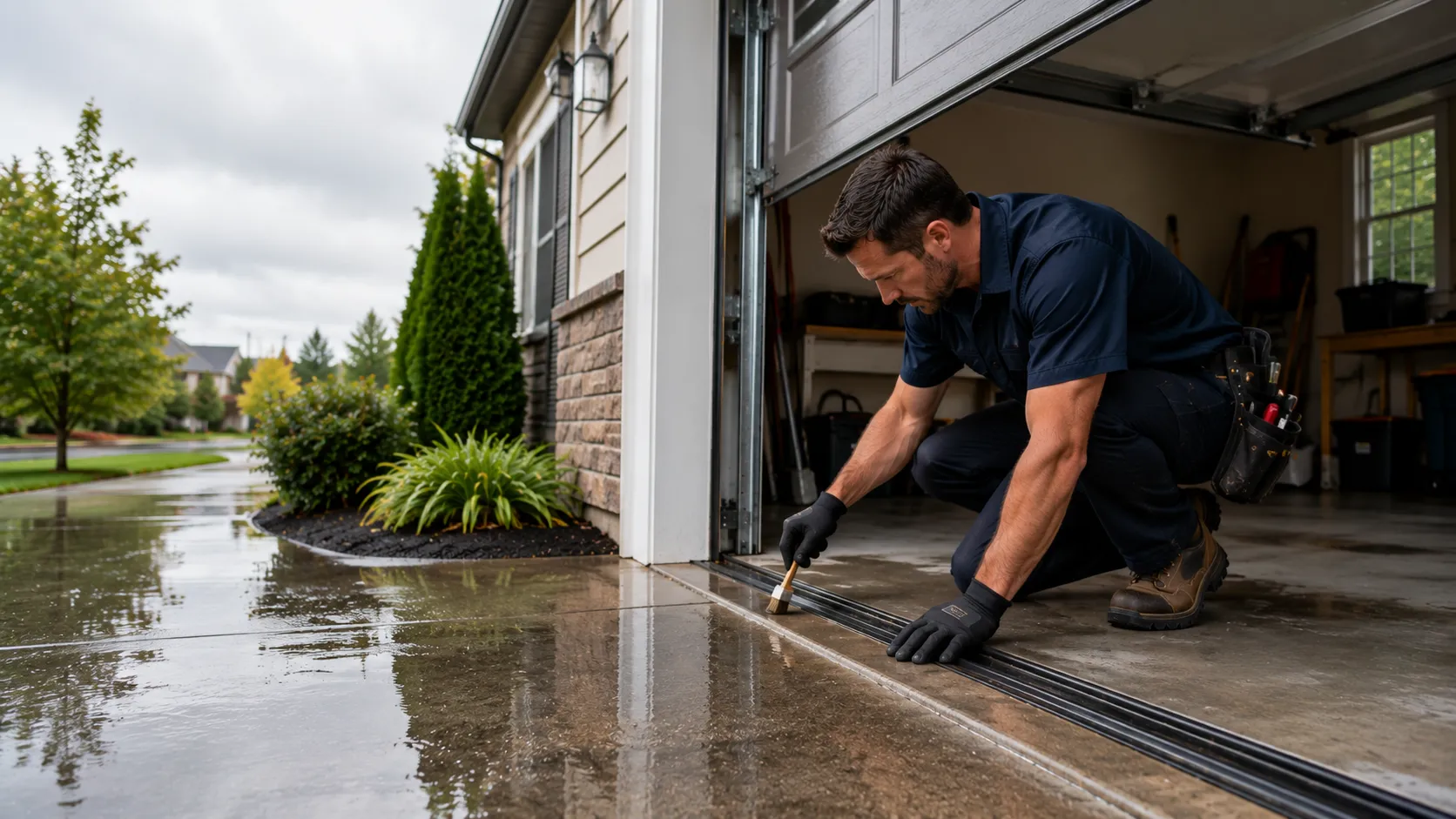
Winter is its own category of call. With a cold moderate climate here, cold snaps stiffen grease in old rollers and shrink weatherstripping, and that's usually the week the spring finally snaps or the opener starts grinding instead of lifting. None of this is exotic - it's just what happens to a door that's been doing its job since the Kennedy administration.
What the Housing Means for Your Door
River Grove's housing stock runs from 1938 up through 1994 across the wider area, but the local median lands square on 1961, meaning a big share of the doors we work on here were installed - or first replaced - decades ago on hardware that isn't made anymore. That's different from newer suburbs in our coverage where doors are still on their first modern torsion system.
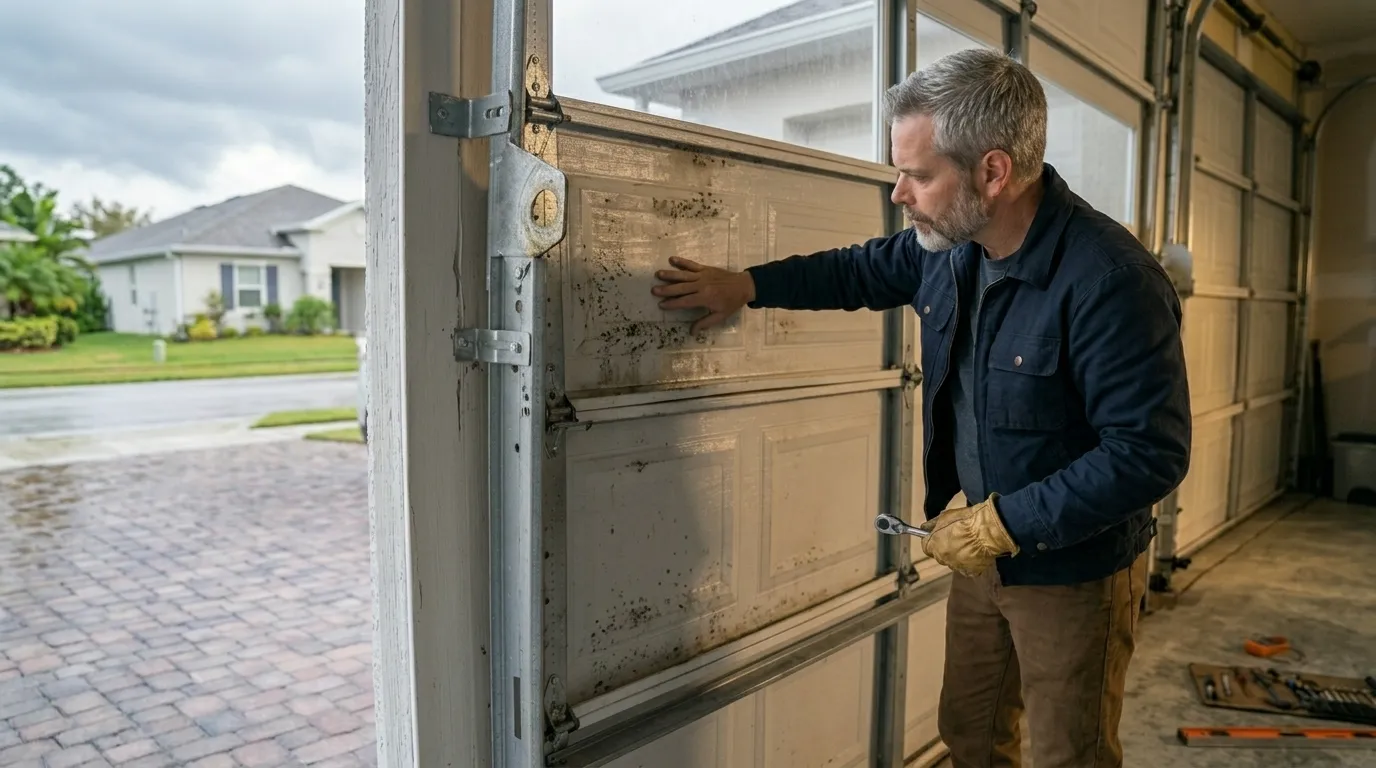
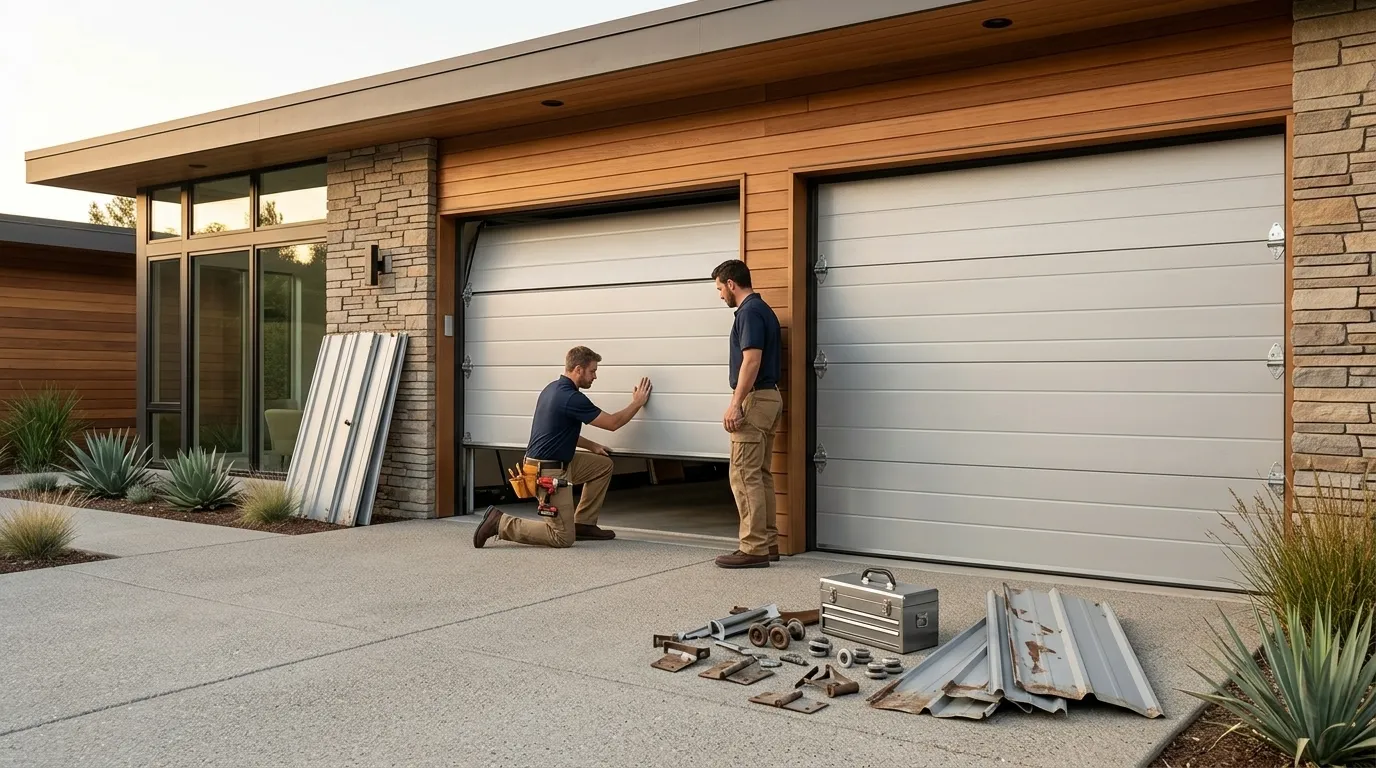
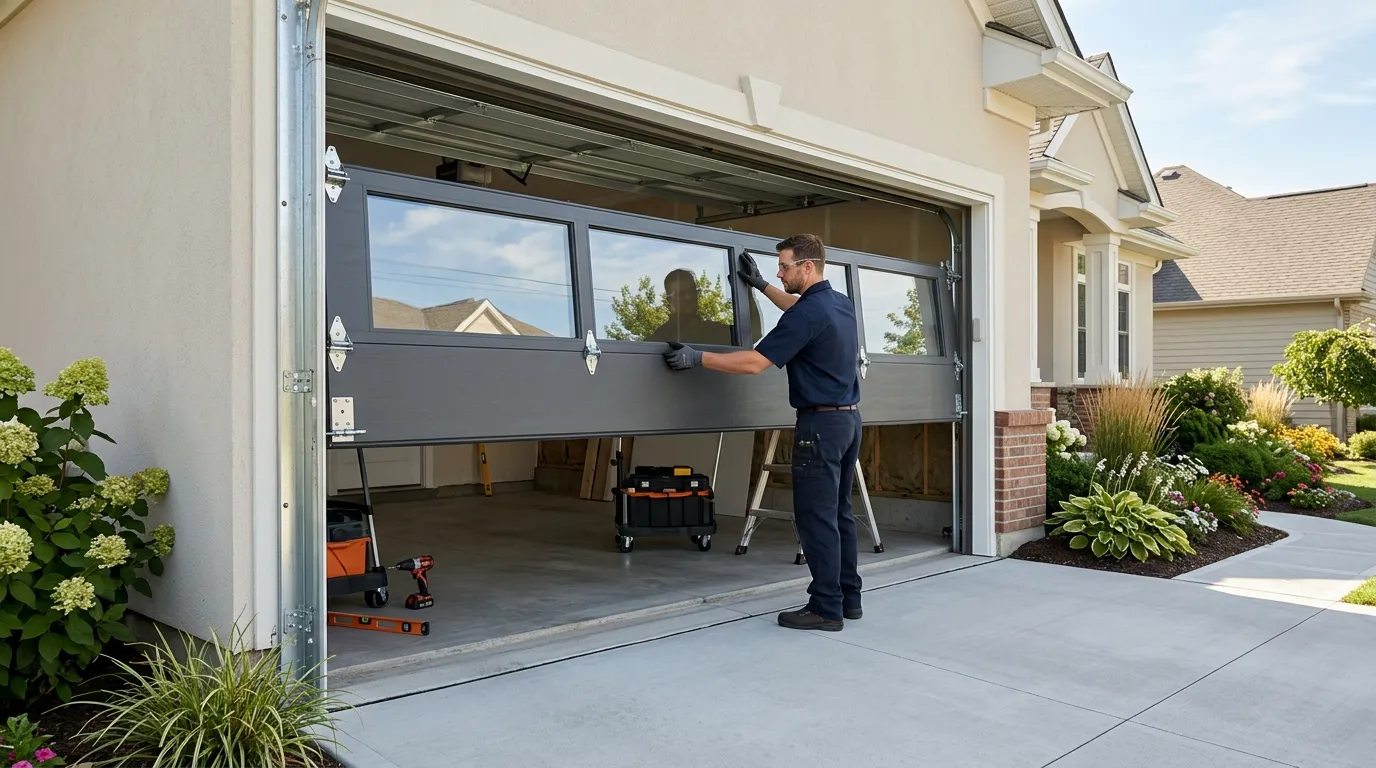
With 4,106 households in River Grove, that's a lot of garages built to a code and a door size that predates today's insulated steel sectional standard. We commonly find single-layer doors with no insulation, steel that's thinner than what's sold now, and hardware brackets sized for a spring gauge that current suppliers don't stock in the same dimension.
Median household income here runs $74,793, and that shapes the calls too - more people asking us to fix the specific broken part rather than replace the whole door, and fair enough, because a torsion spring swap on an otherwise sound door is a fraction of full replacement. We'll always tell you honestly which one makes sense for the door in front of us.
The Houses Here
With 4,106 households and a median build year of 1961, River Grove is solidly a first-generation-suburb housing pattern - post-war construction, modest garage footprints, doors sized for the cars of that era rather than today's larger trucks and SUVs. A lot of these garages were built single-car or narrow double, which limits which modern door widths actually fit without carpentry work on the opening.
The cold moderate climate this area sits in means winter is the hardest season on old weatherstripping and worn rollers - metal contracts, grease thickens, and a spring that was already fatigued tends to pick that week to go. We see this pattern repeat every year across River Grove's older blocks.
At a household income median of $74,793, most of the work we quote here is repair-first: spring replacement, roller and cable service, opener repair before opener replacement. Full door replacement comes up when the steel itself is failing or when someone's finally ready to move off the original hardware for good.