What People Here Ring About
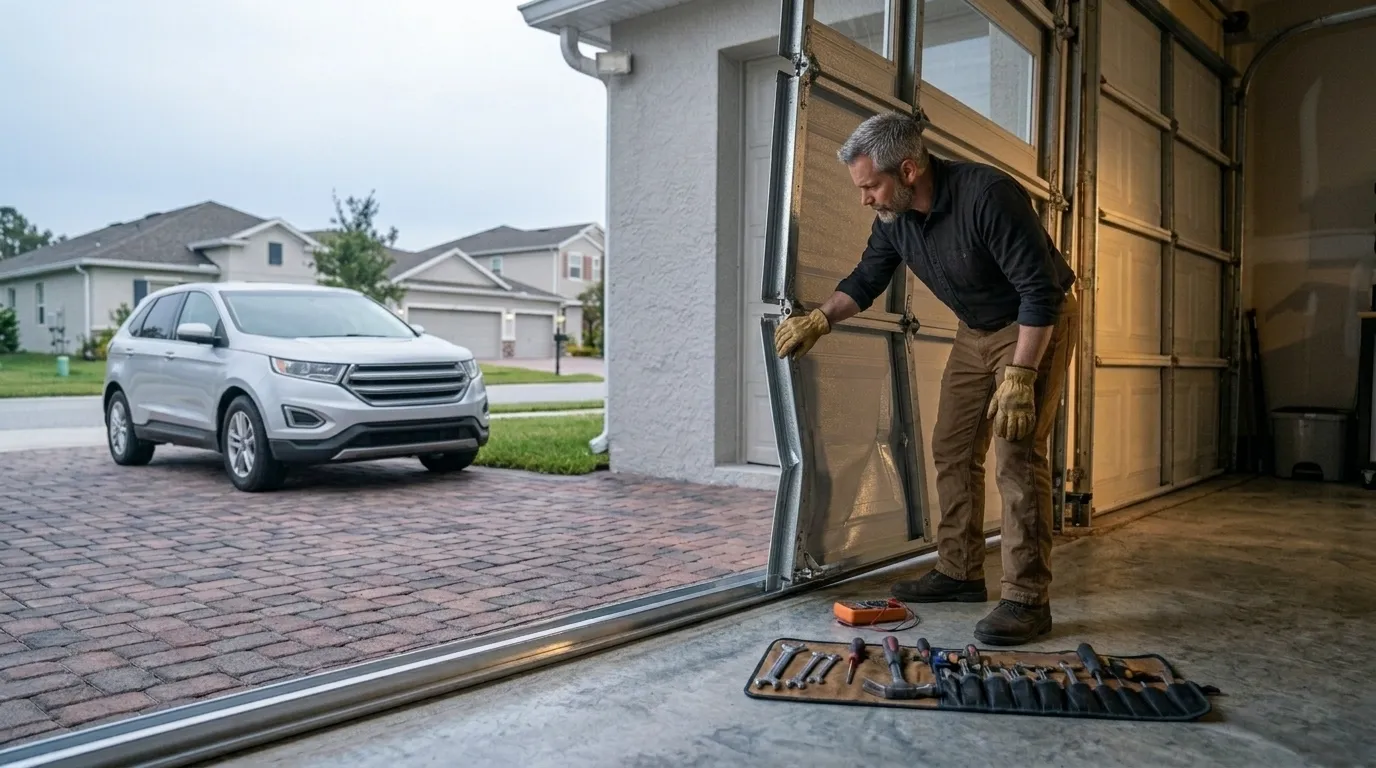
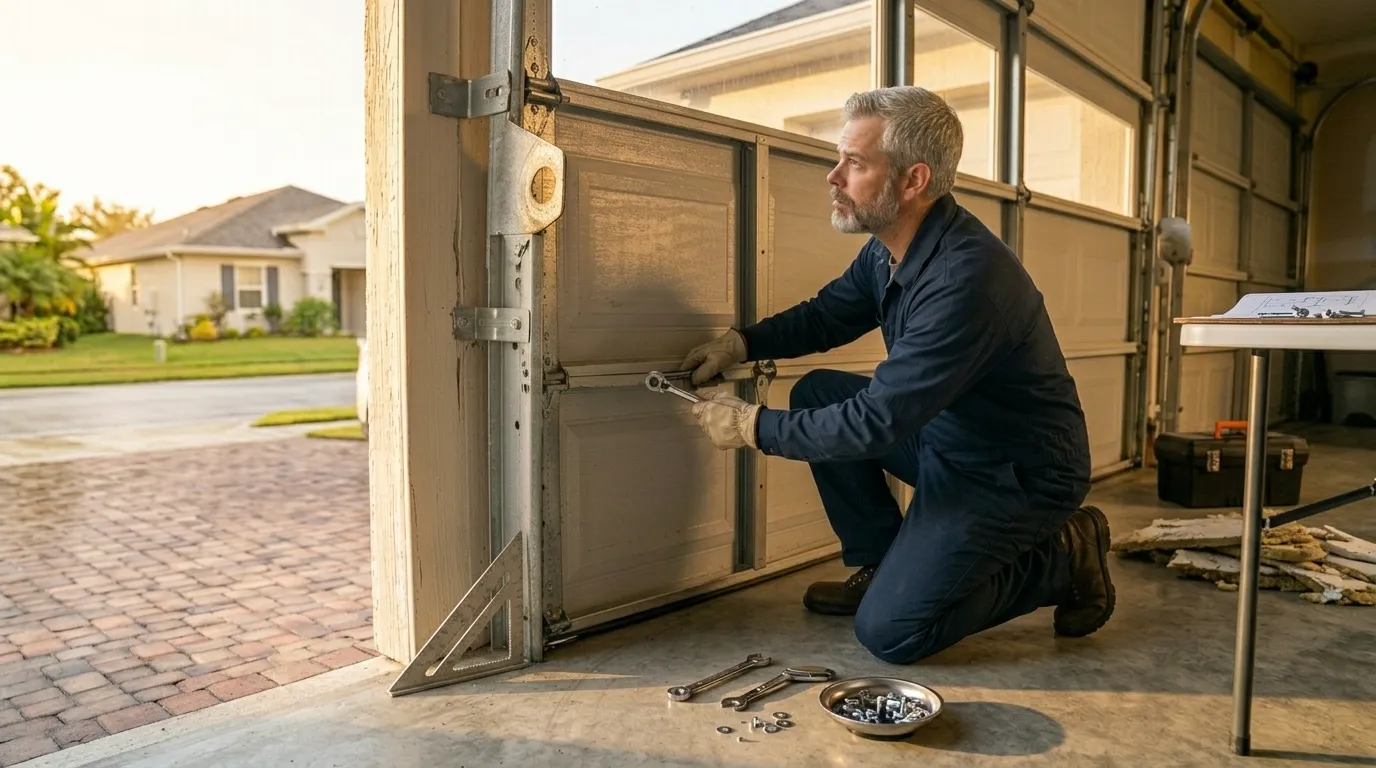
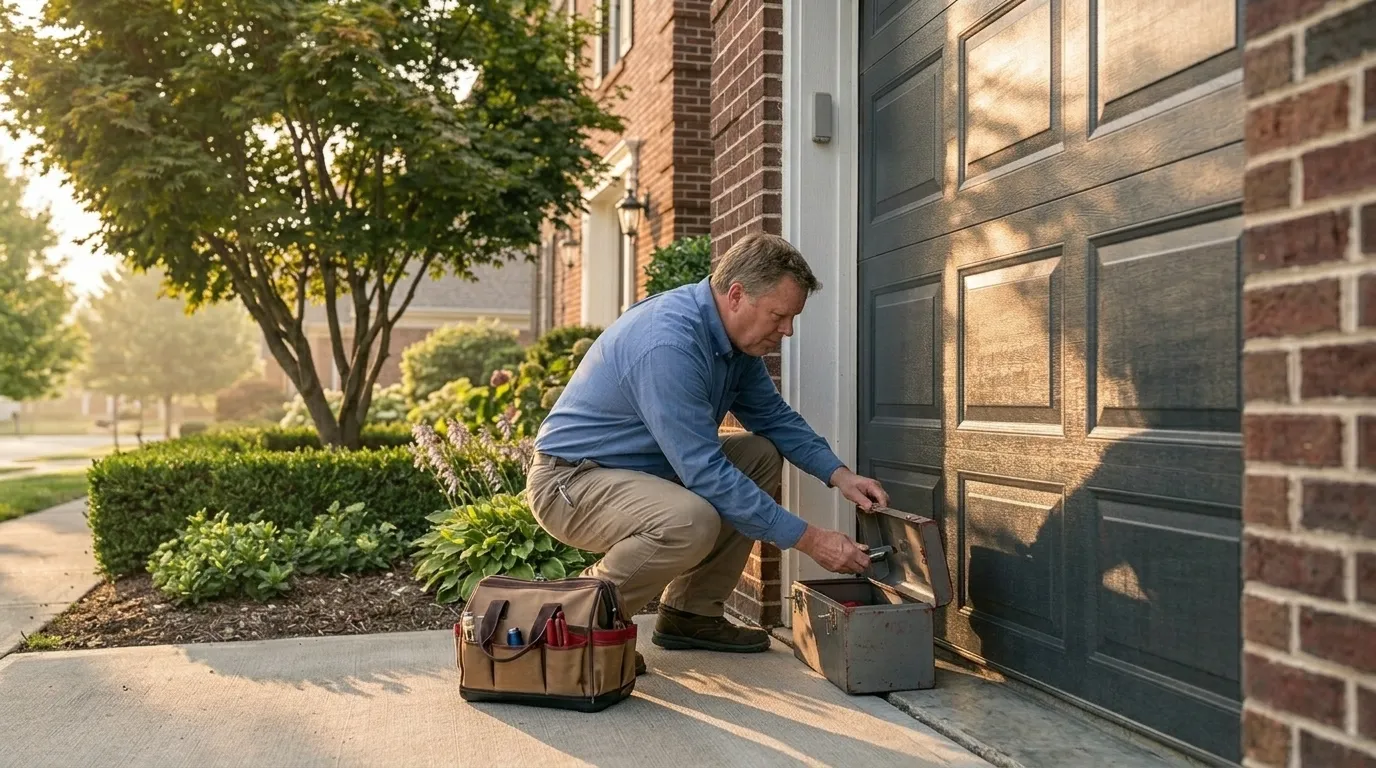
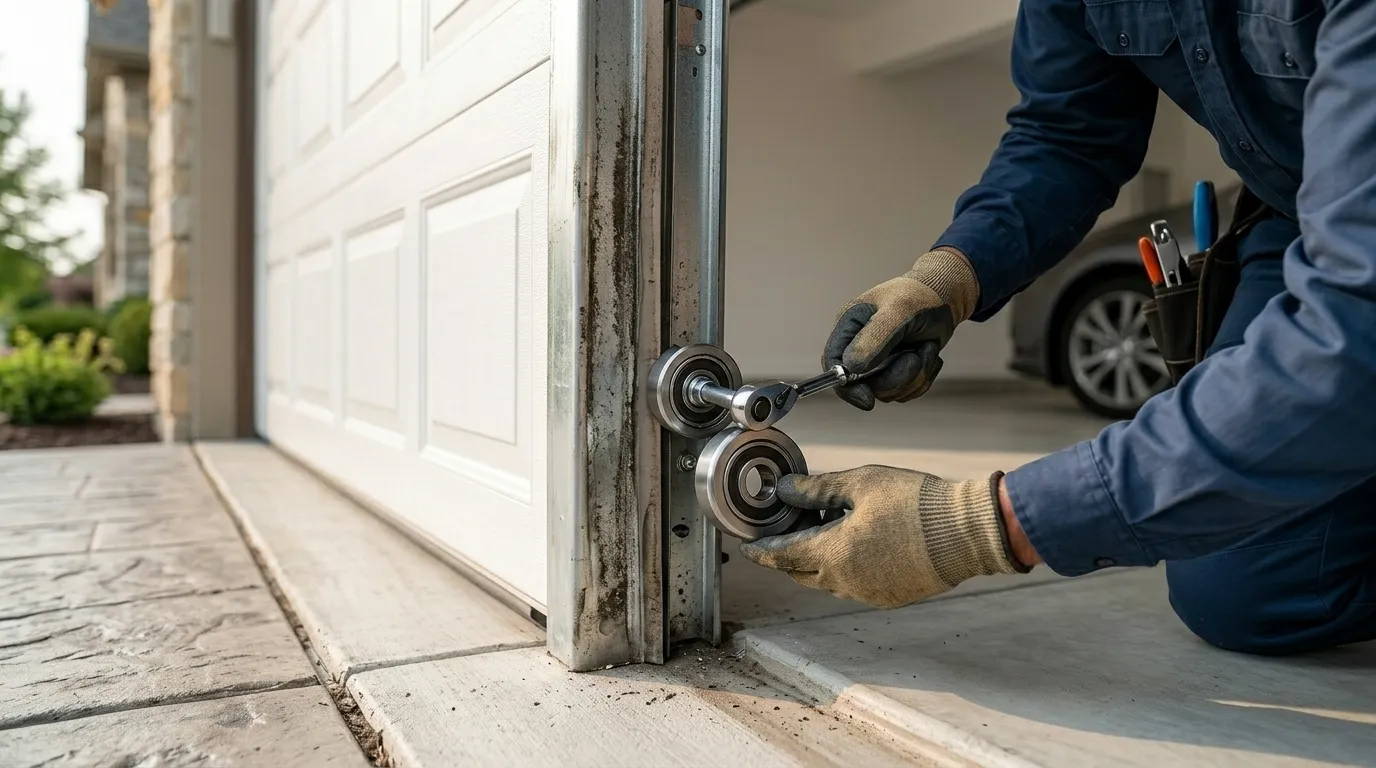
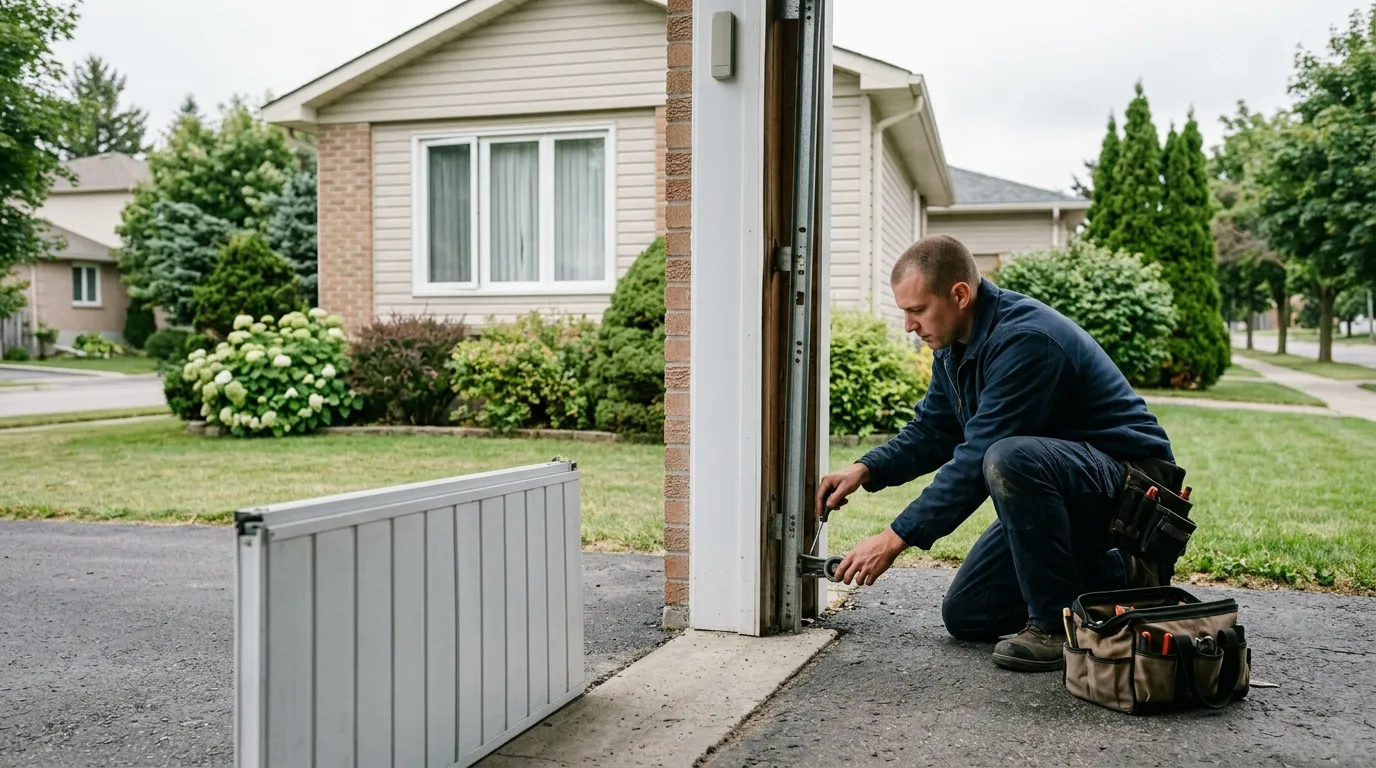
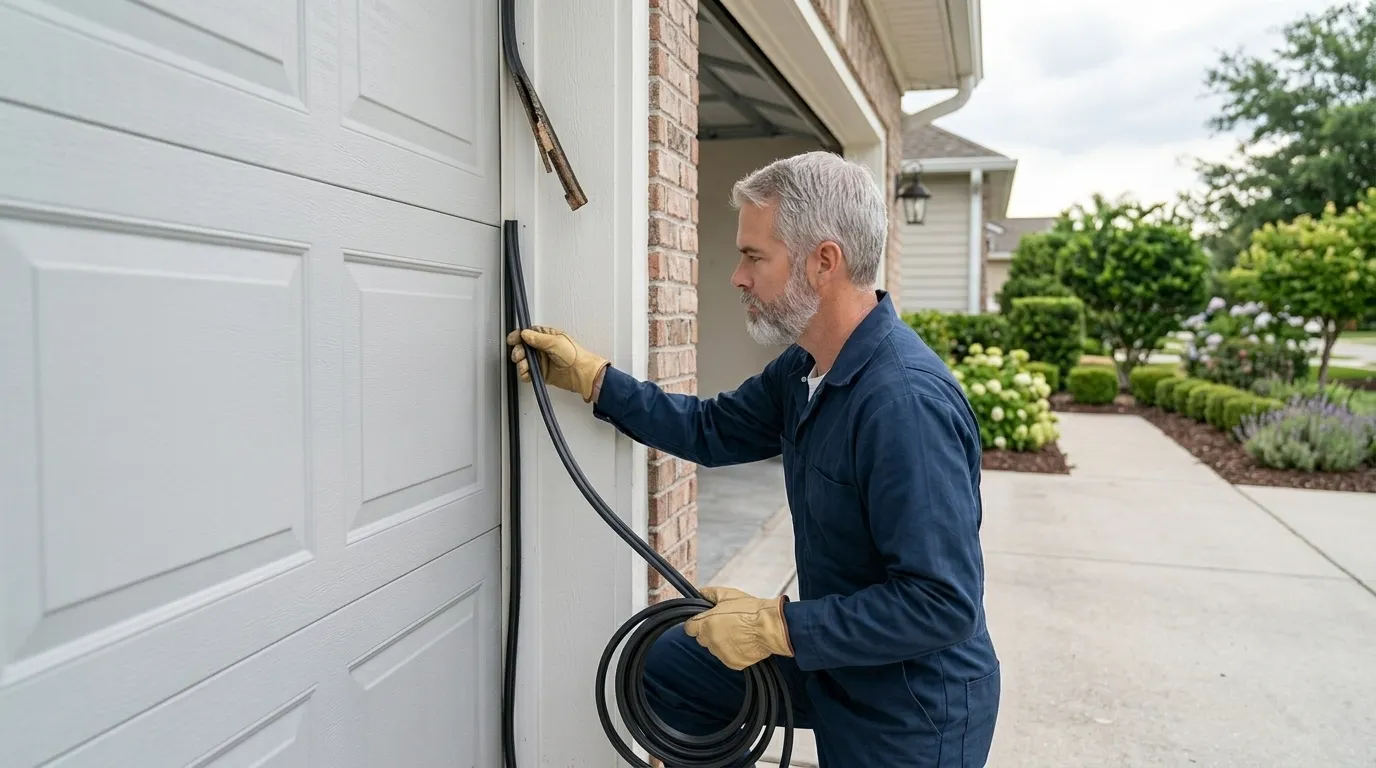
River Forest's houses mostly went up around 1945, a good fifteen years ahead of the median build year across the rest of our coverage area. That earlier construction date means we get a different mix of calls here than we do elsewhere. Instead of the late-60s and 70s extension-spring setups that dominate newer pockets of the service area, River Forest still has a fair number of garages built for smaller, single-car openings with older track geometry bolted directly into wood framing rather than steel jambs. Calls tend to run toward doors that bind partway up because the wood jamb has shifted over eight decades, torsion tubes mounted on brackets that were never meant to carry a modern insulated door, and openers bolted onto framing that wasn't built to take the vibration. We also hear from owners whose parents or grandparents owned the house, who want the door to keep working rather than get replaced, since a lot of the original garage structures here have some real character worth keeping. It's a 9-mile run for us from Lincolnwood, so when you call, tell us the age of the garage itself if you know it - that tells us more than the door's brand ever will.
What the Housing Means for Your Door
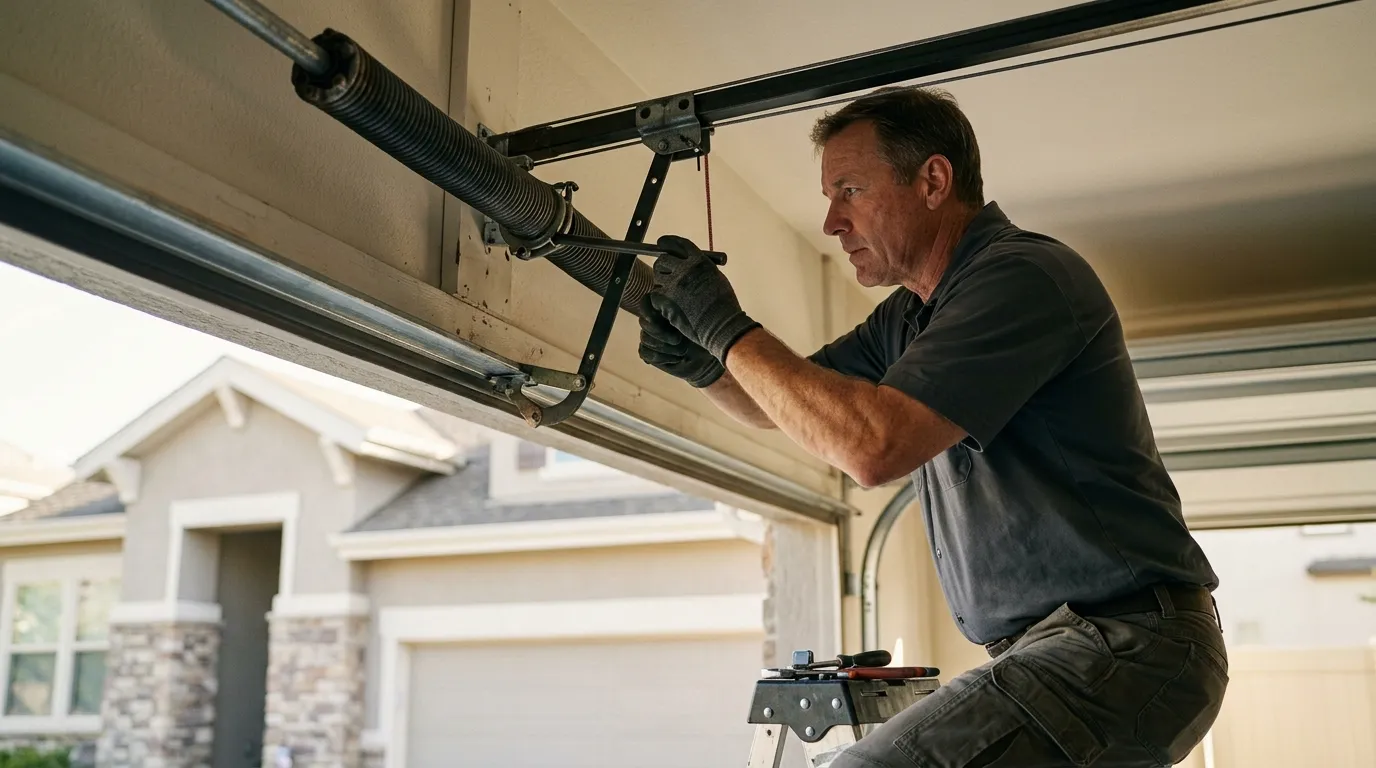
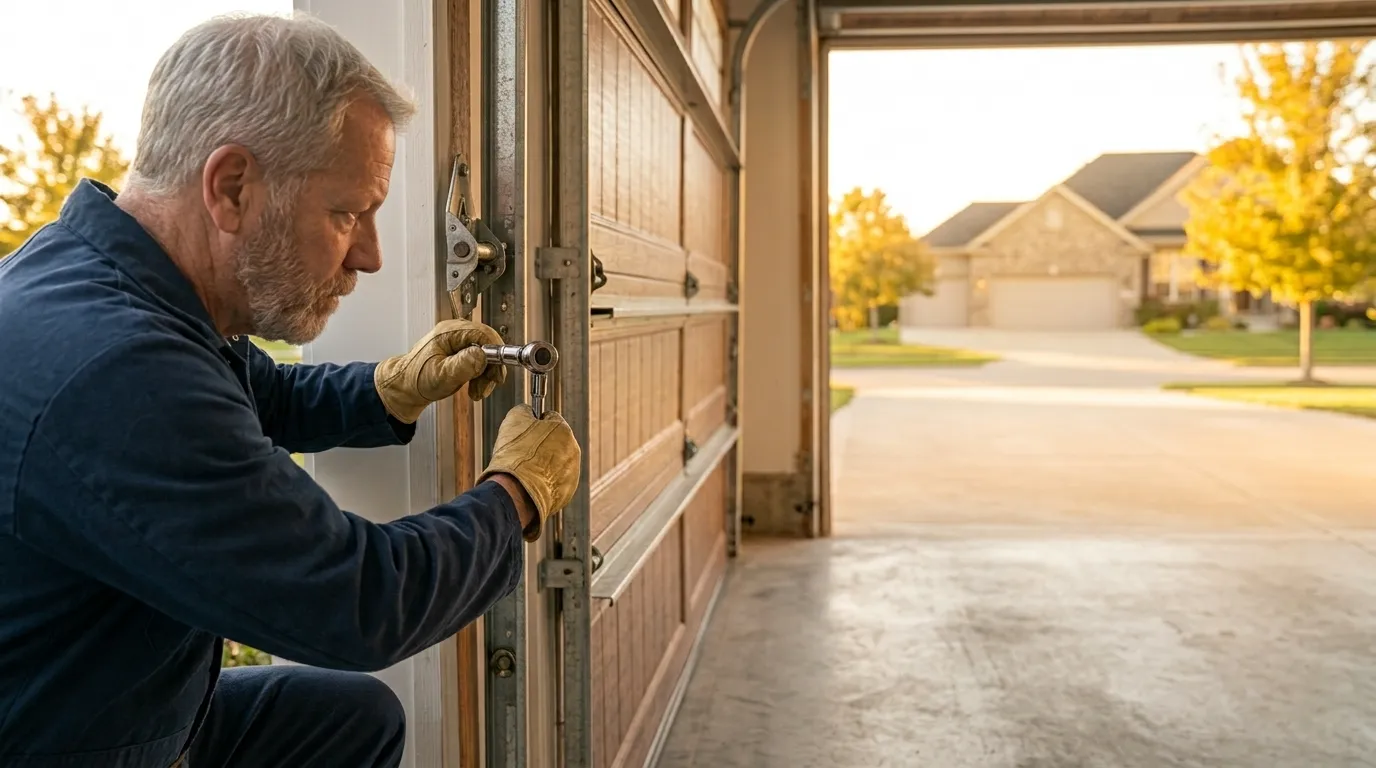
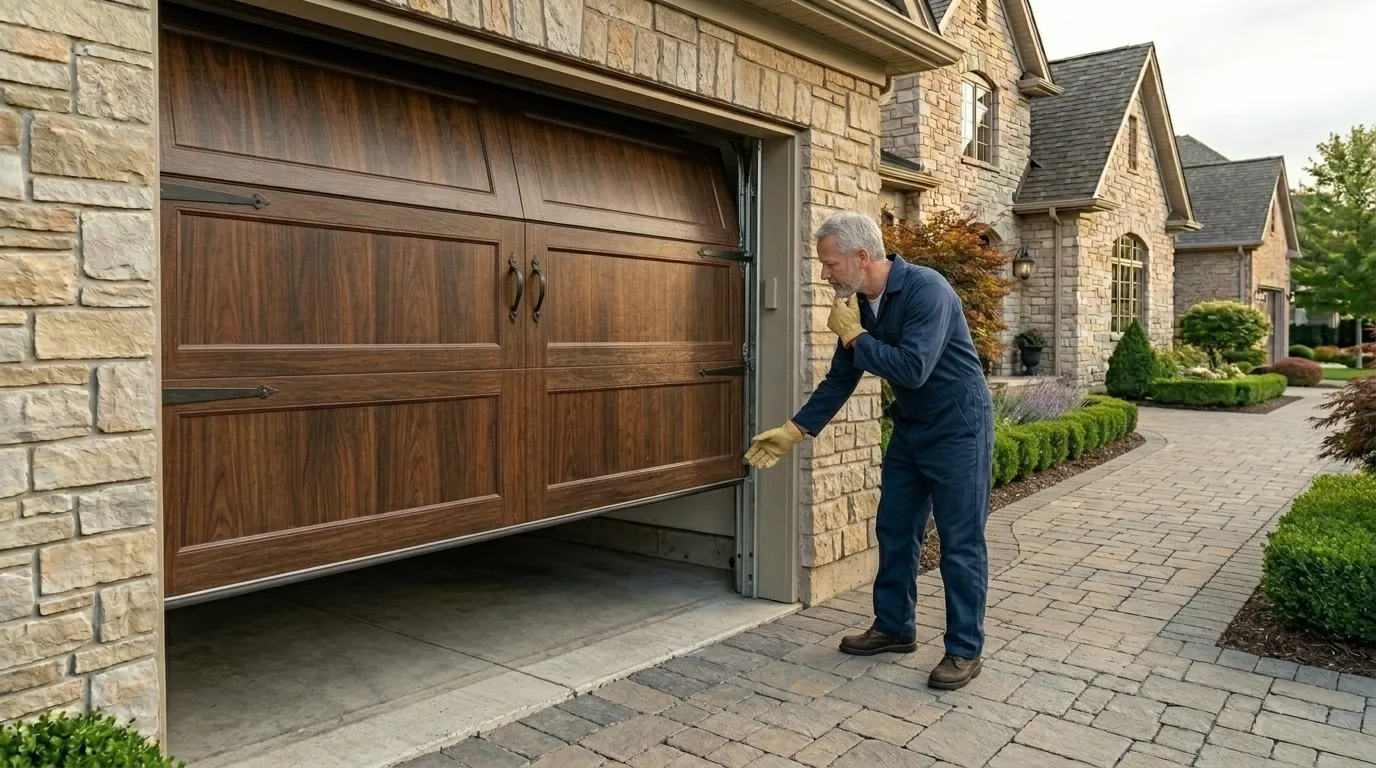
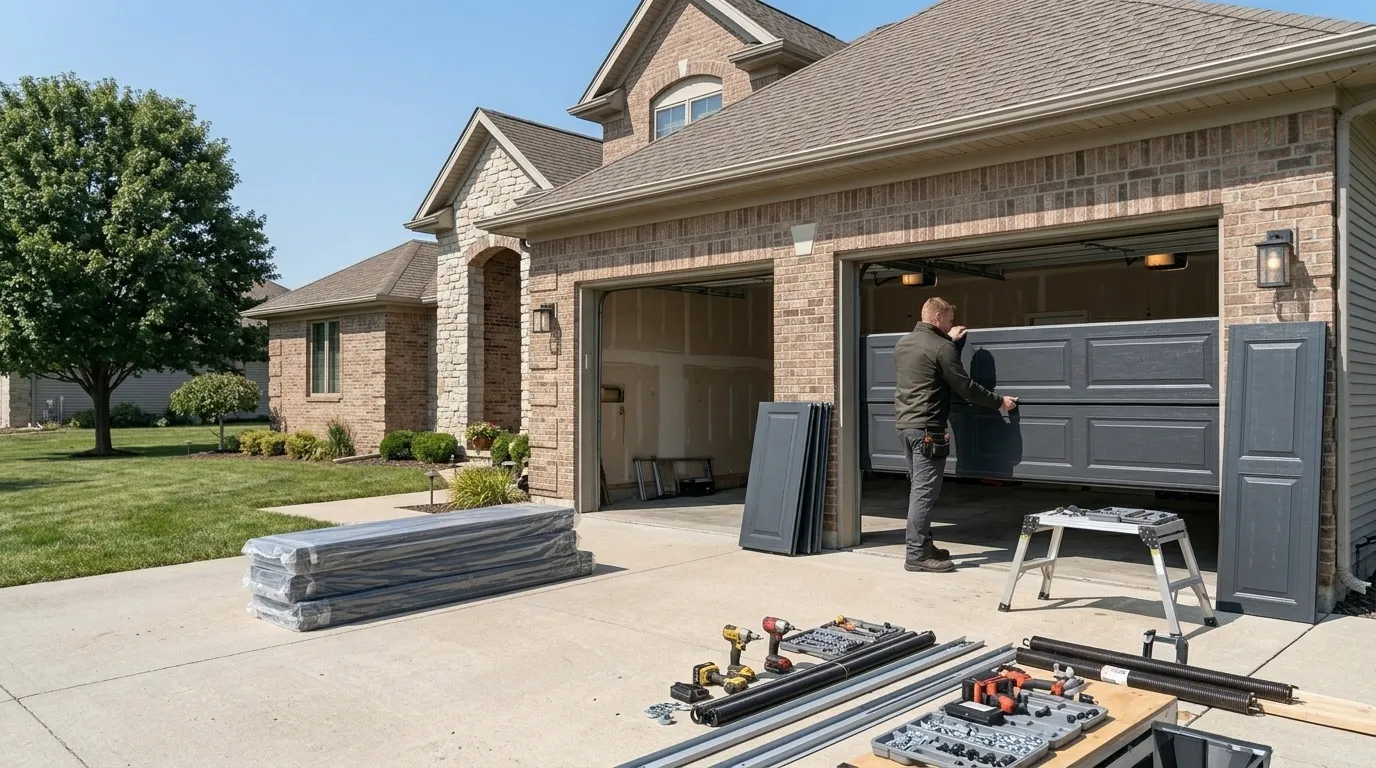
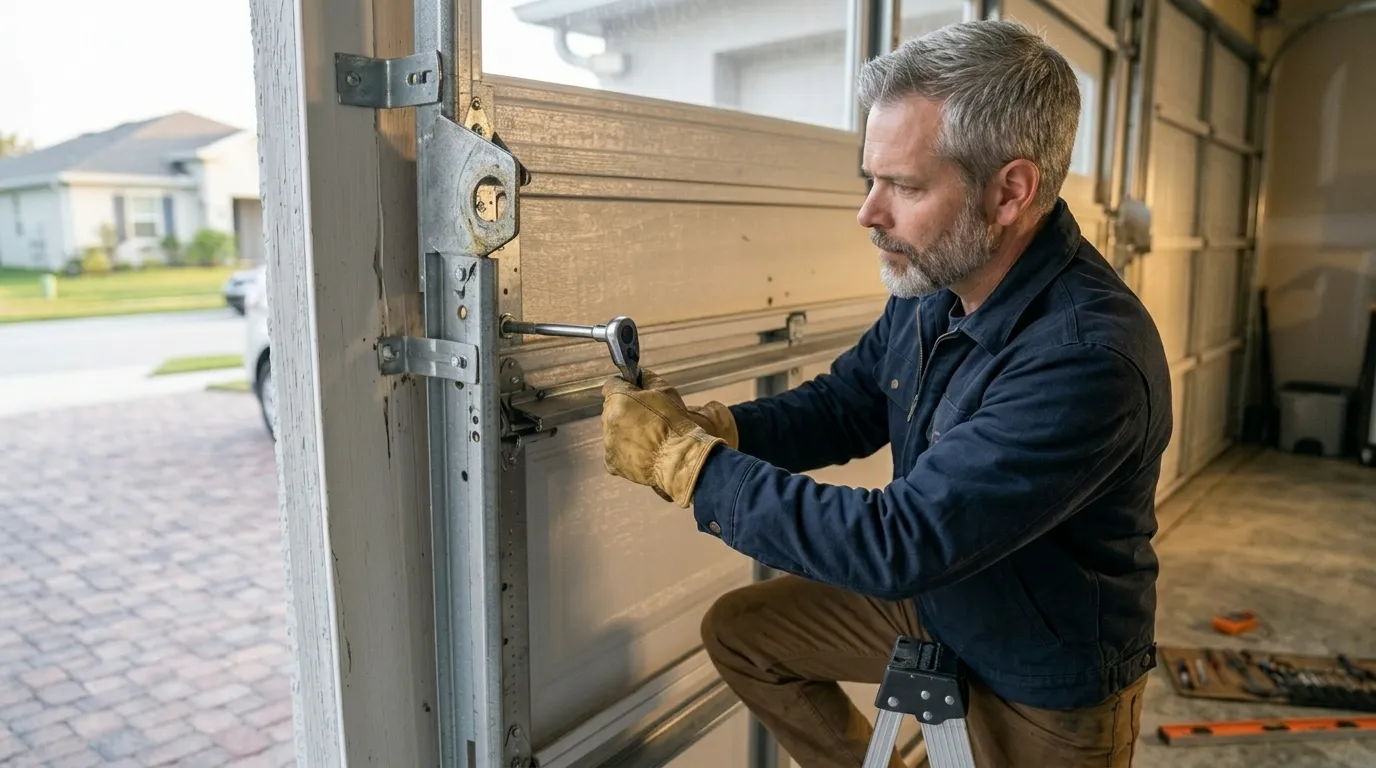
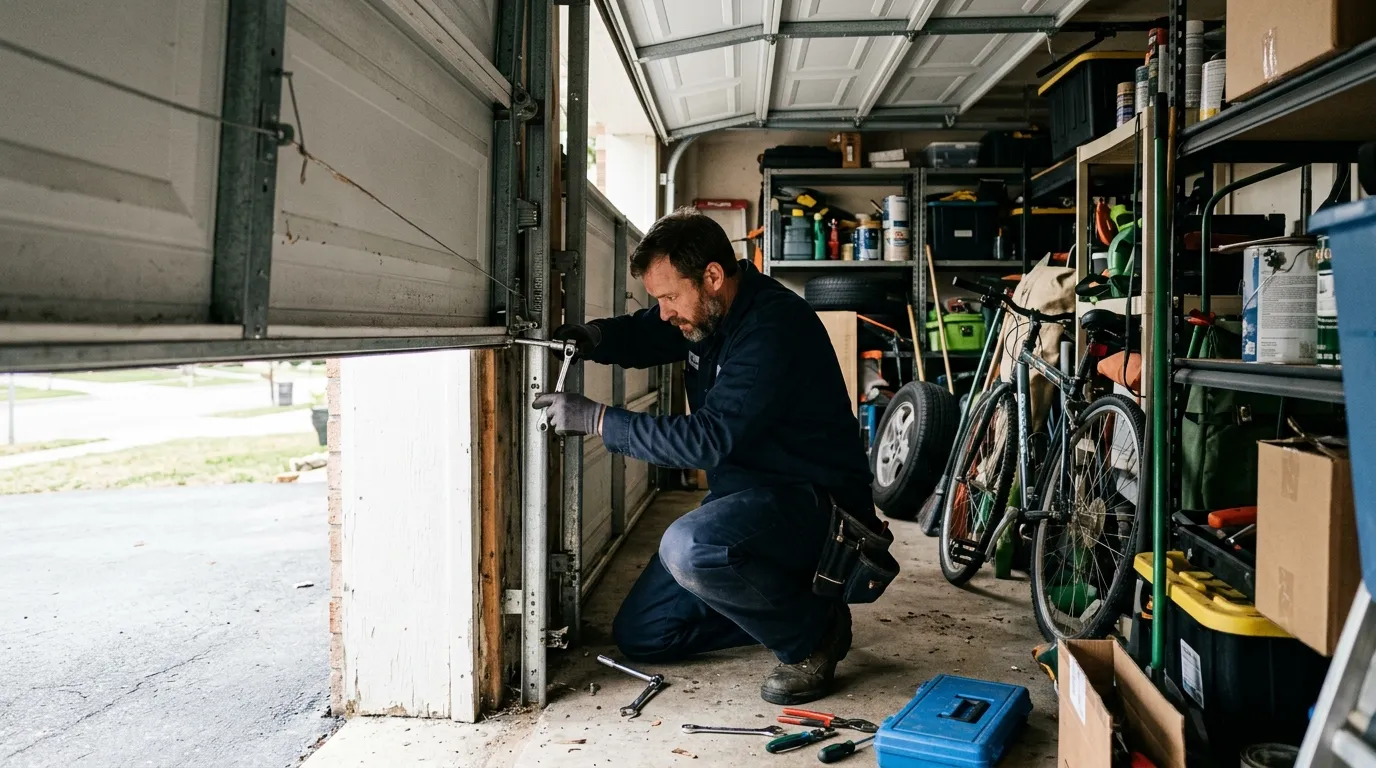
A door on a garage framed in 1945 was very likely sized and hung before the era of two-car doors and torsion springs became standard. Original openings here often run narrower than what a big-box replacement door assumes, and the header framing was sized for a lighter door than the steel and insulated panels sold today. When we get called out to River Forest, we're frequently dealing with hardware that's been adapted more than once - a torsion conversion bolted onto a jamb that was drilled for something else, or a modern opener mounted to a header that's flexed over the years. None of that is unusual for a house this age, but it does mean measuring twice before ordering anything, and it means a repair that would be a ten-minute job on newer construction sometimes needs a bracket rebuild first. The cold winters here don't help - a jamb that's slightly out of square gets worse when wood contracts hard in January, and that's when a door that limped along all fall suddenly won't clear the track at all.
The Houses Here
With roughly 4,275 households in River Forest and a median income well above the wider service area's $99,861 - closer to $148,711 here - a lot of owners are maintaining older houses rather than flipping them, which lines up with what we see on the job: original garages kept in service instead of torn out. That combination of an older, well-kept housing stock and a colder climate band means moisture and freeze-thaw cycling matter more for wood-framed garage openings here than in newer construction elsewhere in our coverage. It also means when something does fail - a cable, a roller, a spring rated for a lighter original door - it's often failing for the first time in decades, not from wear on a five-year-old part. That's worth knowing before you assume the fix is quick.