What People Here Ring About
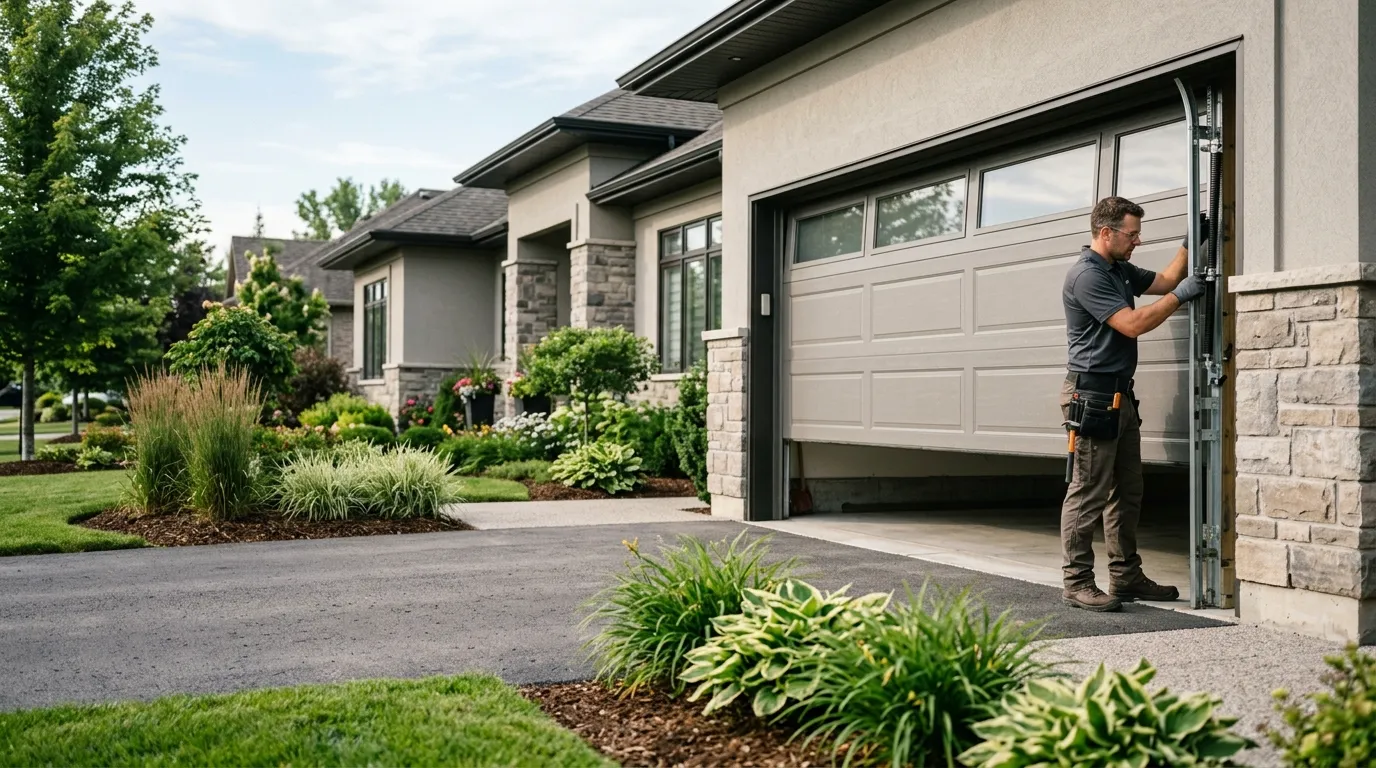
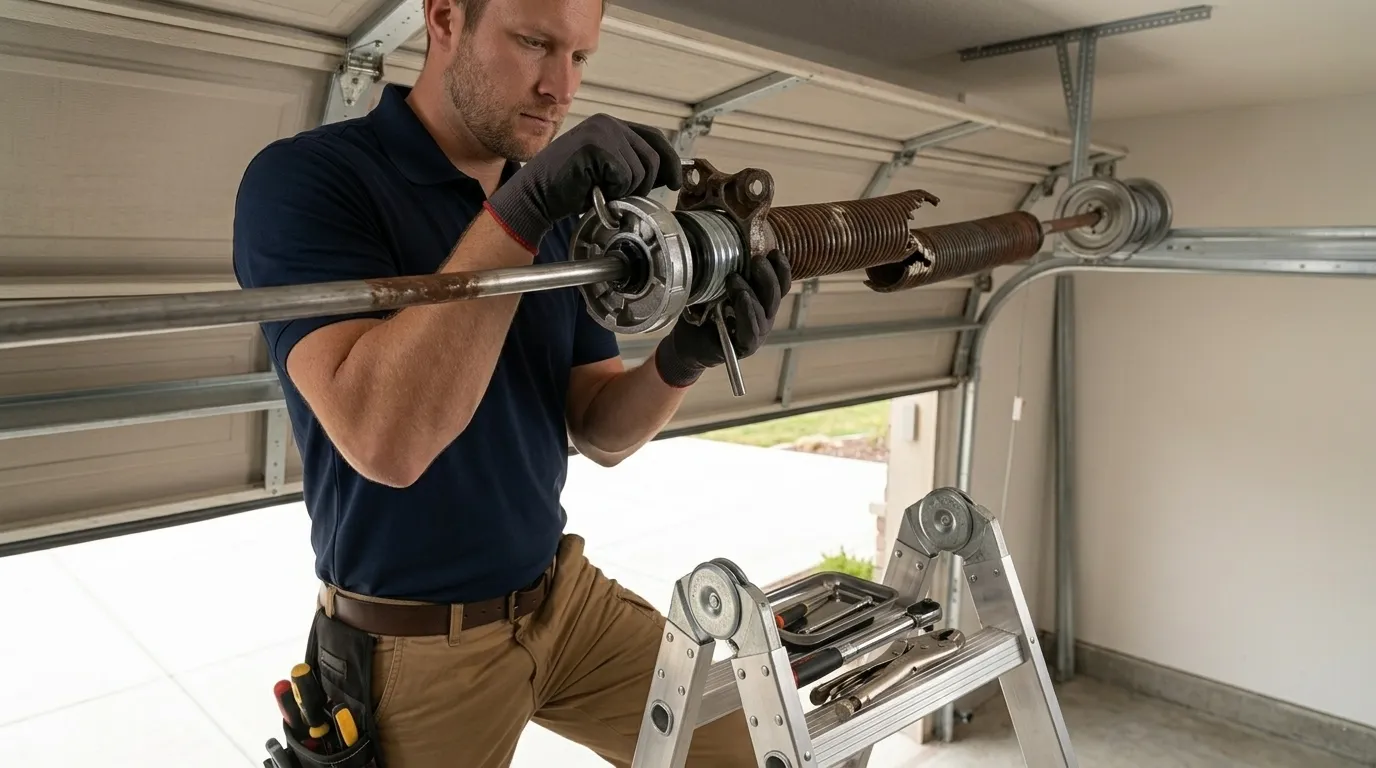
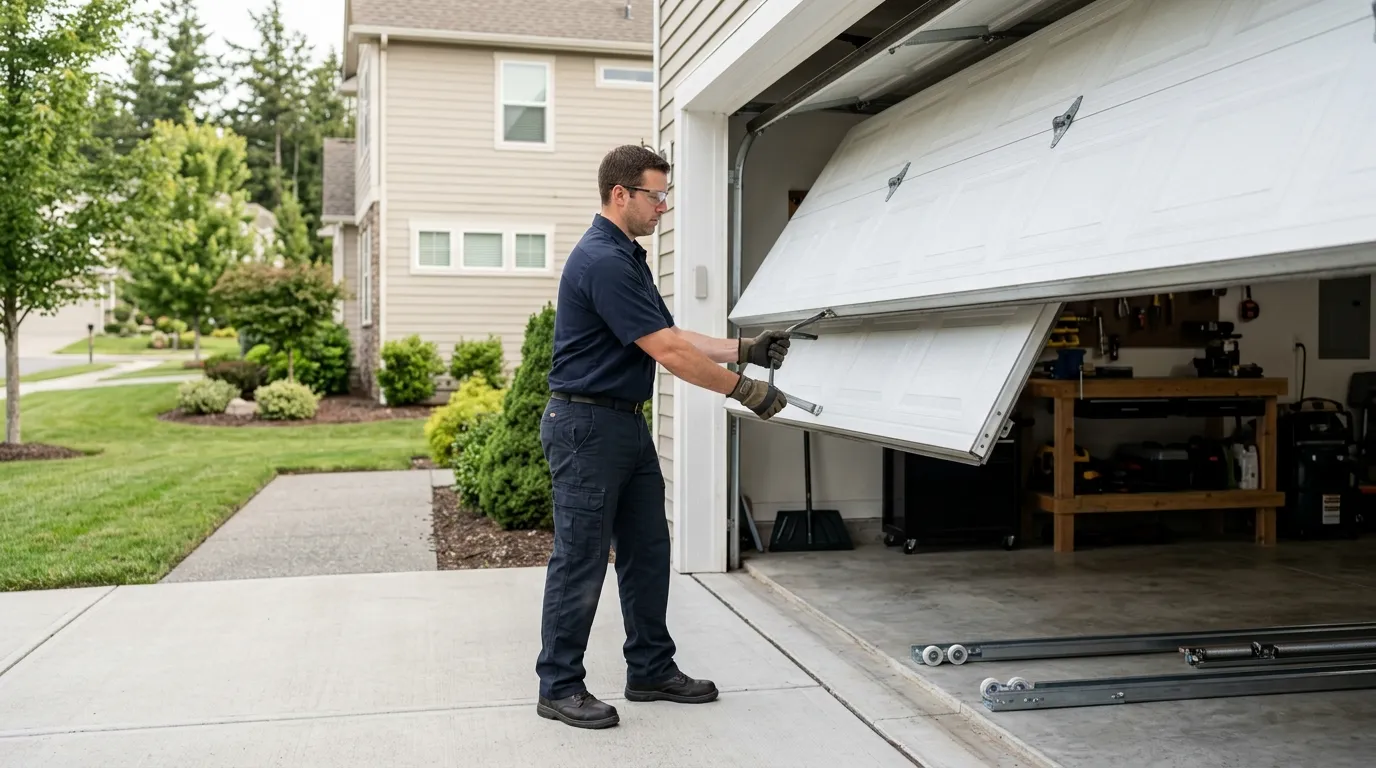
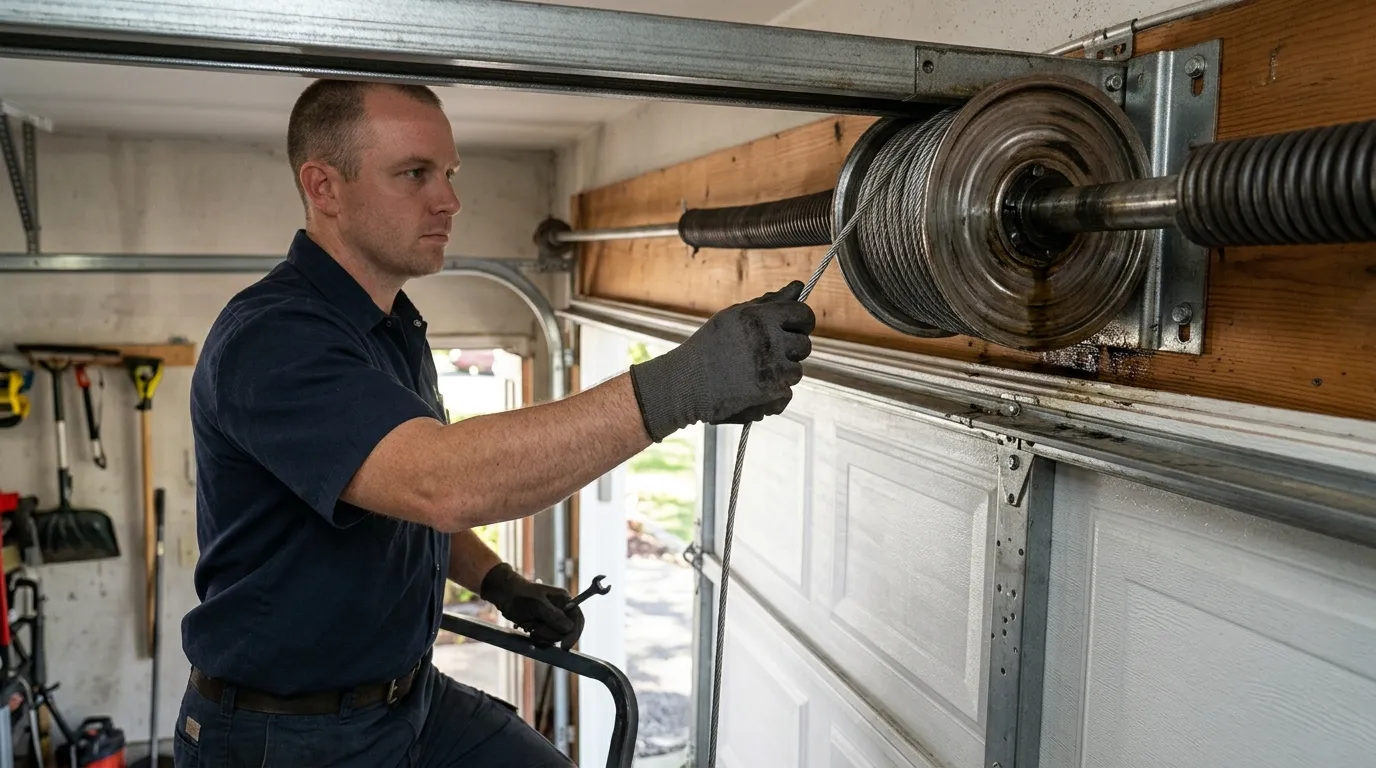
Most calls we get from Oakbrook Terrace are about doors and openers that are doing exactly what a 1977 setup does after five decades: the spring finally lets go, or the opener motor starts grinding before it quits for good. With a median build year of 1977, this area came up right in the run when steel sectional doors were replacing the old wood swing-outs, and a lot of those original doors and their first-generation chain-drive openers are still hanging on in garages here. We also hear from owners whose extension springs - common on doors from this build era - have started to sag unevenly, which throws the door off track on one side. It's a different failure pattern than you'd get from a torsion setup, and it's the one this neighborhood produces more than most. Because the household base here is smaller, at roughly 1,320 households, we're not doing volume runs through Oakbrook Terrace the way we might in a bigger area - each job tends to be a one-off call, not a route stop, and we plan the trip from Lincolnwood accordingly.
What the Housing Means for Your Door
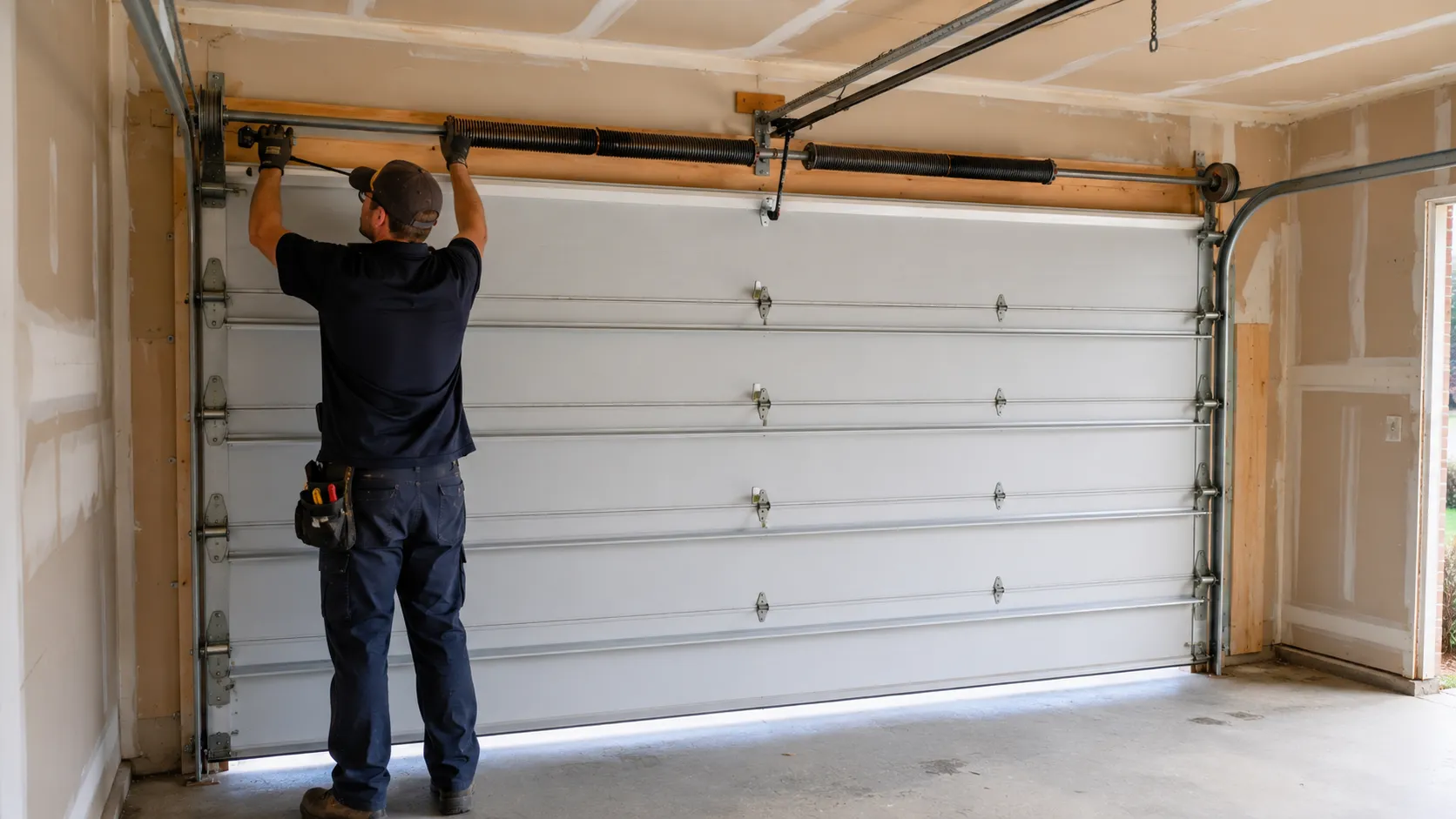
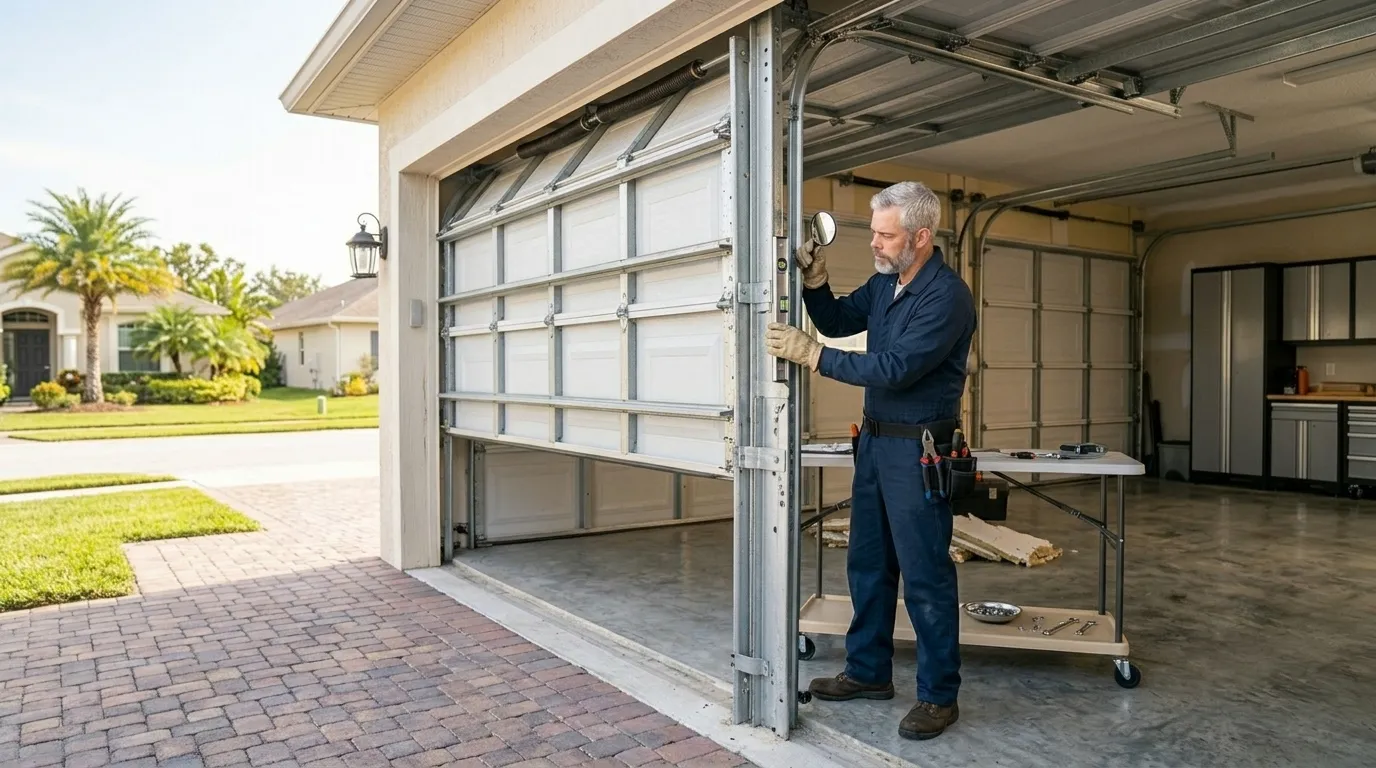
A door built or replaced around 1977 usually means a lighter-gauge steel panel, often two or three inches thick, hung on a track system sized for the door weight standards of that decade - lighter than what current doors carry. Extension springs mounted along the horizontal track, rather than a torsion spring over the header, are typical for this vintage, and they wear differently: they stretch and fatigue rather than fail all at once, so you'll often see a door start to hang crooked before a cable ever snaps. Openers from this era or their first replacements are chain-drive, and parts for the oldest units simply aren't made anymore, which shapes whether a repair or a full swap makes more sense. The COLD moderate climate band this area sits in also matters for extension springs specifically - freeze-thaw cycling stiffens old spring steel faster than in a milder zone, so a spring that's marginal in October can seize or snap by February. None of this is exotic - it's just what a door from 1977 does at year fifty.
The Houses Here
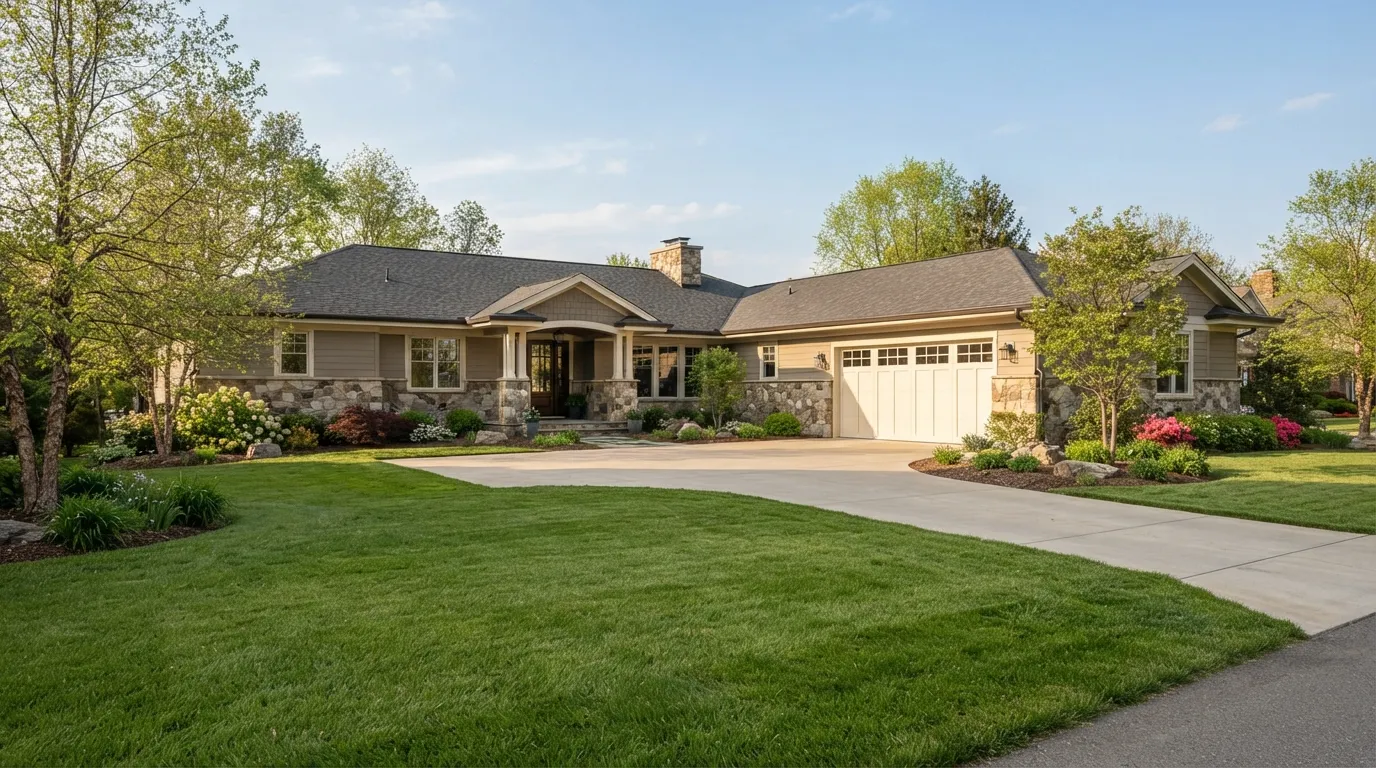
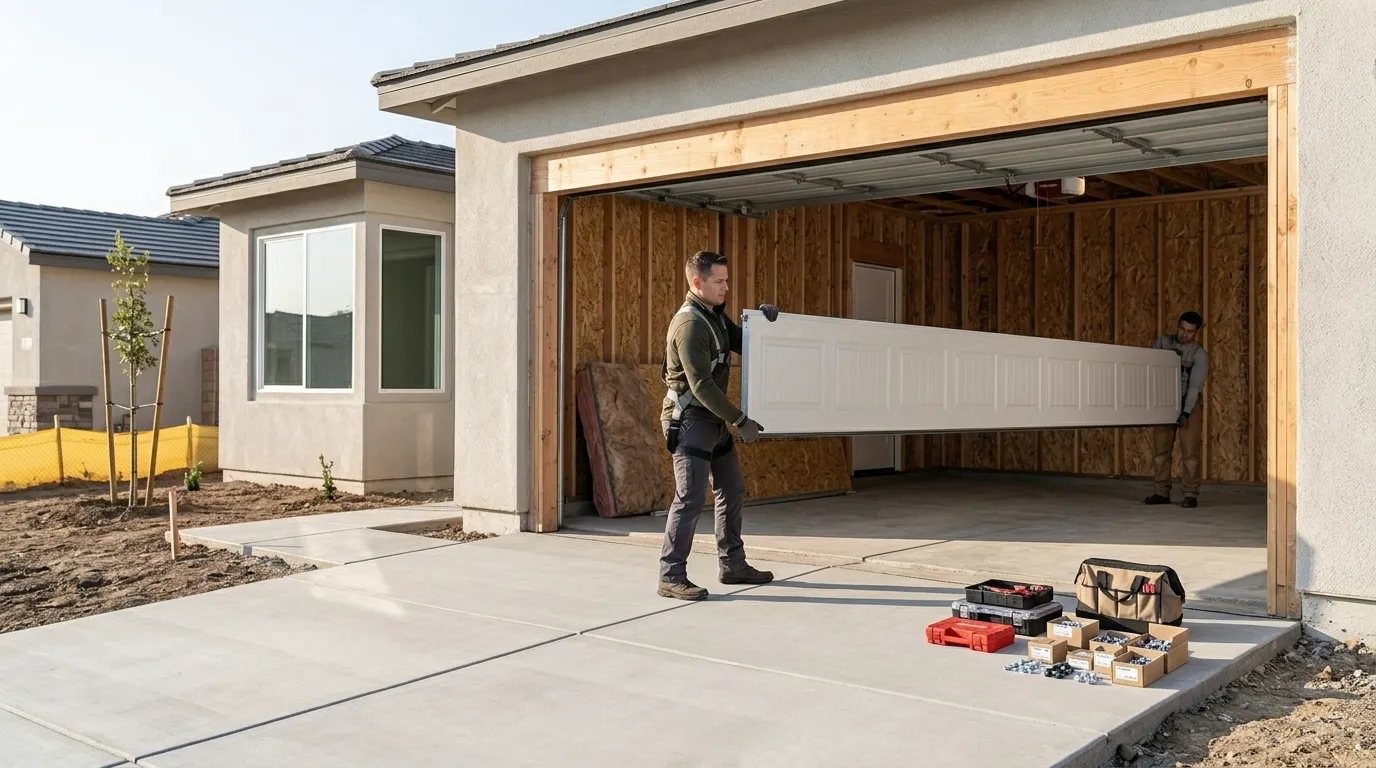
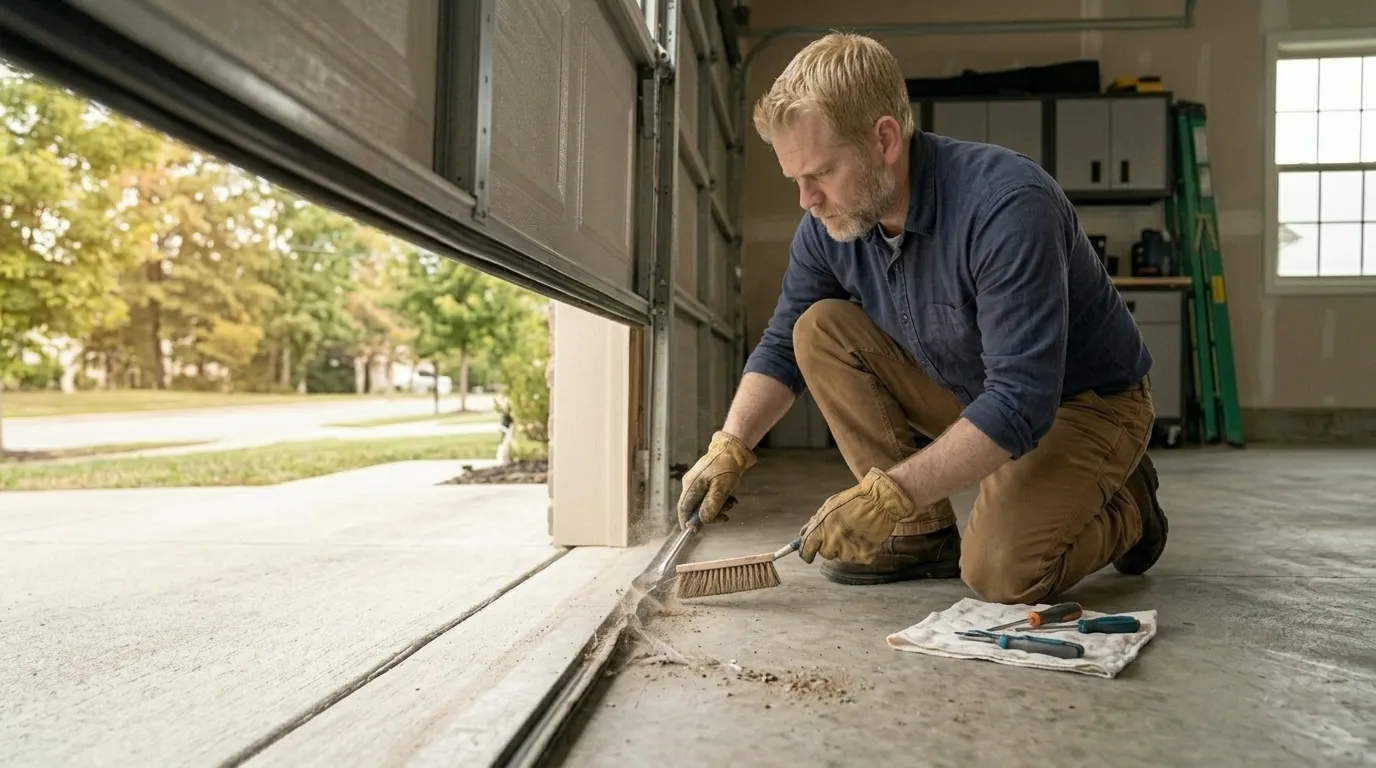
Oakbrook Terrace is a small area by household count - about 1,320 households - and the median income here, $70,586, runs noticeably below the wider service area's $99,861. That gap shows up in the calls: more owners here ask us to repair a spring or realign a track rather than replace the whole door outright, and that's often the right call on a door from this era anyway, since the panel steel itself tends to outlast the springs and openers hung on it. Across the broader area we cover, the housing stock runs from 1938 up through 1994 with a median around 1961, so a 1977 build here puts Oakbrook Terrace on the newer side of that range - which usually means better-sealed door bottoms and less rot around the jamb than you'd find on the pre-war stock elsewhere, even if the mechanical hardware is just as tired.