What People Here Ring About
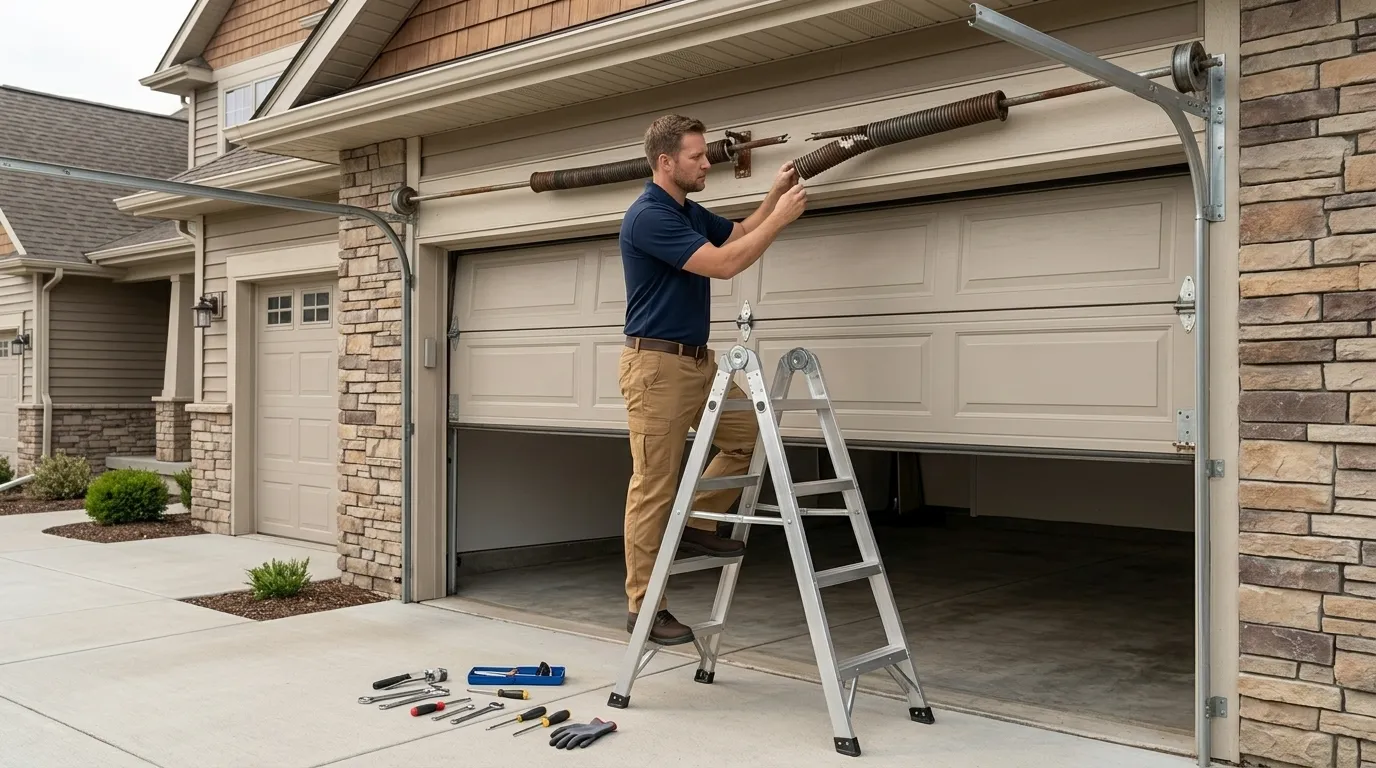
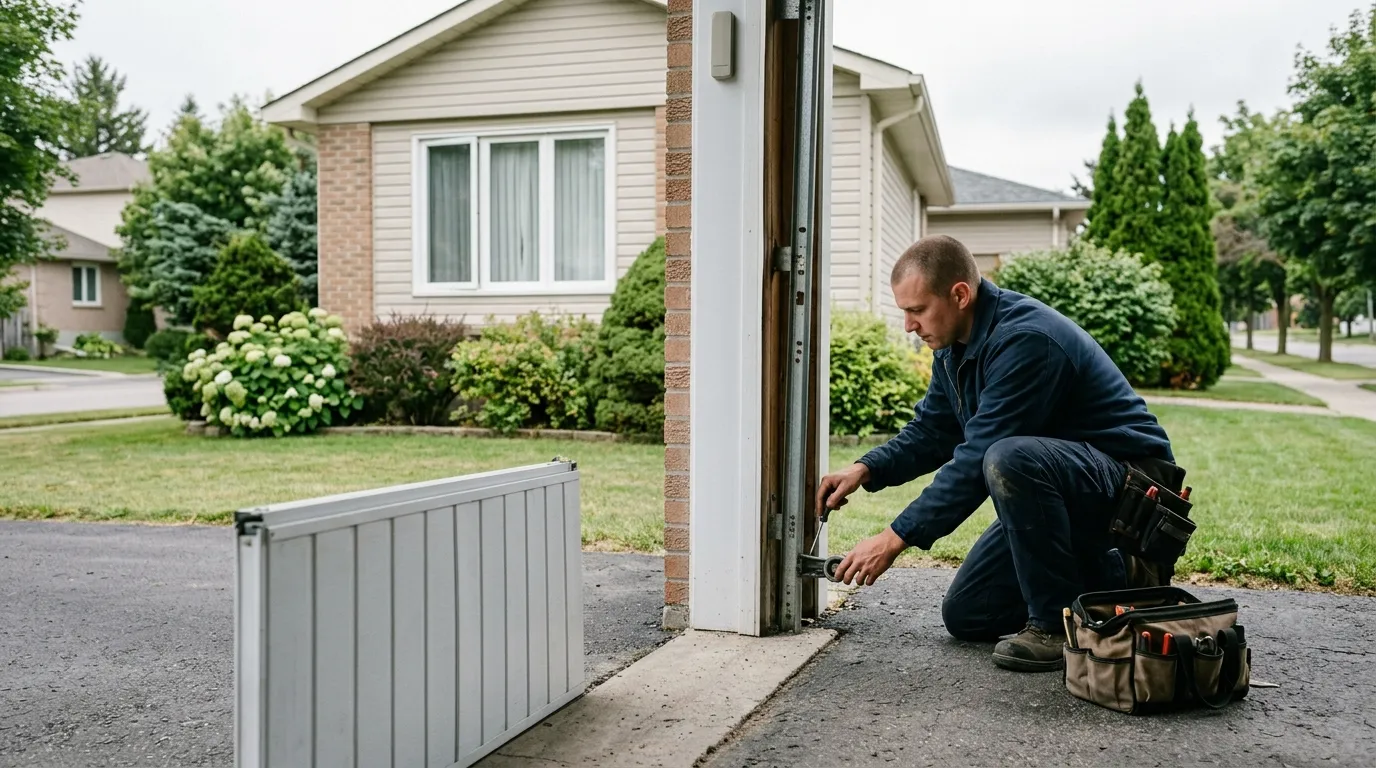
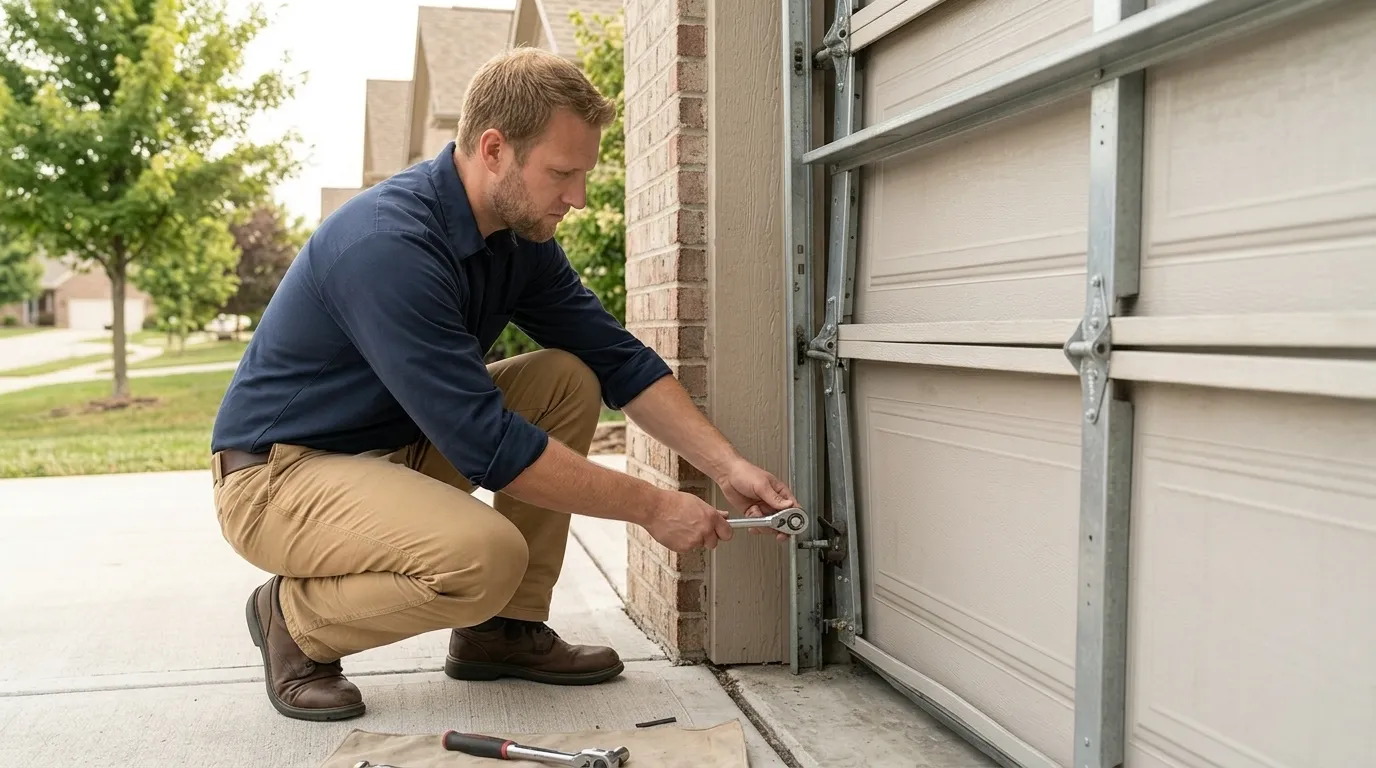
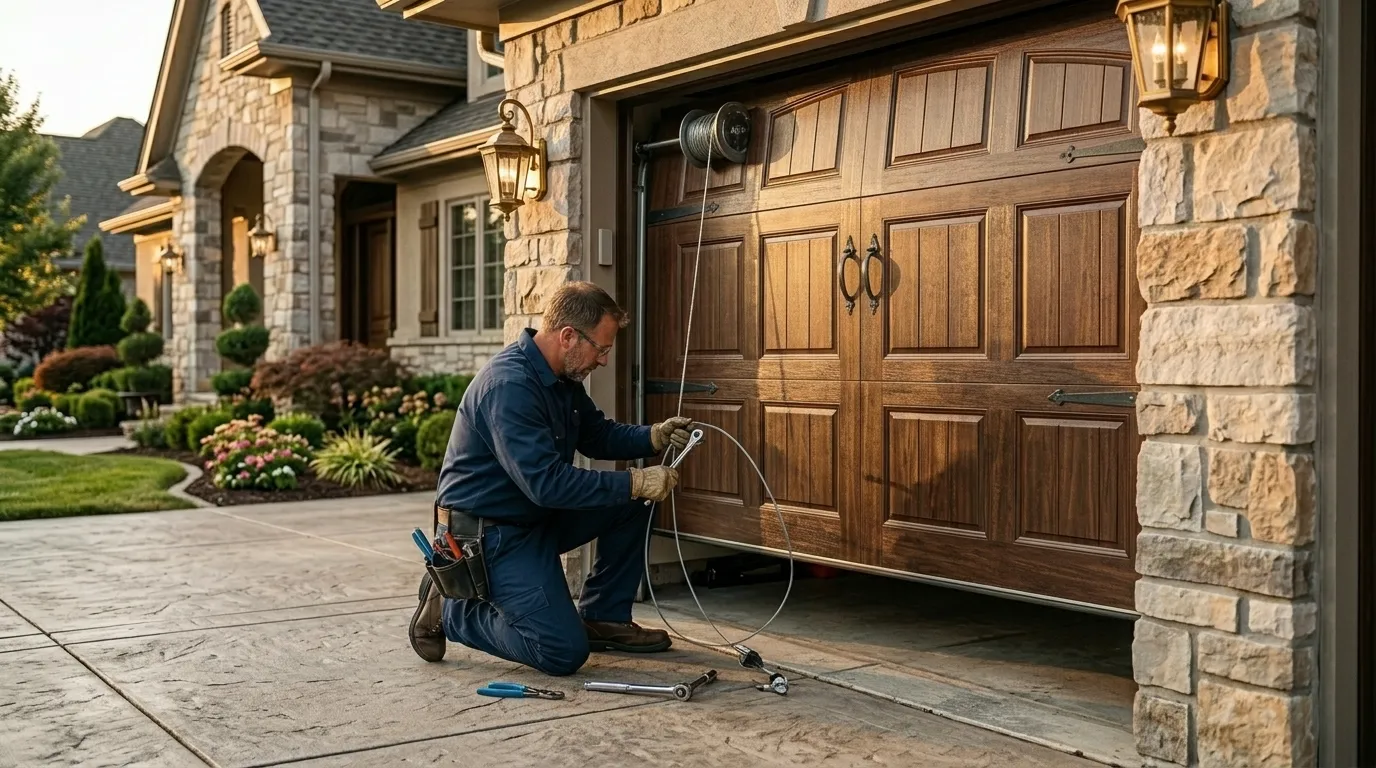
Northlake sits about 11 miles from our shop in Lincolnwood, and the calls we get from this area lean toward a specific problem: original hardware that's outlived its rated cycles. With a median build year of 1957, a lot of these houses have never had their torsion spring swapped out, and the springs that are original to the house are now well past 50 years old. That's not a scare number - it's just math on steel fatigue.
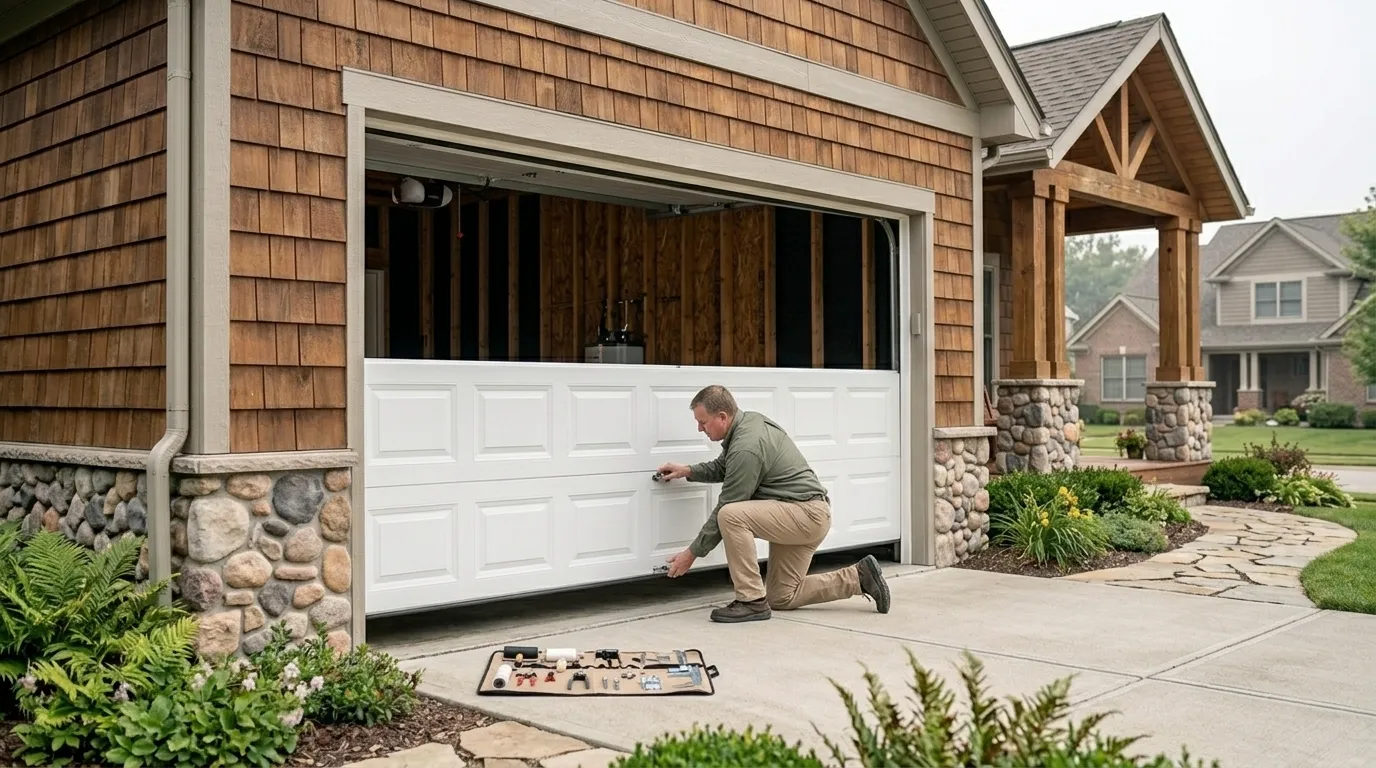
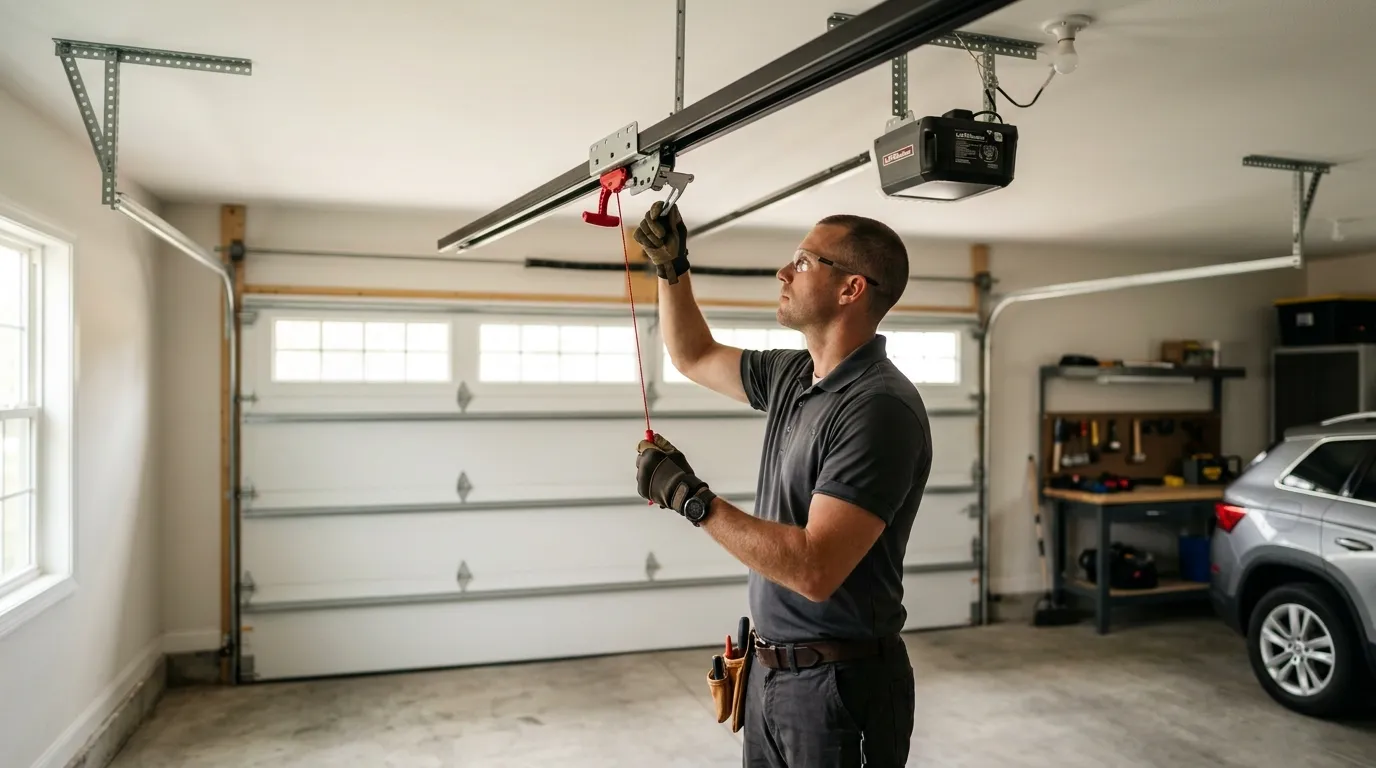
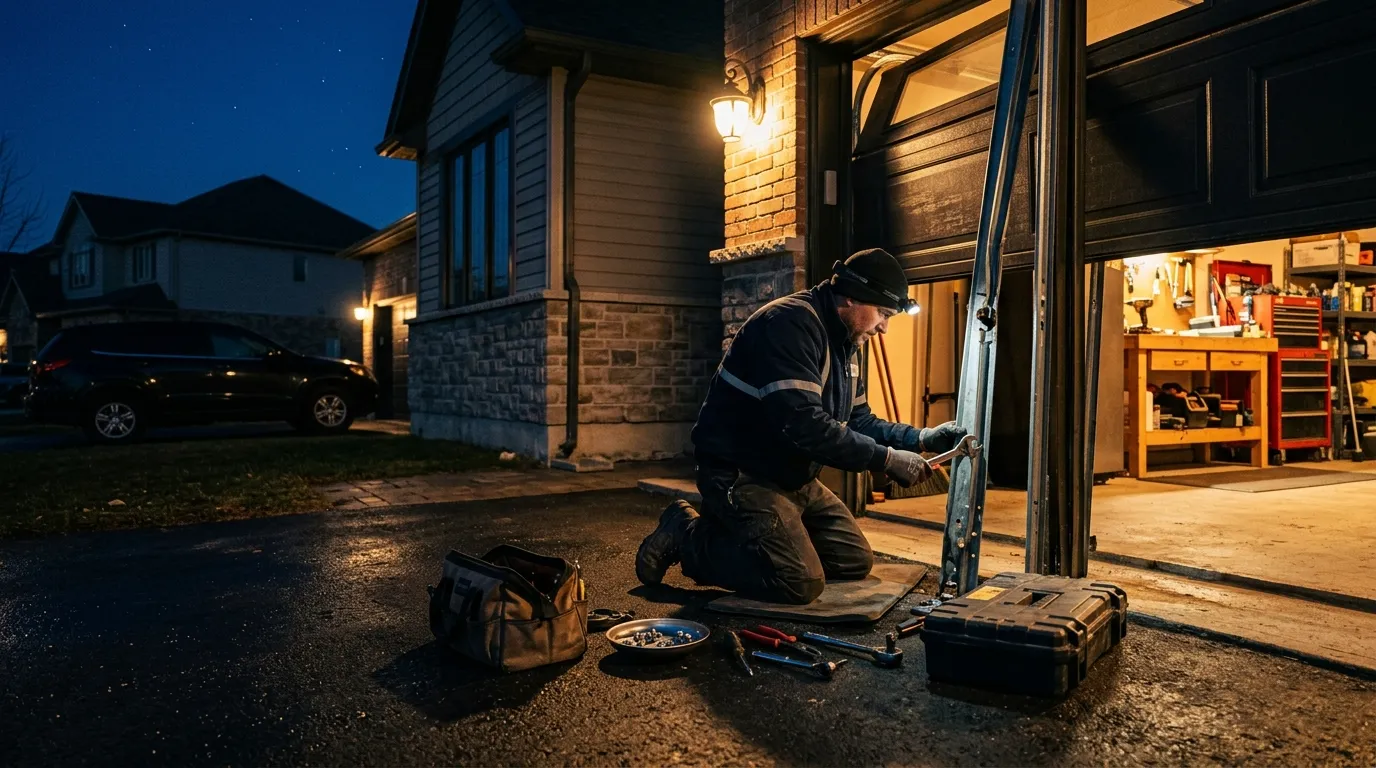
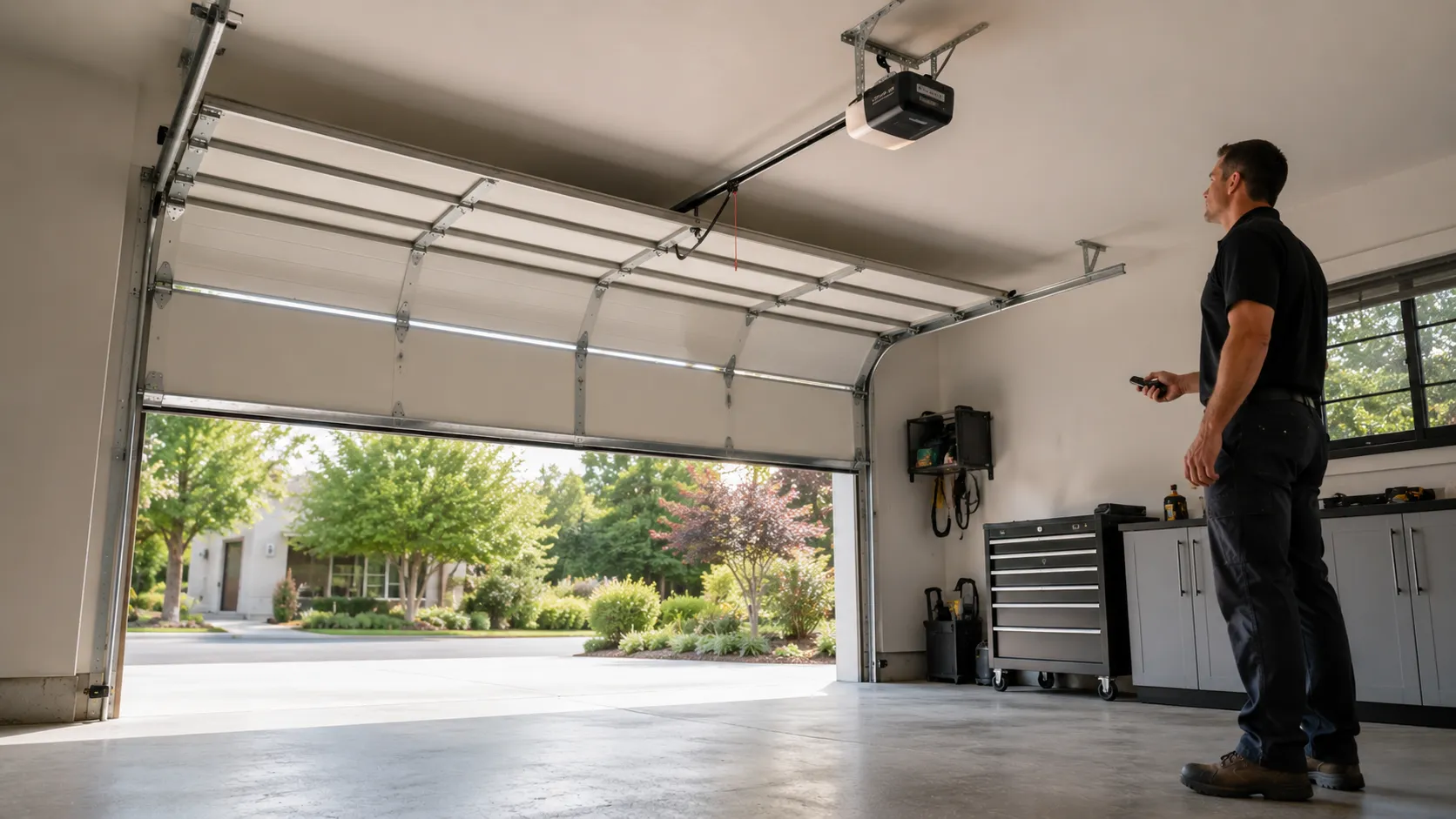
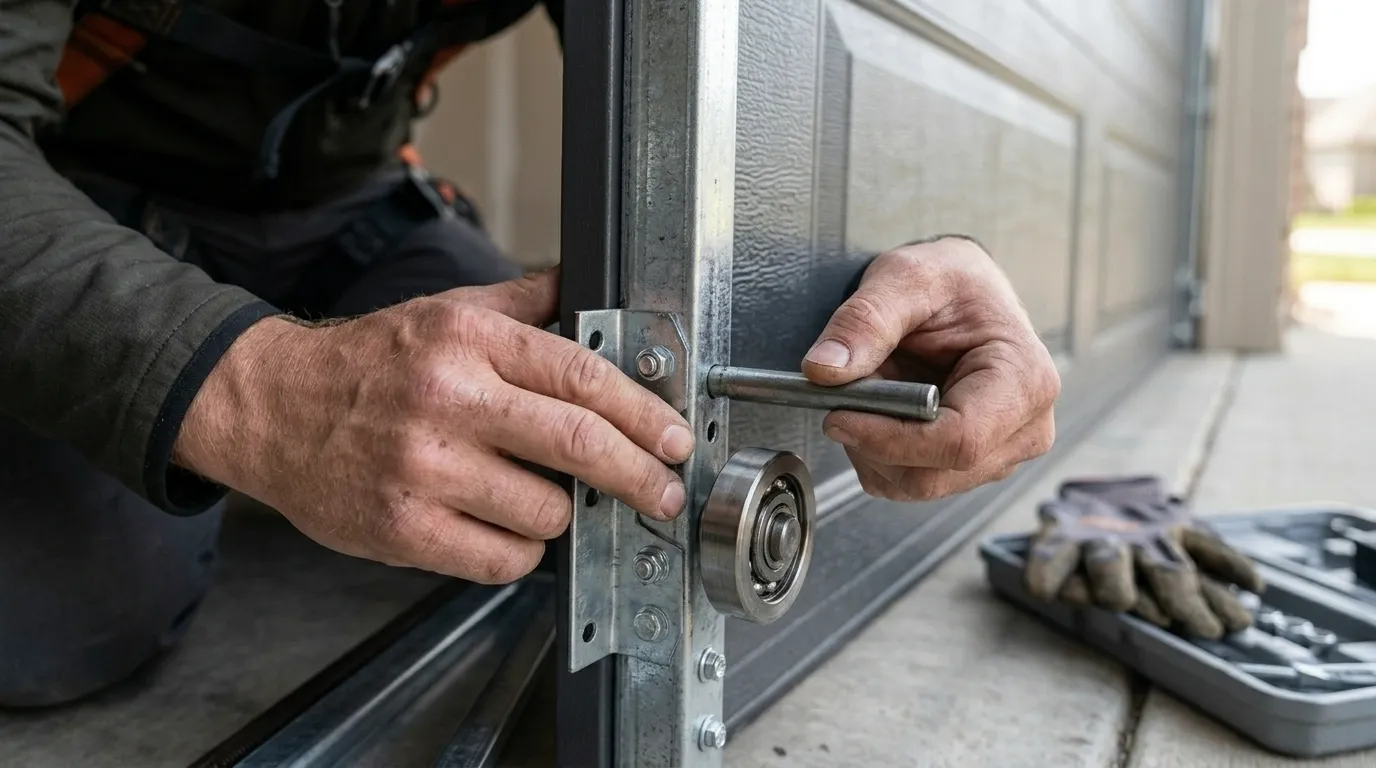
The other recurring call is opener trouble in winter. Cold, moderate-humidity climates like this one are hard on chain-drive openers with dried-out lubrication and on limit switches that drift once the metal contracts. We also hear from people whose rollers have gone from steel to a mess of flat spots and noise, which tracks with houses that have had one owner and one door for six decades.
We don't get many calls here about smart-opener integration or high-end insulated panel upgrades - this area is mostly people trying to keep a serviceable door serviceable, not people shopping for a showpiece.
What the Housing Means for Your Door
A 1957 median build year puts most of Northlake's garage doors and their hardware a full generation ahead of the newer stock we see elsewhere in the coverage area, where the citywide median lands closer to 1961. That four-year gap sounds small, but it often means the difference between a door built before steel rollers and nylon rollers coexisted on the same line, and one built after manufacturers standardized on lighter track gauge.
With around 4,406 households in Northlake, this isn't a sprawling market, and the housing here reads consistently: single-car and two-car garages built for the original house, most still running the torsion or extension spring setup that came with them. Extension springs without safety cables show up more often on these older doors than on anything built after the mid-1960s, and that's a real safety gap, not just an inconvenience.
At a median household income of $77,564, we also see more owners choosing a targeted repair - spring, cable, or roller - over a full door replacement, which is often the right call on a door frame that's still square and true.
The Houses Here
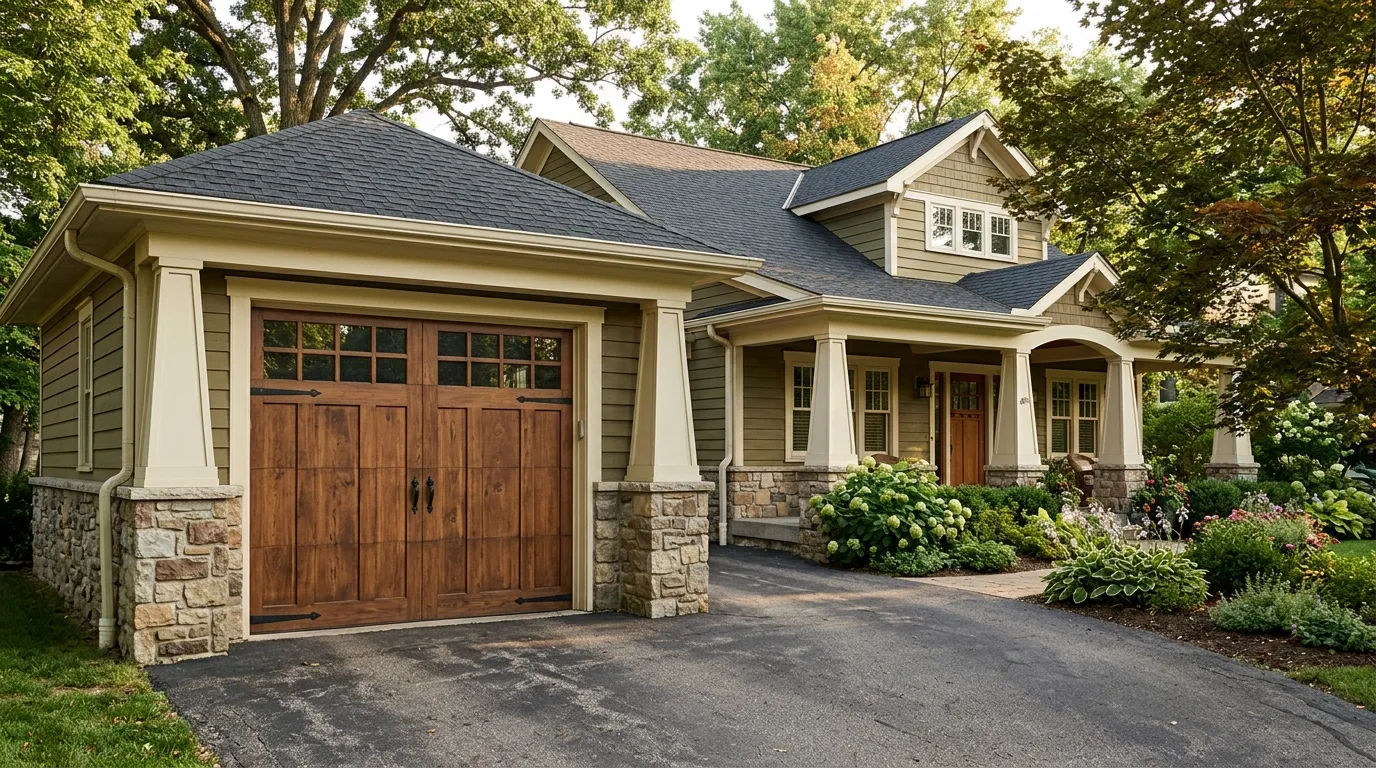
Most of Northlake was built out mid-century, and the 1957 median tells you what kind of garages you're dealing with: single-family, modest footprint, one door per house, and hardware that was standard-issue for its era rather than upgraded since. Compare that to the broader service area, where housing spans 1938 through 1994 across roughly 40 named neighborhoods and areas - Northlake sits on the older side of that range, closer to the early wave than the late one.
With 4,406 households here, this is a small, fairly uniform market. You don't get the mix of teardown-and-rebuild new construction next to original postwar stock that you'd find in some of the newer-built areas we cover. What you get instead is a lot of doors that were installed once, serviced rarely, and are now due - springs near the end of their cycle count, openers original to a house that's outlasted three or four of them elsewhere, and tracks that have taken 60-plus winters of expansion and contraction without ever being realigned.