What People Here Ring About
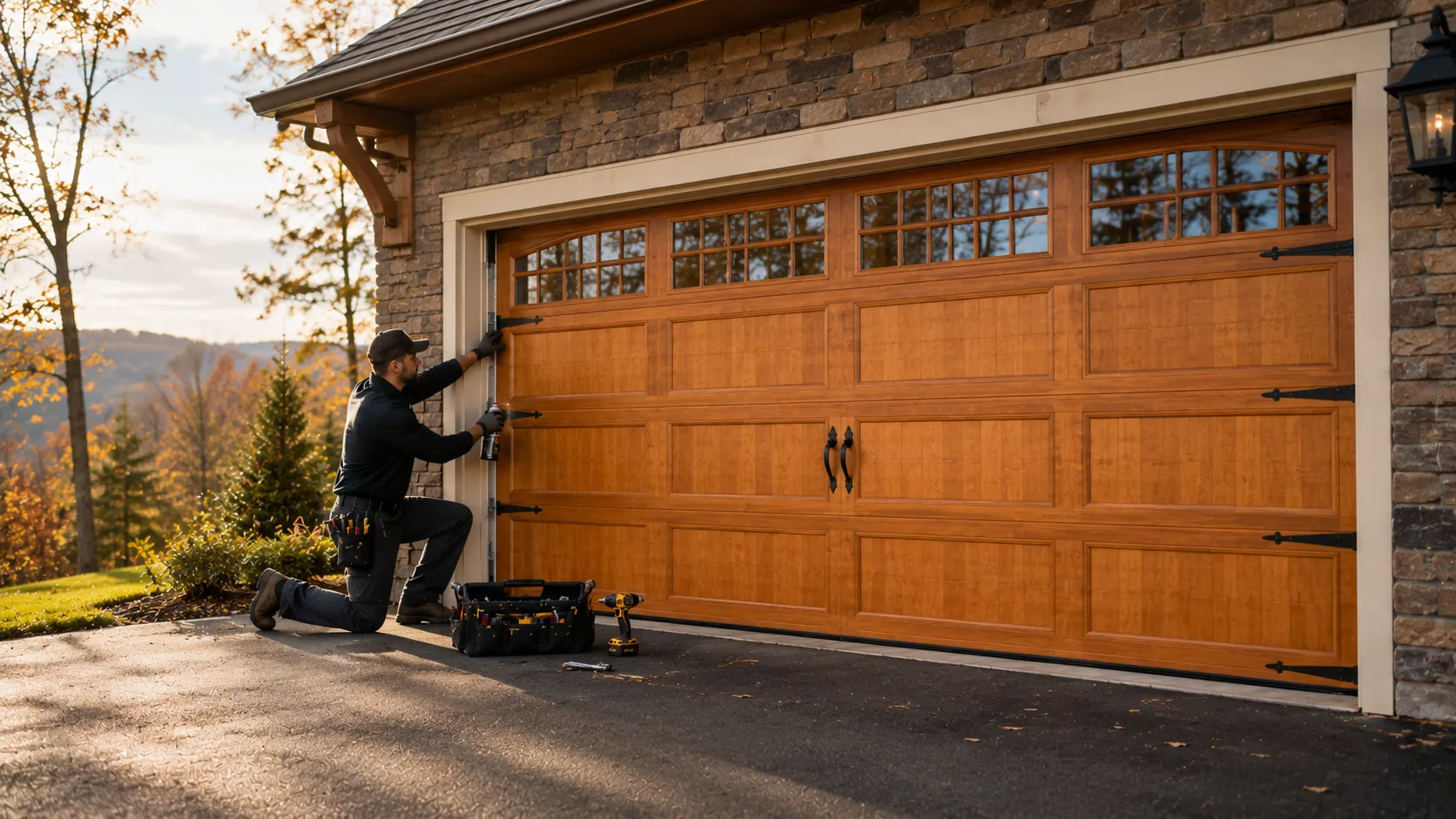
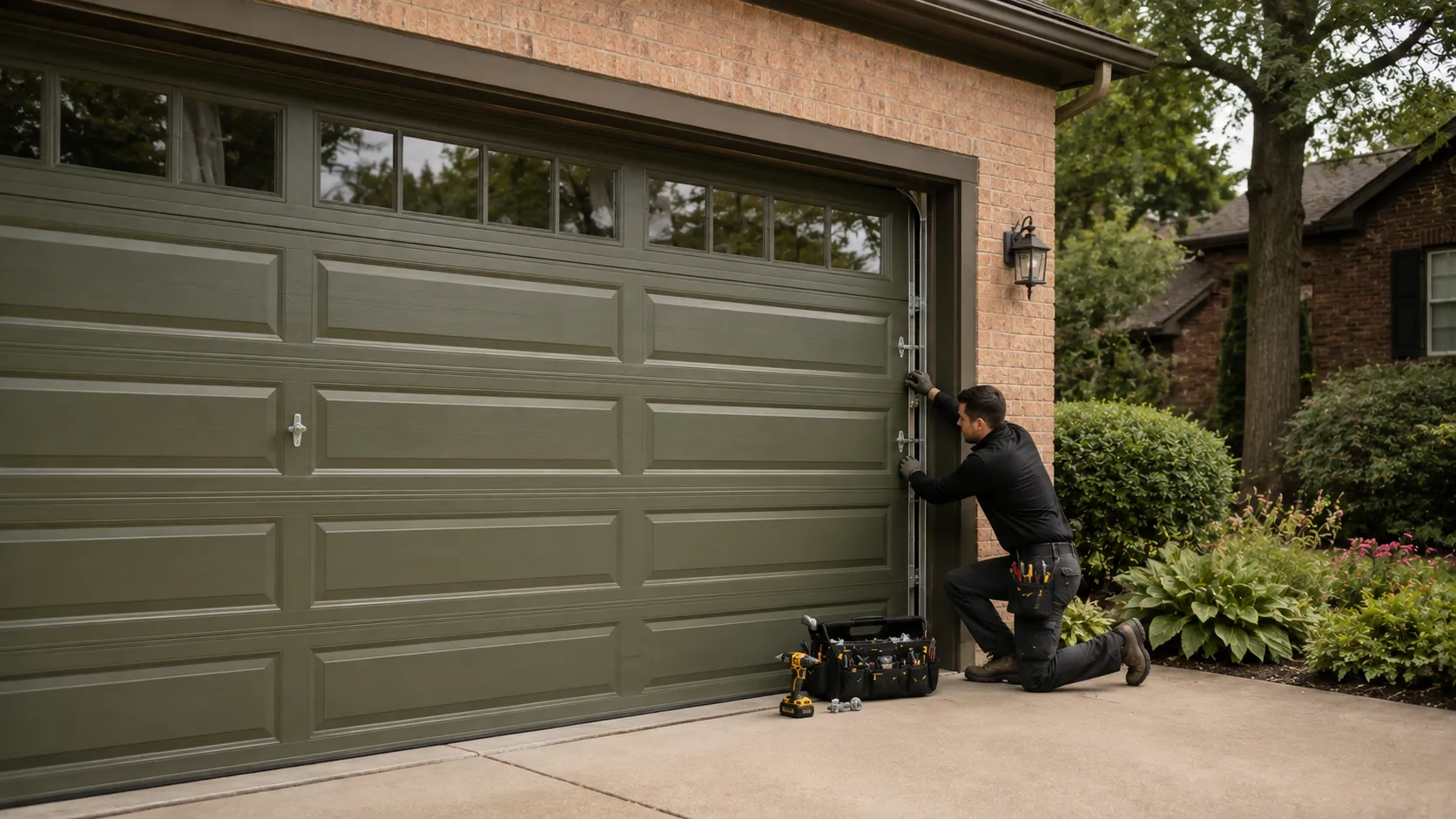
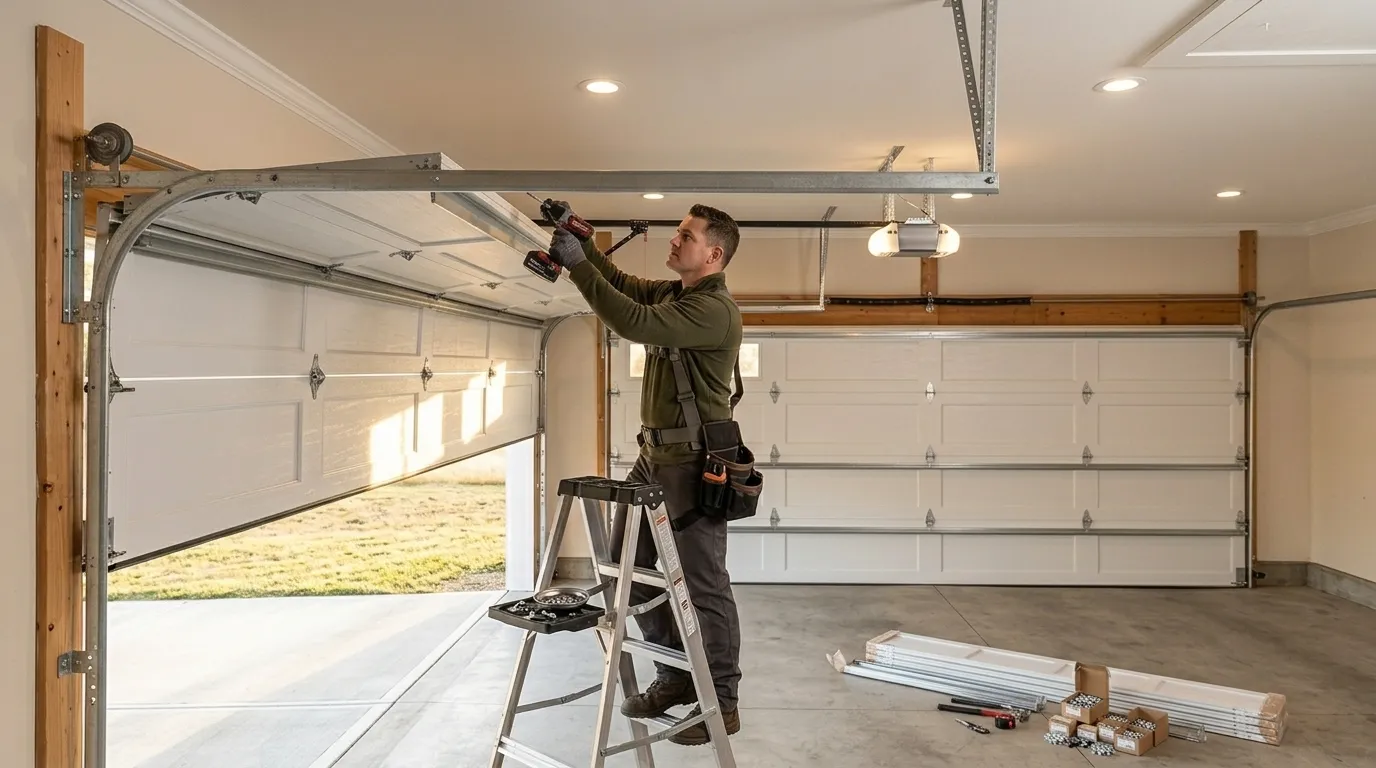
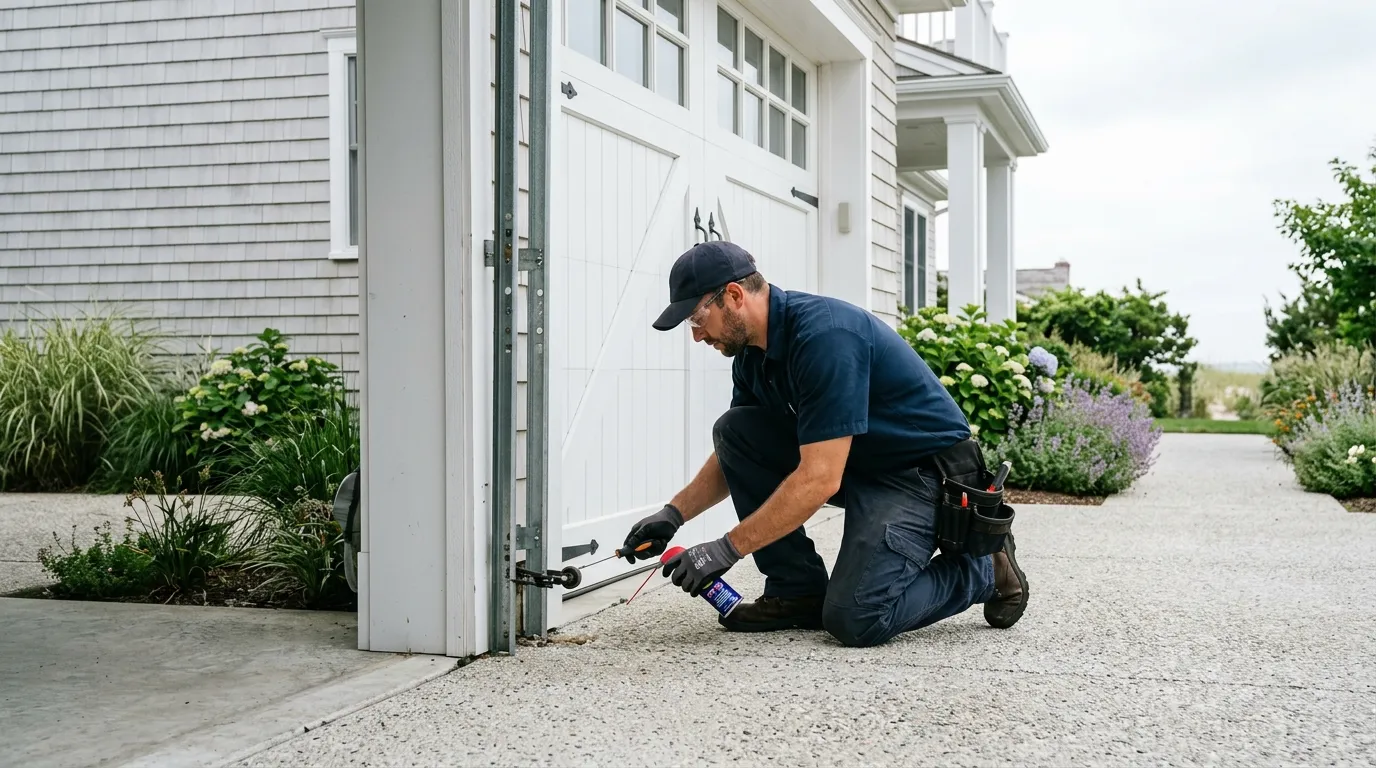
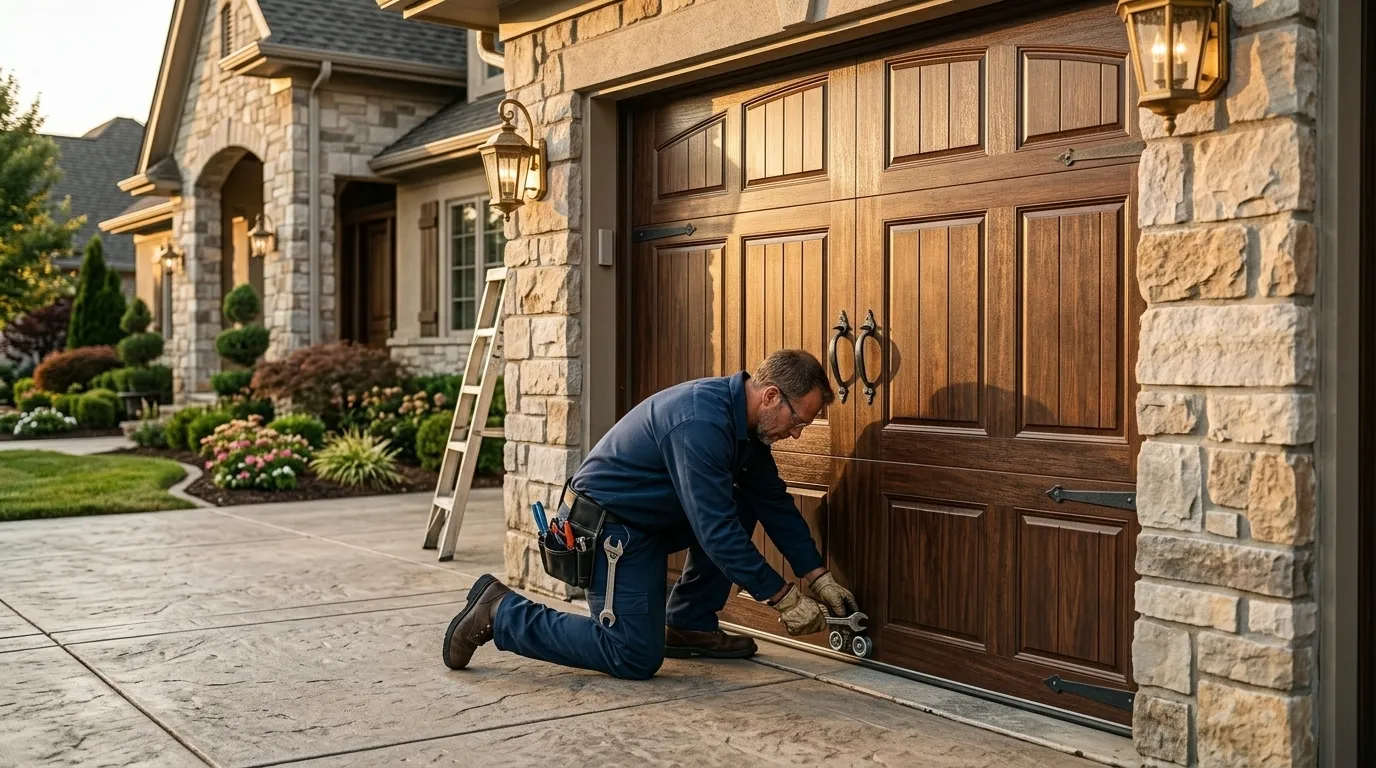
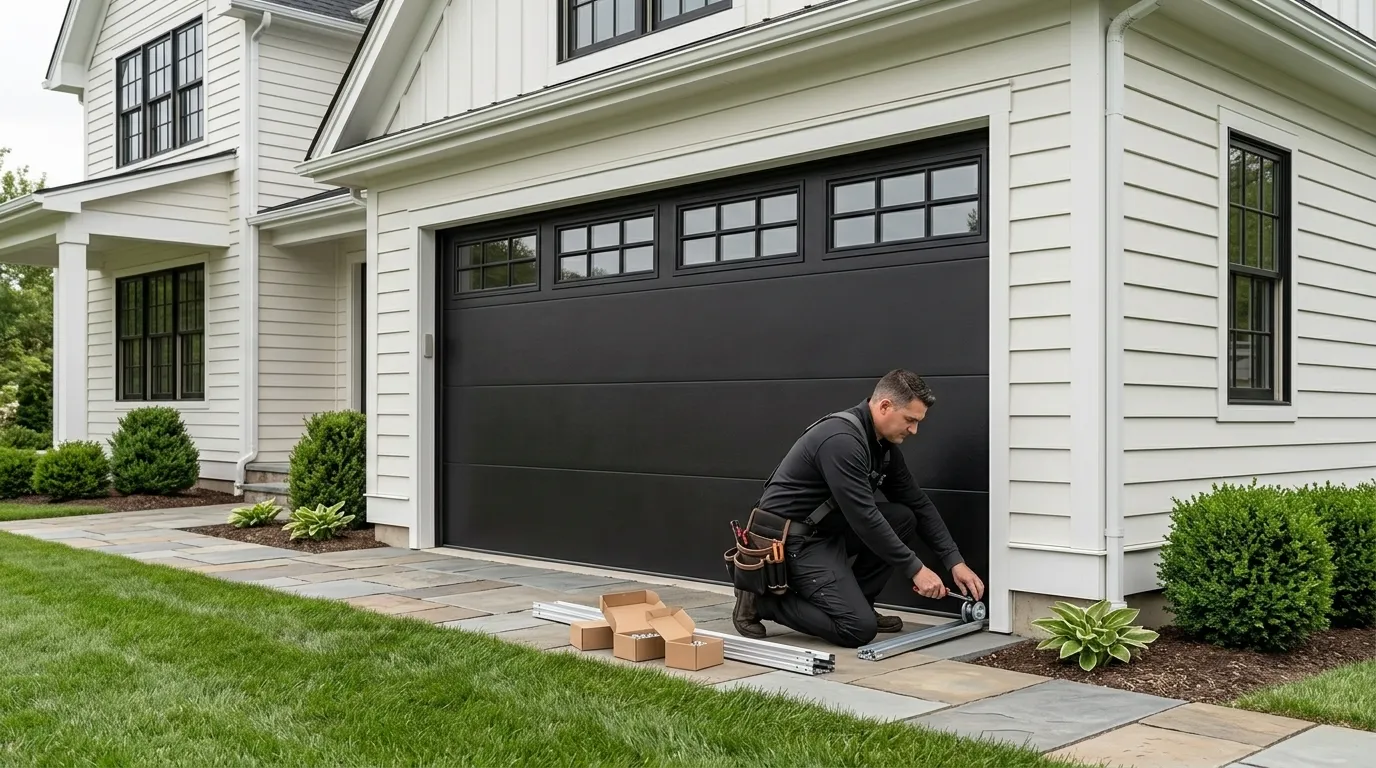
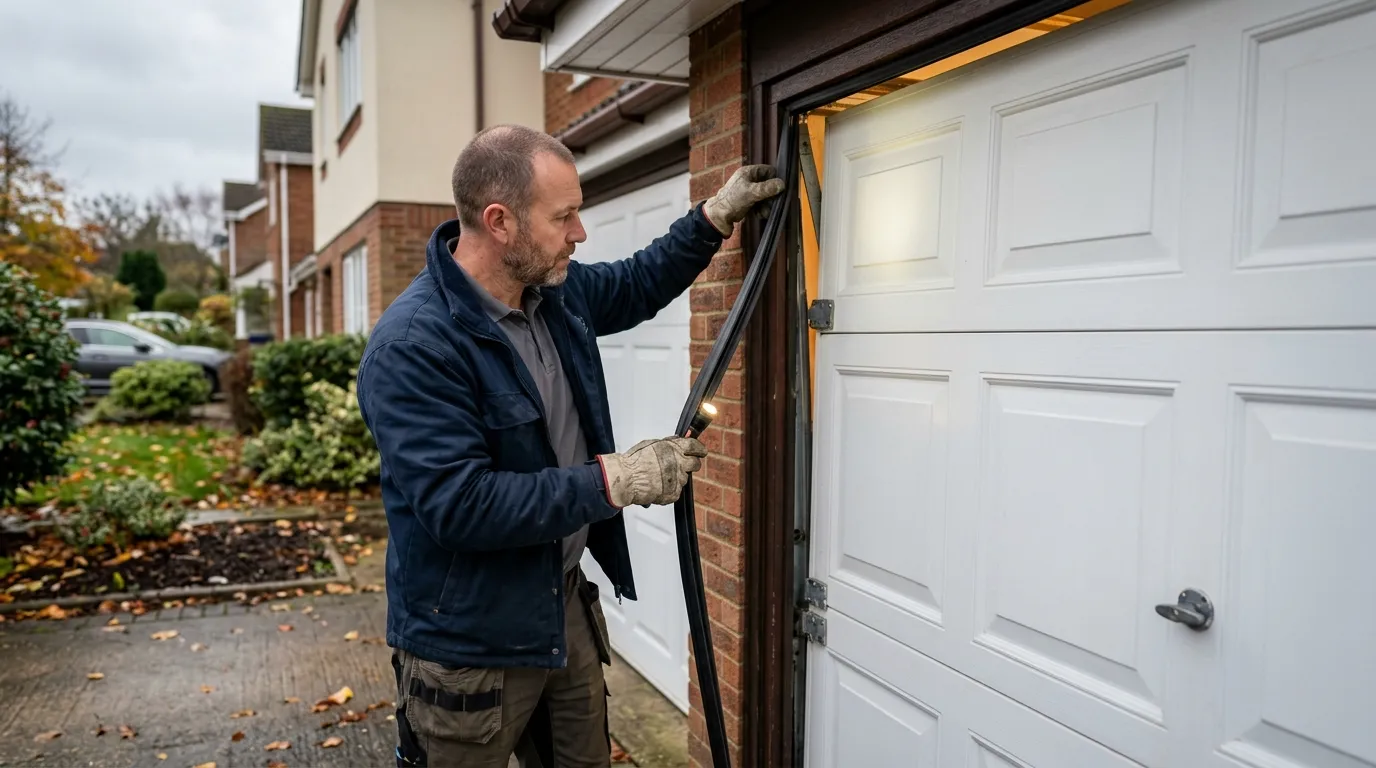
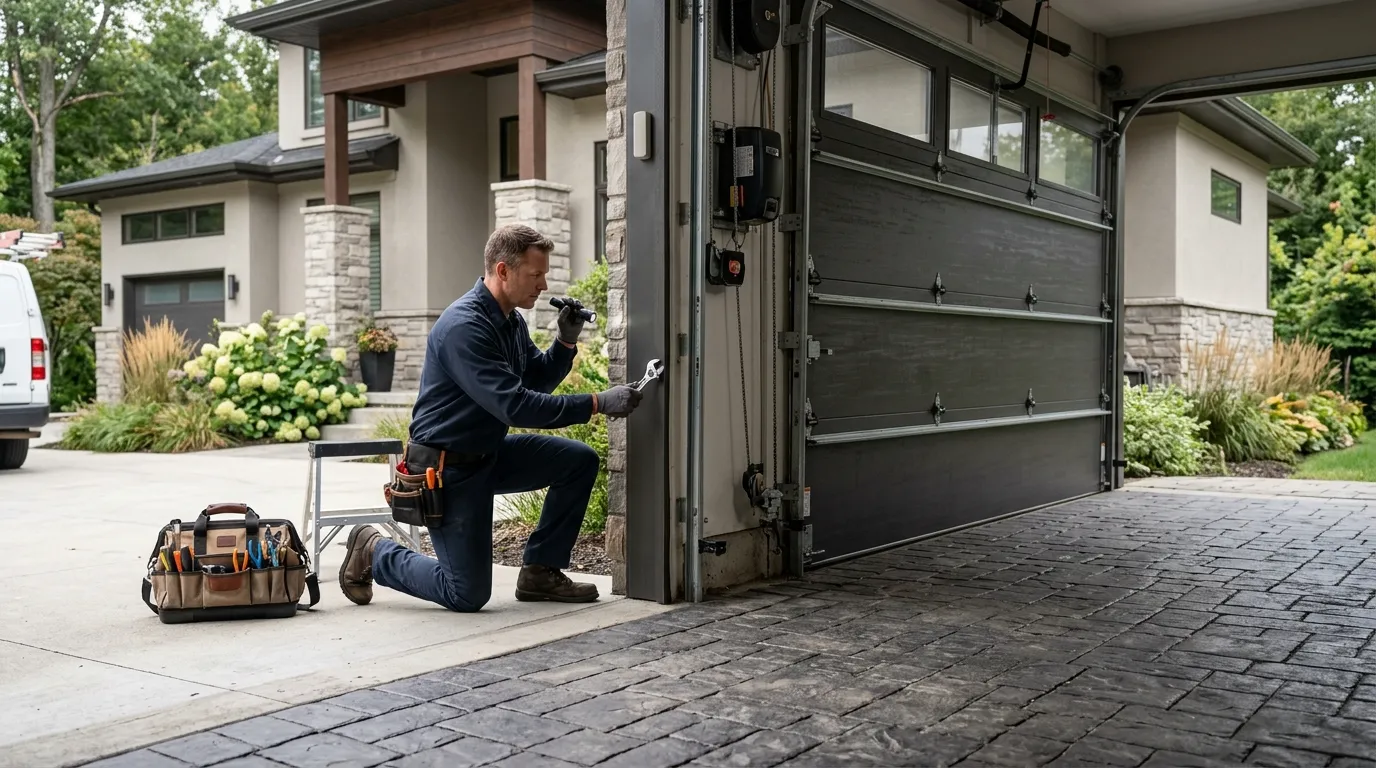
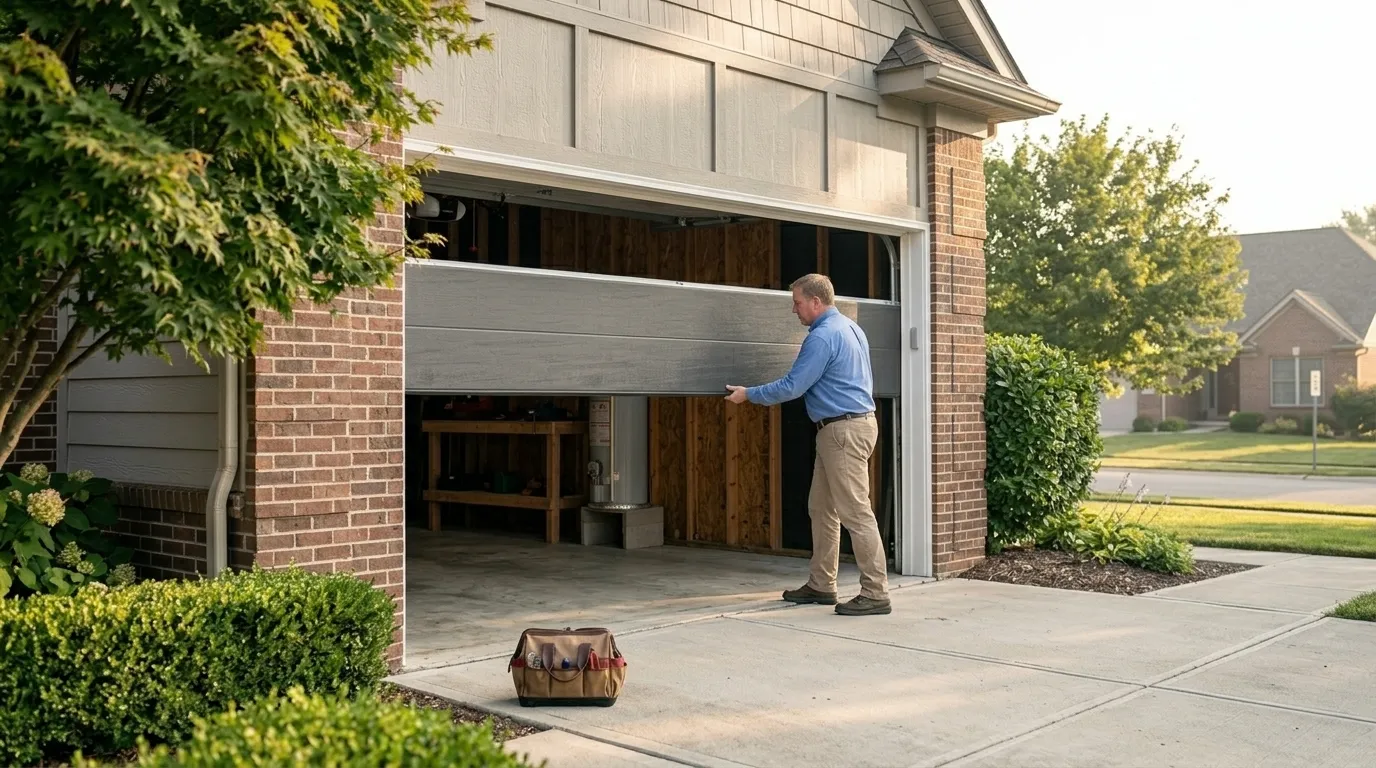
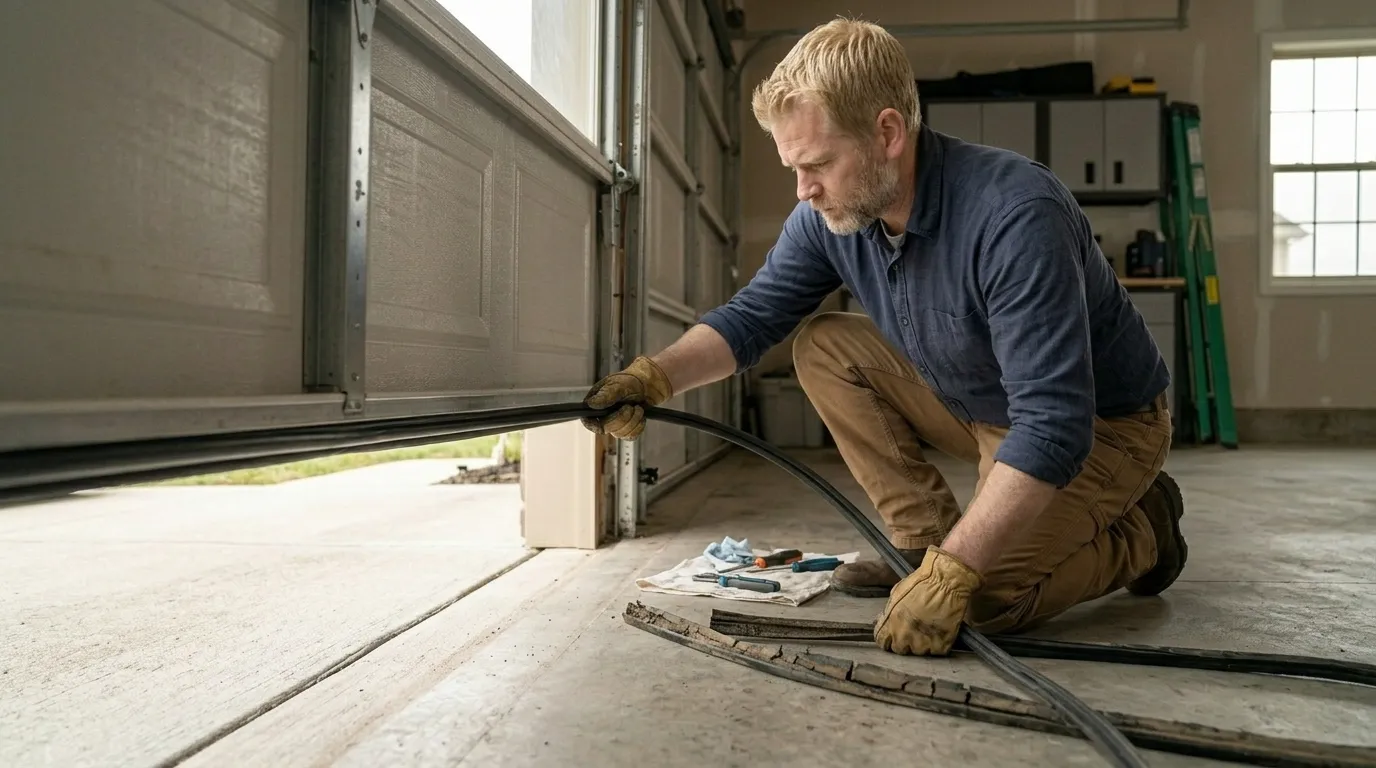
Northfield sits about 7 miles out from our Lincolnwood base, and the calls we get from this side of the coverage area lean a specific way. Because the housing stock here clusters around 1968, a good ten years newer than the median across our full service area, we're usually dealing with second-generation openers and doors rather than the original steel slabs some older suburbs still carry. That means chain-drive openers from the 80s and 90s reaching the end of their gear life, extension springs that were upgraded to torsion at some point and installed with hardware that doesn't quite match the door weight, and photo-eye sensors that have drifted out of alignment after years of driveway traffic. We also hear from homeowners whose panels have taken a hit from a car mirror or a snowblower and need a section replaced rather than a whole door. With household income here running well above the area average, we also get more calls asking about quieter belt-drive replacements and insulated panels, upgrades rather than pure fixes.
What the Housing Means for Your Door
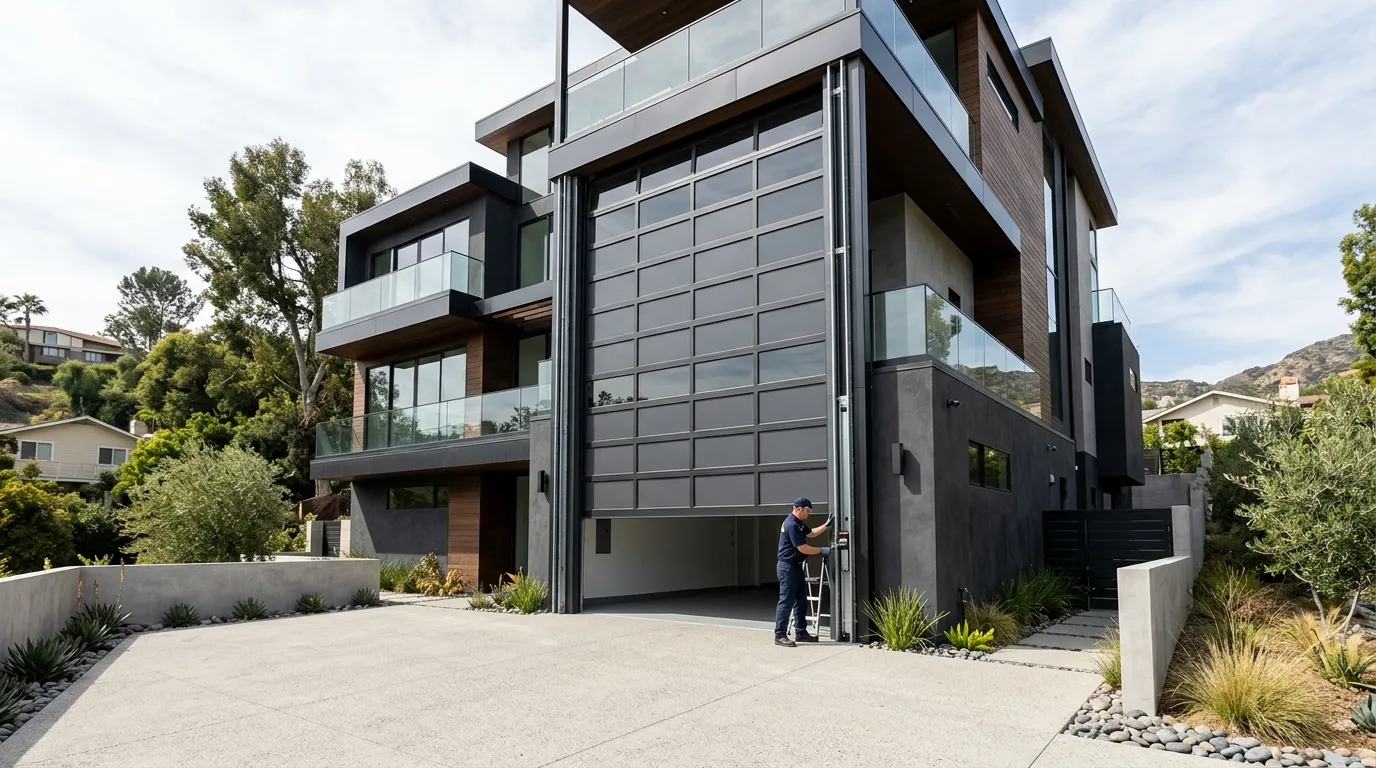
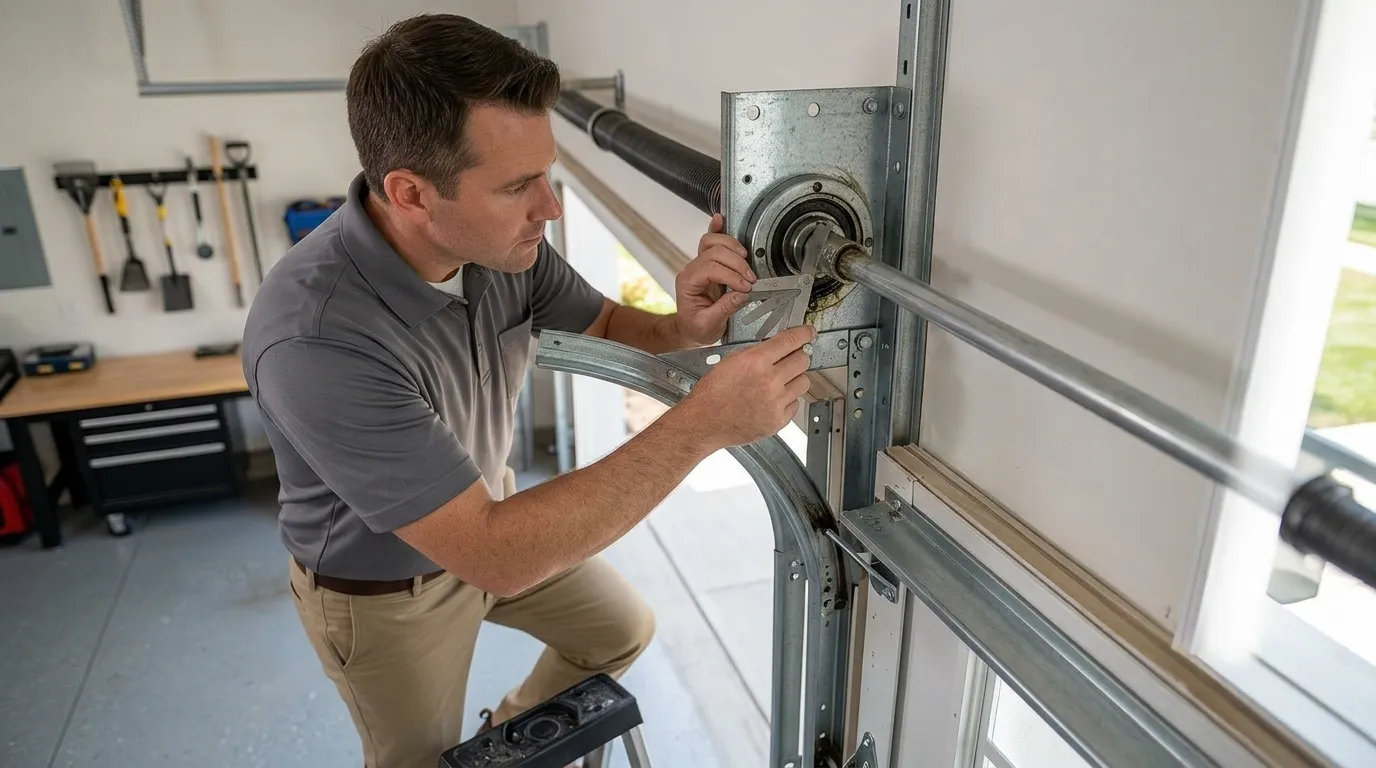
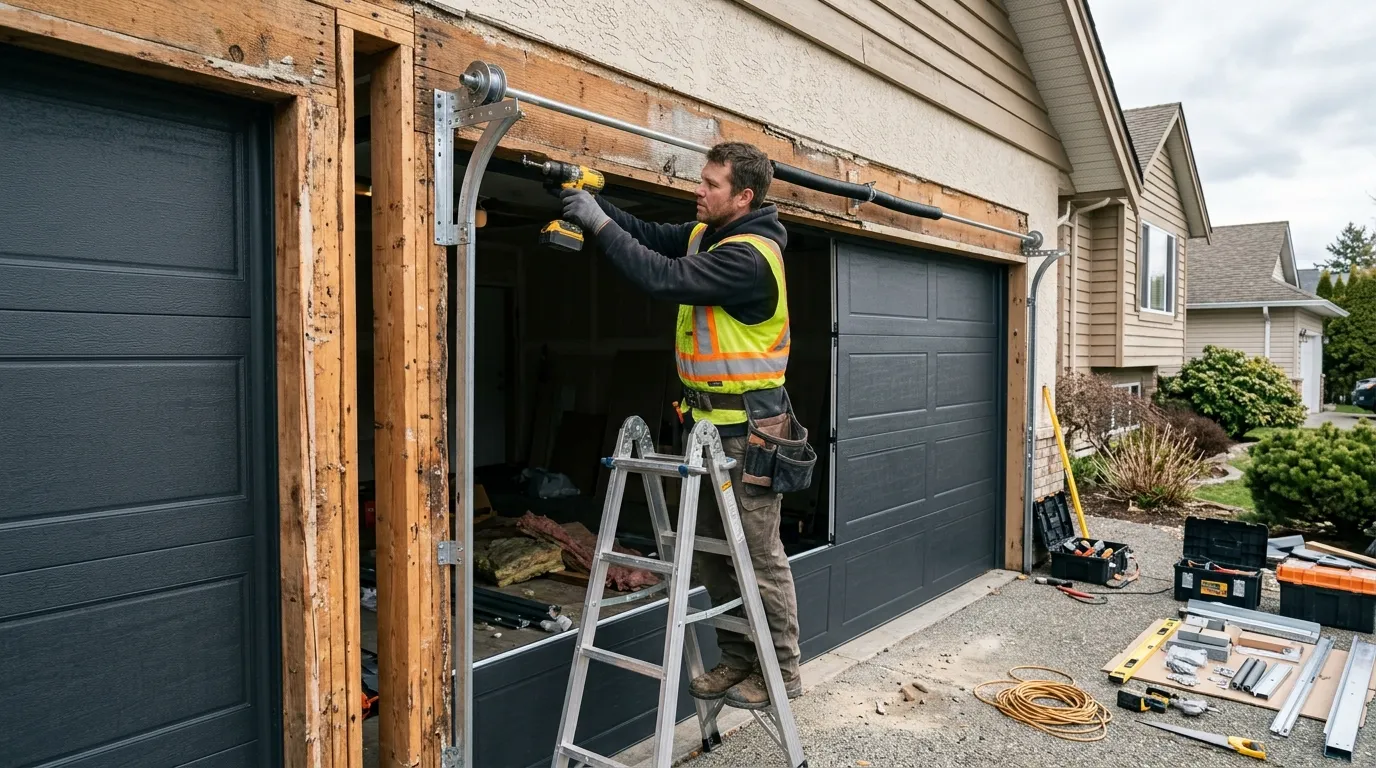
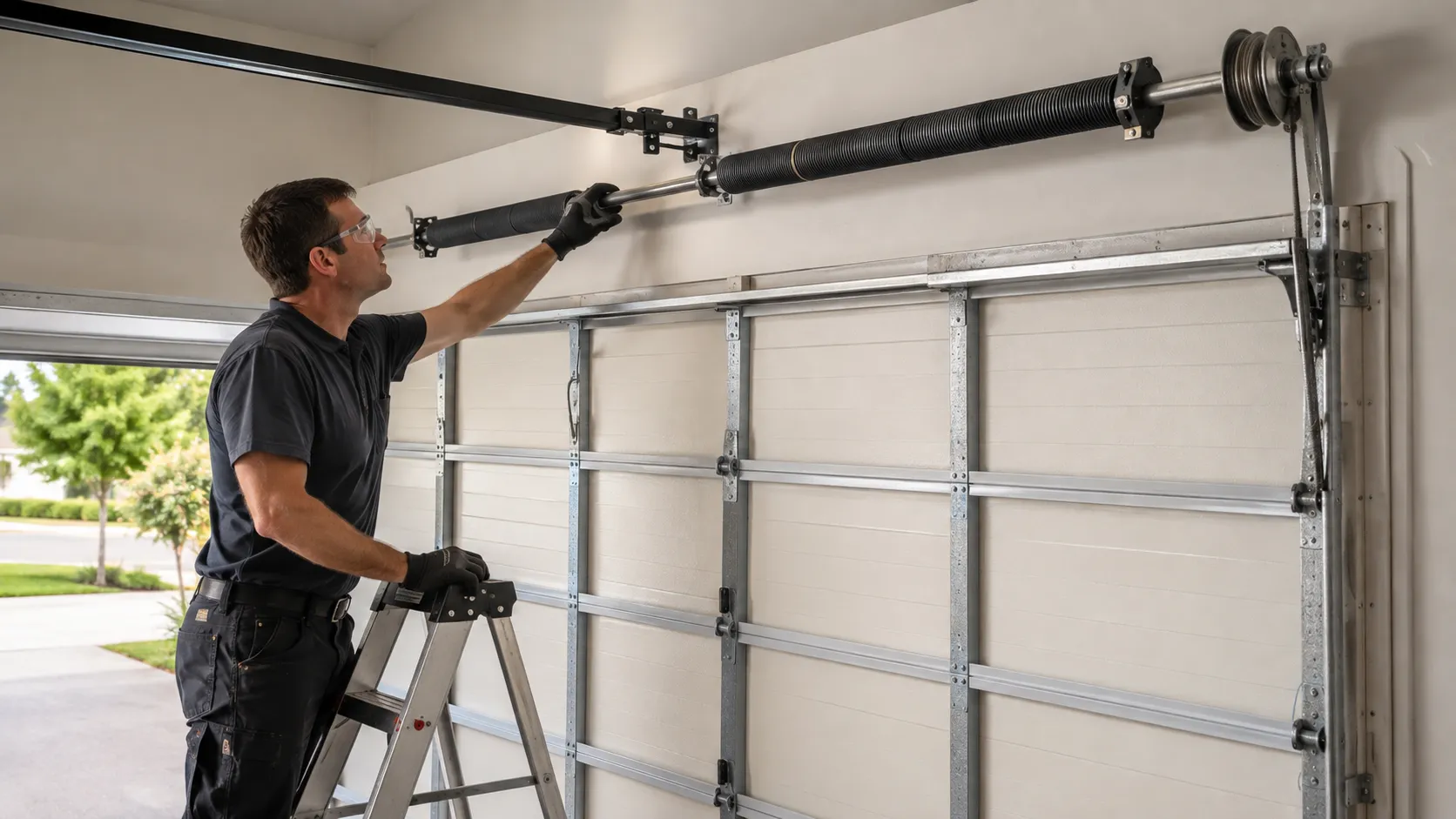
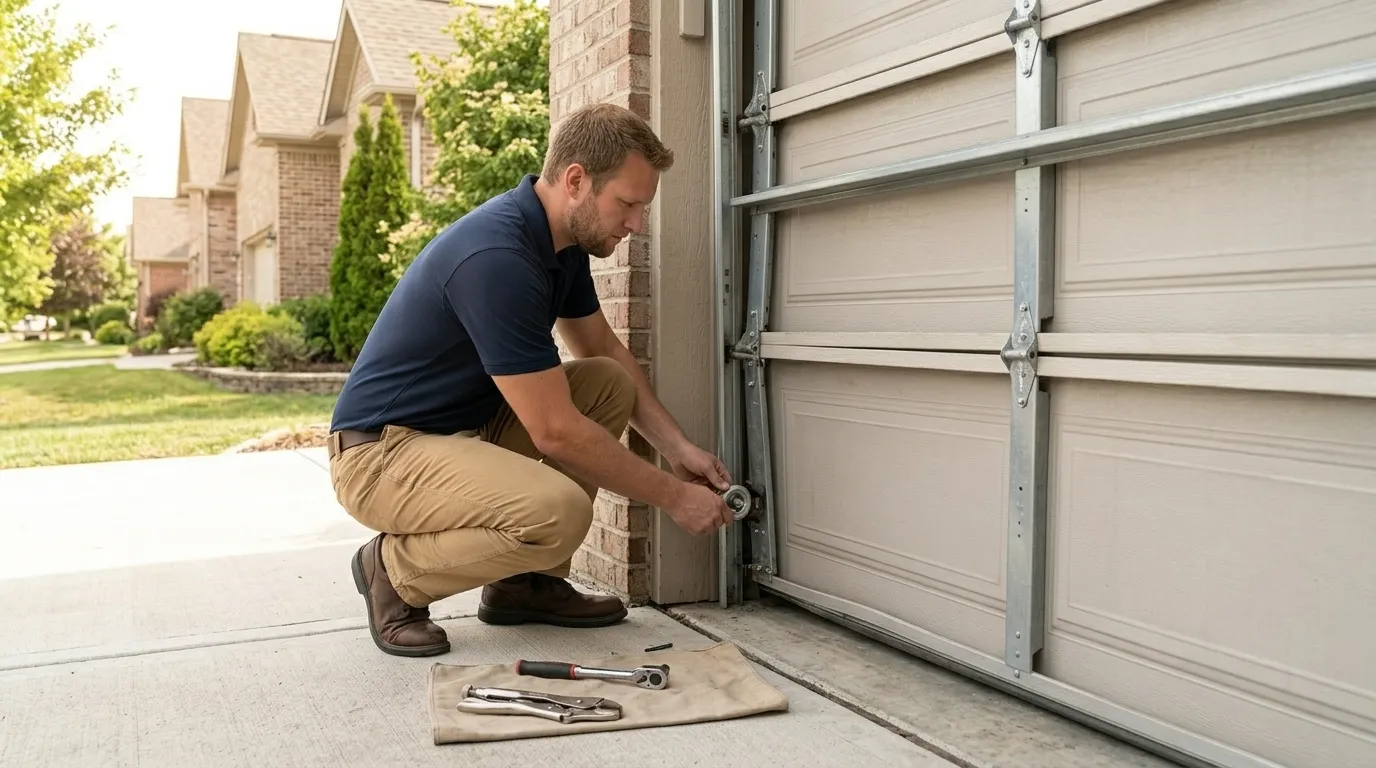
A house built in 1968 was framed for garage doors and openers that looked nothing like what's on the market now. The rough openings tend to be standard widths, which helps, but the original track and header hardware in homes from this era was sized for lighter doors than the insulated steel or composite doors people install today. When a door gets swapped out but the old jamb brackets and header reinforcement stay in place, you end up with a heavier door hanging on hardware it was never rated for, and that shows up as sagging tracks or a header that flexes when the door runs. Cold-climate winters put extra strain on that setup too, since lubricant thickens and springs work harder in the cold, which matters more when the underlying hardware is already borderline. If your house here still has its original opener or spring set from around that build era, it's worth having someone check the header bracing before adding a heavier door on top of it.
The Houses Here
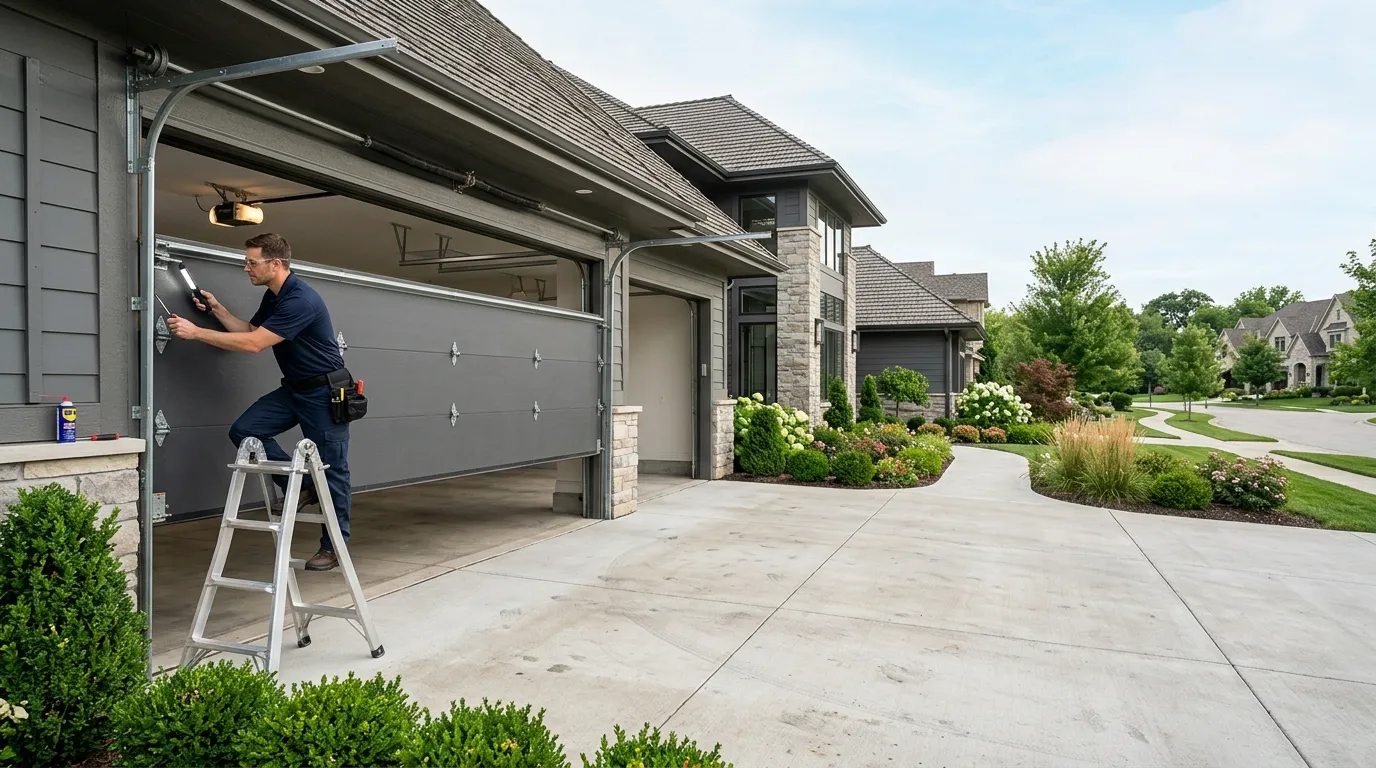
With about 2,348 households in Northfield, this isn't a high-turnover market, and a lot of these garage doors have had exactly one owner and maybe one repair call in their working life. That works in your favor when it comes to knowing your door's history, but it also means small issues sit unaddressed longer, since nobody's had to sell the house and get a home inspection to flag them. Median household income here runs around $180,492, well above the roughly $99,861 median across the wider service area, and that shows up in the calls: more requests for quiet operation, smart openers, and insulated doors that match a home's exterior, fewer calls asking for the cheapest possible fix. The 1968 median build year also means most of these homes are past the point where original openers are still safely serviceable, chain-drive units from that generation have usually been through at least one replacement by now, and if yours hasn't, it's due.