What People Here Ring About
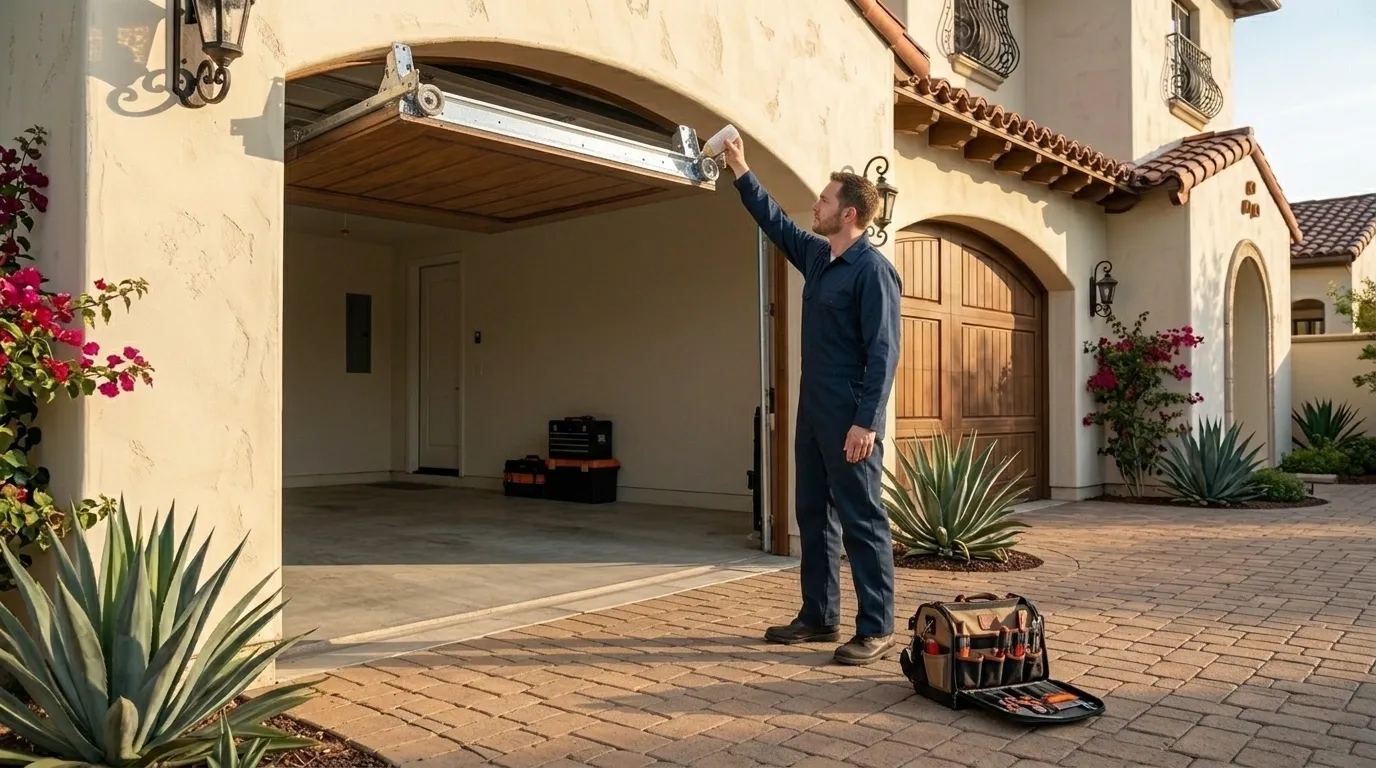
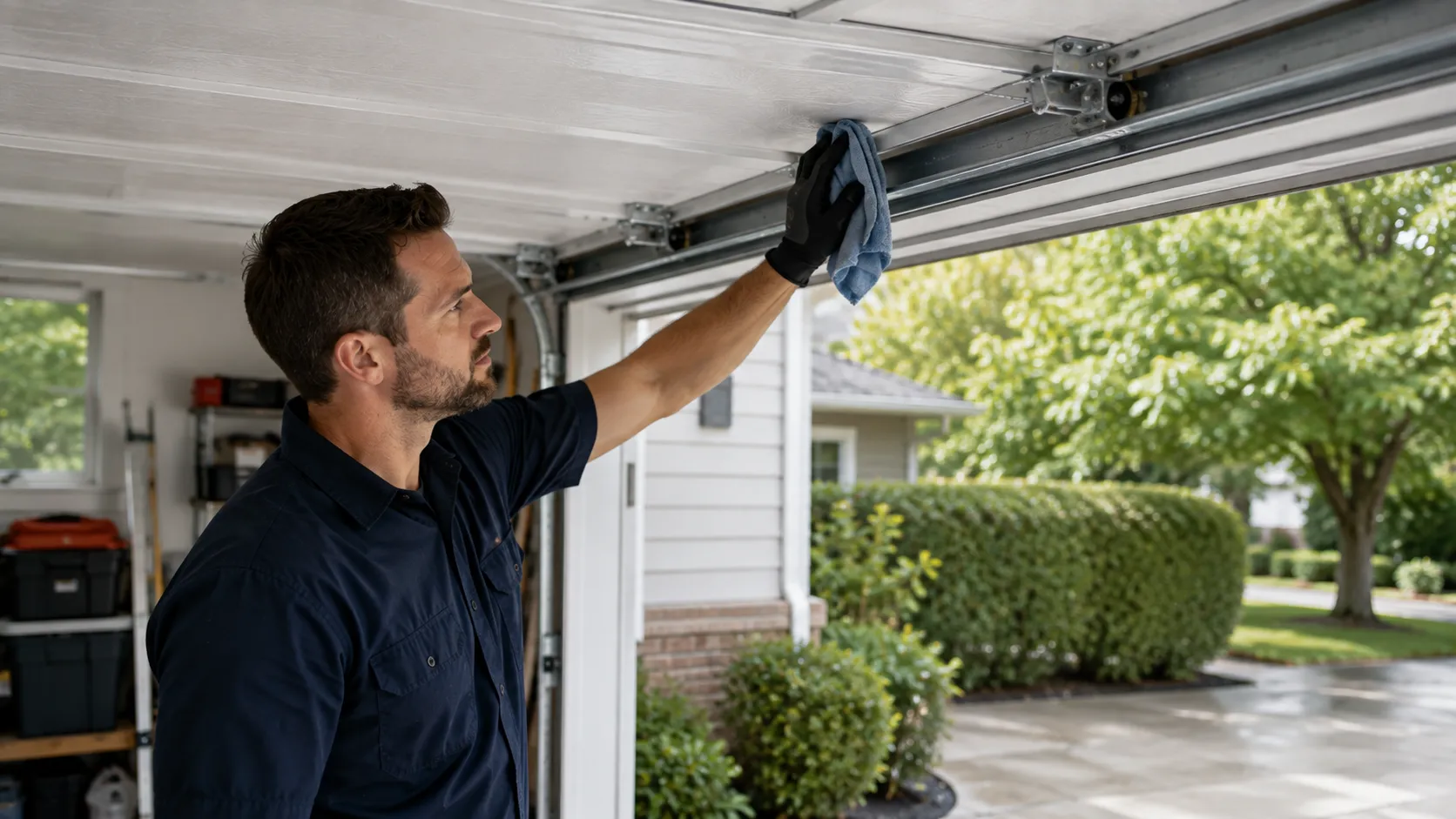
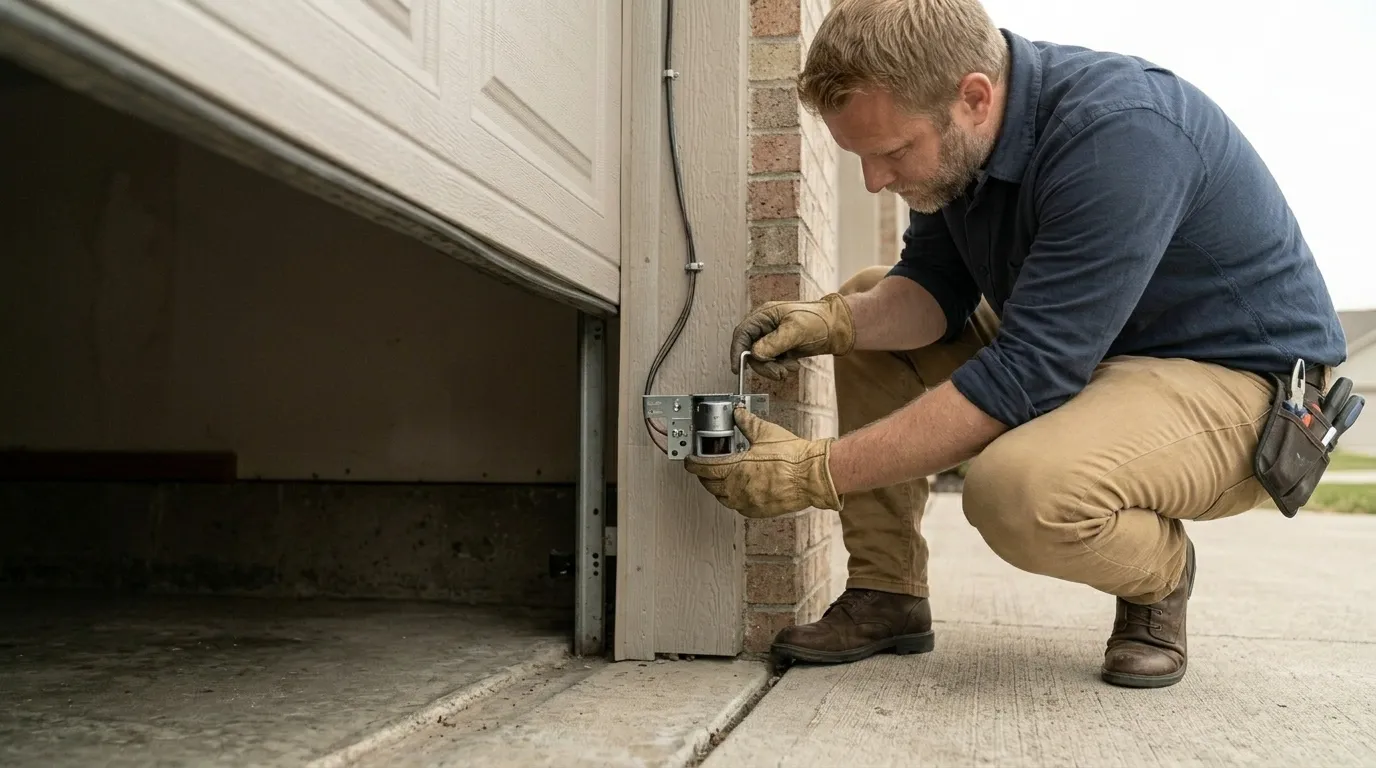
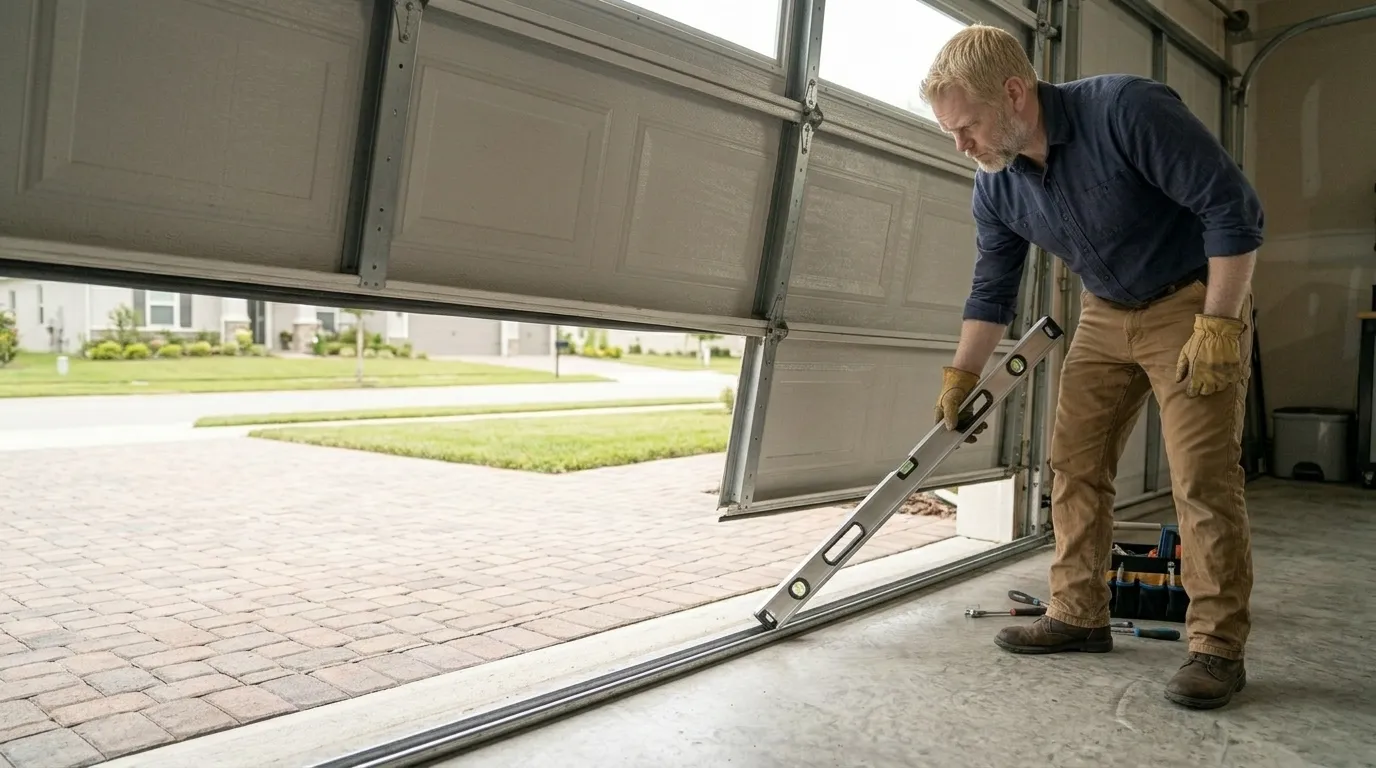
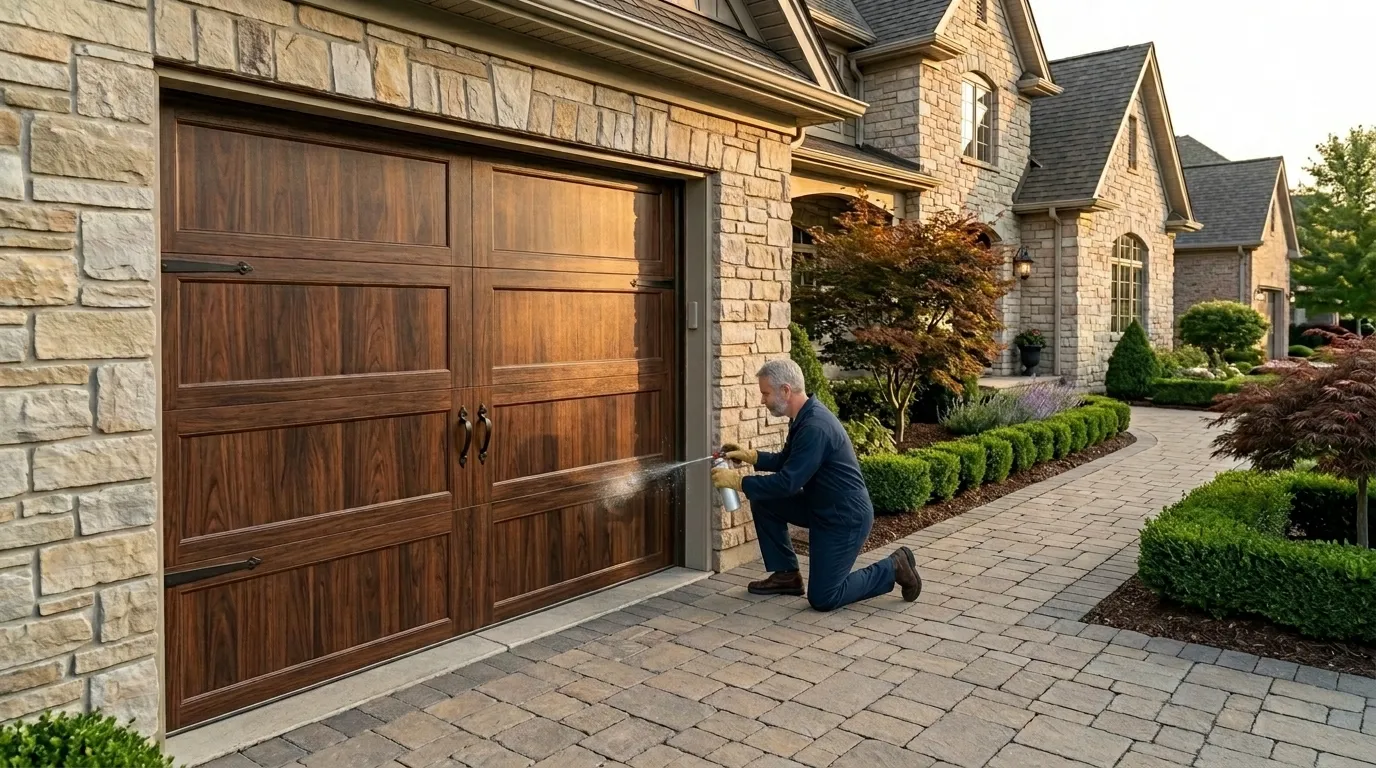
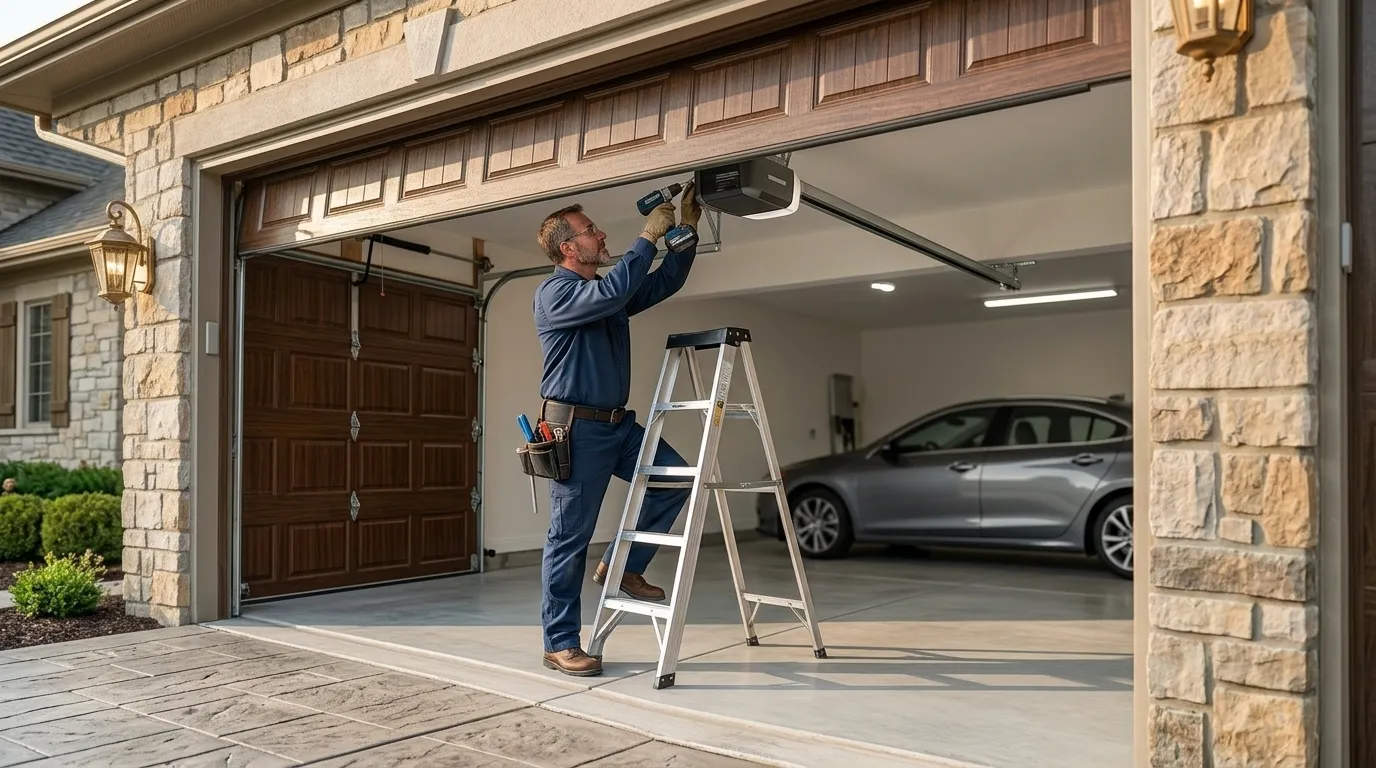
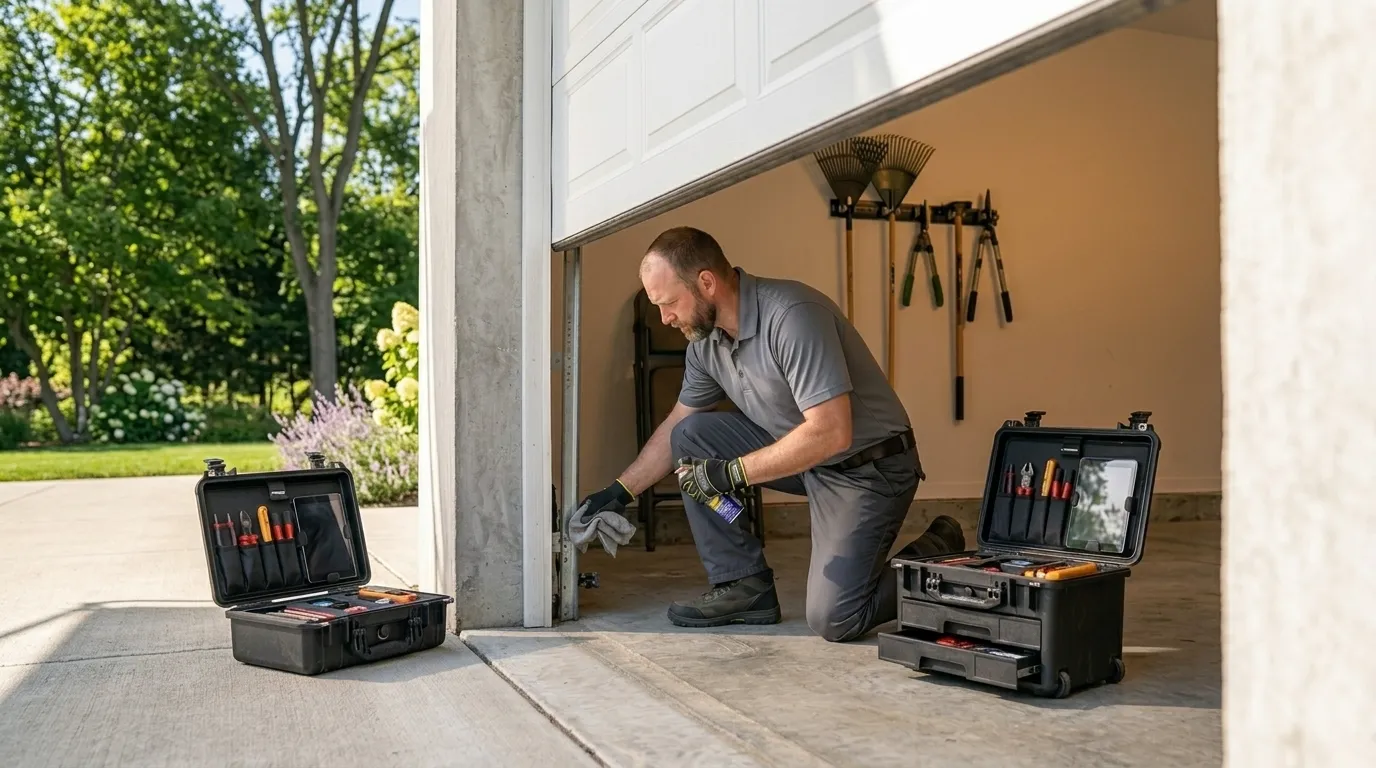
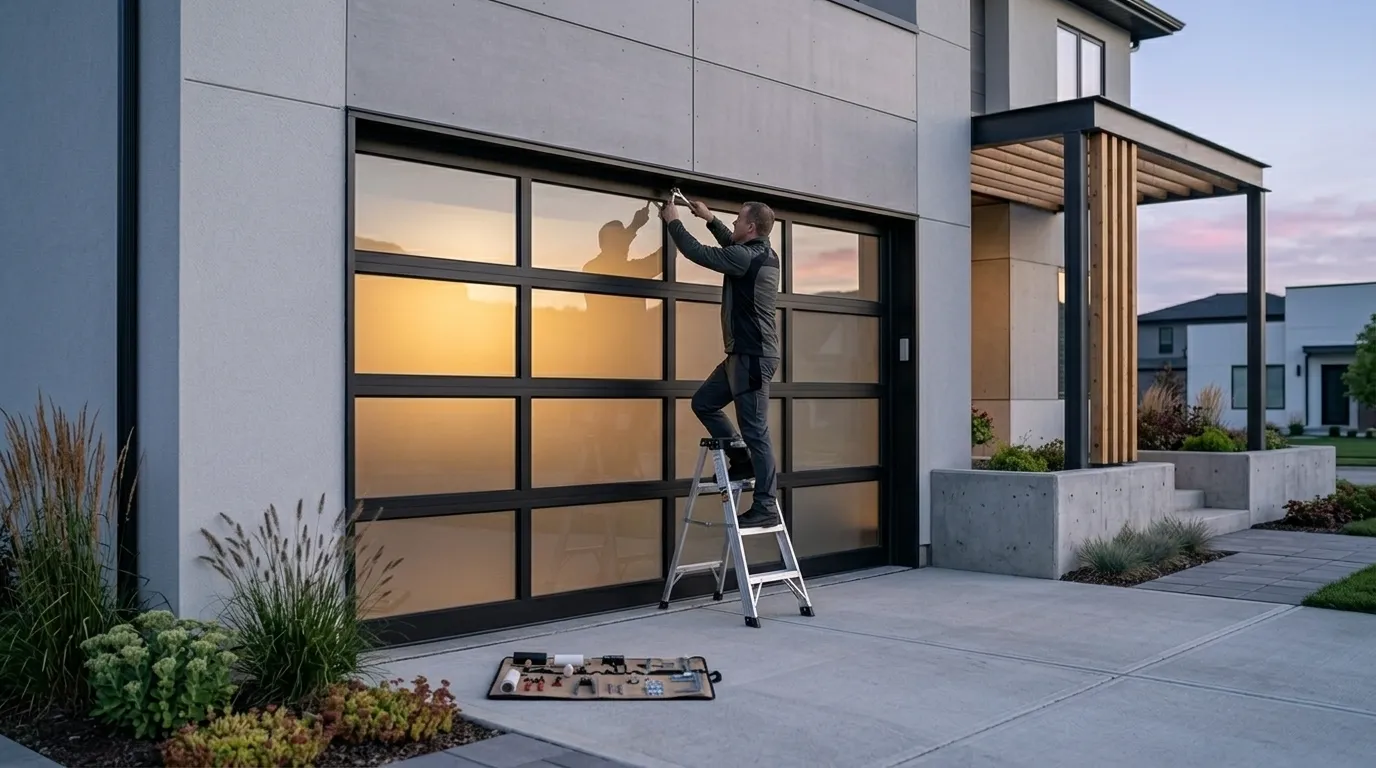
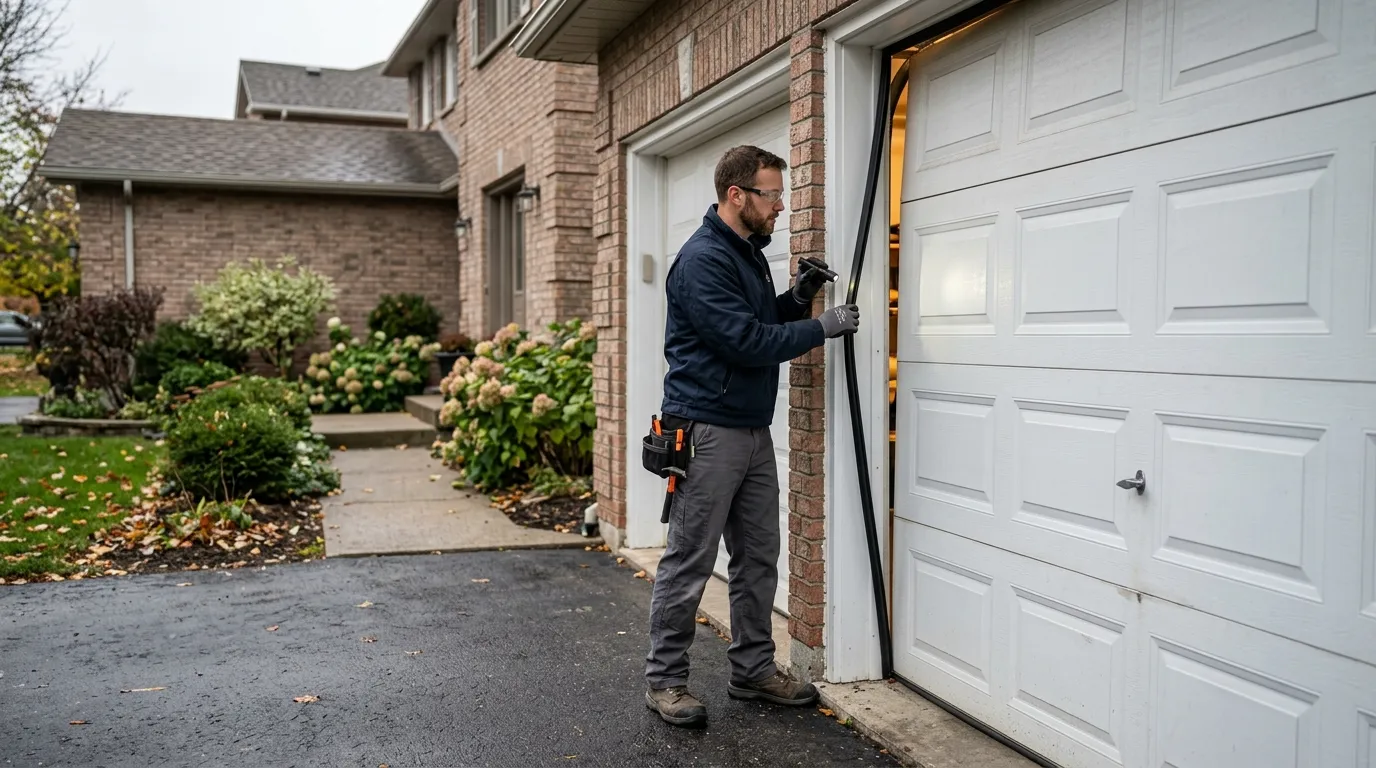
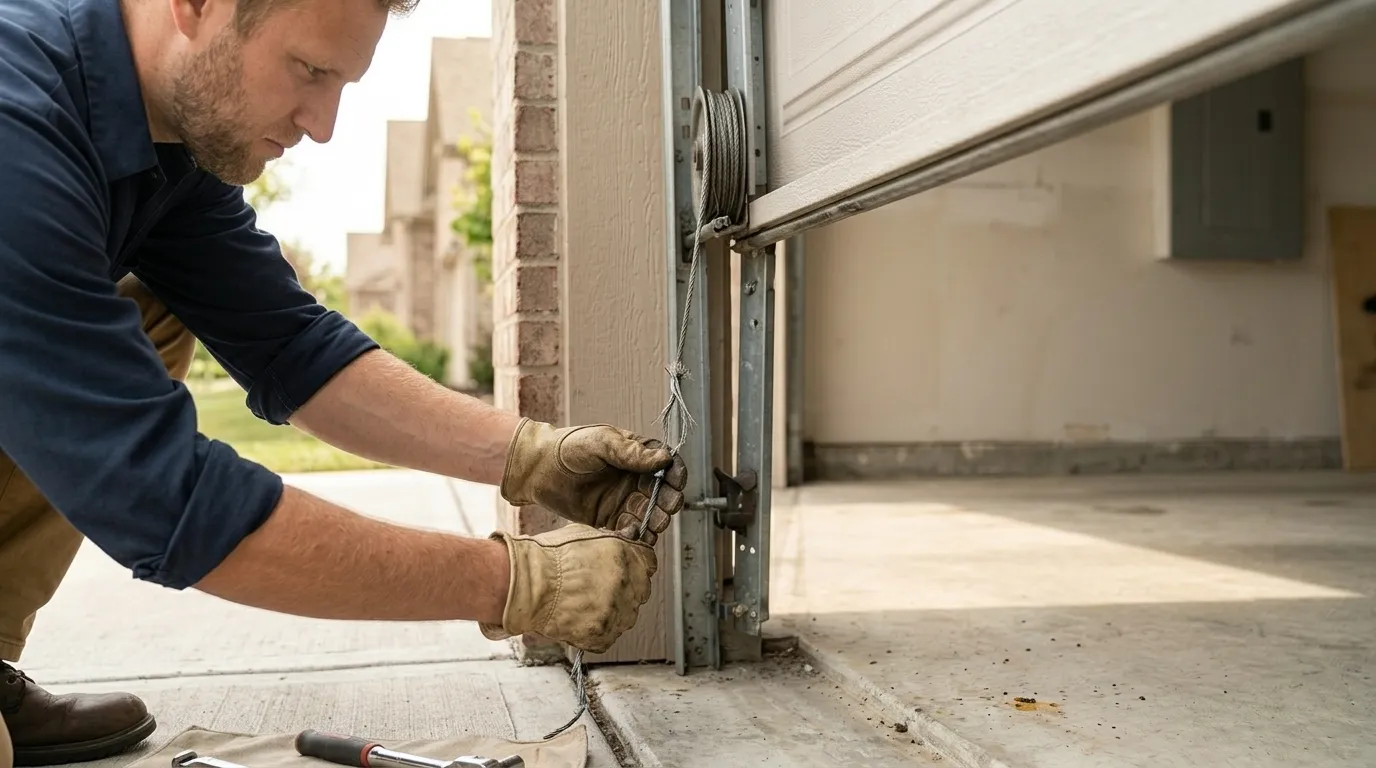
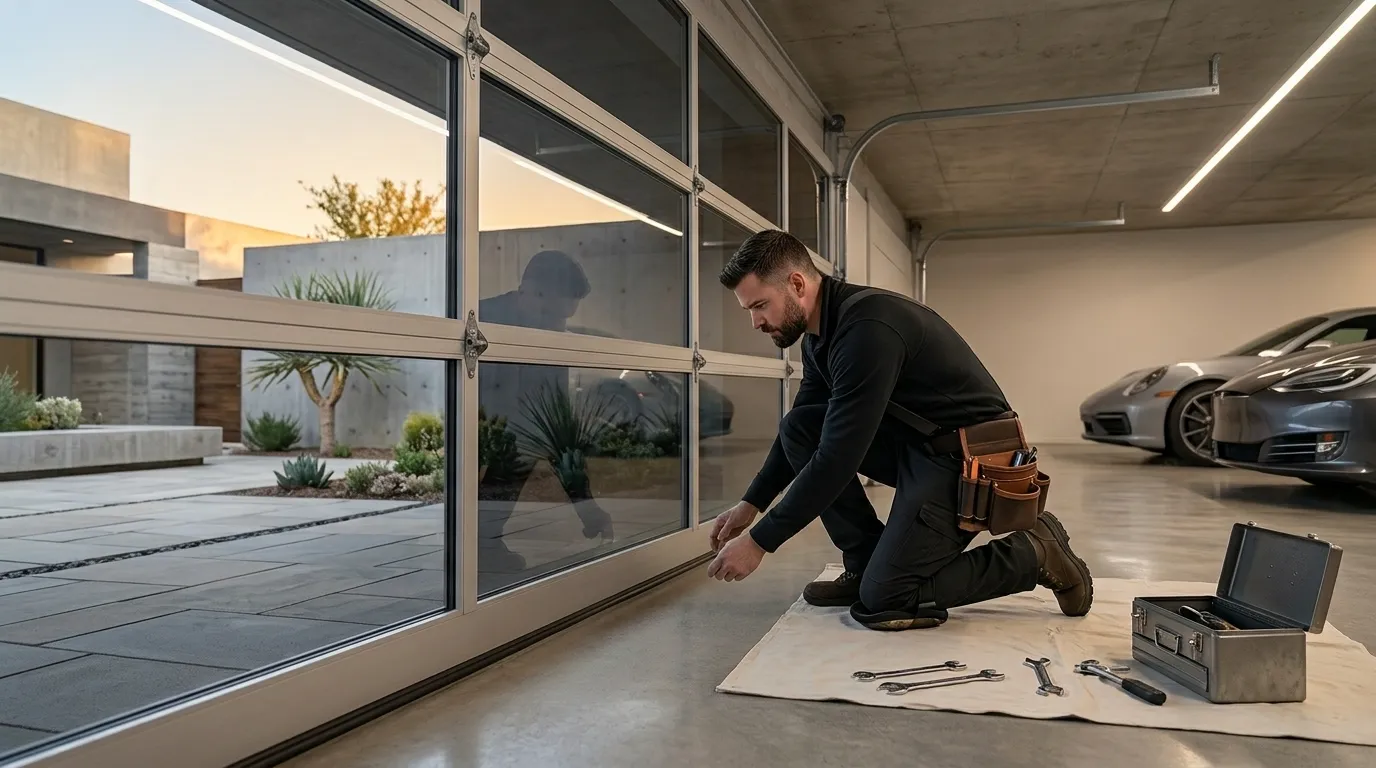
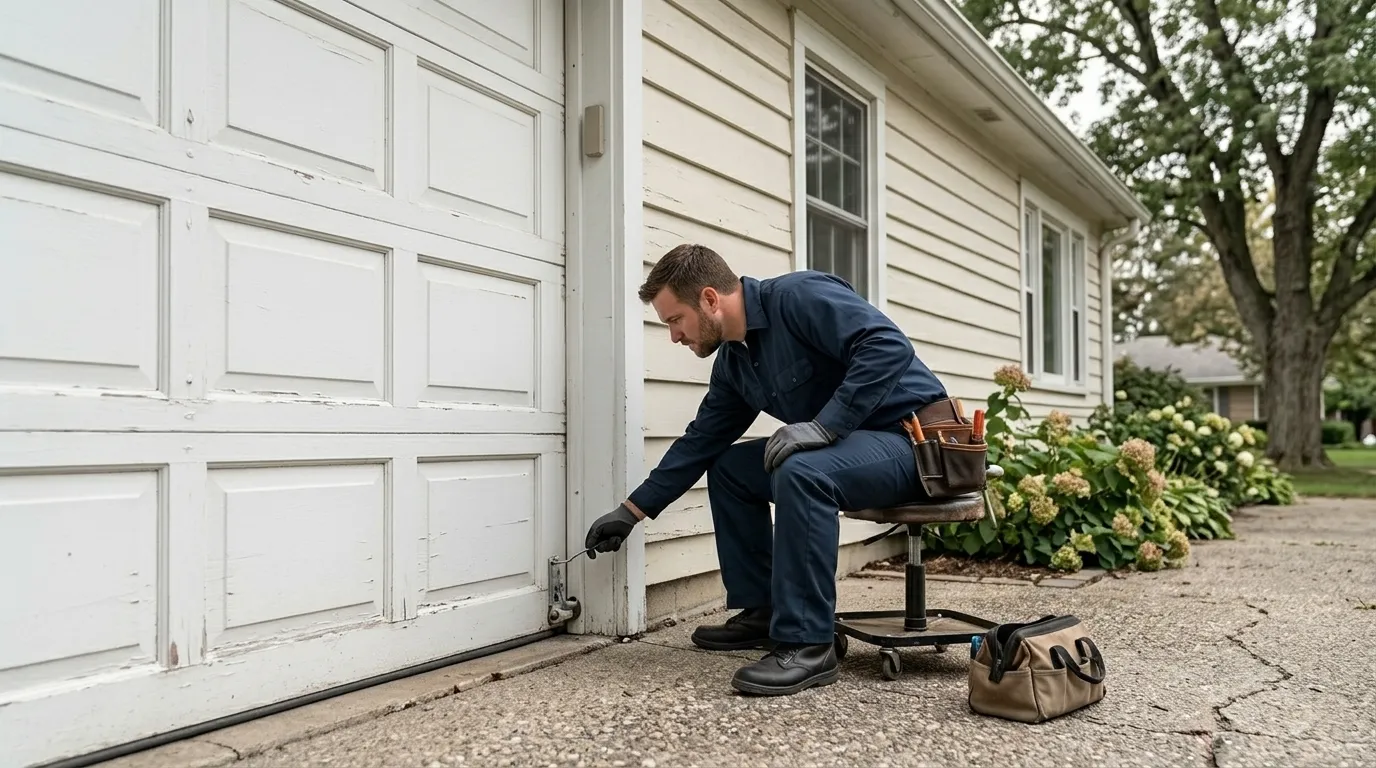
Mettawa calls are different from what we hear closer to Lincolnwood. Homes here have a median build year around 1986, which puts most garage doors and openers well past their original chain or belt drive but not into the era of side-mounted torsion hardware that shows up in older neighborhoods on our route. That means the calls skew toward worn opener gears, dead circuit boards on units that were mid-life when smart-home retrofits became common, and torsion springs that lasted their expected run and are now due. We also get calls about insulated steel doors losing their seal at the bottom panel, which shows up more in a cold climate where the door cycles through freeze-thaw swings every winter. Fewer calls here involve the kind of one-piece wood doors or side hardware we still see on 1960s-built streets elsewhere in the service area. If your opener is the original unit from when the house was built, it's likely at or past the point where a repair only buys a year or two before something else on the same board fails.
What the Housing Means for Your Door
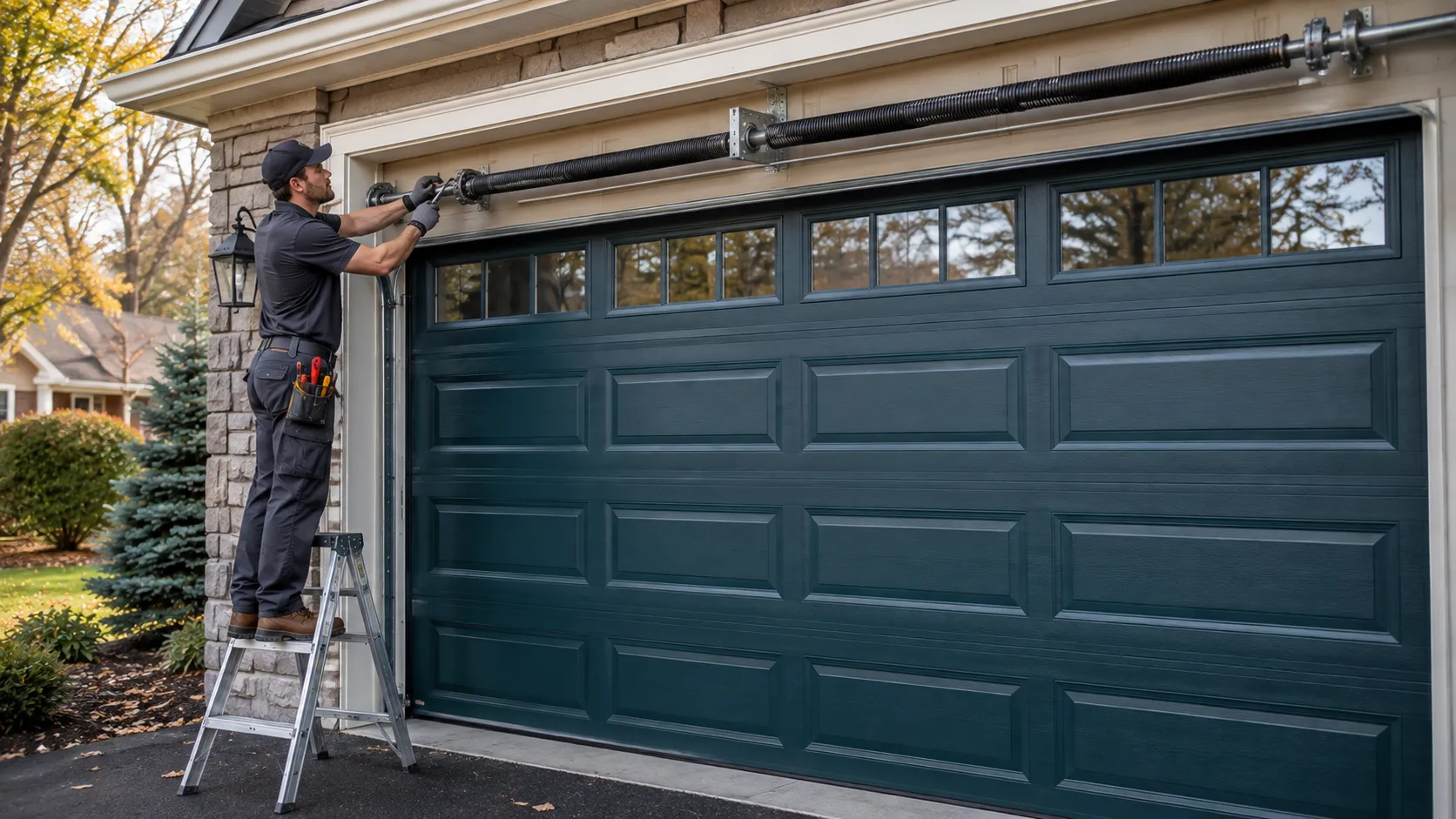
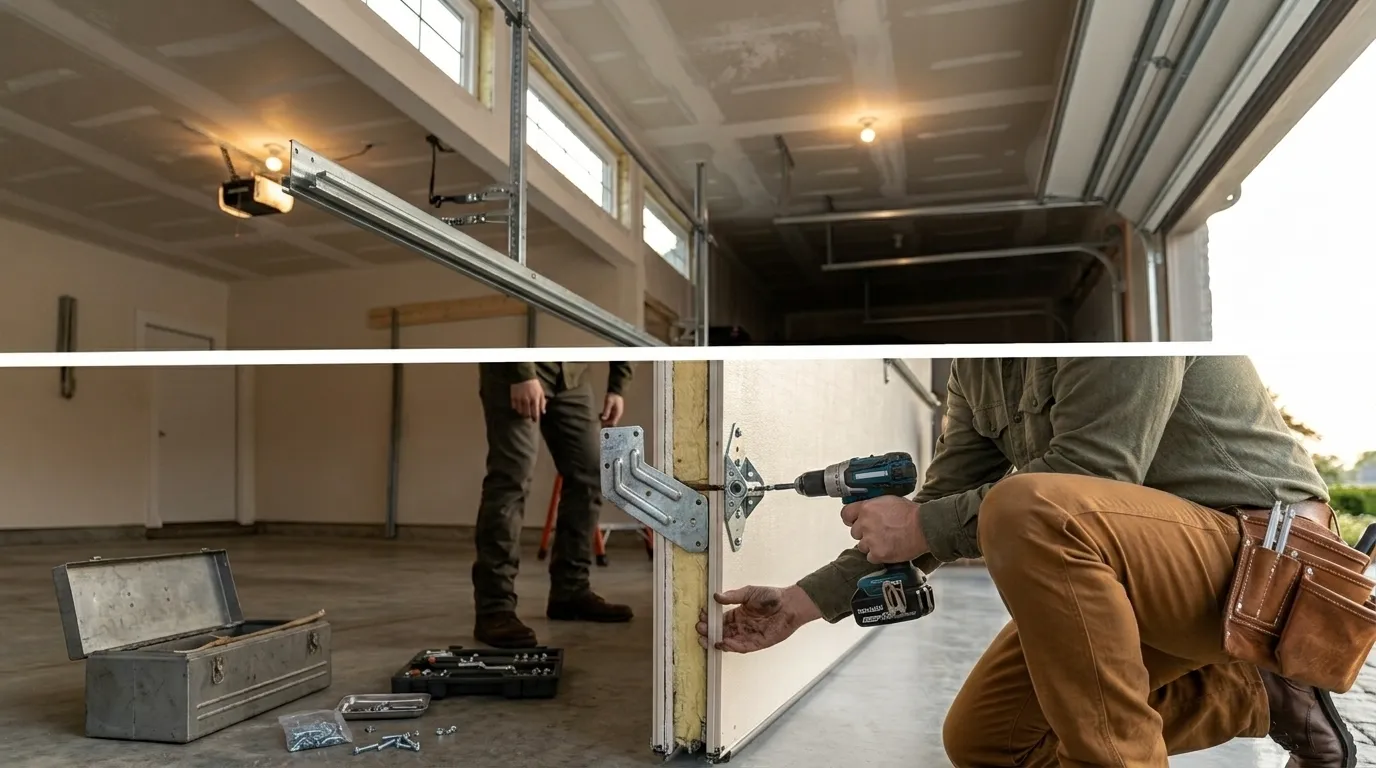
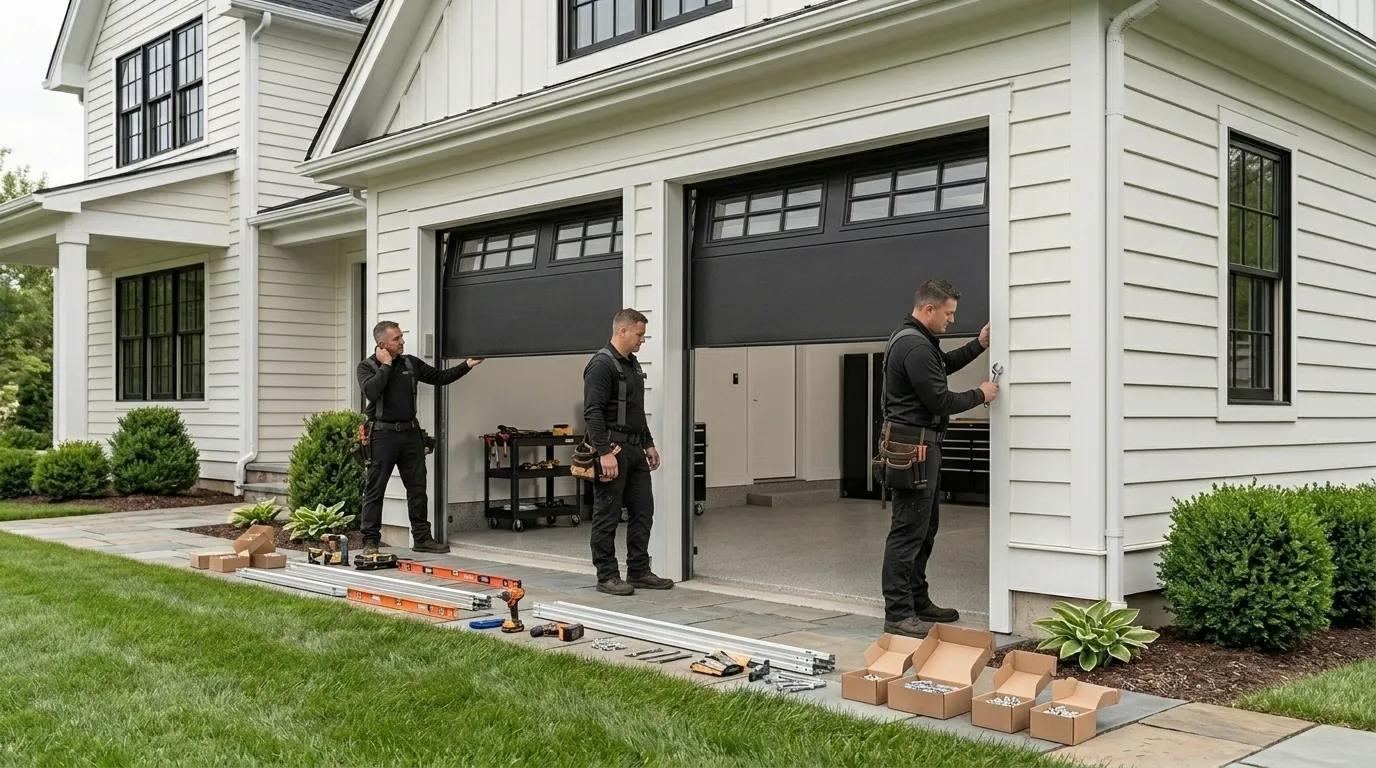
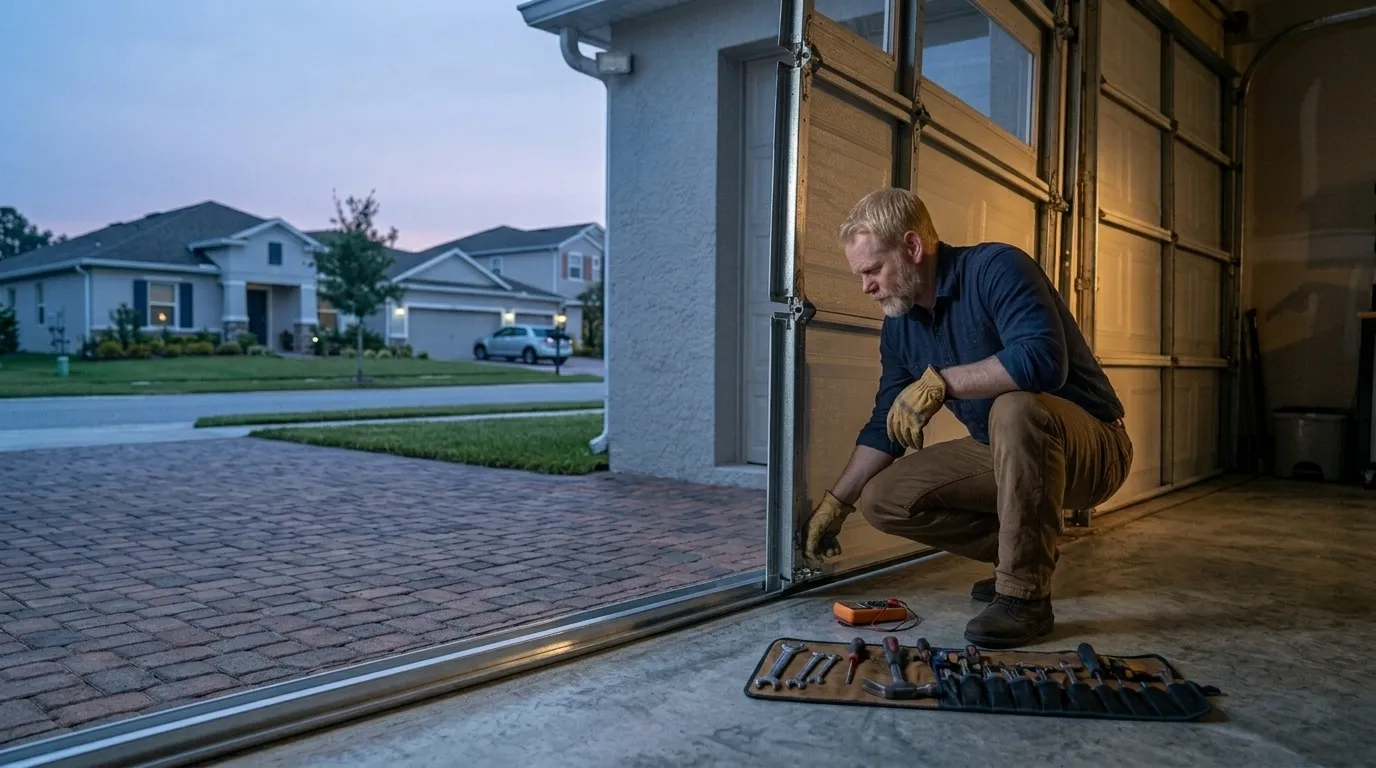
A house built in the mid-1980s was framed for a garage door and opener setup that's fairly standard by modern parts availability - torsion springs on a horizontal shaft, an opener bolted to ceiling joists rather than door-mounted, and a steel or fiberglass panel door rather than solid wood. That's good news for repair turnaround because the hardware isn't obsolete the way it can be on much older housing stock. The tradeoff is that a lot of these openers and springs are now 35-plus years old if they've never been touched, which is beyond the working life of either part. In a cold-moderate climate, the seals and lift springs on doors this age tend to fail together rather than one at a time, since both degrade with repeated temperature swings. If you're hearing a grinding opener and noticing the door doesn't sit flush at the bottom, that's usually two separate problems showing up at once, not one.
The Houses Here
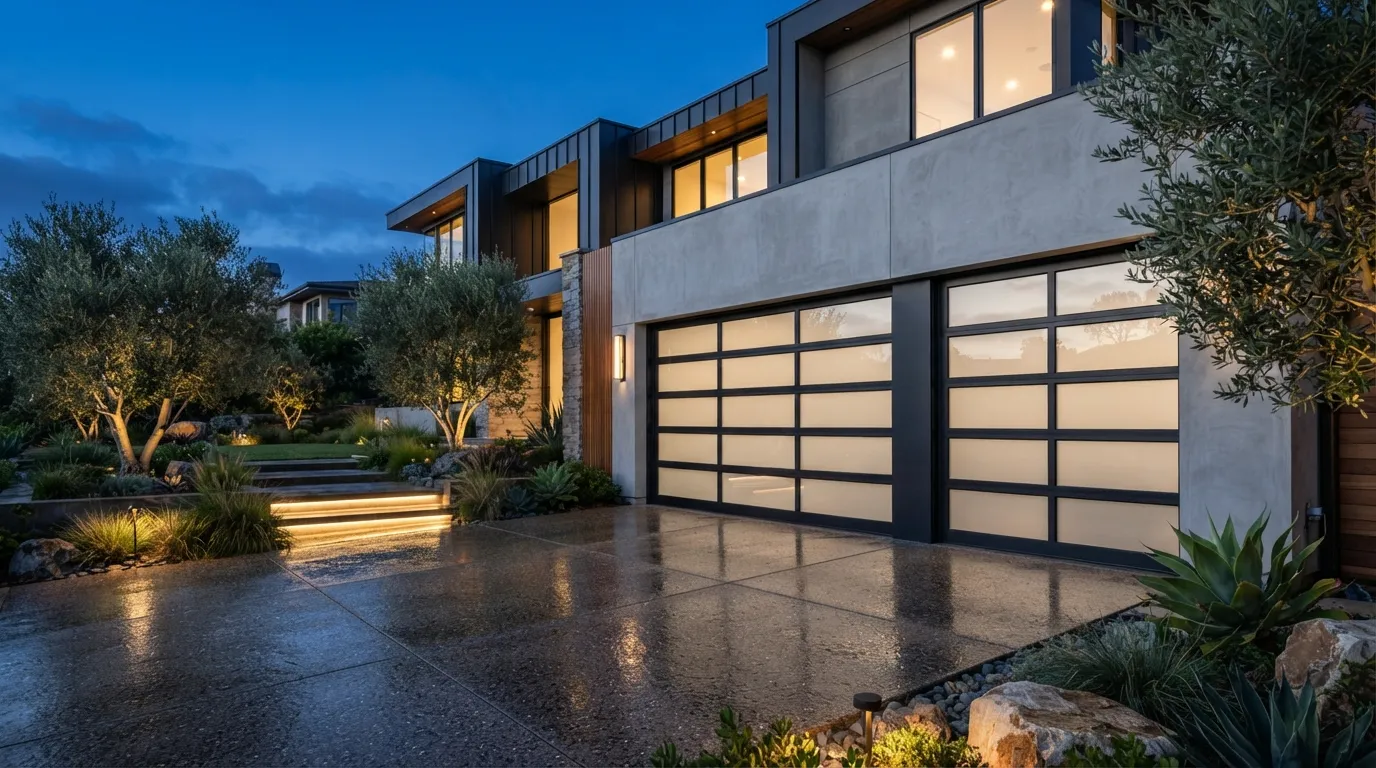
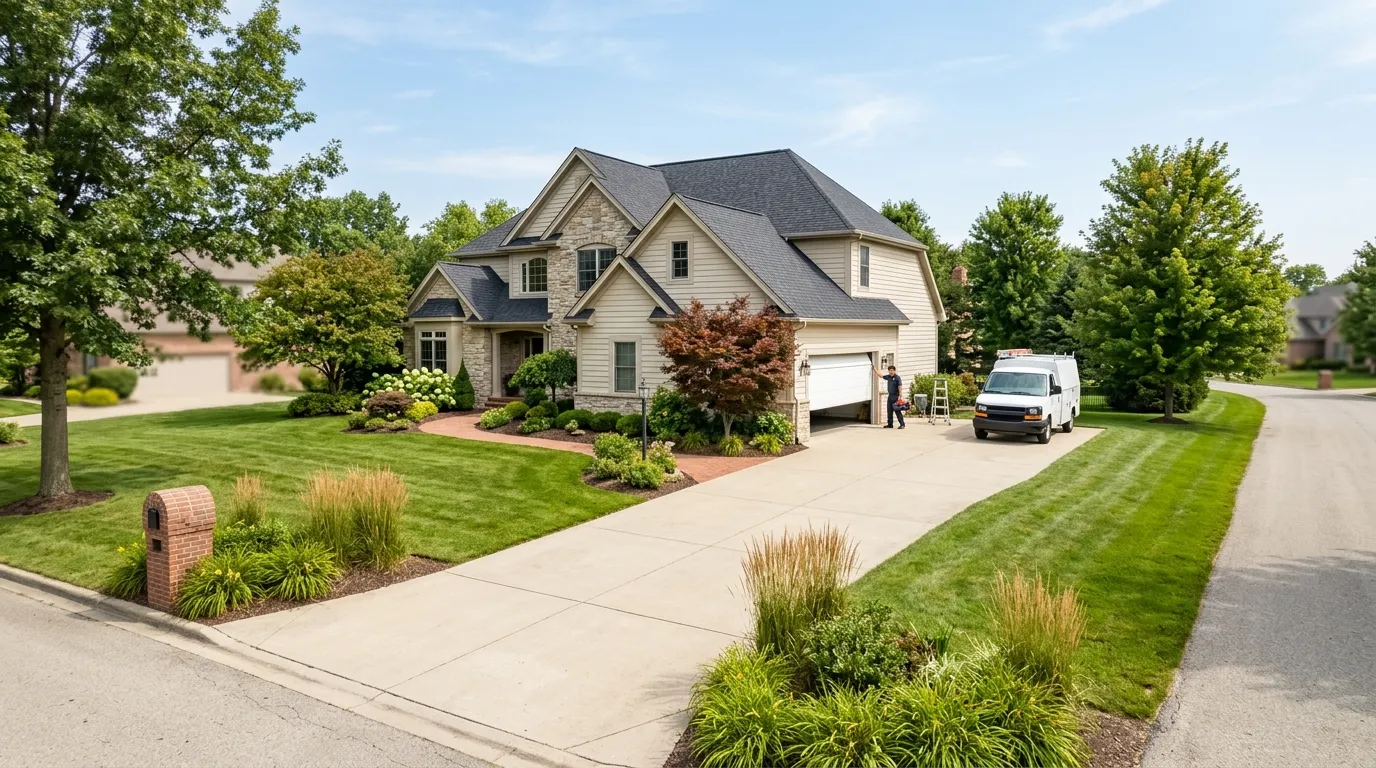
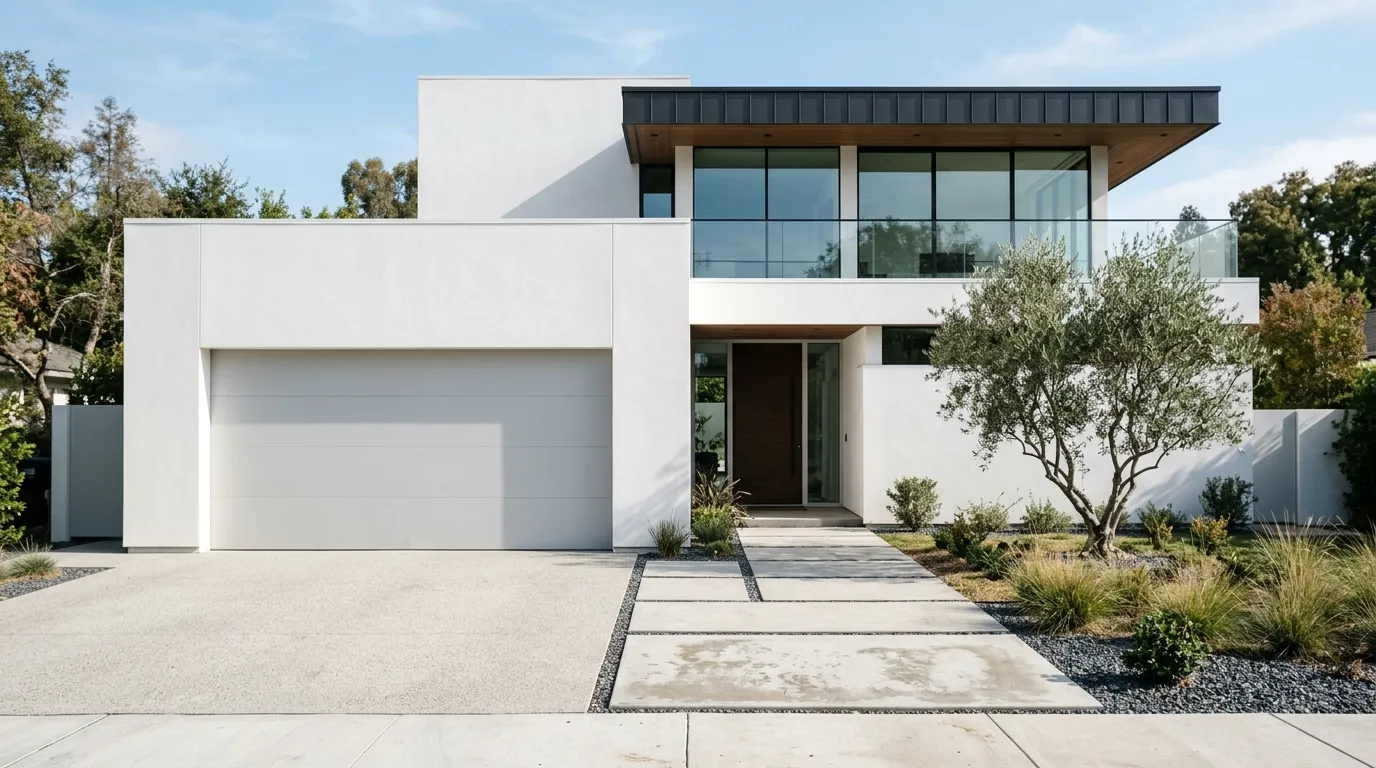
Mettawa is a small area - about 237 households - and it reads differently on paper than most of the towns on our route. Median household income here runs near $175,074, well above the roughly $99,861 median across the wider Lincolnwood service area, and the housing itself is newer, centered on a median build year of 1986 versus a range that runs from 1938 to 1961 across most of the territory we cover. Fewer, larger lots and later construction mean less variation door to door - most garages here were built to the same code era and with similar bay widths, so parts fit is more predictable than in the older mixed-vintage blocks closer to the city. It's a small enough area that we don't have a long list of jobs to point to, but the housing pattern itself tells us most of what to expect before we get there.