What People Here Ring About
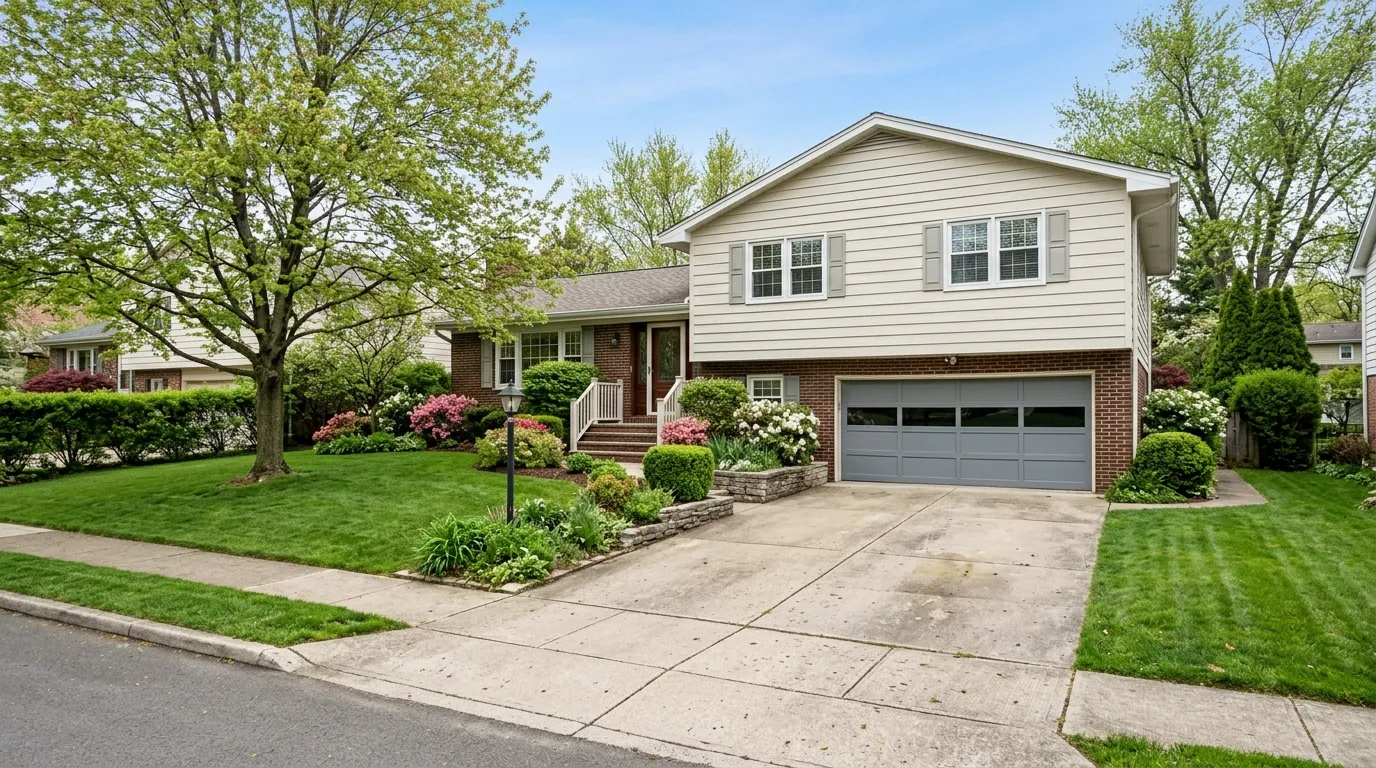
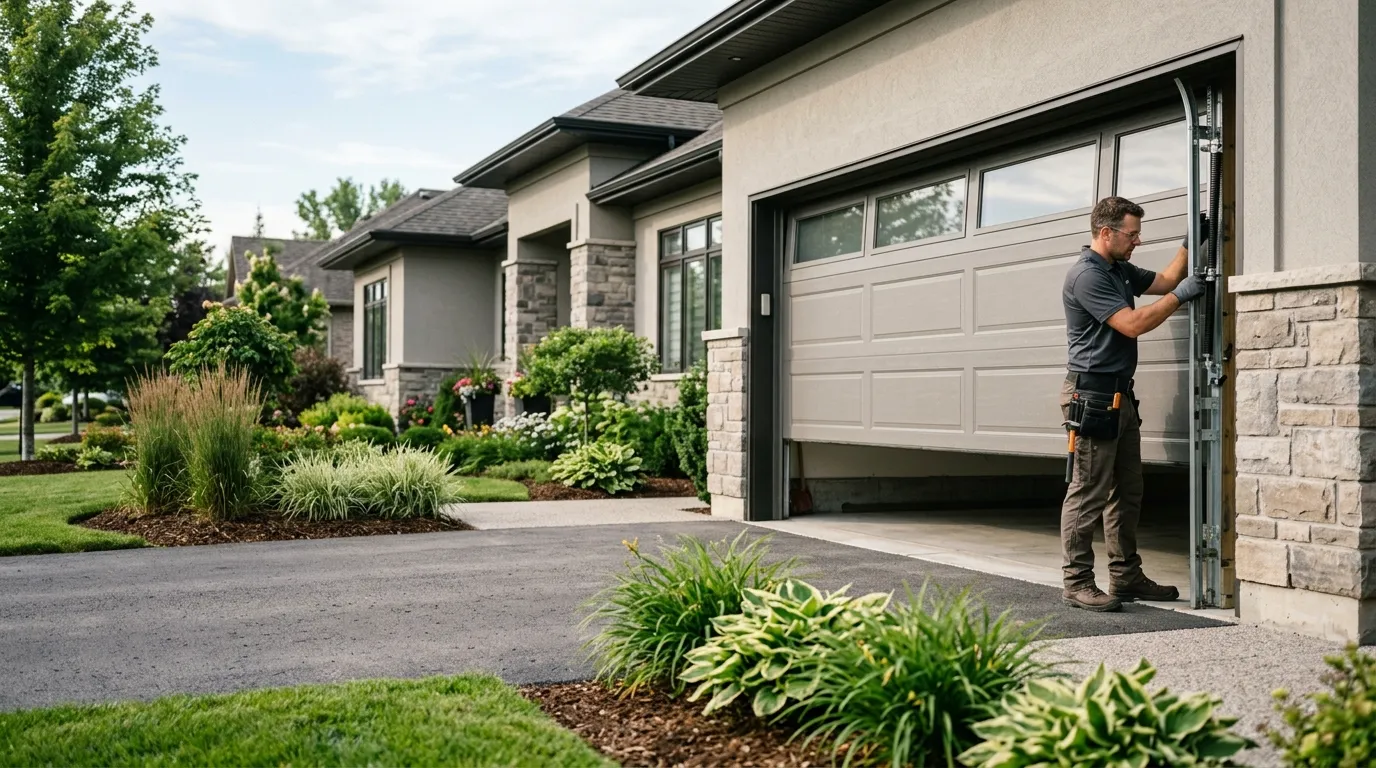
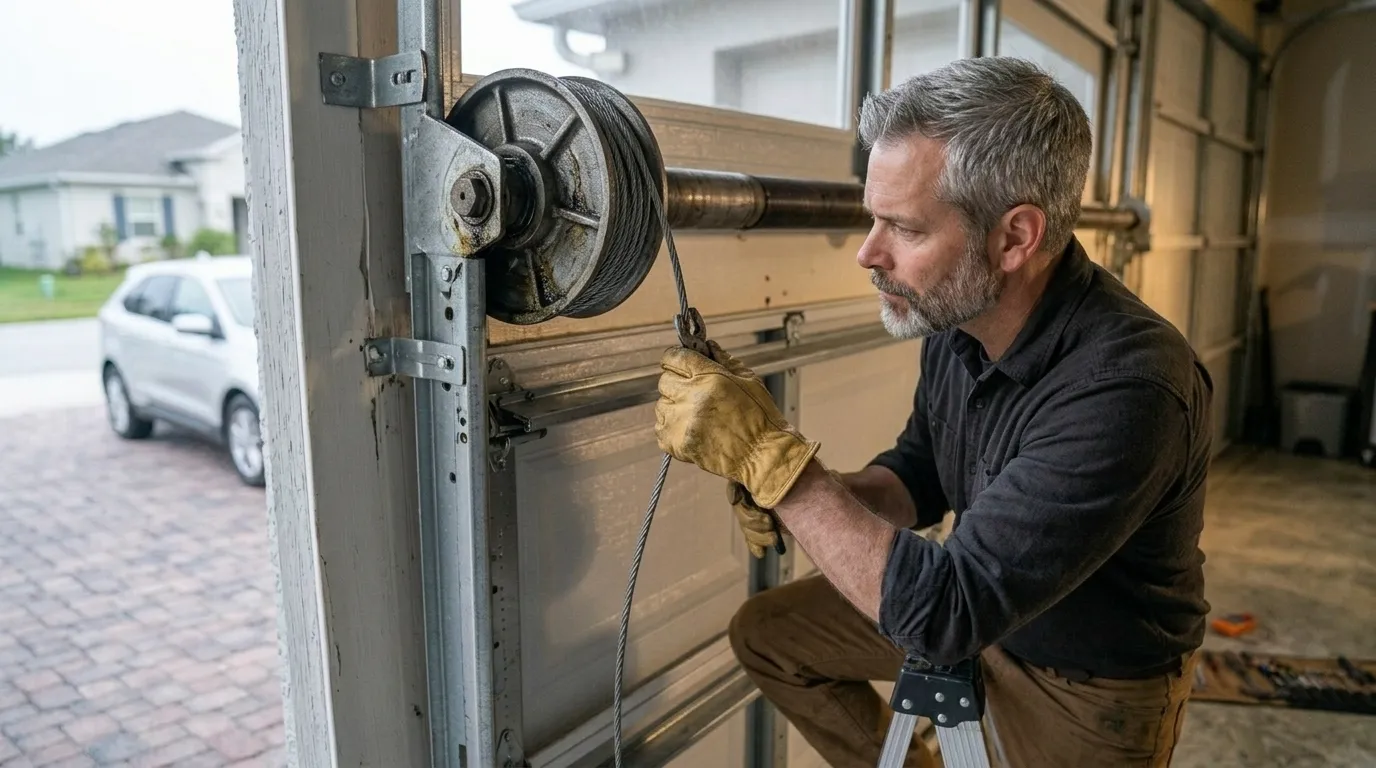
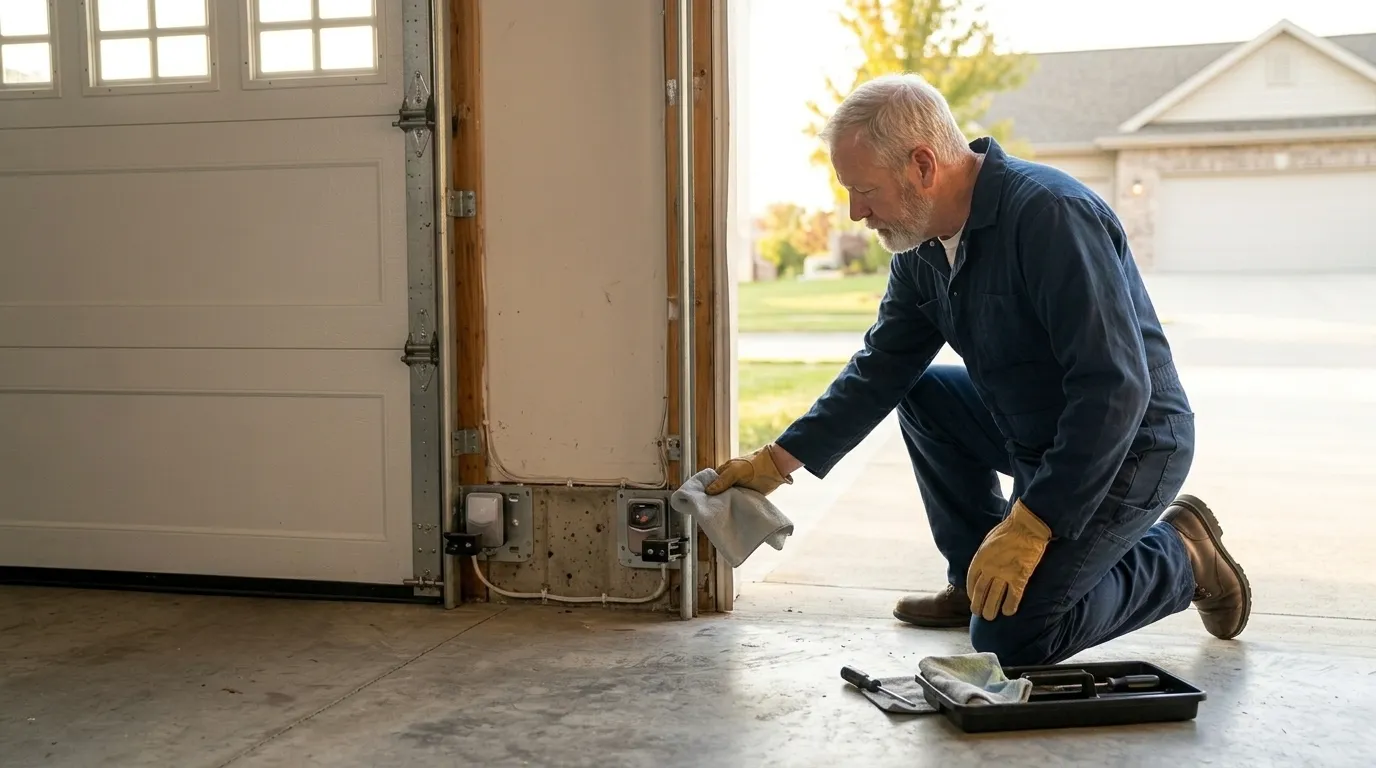
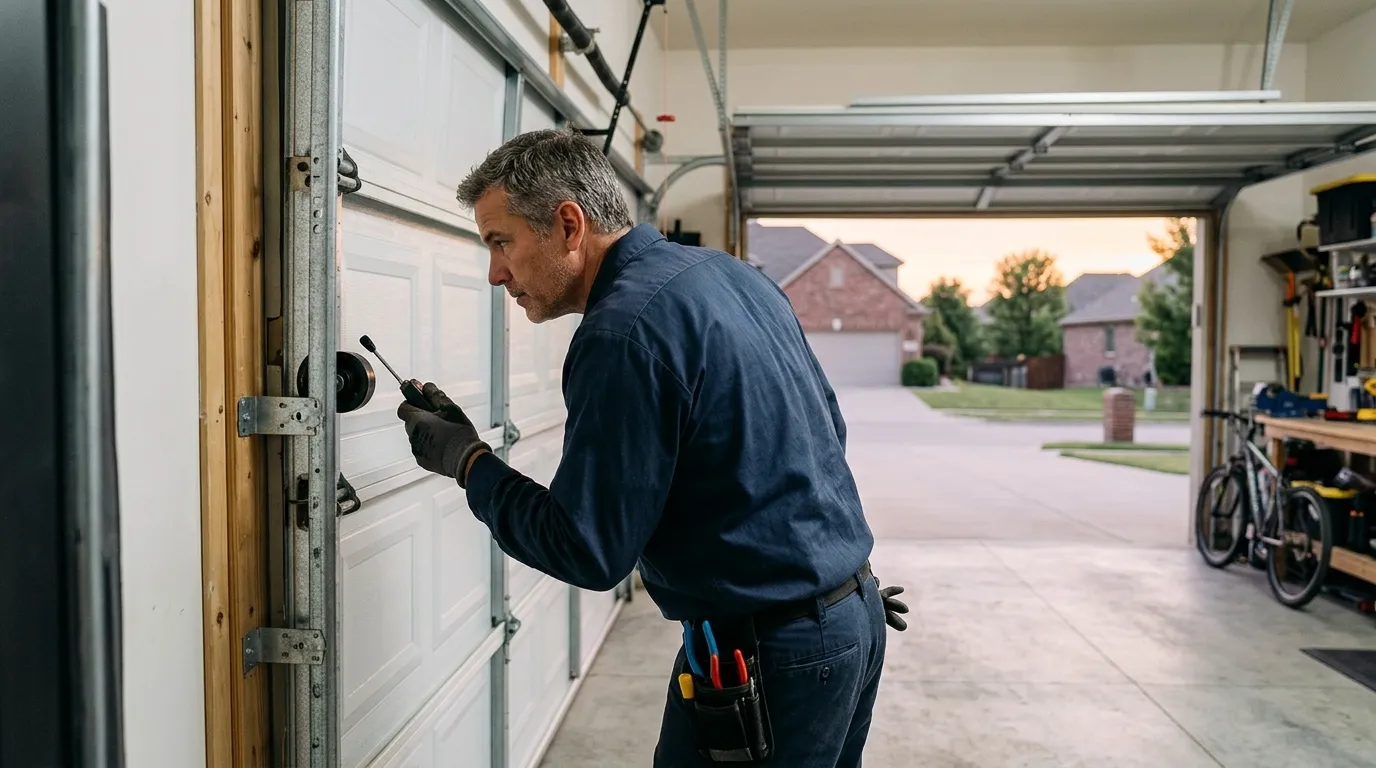
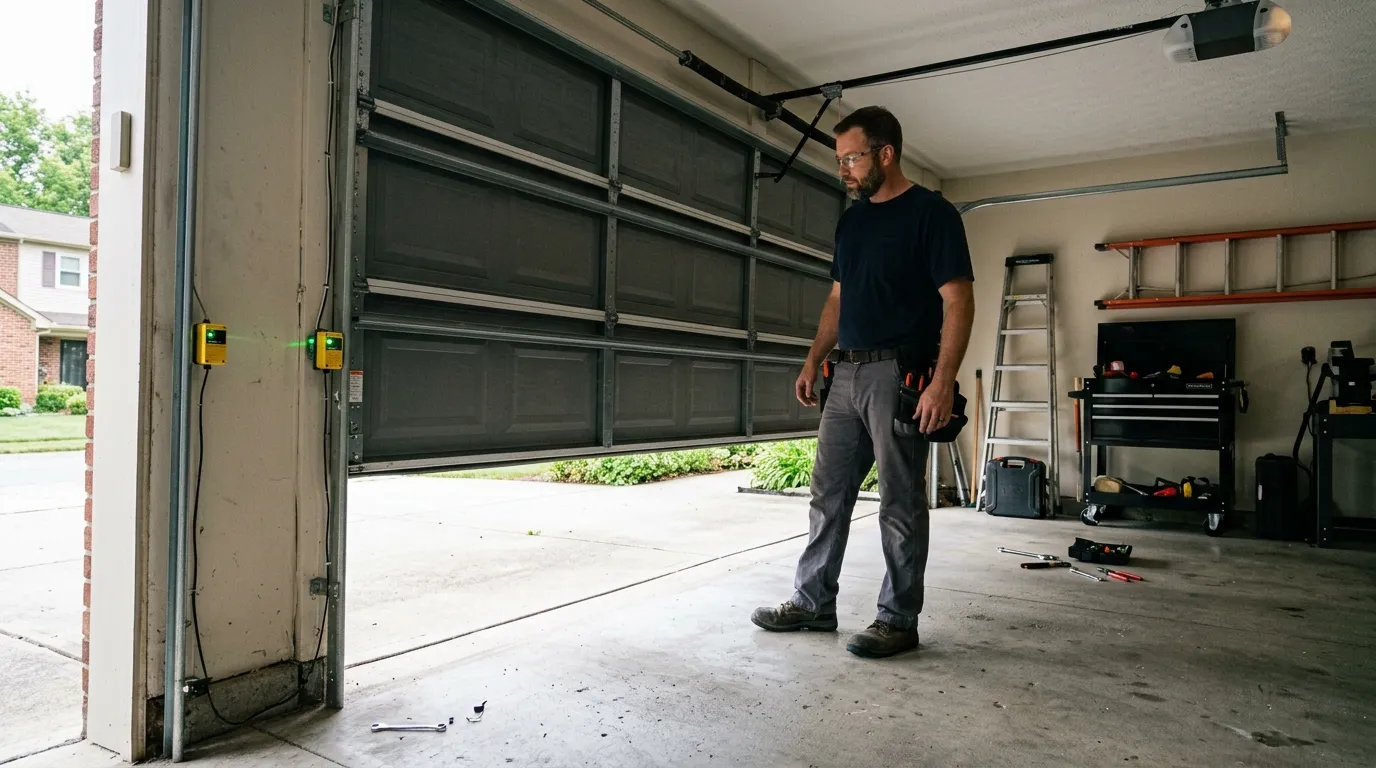
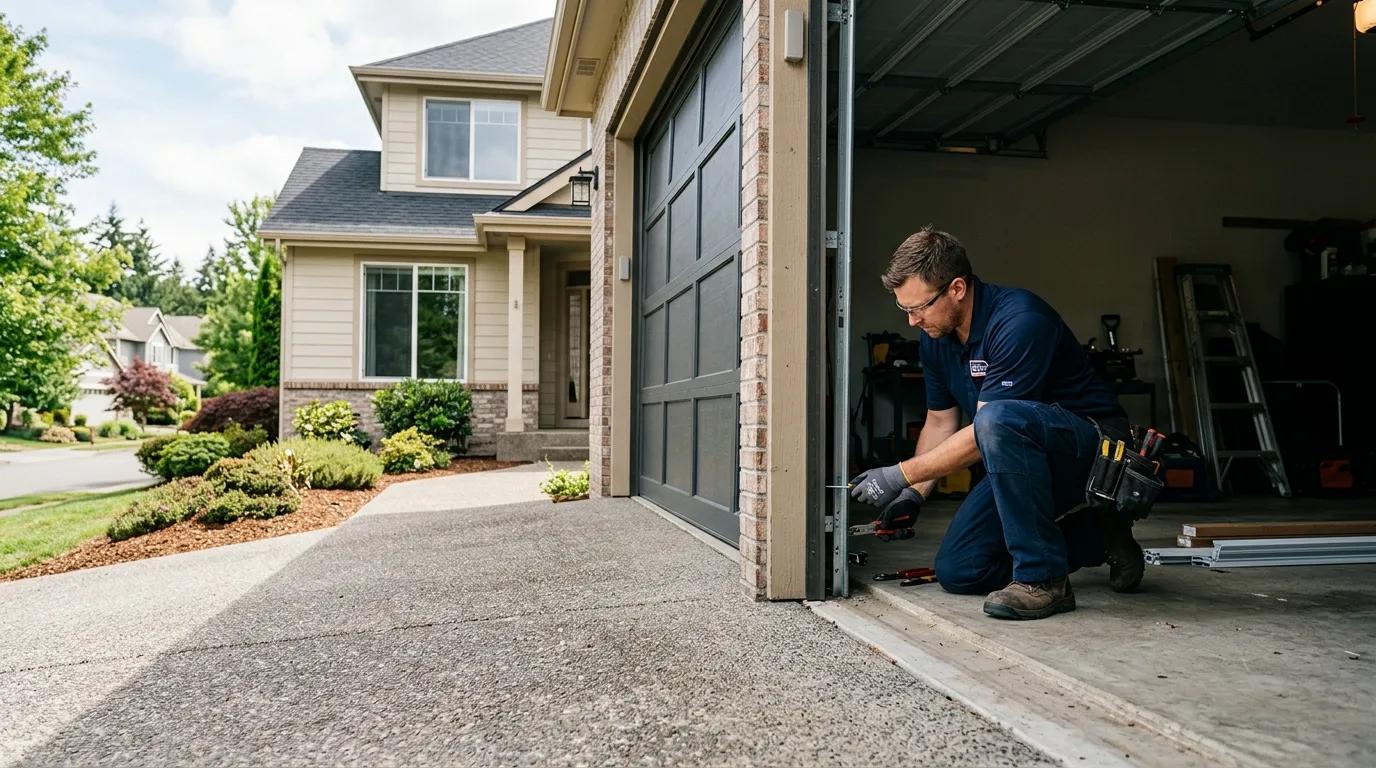
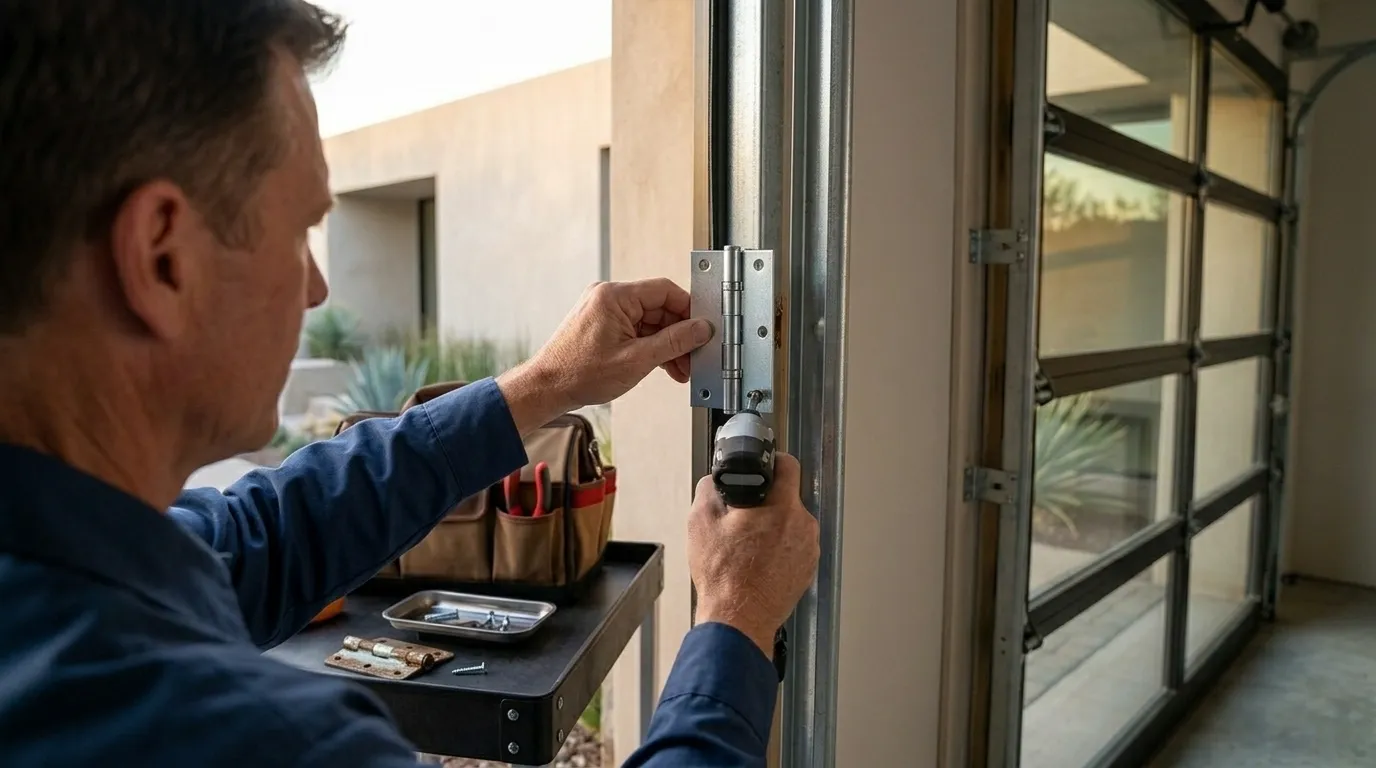
Lyons sits about 14 miles out from our Lincolnwood shop, and the calls we get from this side of the coverage area follow a pattern tied to when the neighborhood was built. With a median year built around 1958, a lot of these houses still have their original garage structure even if the door itself has been swapped once or twice since. The most common calls: torsion springs that finally give out after decades of cycles, openers original to a 1990s retrofit grinding on worn gears, and steel doors from that era rusting through at the bottom panel where road salt and snowmelt sit against them all winter. We also hear from owners whose tracks have pulled loose from framing that's settled over 60-plus years - not a defect, just a house doing what old houses do. Fewer calls here are about smart-opener setup than you'd get in a newer subdivision, and more are about hardware that predates any electronics at all. We come out from Lincolnwood for these calls same as we do for the rest of the territory; we're not based in Lyons, but the run is a regular one for us.
What the Housing Means for Your Door
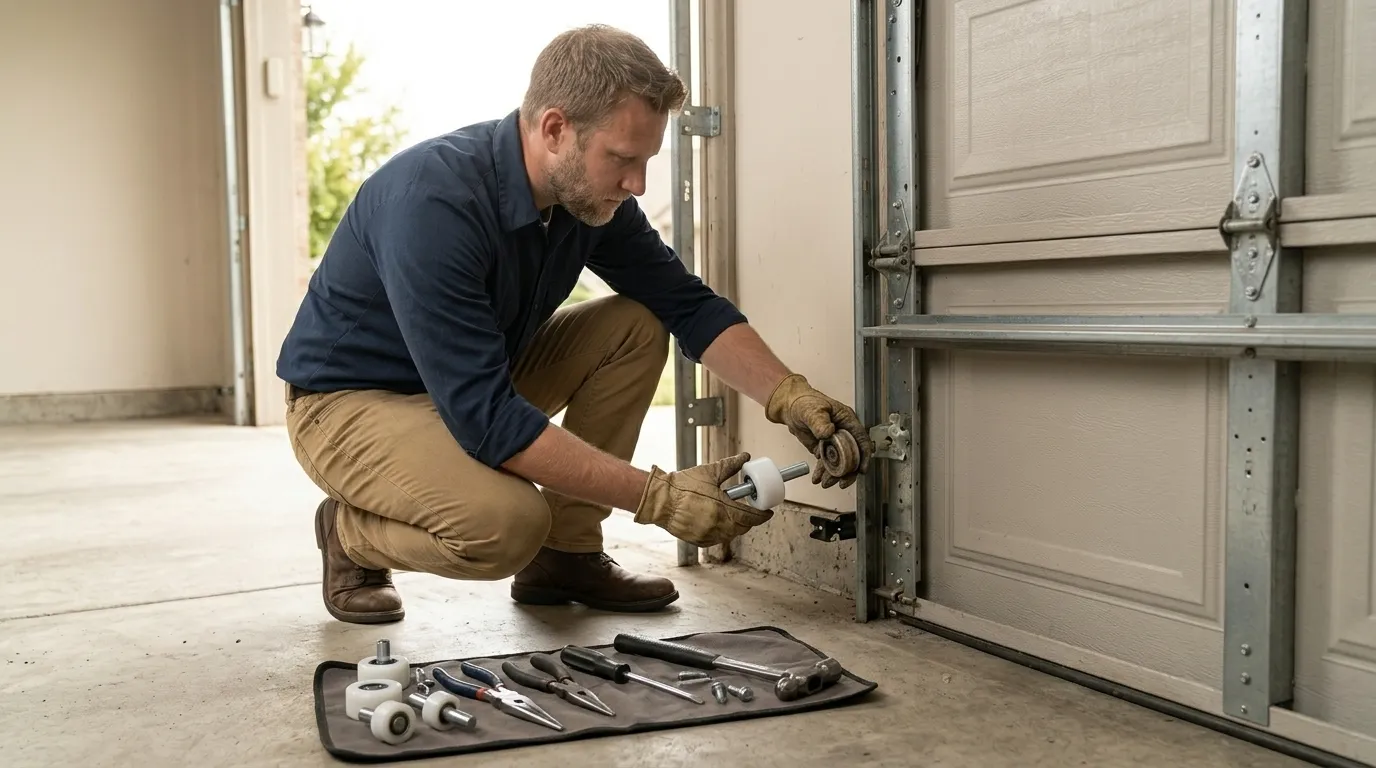
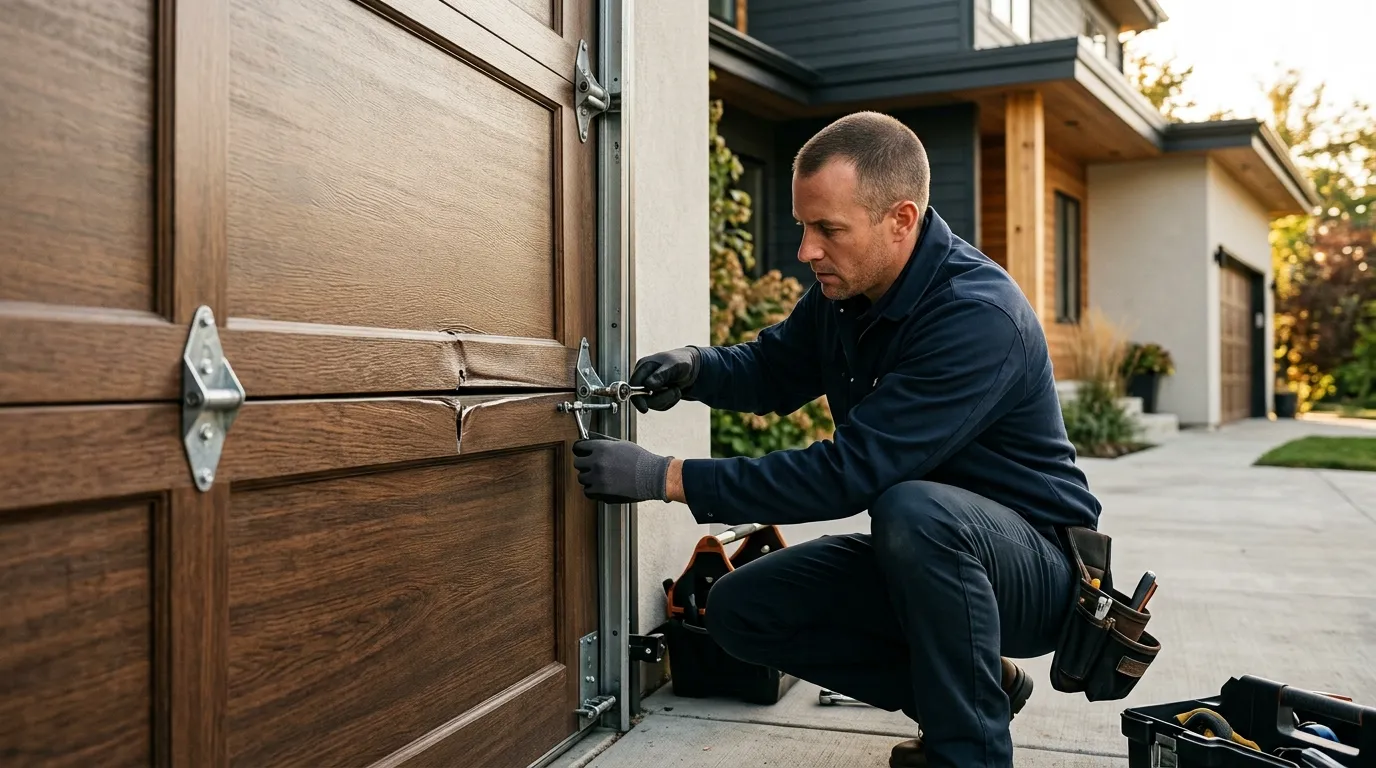
A house built around 1958 in a cold-climate area almost always started with a single steel or wood panel door on an extension spring system, not the torsion setup that's standard in newer construction. If yours has been converted to torsion at some point, the header above the opening may still be original framing sized for the older hardware, which means replacement springs and drums sometimes need shimming or a different mounting bracket than a straight catalog swap would give you. Winters here mean freeze-thaw cycles work on any wood jamb or trim that hasn't been replaced, and steel doors from the 1950s-60s vintage often have thinner gauge than what's sold today, so dents and bottom-panel rust show up sooner. With 4,133 households in Lyons, we're not dealing with one housing type - some blocks got rebuilt or added onto over the decades - but the base year matters for anyone calling about a spring that snapped without warning. Older doors tend to fail suddenly rather than showing much warning wear, which is worth knowing before you assume a slow rattle means you have time.
The Houses Here
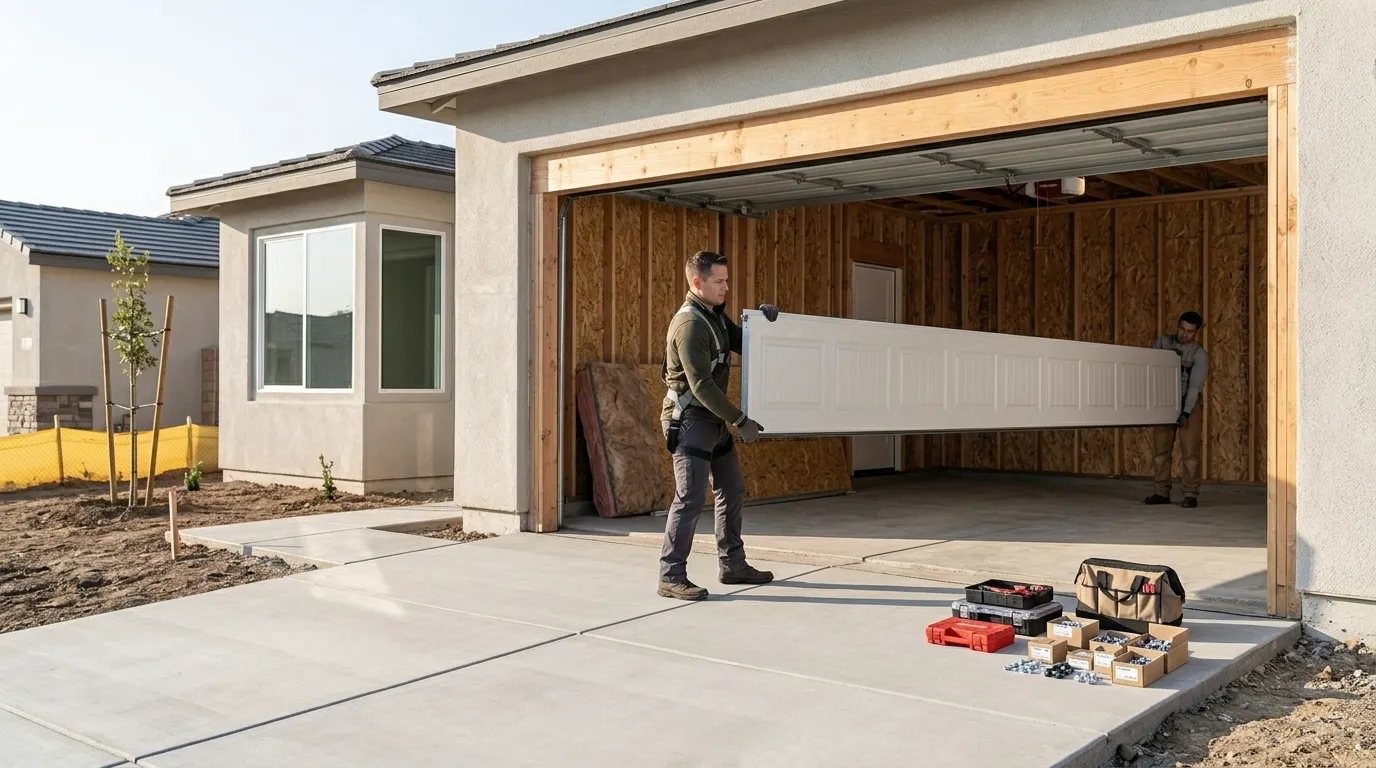
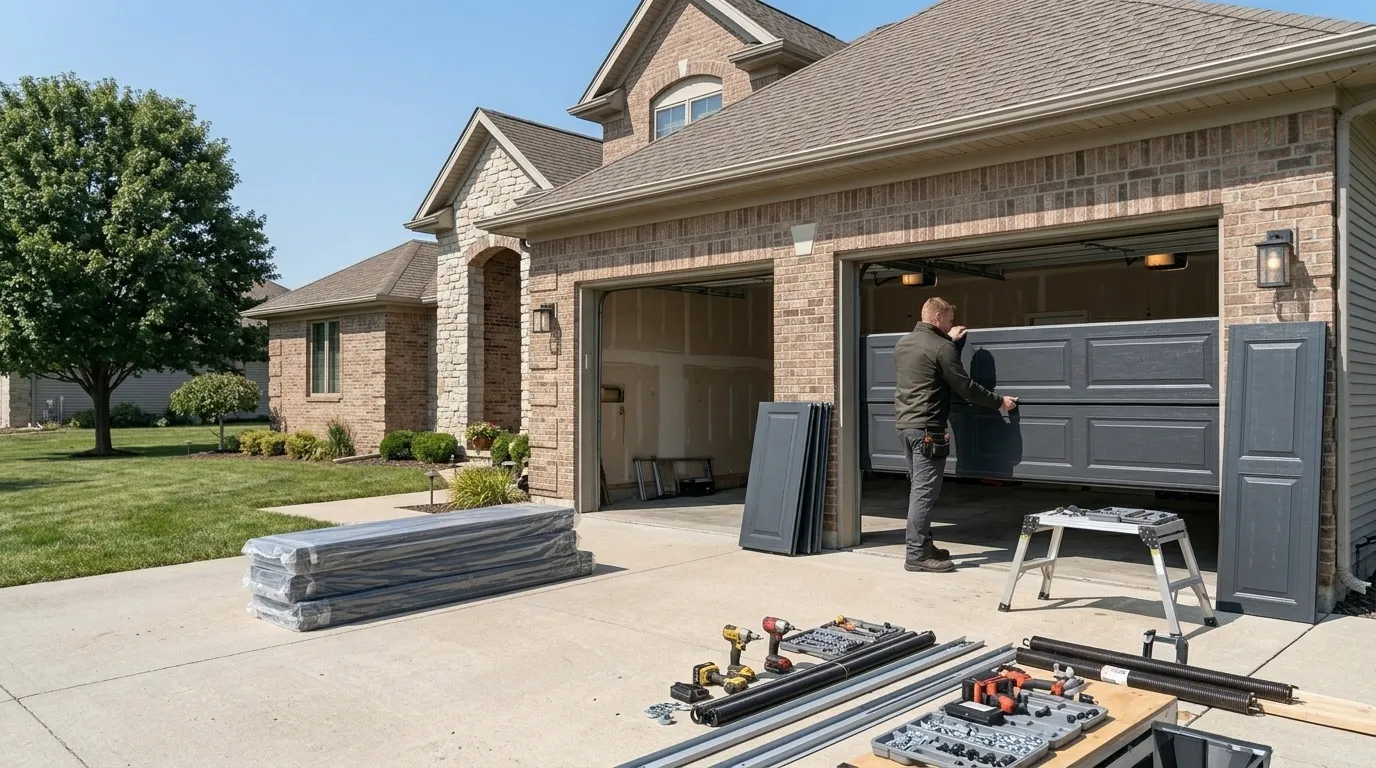
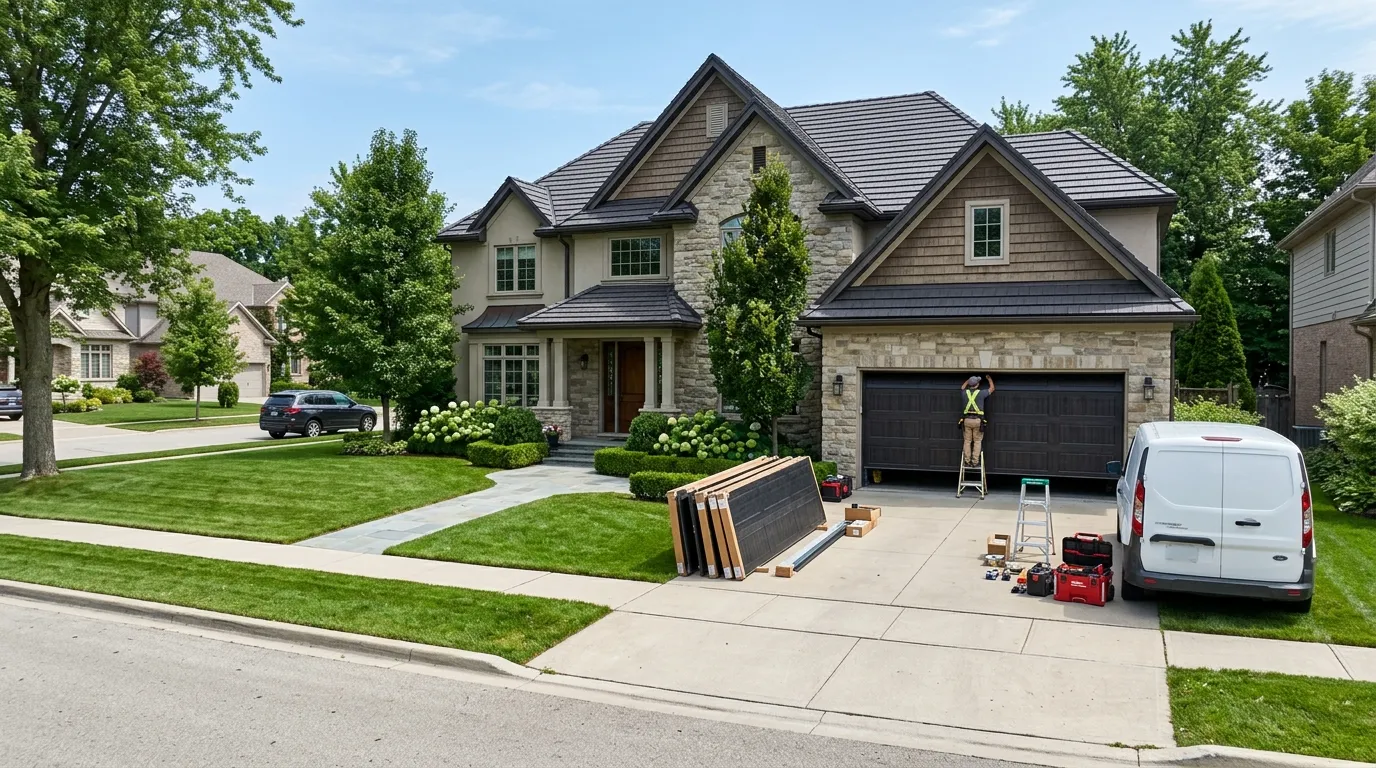
With a median household income of $64,209 and 4,133 households in Lyons, a lot of the door decisions we see are cost-conscious repairs rather than full replacements, which is a reasonable call on a door with sound framing and just a failed spring or cable. Across the wider service area the housing stock runs from 1938 to 1994 with a median around 1961, so Lyons sits close to that regional median but slightly ahead of the curve at 1958 - meaning original openings here are more likely to be sized for older single-panel doors than the wider two-car openings common in 1970s construction elsewhere in the territory. That matters when you're replacing rather than repairing: a modern insulated door built for a newer standard width won't always drop into a 1958 opening without trim work. We size for what's actually there, not for what a catalog assumes.