What People Here Ring About
Long Grove's houses run newer than most of the neighborhoods we work in day to day. The median home here was built around 1989, a good three decades after the 1961 median across the wider Lincolnwood service area. That gap changes what breaks. Instead of side-mounted torsion hardware and one-piece doors from the 1960s, we're mostly looking at sectional steel doors on extension or torsion springs with openers that have logic boards, wall consoles, and keypads that can drift out of calibration.
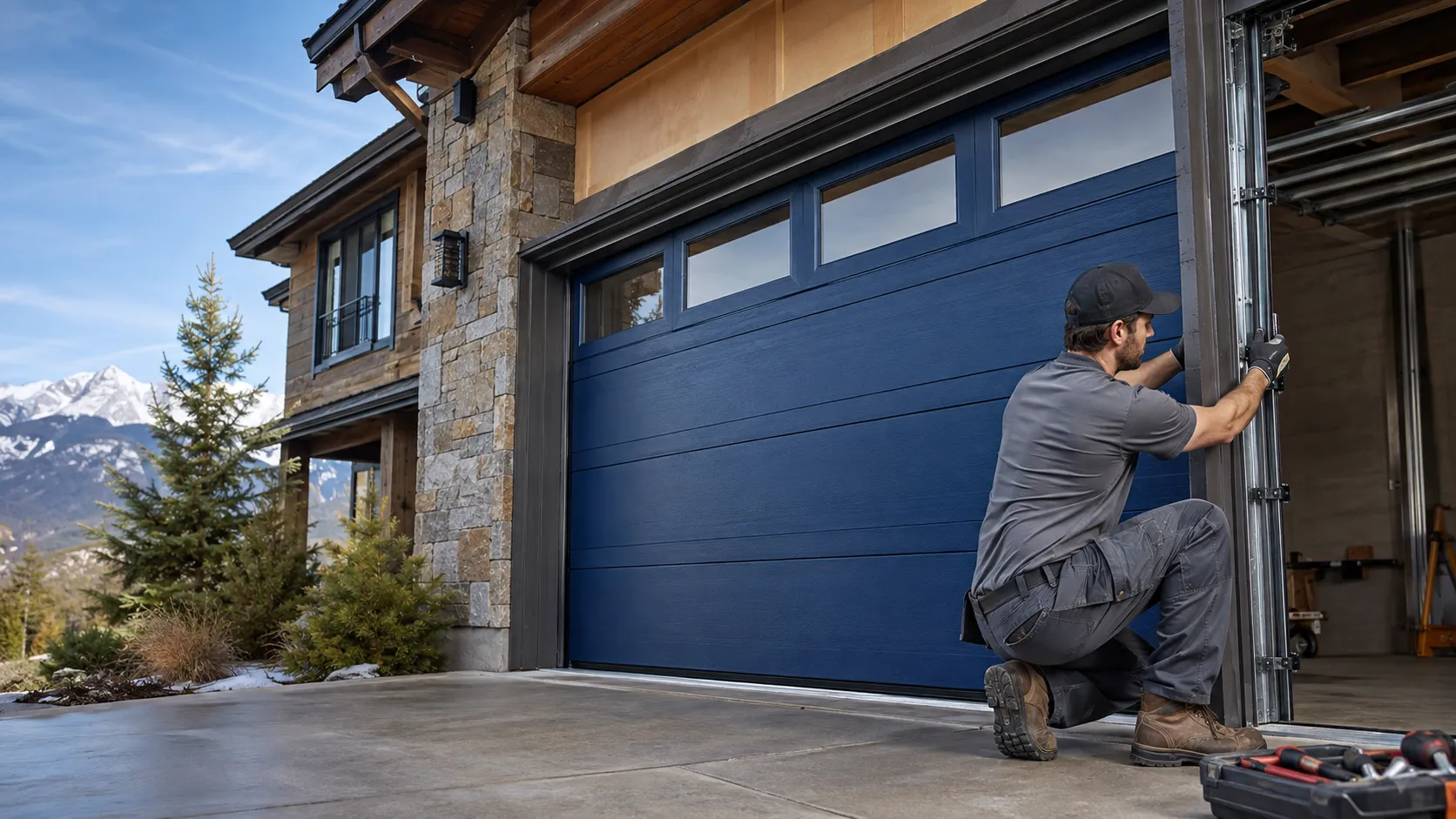
The calls we get from this area tend to be opener-side: a chain drive that's started grinding, a remote that stopped talking to the head unit, safety sensors that trip for no clear reason after a cold snap. We also see misaligned tracks on wider double doors, which are more common on the larger lots out here than on the older, narrower garages closer to the city.
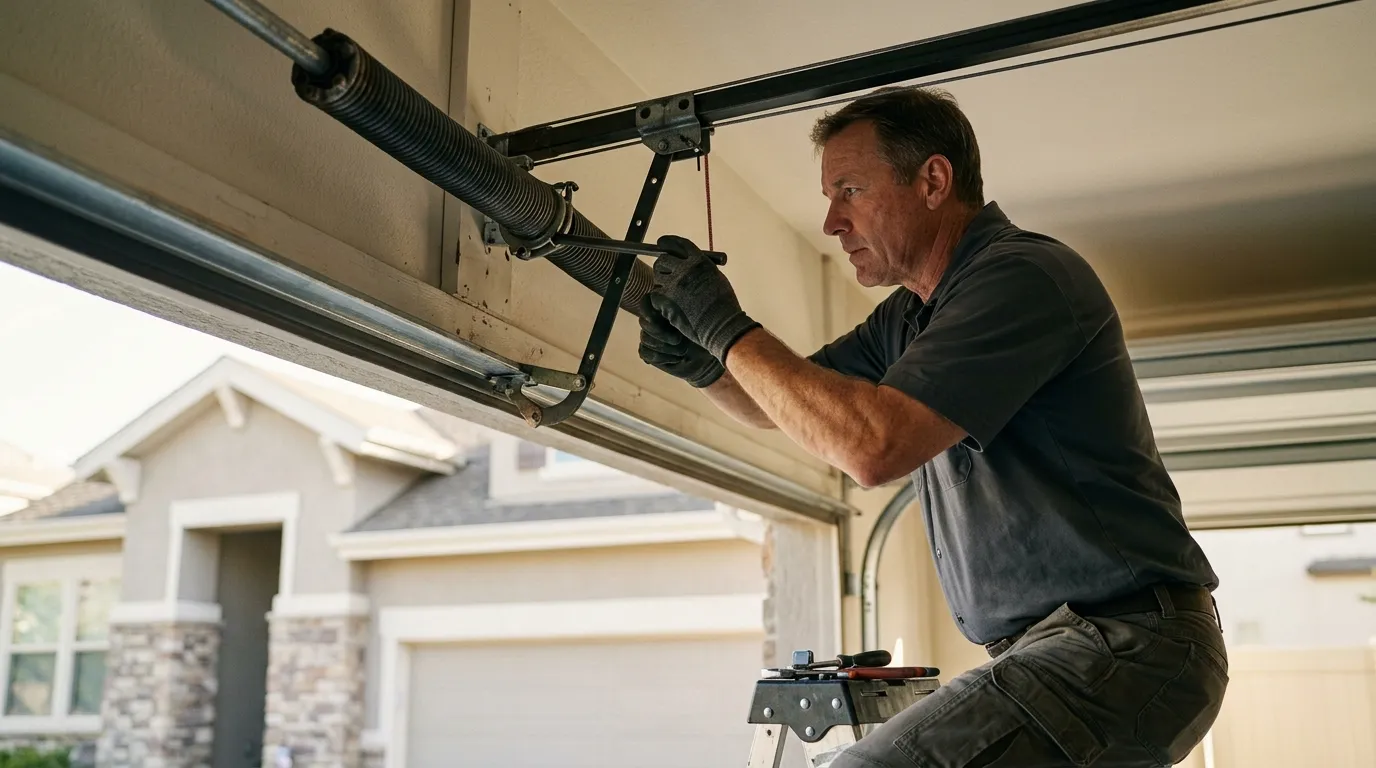
We don't get many calls for cable snap on original 1960s drums, because there mostly aren't any left in this part of the coverage area. If your door is original to a 1989 build, it's closing in on 35 years old, which is past the point where most torsion springs are still on their first set.
What the Housing Means for Your Door
A 1989 build date puts most Long Grove garages in a different bracket than the older 1938-1961 stock that makes up a lot of our coverage area. Doors and openers from that era were built to a different standard than what's sold today, and after this many years the springs are due, the rollers are worn, and the openers are old enough that parts availability starts to thin out.
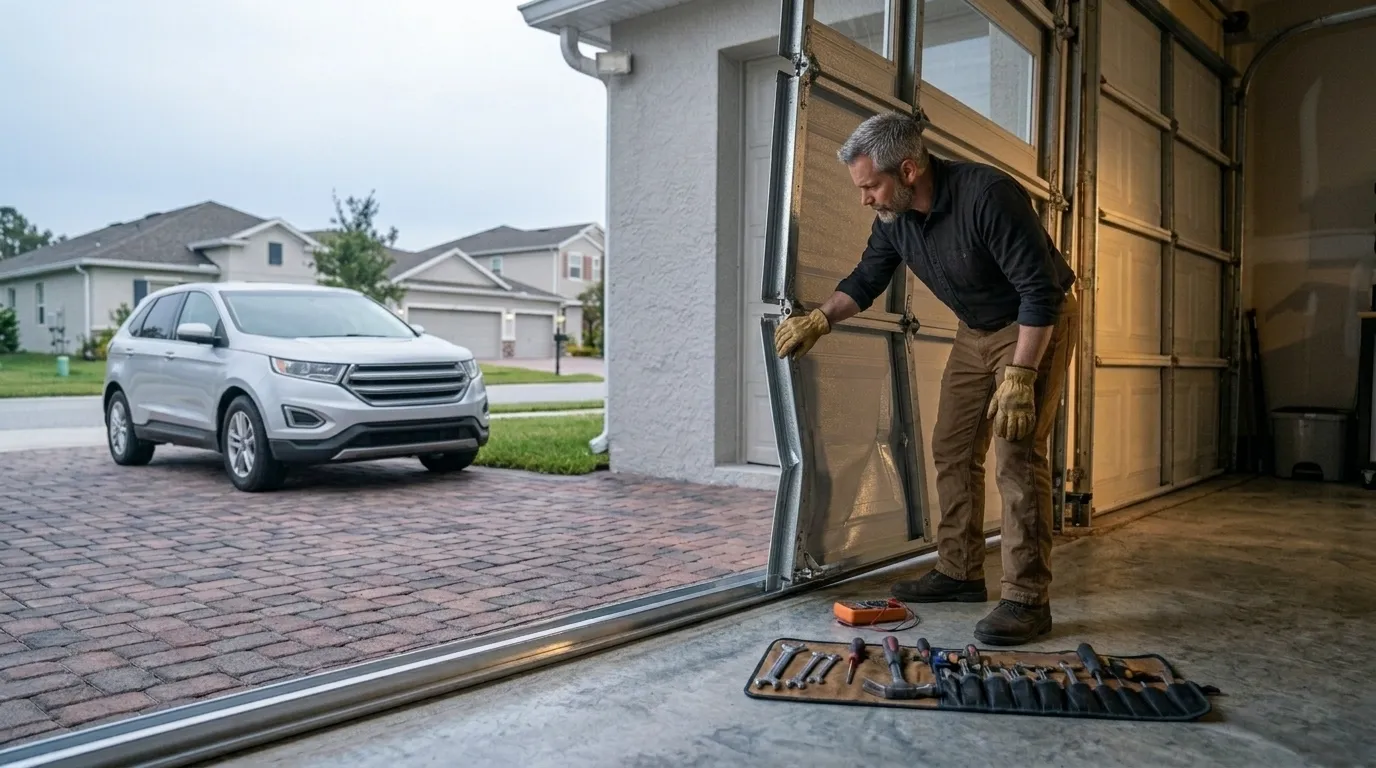
The cold climate here matters more with taller, wider doors, which is what we typically see on newer construction. A bigger door means more surface area for a torsion spring to manage, and it means the weatherstrip at the base has more length to fail along. When it does fail on a cold night, the gap under the door lets in enough draft that owners notice it fast.
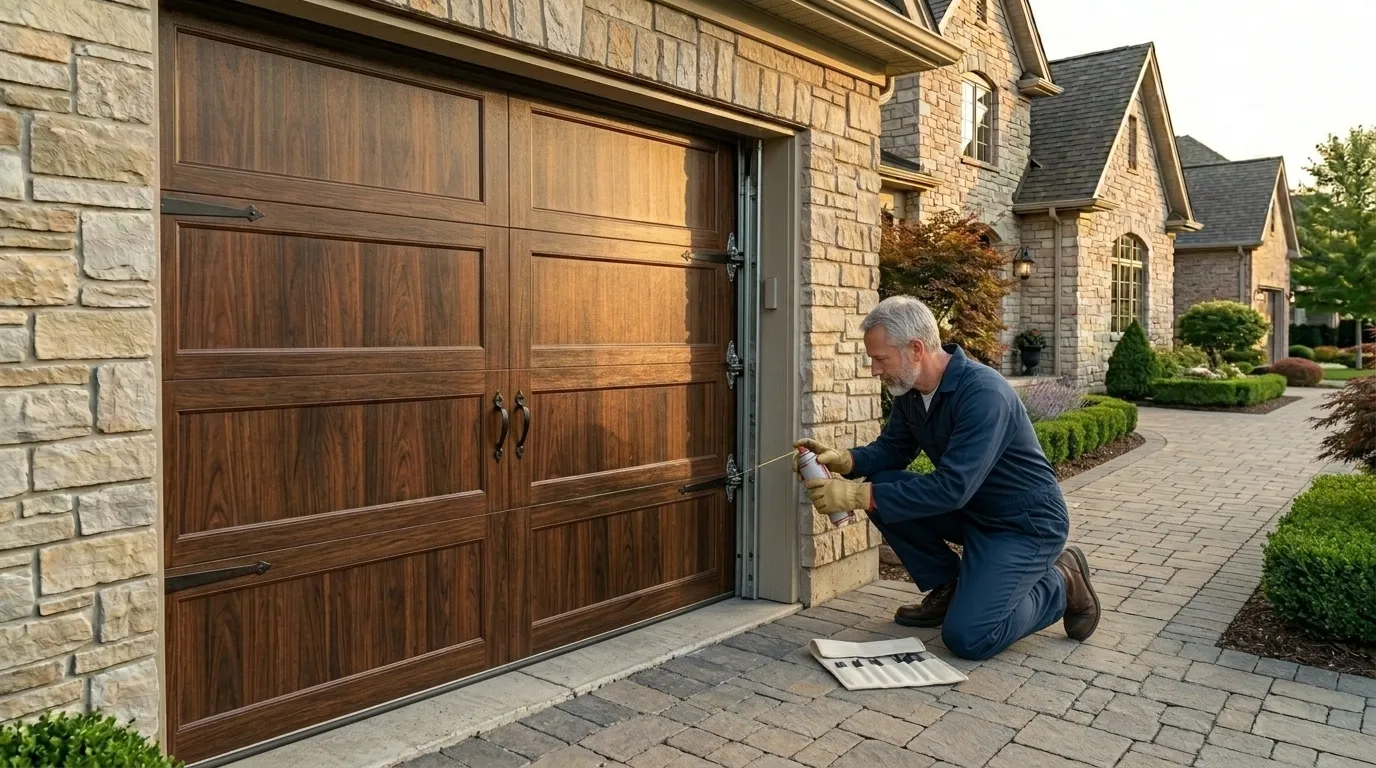
Households in this area report a median income well above the $99,861 median for the broader Lincolnwood service territory, and that shows up in the doors themselves - more insulated steel and composite doors, more openers with battery backup and smart-home connectivity, fewer bare single-layer doors than you'd find in older, denser blocks closer to the city.
The Houses Here
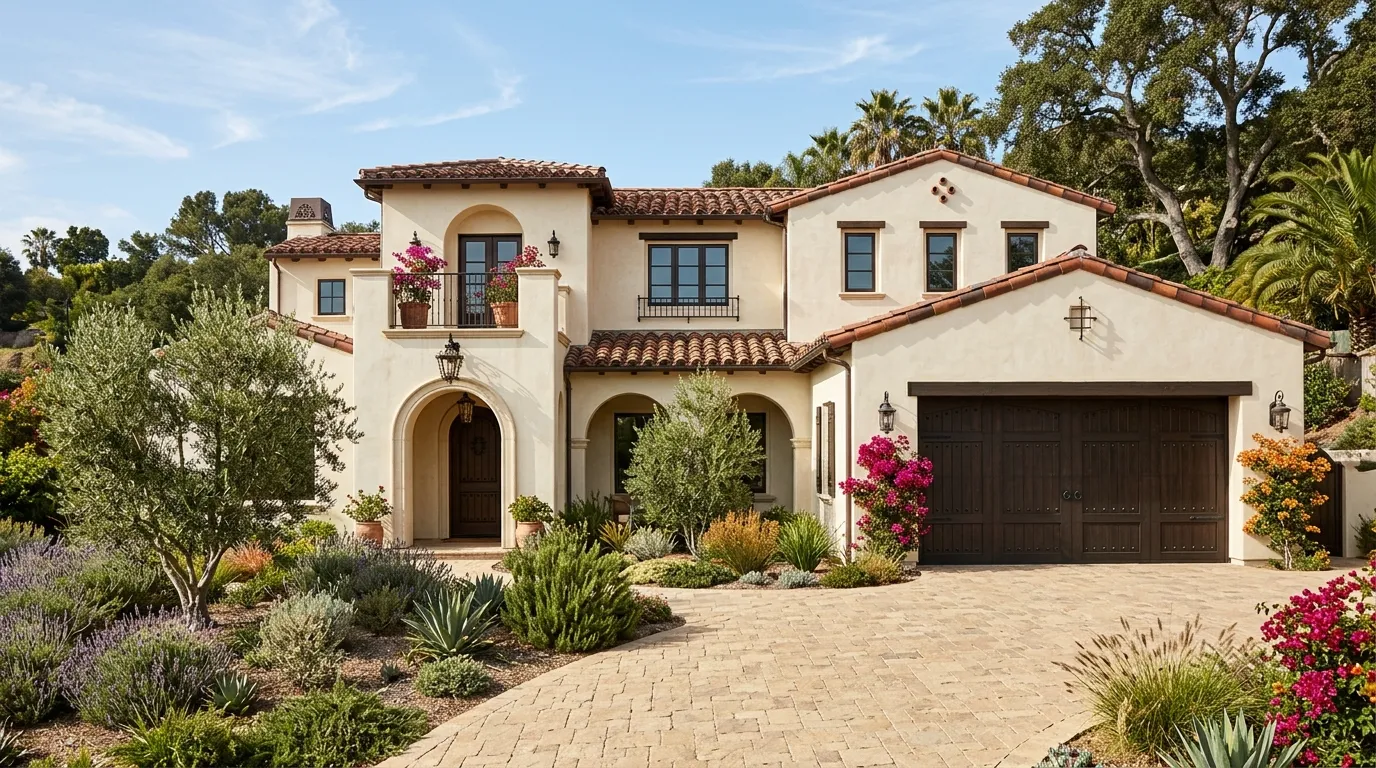
With a median build year around 1989 and roughly 2,651 households in the area, Long Grove sits on the newer end of what we cover out of Lincolnwood. Lot sizes tend to run larger than the older, denser blocks closer in, and that's reflected in wider garage openings - two-car and sometimes three-car doors are more common here than the narrower single doors typical of 1960s construction.
Median household income in this area, reported at $235,368, is well above the roughly $99,861 median across our broader service territory of 104,270 households. That income difference tends to track with what's installed on the house: heavier insulated doors, quieter belt-drive openers, and battery backup units that keep the door working through a power outage.
Because the housing base here is newer, we spend less time on decades-old spring systems and more time on opener electronics, sensor alignment, and keeping wider doors running true on their tracks - different work than what dominates our calls in the older parts of the coverage area.