What People Here Ring About
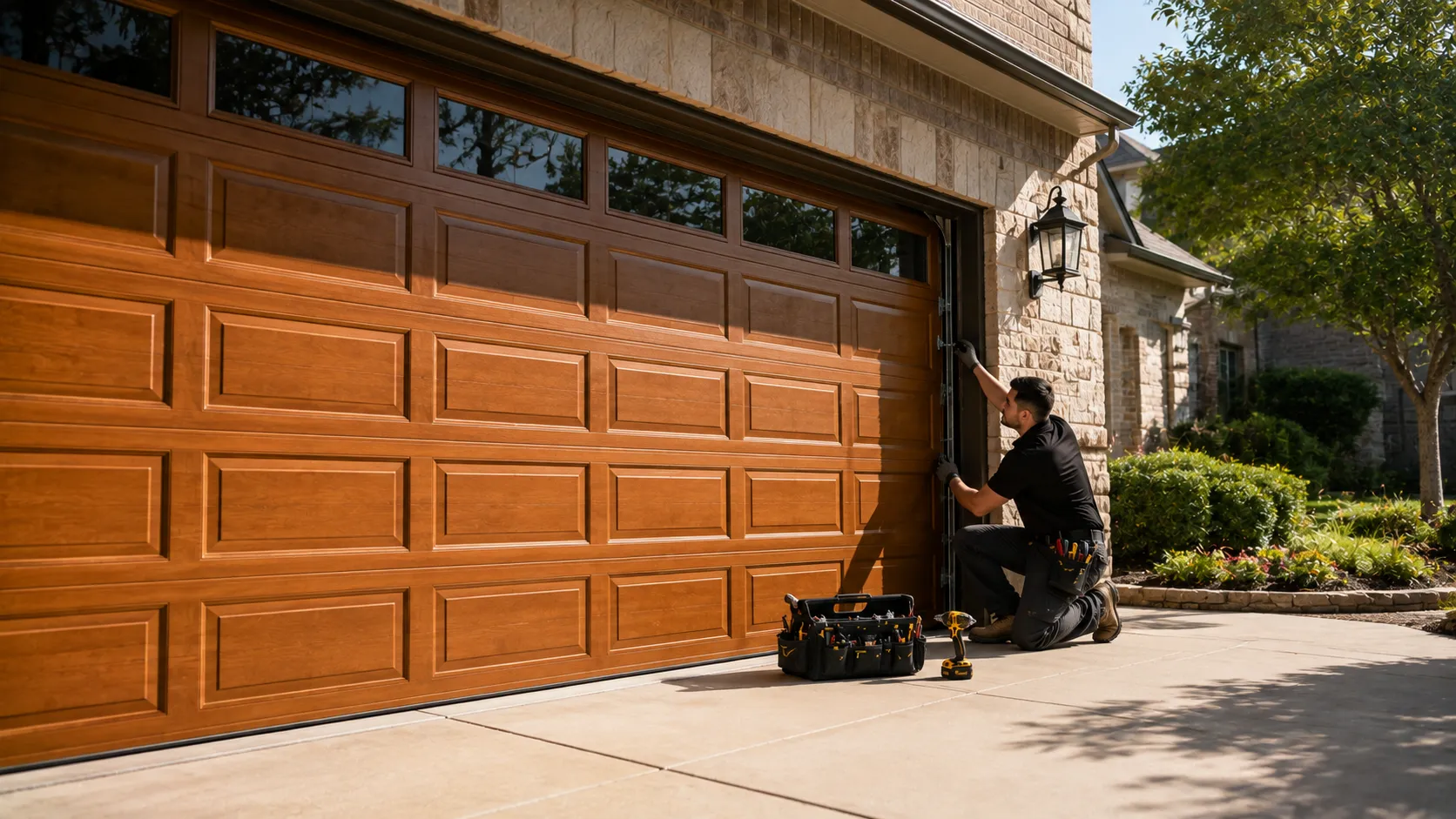
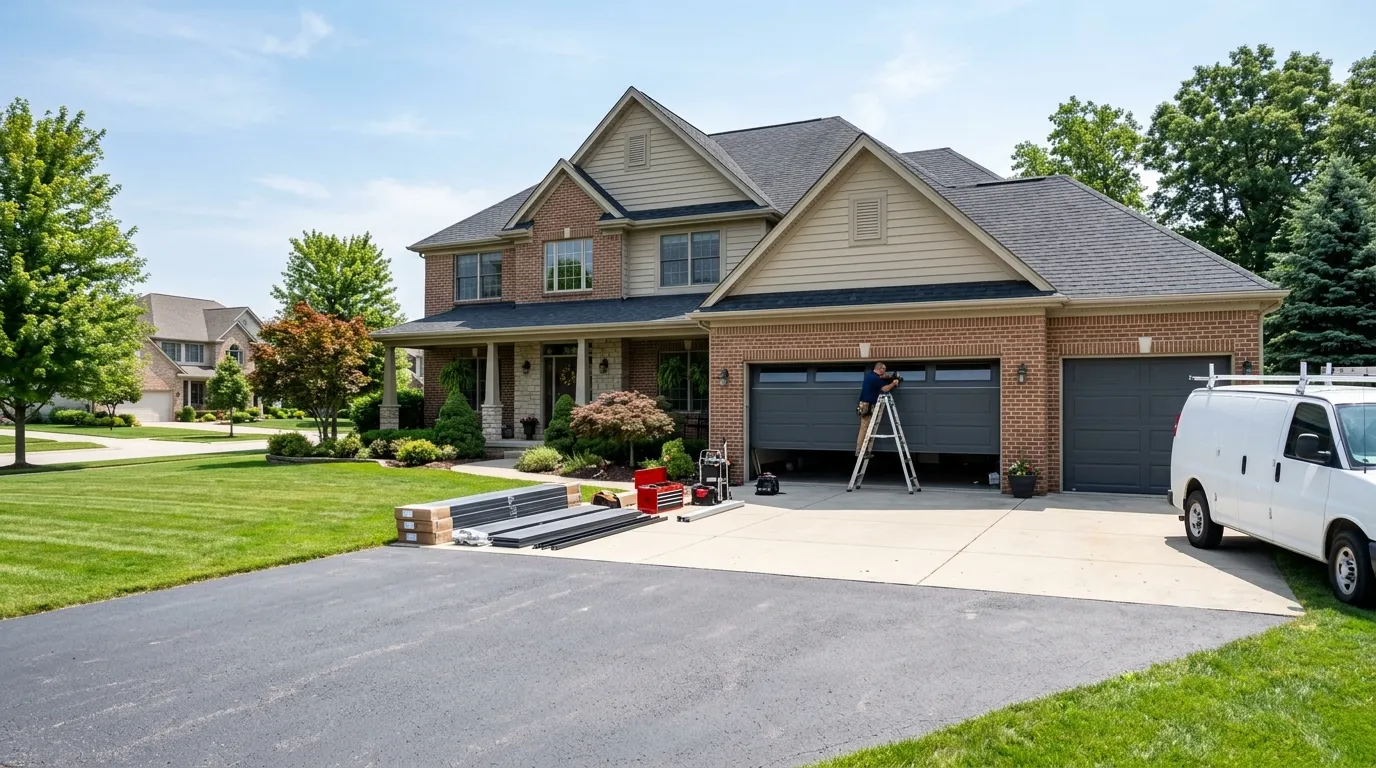
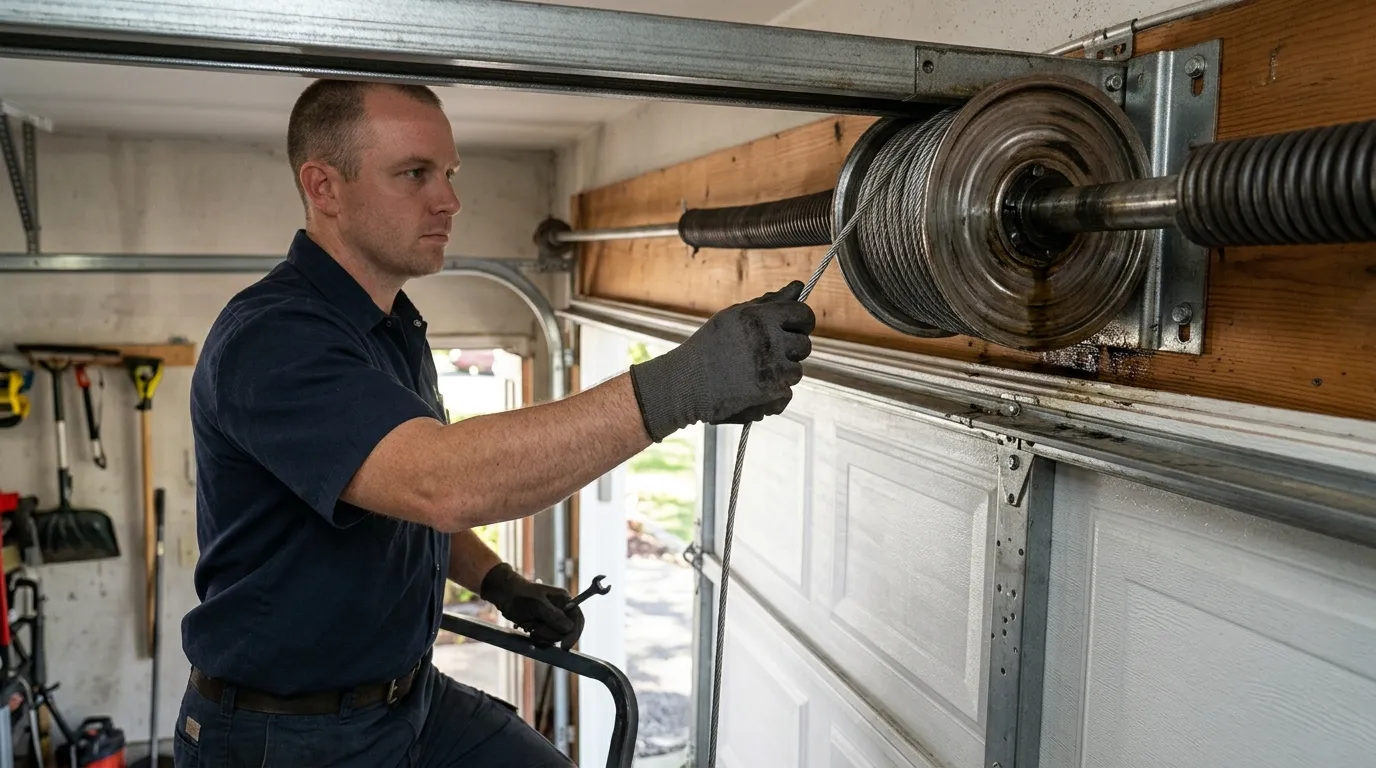
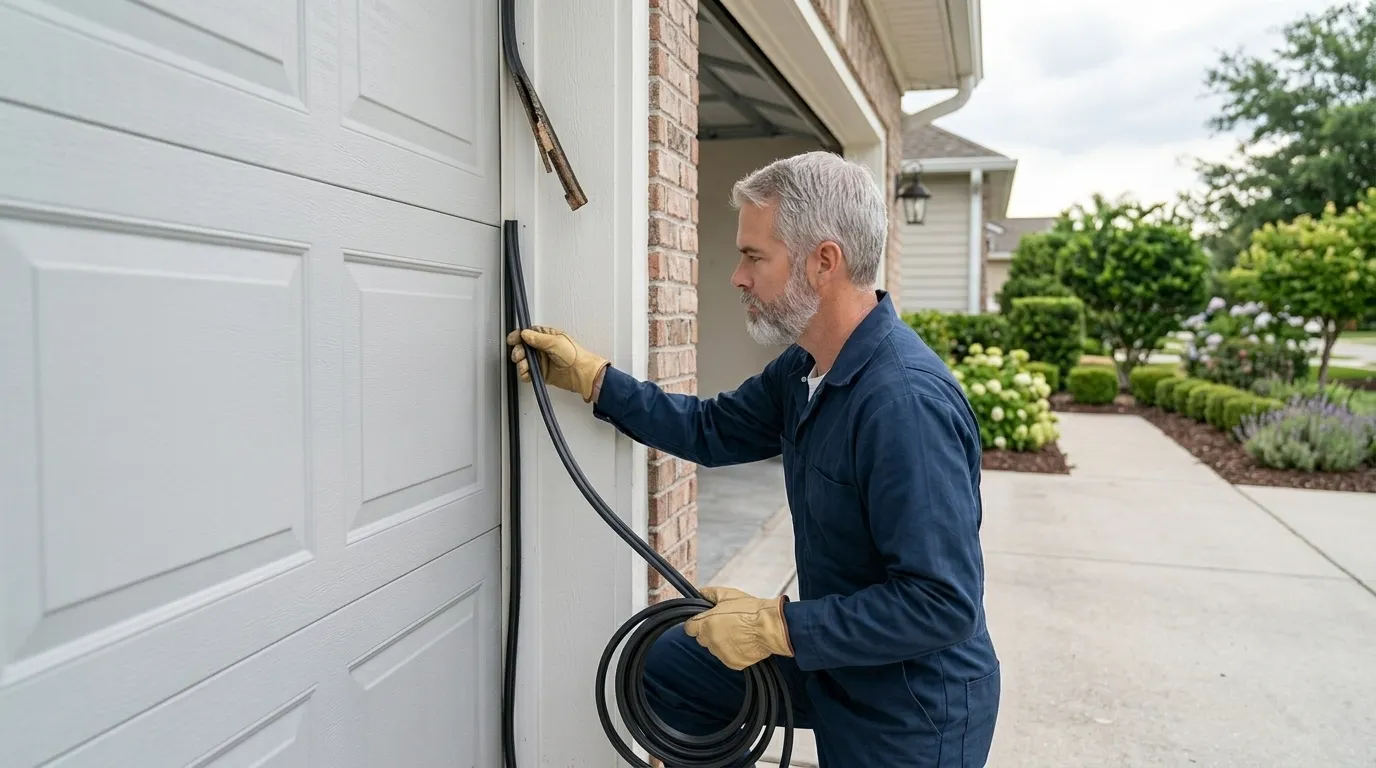
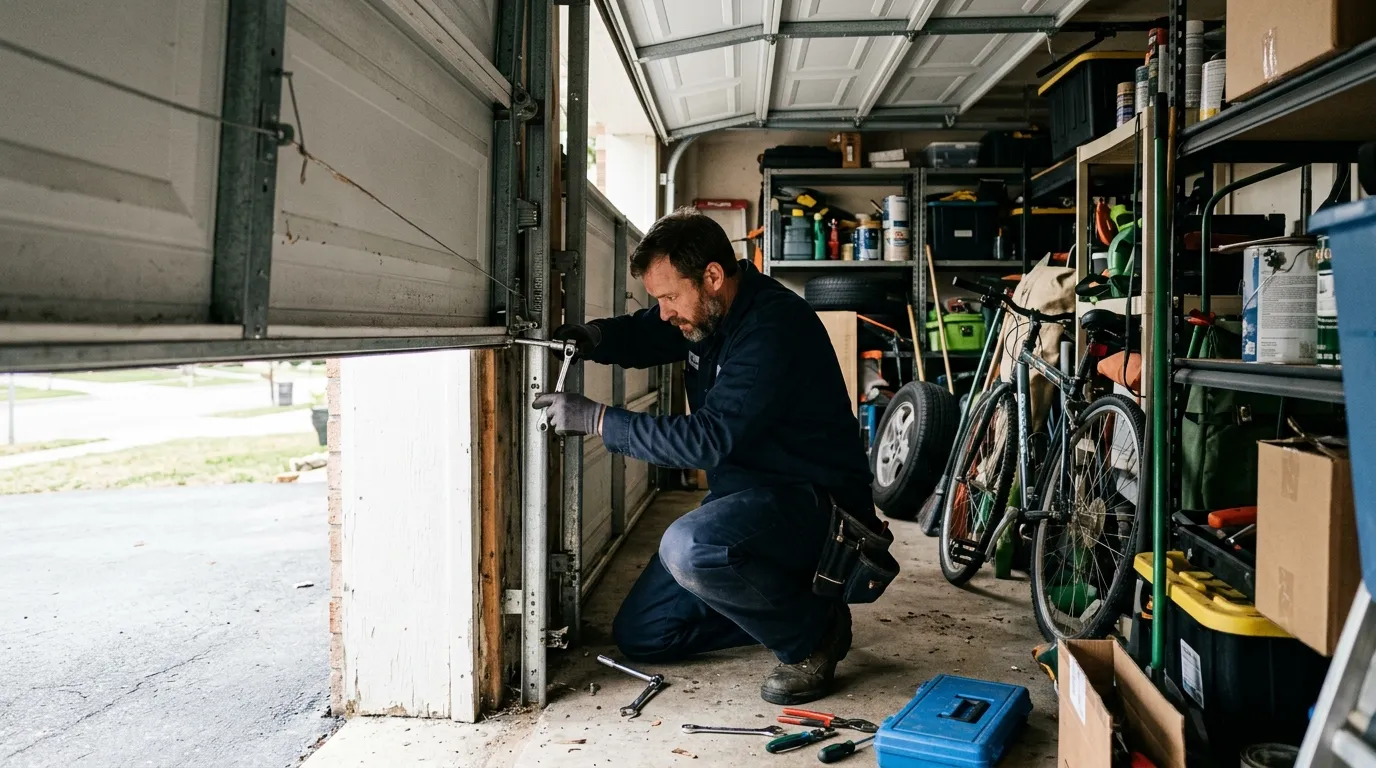
Lincolnshire is a 16-mile drive from our shop in Lincolnwood, and the calls we get from this side of the coverage area are different from what we hear closer in. Most of the houses here went up around 1992, well past the 1938-1994 range that covers the whole territory and decades newer than the 1961 median for the service area overall. That means fewer calls about warped wood panels or worn-out extension springs on ancient hardware, and more calls about circuit boards on openers, wall consoles that have stopped talking to the opener, and torsion springs that are original to a door now entering its fourth decade. A door installed in 1992 is old enough that its opener has likely been replaced once already, sometimes with a unit that doesn't match the door's weight, which throws off the balance and shortens the life of the new springs. We also hear from owners dealing with insulated steel doors from that era whose seals have finally given out - the polyurethane core still does its job, but the bottom astragal and side seals are shot after thirty-plus years of Chicago winters.
What the Housing Means for Your Door
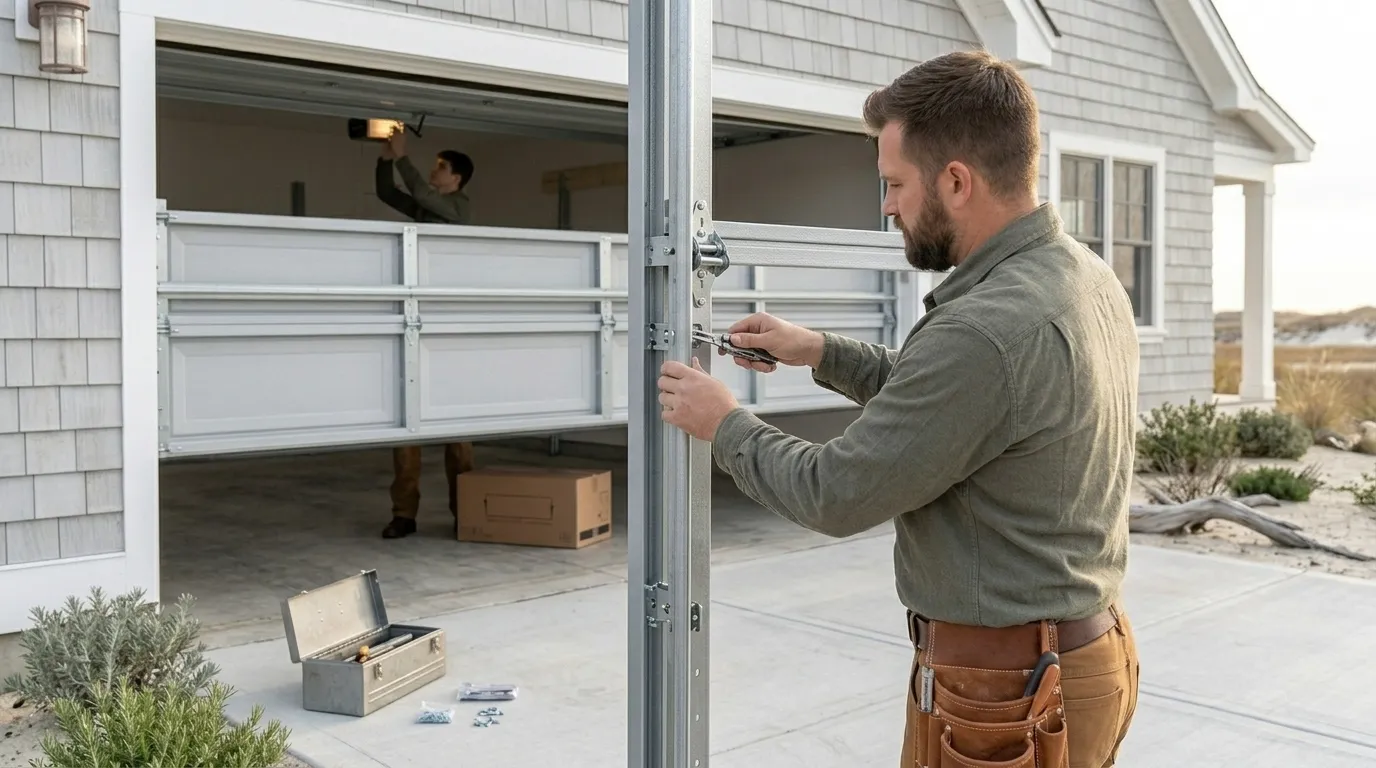
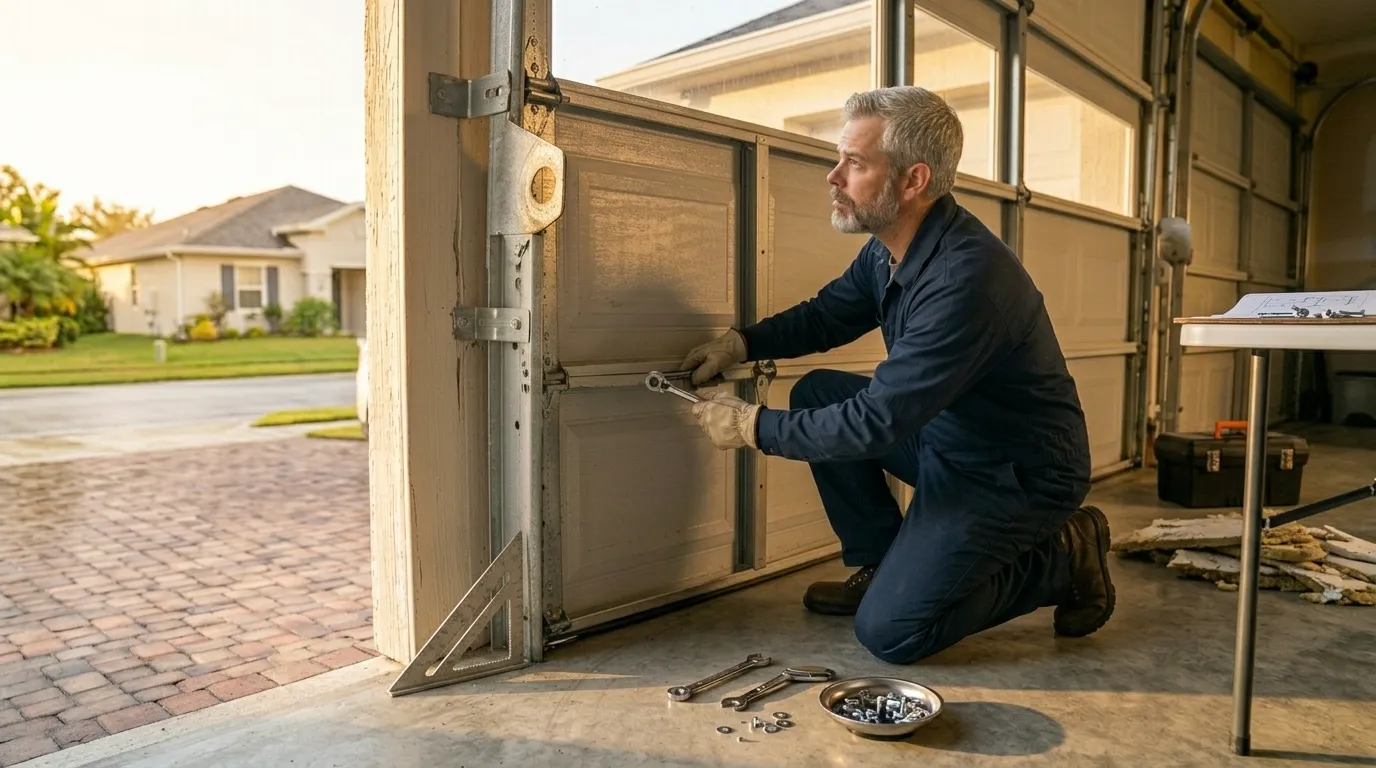
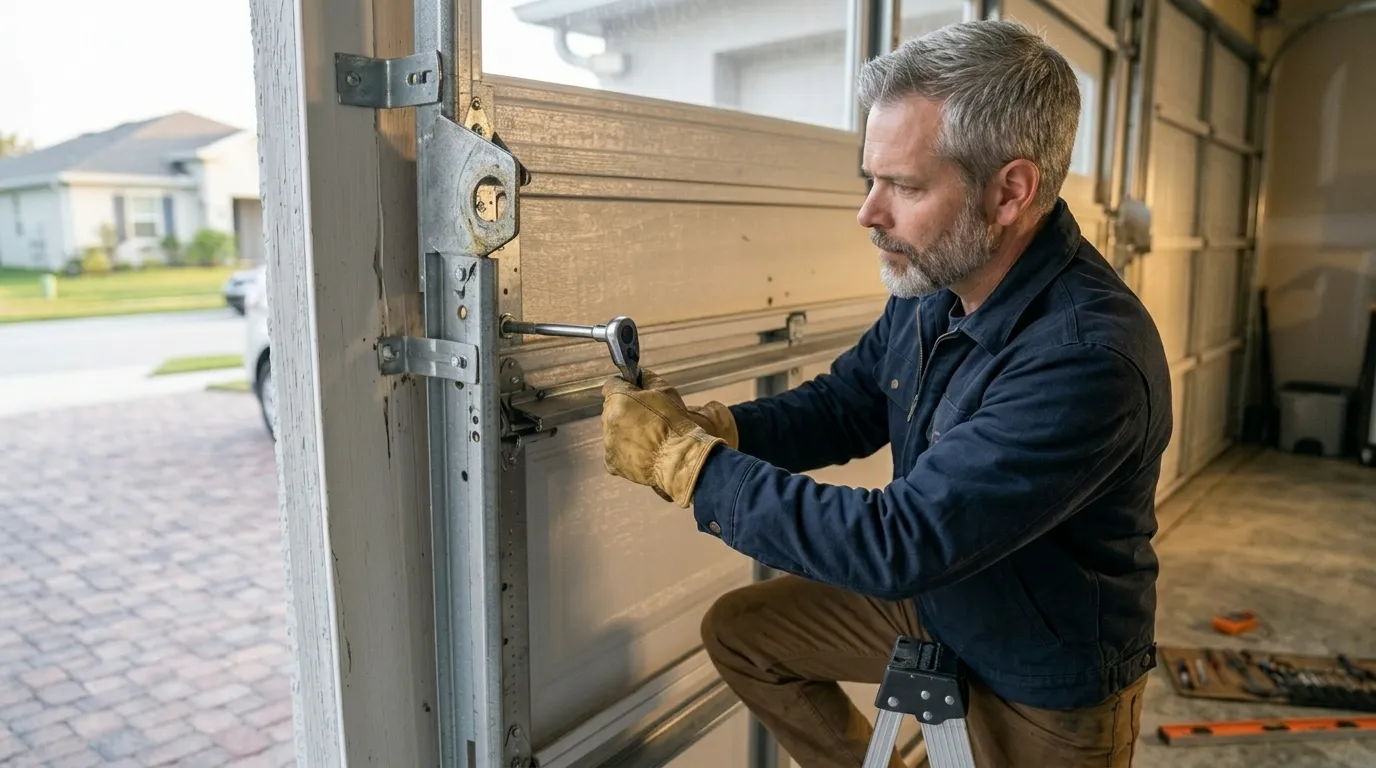
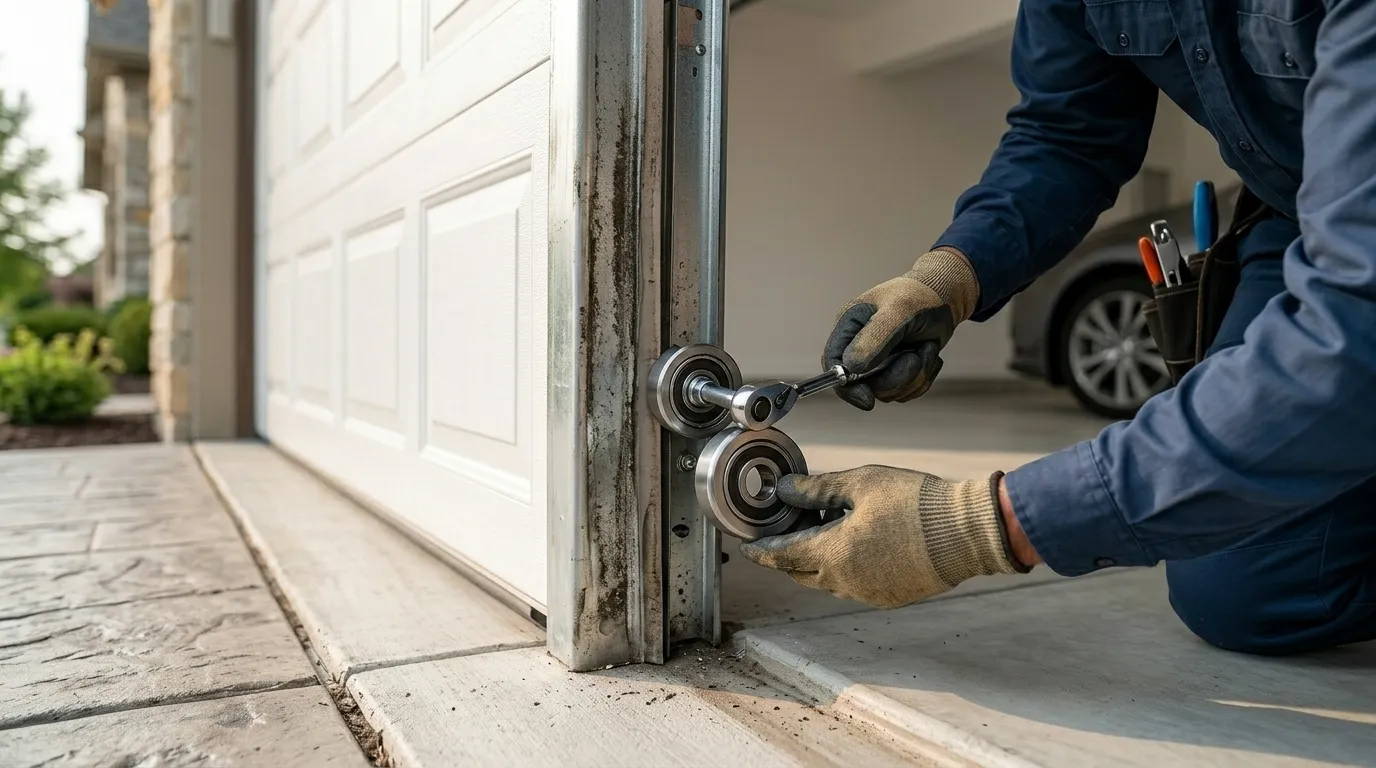
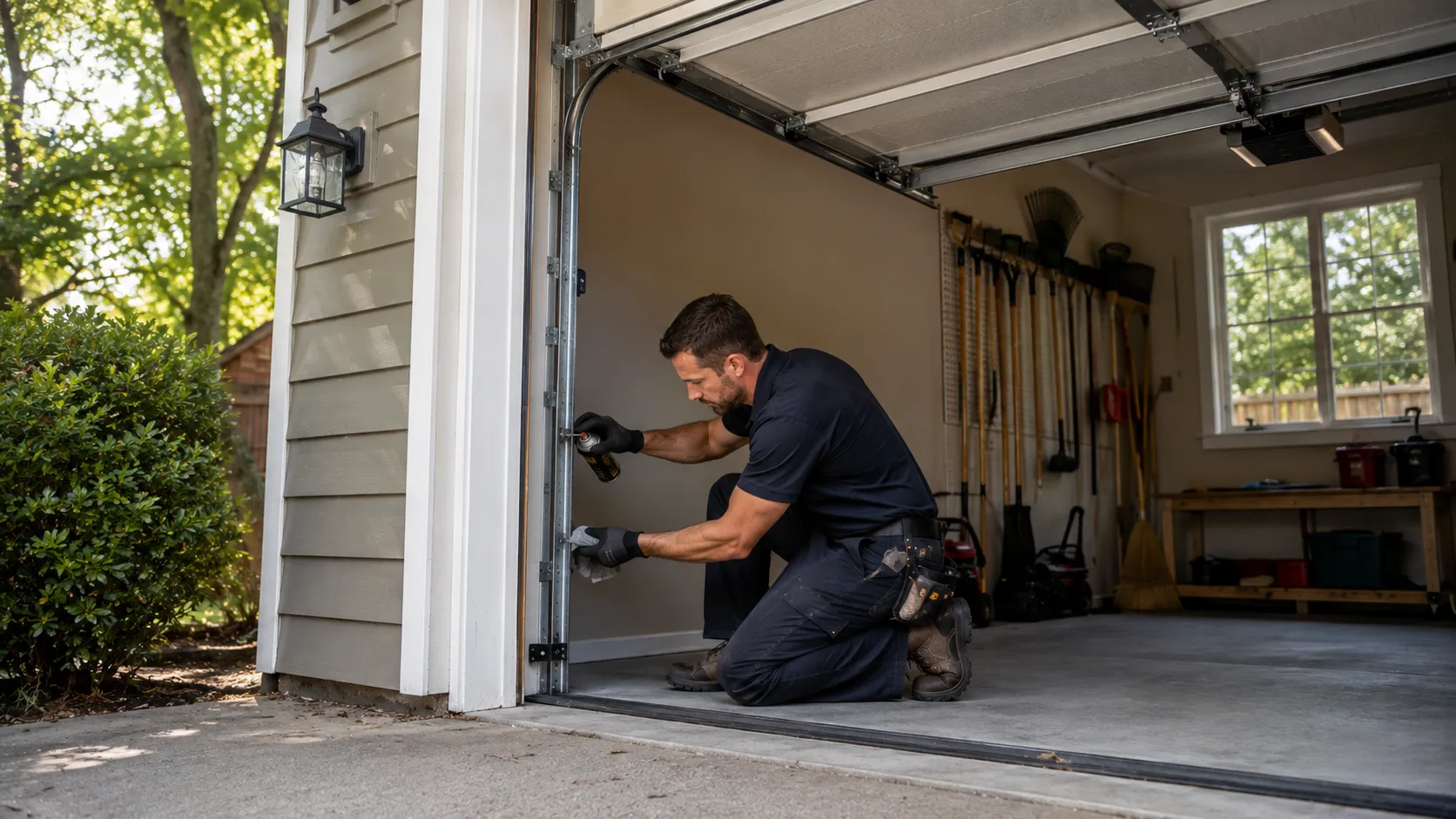
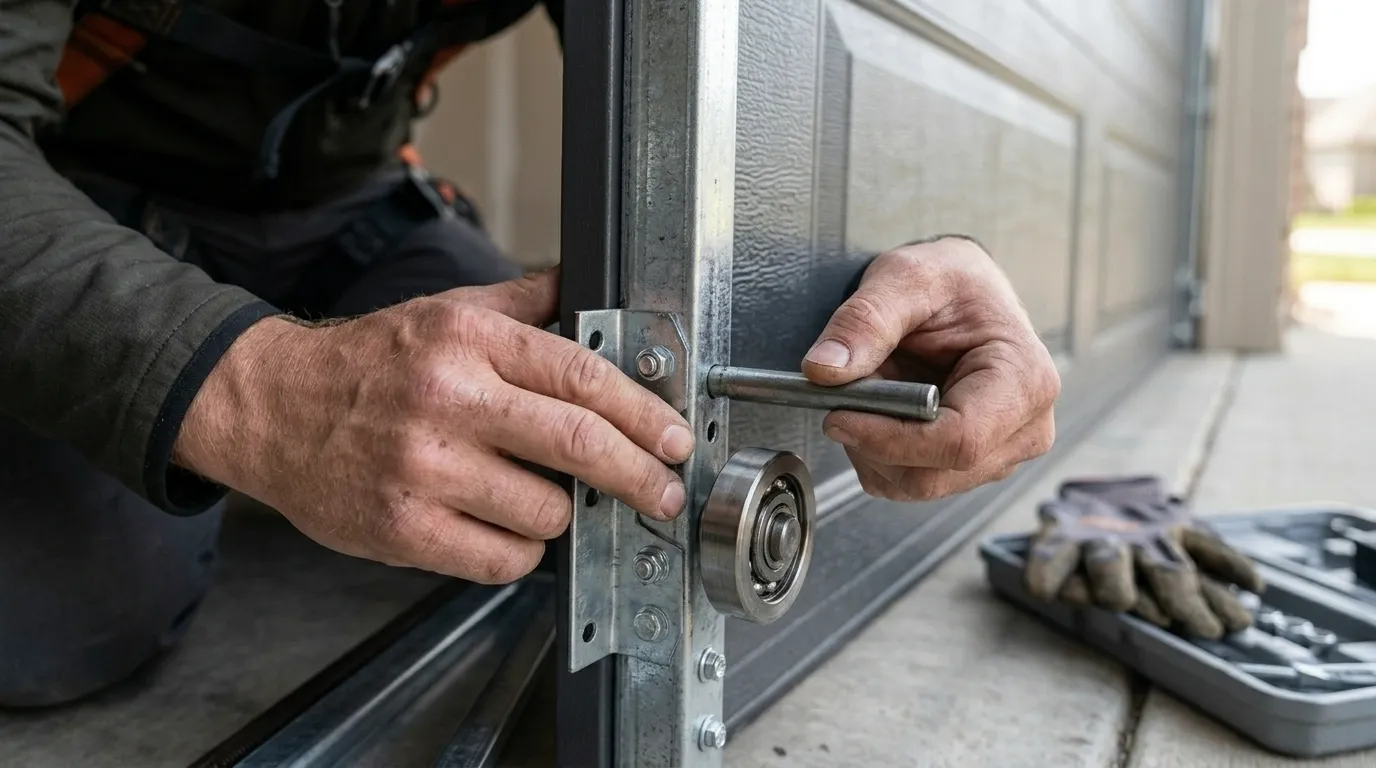
Because Lincolnshire's housing stock clusters around 1992, the doors we work on here tend to be one generation newer than the typical door across the rest of the territory, where 1960s and 70s construction is the norm across the 40 named communities we cover. That one generation matters. A 1992 door is more likely to have factory-installed torsion springs on a single center shaft rather than the side-mounted setups common on older houses, and it's more likely to already have some insulation in the panel rather than being a bare steel or wood slab. The failure points shift too - on a door this age, we see broken torsion springs from simple fatigue, worn rollers that were never swapped out, and openers reaching the end of their motor life. With a median household income of $179,735 in Lincolnshire, well above the $99,861 median across the wider service area, we also see more requests for full opener upgrades with battery backup and smart controls rather than bare-minimum swap-outs. The climate here is the same cold, moderate band as everywhere else we cover, so the seals, lubricant, and spring tension all need to be set up for winter regardless of the house's age.
The Houses Here
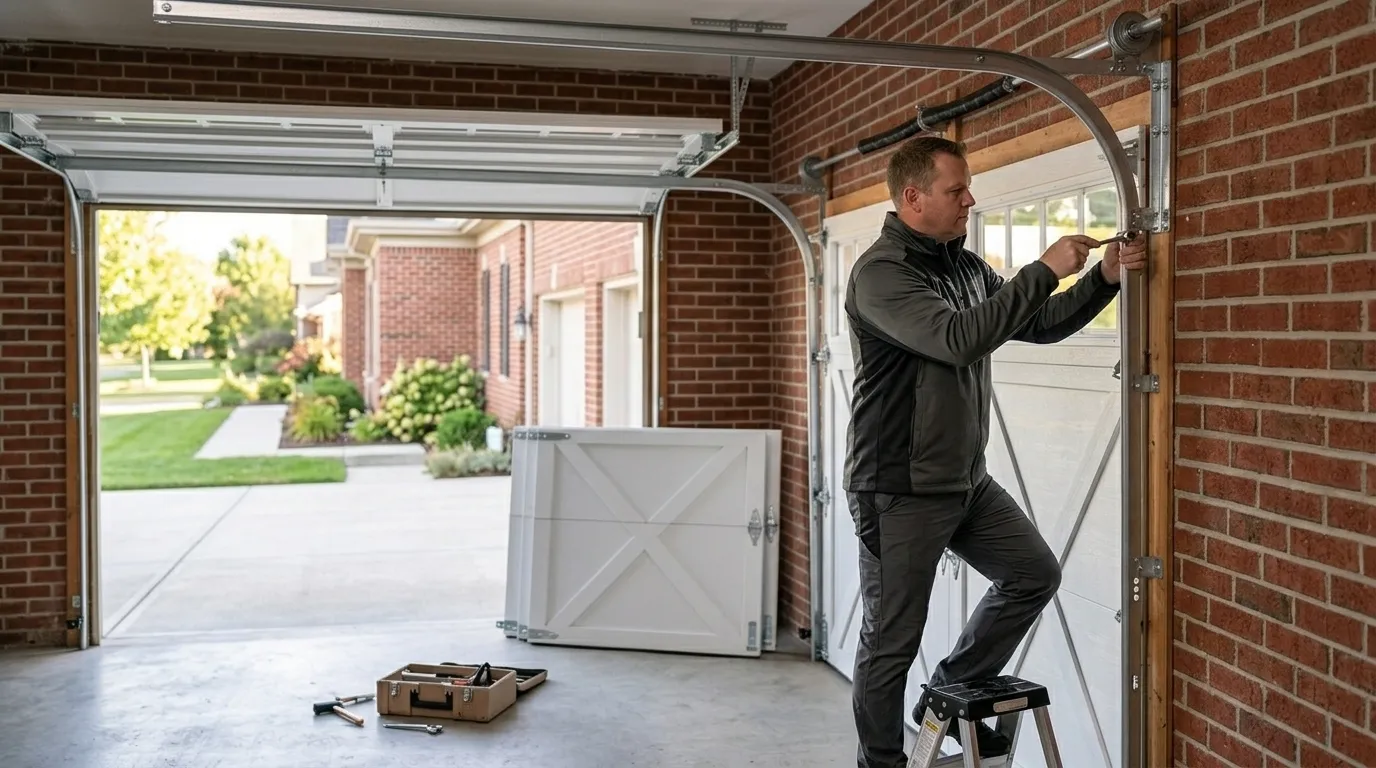
With about 3,275 households in Lincolnshire and a housing stock that's noticeably newer than most of what we service, this is one of the areas where we spend more time on openers and electronics than on the springs and cables that dominate calls in older neighborhoods. A 1992-era two-car garage door is usually a factory steel panel on a standard 7-foot track, and the common failure at this point isn't the door itself - it's the opener motor, the logic board, or the gears inside the head unit wearing out after three decades of daily cycles. We still see spring failures, since even a well-built torsion spring has a cycle life, and a door installed in 1992 has likely cycled through tens of thousands of open-and-close operations by now. What we don't see much of here is the rotted wood jamb or the flaking one-piece slab door that shows up on the older side of our coverage area - the housing here simply hasn't had time to develop those problems yet.