What People Here Ring About
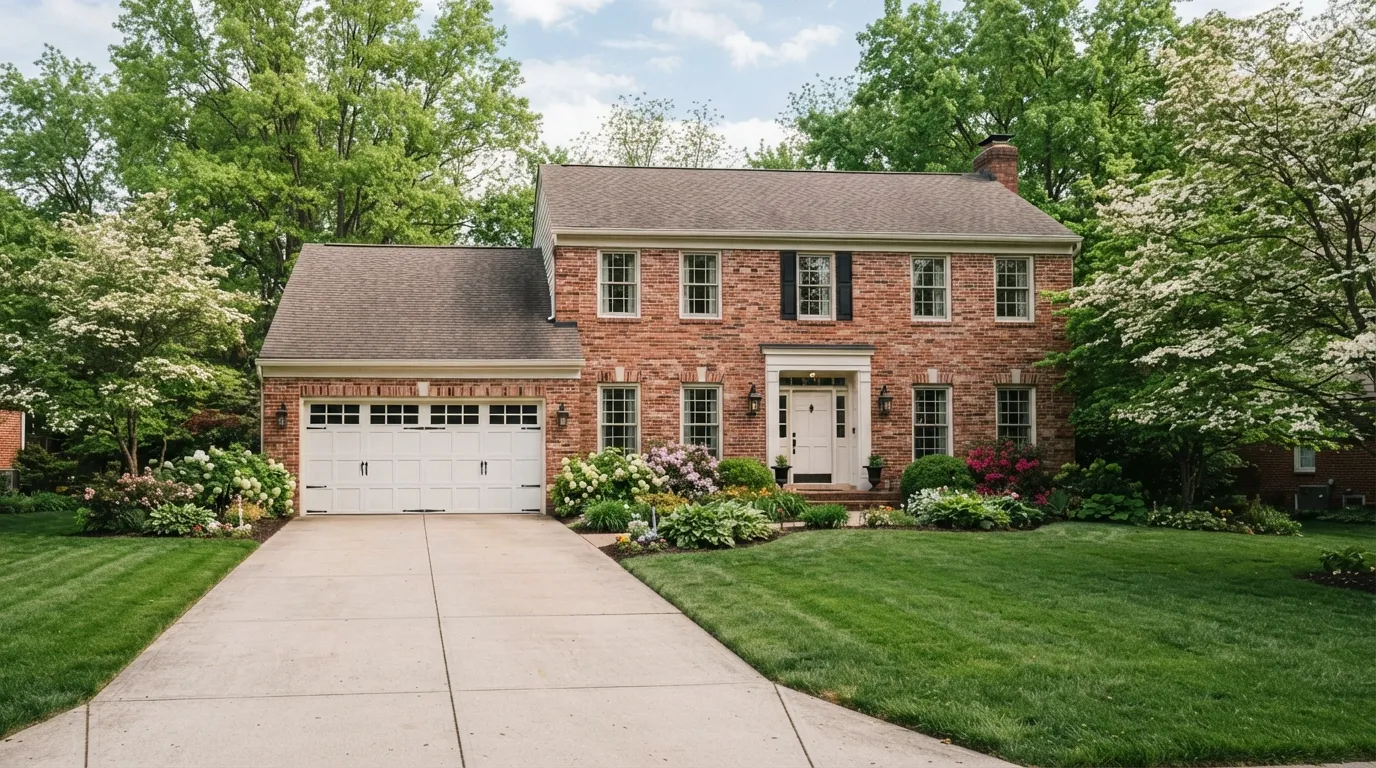
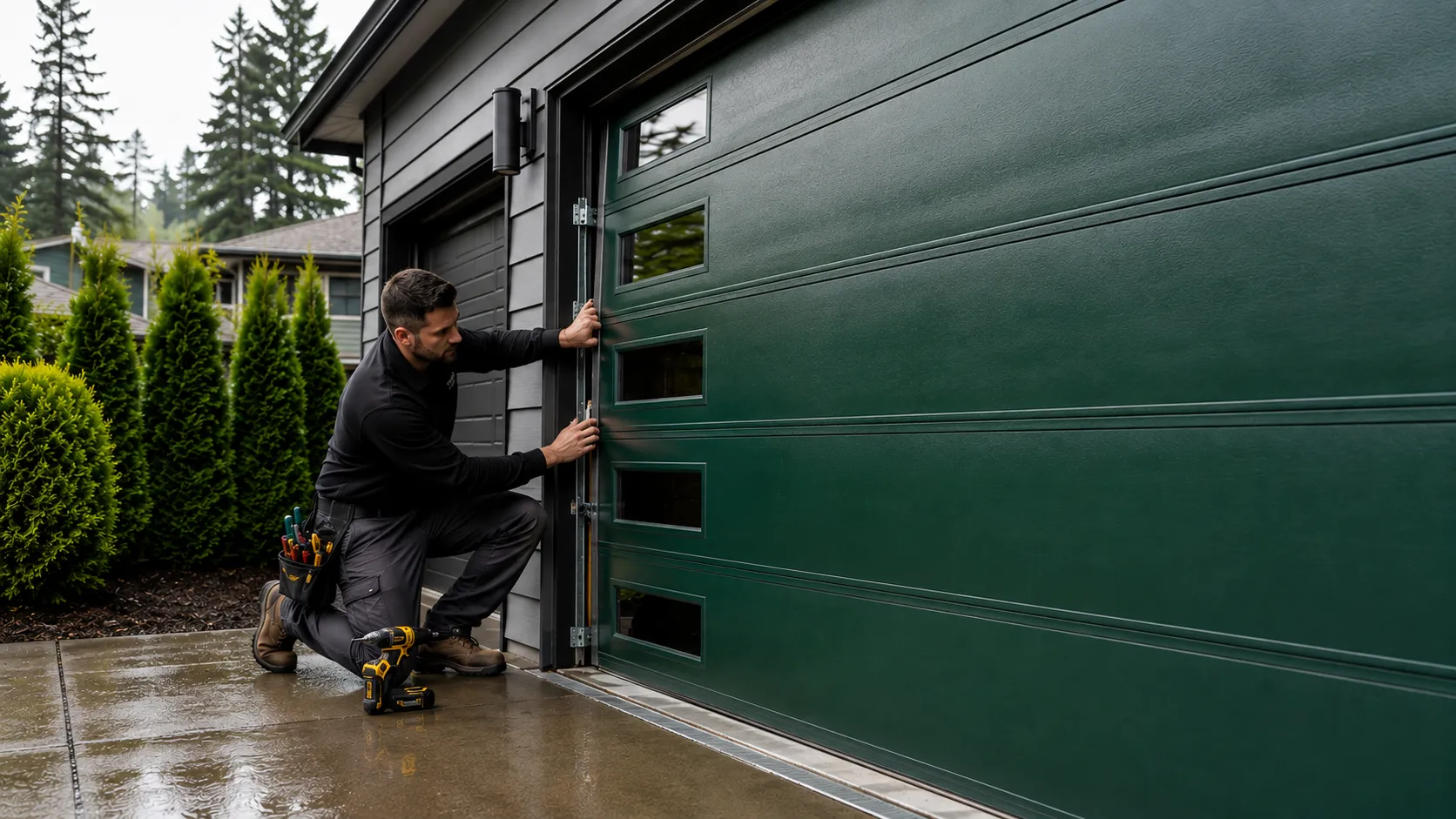
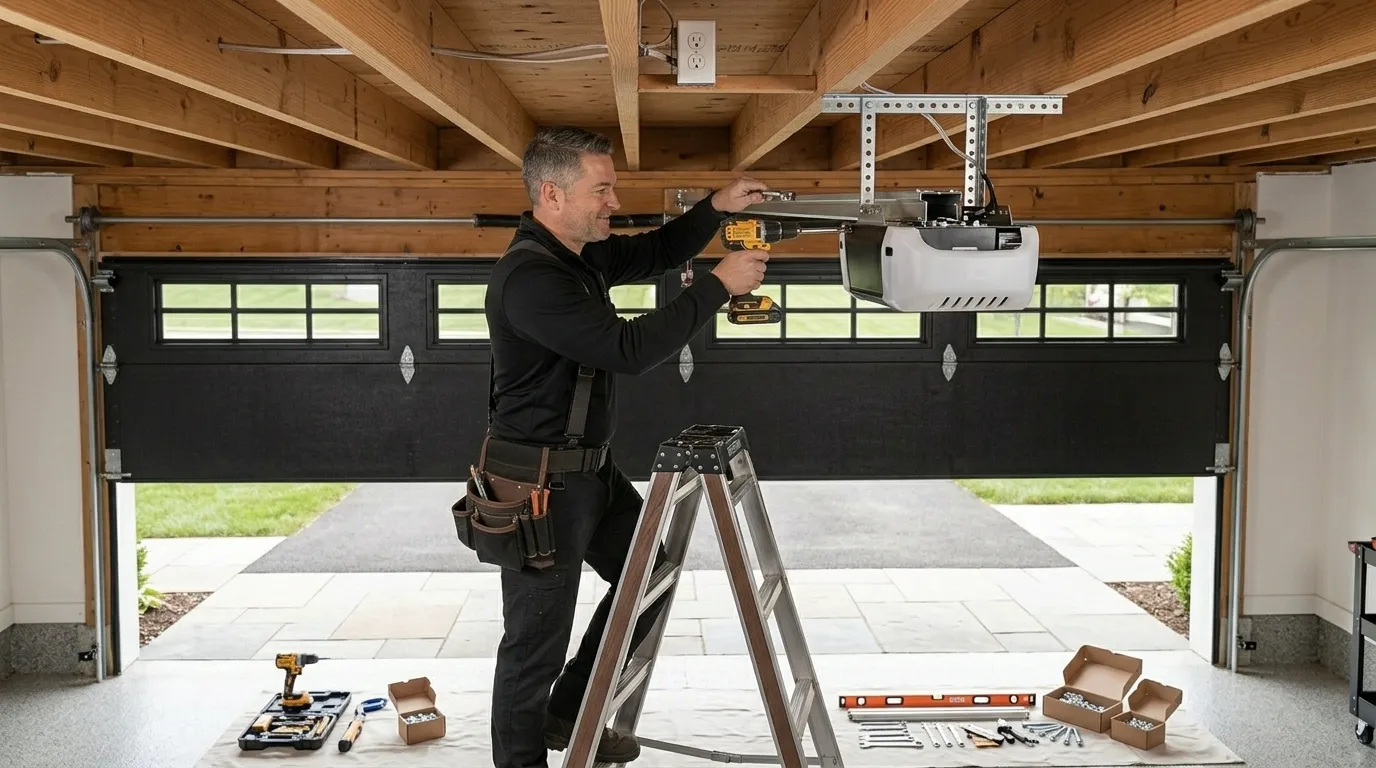
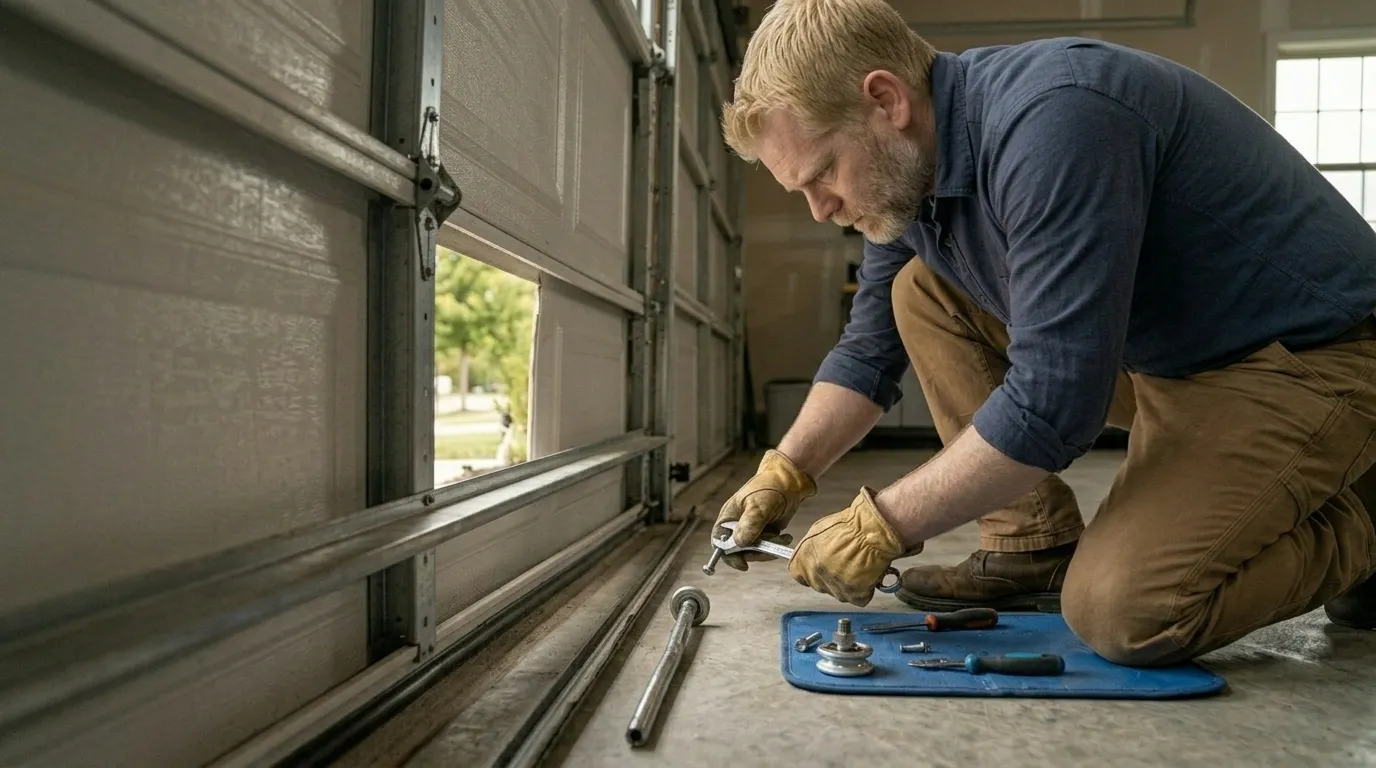
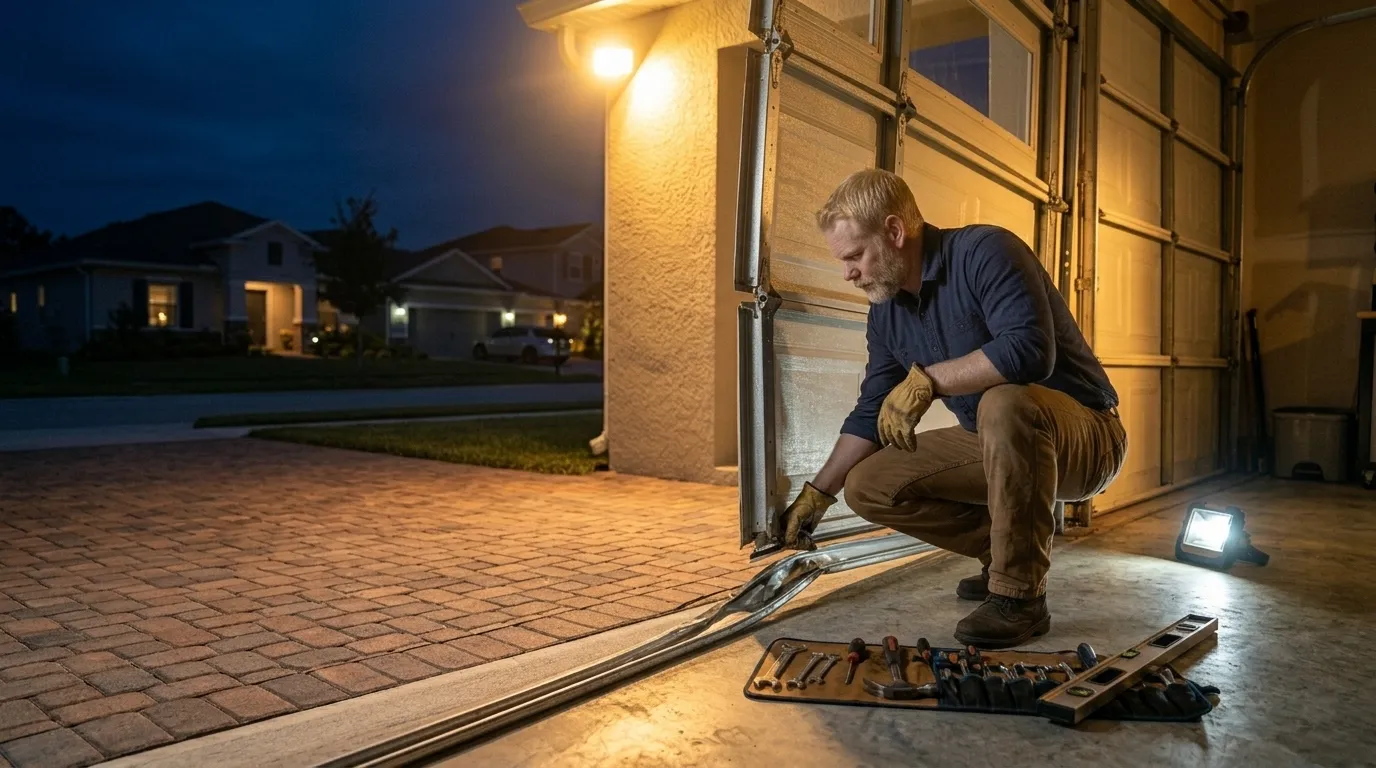
Kenilworth's housing stock runs older than most of the areas we cover, with a median build year of 1938. That means the calls we get from this pocket of the service area skew toward hardware that predates the standard torsion setups you'd find in a 1960s ranch. We hear about doors that won't budge because a spring seized over a winter, openers that were retrofitted onto a door built long before openers existed, and tracks that were never squared to begin with because the garage itself was an afterthought to the original build.
With a median household income of $250,001 in this area, a fair number of these calls come from owners who've already had someone else look at the door and want a second opinion before they spend money on a repair versus a full replacement. That's a reasonable instinct on a door this old - the hardware underneath a vintage door isn't always worth saving, and we'll tell you straight if it isn't.
We don't have a shop in Kenilworth itself. We come from Lincolnwood, about 6 miles out, and that's true for every call here, not just the tricky ones.
What the Housing Means for Your Door
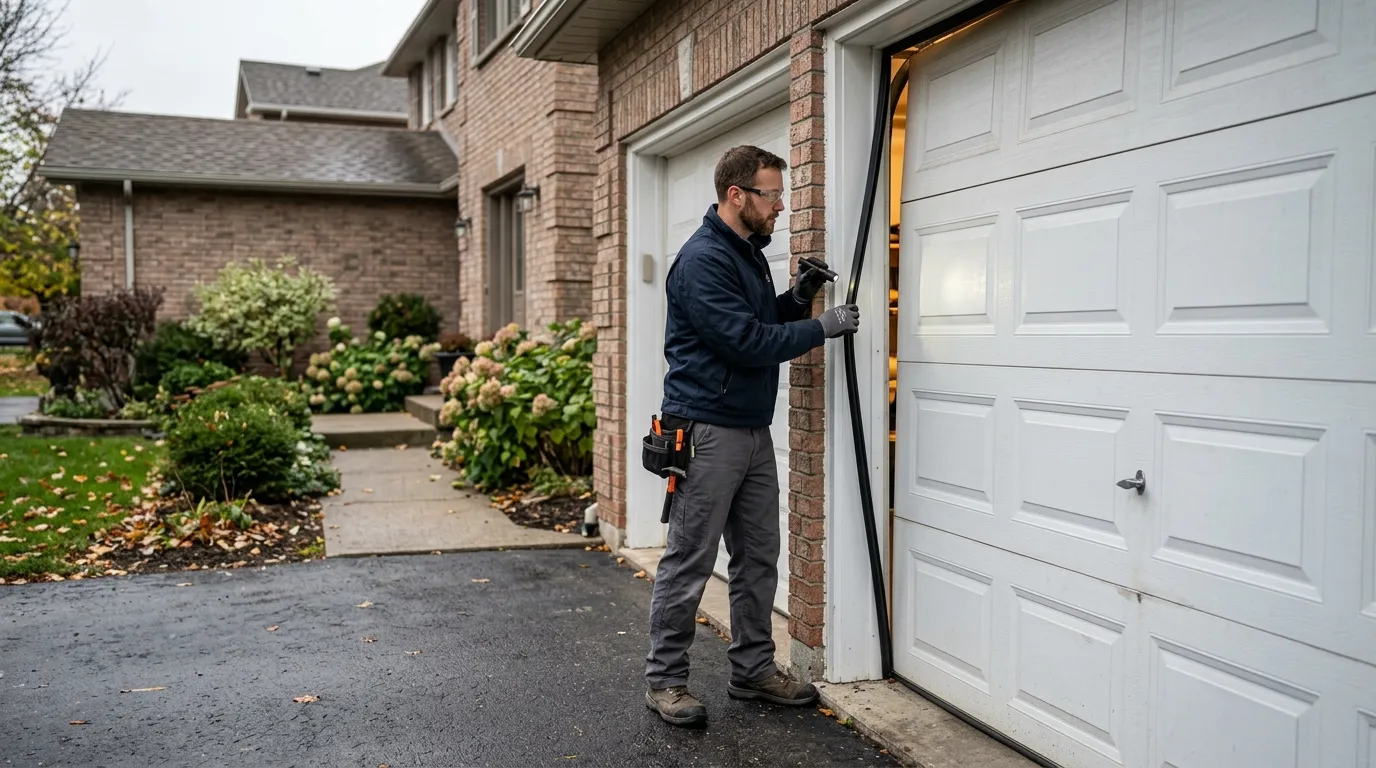
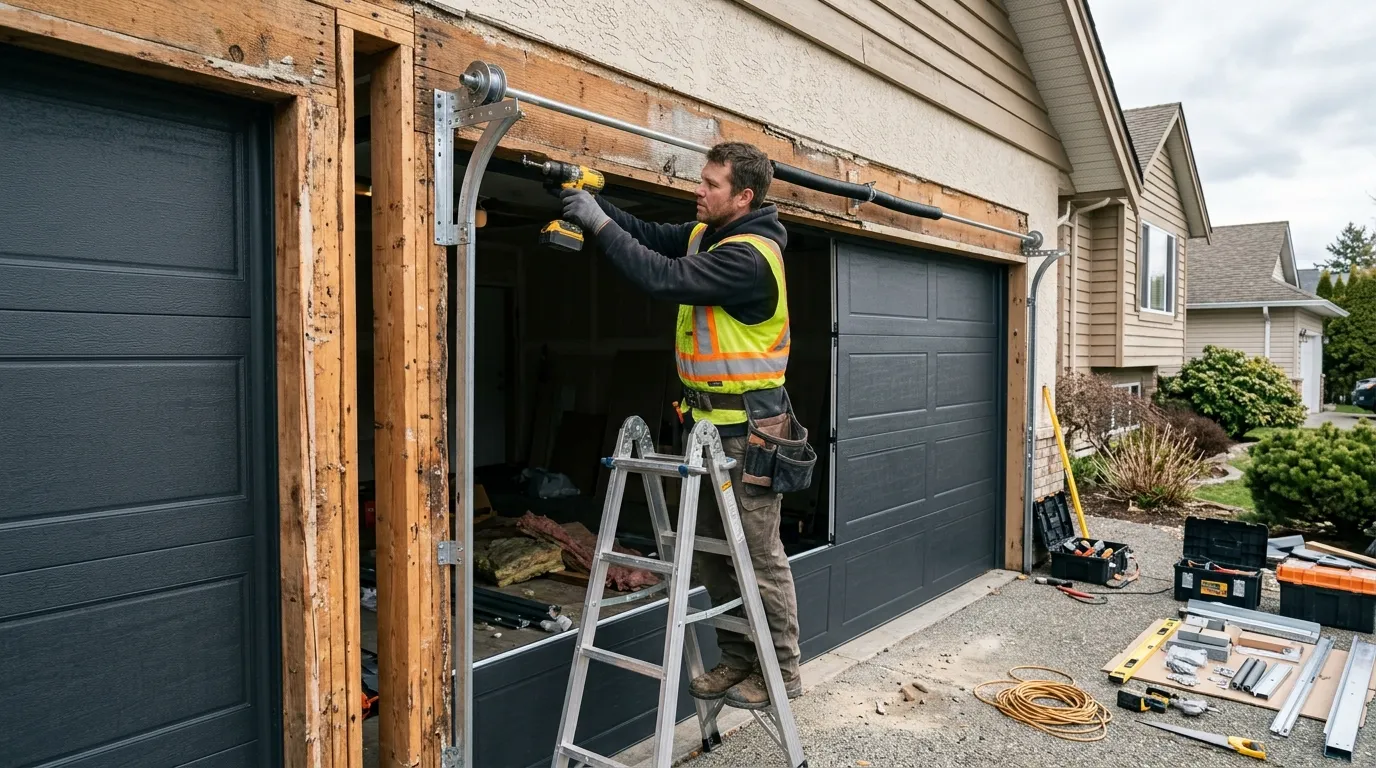
A door installed around 1938 was not built to the same rough opening sizes, spring specs, or track widths as anything you'd buy off a shelf today. If the garage itself is original to the house, you may be looking at a narrower opening, a low header, or wood jambs that have shifted enough over eight-plus decades that a modern steel door won't hang square without some carpentry first.
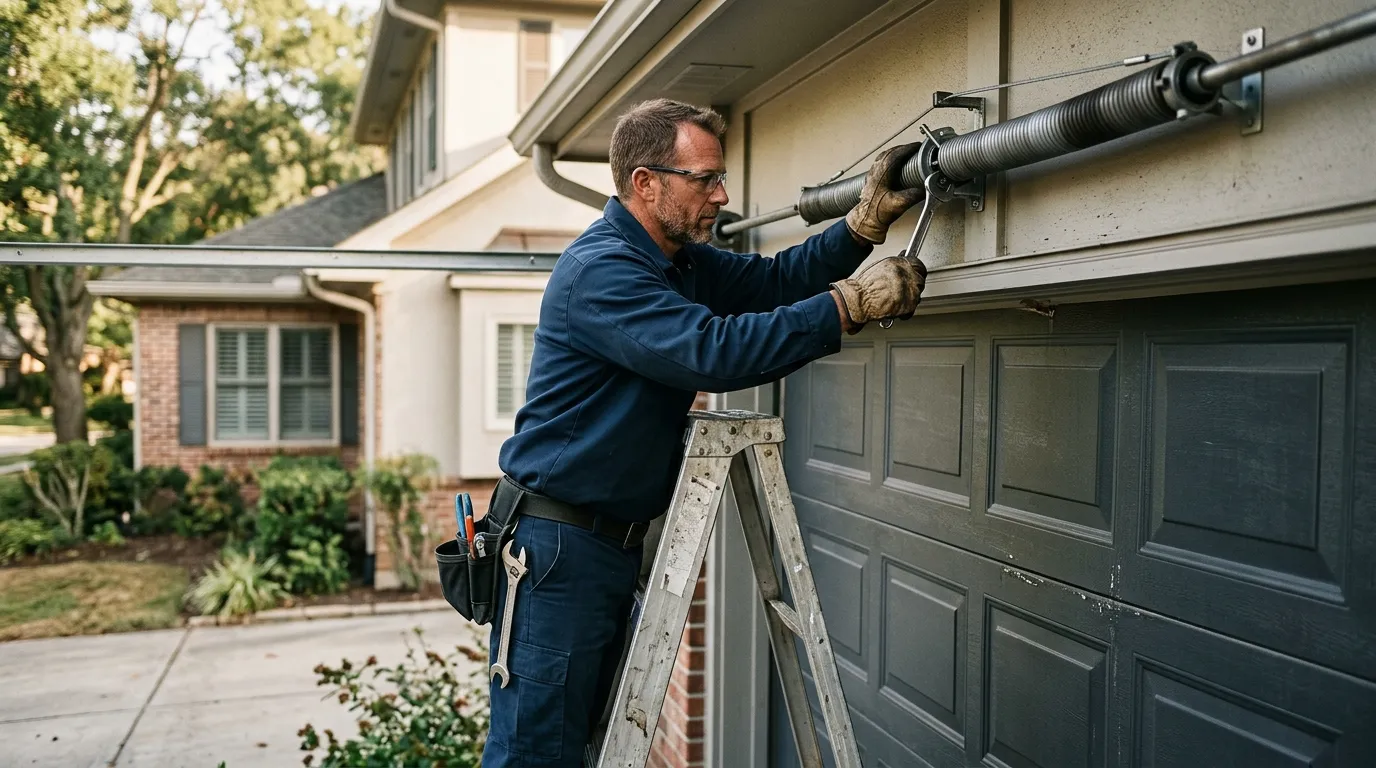
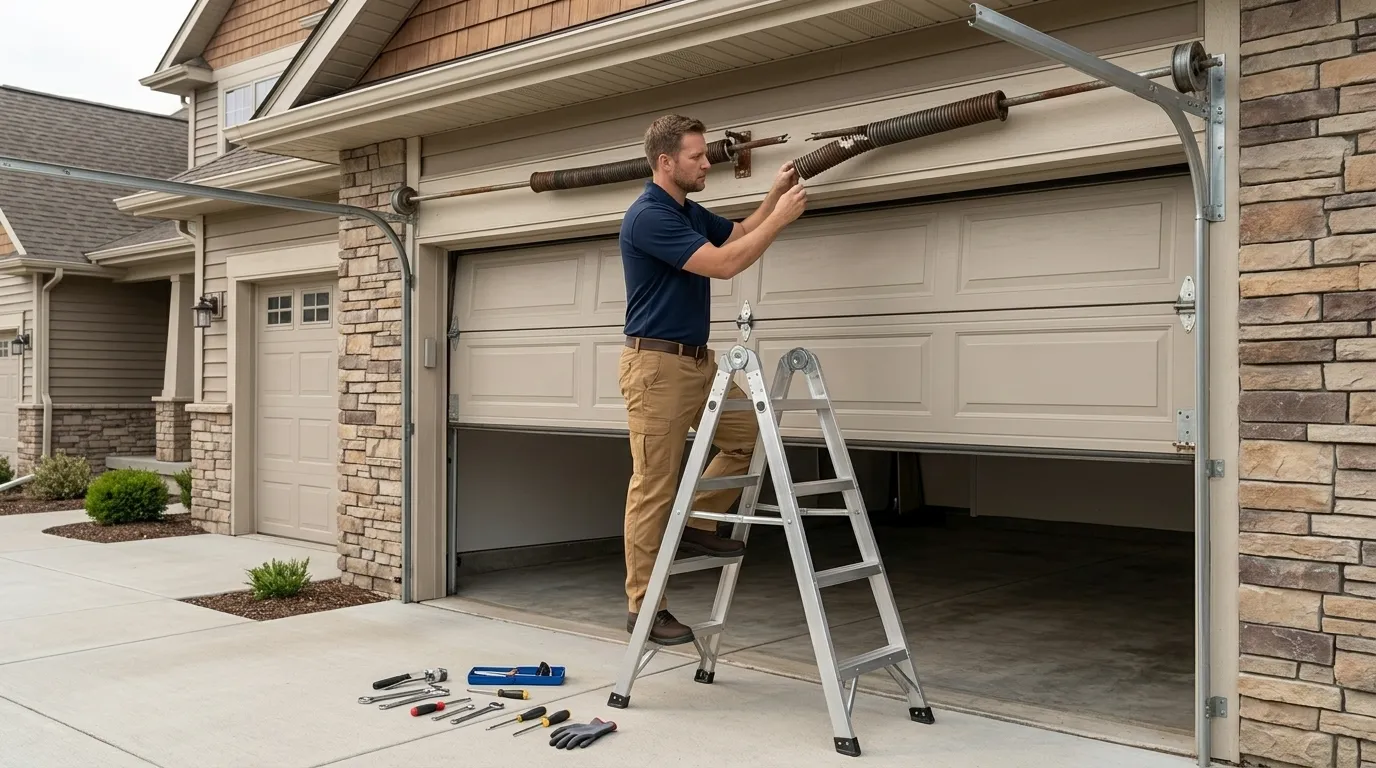
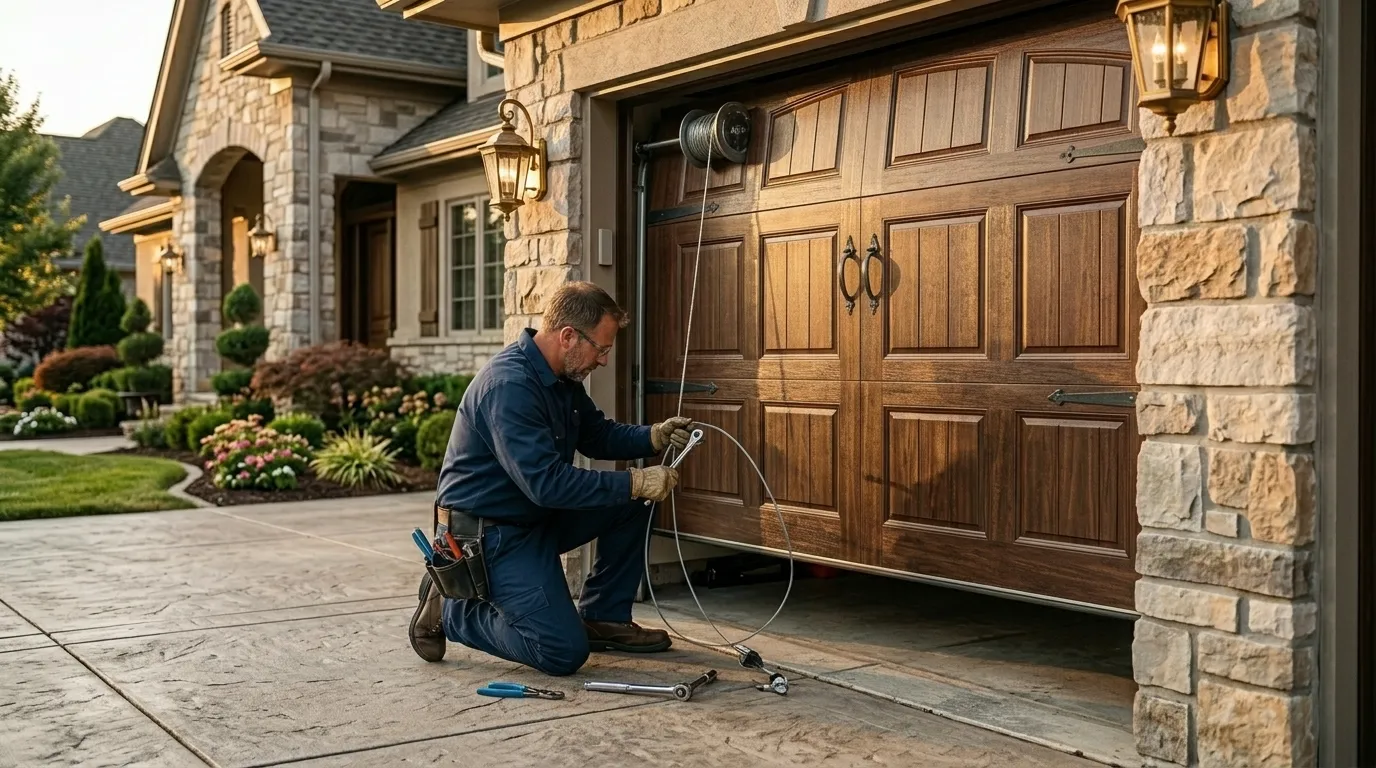
Springs on doors this old, if they haven't already been swapped once or twice, are often undersized for the door's actual weight by today's standards, which shows up as a door that feels heavy to lift by hand or an opener that strains and eventually burns out trying to compensate. Rollers and hinges from an earlier retrofit era are frequently a mismatched set, added piecemeal as things broke rather than replaced as a system.
The practical result: a same-day fix on a Kenilworth door built in this era sometimes turns into a conversation about whether to patch the existing setup or bring the whole opening up to a size and spec that current hardware actually fits. We'd rather have that conversation up front than sell you a part that fights the door for another six months.
The Houses Here
With only 776 households in this area, Kenilworth is one of the smaller pockets we cover, and the housing reflects a build era on the far end of what we generally see across the broader service territory, where the median year built lands closer to 1961. That earlier date matters mechanically: a door and opener combination from the 1960s-70s stock common elsewhere in the territory is a different animal than what you find on a house built in 1938.
The income figure here, $250,001, is well above the service-area median of $99,861, and in practice that shows up as more owners opting for full hardware upgrades rather than patch repairs when a door finally gives out - replacing rather than nursing along old torsion setups that have already been rebuilt once or twice.
We cover Kenilworth as part of a wider run that includes areas like Winnetka and Northfield nearby, but this particular stretch, given its age and size, tends to need more judgment calls about what's salvageable than routine part swaps.