What People Here Ring About
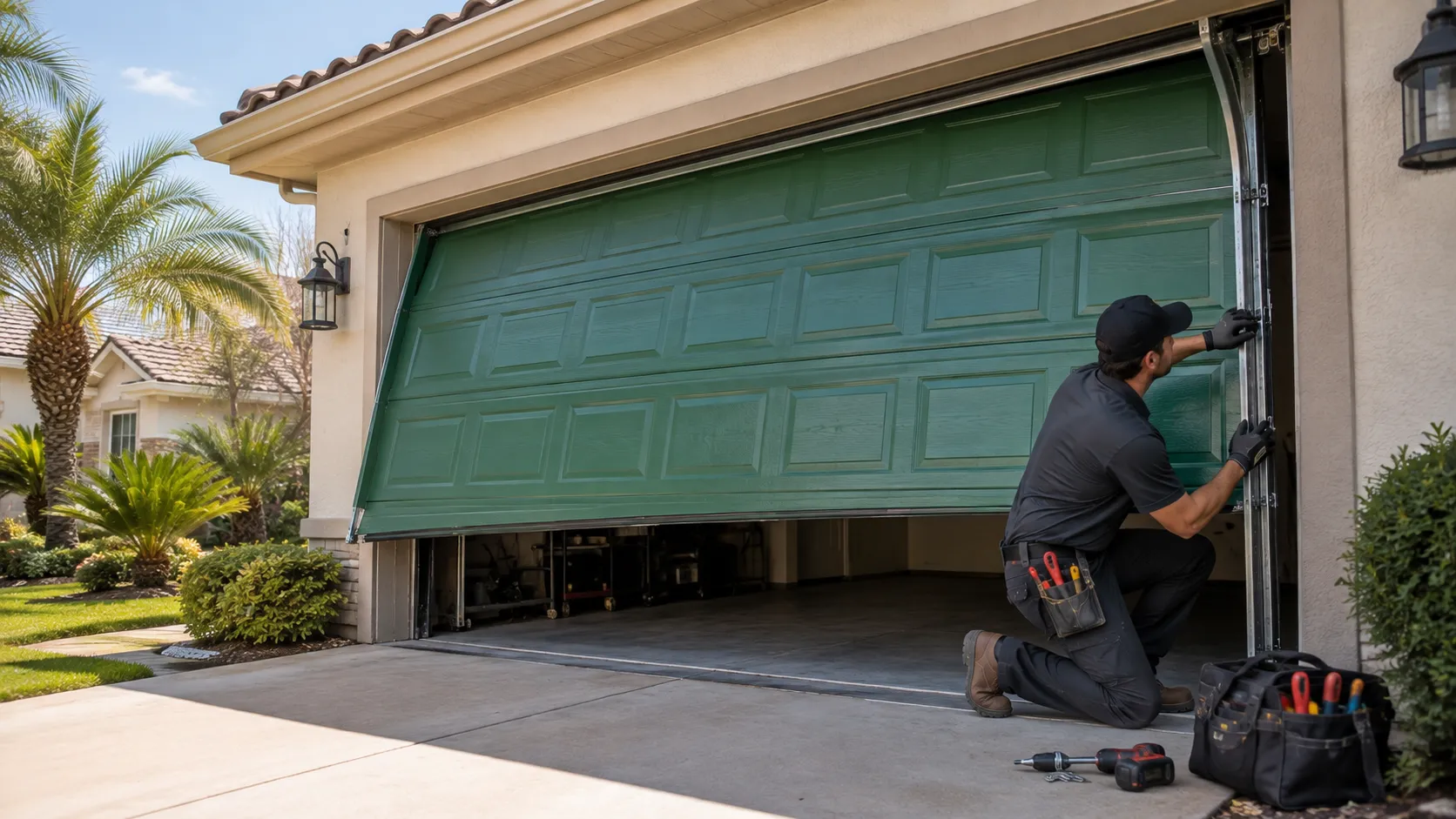
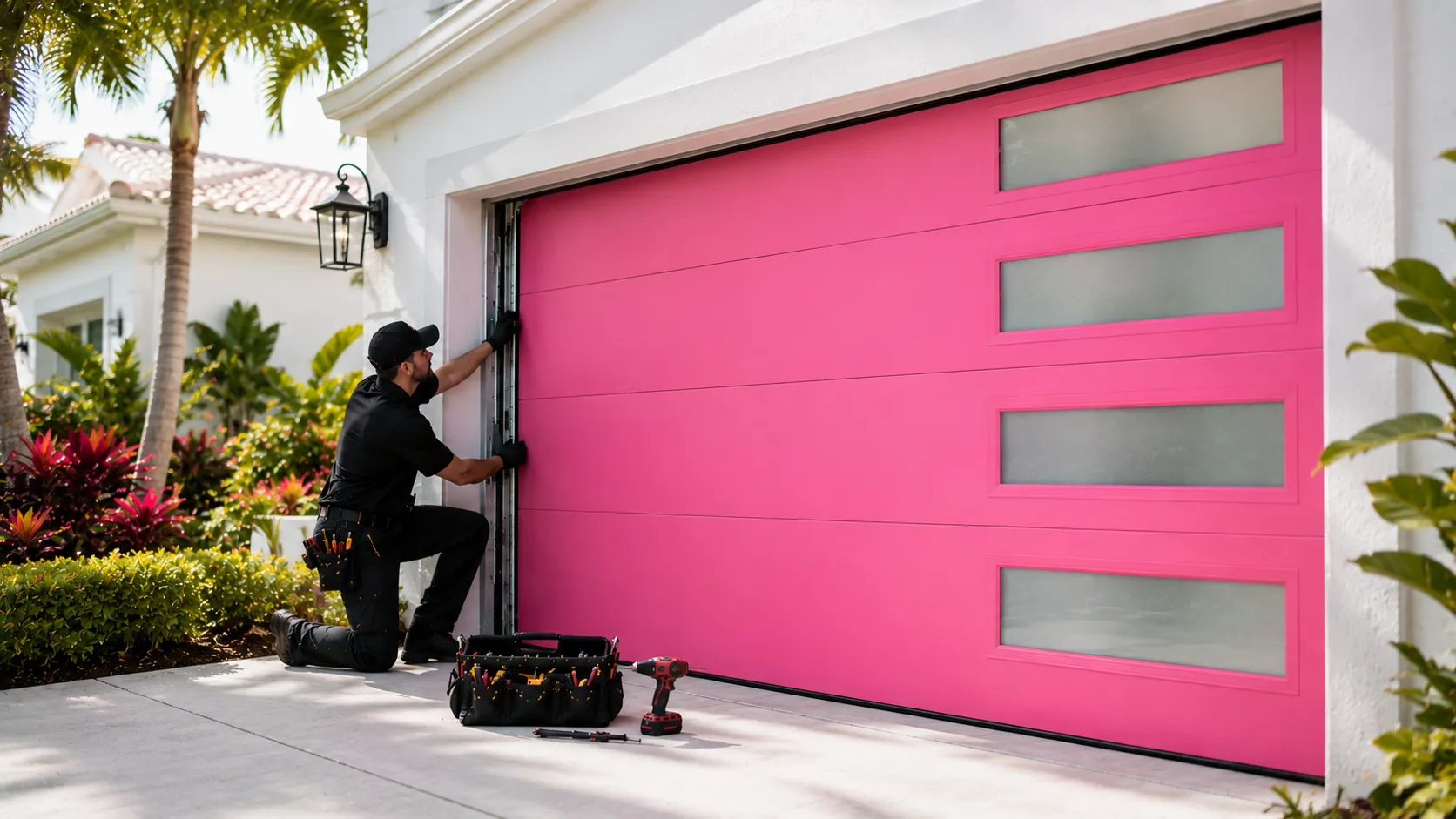
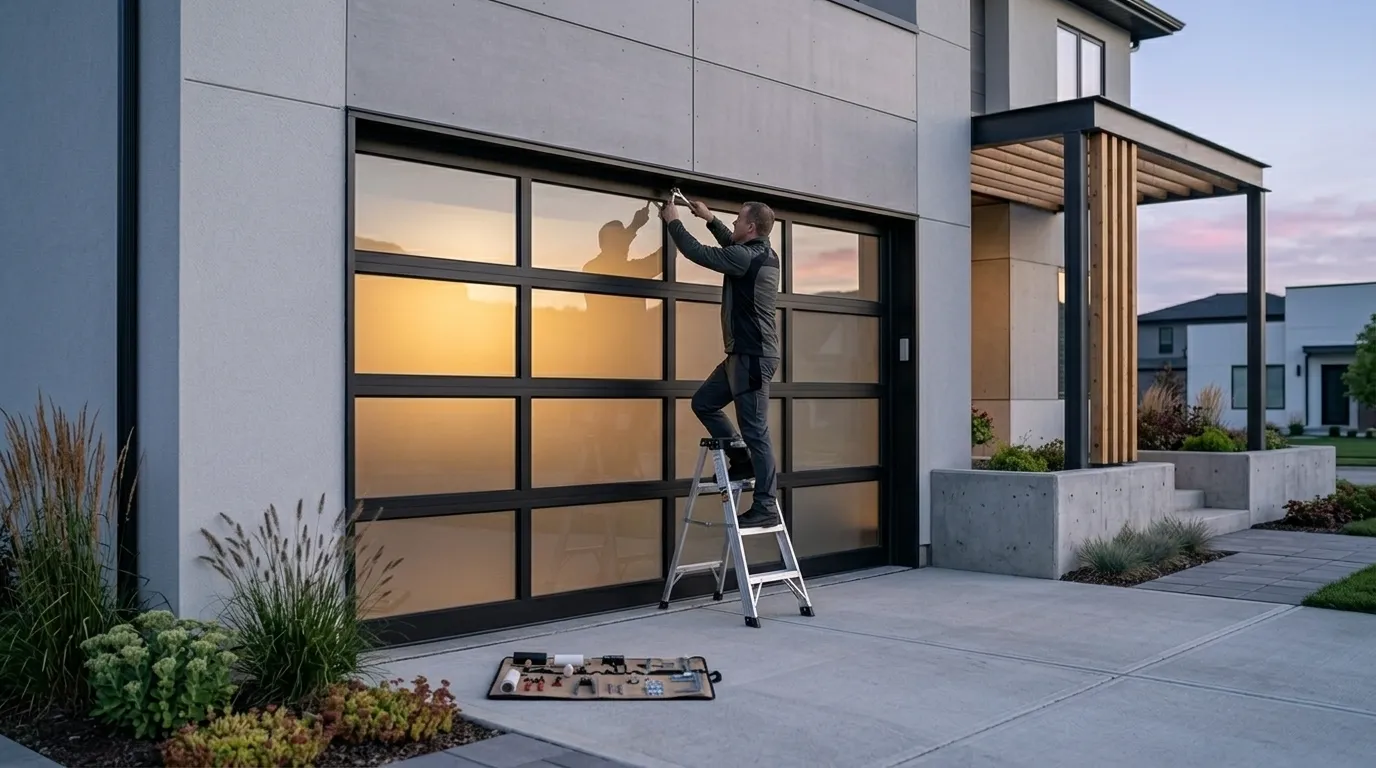
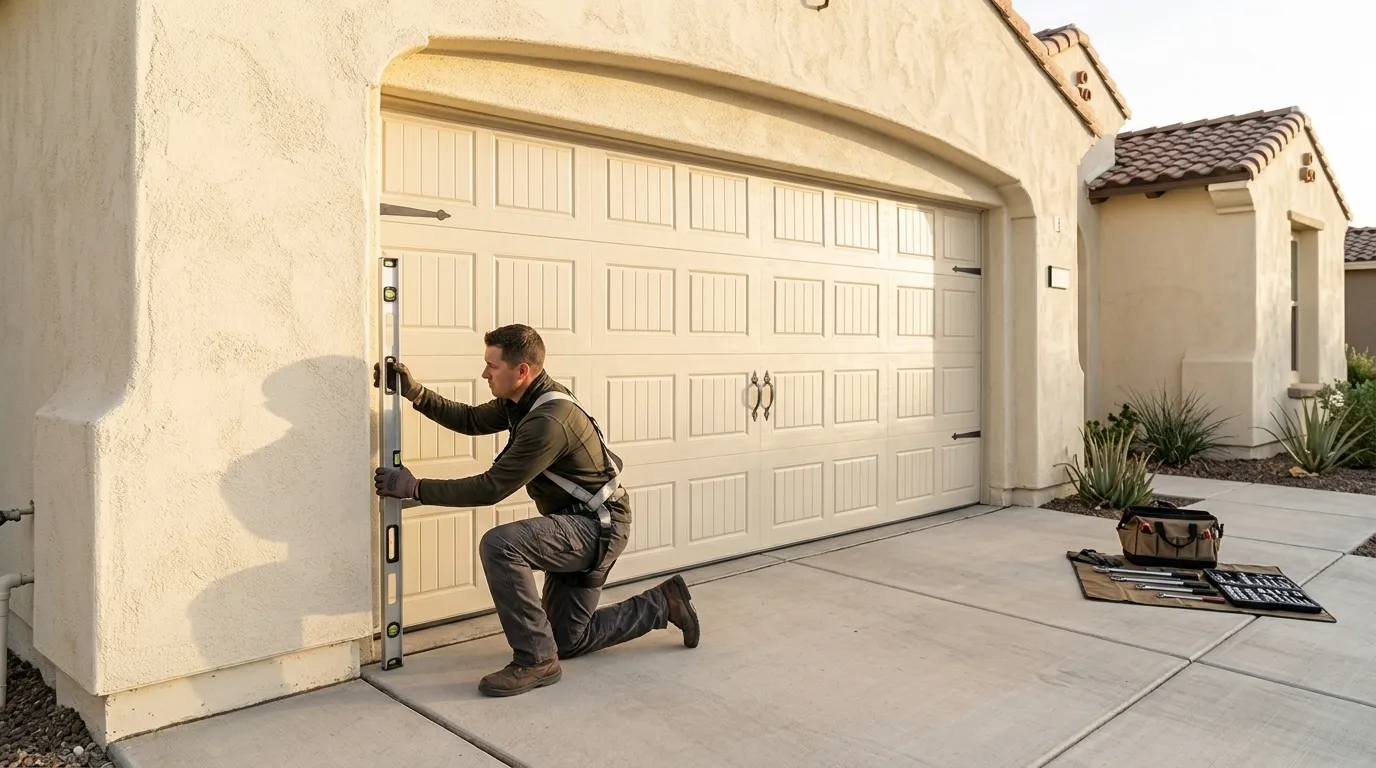
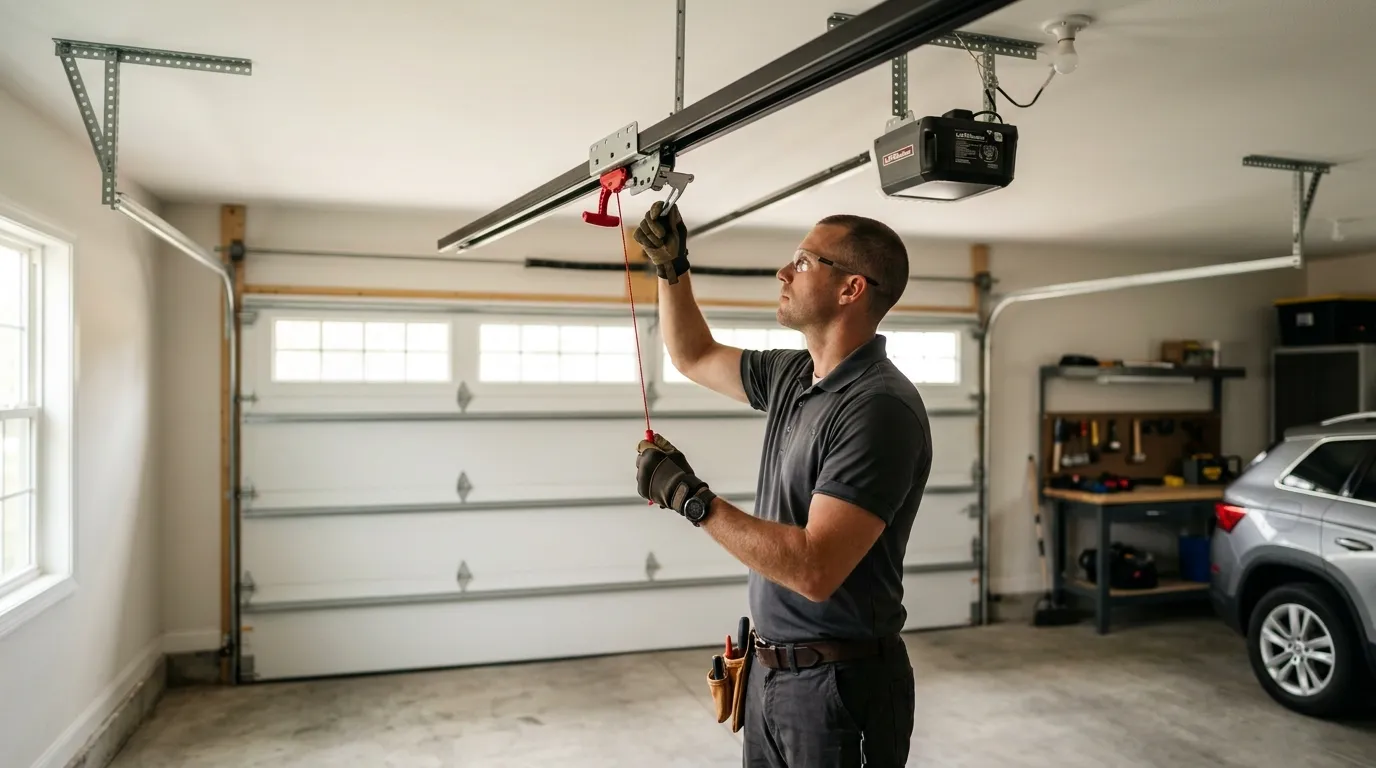
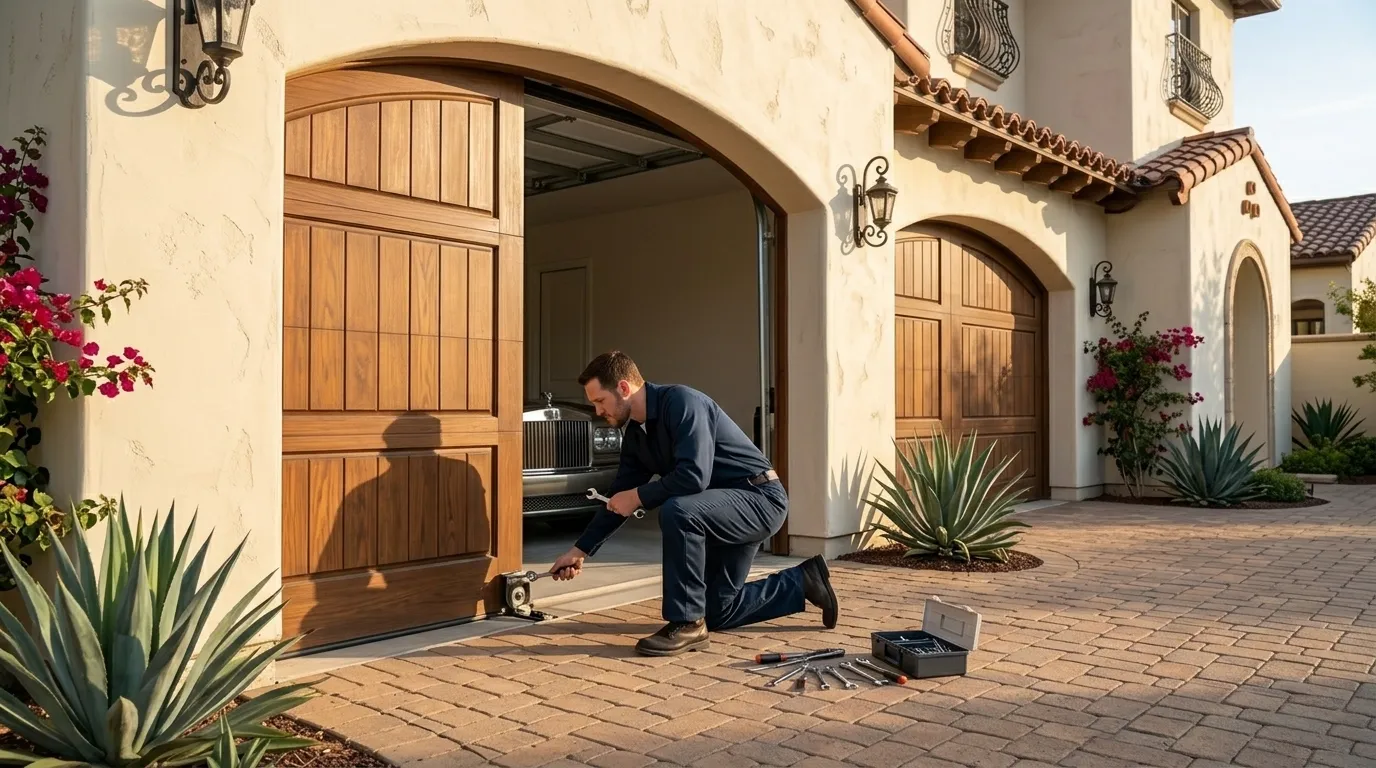
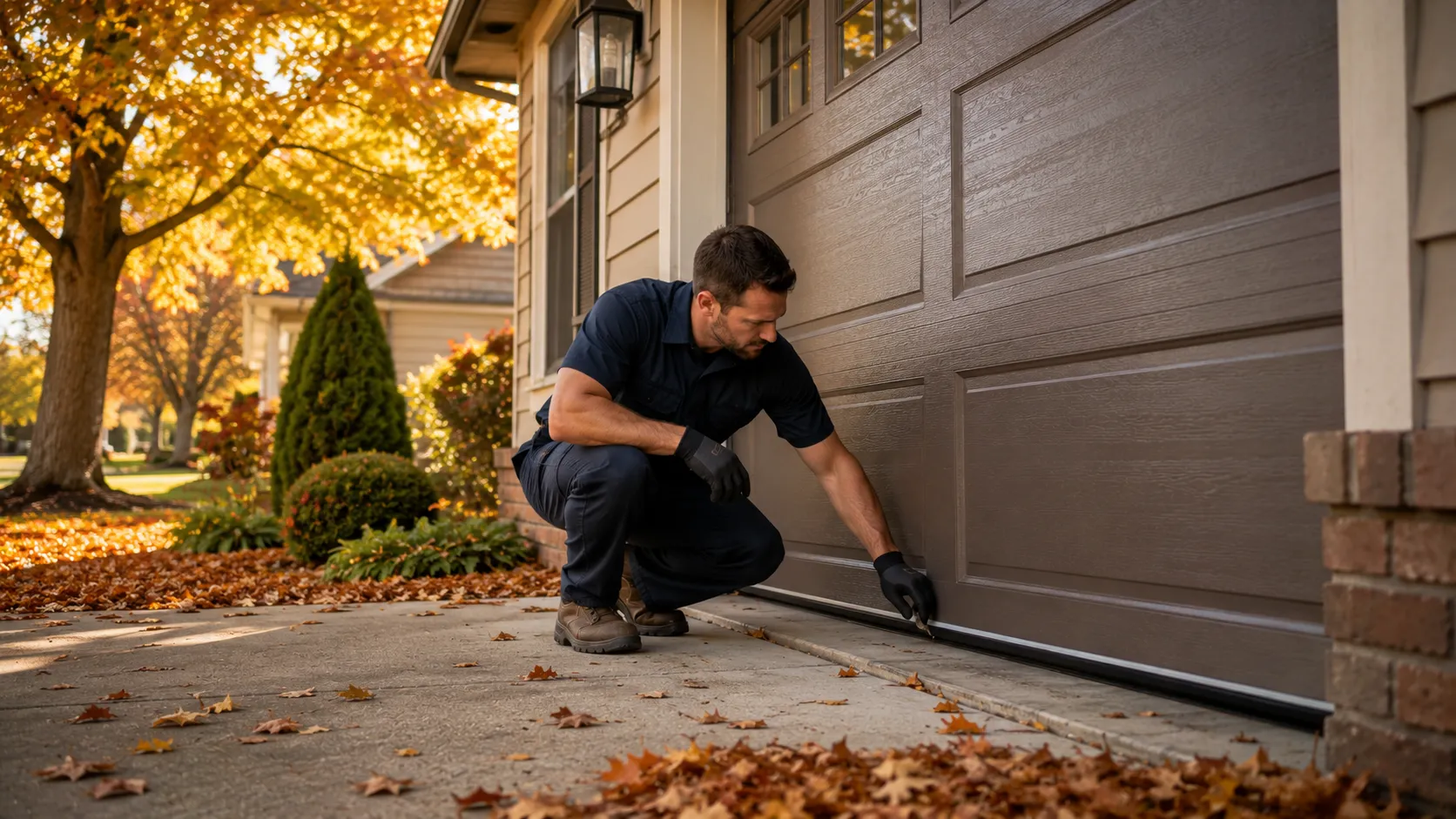
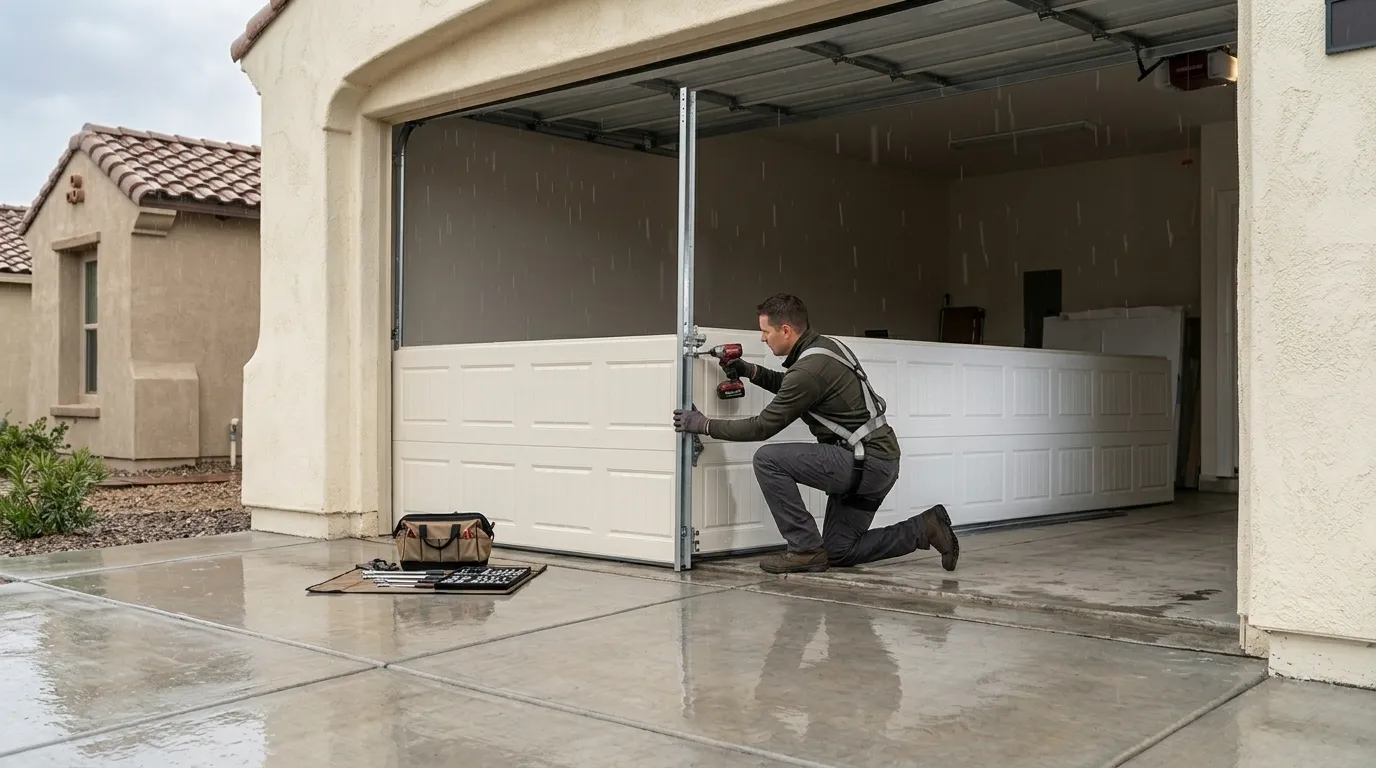
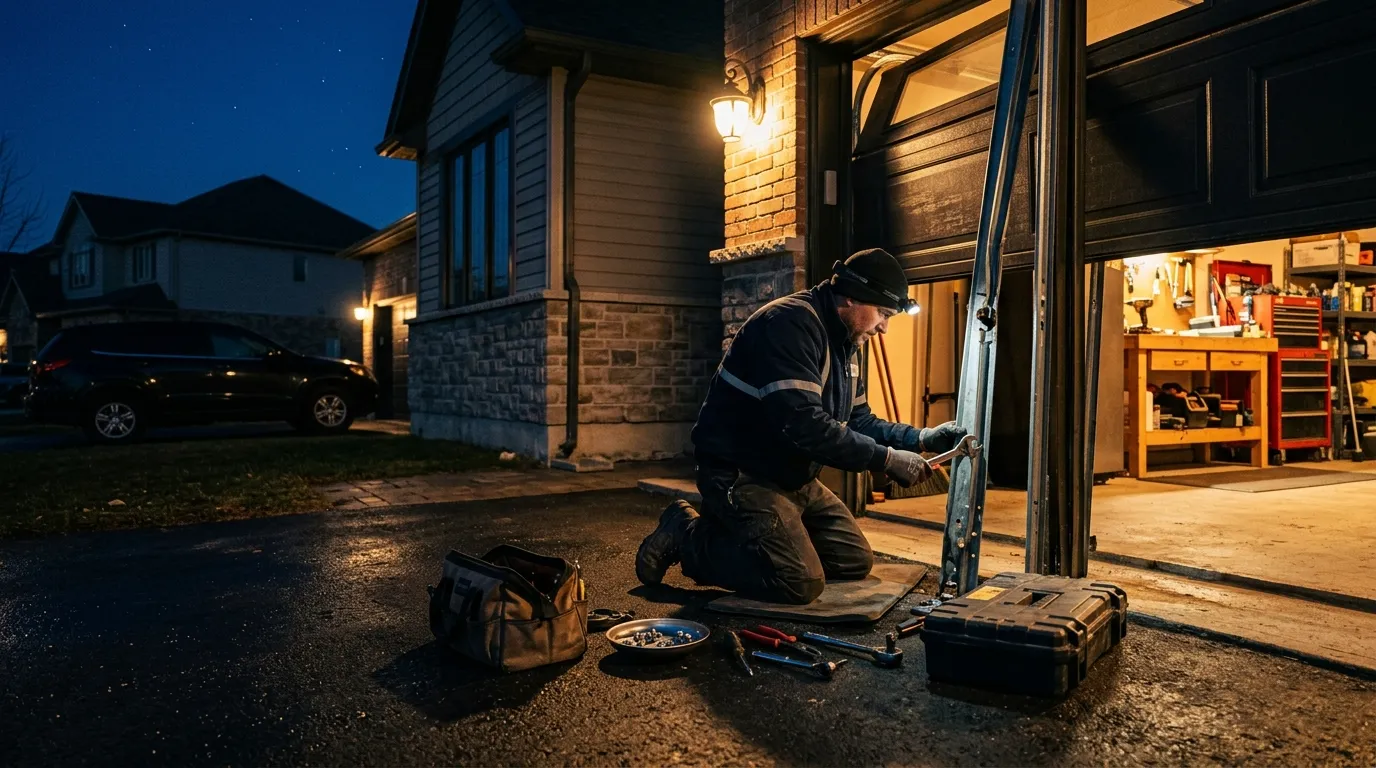
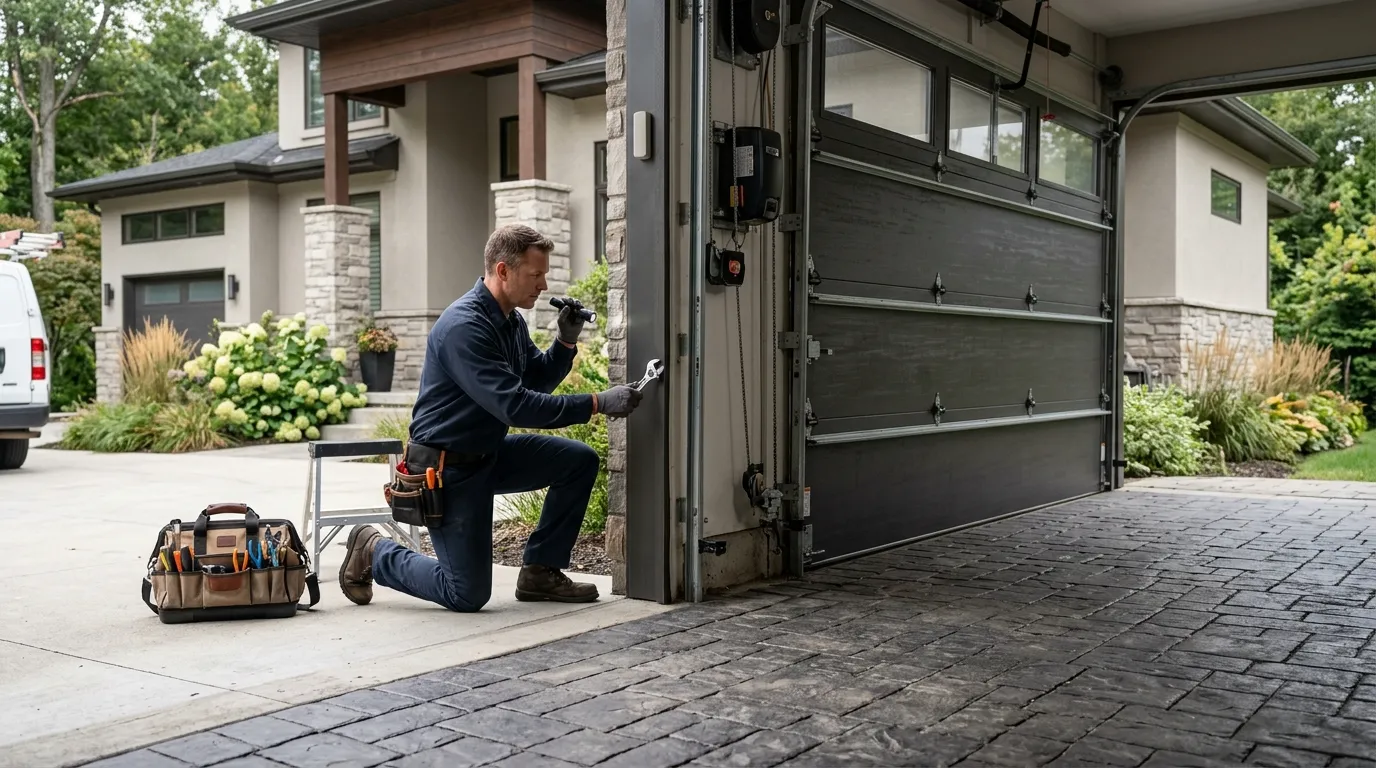
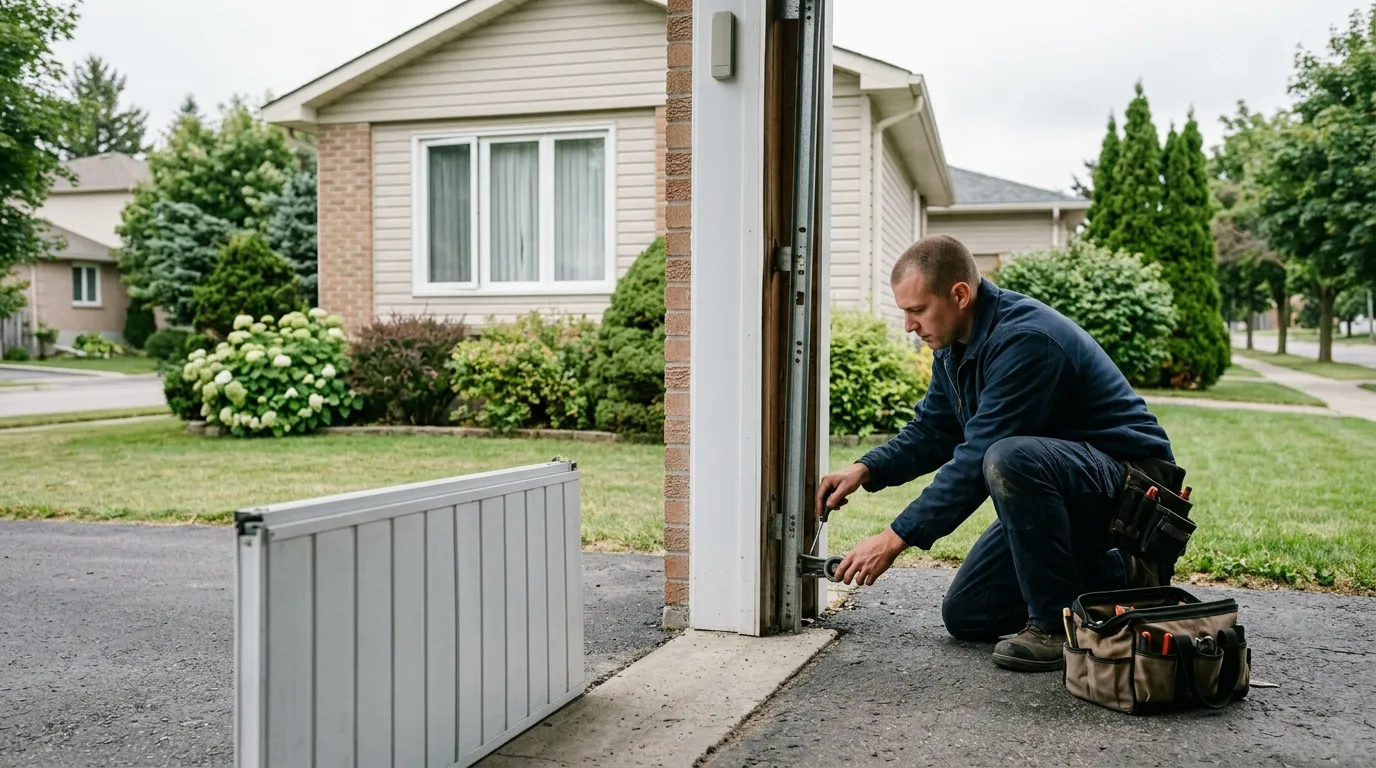
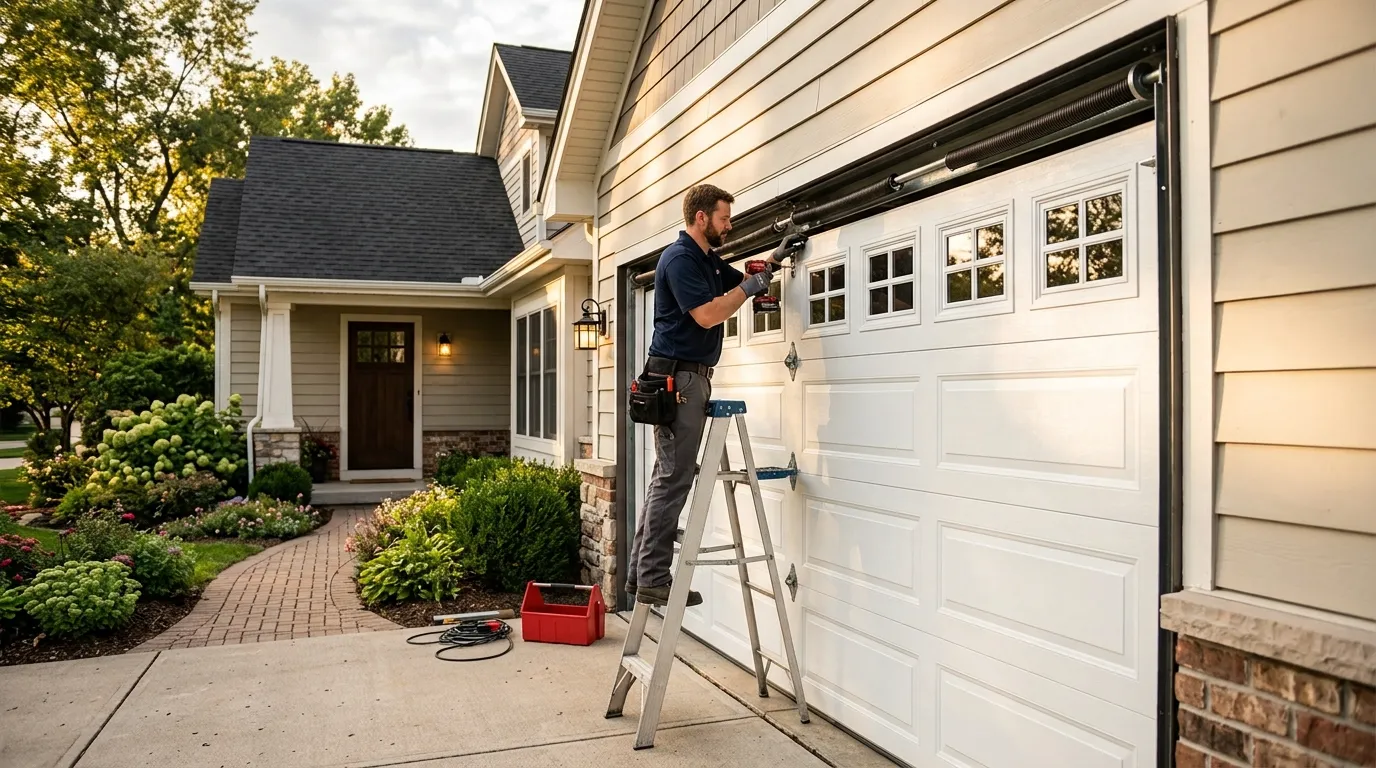
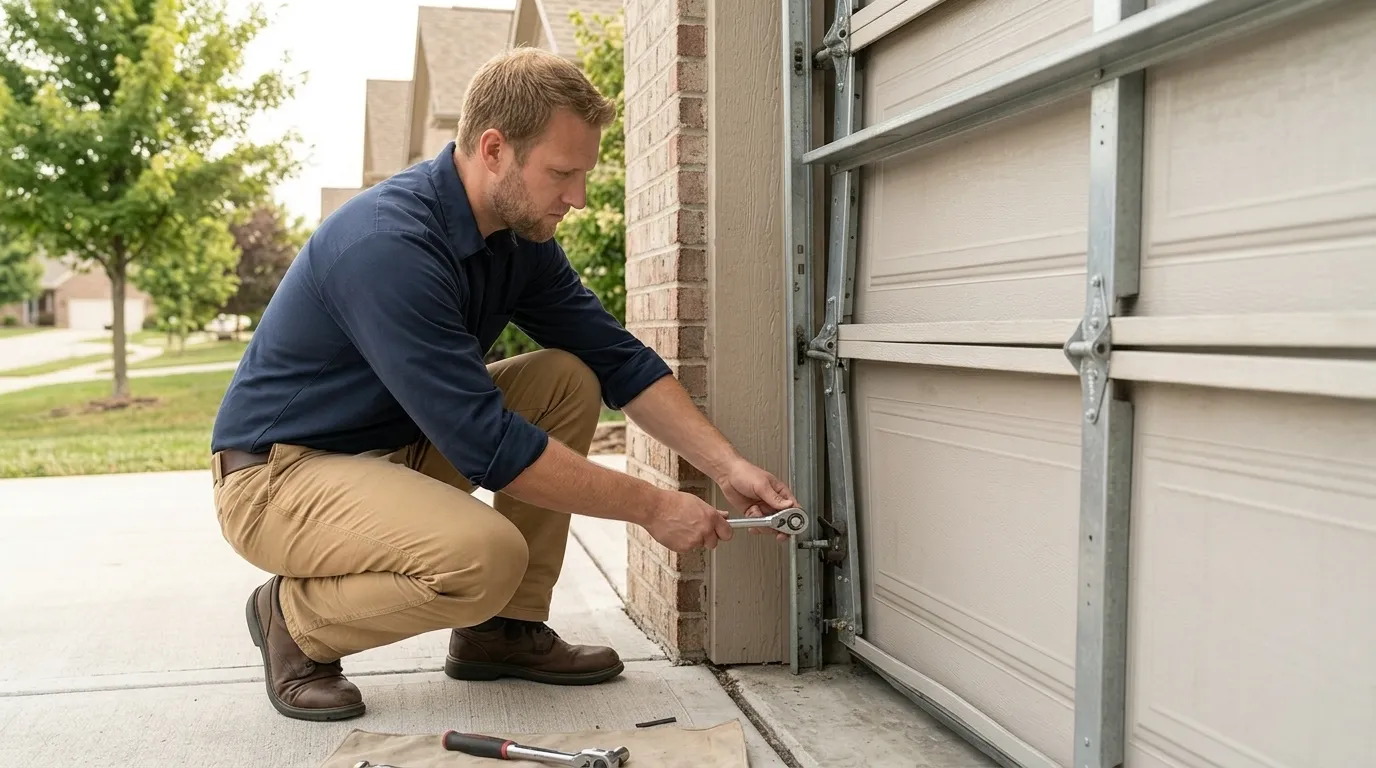
Justice sits about 18 miles from our Lincolnwood shop, and most of the calls we get from this side of the map fall into a narrow band of problems tied to when these houses went up. With a median build year around 1976, a lot of garages here still have the openers and spring setups that were standard through the mid-70s to early 80s: chain-drive units nearing the end of their service life, and torsion springs that have usually never been replaced once in close to fifty years. That's the call we get most - a spring that finally lets go, or an opener that grinds, hesitates, or just quits mid-cycle. Panel dents and rusted bottom sections come up too, especially on doors that were never insulated to begin with, which was common for the era. We also hear from owners dealing with a door that reverses for no clear reason, which is often a safety sensor that's drifted out of alignment over the years rather than anything wrong with the door itself. None of this is exotic. It's what happens to a garage door system that's been doing its job quietly for four and a half decades without anyone thinking about it until it stops working.
What the Housing Means for Your Door
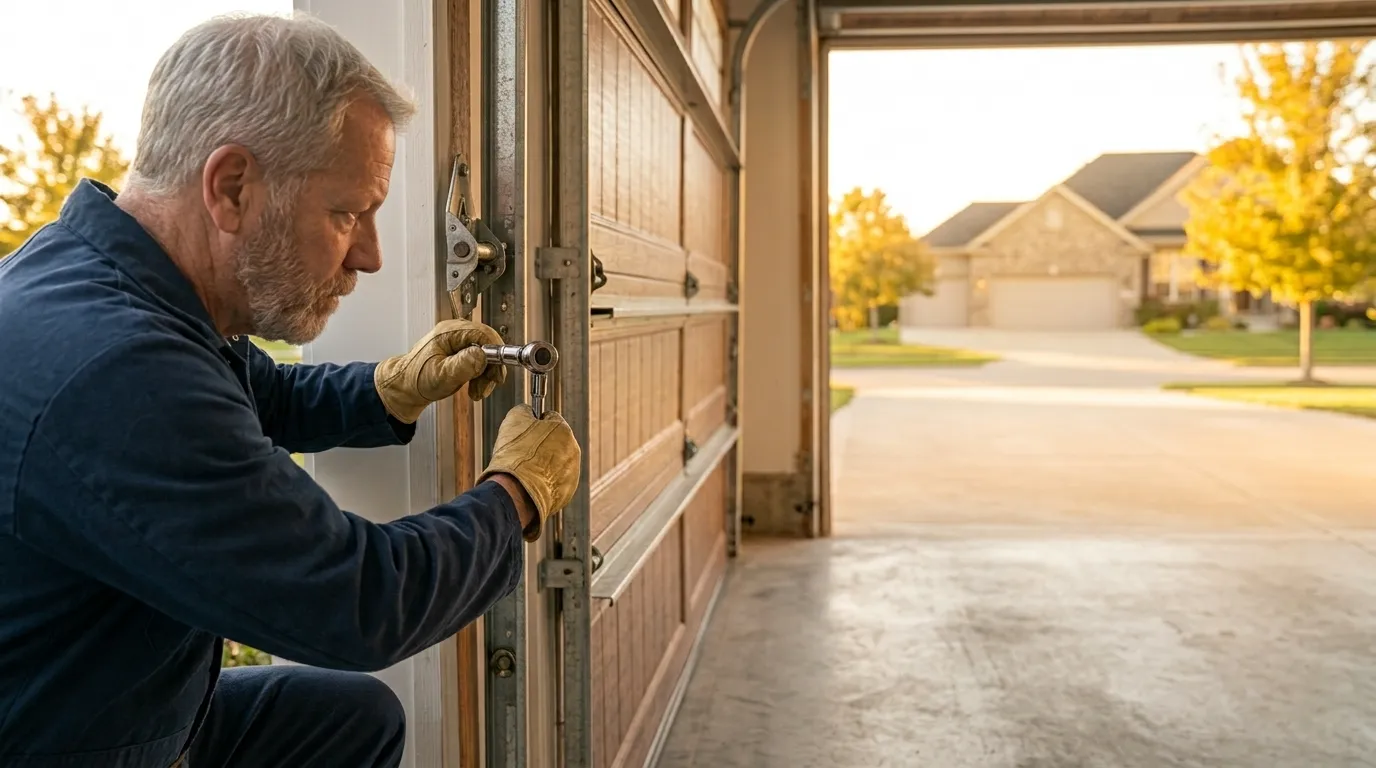
A 1976 median build date puts most Justice garages solidly in the second wave of postwar construction - later than the 1938-1961 range that describes a lot of the wider service area, and that gap matters more than it sounds like it should. Openers from this window are more likely to be older chain-drive models with worn gears rather than the earliest-generation units, and torsion spring wire gauges from this period were sized for door weights and widths that don't always match what's sold off the shelf today. With roughly 4,804 households in this pocket, we're not talking about a handful of outlier houses - this is the dominant housing stock for the area, so parts compatibility is a real, recurring issue rather than a one-off. The area also sits in a cold climate band, which shortens the working life of steel rollers and cable ends that see a full freeze-thaw cycle every winter. None of this means every door needs replacing. It means whoever works on it should know what decade they're dealing with before they open the truck.
The Houses Here
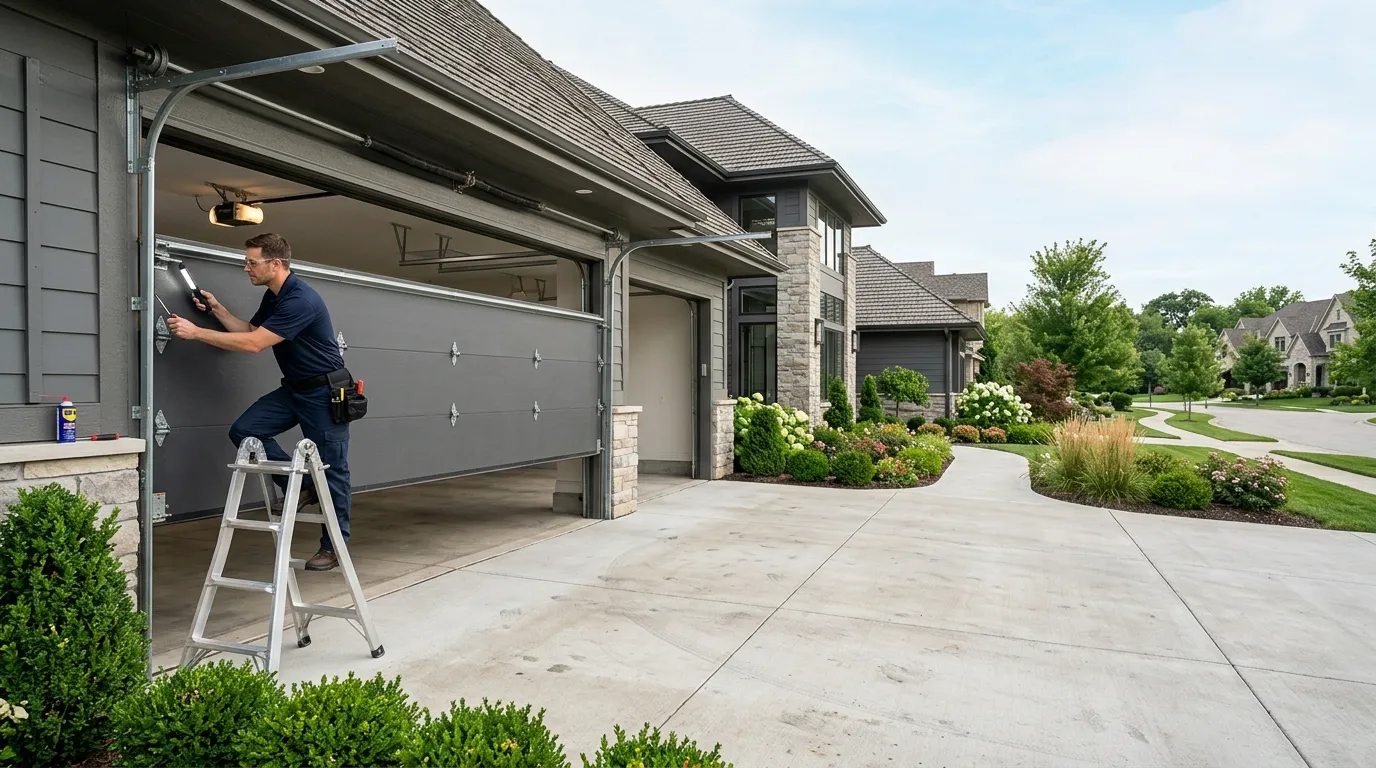
With a median household income of $58,514 in this area - notably below the roughly $99,861 median across the wider service area - cost matters more here when it comes to deciding between a repair and a full replacement. That's part of why we default to fixing what can be fixed: a worn roller, a bent track section, or a single failed spring rarely justifies swapping the whole door. At around 4,804 households, this is a tight, consistent pocket of housing rather than a sprawling mix of eras, which actually makes it easier to know what we're likely to find before we get there - late-1970s single or double doors, original or first-replacement openers, and steel sectional panels that have taken forty-plus winters of cold-climate freeze and thaw. When a repair does run past what the door is worth, we'll say so, but on this stock, that's the exception more often than the rule.