What People Here Ring About
Itasca's houses mostly went up around 1978, which puts a lot of garage doors here a full generation newer than what we see closer to Lincolnwood, where the median build year runs back to 1961. That gap matters. A door installed in the late 70s is old enough to be tired but was built to a different spec than the 1950s and 60s doors we deal with elsewhere - lighter gauge steel, single-layer panels with no insulation, and openers that got swapped once or twice over the decades so the drive and the door itself often don't match anymore.
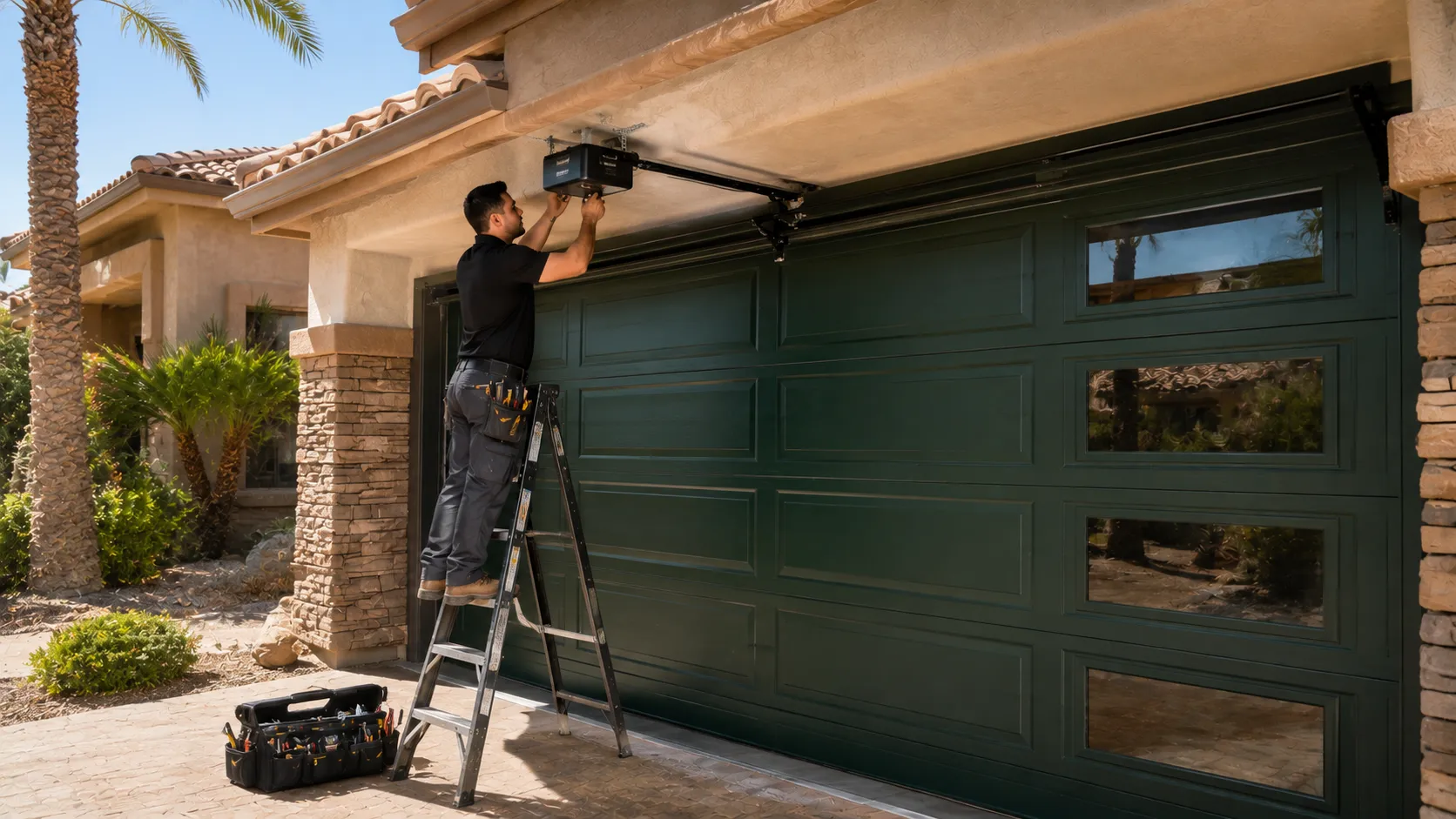
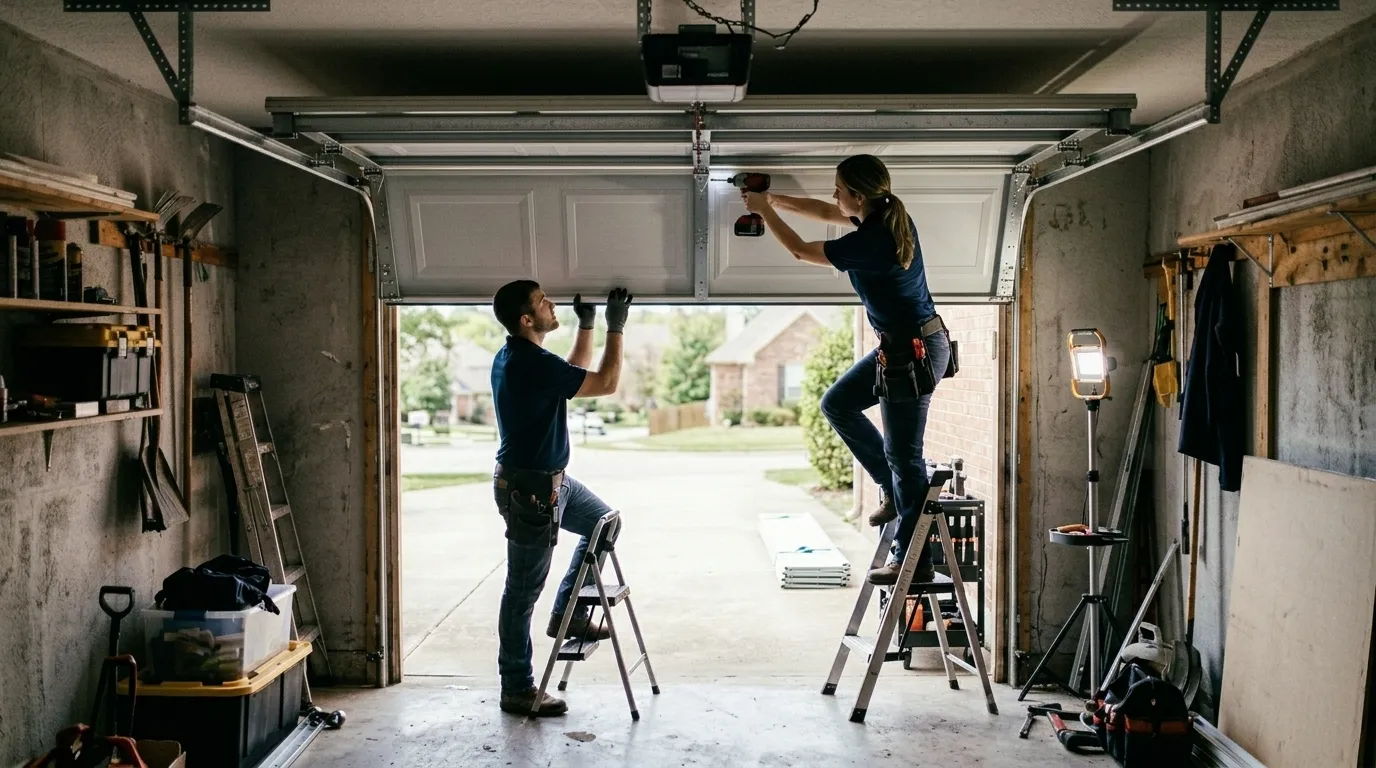
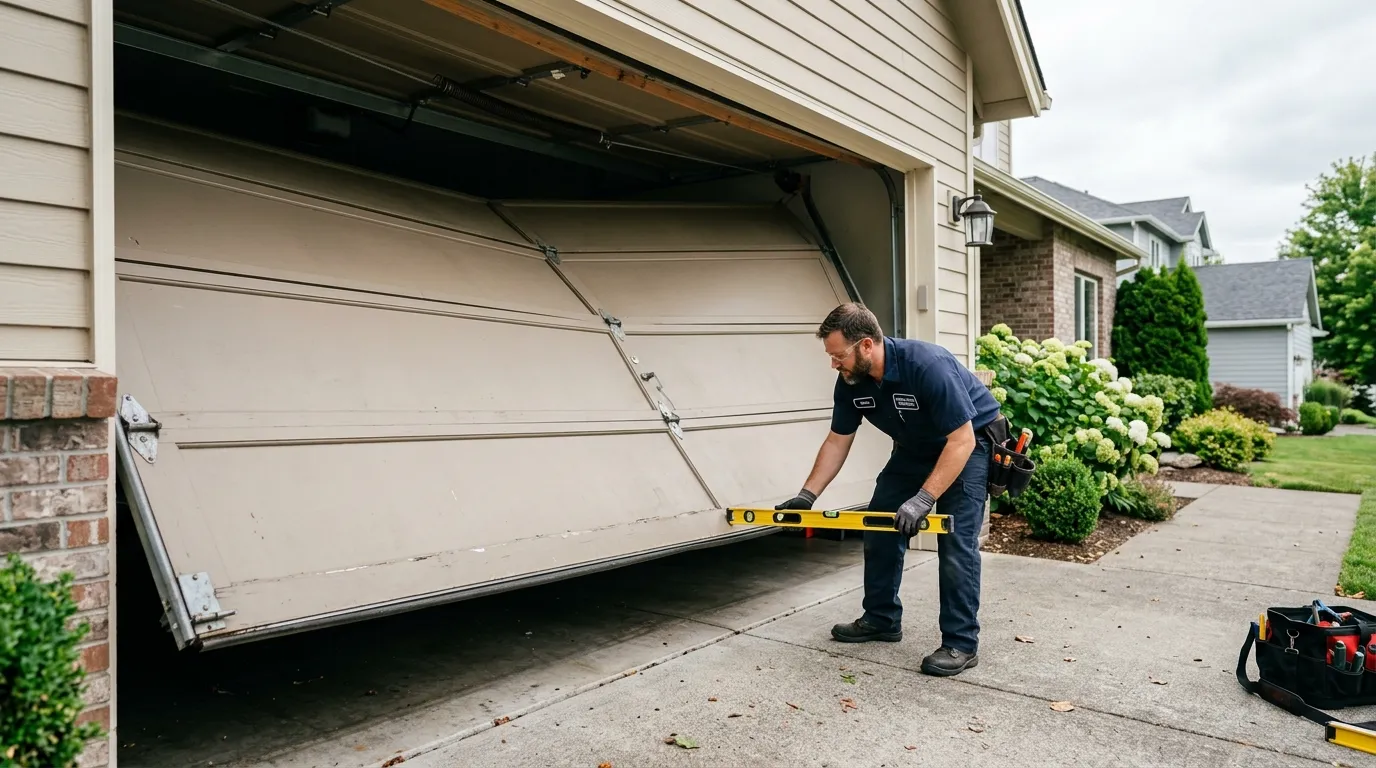
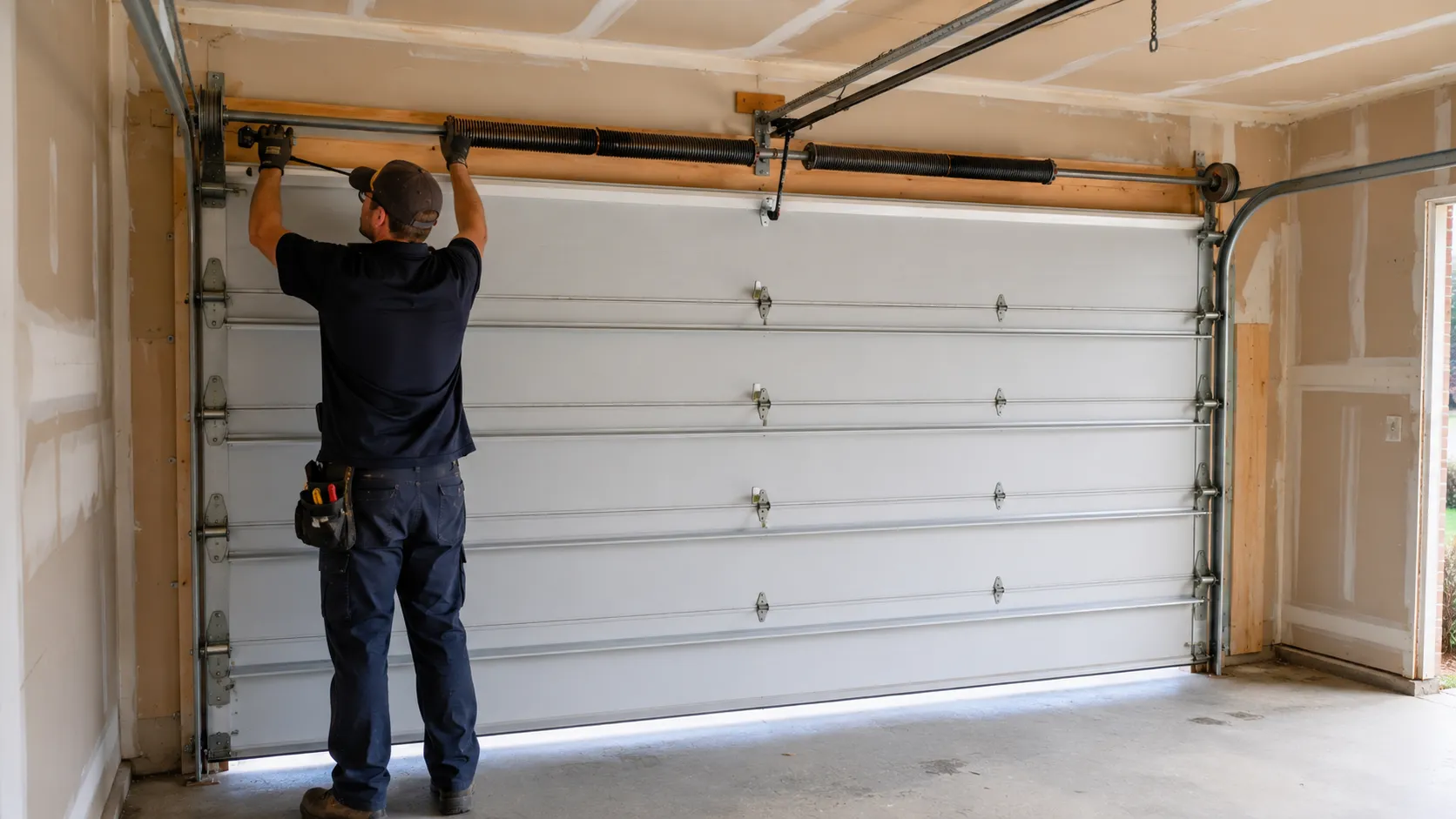
The calls we get from this stretch tend to be worn rollers rattling in tracks that were never resurfaced, extension springs original to the house finally giving out, and openers from the 90s or 2000s straining against a door heavier than the motor was sized for. We also see a fair number of remotes and keypads that just stopped syncing - not a door problem at all, just old electronics.
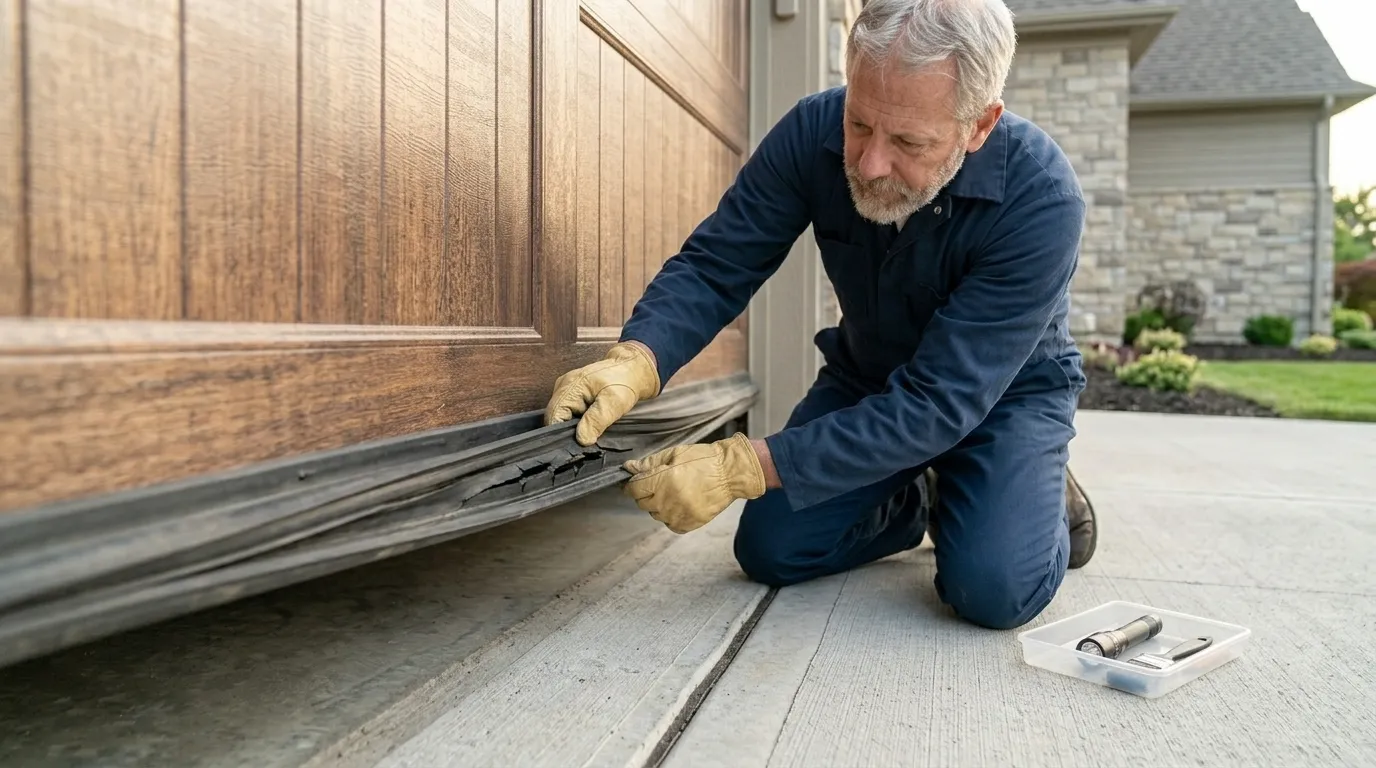
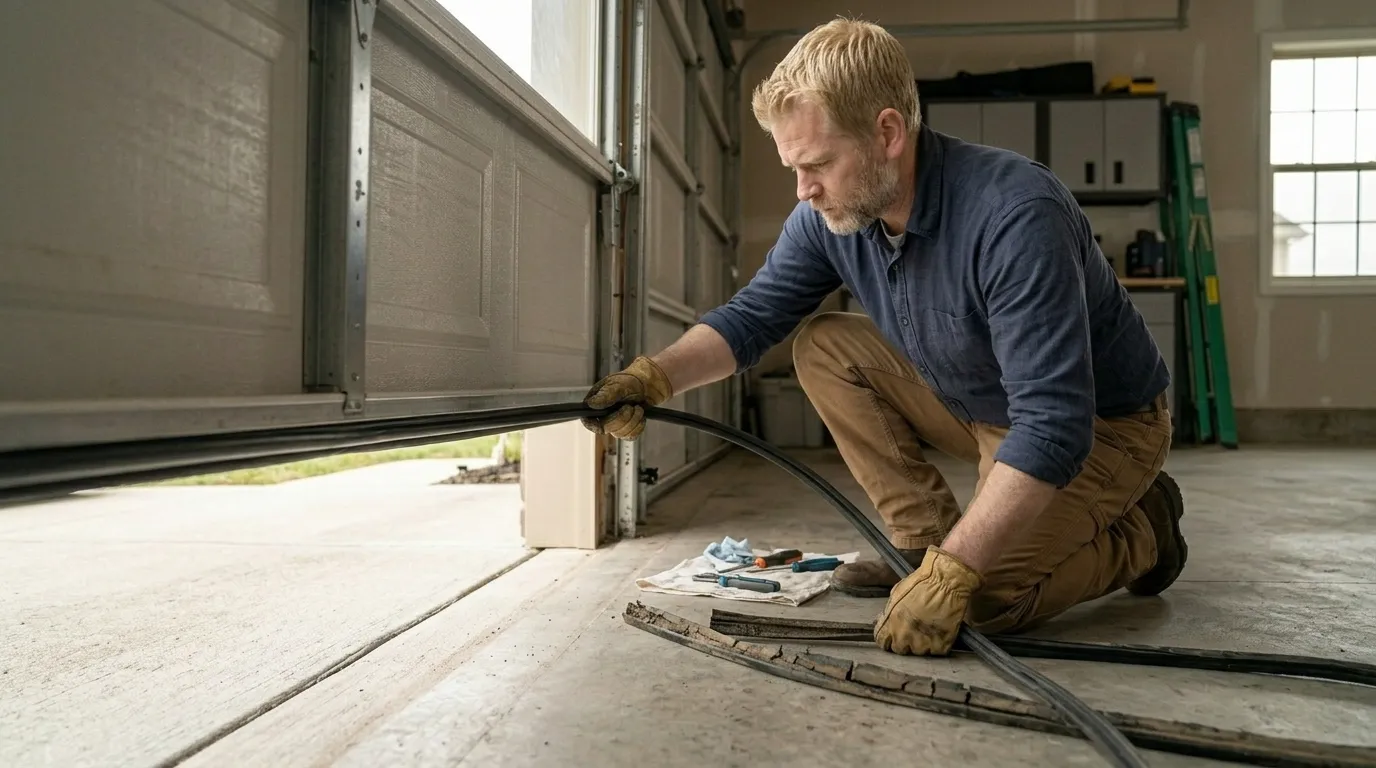
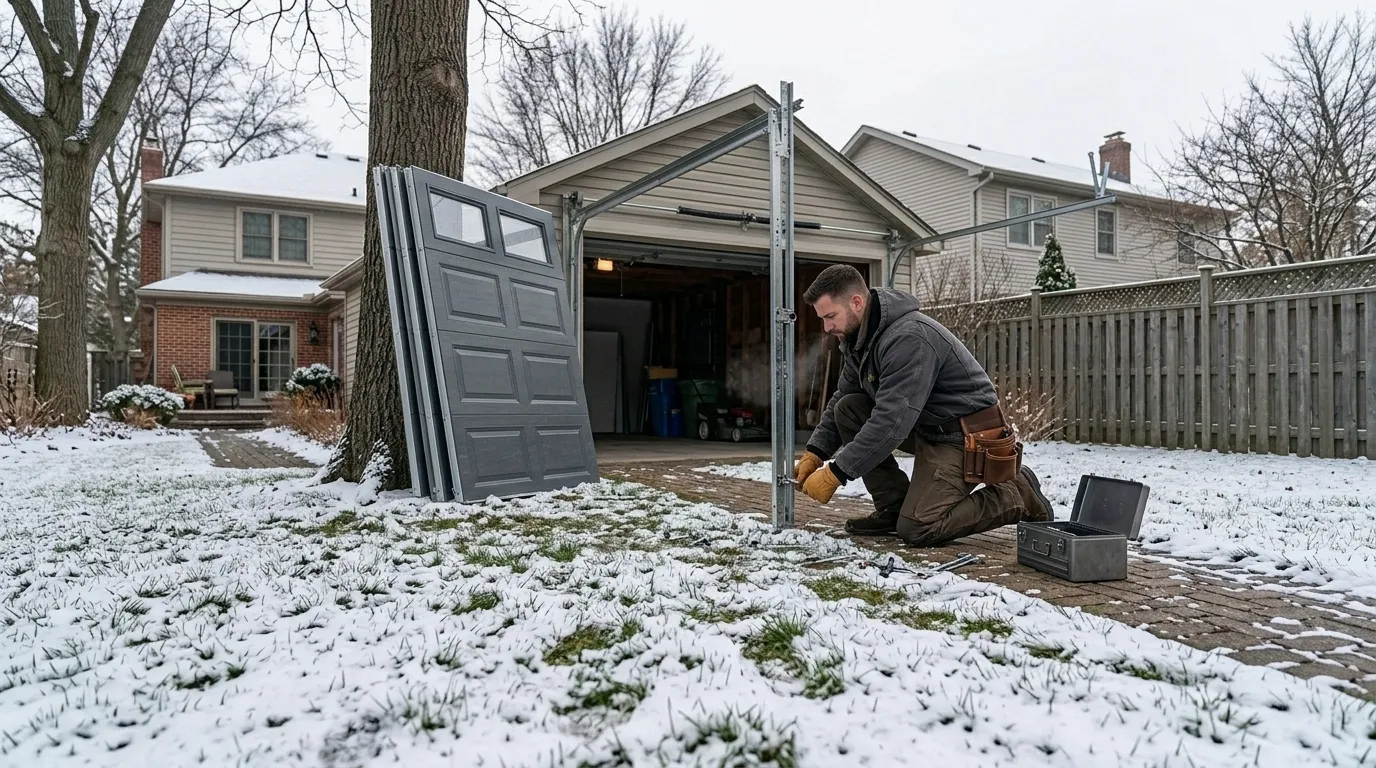
Cold-weather stiffening shows up here too. This is a cold-climate area, and steel contracts in winter the same way it does everywhere nearby - hinges bind, weatherstripping cracks, and a door that worked fine in October sticks halfway up in January.
What the Housing Means for Your Door
A 1978 build date puts most Itasca garages right at the edge of a hardware transition. Extension springs were still common through the late 70s before torsion setups became standard, so you'll find both in this area depending on which builder and which block. That matters for repair, because extension spring systems need safety cables that a lot of original installs never had, and retrofitting one is a different job than replacing a torsion spring.
Door panels from this era are also thinner than what's sold today, which means dents dent easier and a bent track can warp a whole section rather than just one panel. If your door is original to a 1978-era house and it's due for a spring or a full section, we'll tell you plainly whether it's worth patching or whether the door's age means replacement gets you more for the money.
Openers are the other piece. A house built in 1978 didn't come with an automatic opener as standard - most of those got added or replaced later, sometimes more than once, so the opener you have now is rarely original. That's usually good news: newer openers are easier to source parts for than the door itself.
The Houses Here
Itasca has around 3,827 households, smaller than the wider Lincolnwood coverage area's 104,270, and median household income here runs about $111,898 - noticeably higher than the roughly $99,861 median across the broader service area. That income level tends to show up in the calls we get: more owners opting for insulated replacement doors and quieter belt-drive openers rather than patching an old chain drive one more time.
Across the areas we cover, most homes were built between 1938 and 1994, with the median landing around 1961 - so Itasca's 1978 median puts it on the newer side of that range. That's a meaningful difference for anyone comparing notes with a neighbor in an older part of the coverage area: your door hardware, your panel gauge, and your likely failure points aren't the same as theirs, even though the winters and the cold-weather stiffening are shared across the whole region.