
What People Here Ring About
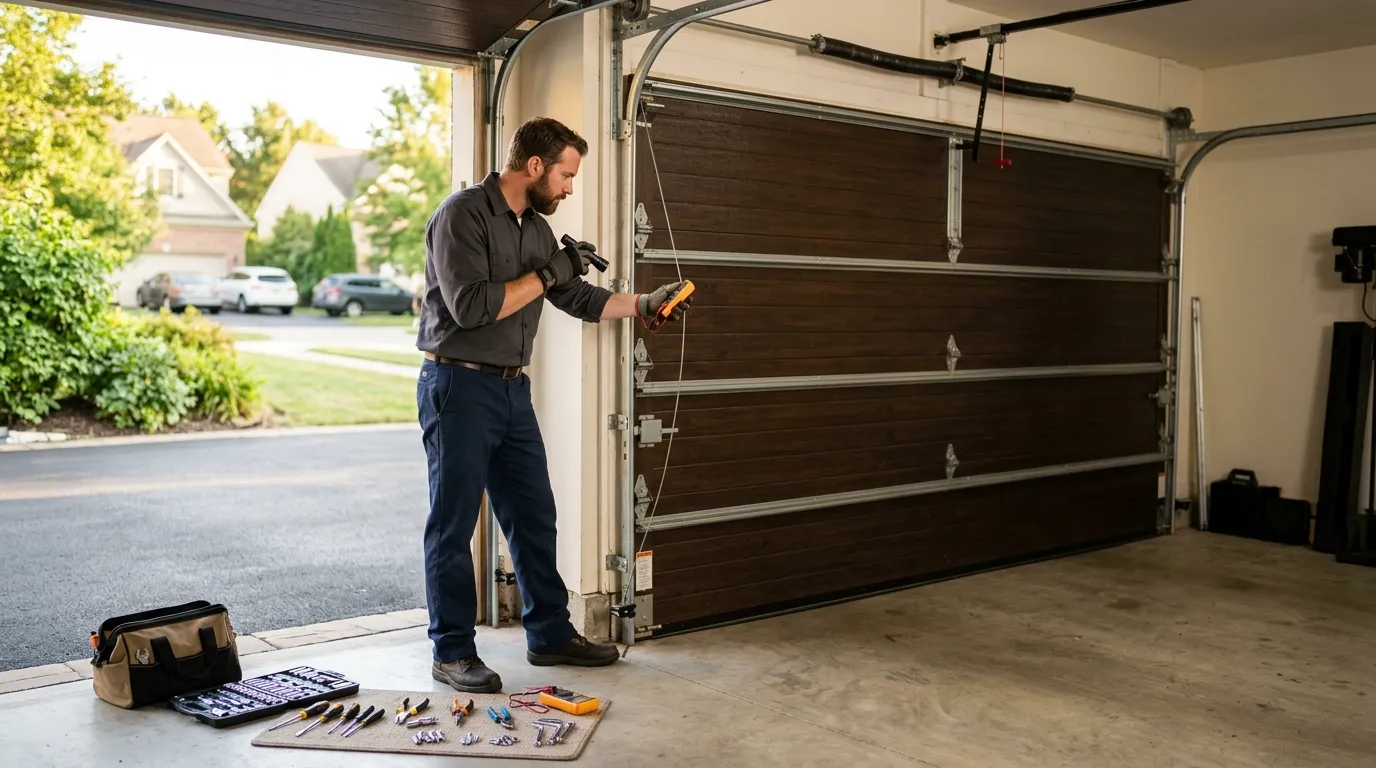
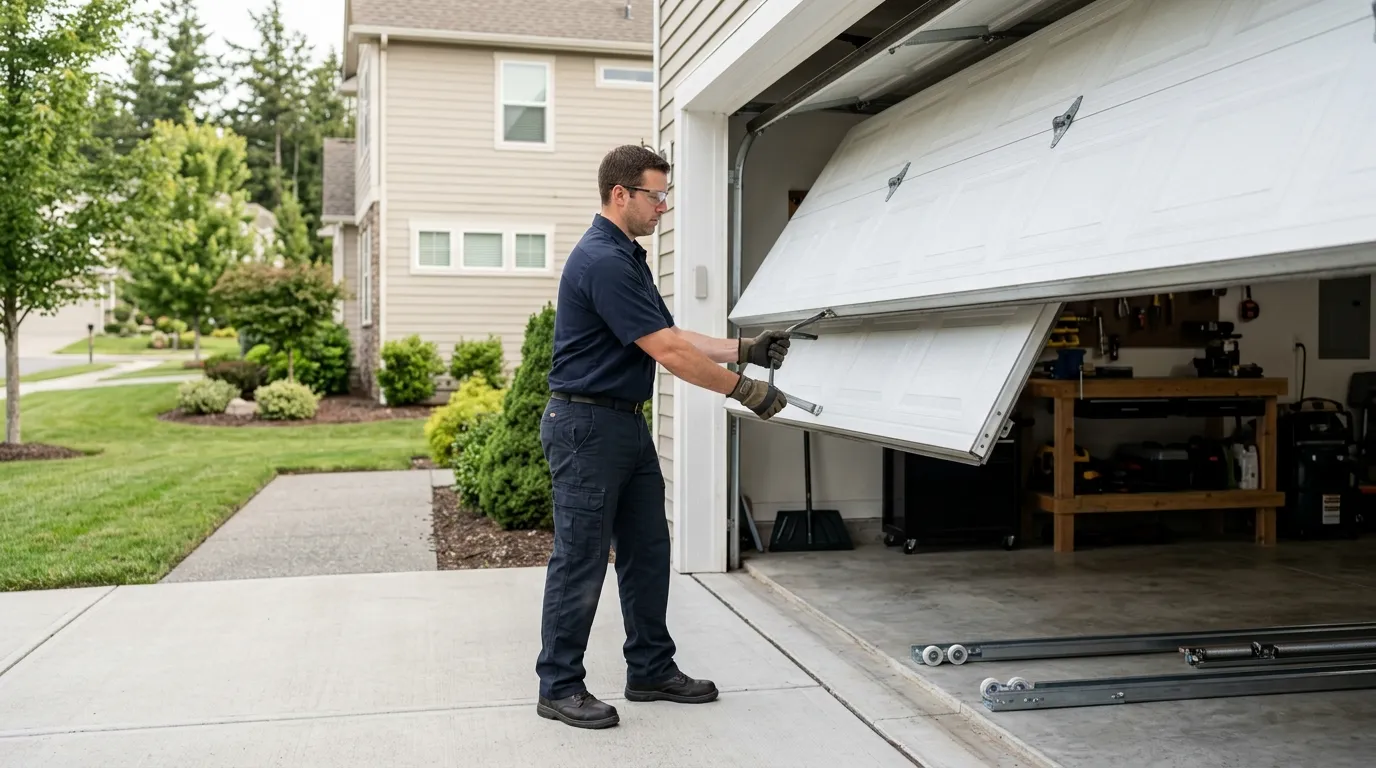
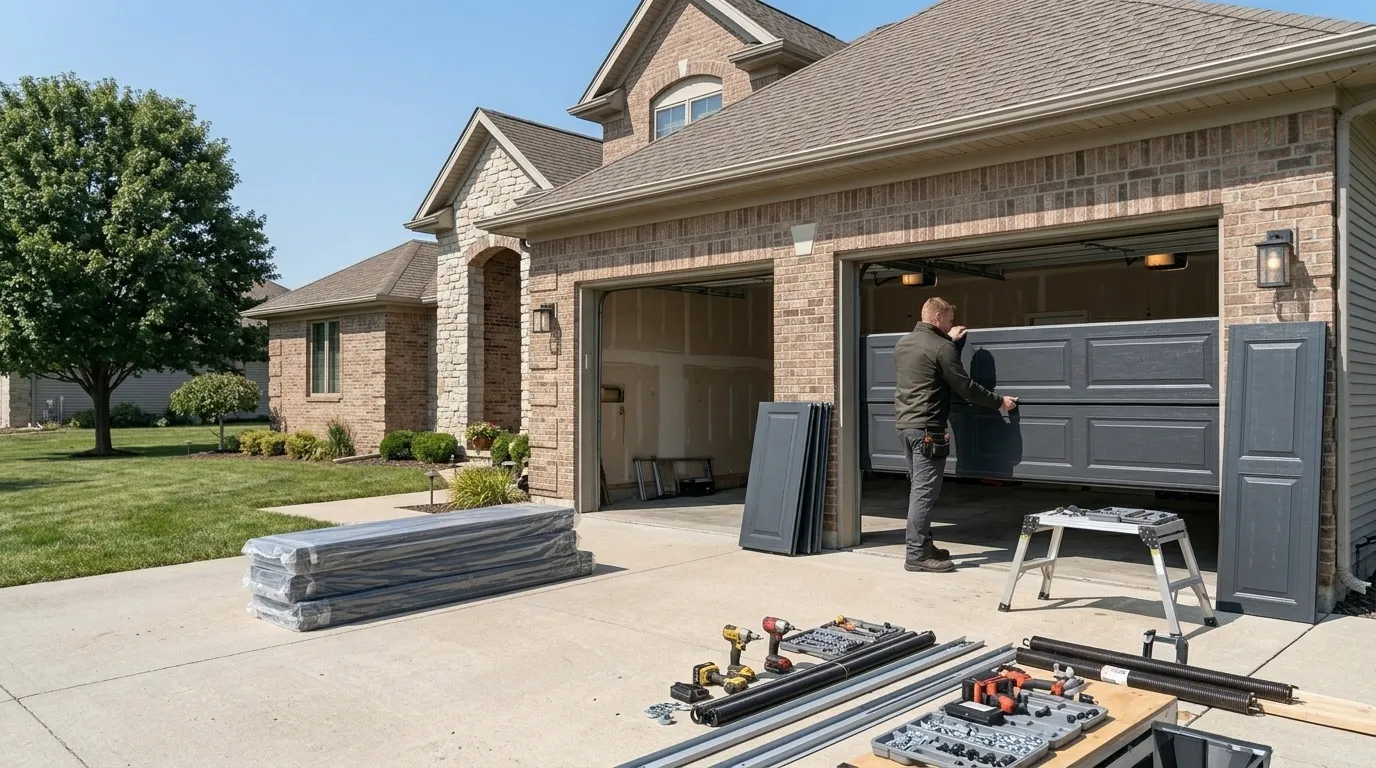
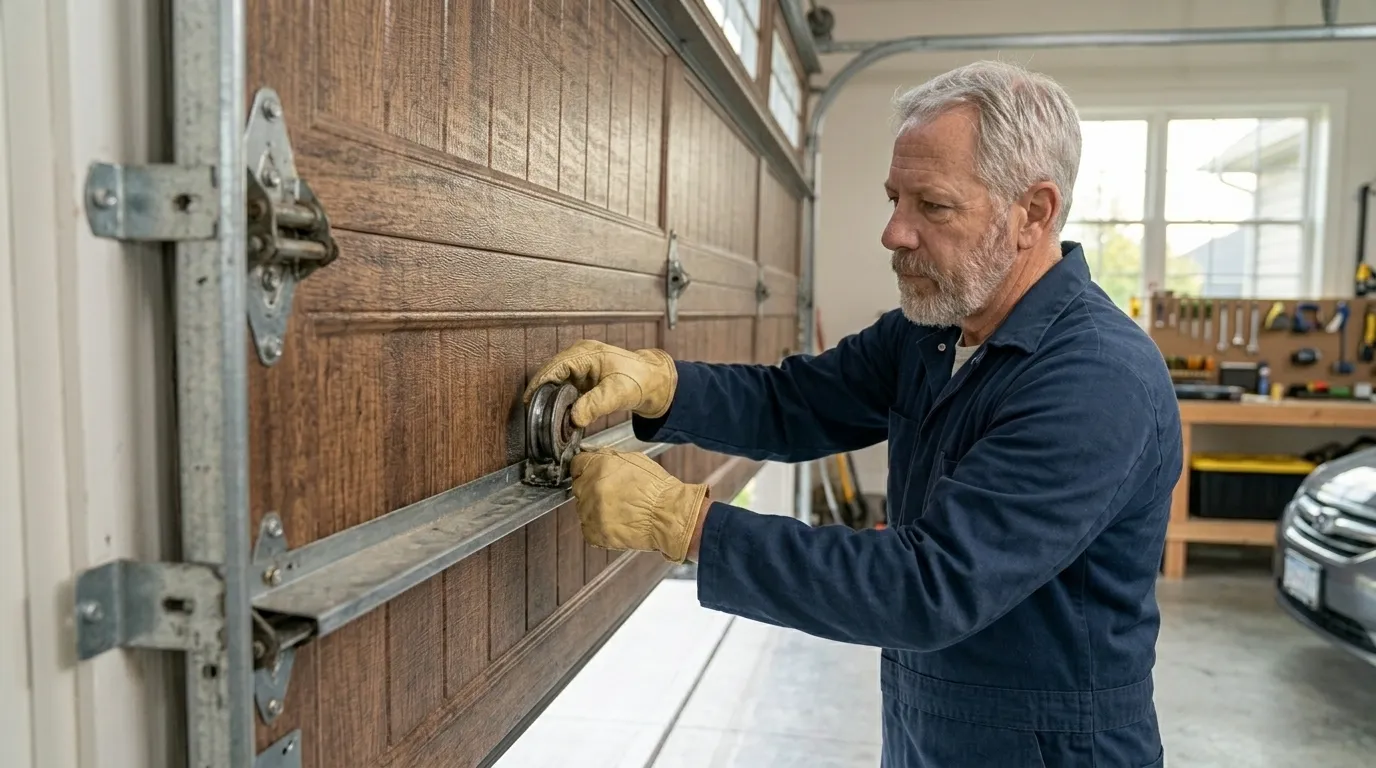
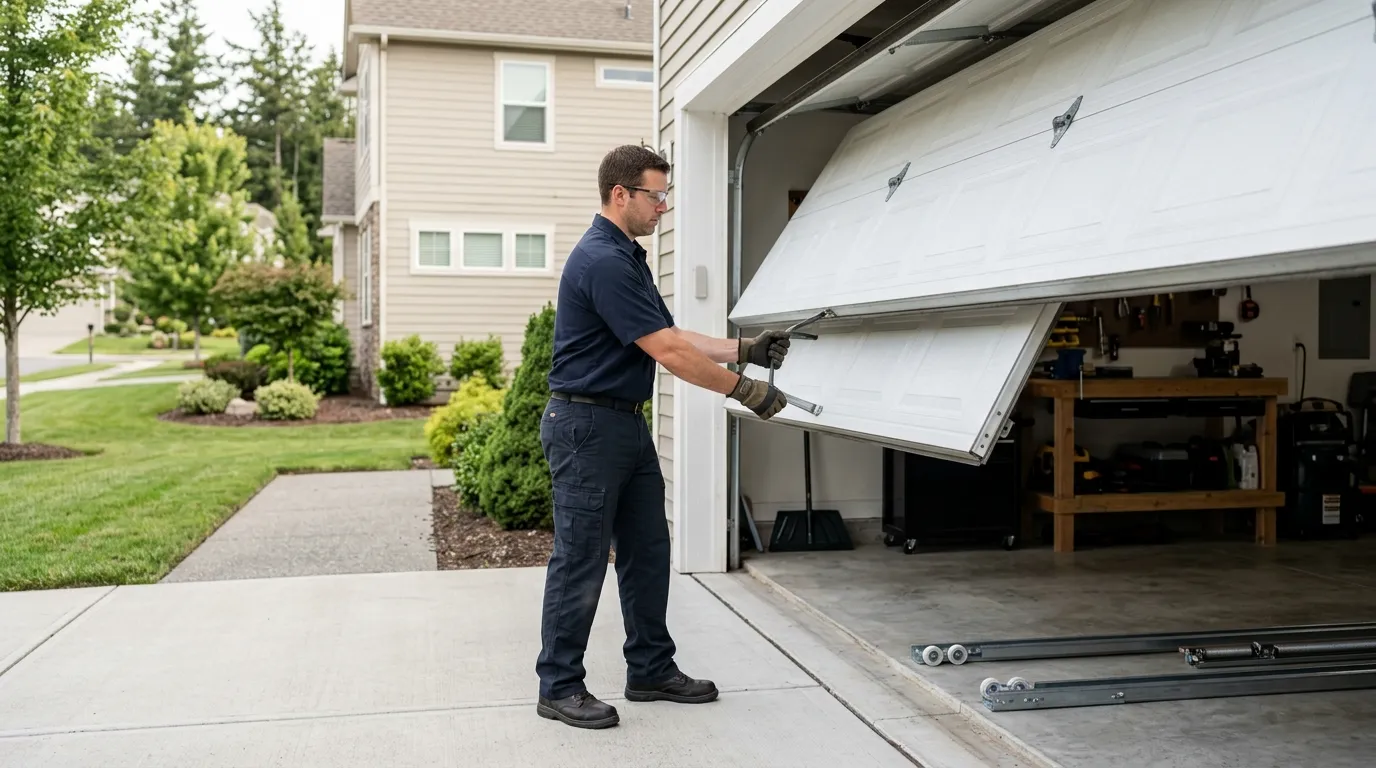
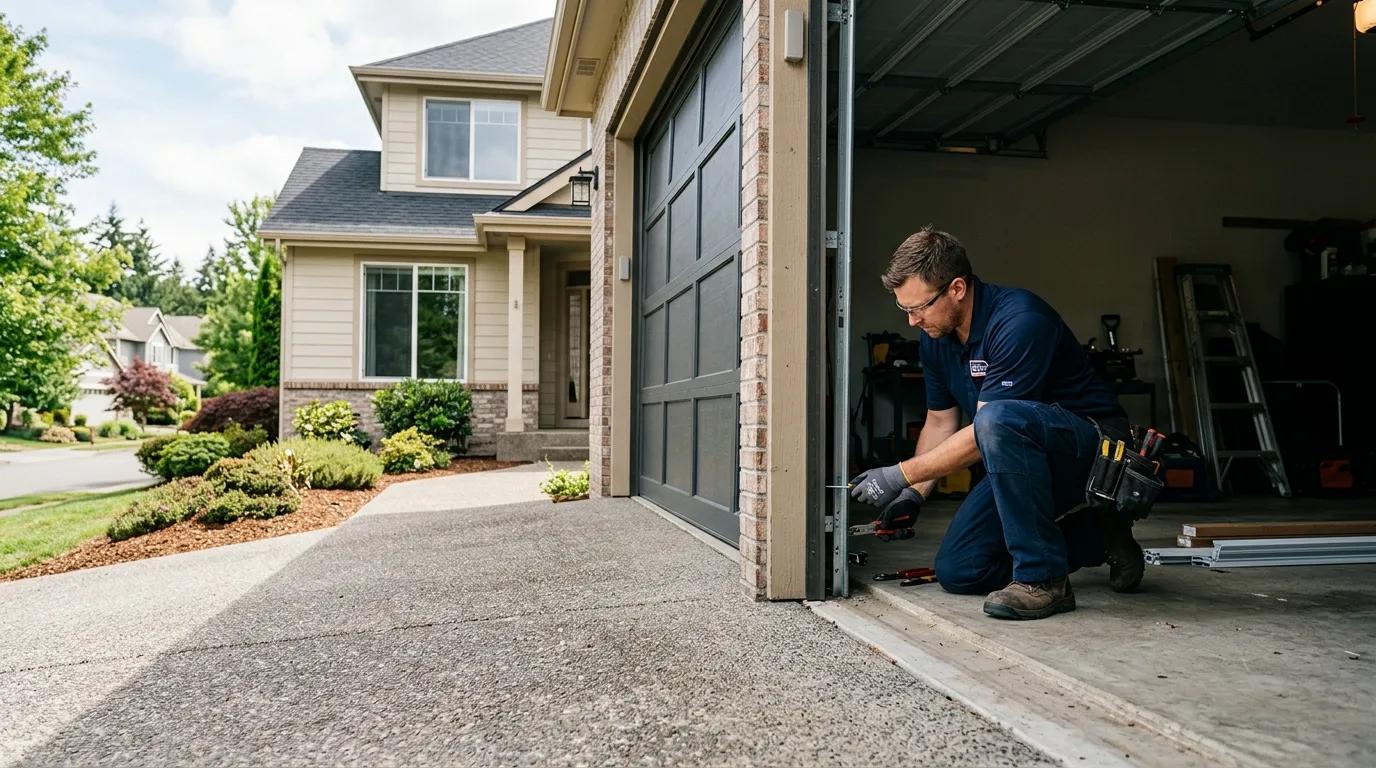
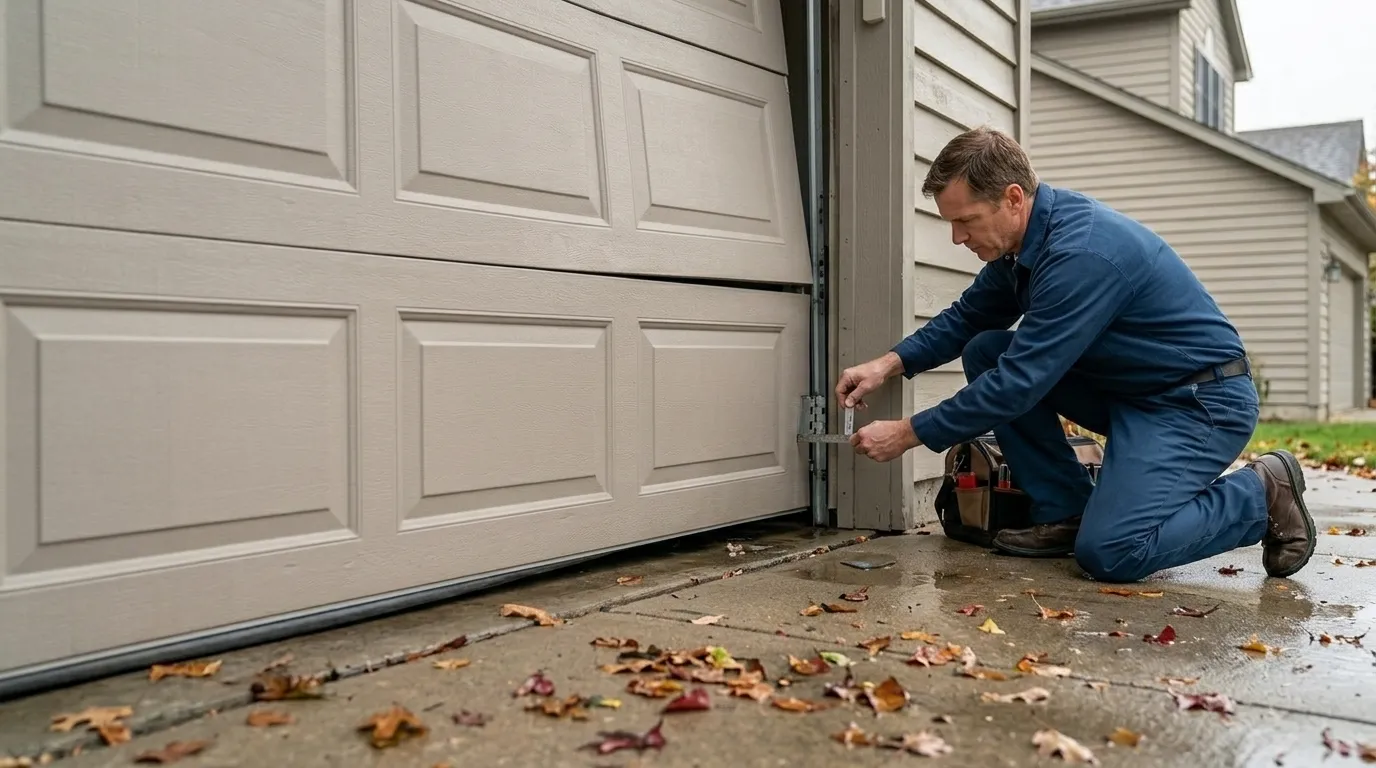
Hometown sits about 19 miles out from our Lincolnwood shop, and most of the calls we get from this stretch are about doors that are older than what you'll find in the newer pockets of the service area. Houses here run a median build year of 1955, six years ahead of the wider area's 1961 median, so the doors and openers we're pulling apart tend to be a step further along in their wear. We hear a lot about doors that bang or shudder partway up, cables that have started to fray at the drum, and openers that grind before they catch. With only 1,916 households in Hometown, it's a smaller area than most of what we cover, but the calls follow a pattern: original hardware finally giving out after decades of use. We also get calls about doors that won't seal at the bottom in winter, which tracks with the cold-moderate climate band this whole region sits in - freeze-thaw cycles work harder on old seals and worn rollers than most owners expect.
What the Housing Means for Your Door
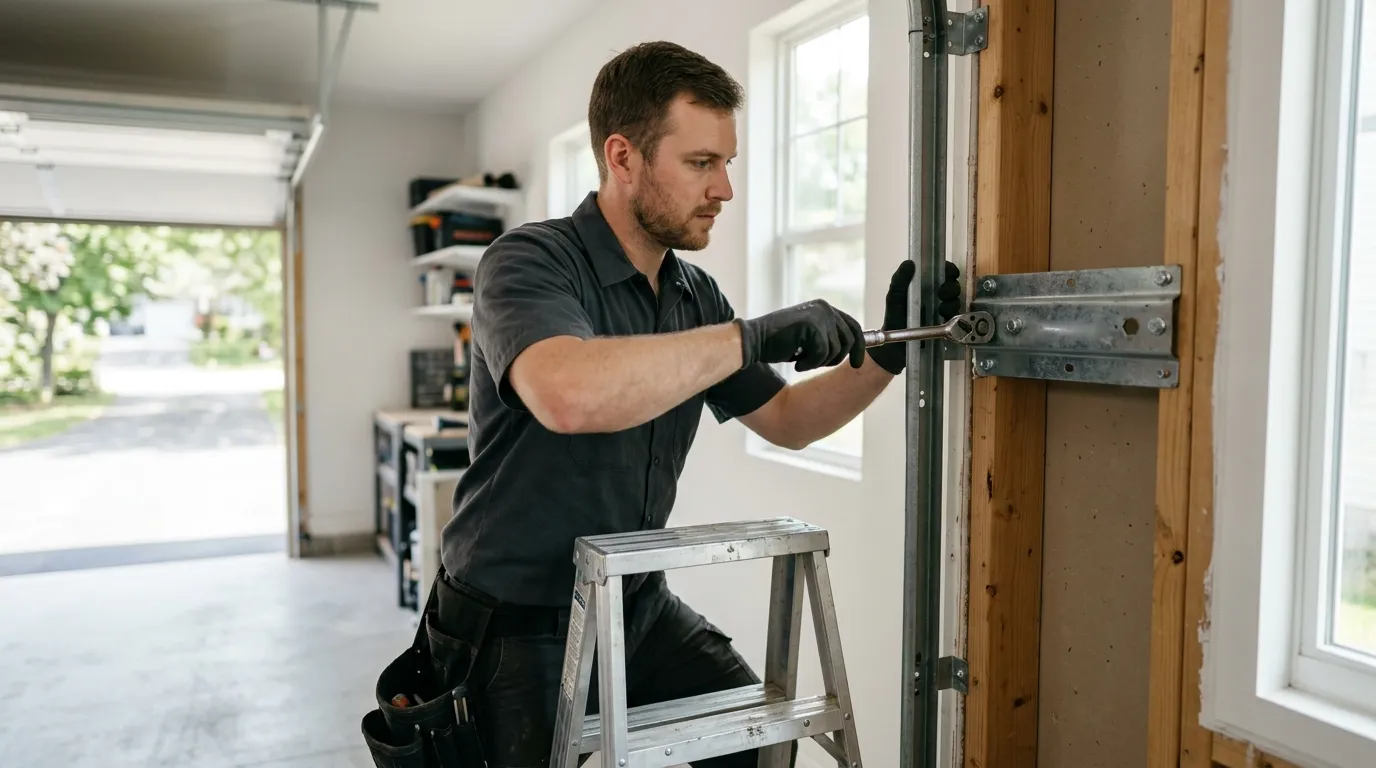
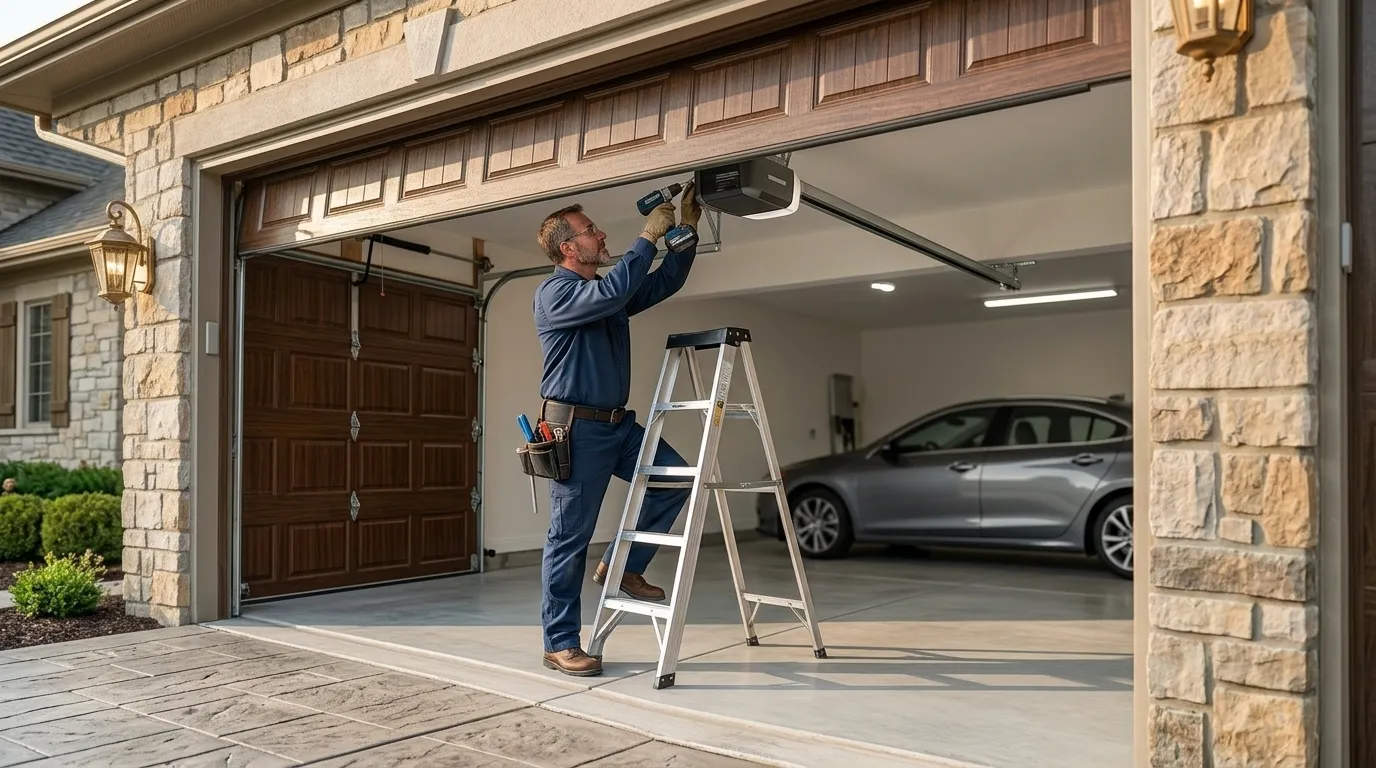
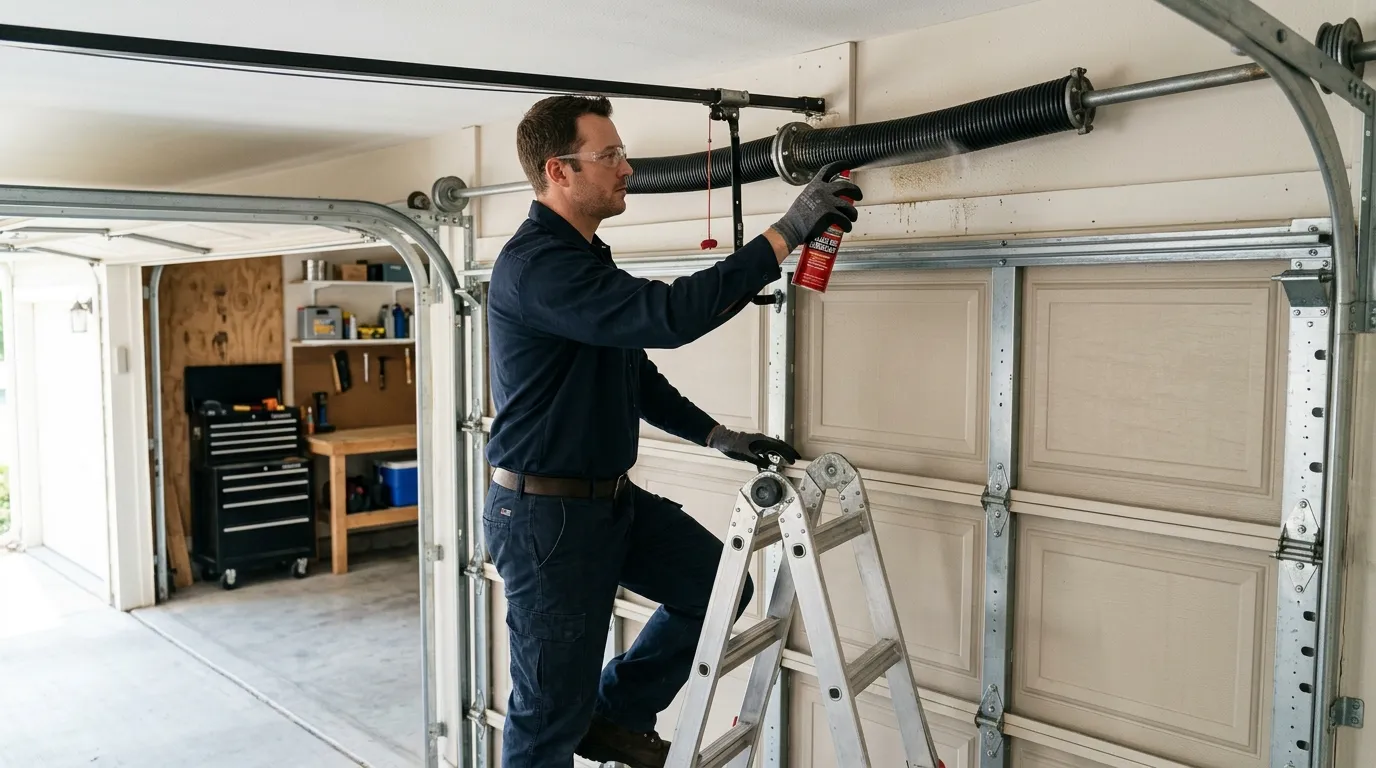
A house built around 1955 almost always came with a steel door hung on wall-mounted extension springs, not the torsion-on-a-shaft setup that became standard in houses built from the mid-1960s on. Extension spring systems use a different set of parts - stretch springs, pulleys, and safety cables - and a lot of the newer replacement hardware on the shelf now is built for torsion setups instead. That mismatch is the root of a lot of jobs here: an owner wants a quick part swap, and the part that's easy to get doesn't fit what's mounted on the wall. It also means openers installed decades ago are often original or first-generation replacements, without the auto-reverse sensors that became mandatory later. If your door is original to a 1955-era build, it's worth having it looked at even if nothing's broken yet - not because something's about to fail, but because parts for that generation get harder to source every year, and a small fix now beats an emergency call later.
The Houses Here
With income here at a median of $59,265, noticeably below the $99,861 median across the wider area, we try to be straight about what's worth spending on and what isn't. A lot of the housing stock in this part of the coverage area shares that older build era, and the fixes that make sense on a 1955 door are often about keeping the original hardware working rather than swapping it wholesale. Given the region's cold-moderate climate, we also see doors where the bottom seal has hardened and cracked, letting cold air and moisture in around the threshold - a cheap fix that gets ignored until it isn't. None of this is unique to any one street in Hometown; it's a function of when the houses went up and what's held up since. We'd rather tell you a $40 seal and a spring adjustment will get you through another decade than sell you a door you don't need yet.