What People Here Ring About
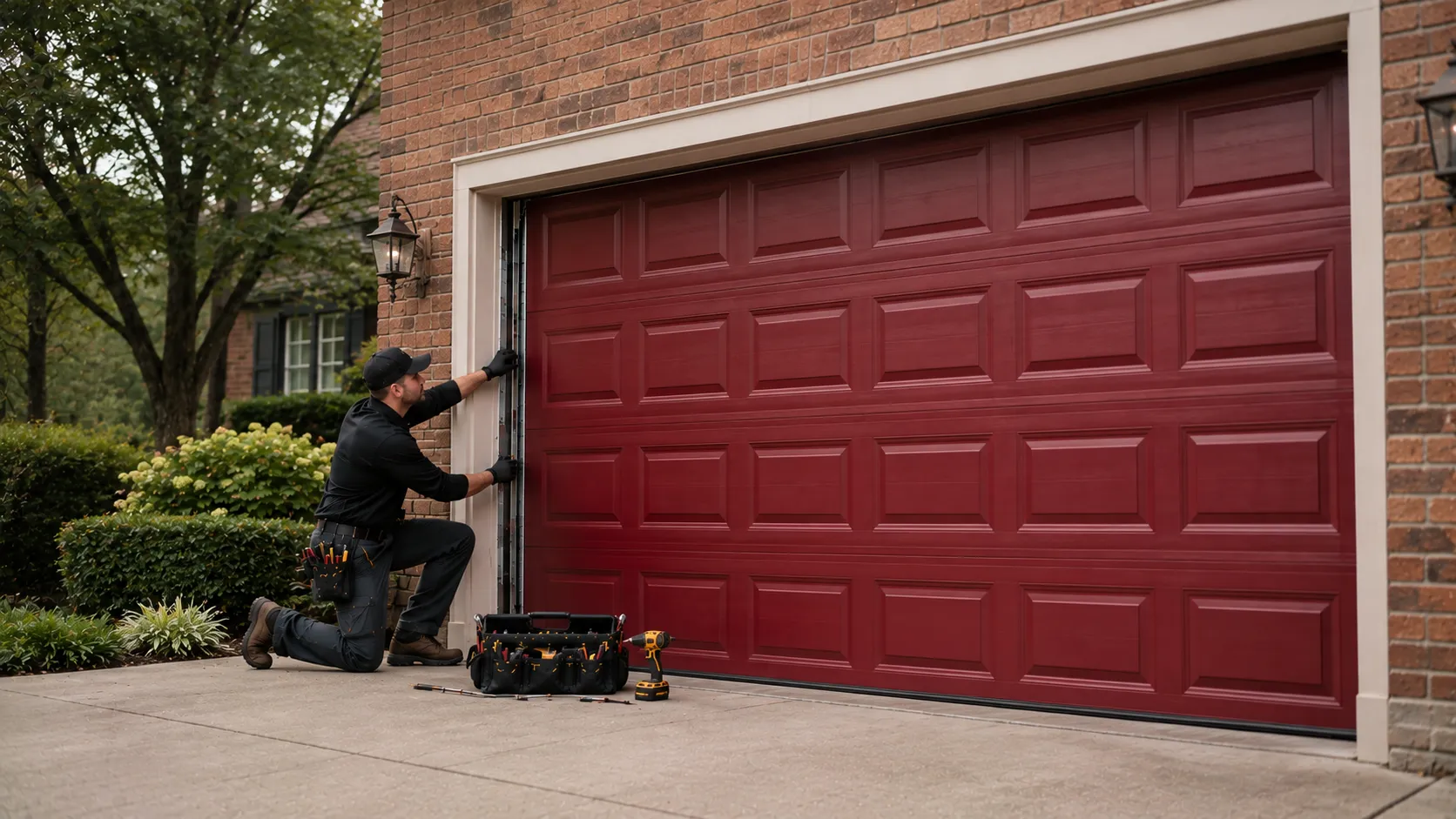
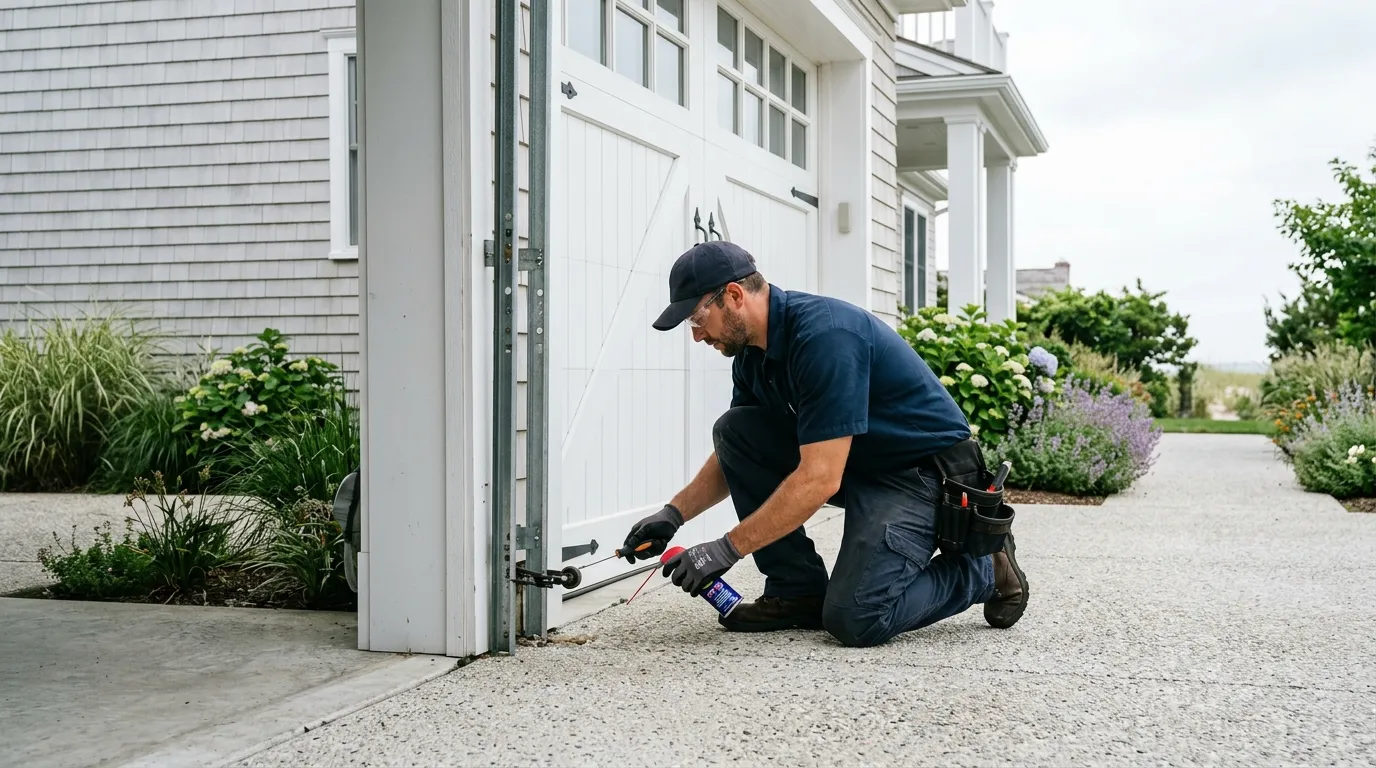
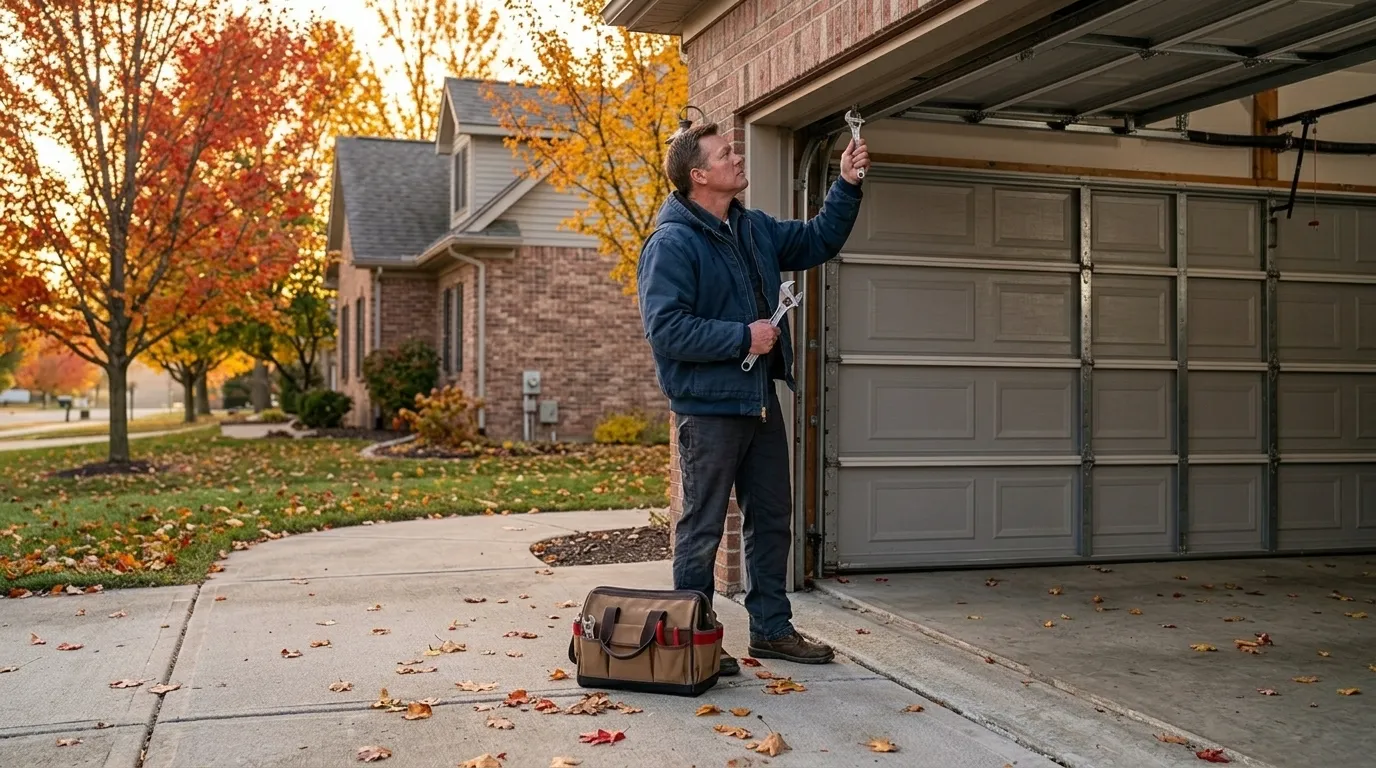
Most calls we get from Hodgkins are about doors that are roughly 25 to 30 years old, which lines up with the area's median build year of 1994. That's a newer housing stock than a lot of the wider service area, where the median build year runs back to 1961. Homeowners here are usually dealing with the second or third opener on the same door, springs that have outlived their rated cycle count, and rollers that have worn grooves into tracks that were installed once and never touched since.
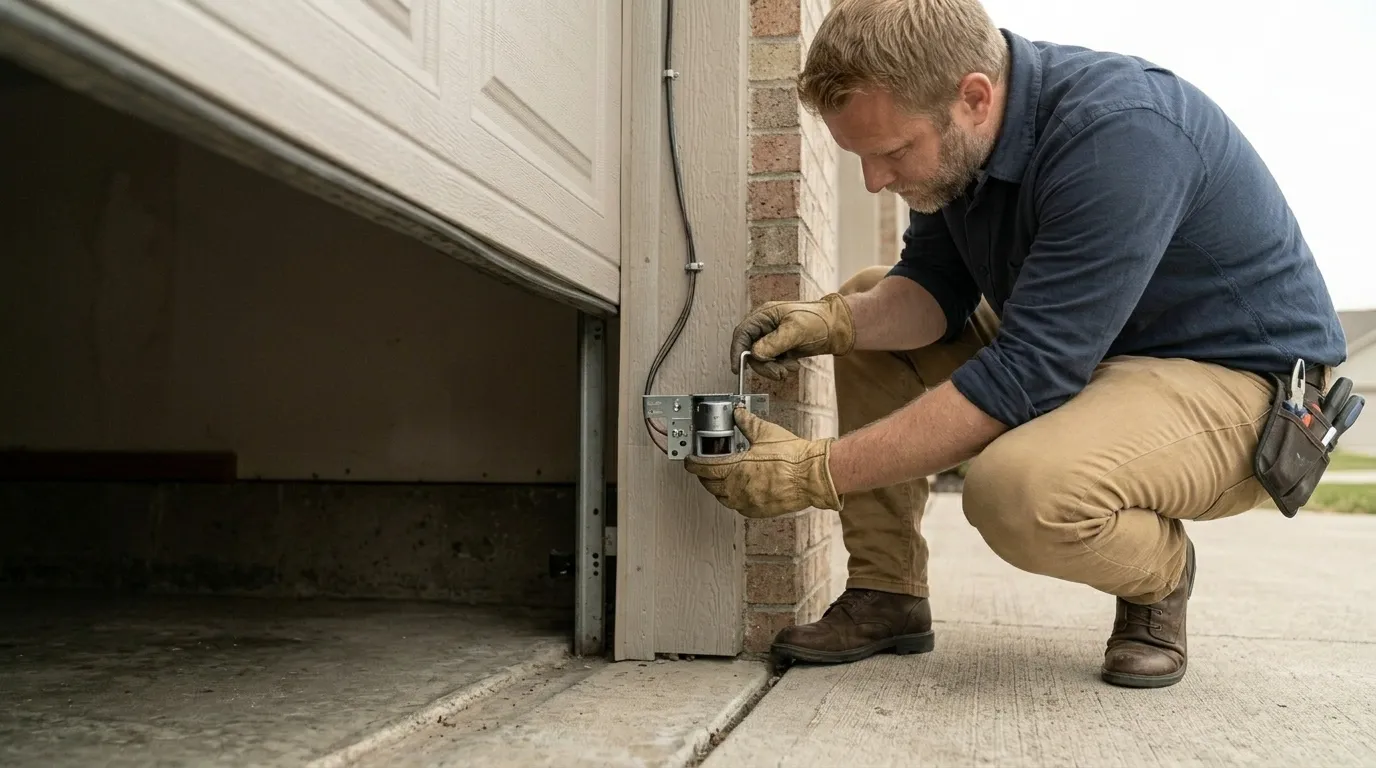
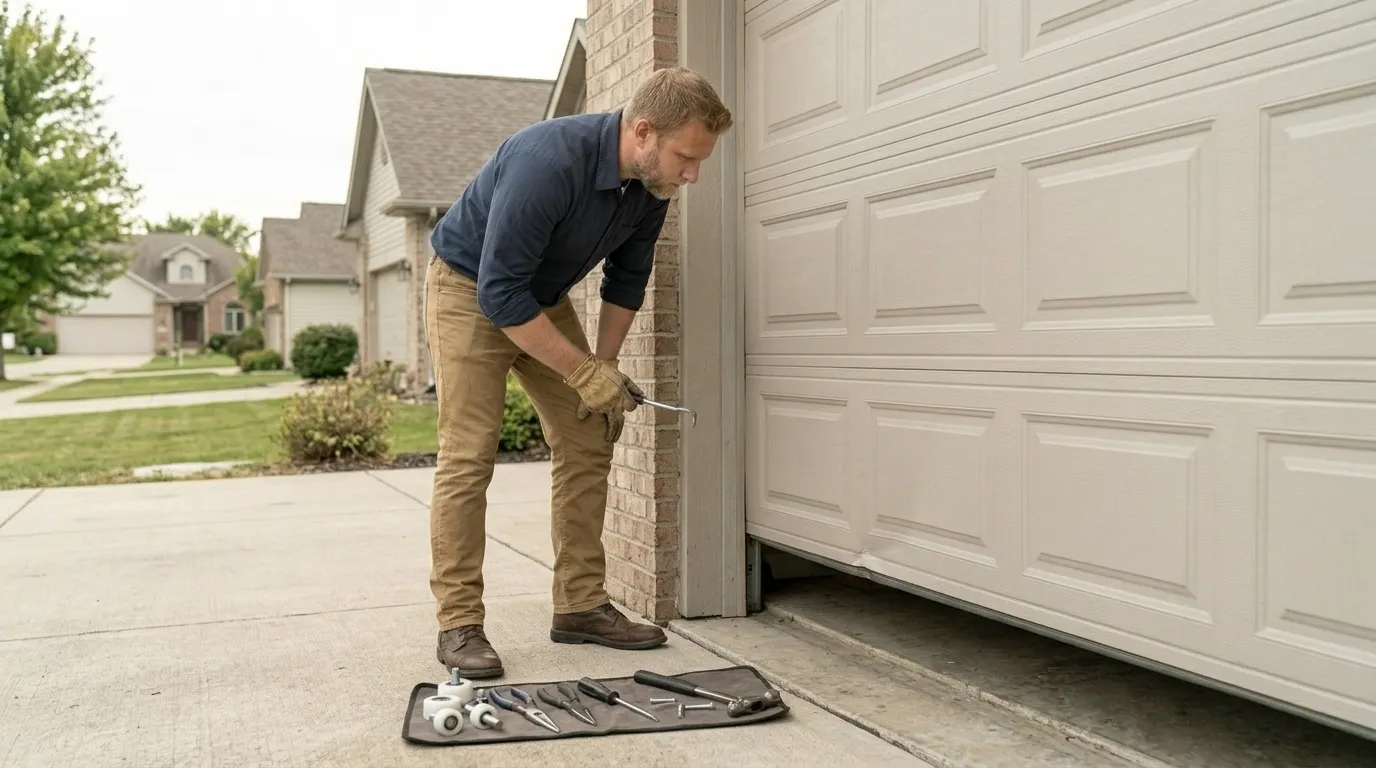
With about 650 households in this pocket, it's not a huge area, but the pattern repeats house to house: original steel sectional doors from the mid-90s, upgraded openers bolted onto the same old track and hardware, and springs nobody has replaced since the house was built. A spring rated for 10,000 cycles doesn't care what year it is - by year 25 it's due, whether or not it's broken yet.
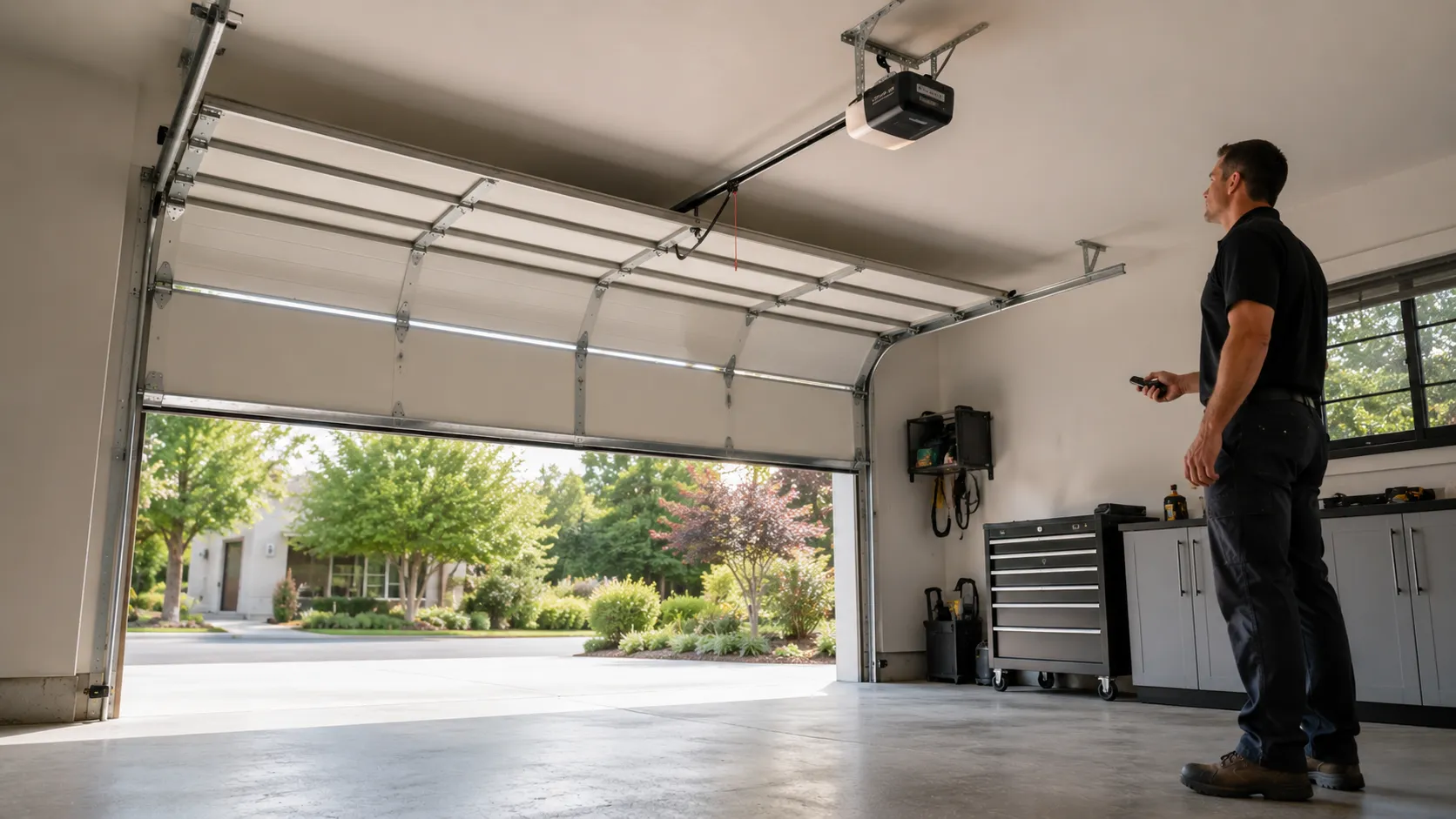
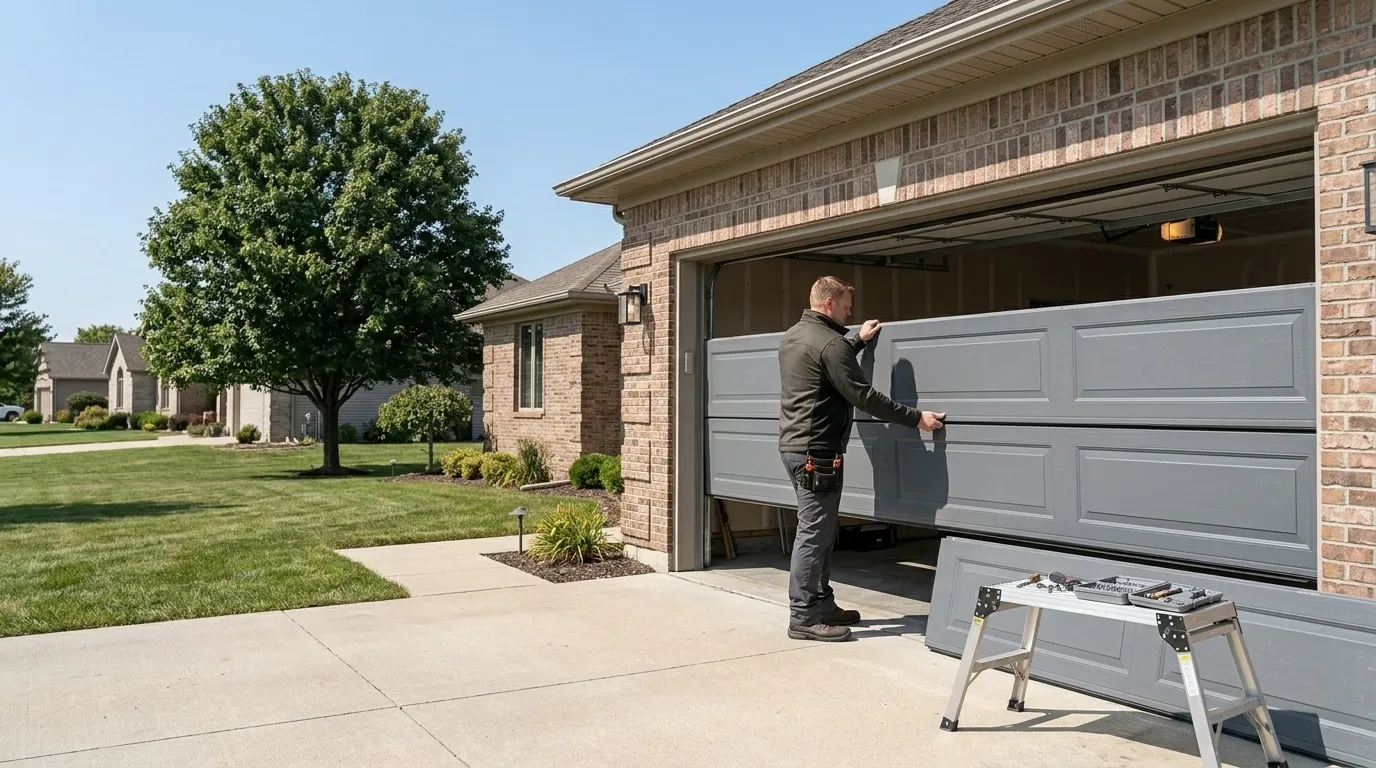
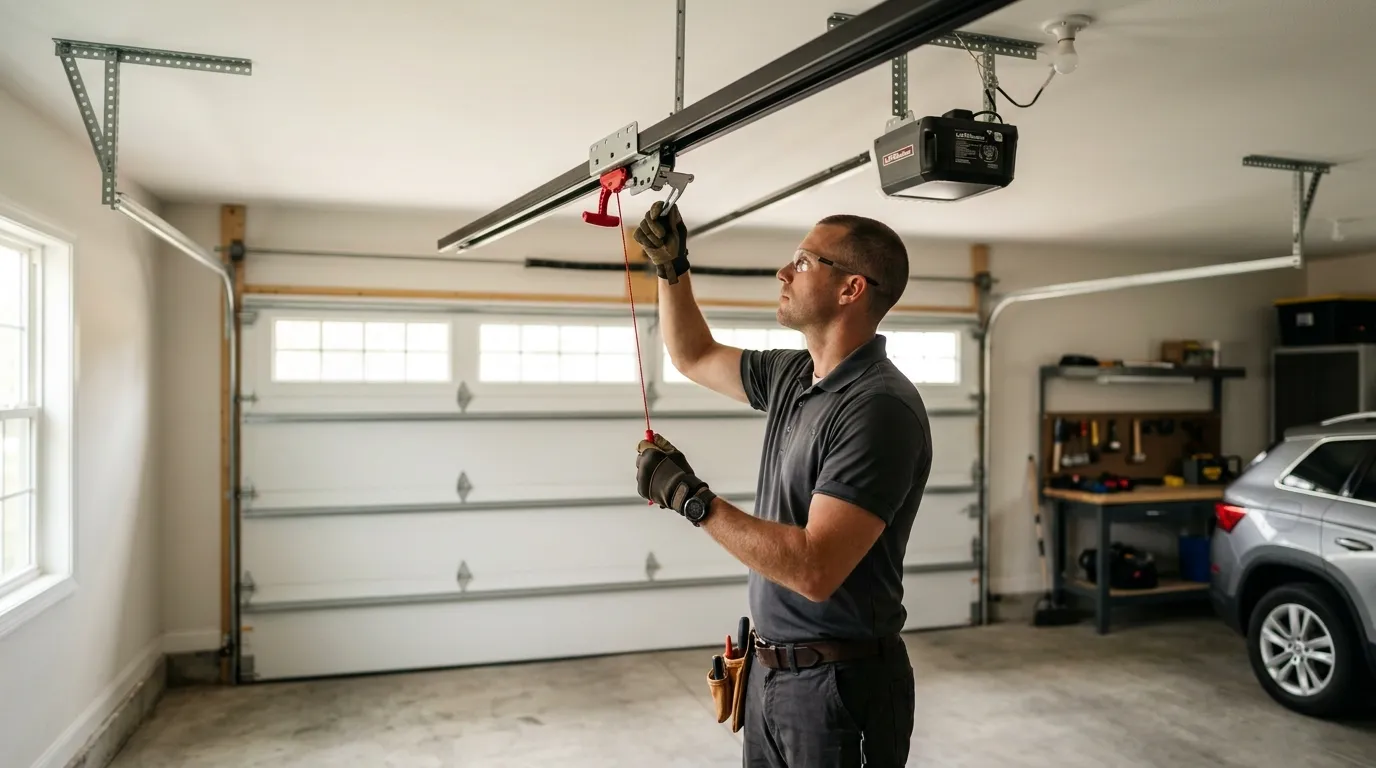
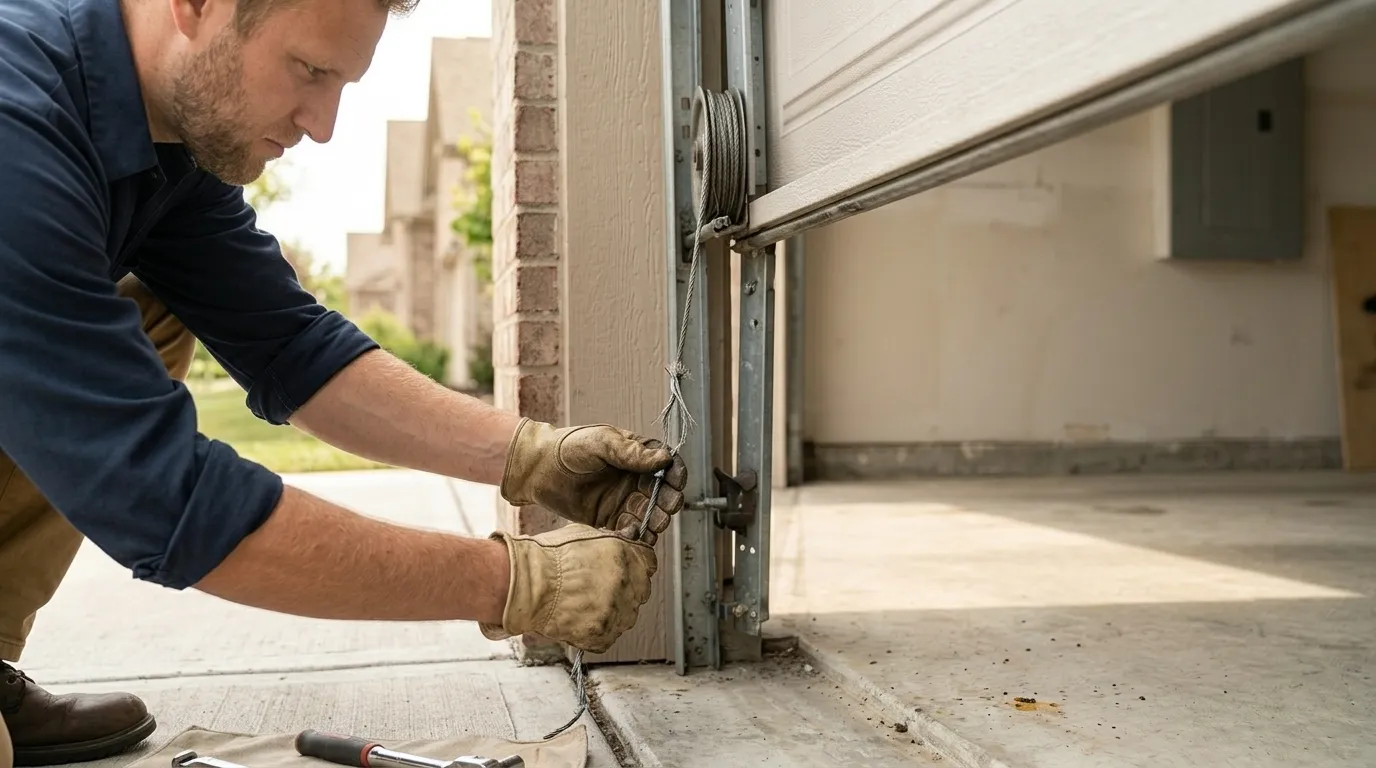
We also hear from people whose door still "works" but slams the last foot of travel, or whose opener grinds before it lifts. Those are usually spring tension problems hiding behind an opener that's doing more work than it should.
What the Housing Means for Your Door
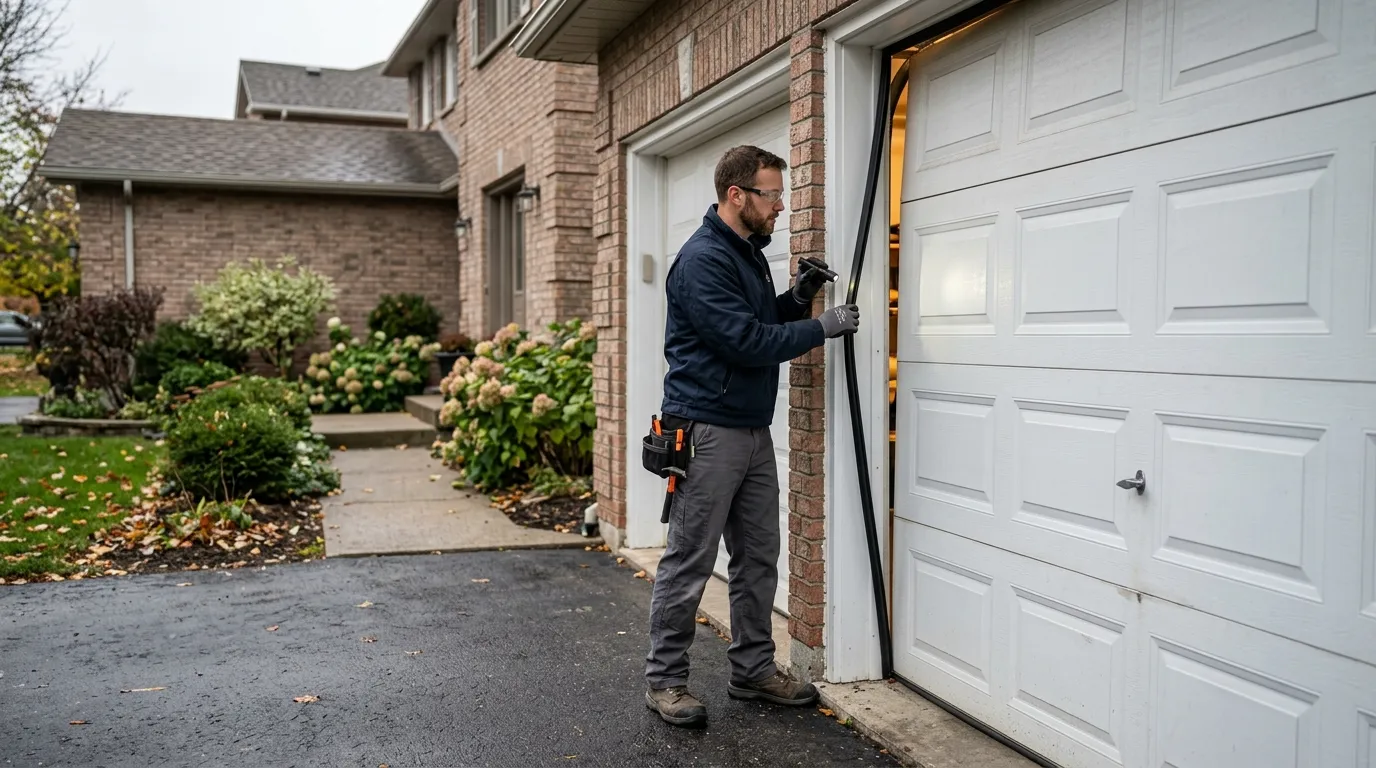
A 1994 median build year matters more than it sounds like it should. Doors from that era in this area were mostly steel sectional panels on torsion or extension spring setups, not the older side-mounted torsion hardware you'd find on houses built before 1960. That means parts are generally easier to source than on the oldest stock in the wider service area, but it also means a lot of these doors and their openers are hitting the end of a normal service life at roughly the same time, house after house.
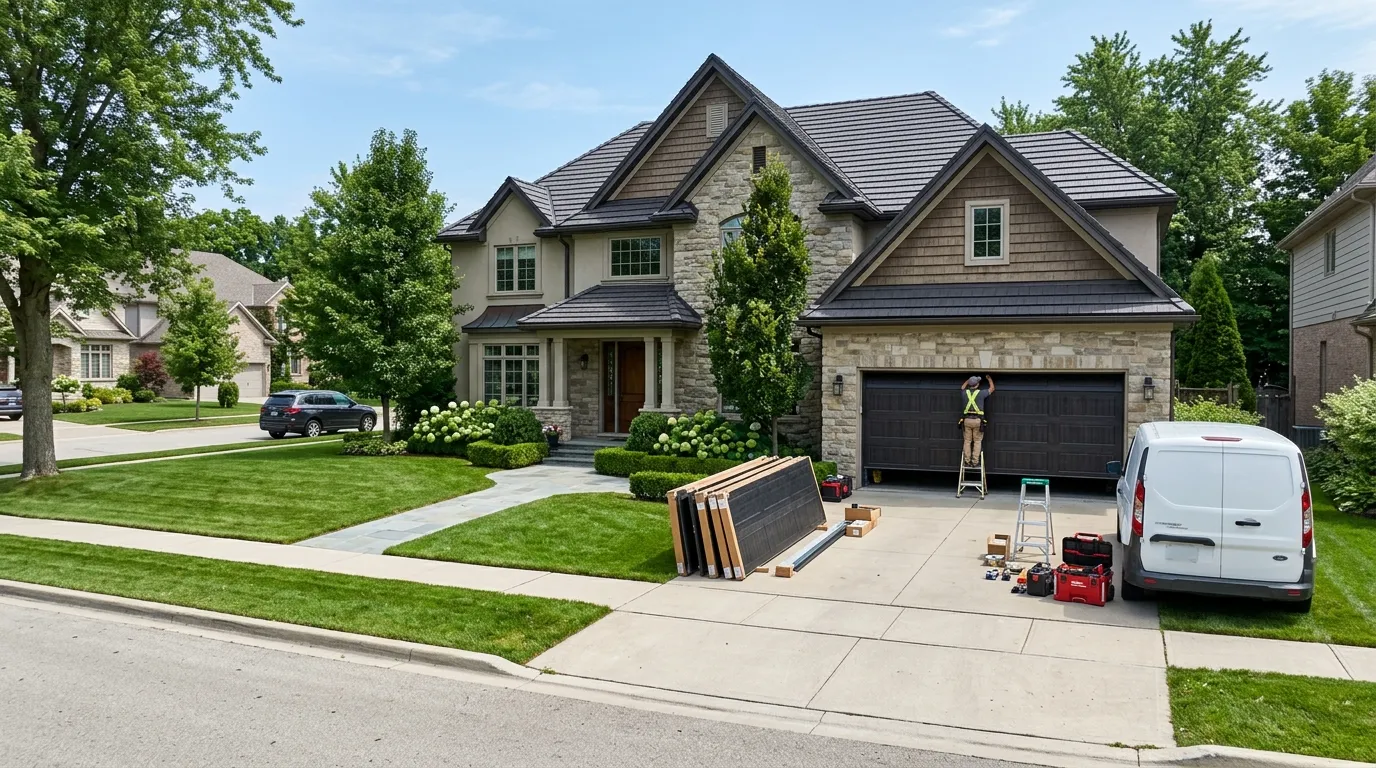
With a median household income of $63,056 in this area, we hear a clear preference for repair over replacement where the door itself is still sound - fixing a spring or a section rather than swapping the whole door. That's usually the right call on a door from the 90s if the panels haven't rusted or racked out of square. Where the springs are original and the door has stayed level, a rewind or a straight spring swap gets most of these doors back to normal without touching the door itself.
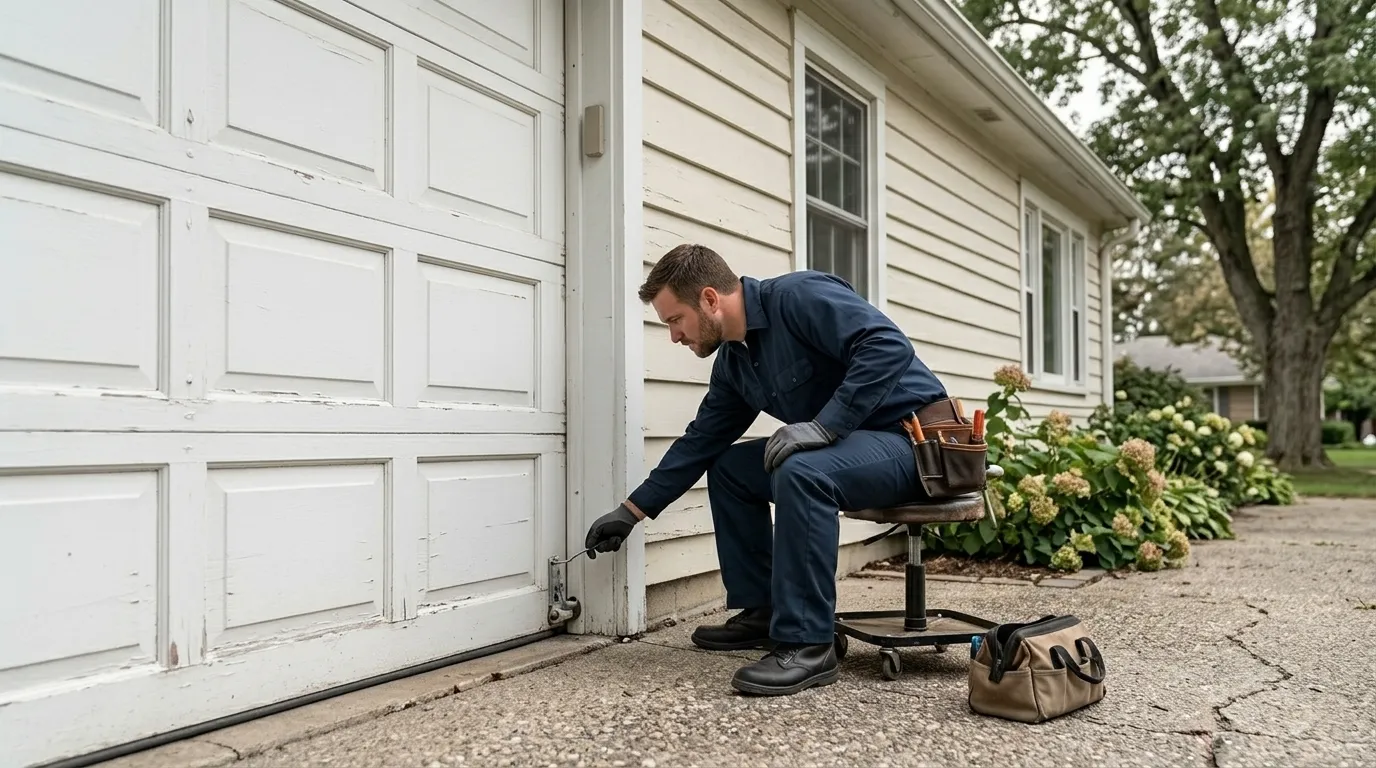
The climate here runs cold with moderate swings through the year, and steel sections that age still contract and expand with temperature. On a 25-to-30-year-old door, that cycling is often what finally cracks a weld or splits a hinge that's been marginal for a while.
The Houses Here
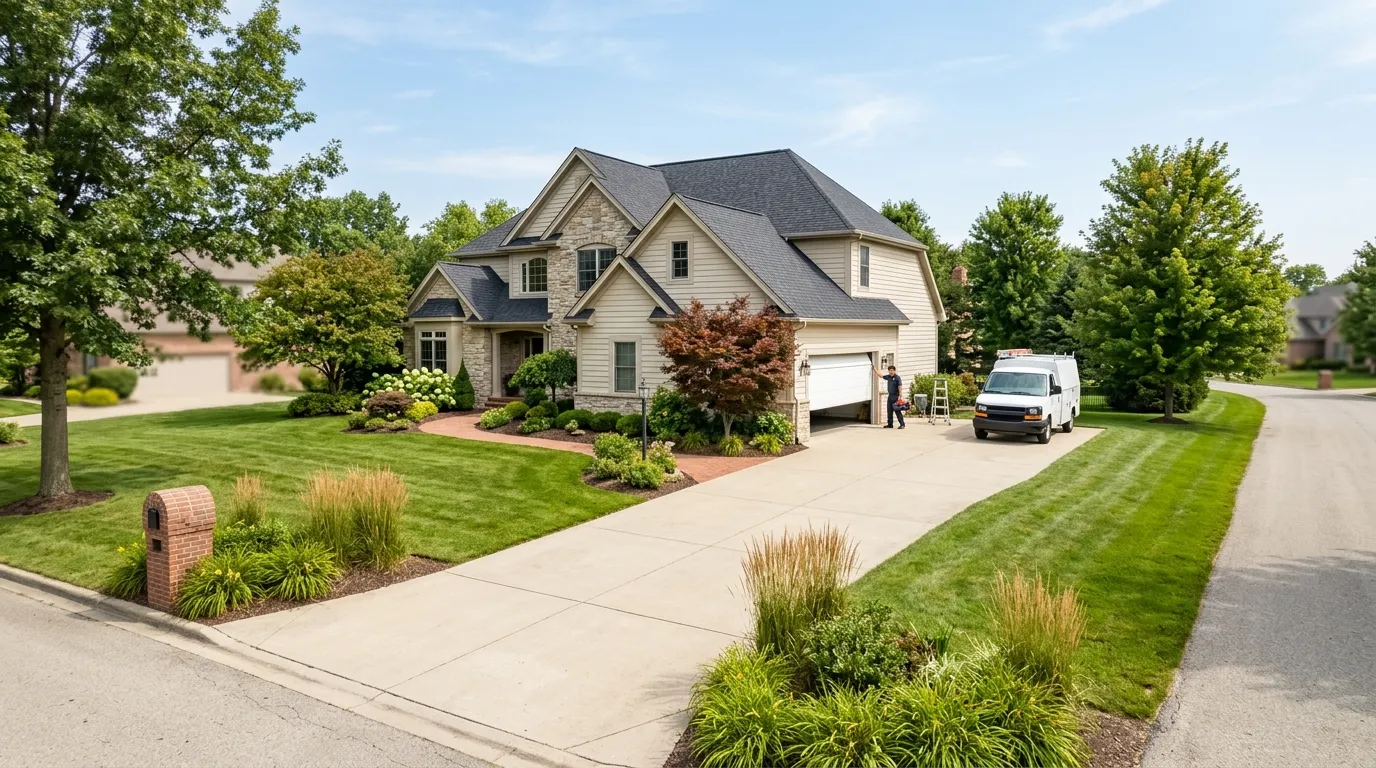
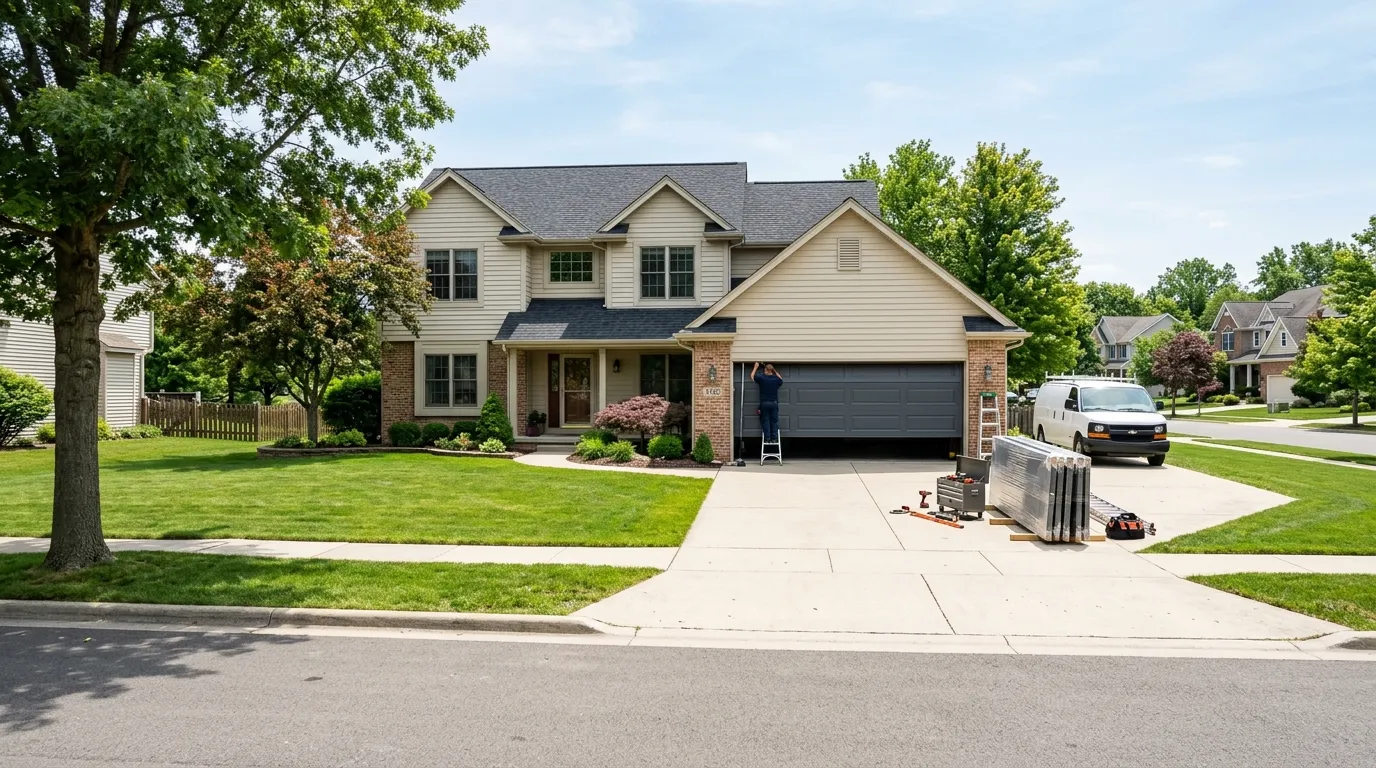
Hodgkins sits about 18 miles out from Lincolnwood, and the roughly 650 households here mostly moved into homes built around 1994 - a tighter, more consistent build window than a lot of the broader coverage area, where houses go back as far as 1938. That consistency shows up on service calls: the doors, springs, and openers we see here tend to be the same generation, wearing out on a similar timeline rather than spread across seven decades of different hardware standards.
At a median household income of $63,056, most of the repair calls we take here are straightforward spring, cable, or opener jobs rather than full door replacements, and the housing stock supports that - steel sectional doors from this era hold up well structurally even after 25-plus years, as long as the springs and rollers get replaced on schedule instead of run until they fail. The cold winters in this part of Illinois are hard on any door regardless of age, but a 1990s-built door usually has fewer surprises in it than the mid-century stock elsewhere in our coverage.