What People Here Ring About
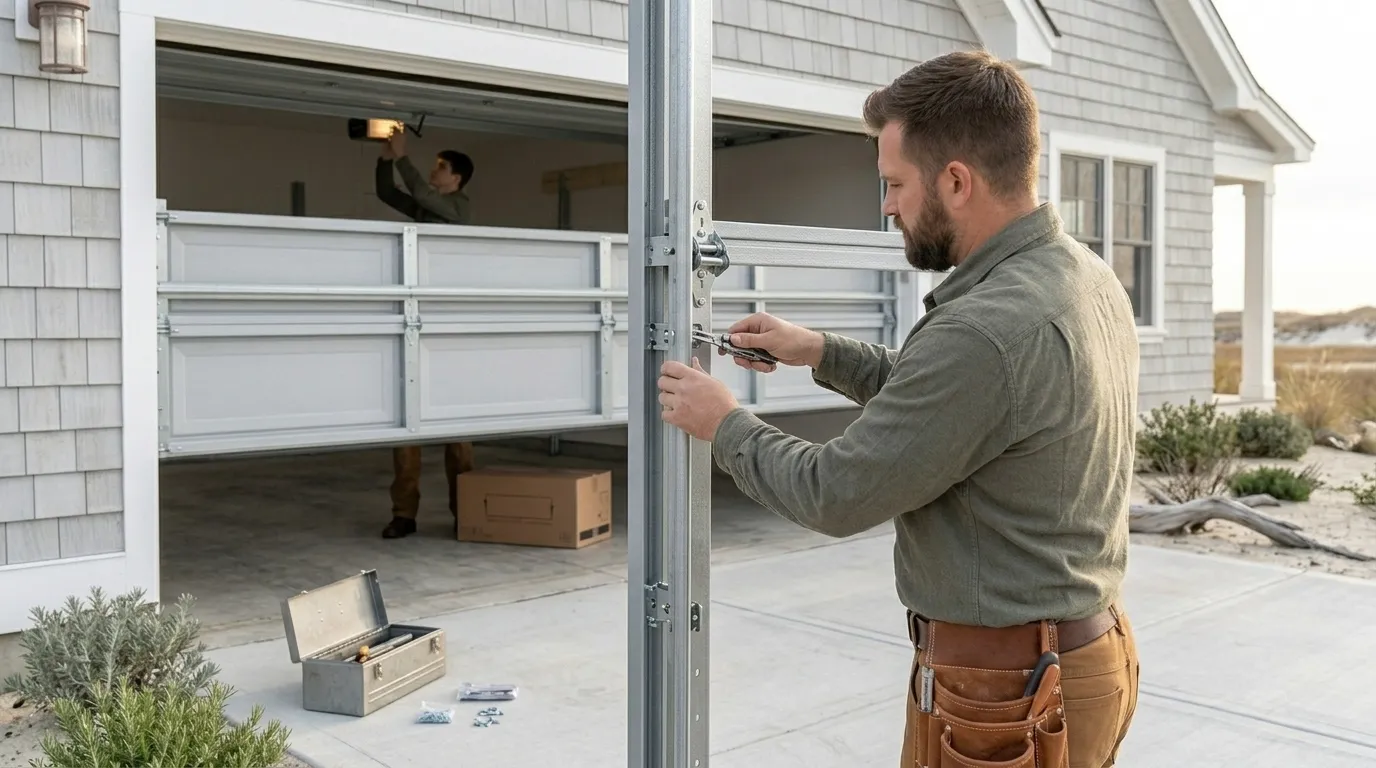
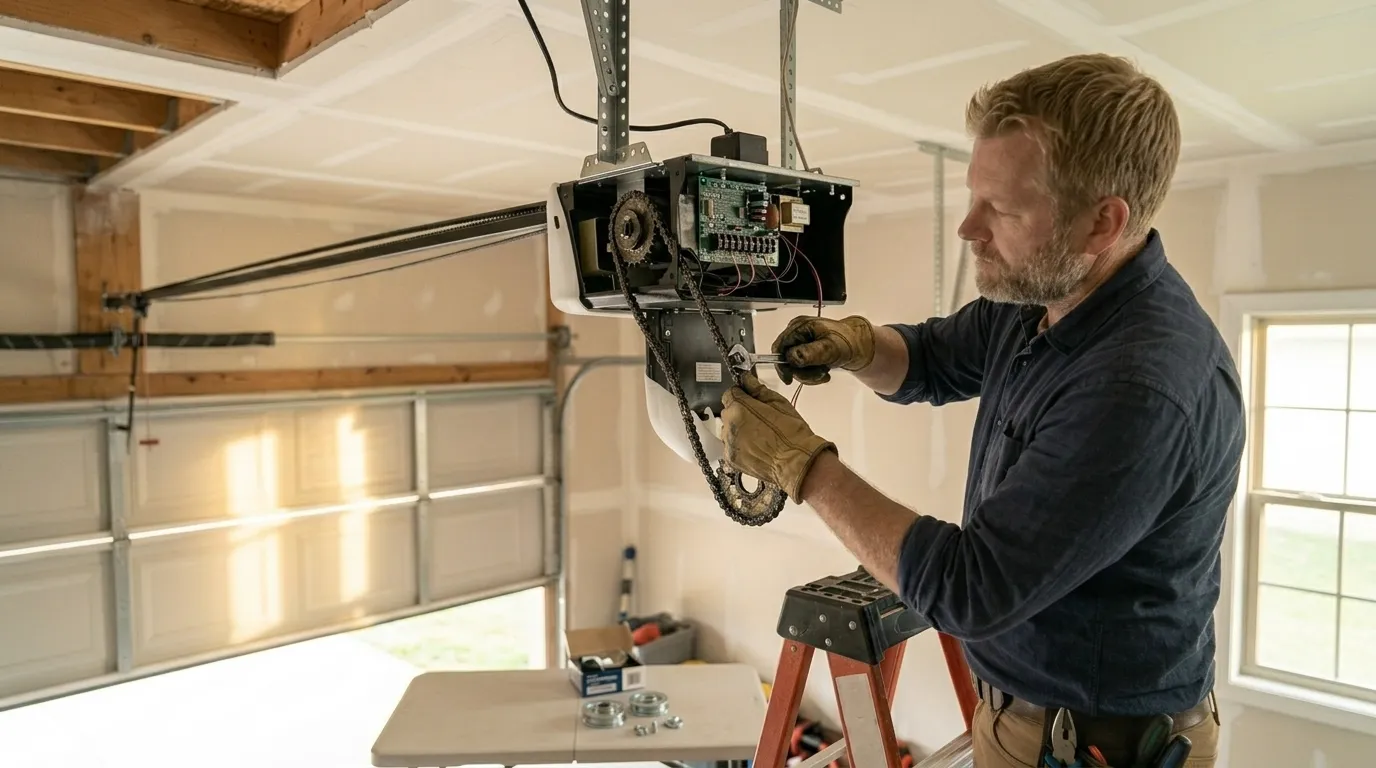
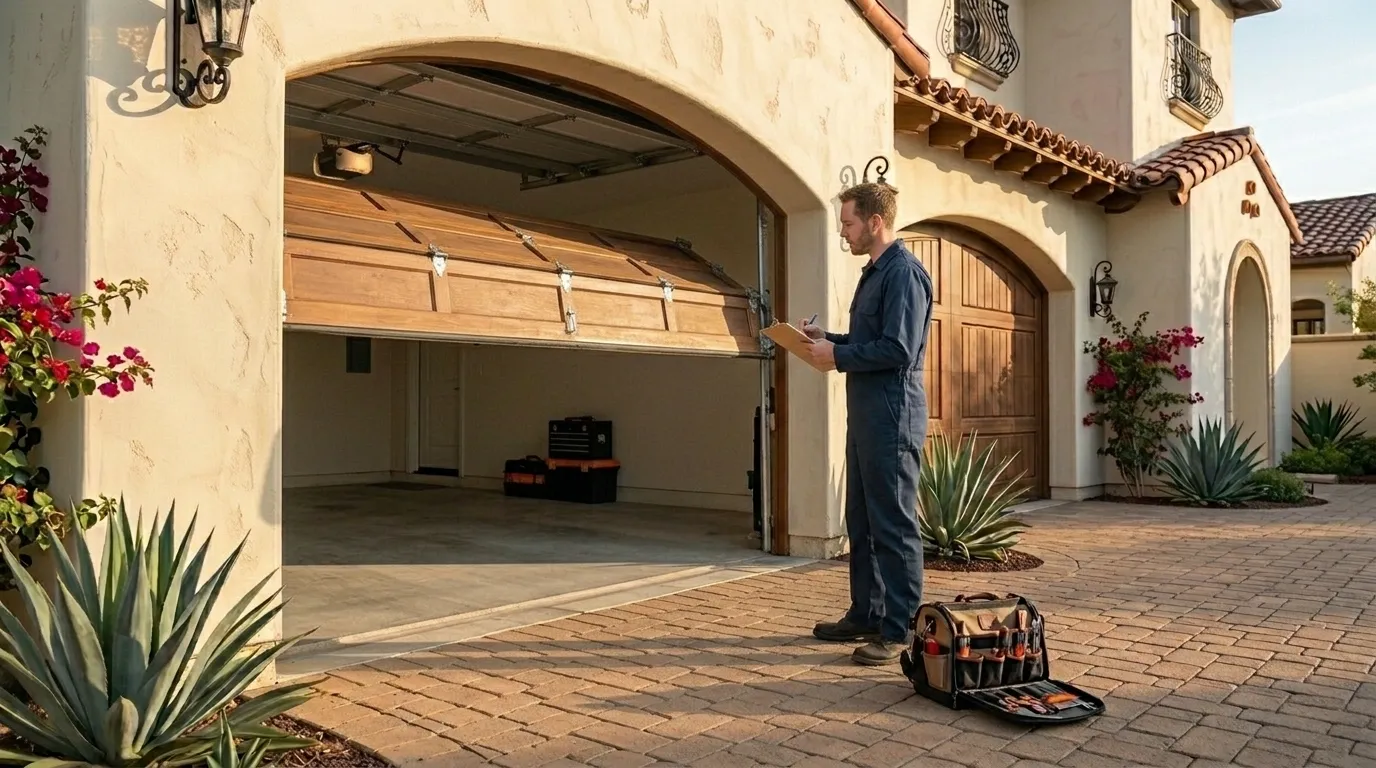
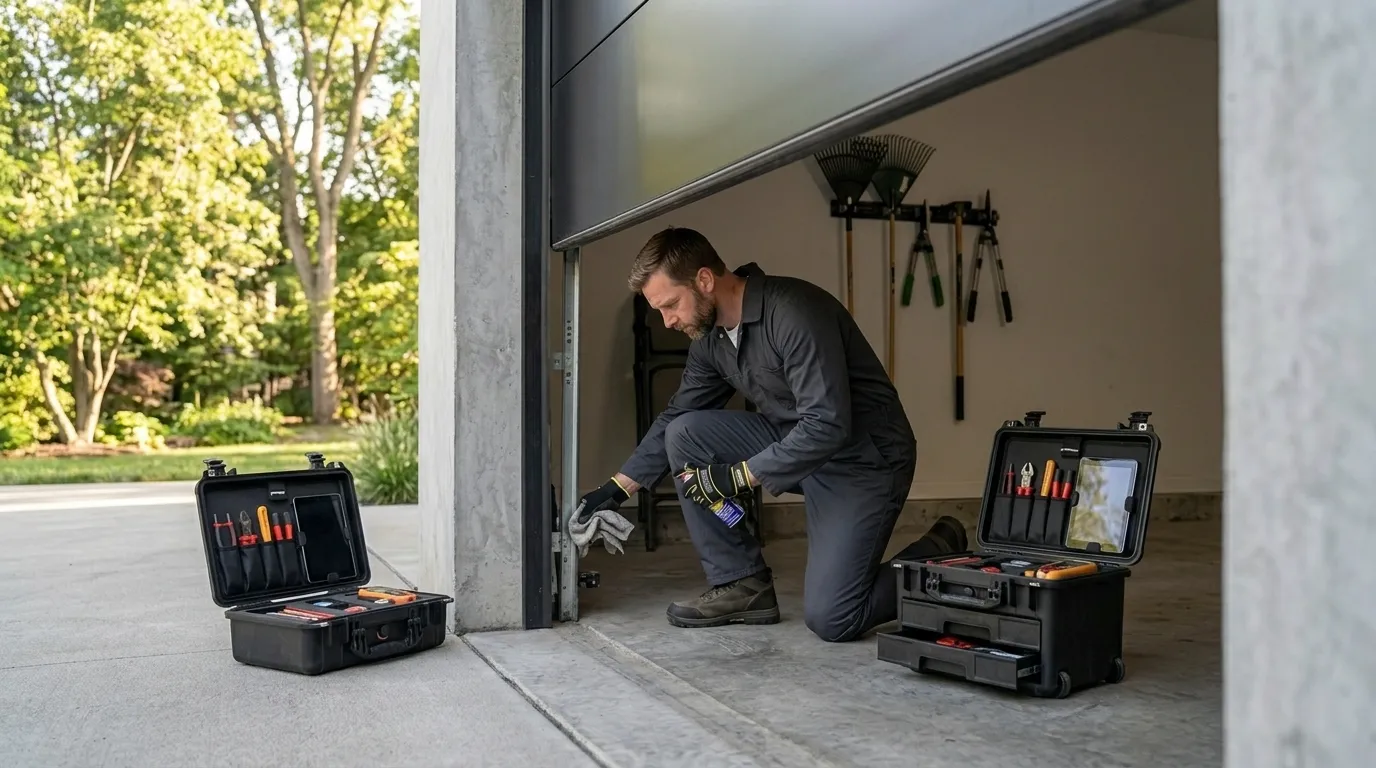
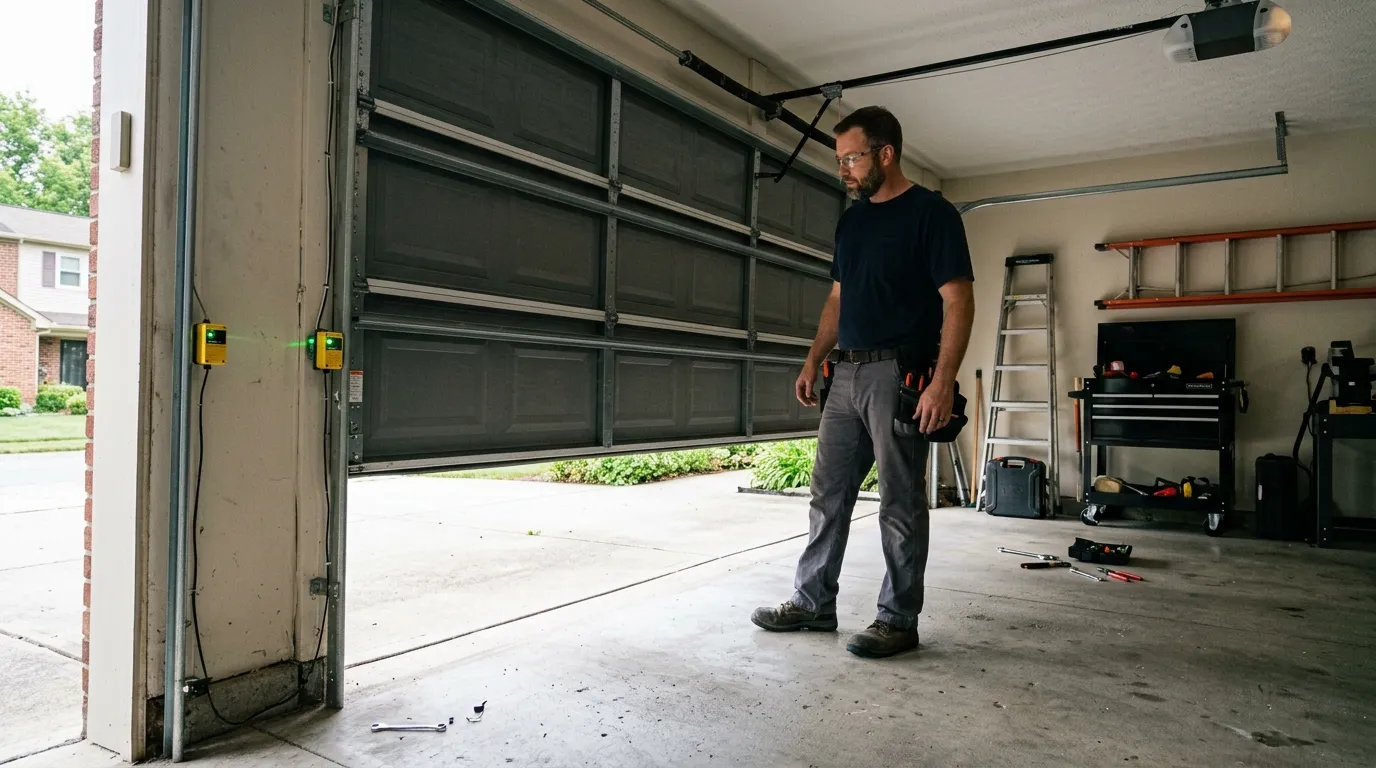
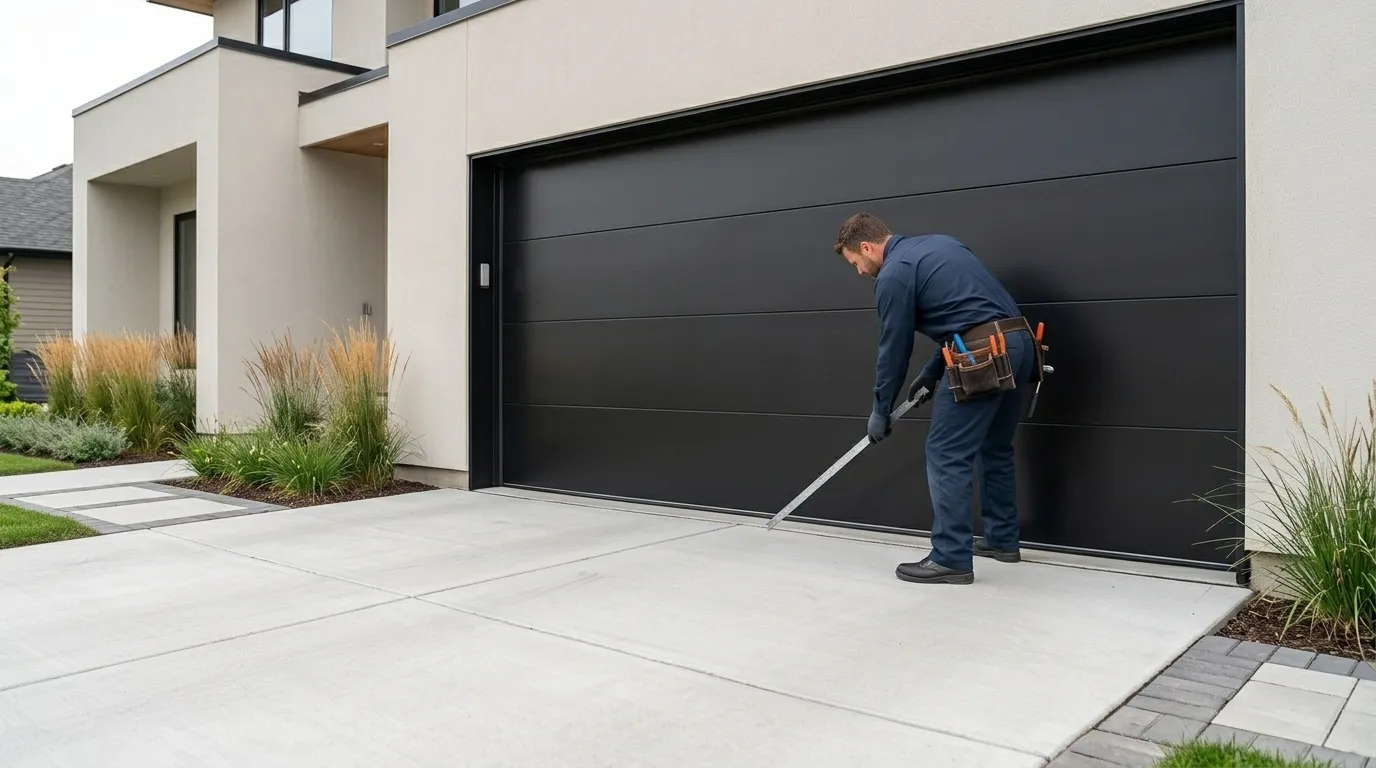
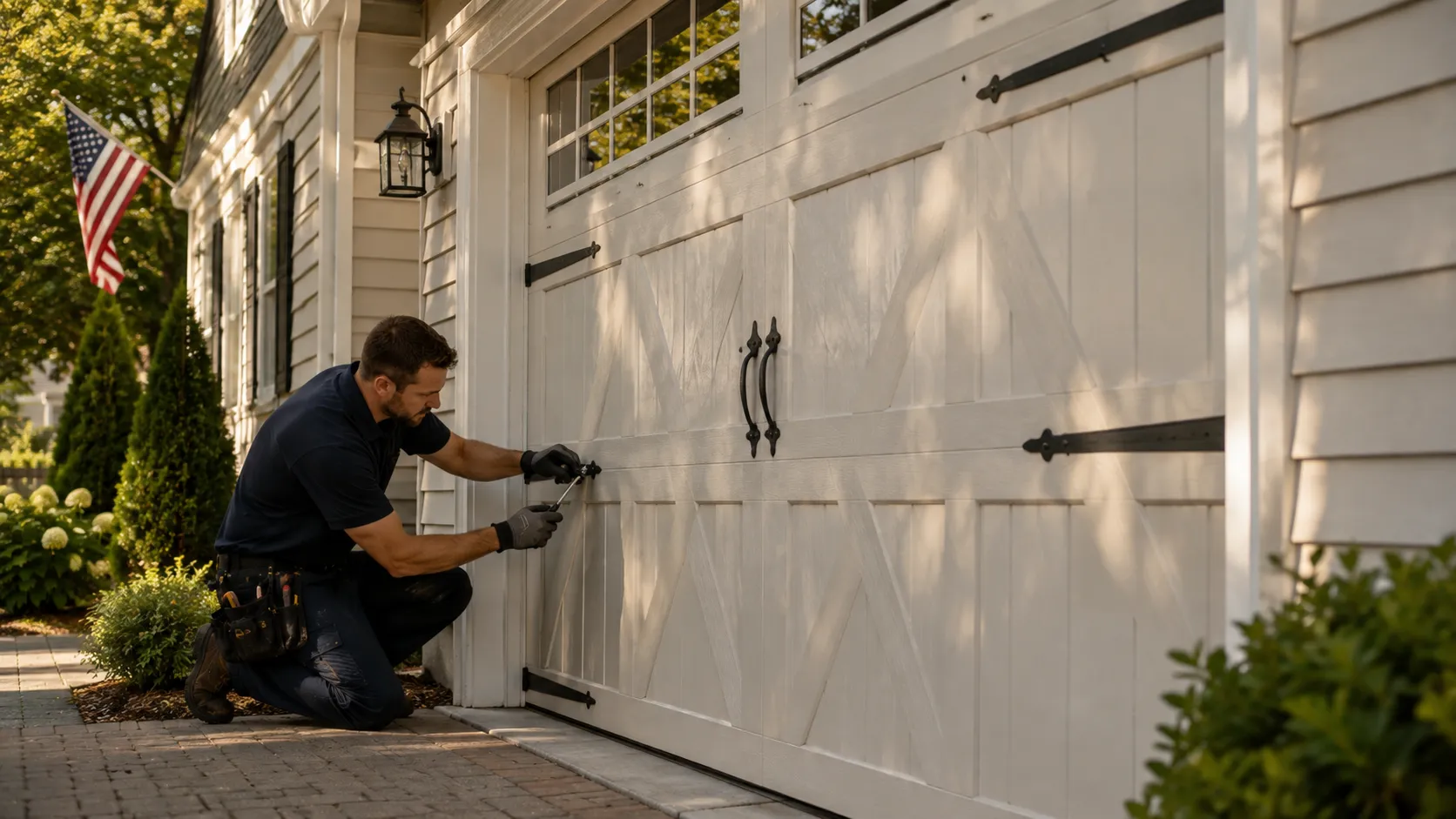
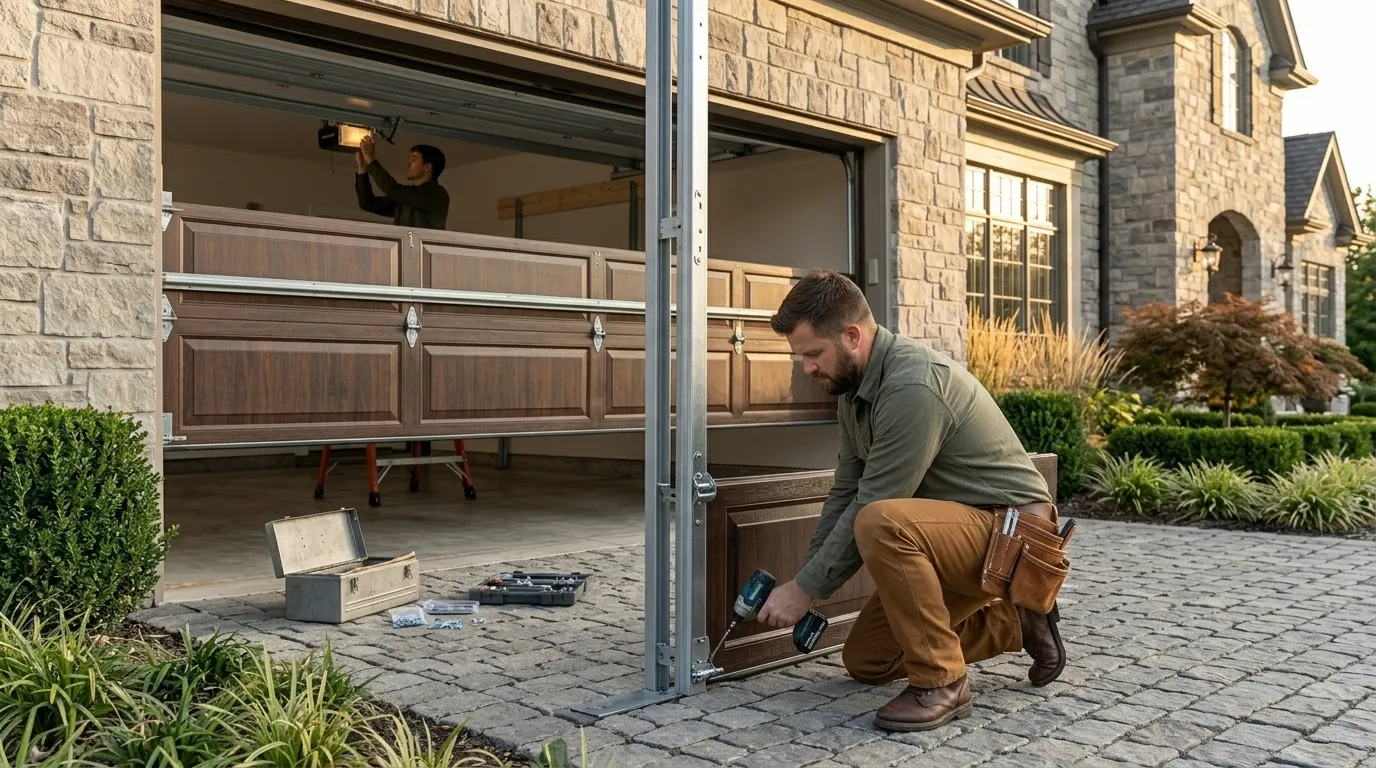
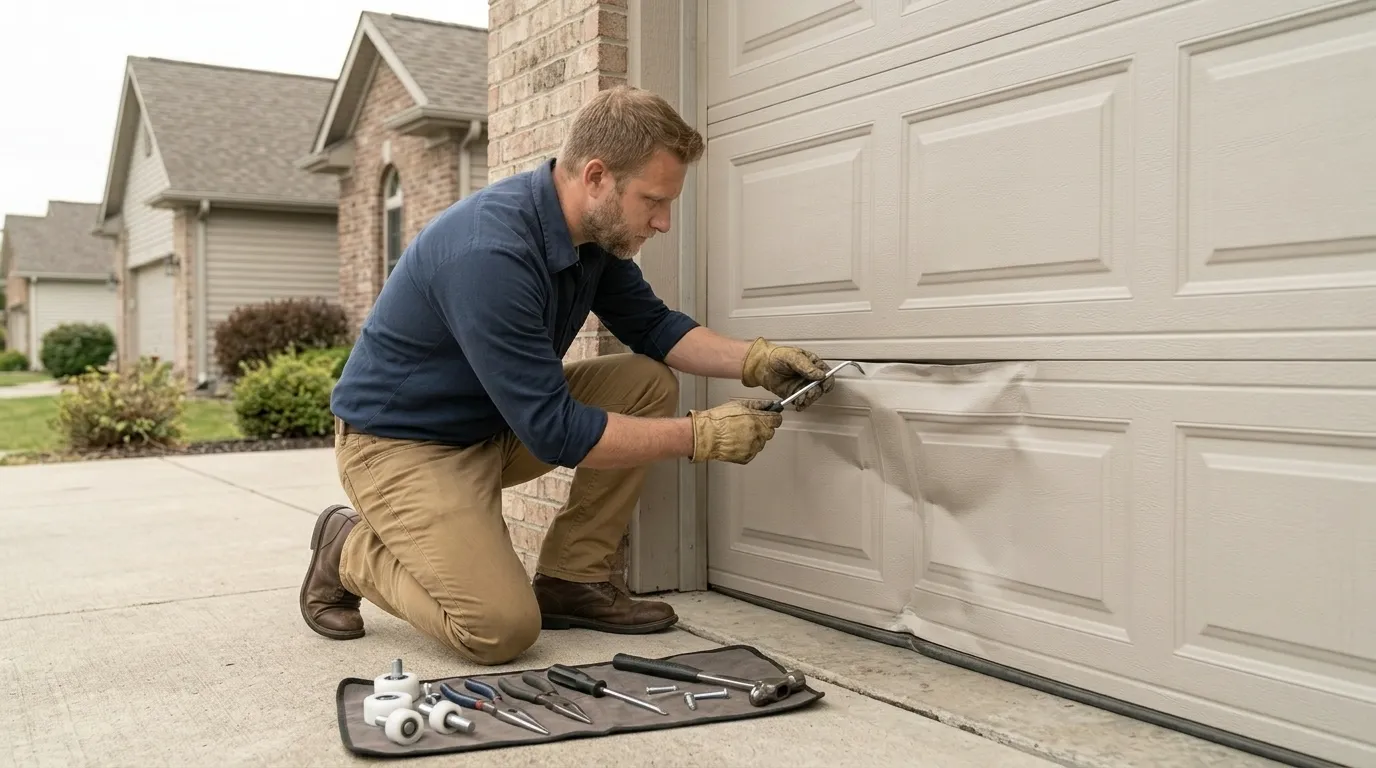
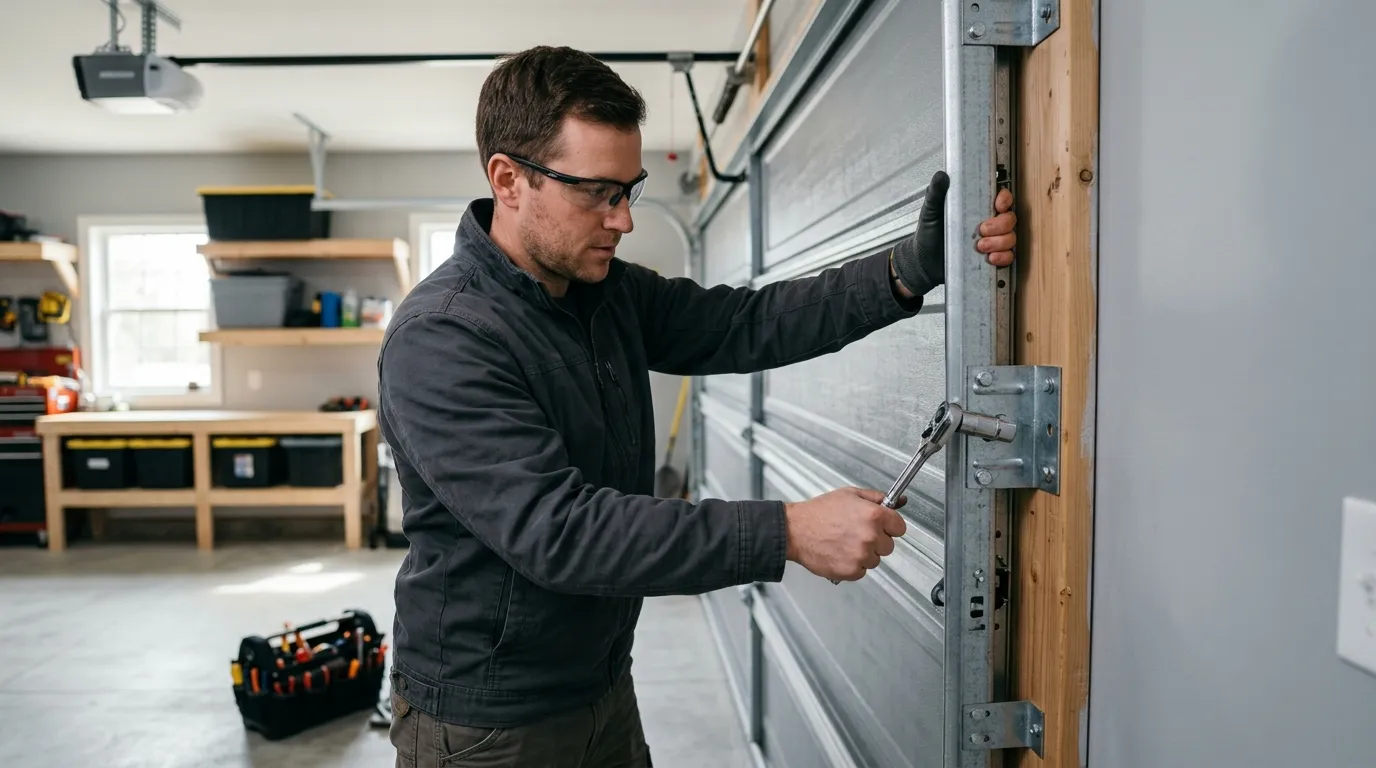
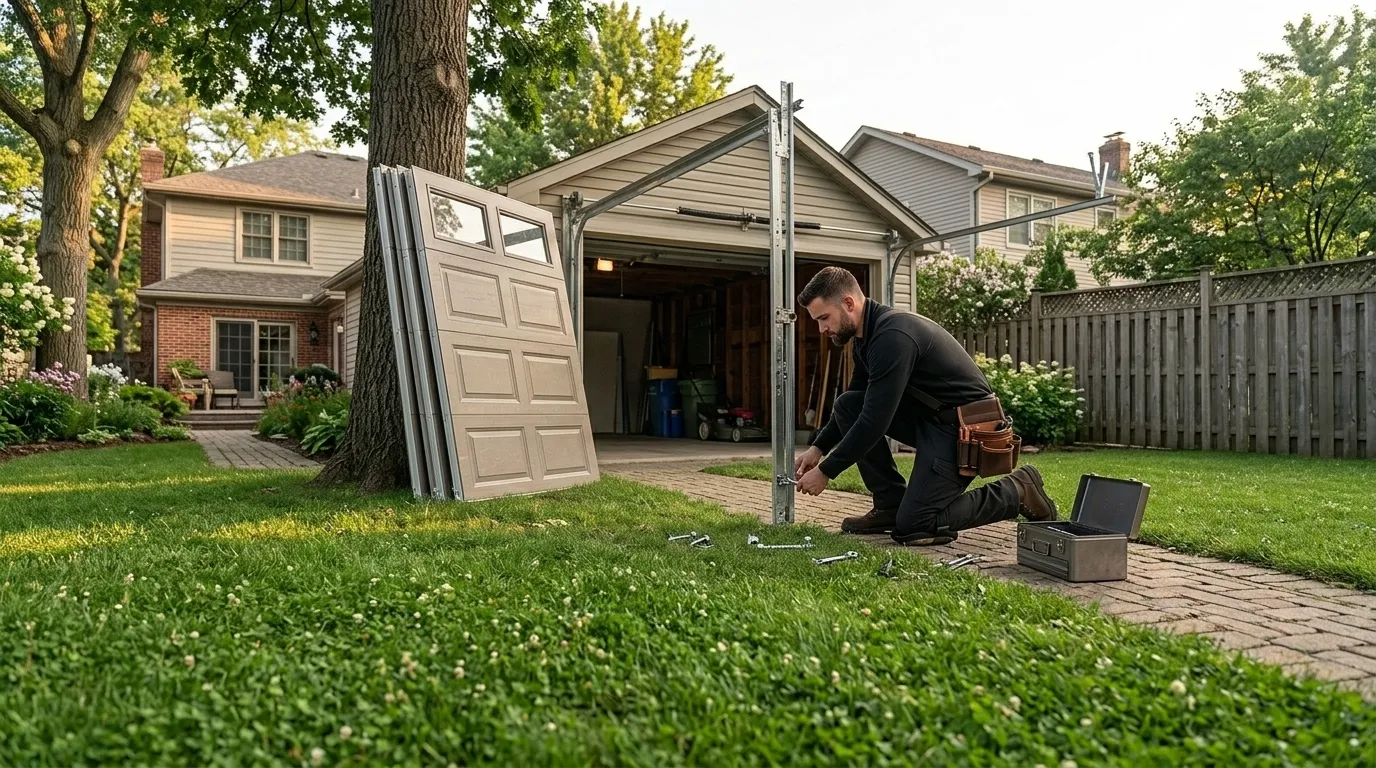
Hillside sits about 13 miles from our shop in Lincolnwood, and most of the calls we take from this area are for the same handful of problems. A torsion spring snaps on a cold morning and the door won't budge. An opener from the 1990s or early 2000s finally quits after years of use. Rollers wear grooves into a track that hasn't been serviced since the house was built. Because homes in this part of the county run older - median build year around 1960 - a lot of what we find is original hardware nobody makes anymore: single-piece doors on side-mount torsion, older extension spring setups, and openers wired for a garage that was never meant to hold a modern car. We also get calls for panel damage after a car backs into a door, and for cables that have frayed enough to be a safety problem before they actually break. None of this is exotic. It's what happens to garage doors that have been doing their job quietly for six decades.
What the Housing Means for Your Door
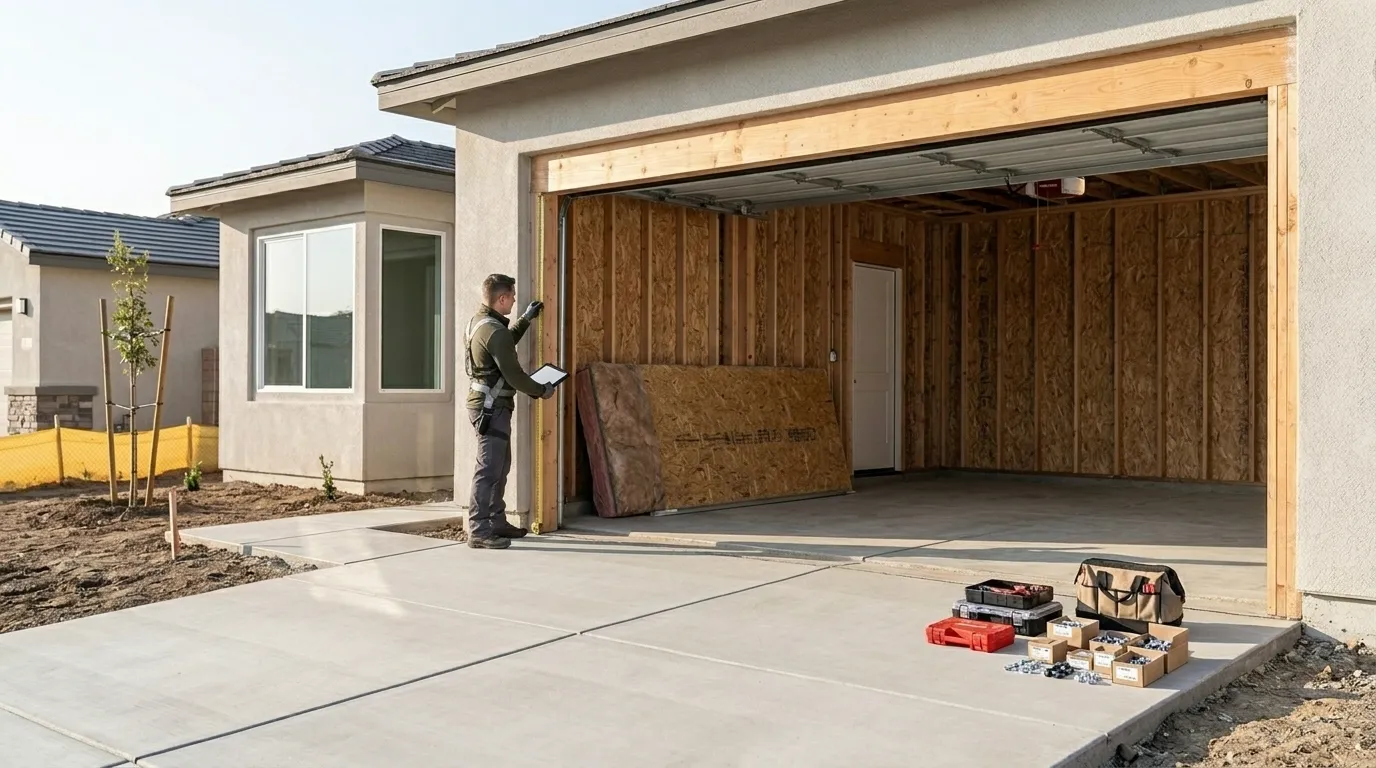
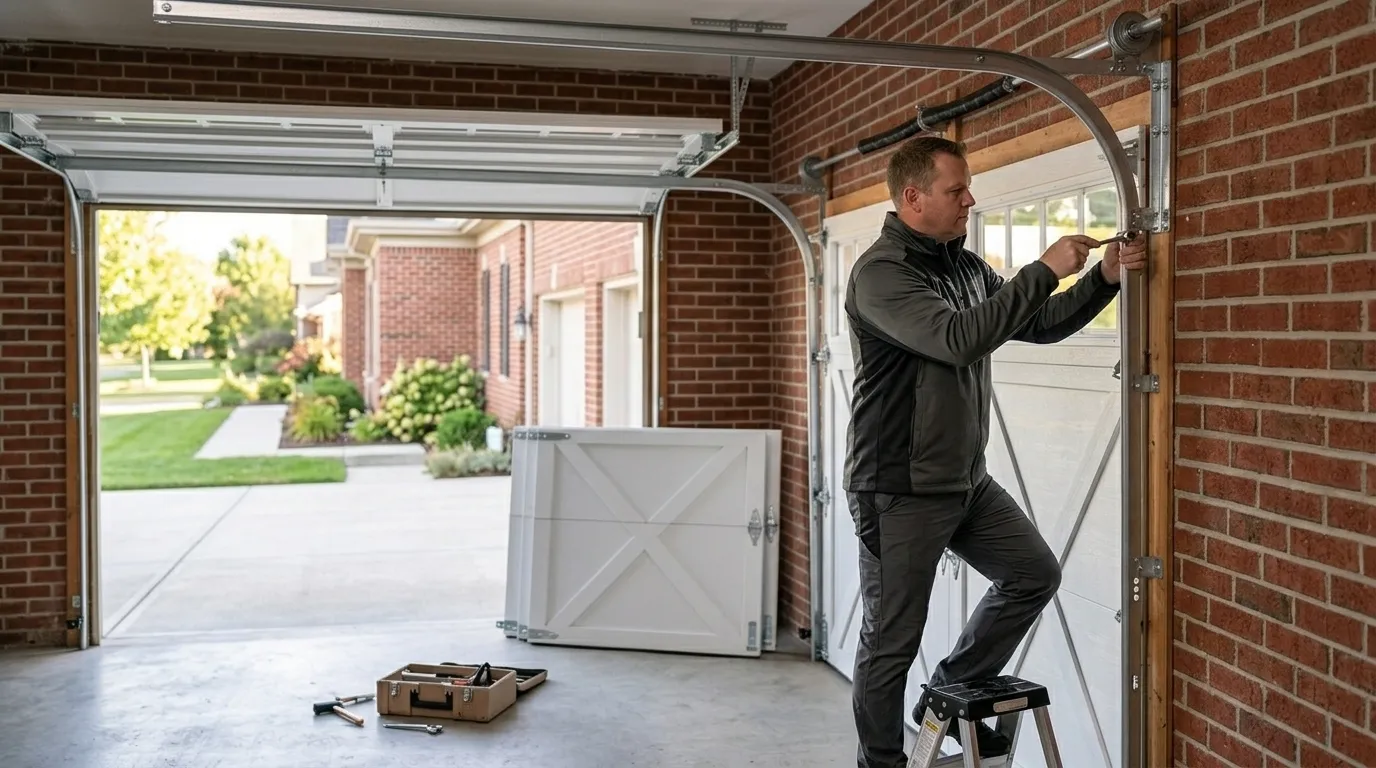
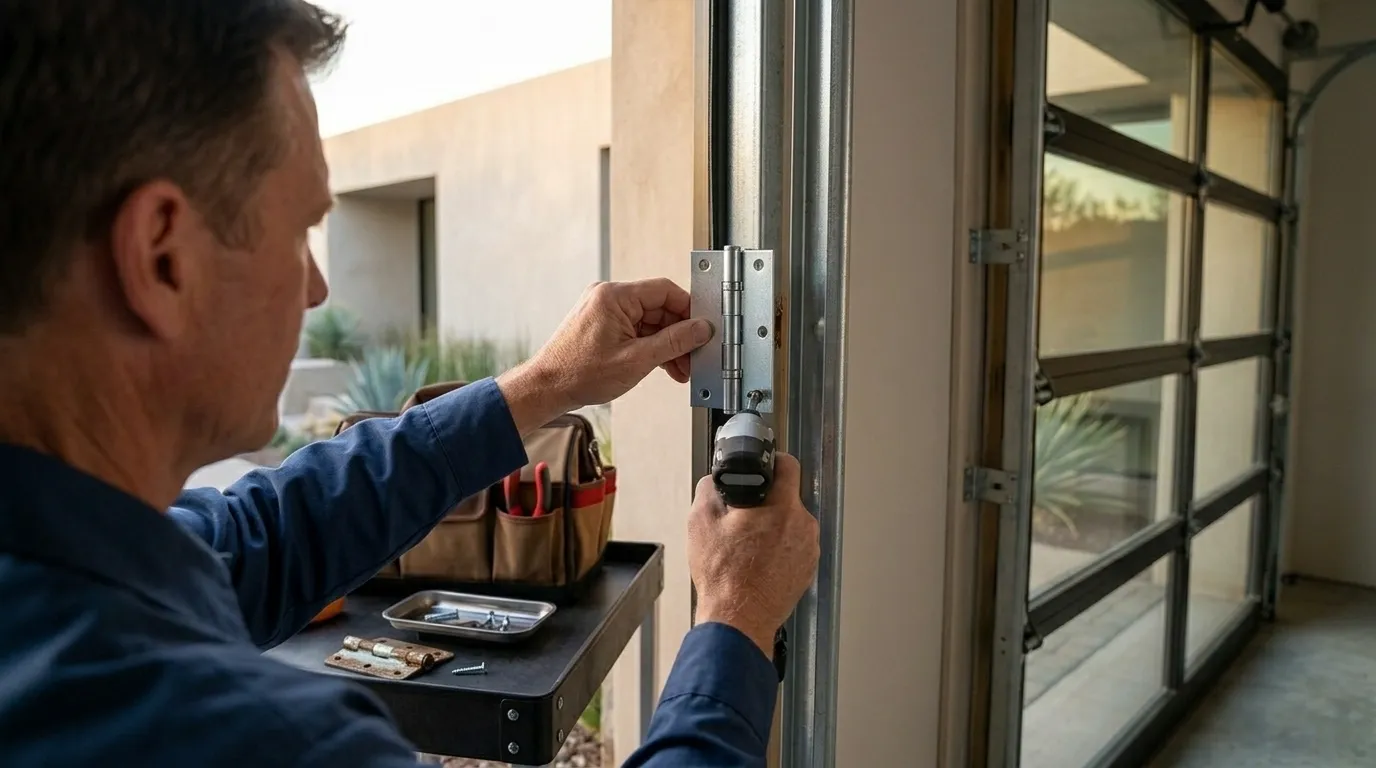
A house built around 1960 was framed for the doors and openers of that era, and that matters more than most homeowners expect. Older double doors in this area are frequently the heavier one-piece style, hung on hardware that predates the sectional doors and torsion springs sold today. That means spring sizing has to be figured by hand rather than pulled off a chart made for newer doors. It also means the wood jambs and header framing common in 1960s construction can be softer than what you'd find on a house built in the 1990s, so track brackets that have loosened over sixty years need real lag screws into solid wood, not just a quick tighten. The area sits in a cold climate zone, and repeated freeze-thaw cycles on original hardware speed up wear on cables, rollers, and spring anchors that were never built to be maintenance-free forever. None of this means a Hillside garage door is a lost cause - it means the repair has to account for what's actually behind the wall, not what a parts catalog assumes is there.
The Houses Here
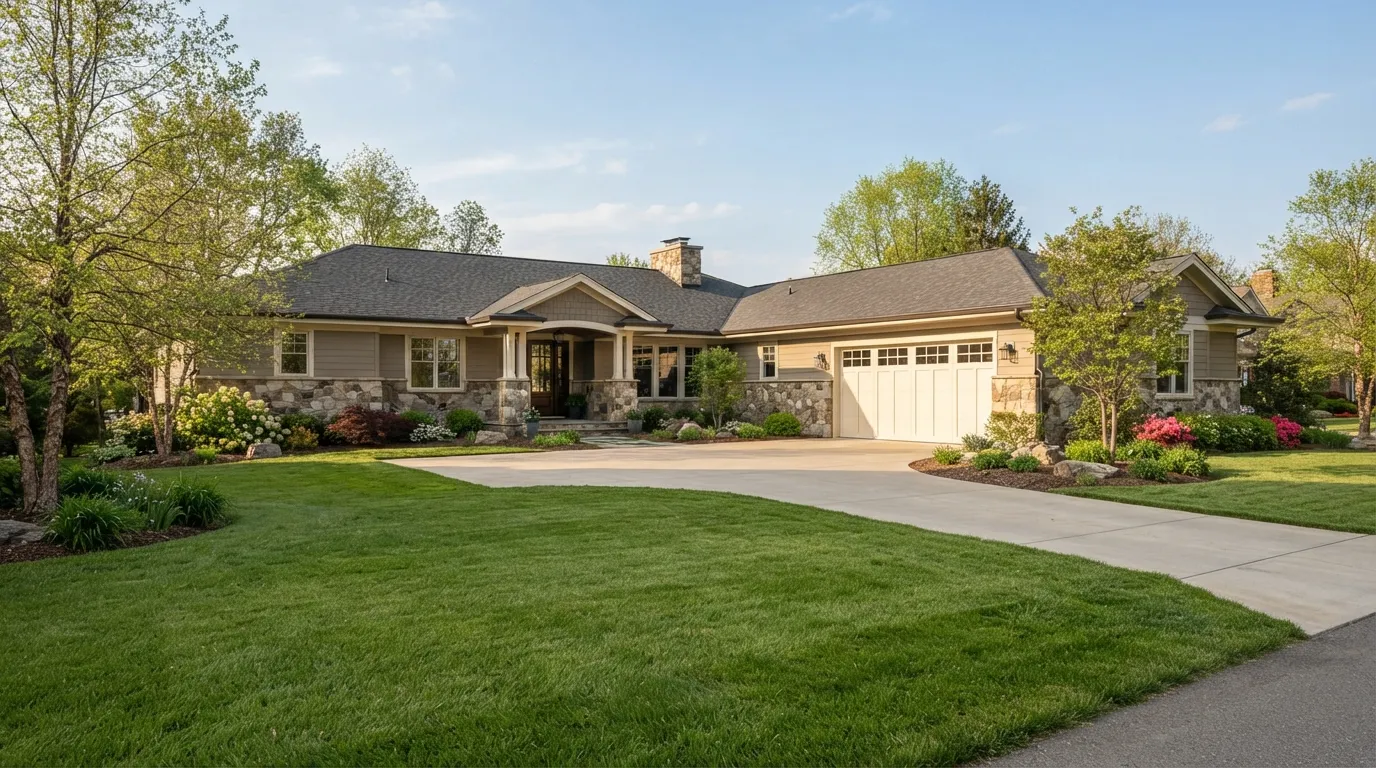
Hillside's housing stock lines up with the broader pattern across this part of the county - most of it built between 1938 and 1994, with the bulk from the 1960s and 70s, and a local median close to 1960. That's an important detail because a garage door installed when a house was new is often still the same door, or close to it, especially on doors that don't see daily heavy use. With roughly 3,050 households in the area and a median household income around $70,772 - lower than the wider service area's median near $99,861 - a lot of the calls we get are about getting more life out of what's already installed rather than jumping straight to full replacement. That's usually the right call on a door that's structurally sound: a new spring set, updated cables, and a properly adjusted opener can carry a 1960s door another couple decades. When the wood has warped or the panels have delaminated past the point of a clean fix, we'll tell you that too.