What People Here Ring About
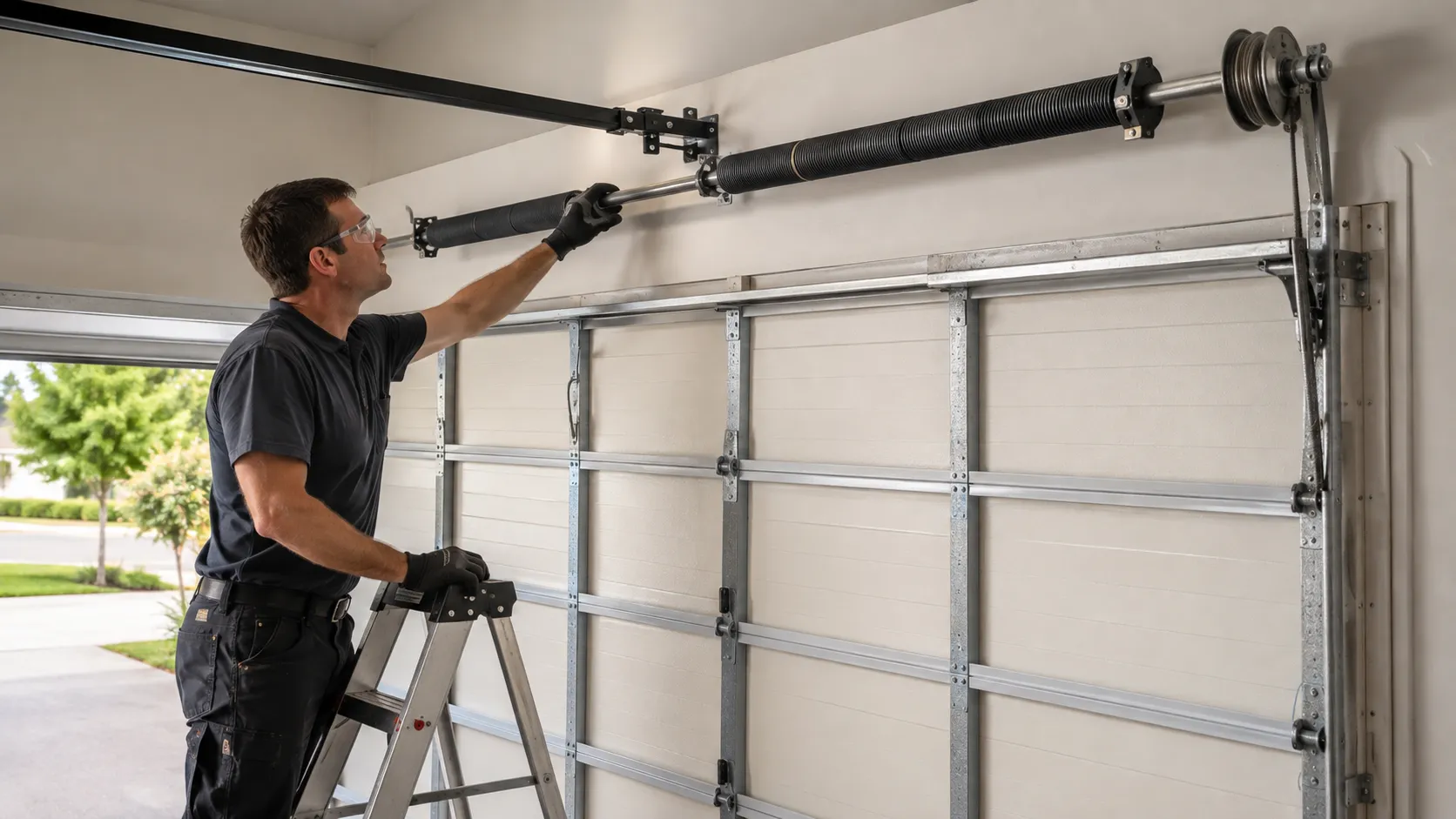
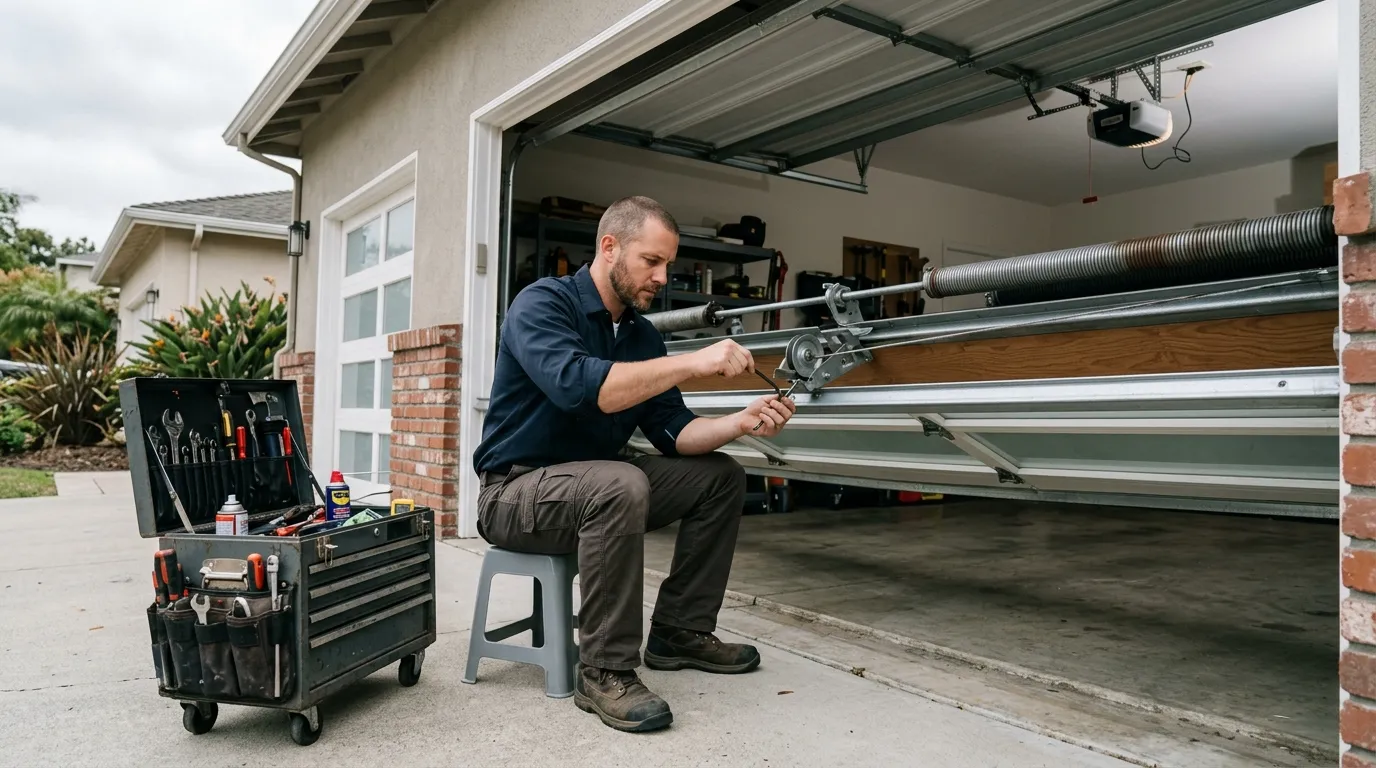
Highwood sits 14 miles out from our Lincolnwood shop, and most of the calls we get from this side of the map are about the same handful of things: a torsion spring that finally gave out after decades on the same door, an opener that grinds instead of lifts, or a track that's pulled loose from a wall that was never framed for anything heavier than the original door. With only about 1,937 households in the area, it's a small enough pocket that the housing pattern is consistent - you don't get the mix of eras you'd see in a bigger suburb. That consistency actually makes diagnosis faster on our end, because we know roughly what we're going to find before the truck is even parked.
We also hear from people who've had a newer opener installed on an old door and are surprised when it doesn't fix the noise. The opener was never the problem - the hardware underneath it was.
What the Housing Means for Your Door
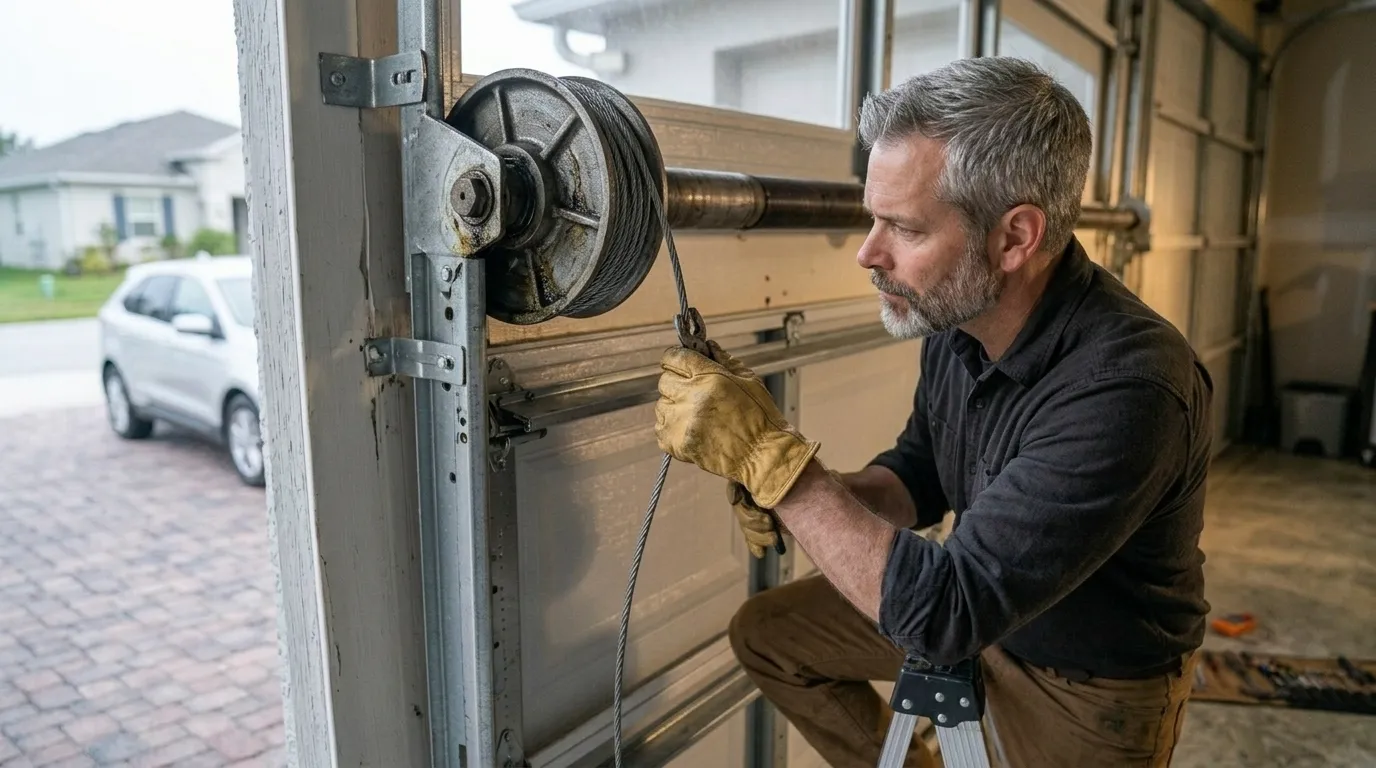
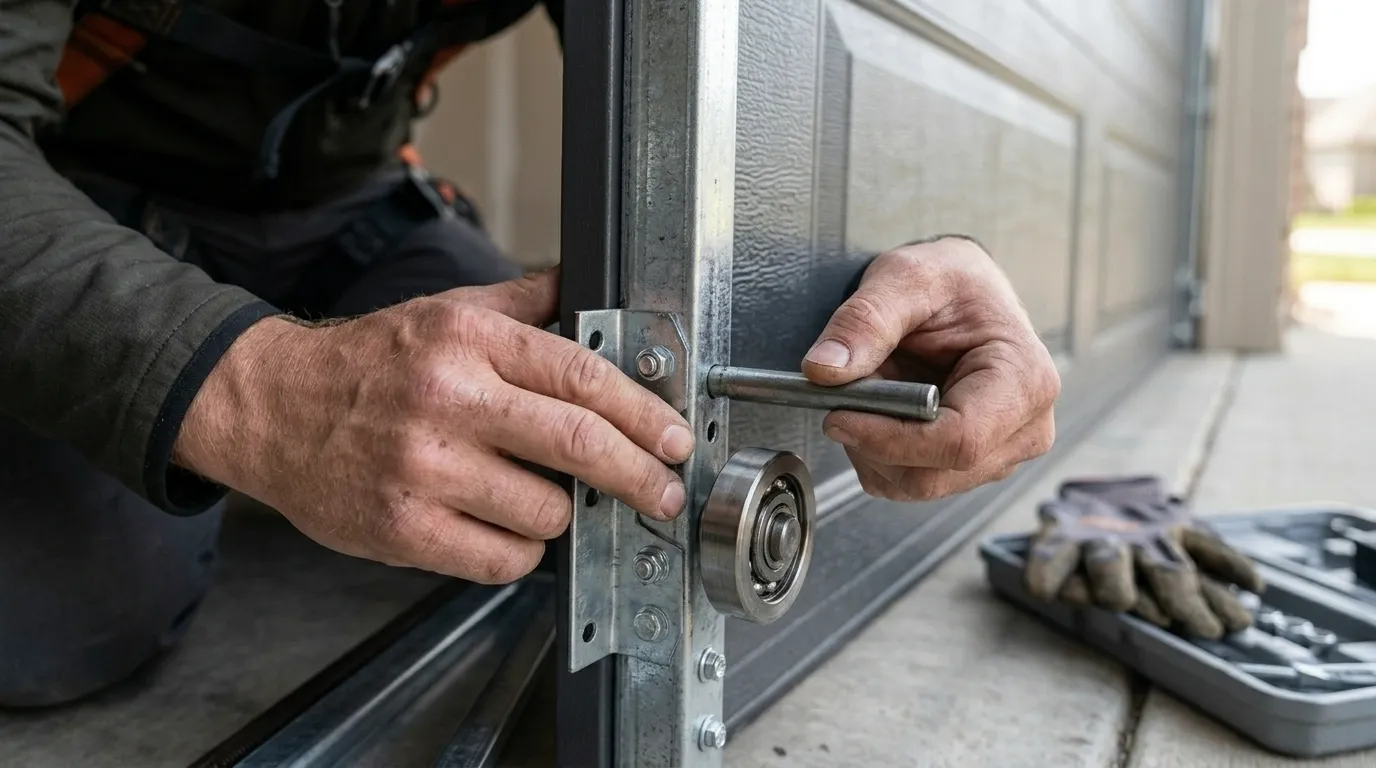
The median build year here is 1958, a few years earlier than much of the wider service area, which runs closer to 1961. That gap matters more than it sounds like. Doors and openers installed on houses from this stretch of the late 1950s are often on their second or third opener already, but still riding the original track brackets and jamb hardware, sized for a single-car door that's narrower and lighter than what gets built today. Springs on these setups tend to be undersized by modern standards once you account for decades of wear, and the drums and cables are frequently a non-standard pitch that newer parts don't match without adapting.
Homeowners with median incomes around $101,862 in this area are often willing to pay for a proper fix rather than a patch, which is the right call here - a mismatched replacement spring on this era of hardware causes more callbacks than almost anything else we deal with. If your door is original to a 1950s build, tell us that up front. It changes what we bring off the truck.
The Houses Here
Across the broader service area, housing runs from 1938 to 1994 with a median around 1961, and Highwood's own median of 1958 puts it right at the older end of that range. That's consistent with a lot of the named communities nearby in the 1960s-70s stock band, but Highwood's homes are, on average, a touch earlier - which is why we see more original one-piece and early sectional doors here than in some of the areas further south.
The area sits in a cold, moderate climate band, which over sixty-plus years does real work on steel tracks and spring coatings even without any single dramatic event to point to - it's cumulative rust and metal fatigue, not one bad winter. With 104,270 households and 52,848 owner-occupied houses across the full service territory, Highwood is a small slice, but it's a fairly uniform one, and that uniformity is what lets us walk in already knowing what kind of hardware we're likely dealing with.