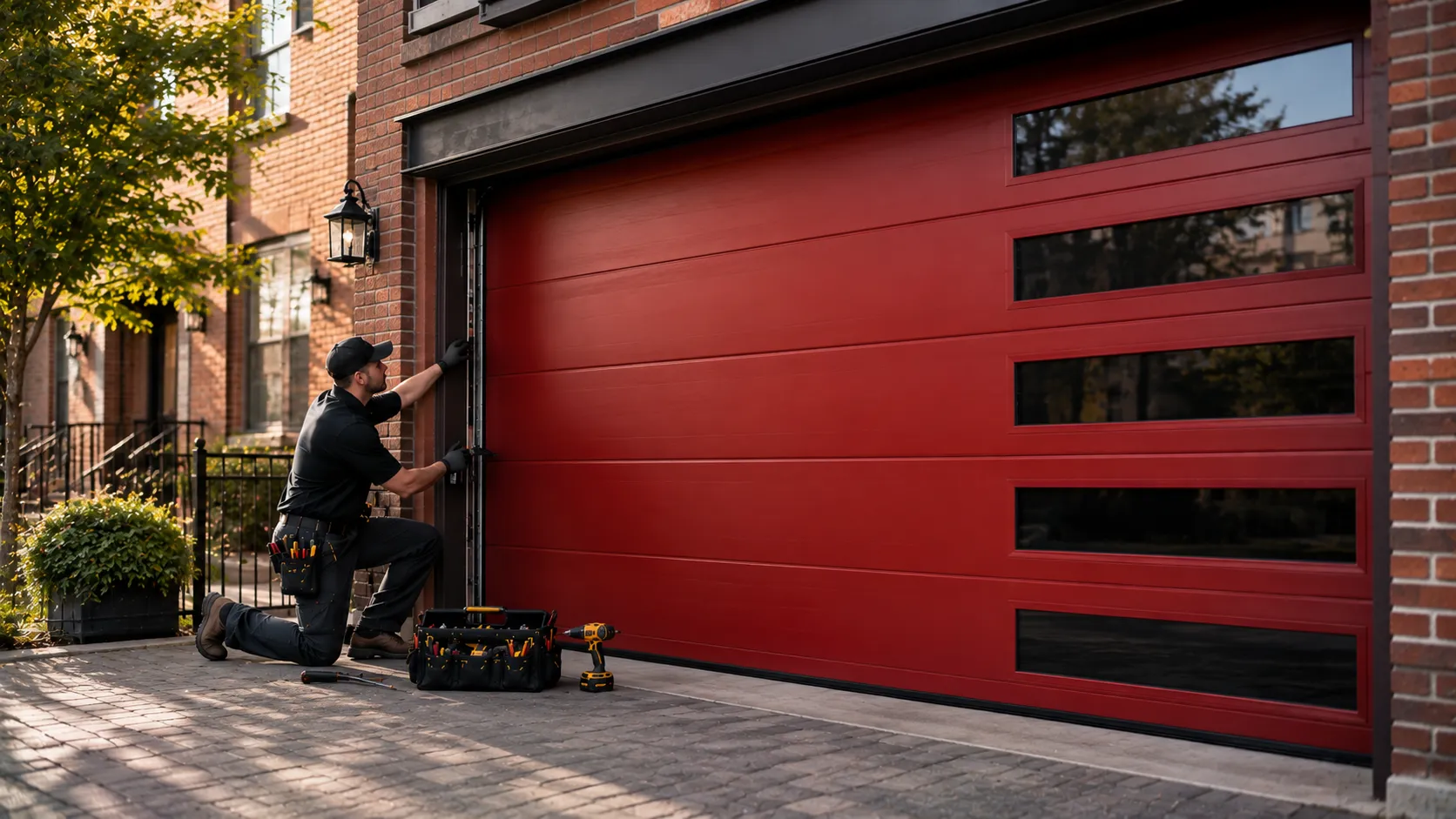
What People Here Ring About
Harwood Heights sits about 5 miles from our Lincolnwood shop, and most of the calls we get from this pocket follow a pattern tied to when the houses went up. The median build year here is 1967, a few years later than the 1961 median across our whole coverage area. That six-year gap sounds small until you're standing in front of the hardware. A house built in 1967 usually has a garage that was framed for a single door opener installed after the fact, not wired in from the start - which means the electrical run to the opener is often an add-on, tucked along a joist, and it's the first thing that fails when a homeowner adds a second circuit for a freezer or a workbench.
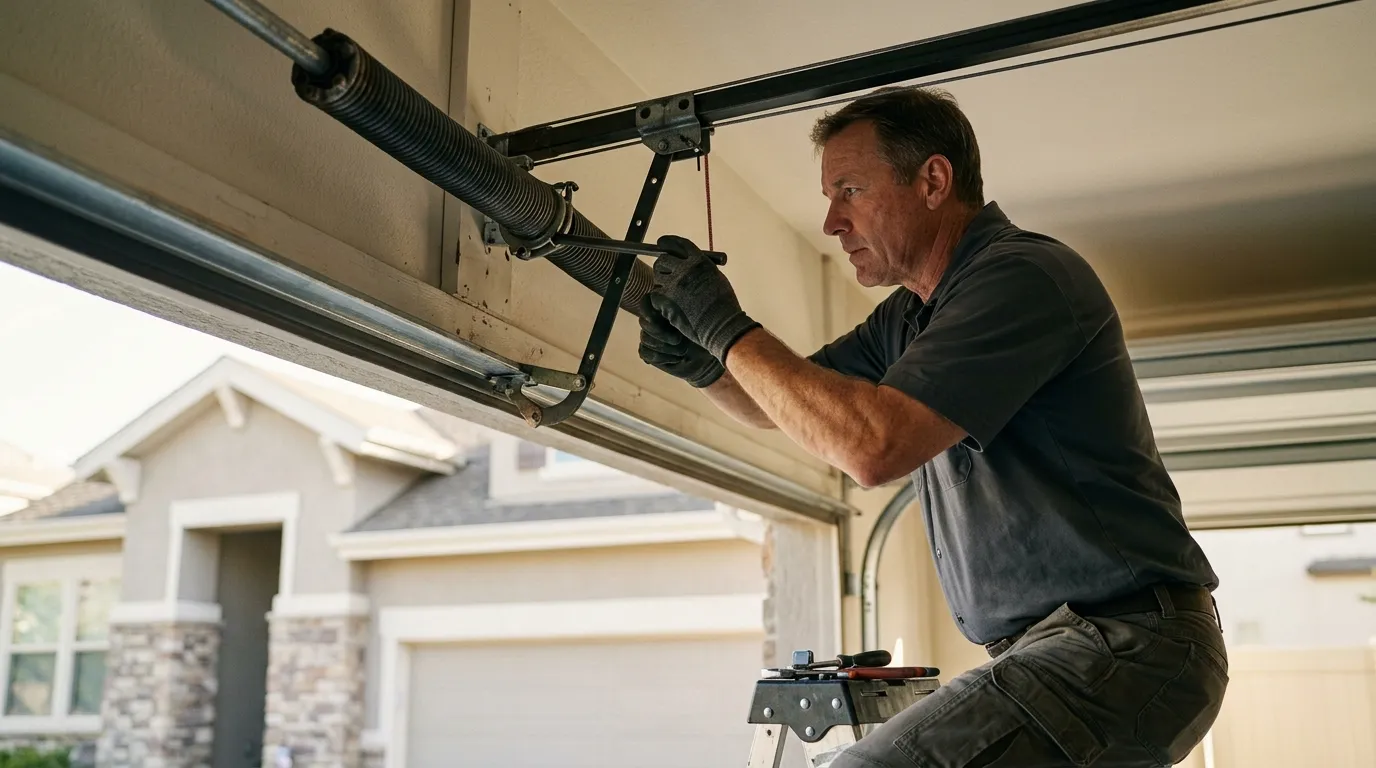
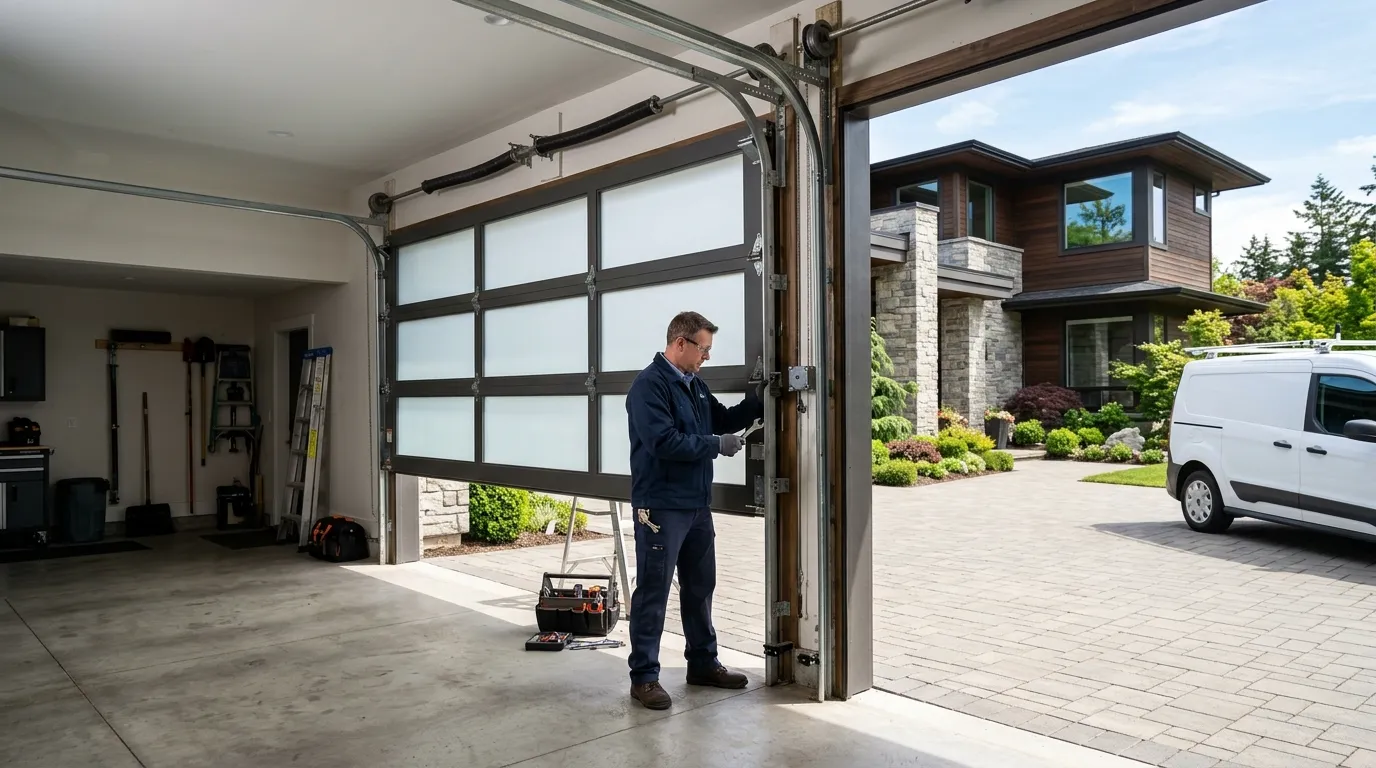
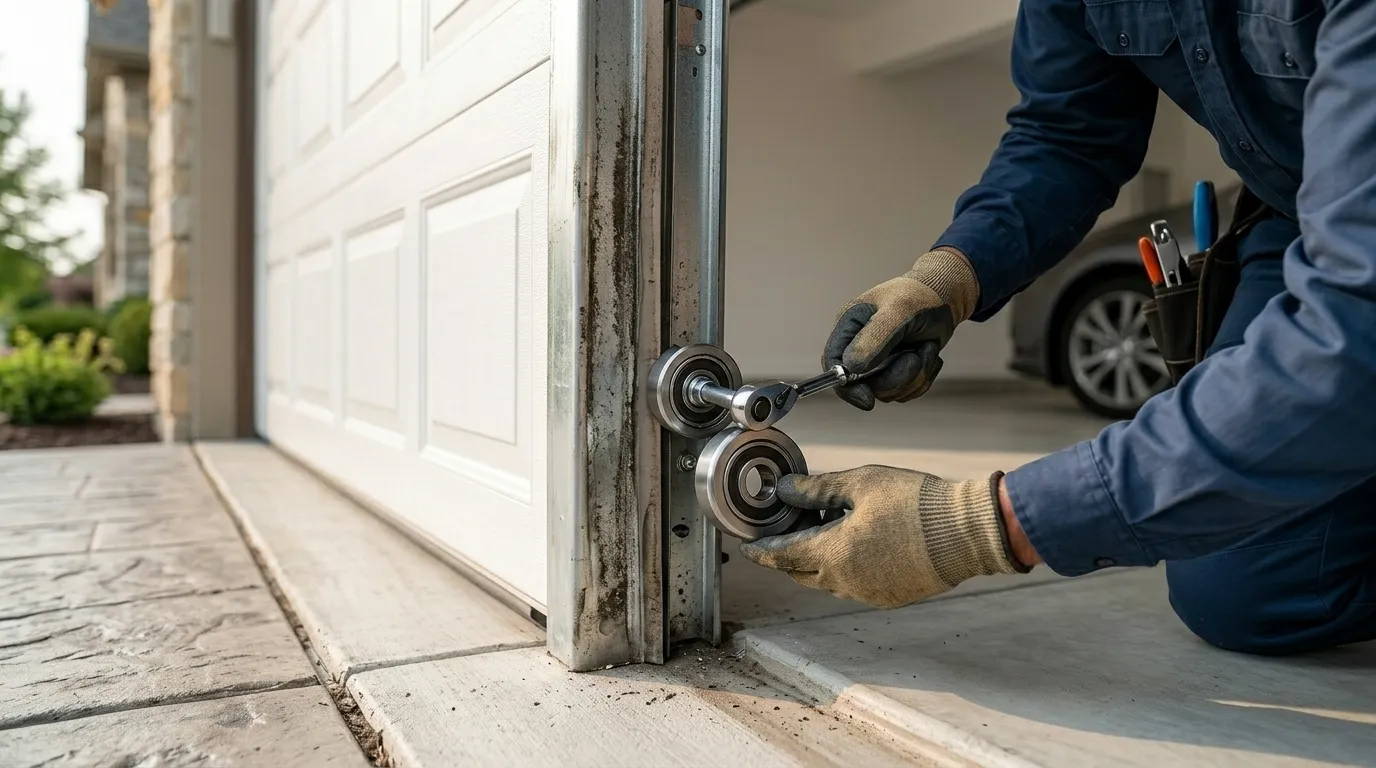
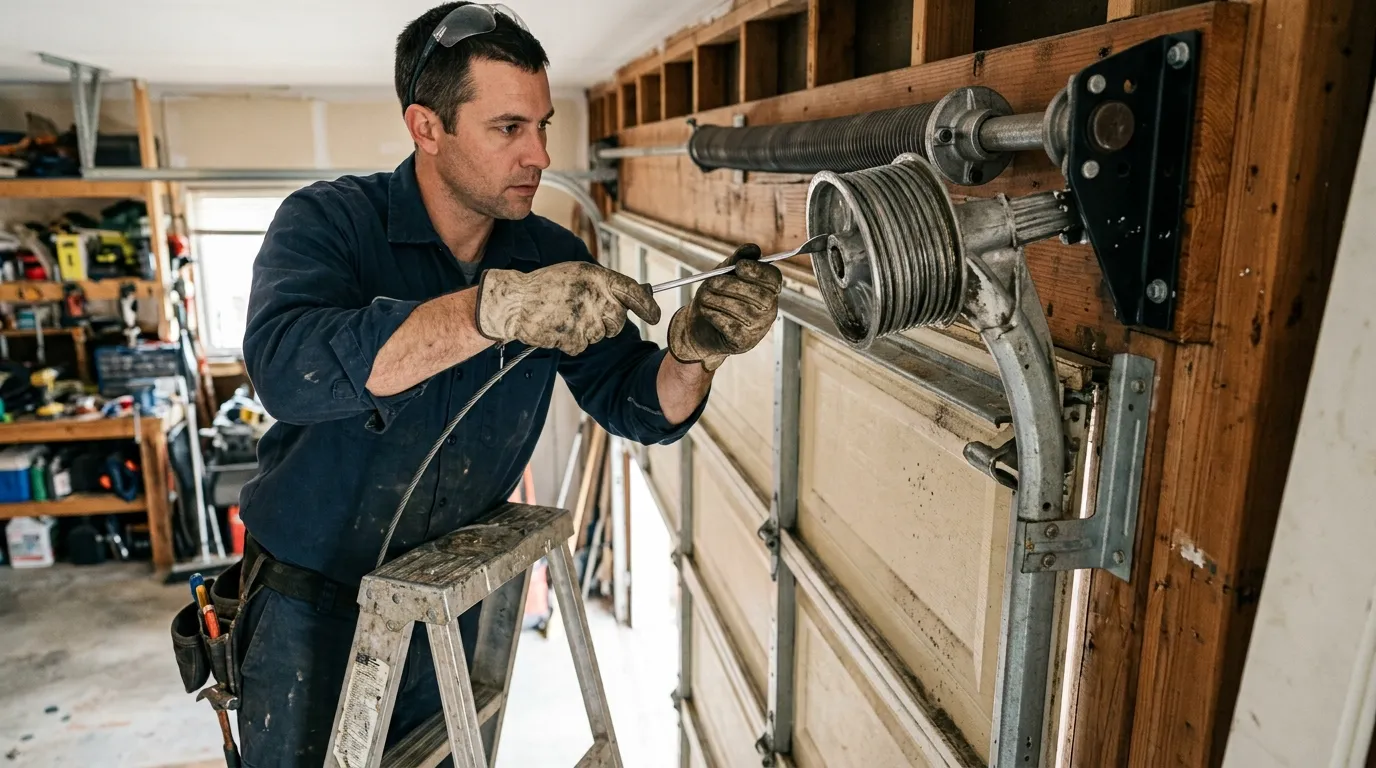
We also see a lot of torsion springs original to a 1960s install, past the point where they've got any life left, and openers with chain drives that were mid-market when new construction slowed down through the area in the '70s. None of that is unique to one street - it's what you get when a whole neighborhood gets built in a tight window. The fix usually isn't complicated, but it's rarely a five-minute job because the parts and mounts don't always match what's on the shelf today.
What the Housing Means for Your Door
At 1967, Harwood Heights homes tend to have wider single-car or modest double garages built to the code and framing standards of that decade, not the taller openings you see in newer subdivisions. That means standard-height doors, and it means the track and header hardware was sized for lighter doors than what's commonly sold today - steel doors with added insulation are heavier, and swapping one in without checking the spring rating is how you end up with a door that slams down instead of easing.
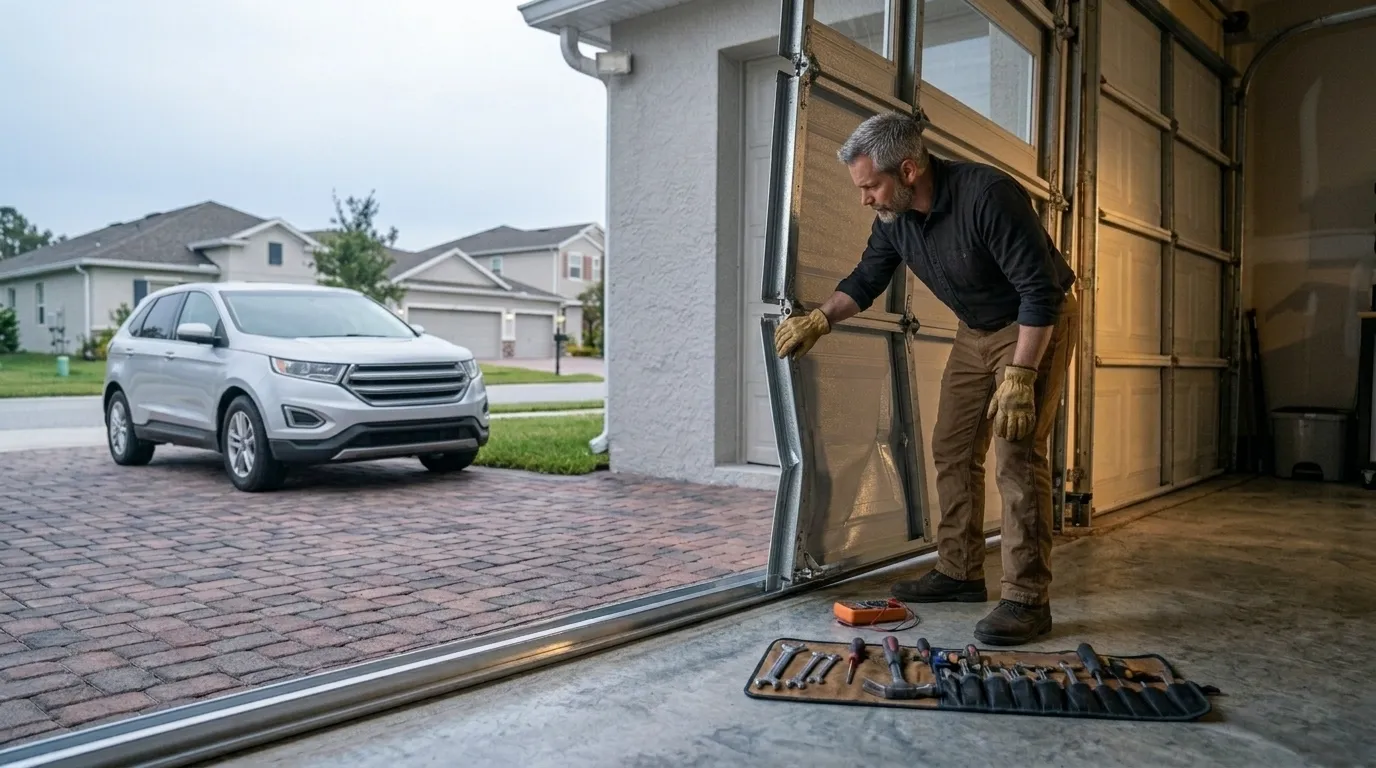
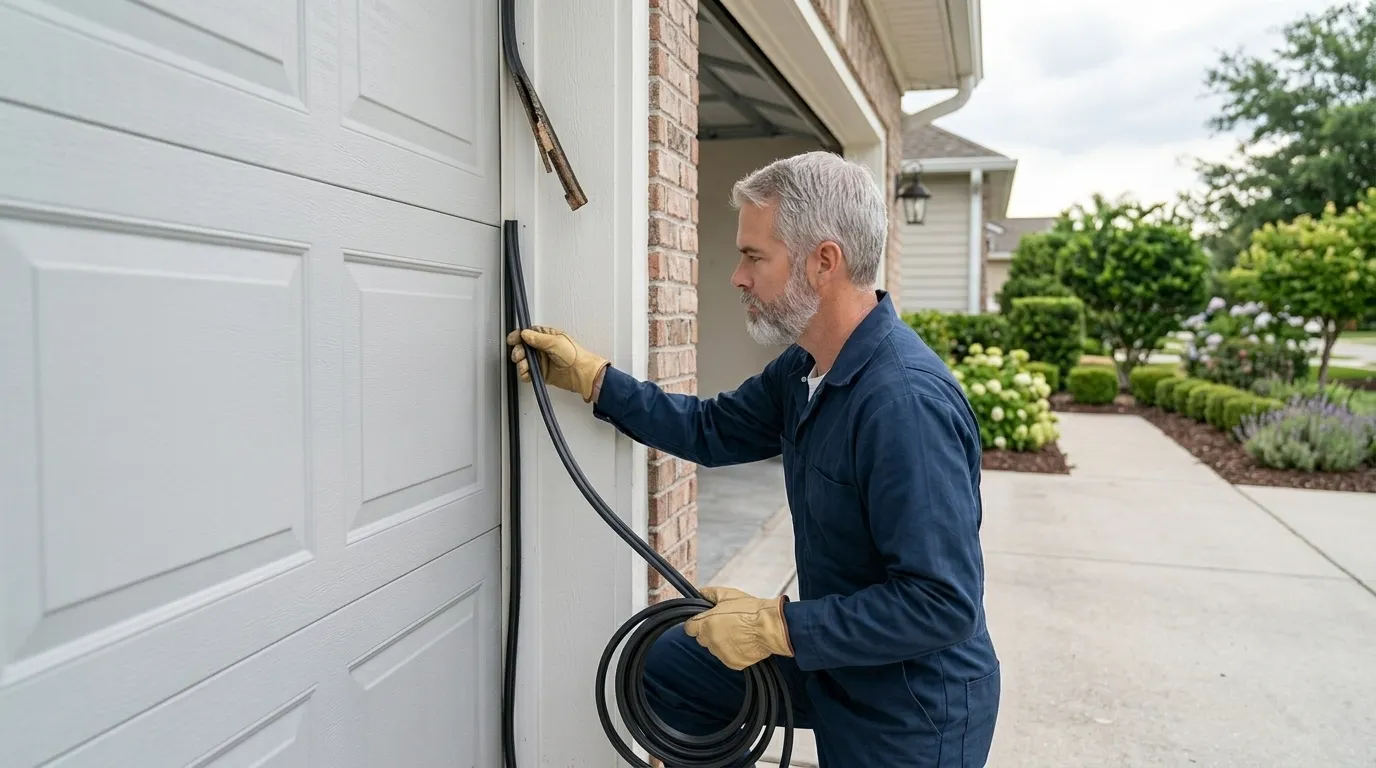
The area falls in a cold-moderate climate band, and houses from this build era weren't always given the same weatherstripping standards you'd spec for a new install now. We see brittle bottom seals and gaps at the header more often on doors from this vintage, especially where the original wood jamb has shifted a little over the decades. None of this is dramatic - it's just what 50-plus-year-old garages do. If your door still has its original springs and it was installed anywhere near 1967, that spring is well past when it should've been replaced, regardless of whether it's failed yet.
The Houses Here
Harwood Heights has roughly 3,582 households, and the median income in the area sits at $79,651 - noticeably below the $99,861 median across our broader service footprint. That gap tends to show up in how people approach a garage door repair: fewer full-door replacements on a whim, more calls asking whether a spring or a roller can be fixed instead of swapped for a whole new unit. That's often the right call - a torsion spring replacement on a door that's otherwise sound is usually the better spend than a full teardown.
Across our wider area we cover 52,848 owner-occupied houses out of 104,270 households total, spanning housing built between 1938 and 1994. Harwood Heights, at a 1967 median build year, sits toward the newer half of that range, which is part of why we see fewer of the oldest wood-jamb, single-panel doors here than in some of the areas closer to the 1938 end. It's an older-but-not-oldest slice of the map, and the doors reflect it.