What People Here Ring About
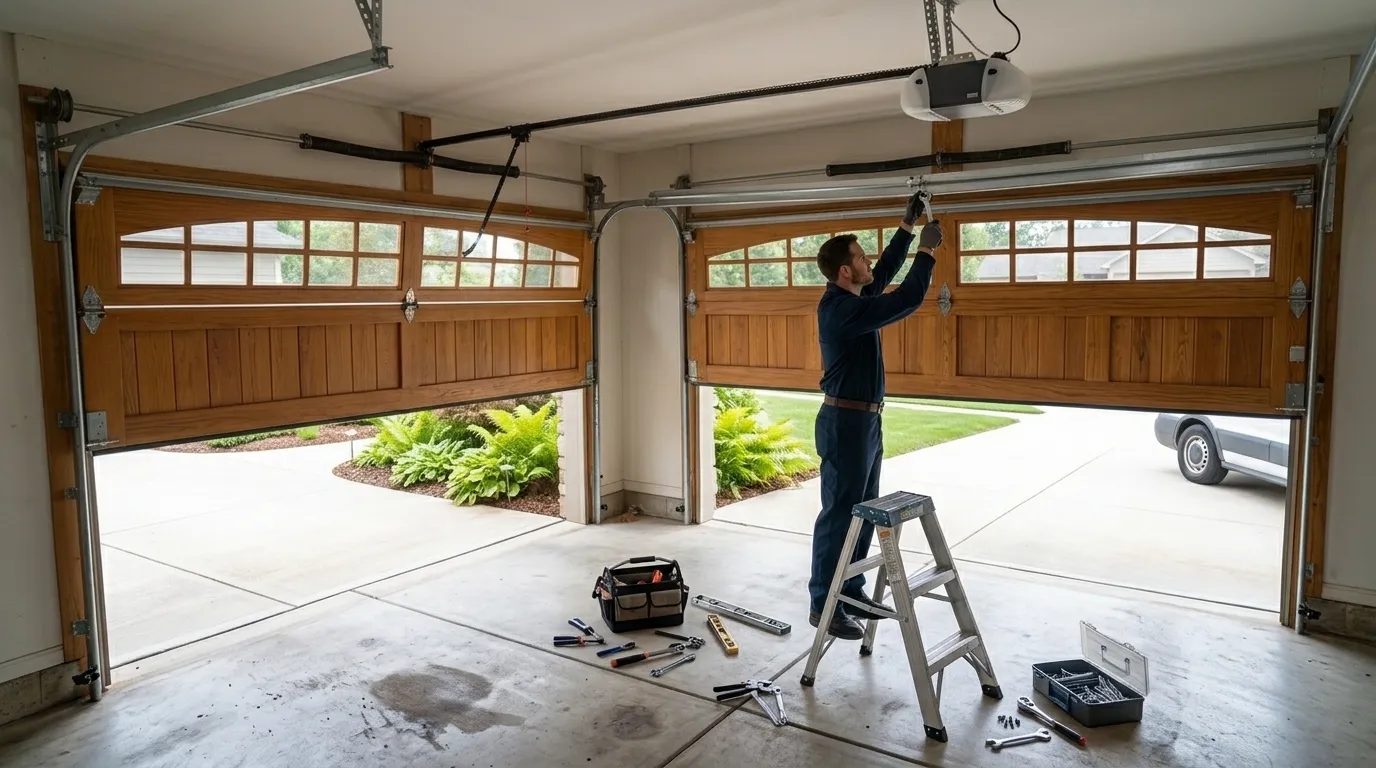
Golf is a small pocket, just under 200 households, and the calls we get from here tend to cluster around openers rather than raw hardware failure. A house built in 1965 usually got a garage door and opener that were replaced at least once by the 1990s, so what we're often looking at is a second- or third-generation opener bolted onto a door track that's never been touched. That mismatch is where the trouble starts: a newer opener forcing a worn 1960s track, or a chain drive straining against rollers that were never swapped out. We also hear about noisy operation more than dead-stop failures here, which tracks with a system that's been patched piecemeal over sixty years instead of replaced wholesale. Median household income in Golf runs well above the wider area, and it shows in the calls - people here tend to phone before something breaks outright, wanting a noise or a slow close checked rather than waiting for a spring to let go in the driveway.
What the Housing Means for Your Door
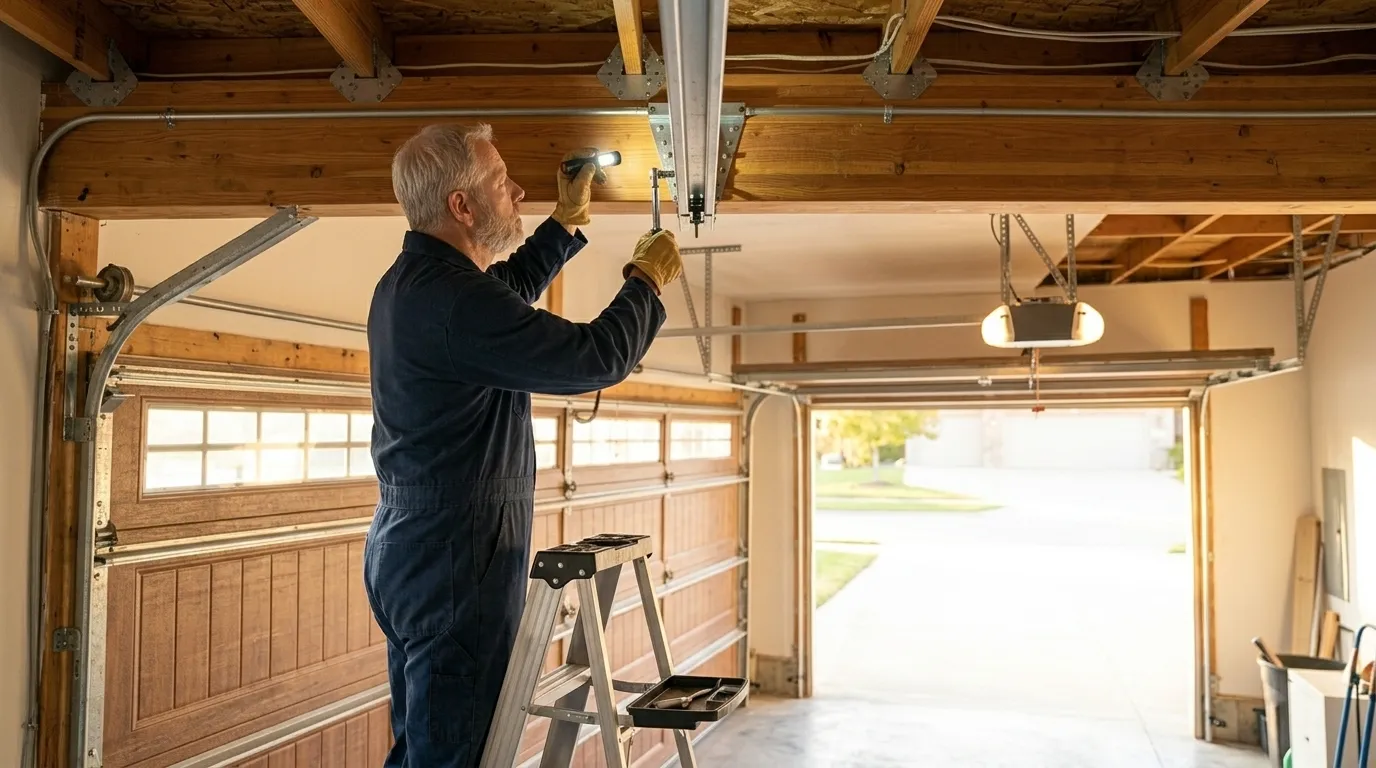
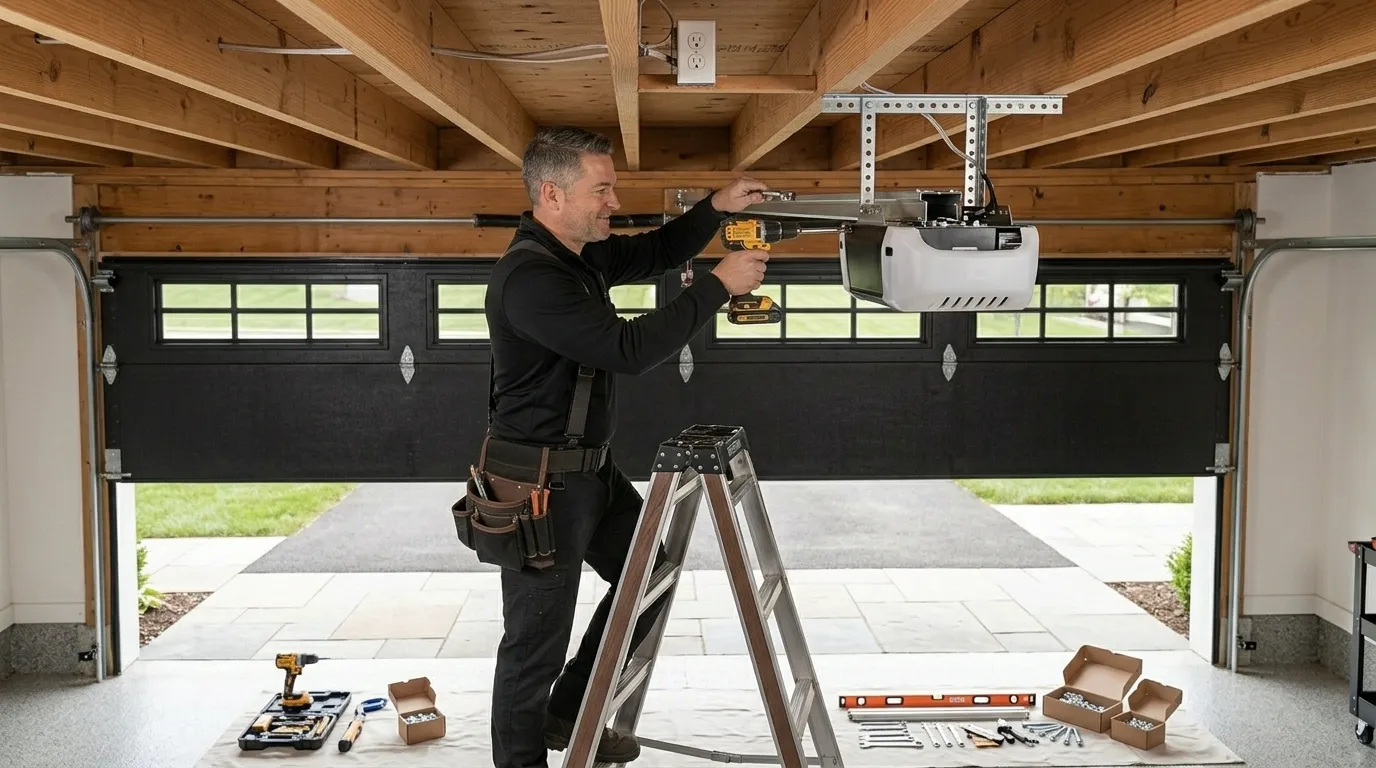
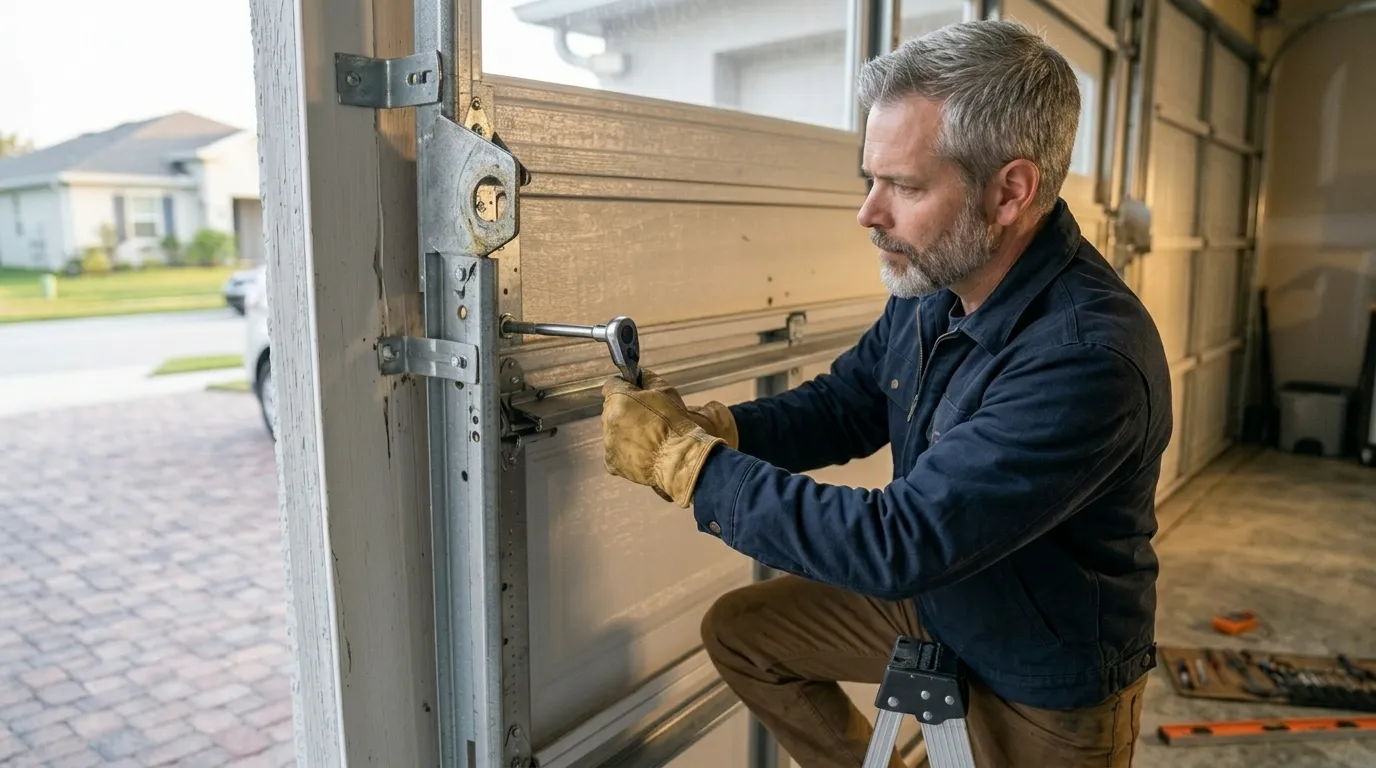
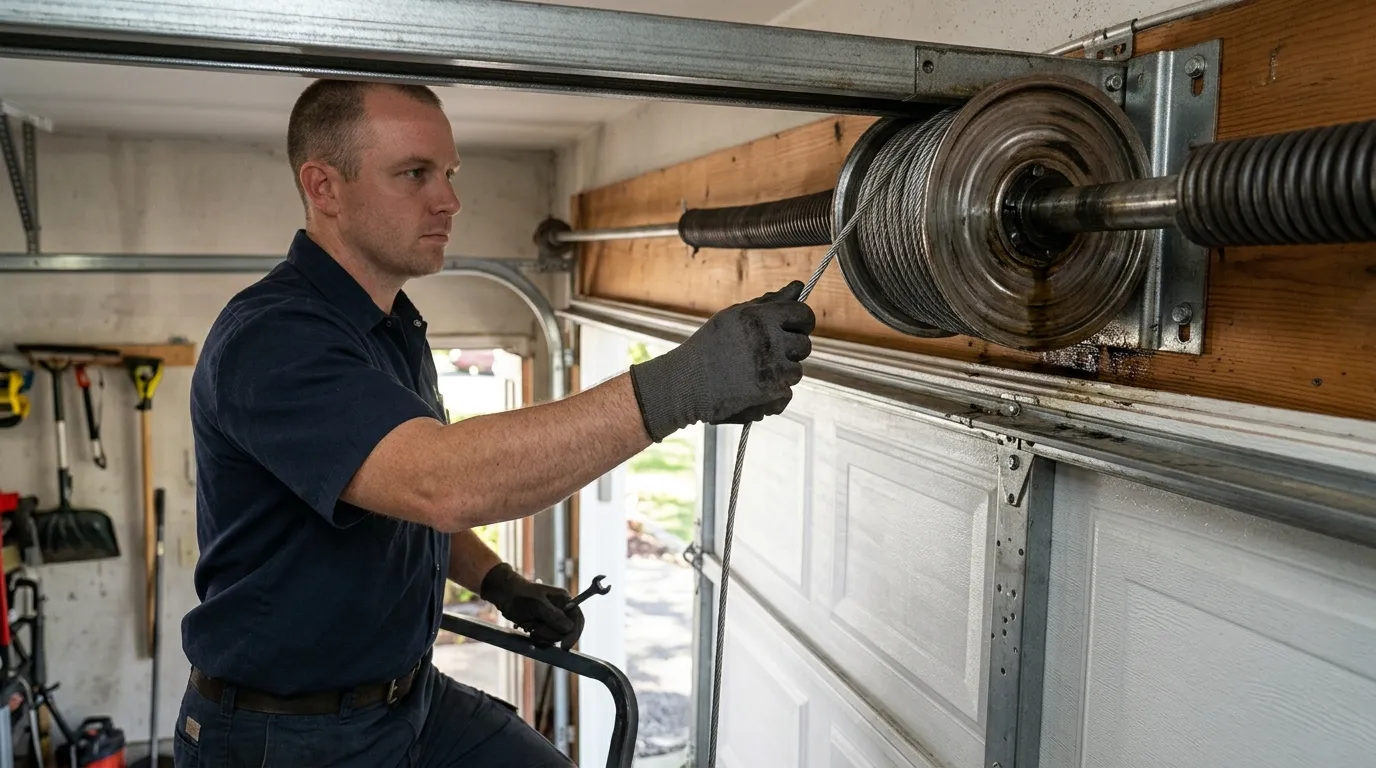
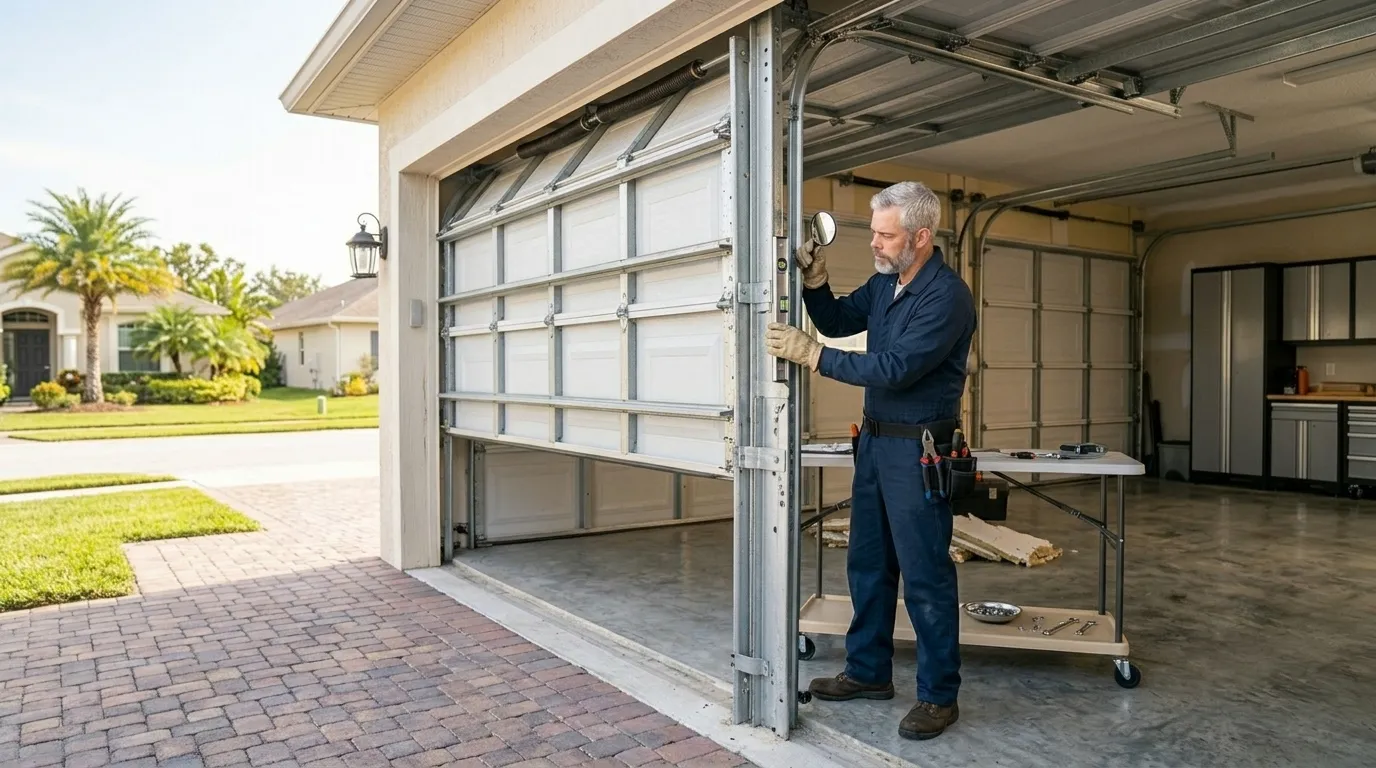
The service area overall skews older, with housing built as far back as 1938 and a median closer to 1961. Golf sits a few years past that, with a median build year of 1965, which puts most original garage structures right at the edge of when steel sectional doors became standard over older wood swing-out or one-piece tilt-up styles. If your house is from that original wave, you're more likely to have a sectional door with torsion springs mounted on a header bracket - not the side-mount extension setup common in the earlier 1950s stock nearby. That's a meaningfully different repair: torsion spring replacement calls for different cable lengths and drum sizing than extension spring jobs. It also means the opener bracket is likely original-spec steel, not the reinforced kind newer doors use, so when we swap an opener we're often adding a support brace the original install never needed.
The Houses Here
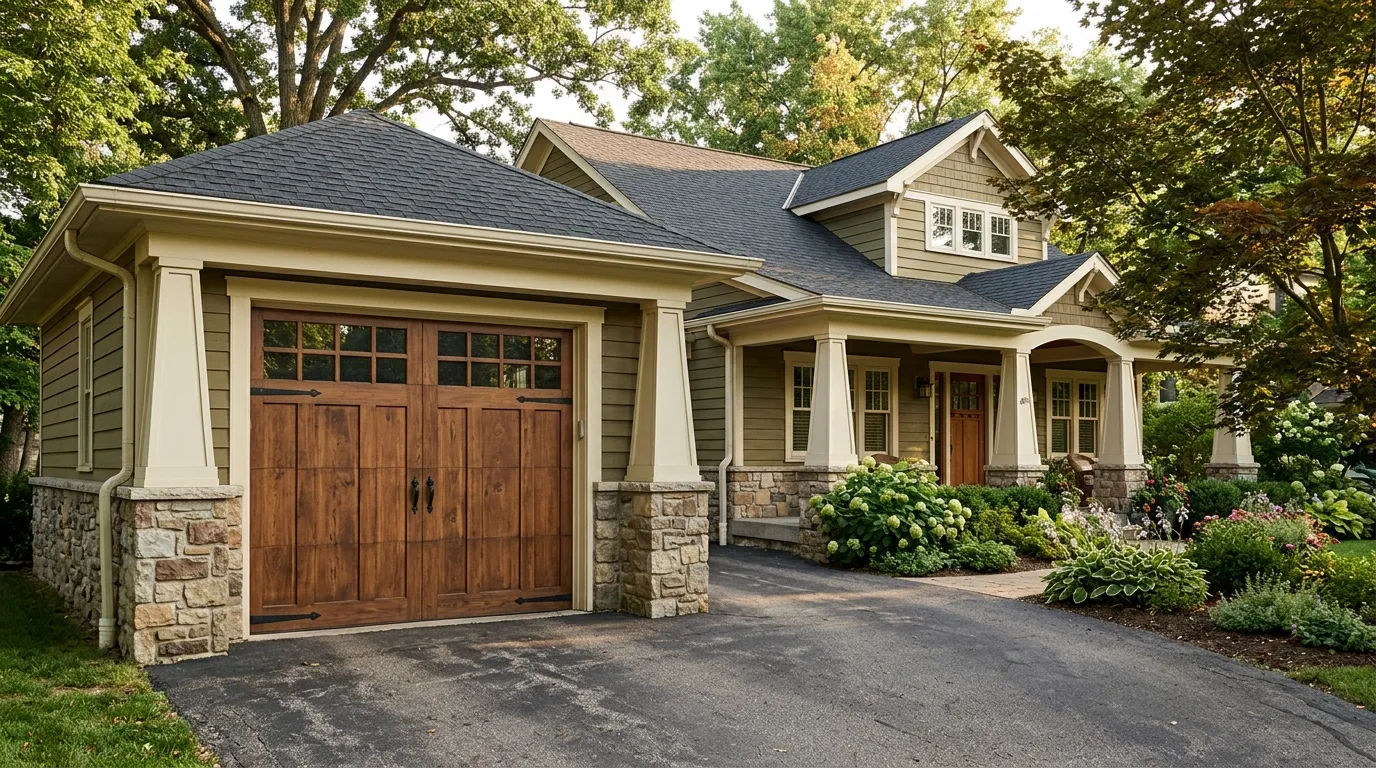
With under 200 households in Golf, this isn't a place with dozens of housing eras stacked on top of each other - it's a tighter, more consistent build window centered on the mid-1960s. That consistency actually helps us: once we've seen a handful of doors from this stretch, we know the header clearance, the typical track length, and where the opener usually got mounted. Compare that to nearby stretches of the wider service area, where houses run from 1938 up through the 1990s and every job is a different puzzle. Golf's median income, over $238,000, also means we see more owners opting for full opener upgrades - Wi-Fi enabled units, battery backup - rather than patching an old chain drive, even when the door itself still has plenty of life left in the track and springs.