What People Here Ring About
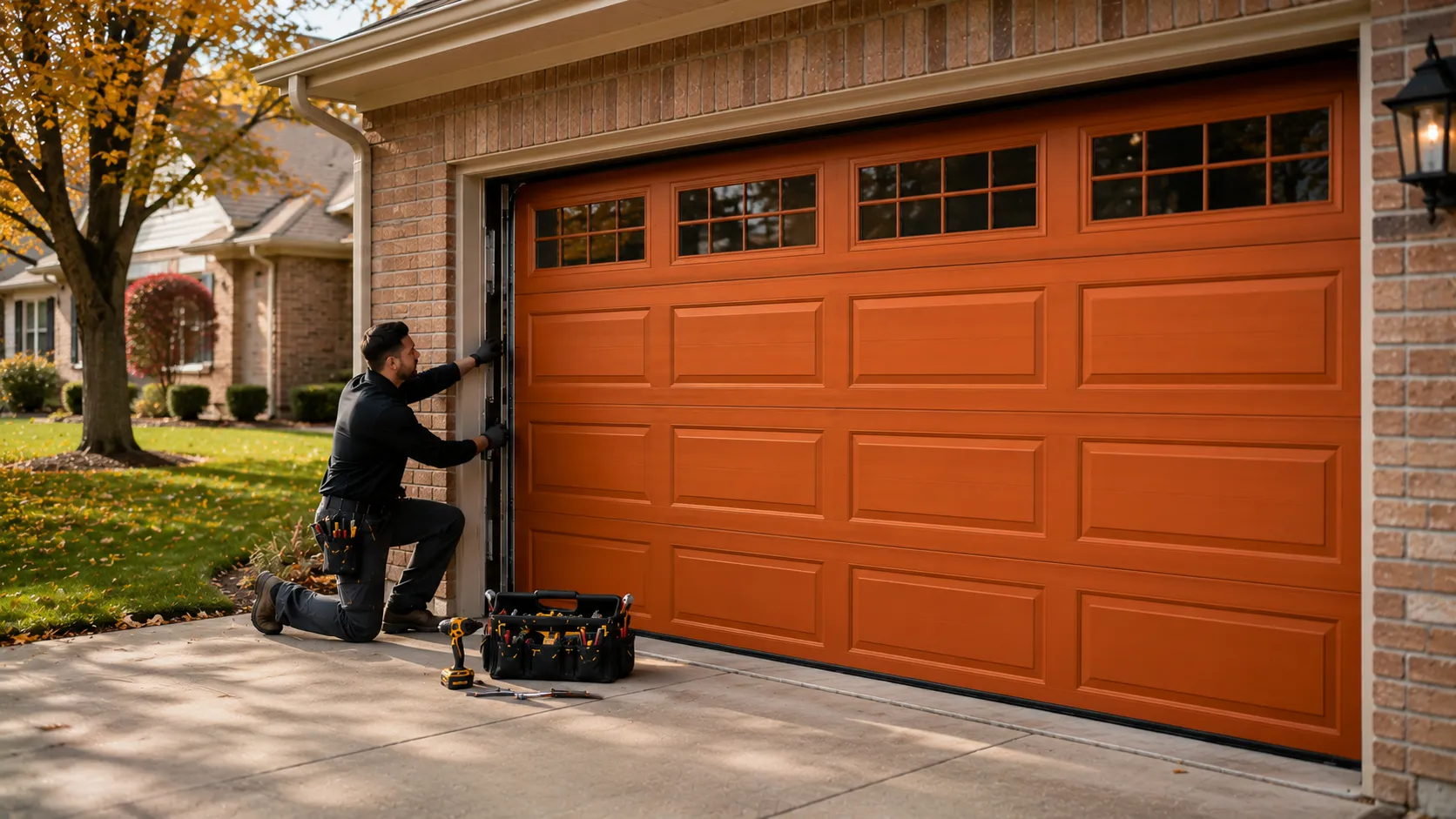
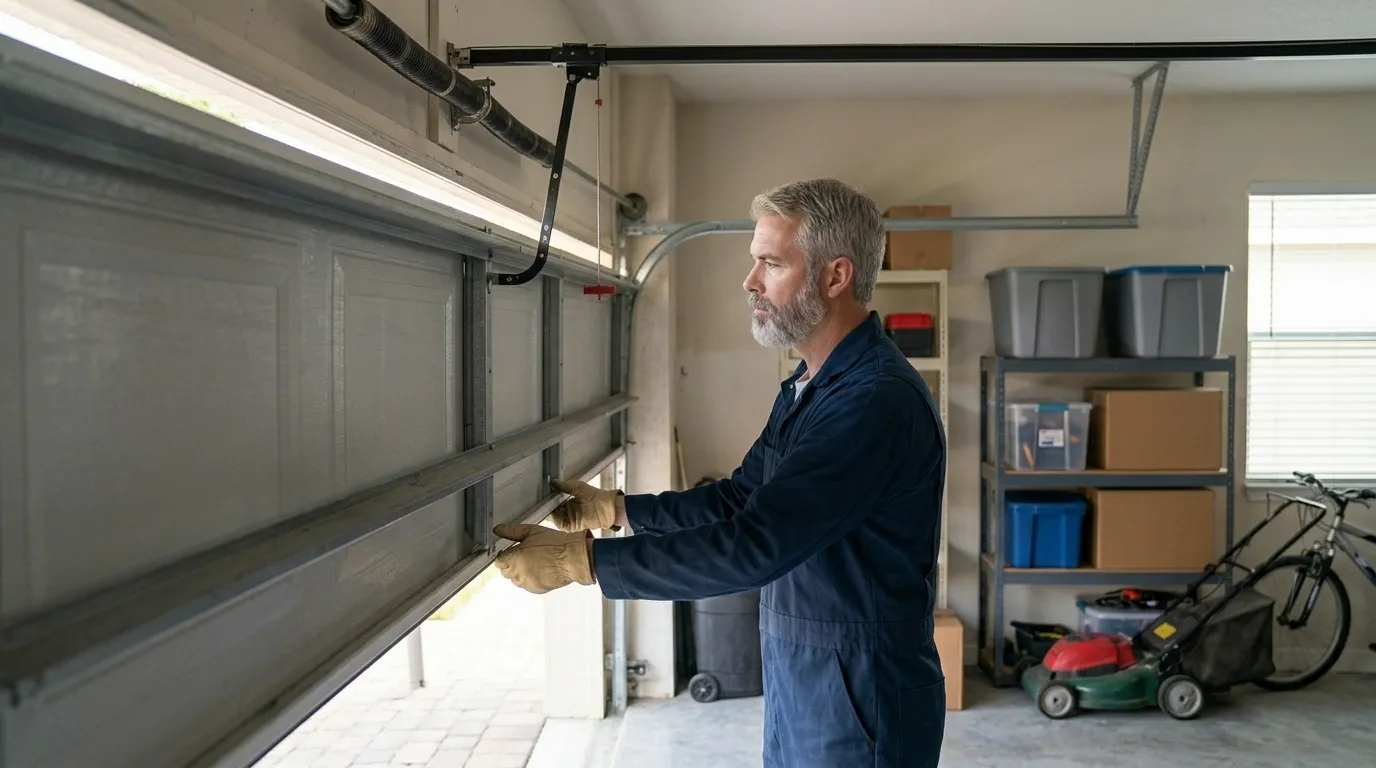
Forest View sits about 14 miles out from our Lincolnwood shop, and most of the calls we get from this pocket of the service area follow a pattern tied to when the houses went up. With a median build year of 1955, a good share of the roughly 296 households here are still running original or first-replacement hardware on garages that were framed for a shorter door than what gets installed today. That mismatch shows up as tracks that were re-hung slightly off plumb decades ago, or openers bolted onto joists that were never meant to carry that load.
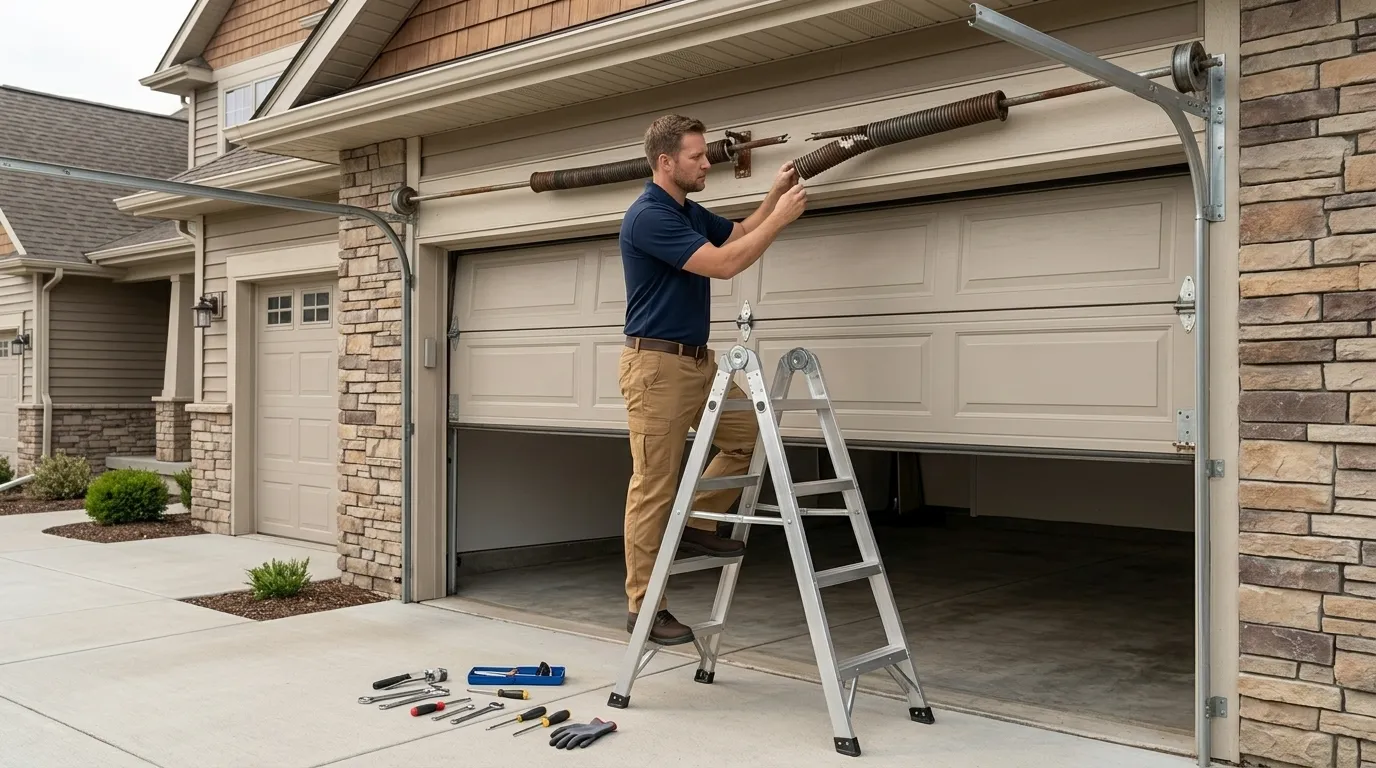
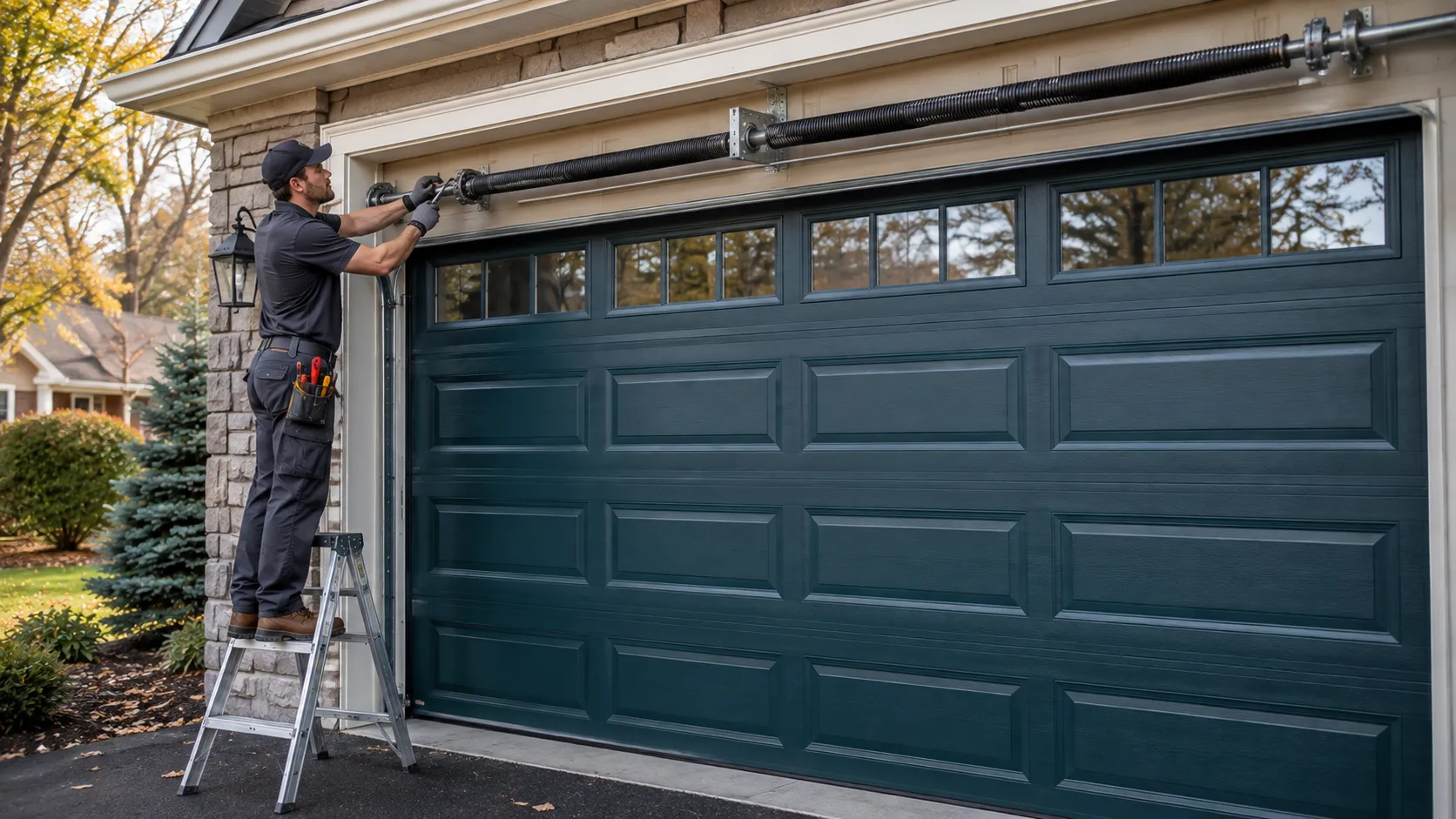
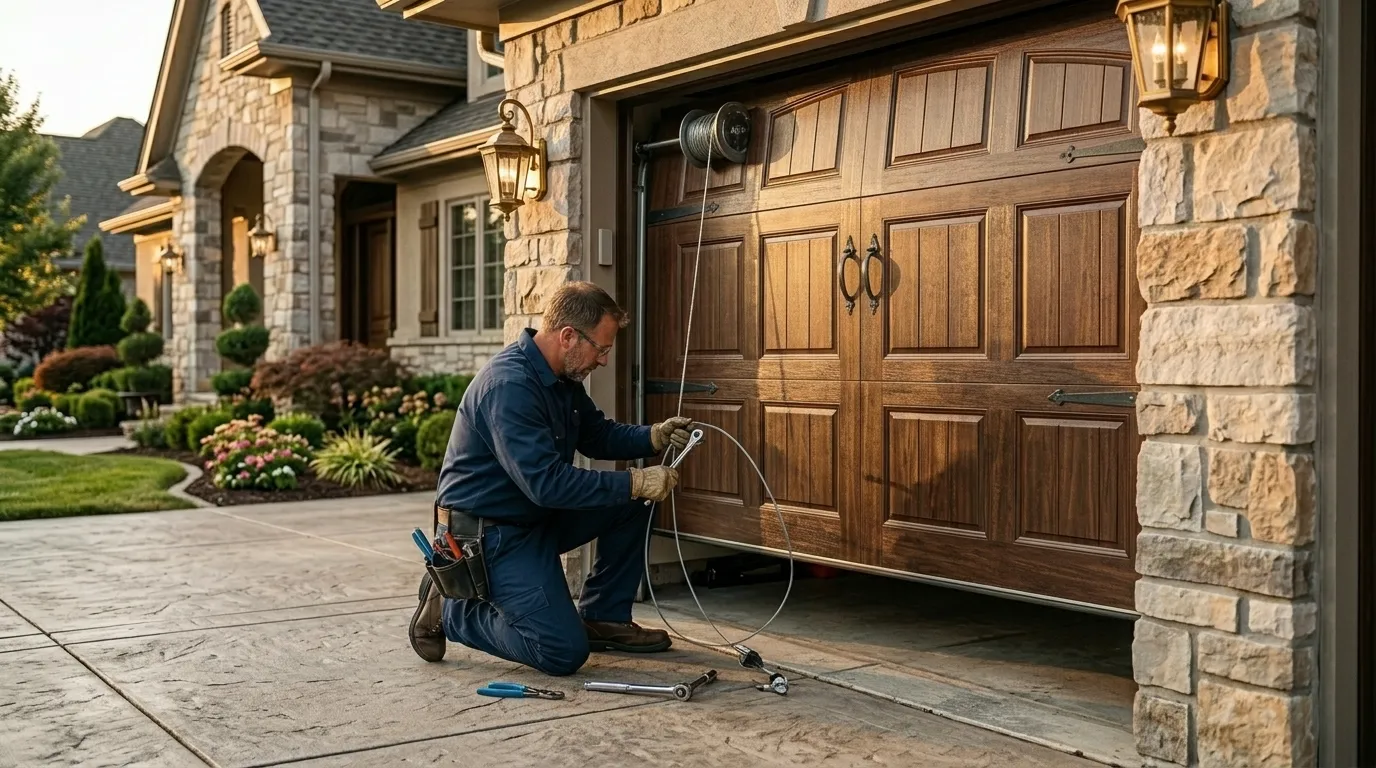
The other common call is springs. A door installed in the mid-1950s and never upgraded is long past any reasonable spring life, and when it finally lets go it's usually a torsion spring on a single-car door, not the double-door setups you see in newer subdivisions. We also hear from people whose cables have started to fray on the drum side - a slow failure that gives some warning if you catch it early.
We're not based in Forest View and don't claim a local depot here. We drive in from Lincolnwood for calls in this area, same as we do for the other communities on our list.
What the Housing Means for Your Door
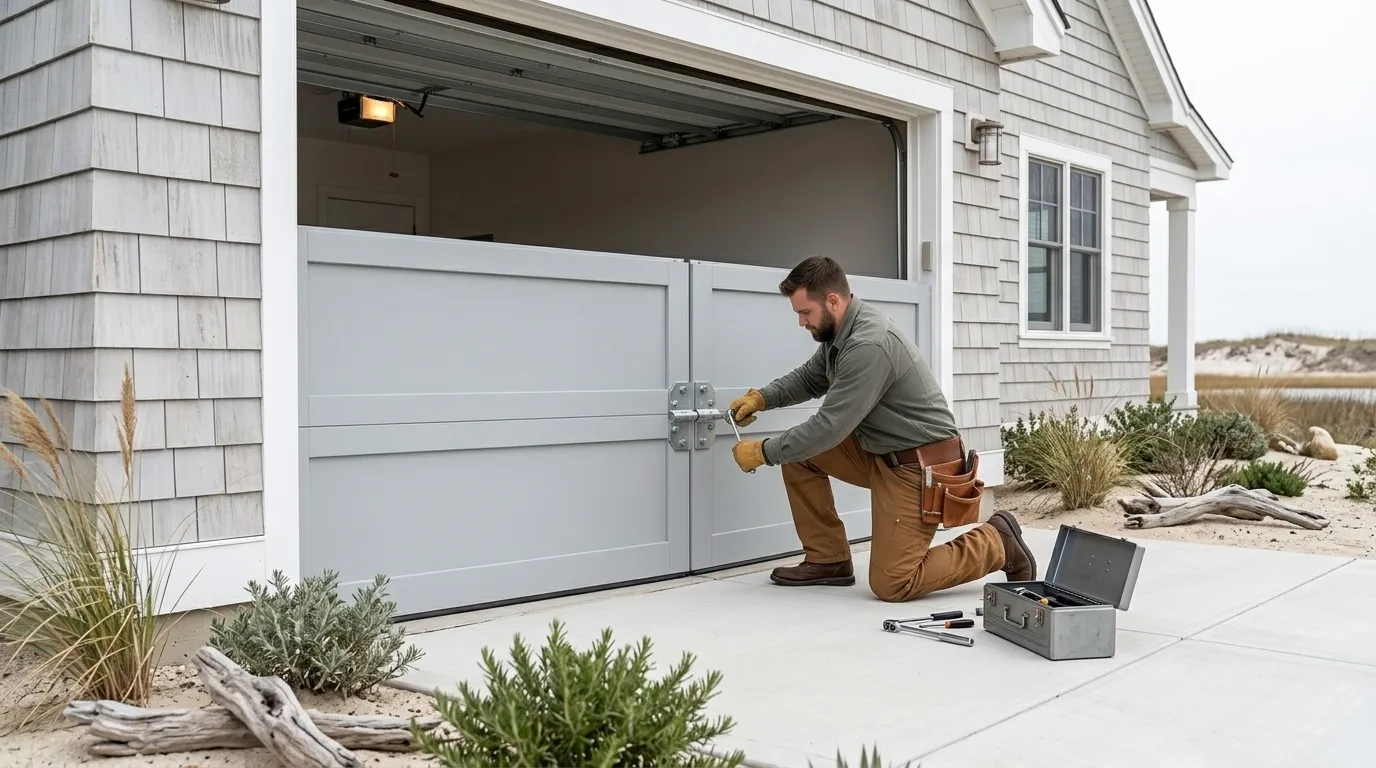
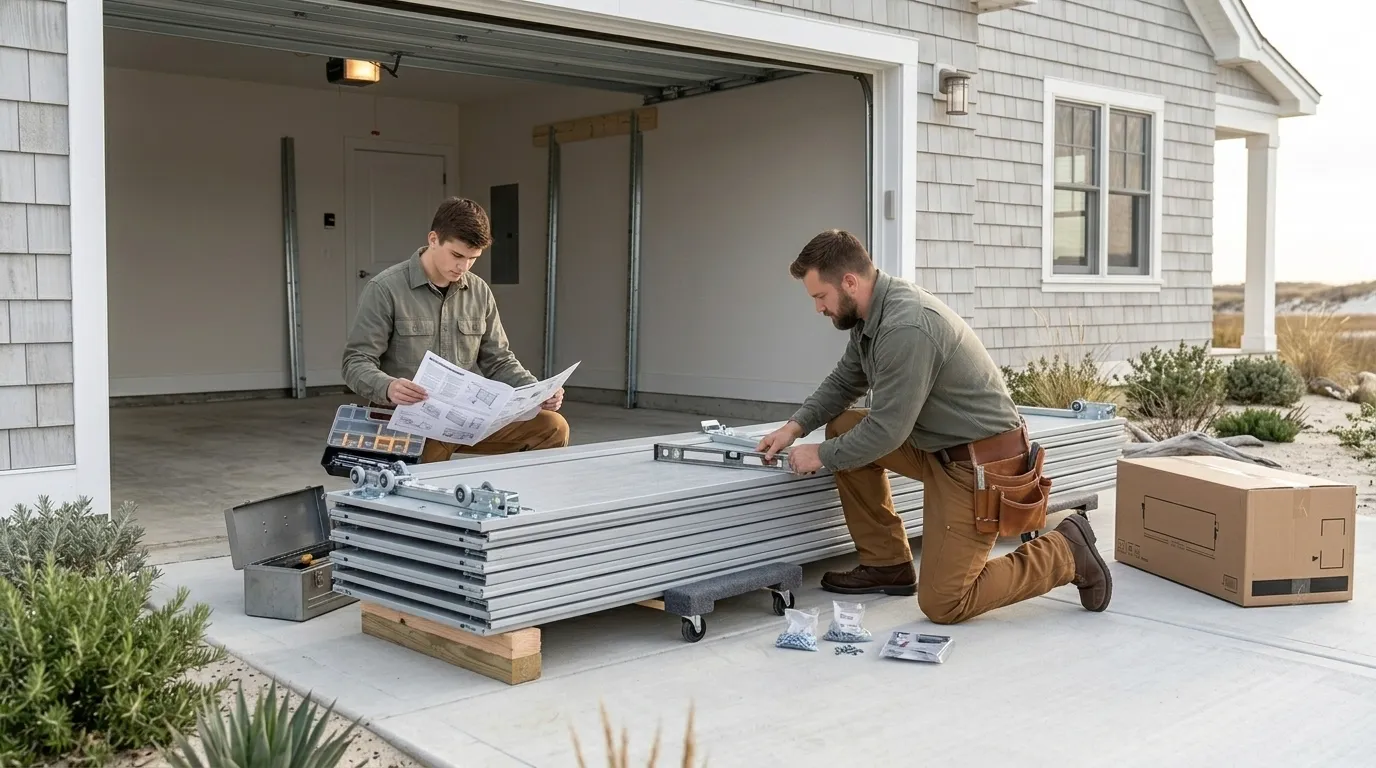
A house built around 1955 was framed before the current range of standard door widths became typical, so garages here often have openings that don't match what a big-box store stocks off the shelf. That means panel replacement sometimes needs a custom or special-order size rather than a stock unit, which changes both the cost and the timeline compared to a newer build.
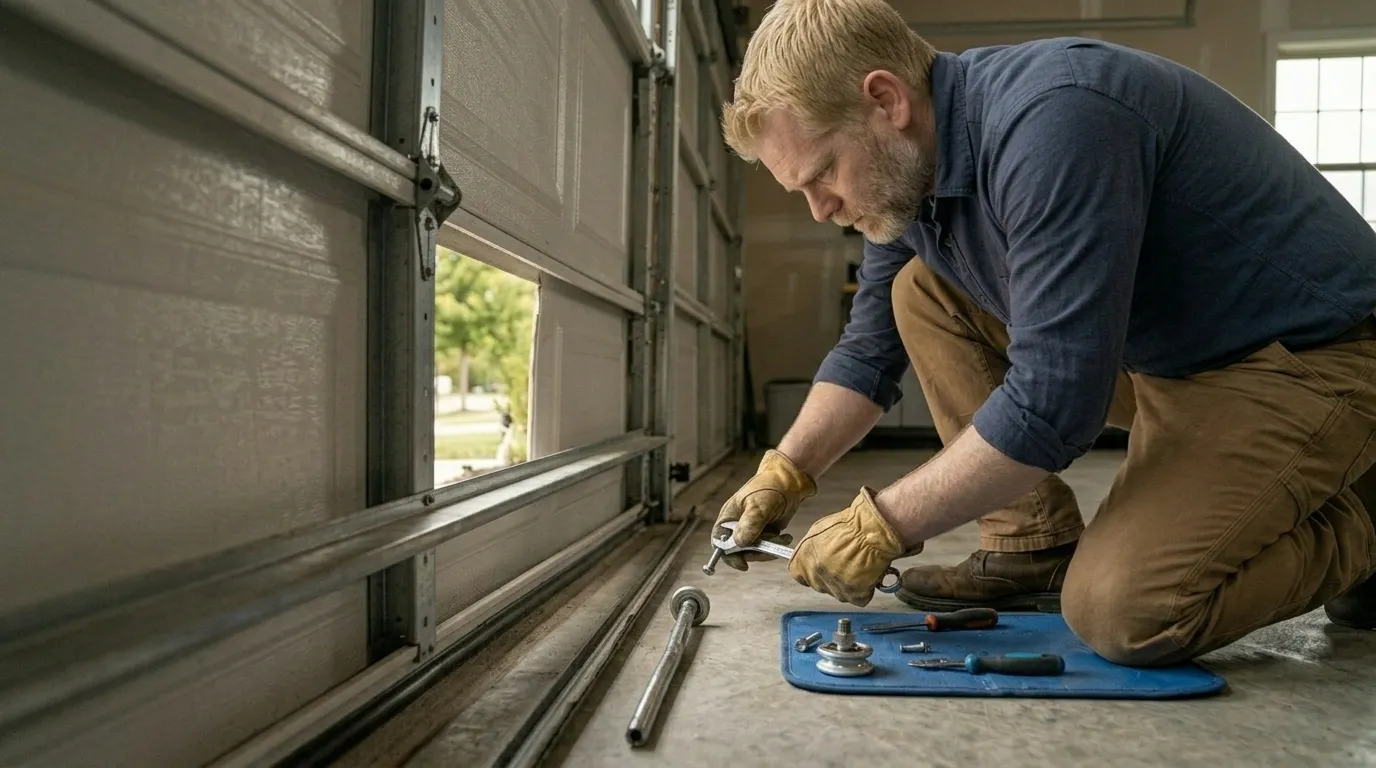
Hardware from that era also tends to be side-mounted torsion or older extension-spring setups, depending on what got swapped in over the decades. If your door has never been touched since a 1970s or 80s upgrade, the springs and cables are well beyond their rated cycle count, and the drums may not match anything currently manufactured. We carry common replacement sizes on the truck, but a nonstandard shaft diameter or an odd track radius can mean a return trip while we source the right part.
The area sits in a cold-moderate climate band, which matters less for the door itself and more for the opener and weatherseal - rubber and nylon rollers age faster through repeated freeze-thaw cycles than in a milder climate, and that's often what's actually noisy, not the spring.
The Houses Here
With a median household income of $108,833 in this part of the service area, a fair number of Forest View homeowners are choosing to replace rather than keep patching an aging door, especially once they learn what a mismatched-hardware repair actually costs. That's a reasonable call on a house from this era - the original garage structure is sound, but the door and opener are often on their second or third life already.
Across the broader service area we cover, from Golf and Harwood Heights out to towns fourteen miles further like Forest View, the housing stock runs mostly 1960s-70s with some pockets, like this one, sitting a few years earlier. That difference matters more than it sounds: a door built for a 1955 opening doesn't drop in the same way as one built for a 1968 opening, and pretending otherwise is how homeowners end up with a door that binds on the track six months after installation.