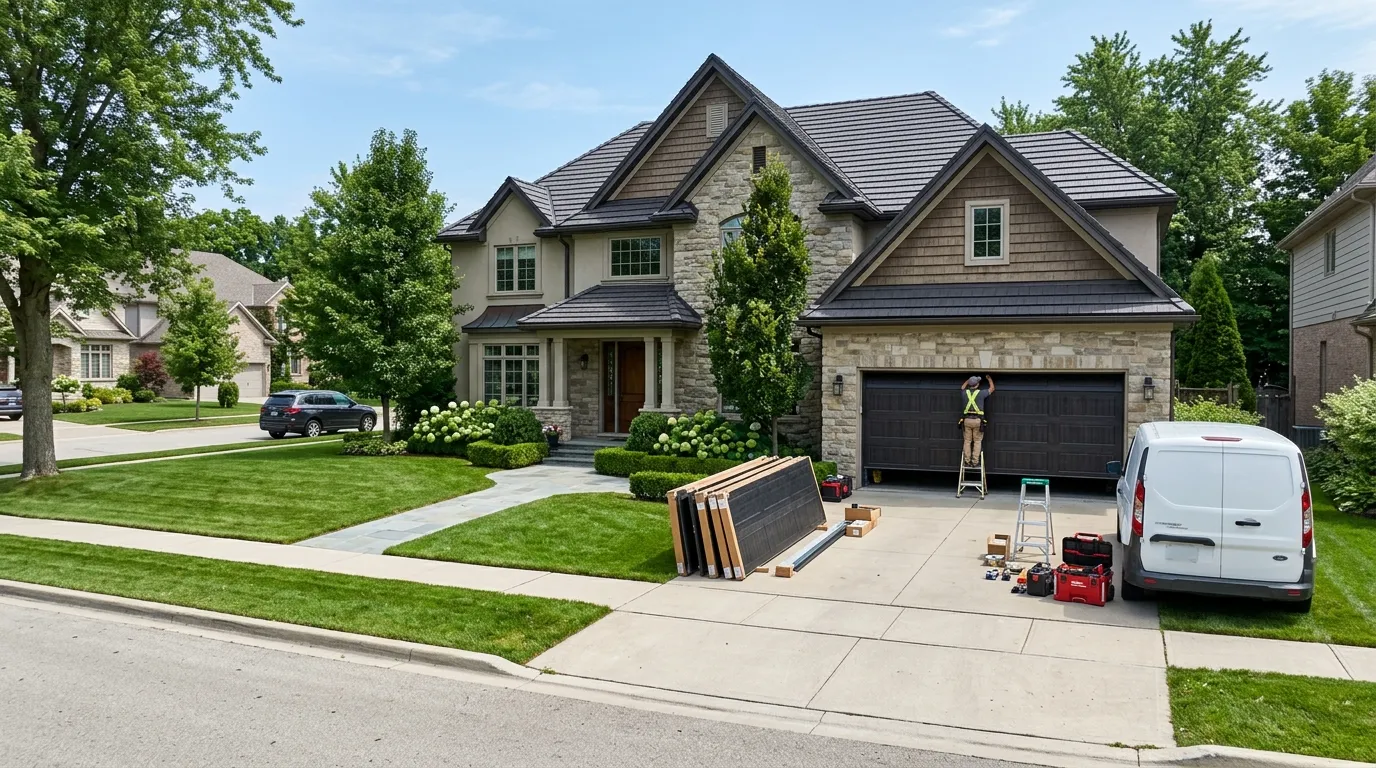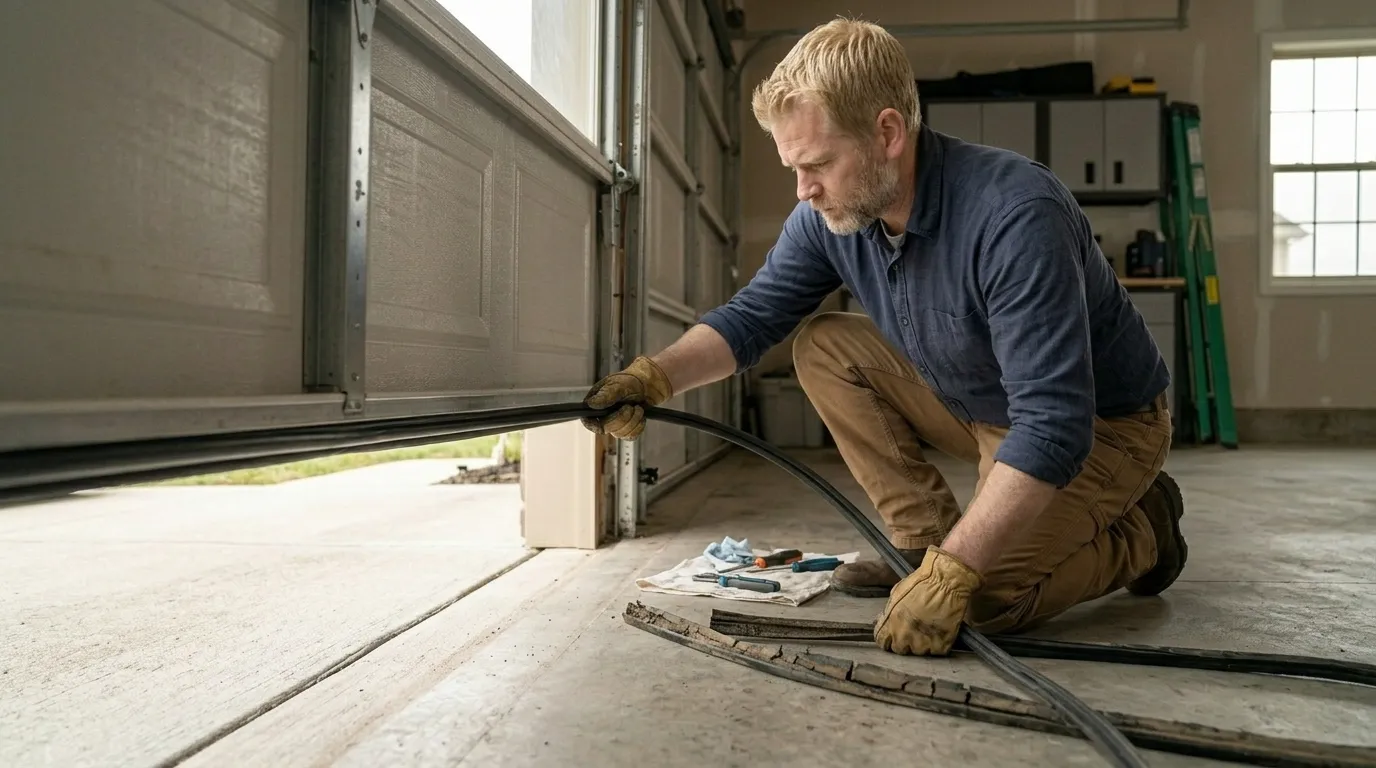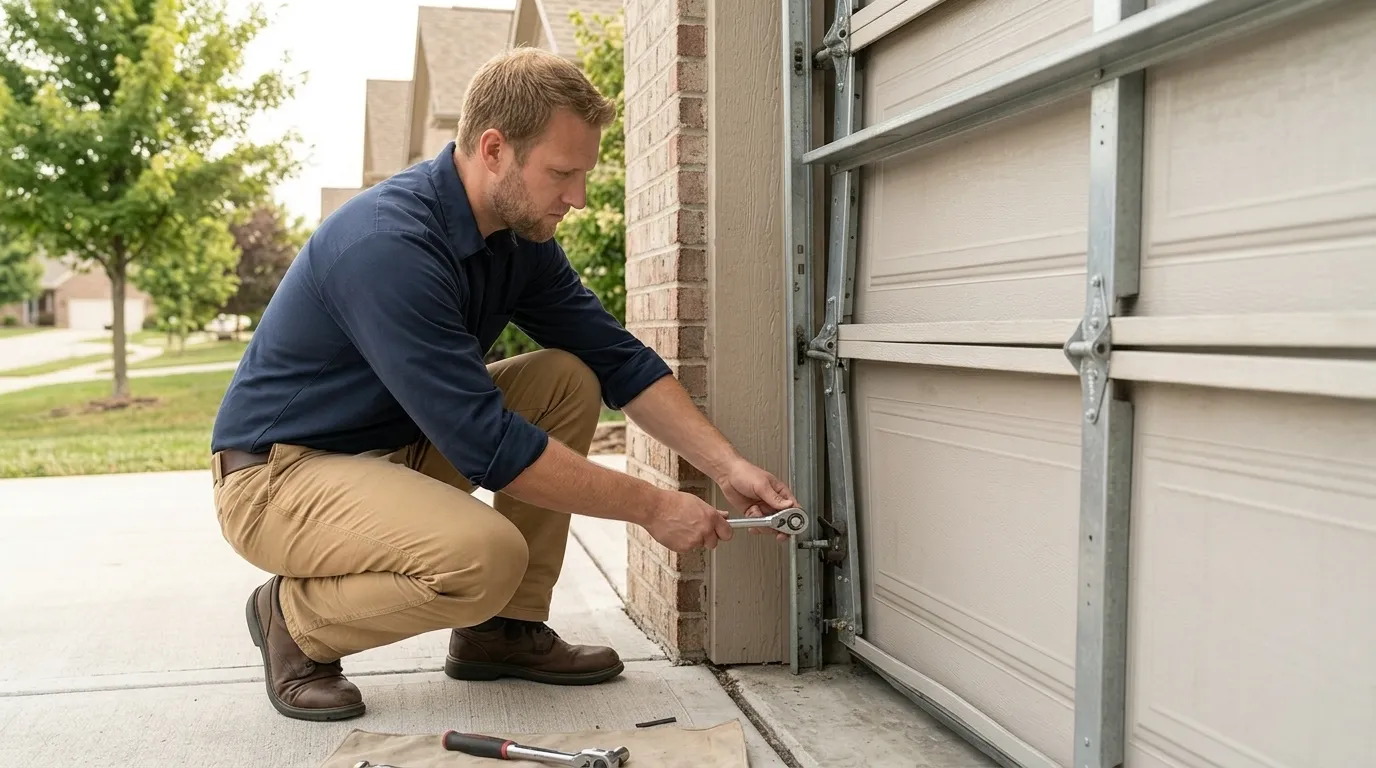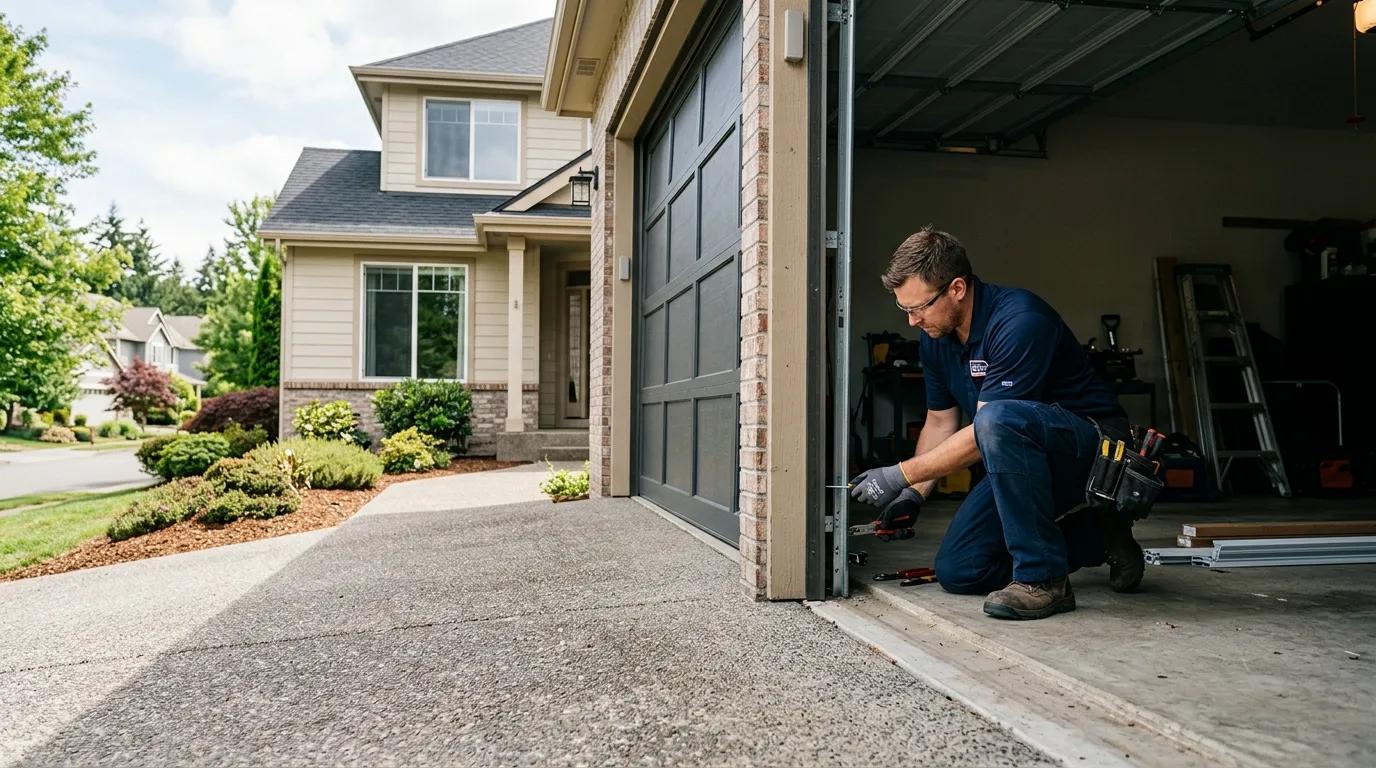
24/7 Emergency Service Open 7 days · 7am–8pm Serving Lincolnwood, IL & nearby
(224) 353-7699
Lincolnwood, IL

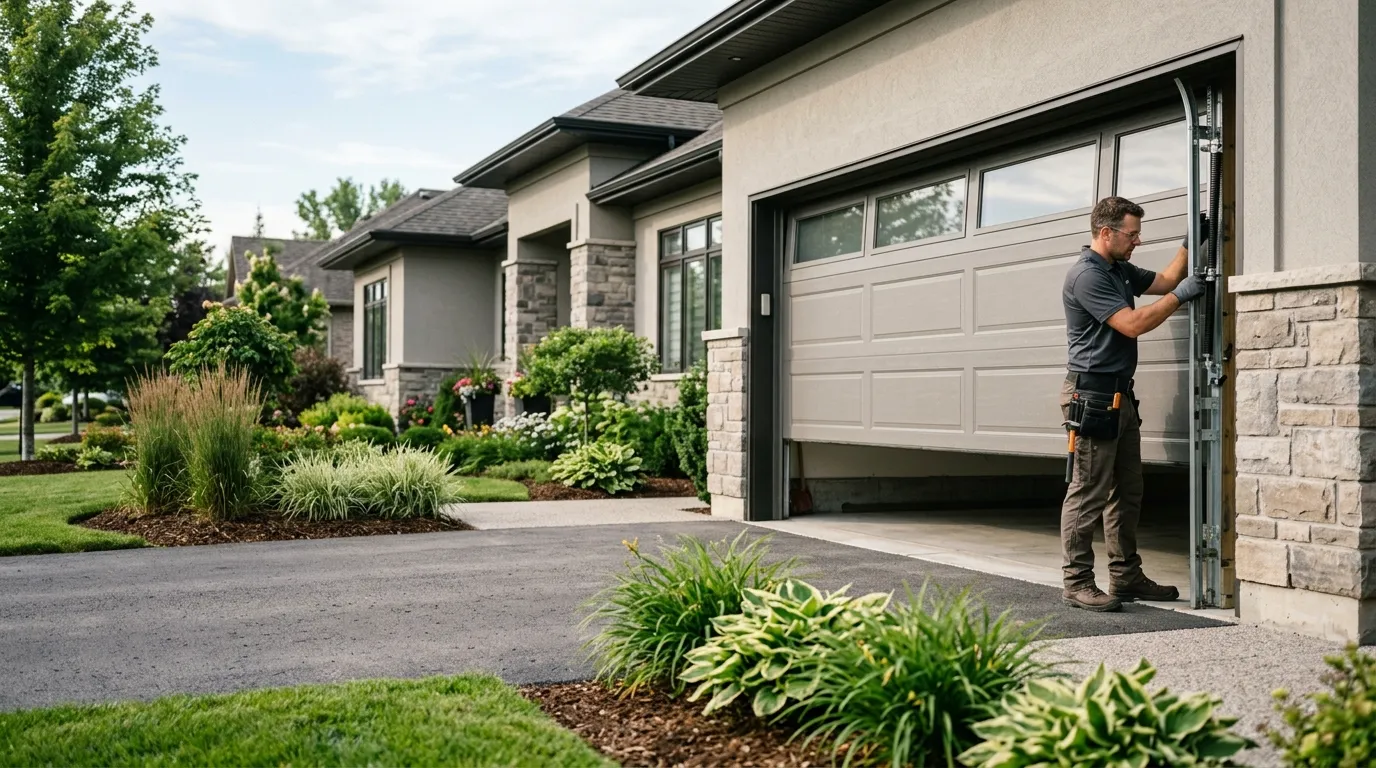
Garage Door Service for Countryside's 1975-Era Homes

Countryside homes mostly date to 1975, later than the wider service area's 1961 median - that gap changes what breaks and what parts we bring on the truck.

Garage Door Service for Countryside's 1975-Era Homes
Lincolnwood, IL
Licensed & insured
Free estimates
Residential & commercial

What People Here Ring About

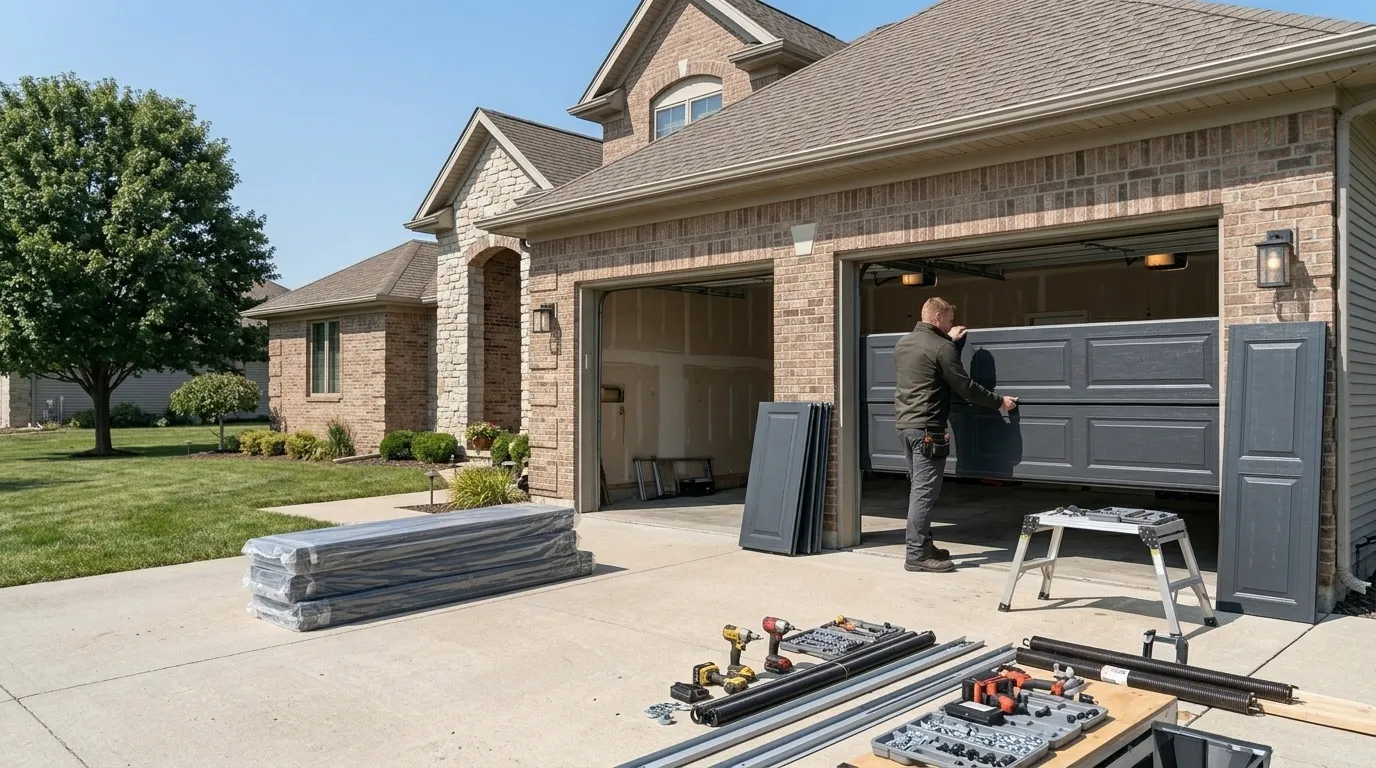
Most of the calls we get from Countryside are about steel sectional doors from the mid-1970s build wave - openers that grind instead of lift, extension springs that snapped rather than torsion springs, and rollers that have worn their tracks oval after decades of use. That's different from the older 1930s-to-1950s stock closer to the middle of the service area, where one-piece doors and side-mounted torsion setups are still common. Countryside's housing largely went up around 1975, well past the 1961 median for the wider area we cover, so the doors we're pulling apart here are a full design generation newer.

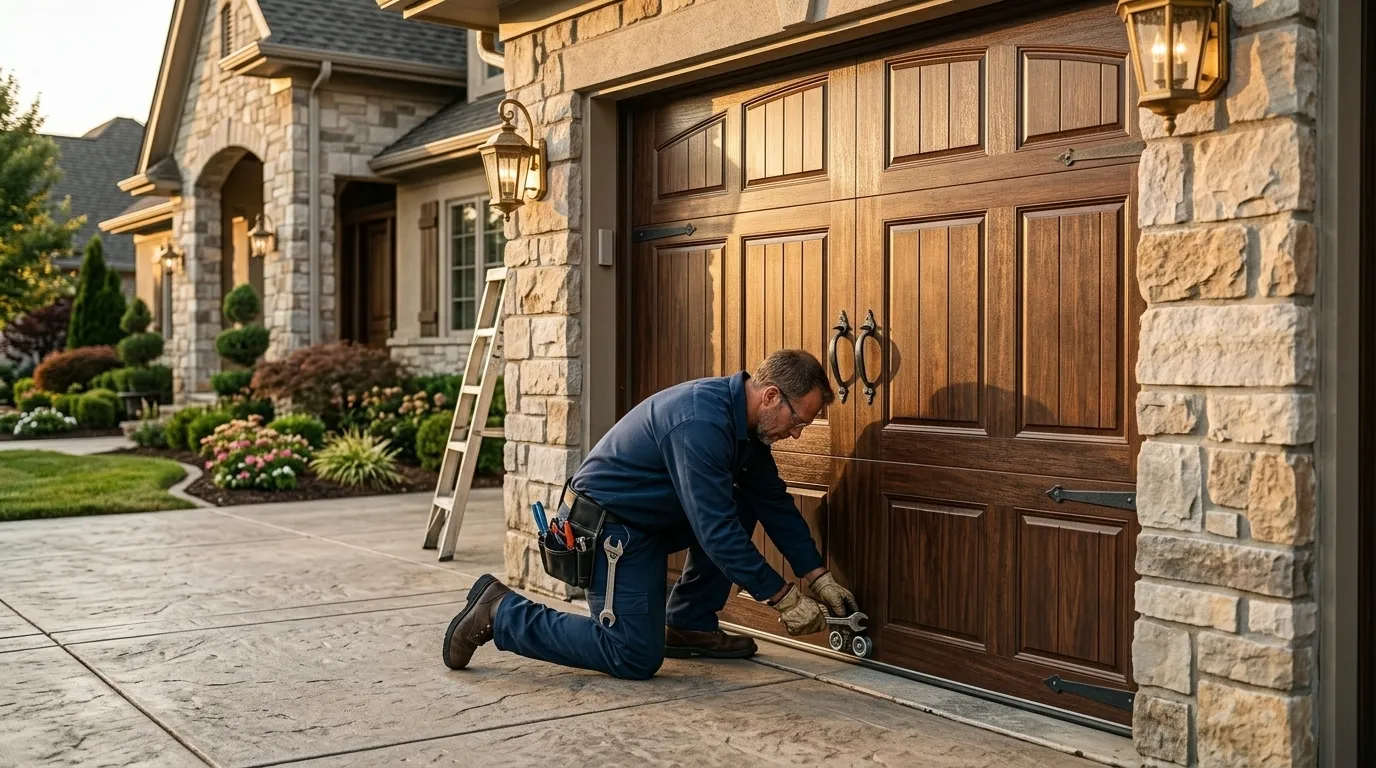
With about 2,729 households in this pocket, we see a fair amount of repeat wear on the same handful of opener models sold through that era's builders - chain-drive units that have long since outlived their gearing. We also get calls about panels that have dented from decades of driveway basketball and car doors, since steel panels from the 70s dent and stay dented in a way older wood doors didn't. The fixes are usually straightforward, but the parts aren't always the same ones we'd grab for an older house.

What the Housing Means for Your Door

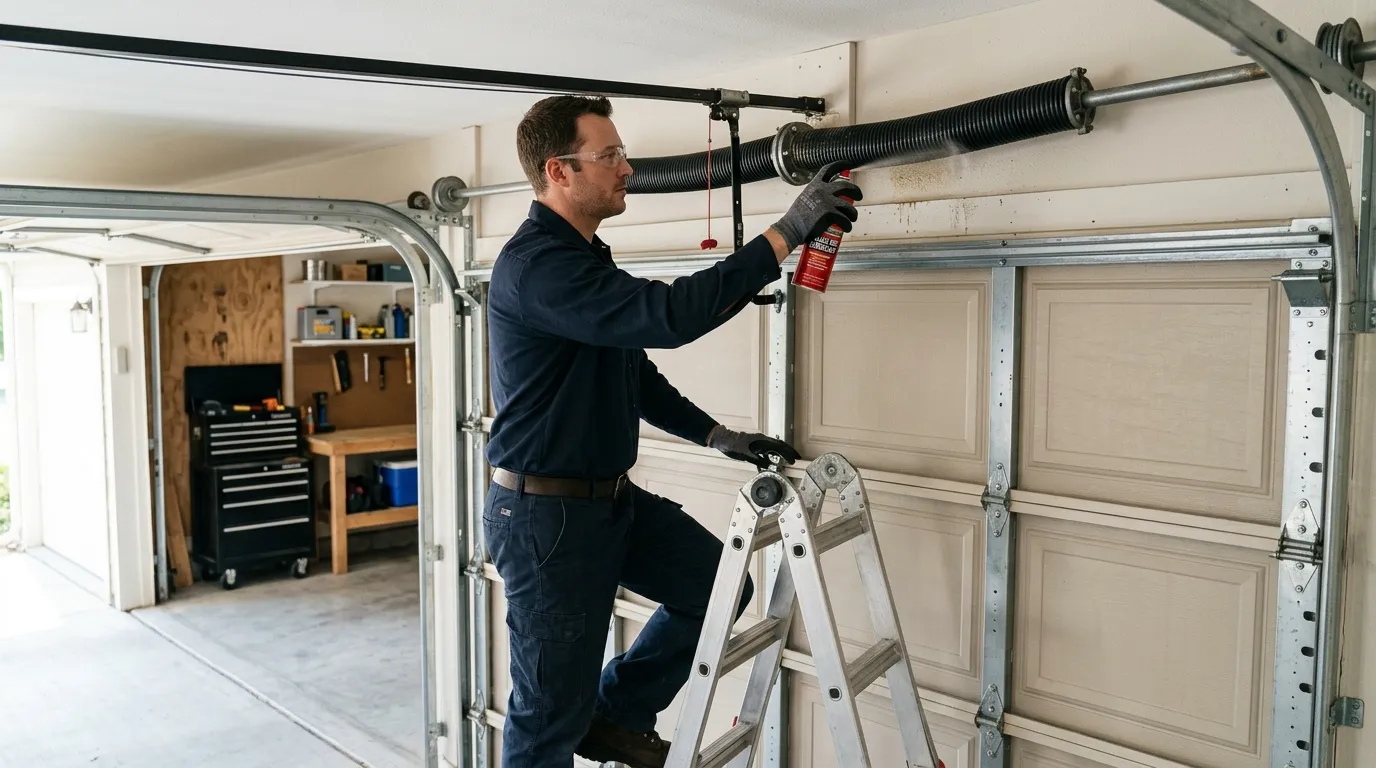
A door installed around 1975 was almost certainly a steel sectional with extension springs mounted above the horizontal track, not the torsion spring setup that became standard later. Extension springs age differently - they stretch and lose tension gradually instead of failing all at once the way a torsion spring often does, so a door here is more likely to feel "heavy" for months before it actually breaks. That's worth knowing before you assume a slow door just needs oil.

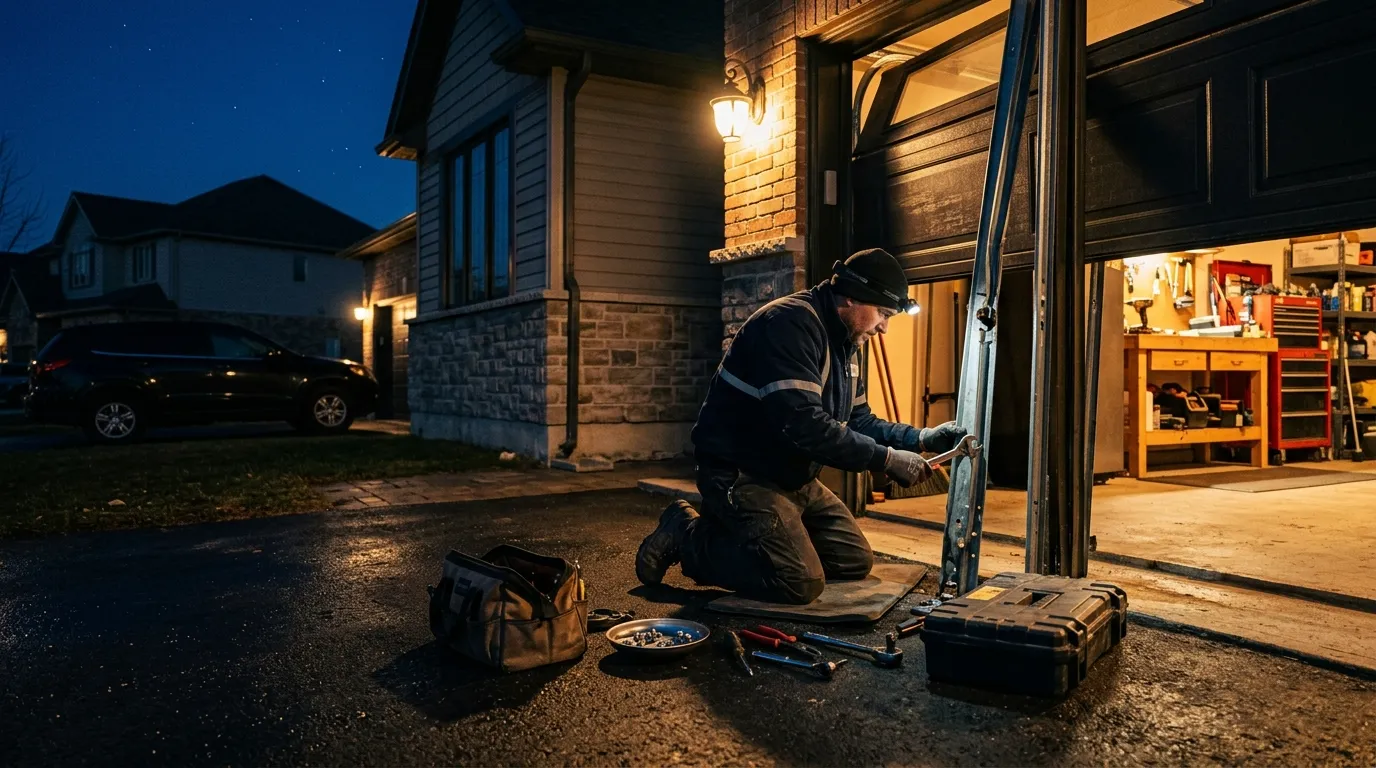
The climate here is cold and moderate, and steel doors from that era don't have the insulation or weatherstripping that later doors got as standard. Cold snaps make already-stiff hardware stiffer, and a marginal spring or a dry track is more likely to seize up on the coldest mornings. If your door is original to a 1975-built house, it's outliving its expected working life on hardware that nobody manufactures in the exact same spec anymore, which sometimes means matching a spring by measurement rather than by part number.

What We Do Not Do

We don't keep a depot or a crew stationed in Countryside - we run out from Lincolnwood, about 18 miles away, so we schedule the trip rather than showing up on short notice for every call. That's worth saying plainly: if you need same-day service for something minor, we may not be the fastest option on your street.

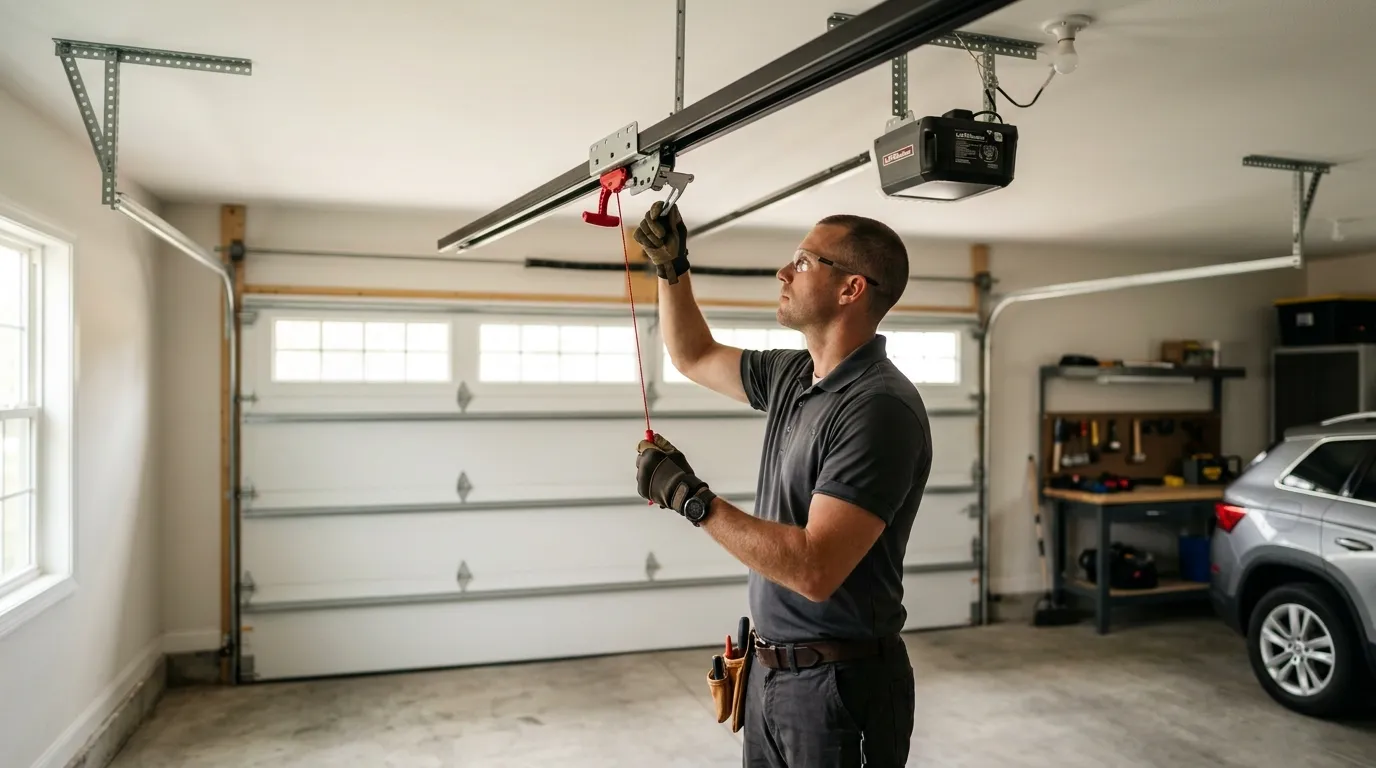
We also don't try to force a 50-year-old opener back to life indefinitely. Once a chain-drive unit from the 1970s build wave has stripped its gearing or the circuit board has started failing intermittently, replacing it costs less over time than chasing a repair that won't hold. And we don't guess at spring sizing on extension-spring setups from this era - if the original spec isn't legible on the spring, we measure and match rather than install something close enough and hope.

The Houses Here

Countryside's housing stock centers on 1975, which puts it toward the newer end of a service area where the overall median build year is 1961. That ten-to-fifteen-year gap shows up in the doors: steel instead of wood, extension springs instead of torsion in a lot of cases, and openers built for a lighter-duty era of chain drives. Median household income in this pocket runs $78,132, a bit under the $99,861 median across the broader area we serve, which tends to track with more owners holding onto original hardware a few years longer before replacing it outright.

Across the roughly 52,848 owner-occupied houses in the wider service area, Countryside represents a fairly consistent slice - similar-era construction, similar door types, similar failure patterns. It's not a neighborhood of one-off custom garages; it's tract-built housing from a specific decade, which actually makes diagnosing a dead opener or a stuck door faster once you know what year the block went up.
How it works

From “it’s stuck” to “it’s fixed”

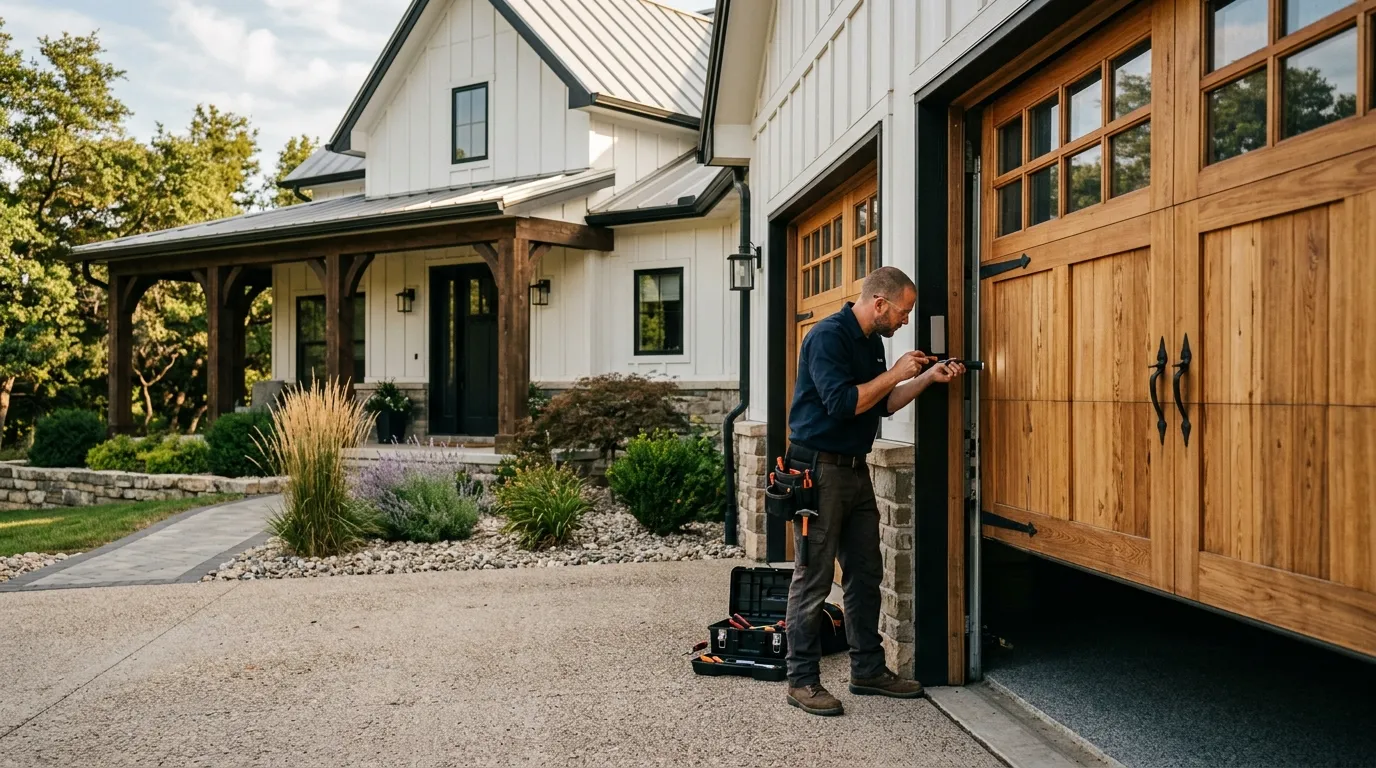
Tell us what’s wrong - Lincolnwood garage door service

Tell us what’s wrong

Describe the symptom - won’t open, loud bang, opener runs but the door won’t move.

On-site diagnosis - Lincolnwood garage door service

On-site diagnosis

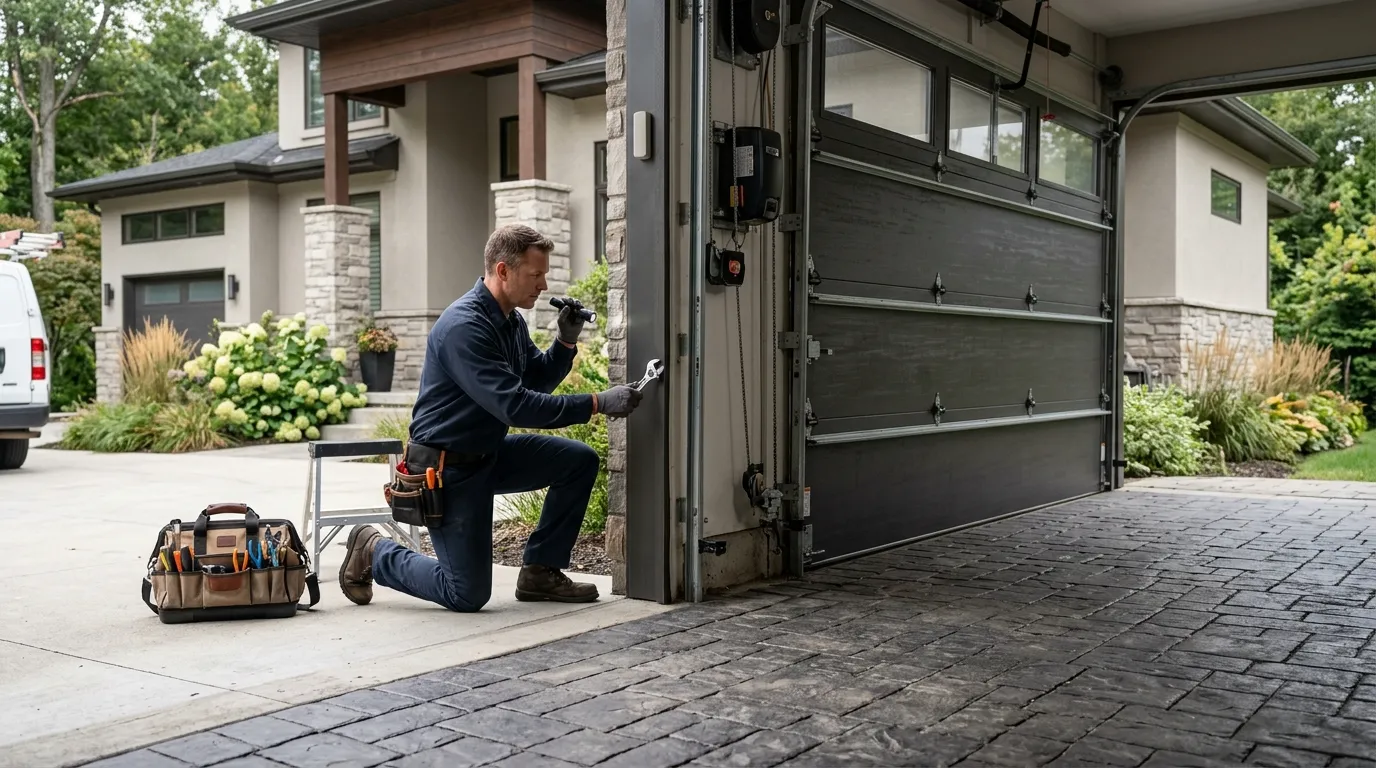
A technician tests the door under power and by hand and finds what actually failed.

Clear, up-front plan - Lincolnwood garage door service

Clear, up-front plan

You get the fix that’s needed and what drives the cost - before any work starts.

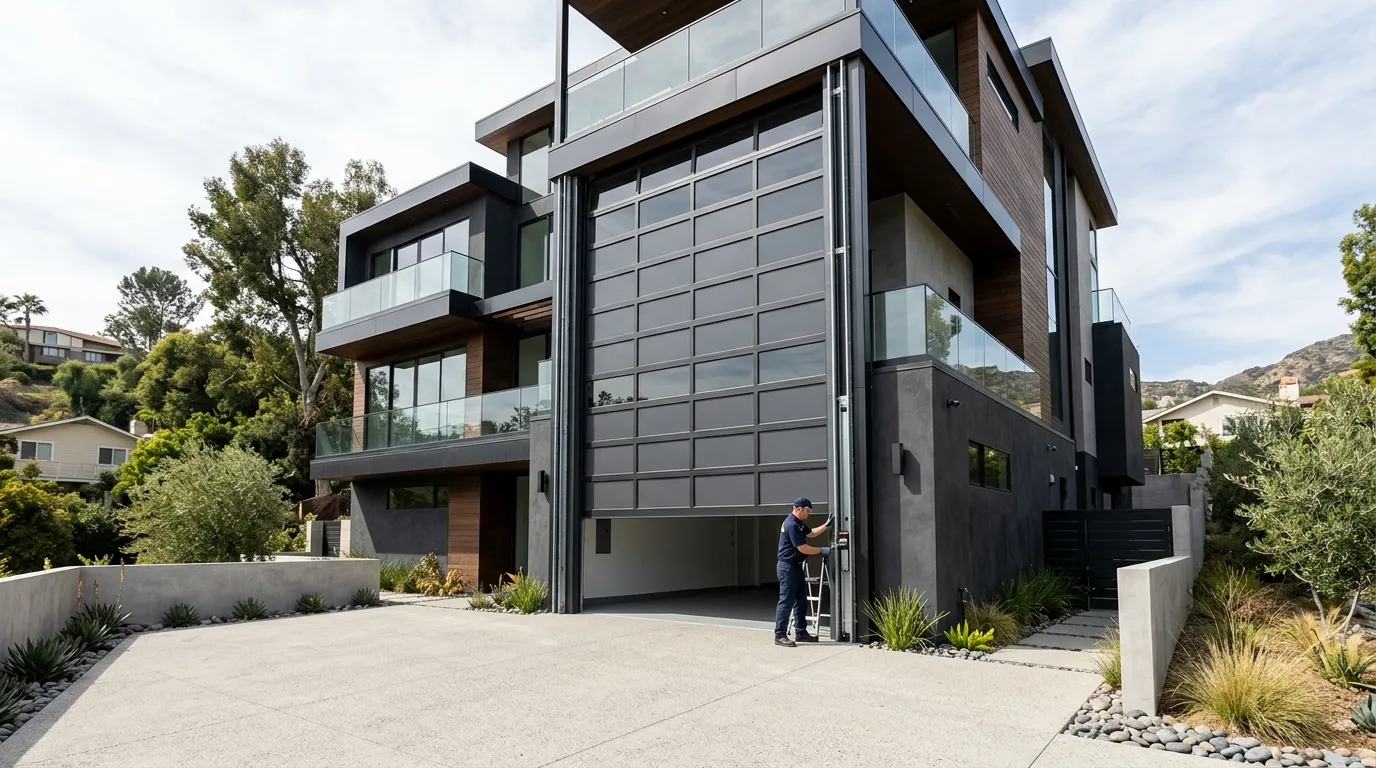
Repaired & tested - Lincolnwood garage door service

Repaired & tested

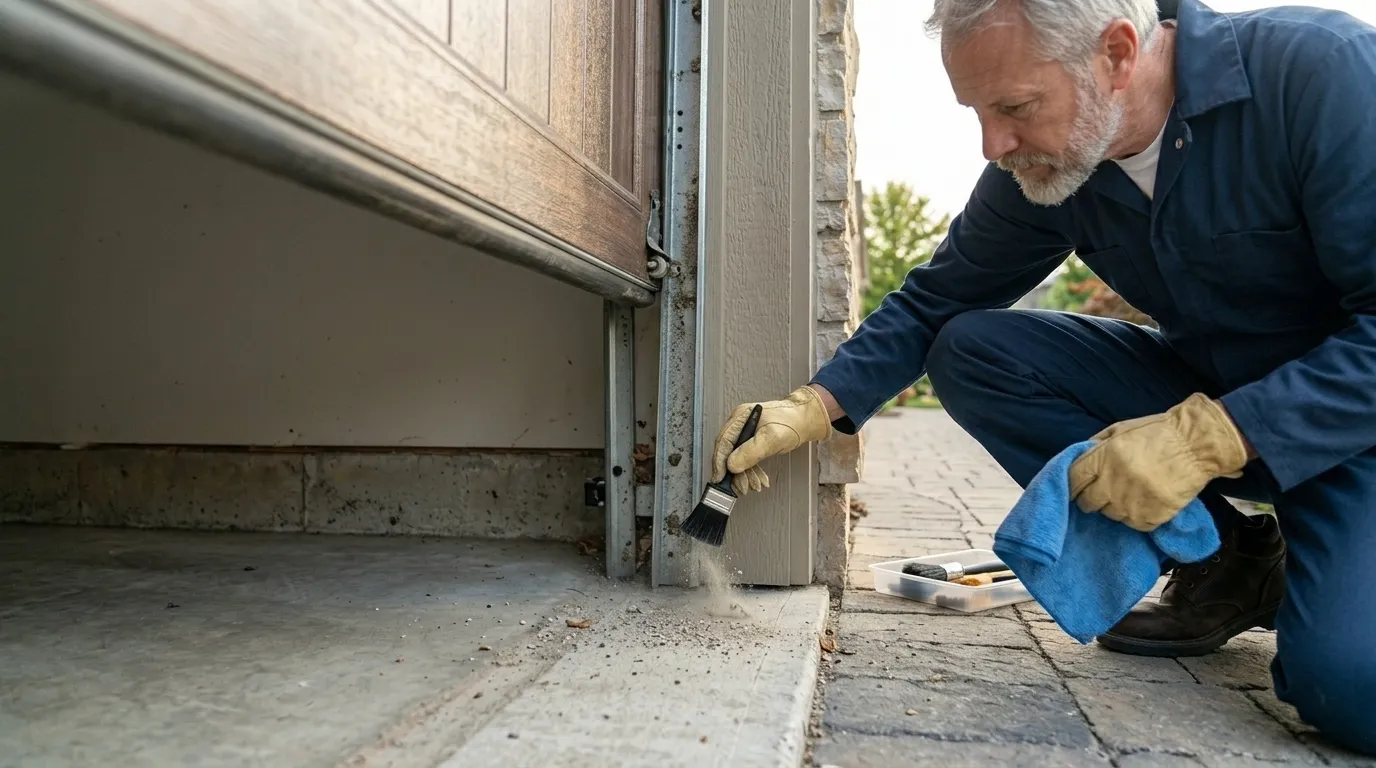
The repair is done, the door is set true and tested, and the work area left clean.

Serving Lincolnwood, IL - tell us what your door’s doing and we’ll take it from there.

How we work

What to expect

Diagnosis firstEvery visit starts by finding what actually failed - not a pre-written parts list.
The right part for the doorSprings and openers matched to the door’s weight and age, so the fix holds up.
Straight answersWhen a repair makes more sense than a replacement - or the reverse - you hear it plainly.
Clean, careful workTension released safely, hardware set true, the door tested under power before we leave.
12,646Residents in Lincolnwood
4Garage door services
52Neighborhoods & suburbs
ILServing Lincolnwood, IL
Who we help

Residential & commercial

Residential garage doors
Residential

Homes in Lincolnwood

Repair, spring and opener service, and new door installation for single- and double-car home garages.

See services
Commercial garage doors
Commercial

Businesses & property

Rolling steel, sectional, and dock doors serviced with the higher cycle counts of commercial use in mind.

See services
Questions

Frequently asked

Straight answers about garage door repair in Lincolnwood. Still unsure? Ask us directly.

Why does my garage door opener from the 1970s keep tripping the breaker?

A chain-drive opener from that era often has worn gearing or a motor drawing more current than it should as it ages. Combined with original wiring that wasn't sized for modern loads, it can trip a breaker under strain. Usually the fix is replacing the opener rather than the wiring, but we check both before assuming.

Do you have a location in Countryside?

No. We run out of Lincolnwood, about 18 miles away, and schedule Countryside jobs on the route rather than staffing a local depot. That means we plan the visit rather than dropping by same-hour for small fixes.

Is it worth fixing an extension-spring door from the 1970s or should I replace it?

If the frame and track are square and the panels aren't badly dented, a spring or roller repair on a 1970s door usually makes sense. If the opener, springs, and panels are all failing around the same time, replacement often costs less over the next few years than repeated repairs.

Why do doors in Countryside seem to stiffen up more in winter?

Steel doors from the mid-1970s build era don't have the weatherstripping or insulation later doors got as standard, and this area sits in a cold, moderate climate band. Cold makes already-aging extension springs and dry tracks bind more, which is why marginal hardware often fails on the coldest mornings rather than mid-summer.

Ready to get your garage door sorted?

Tell us what it’s doing and where you are in Lincolnwood - we’ll take it from there.

Request a QuoteCall