What People Here Ring About
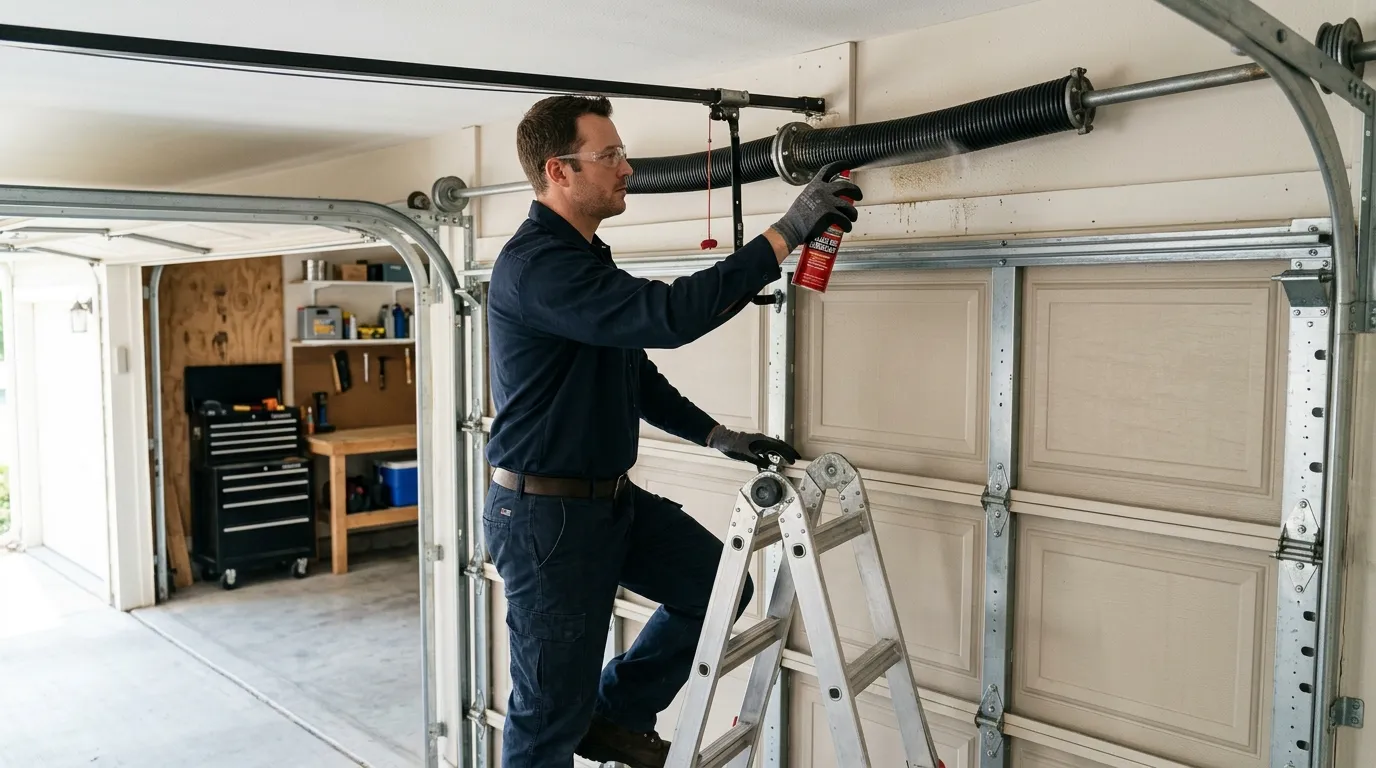
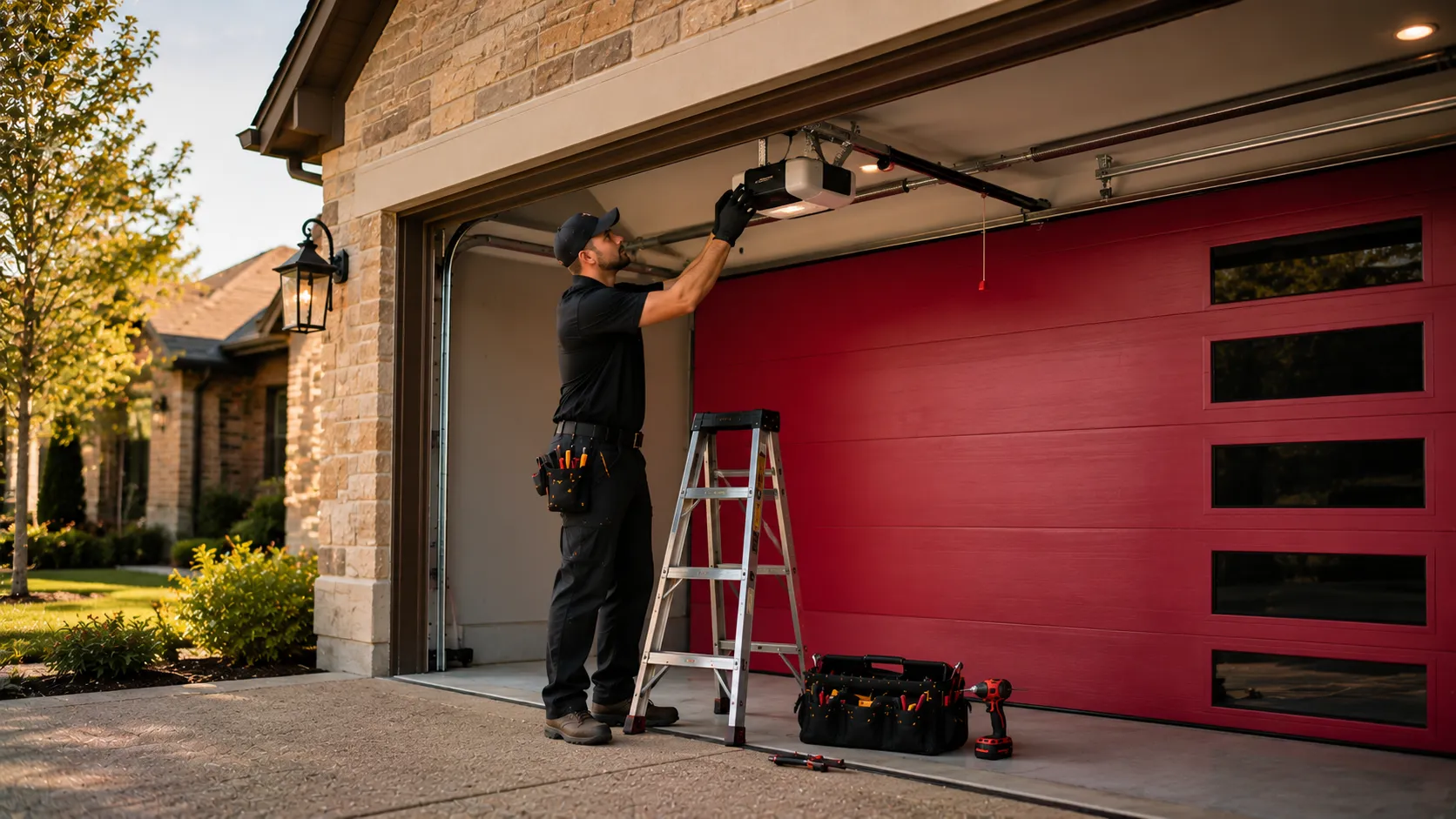
Most of the calls we get from Clarendon Hills are about openers, not springs. Houses in this part of our coverage went up around 1981 on average, which puts a lot of garage doors here into the chain-drive opener generation - units that are old enough to have worn gears and burned-out circuit boards, but with steel door panels that are usually still sound. That's a different mix than the older 1960s stock we work on elsewhere in our area, where torsion springs and rusted track are the bigger issue.
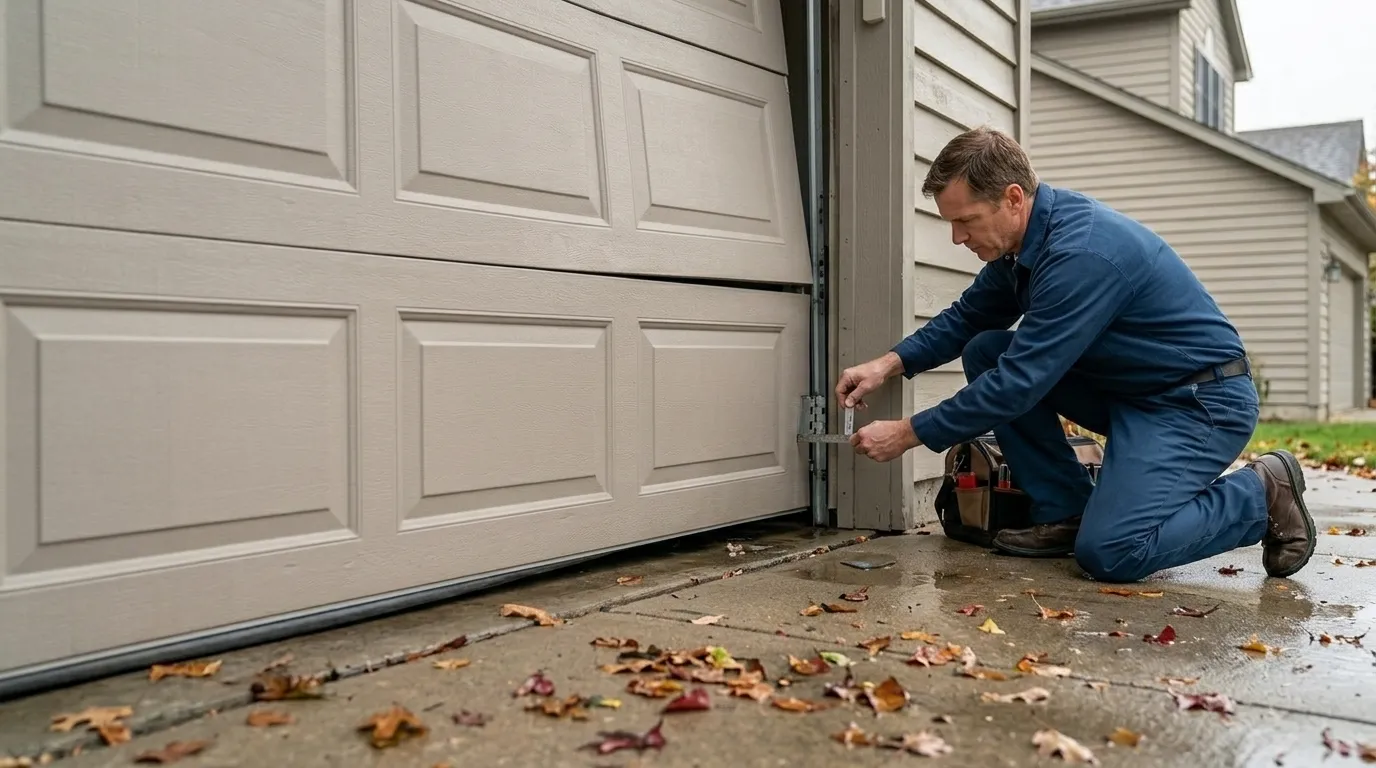
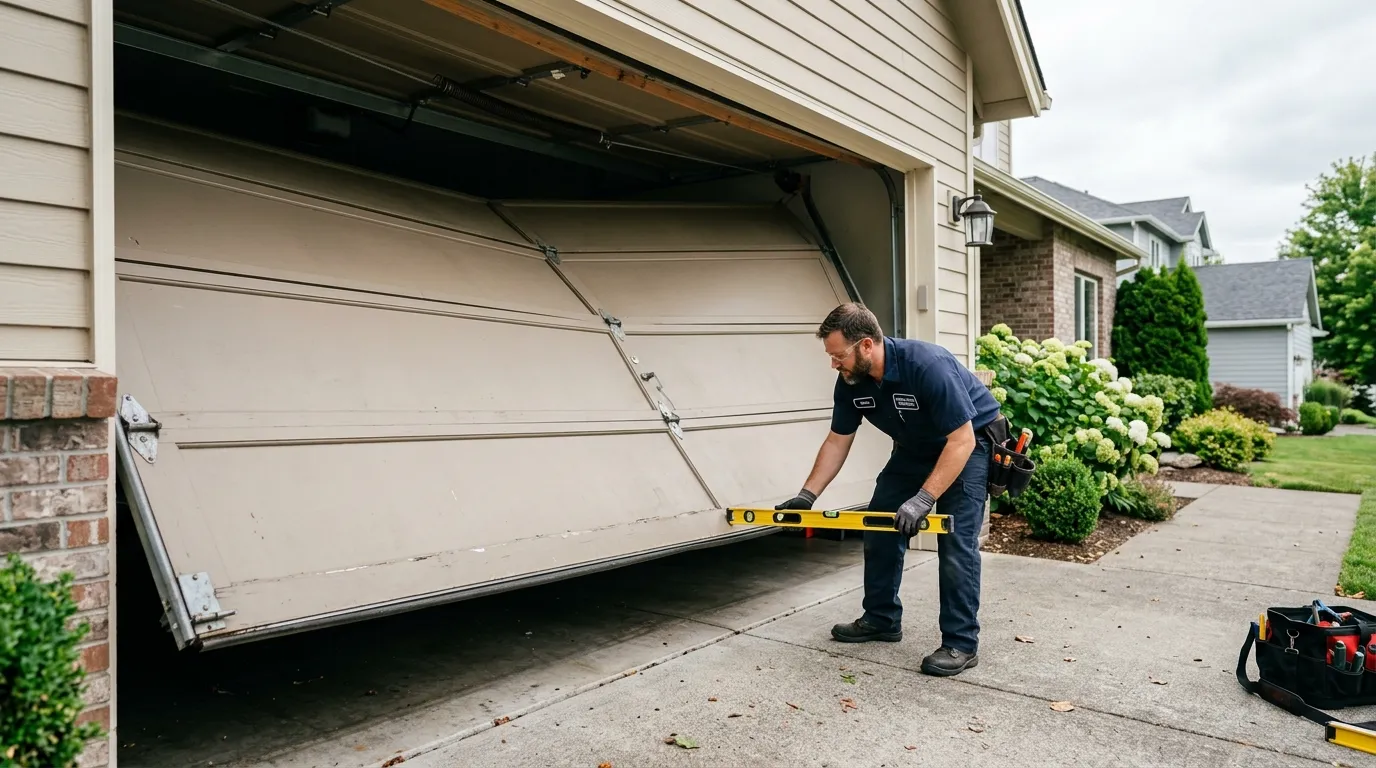
We also hear about single doors that stick halfway on the track. On a lot of these builds the opener and door were installed together as a package around the same build year, so when one part starts failing, the other usually isn't far behind. A slipping belt or a chain that's jumped a tooth is common enough that we ask about it before we even get the truck out.
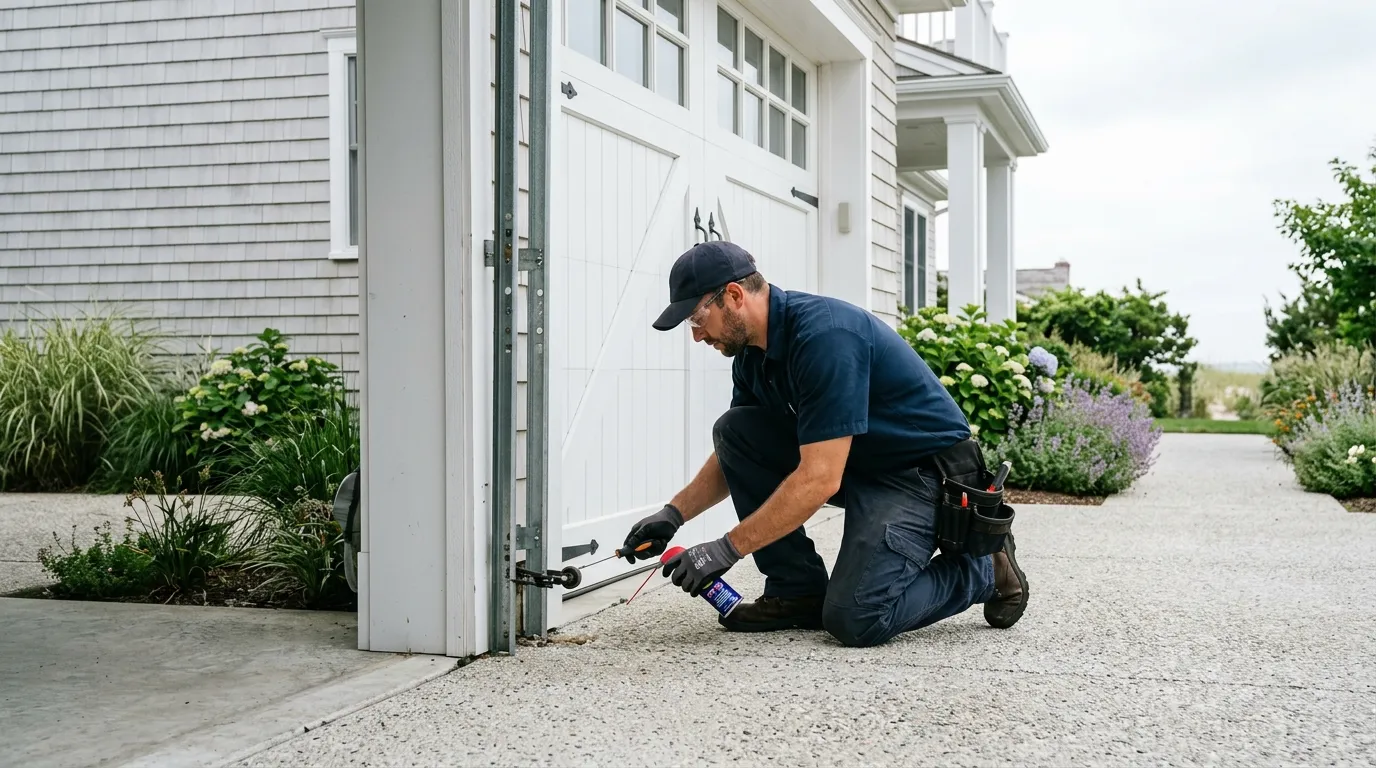
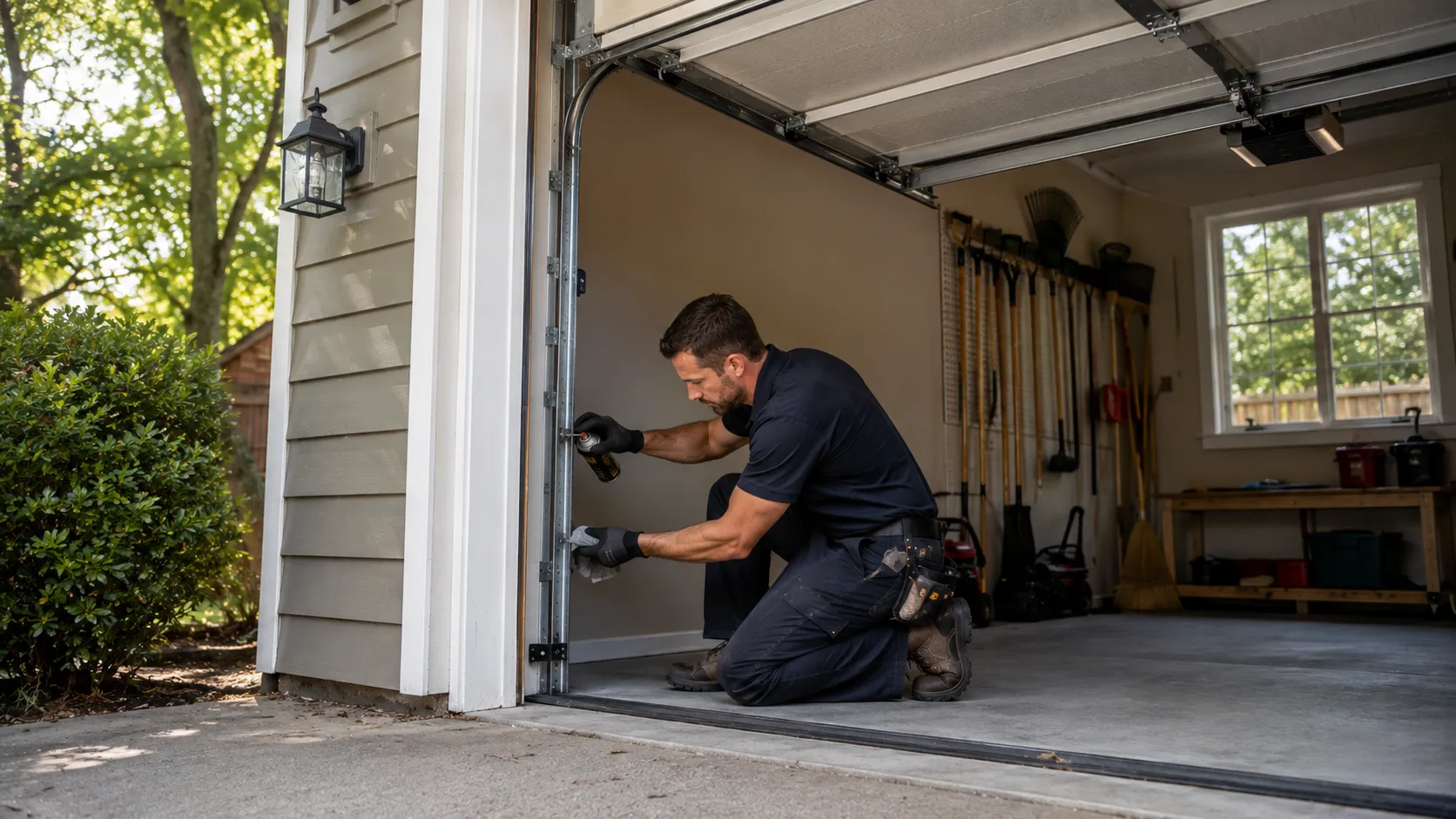
Roller noise is the other thing owners mention - steel rollers on 40-plus-year-old track tend to get loud a few years before they actually fail, so a squeaky door here is often still a working door, just one that's telling you what's coming.
What the Housing Means for Your Door
Across our wider coverage area, the housing stock skews older - built mostly in the 1960s and 70s, with a median year of 1961. Clarendon Hills runs about two decades newer than that, with a median build year around 1981. That gap matters more than it sounds: doors and openers installed in the early 80s used different mounting standards and different opener wiring than the 1960s builds, so parts that fit one era often don't fit the other.
With 3,313 households in Clarendon Hills and a median income of $125,826 - well above the roughly $99,861 median across our broader coverage - we also see more owners choosing full door replacement over patch repairs, especially insulated steel doors that hold up better through winter. The colder-climate stress on hardware here is the same as anywhere in our area: seals crack, torsion springs lose tension faster in unheated garages, and steel panels dent easier in freezing temps than people expect.
The Houses Here
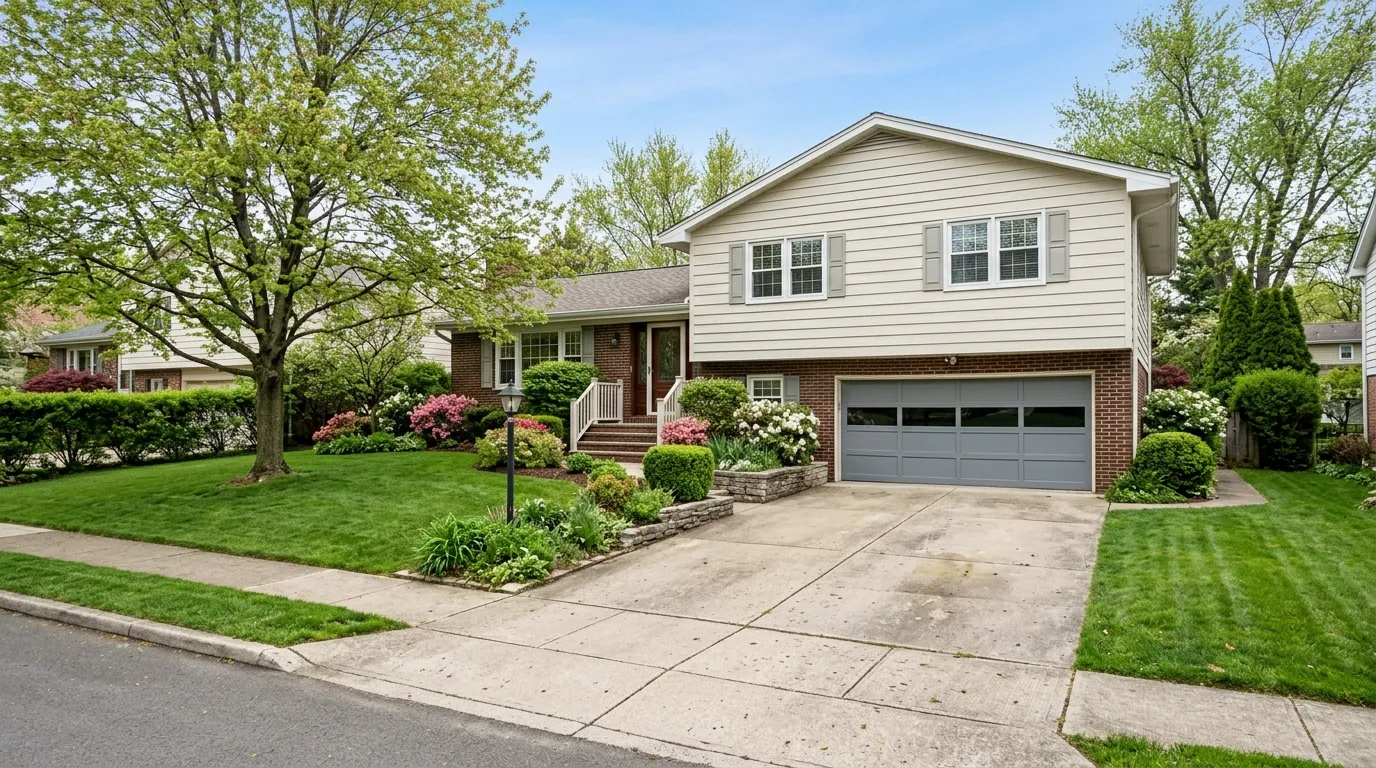
Clarendon Hills homes built around 1981 mostly carry steel sectional doors on extension or early torsion spring setups, paired with chain or belt-drive openers from the same generation. That's a more consistent hardware picture than in older parts of our coverage area, where you'll find a wider spread of build years - anywhere from 1938 to 1994 - and a correspondingly wider spread of failing parts.
With household income here running well above the average across our service area, we see more requests for insulated doors and quieter belt-drive opener upgrades than for bare-minimum repairs. That doesn't mean the basics go away - cold-weather climate stress still cracks weatherstripping and stiffens springs every winter regardless of income bracket. It just means the fix people choose tends to be the longer-term one rather than the cheapest patch.