What People Here Ring About
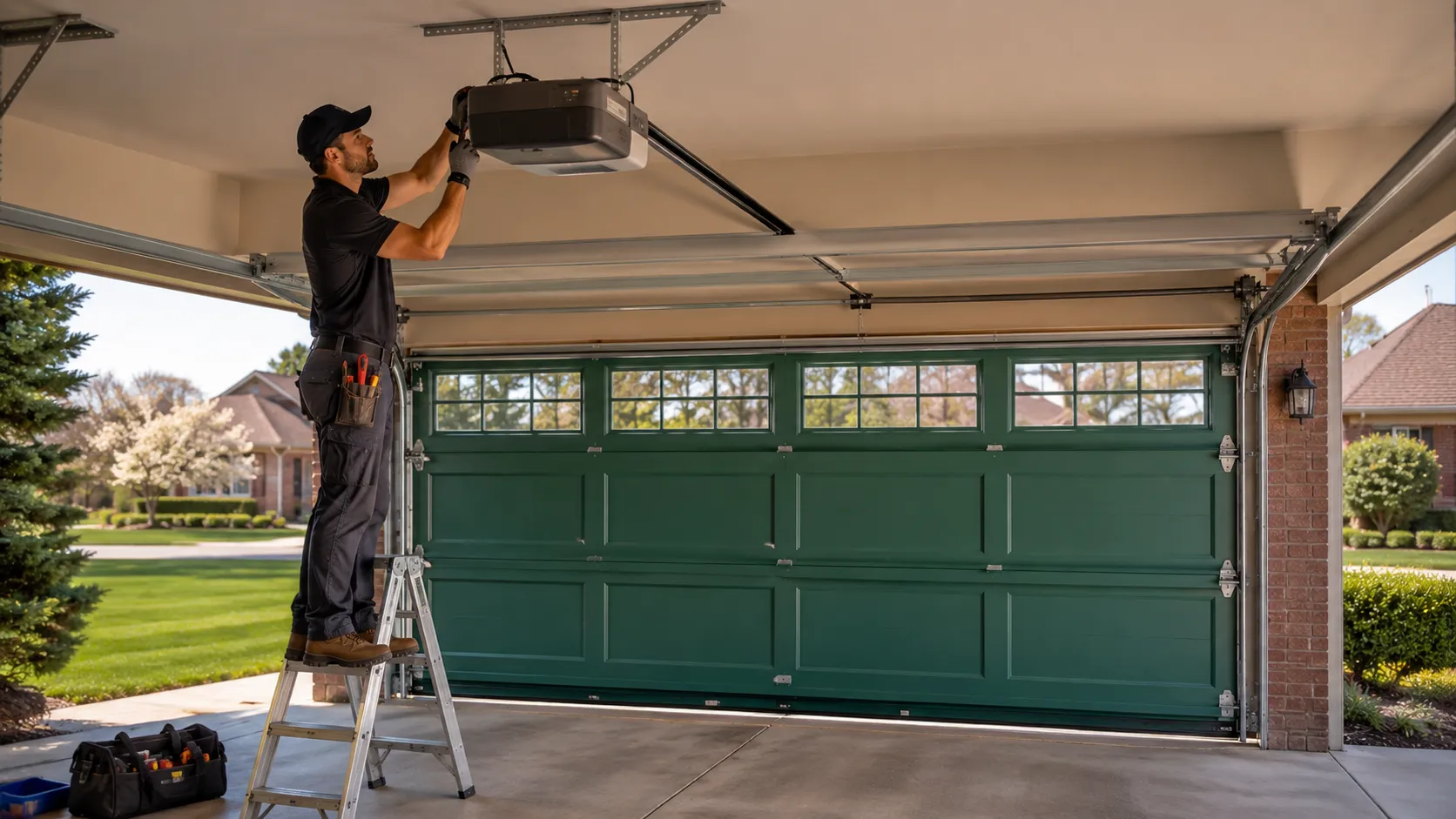
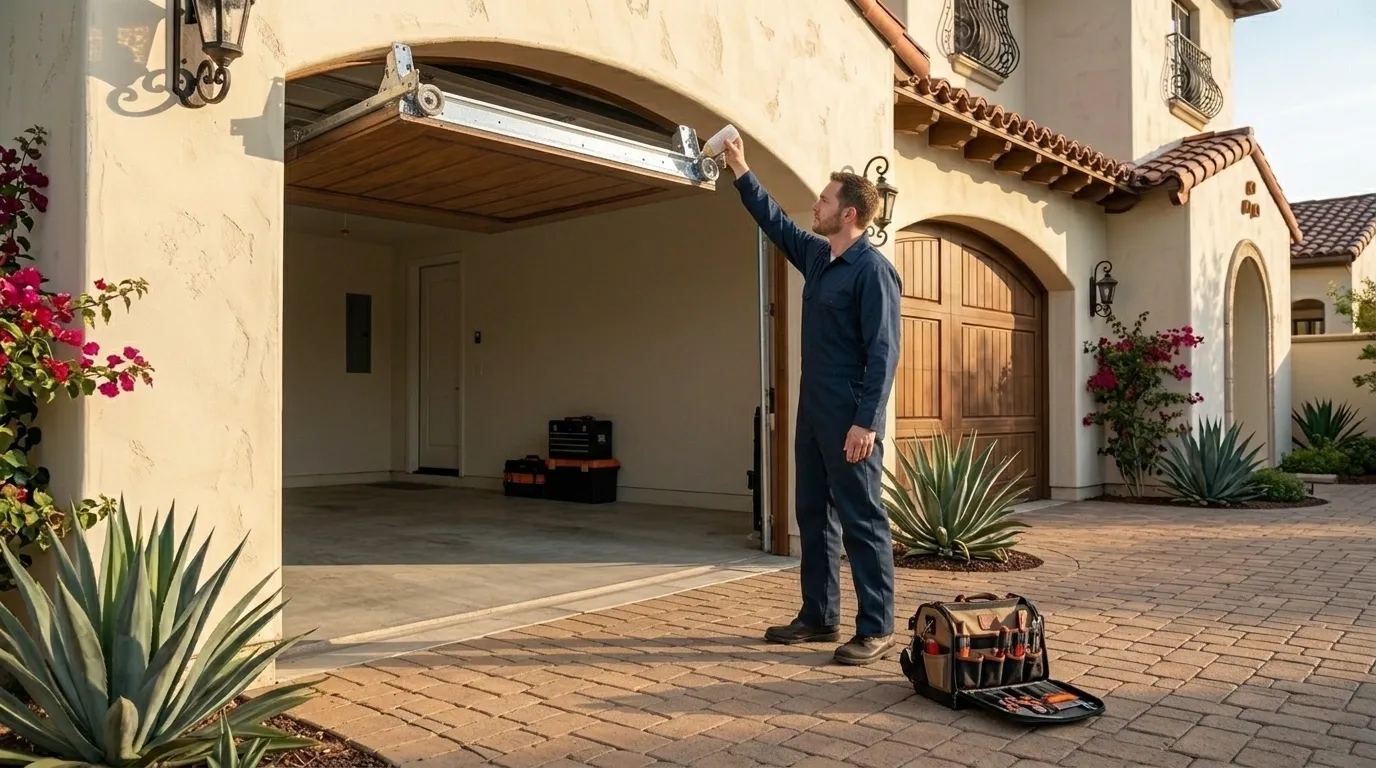
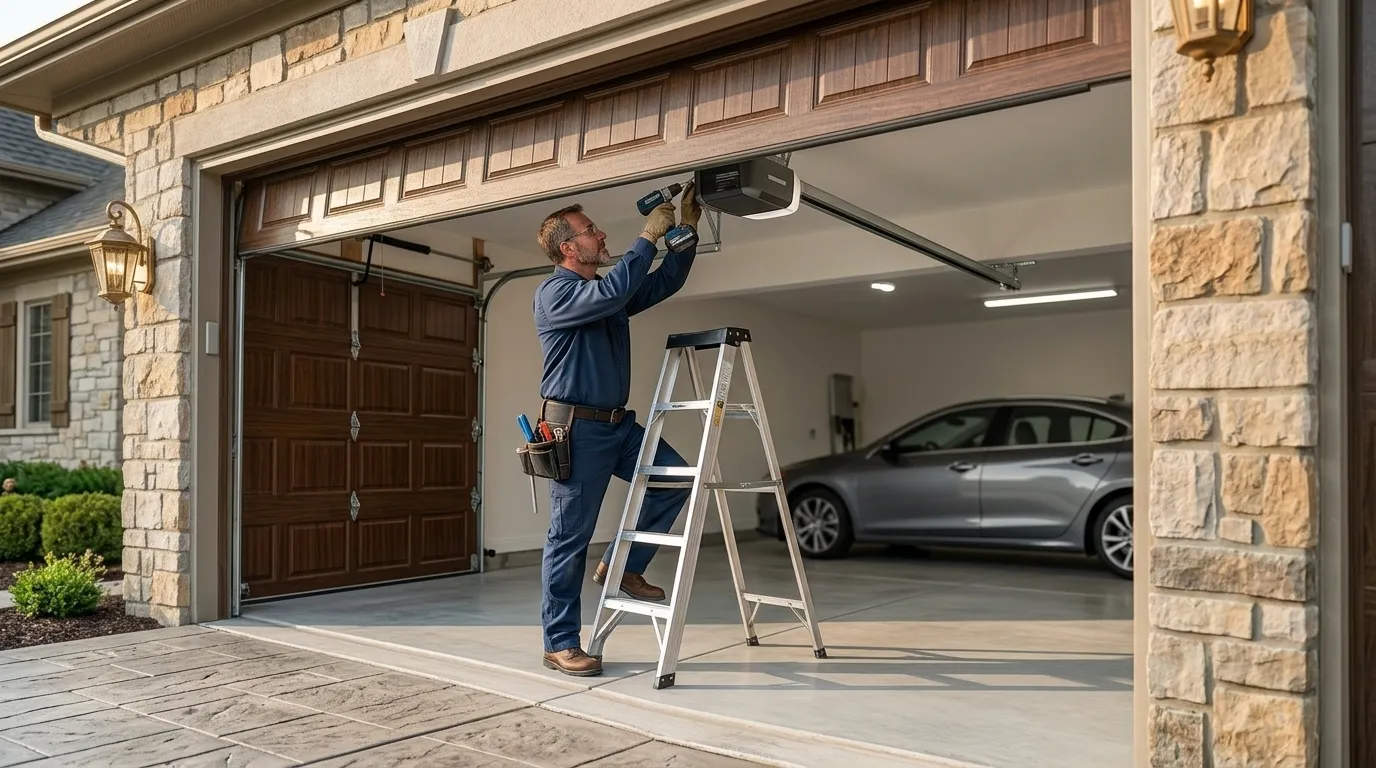
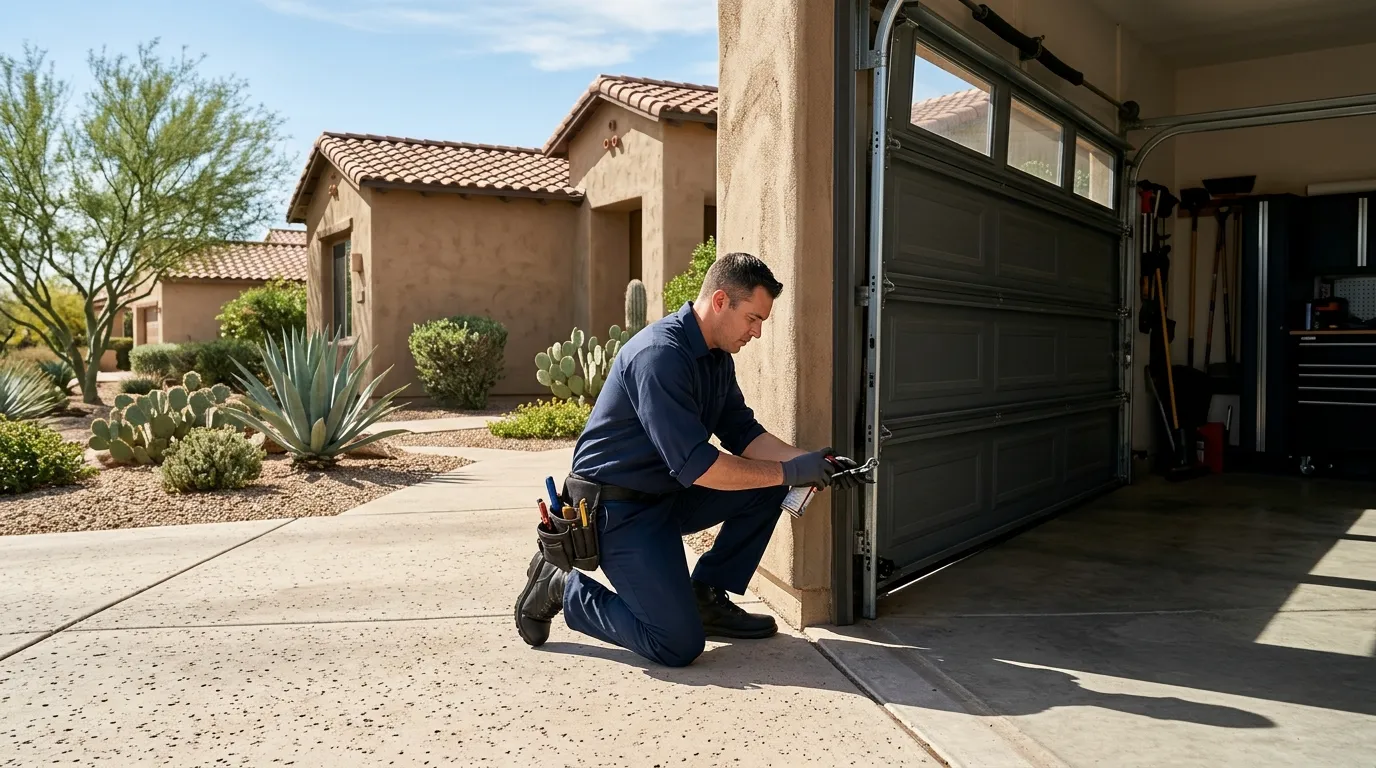
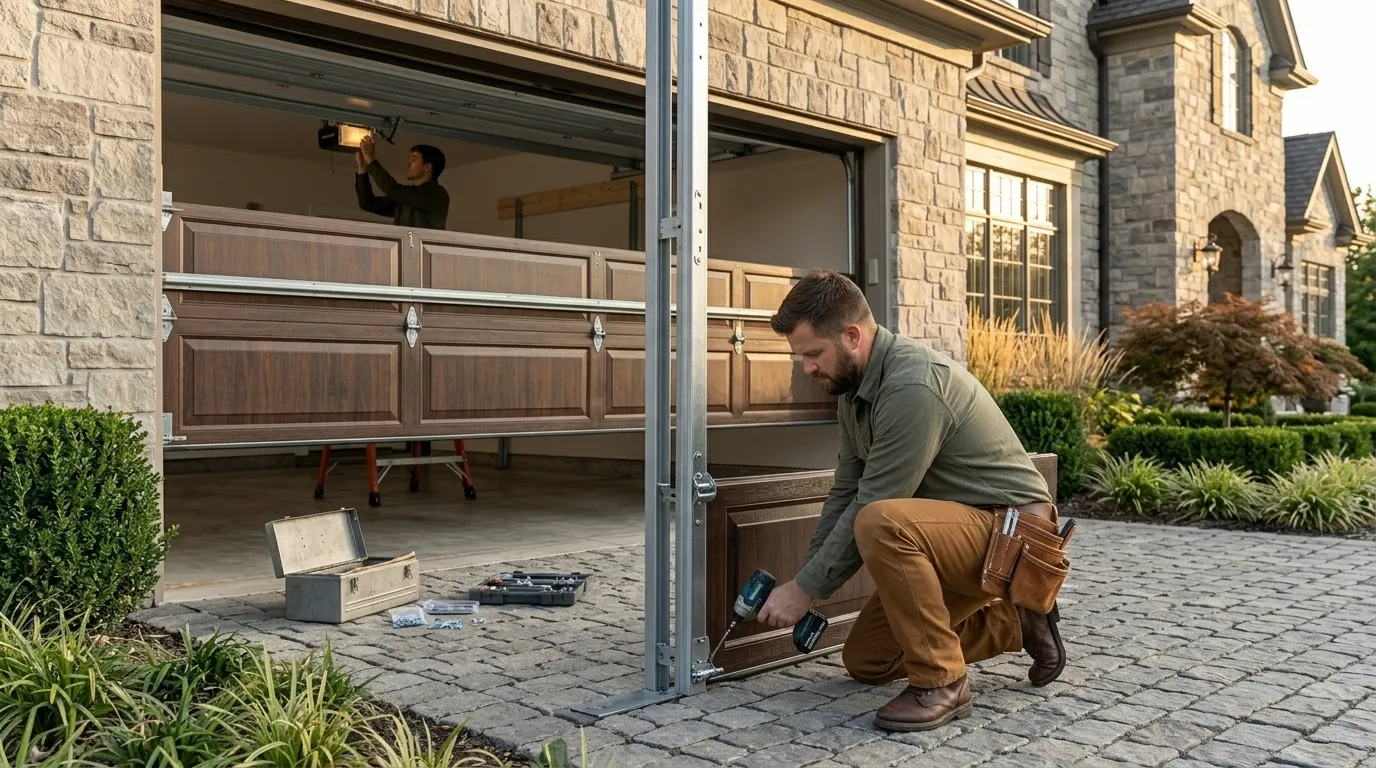
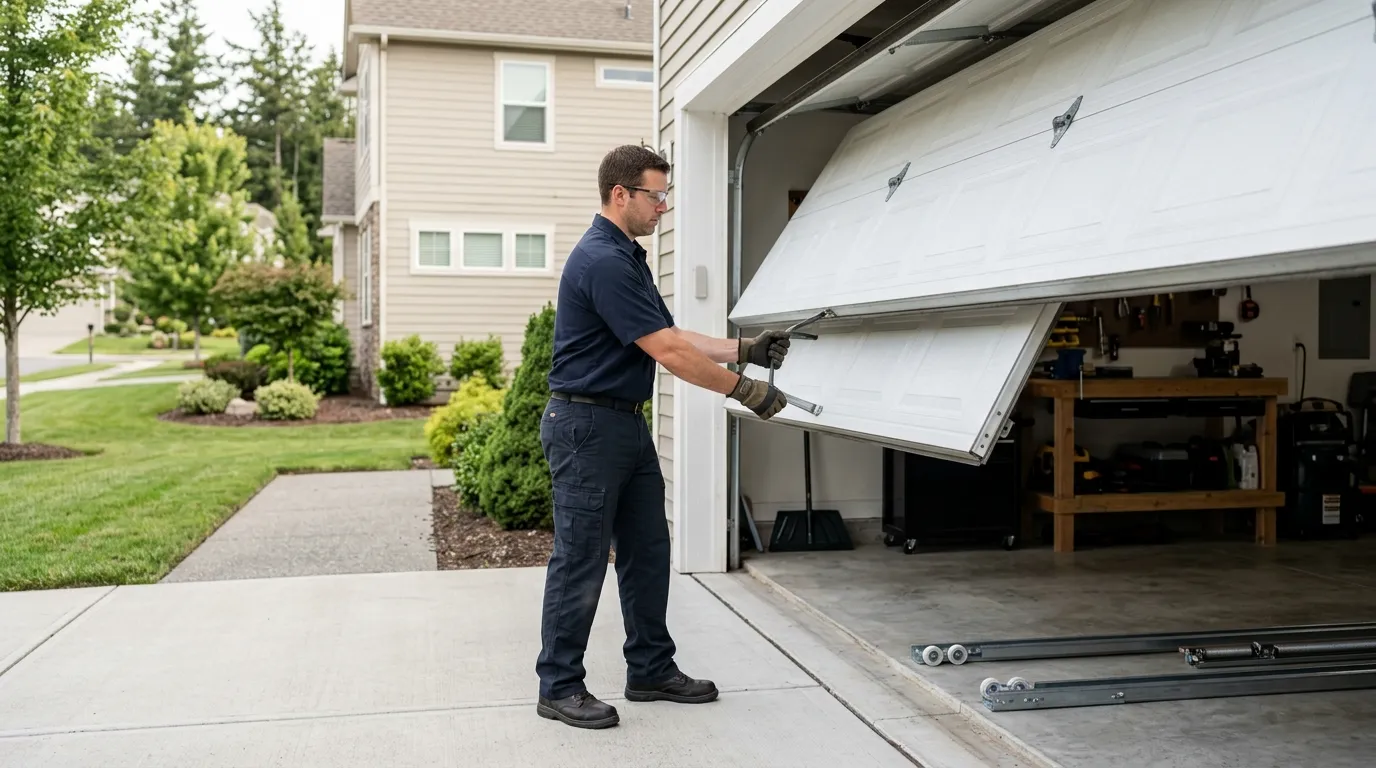
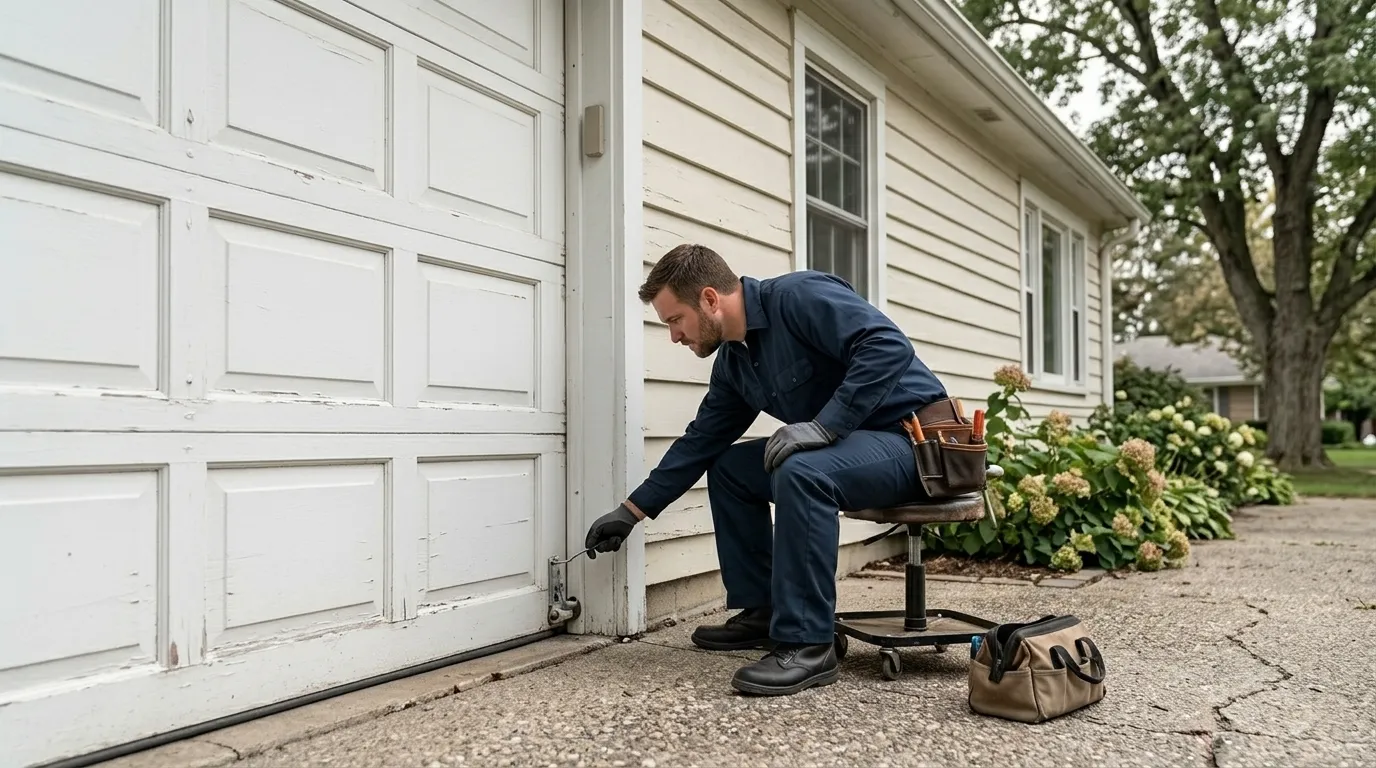
Broadview's median build year sits at 1954, which puts a good share of the neighborhood's garages ahead of the rest of the service area's 1961 median. That seven-year gap matters more than it sounds. Calls from Broadview tend to be about doors and openers that are one generation older than what we see closer to Lincolnwood - extension springs mounted on wobbly side brackets instead of a torsion bar, single-panel doors that swing rather than roll, and openers with chain drives that have been replaced once or twice already since the house was built.
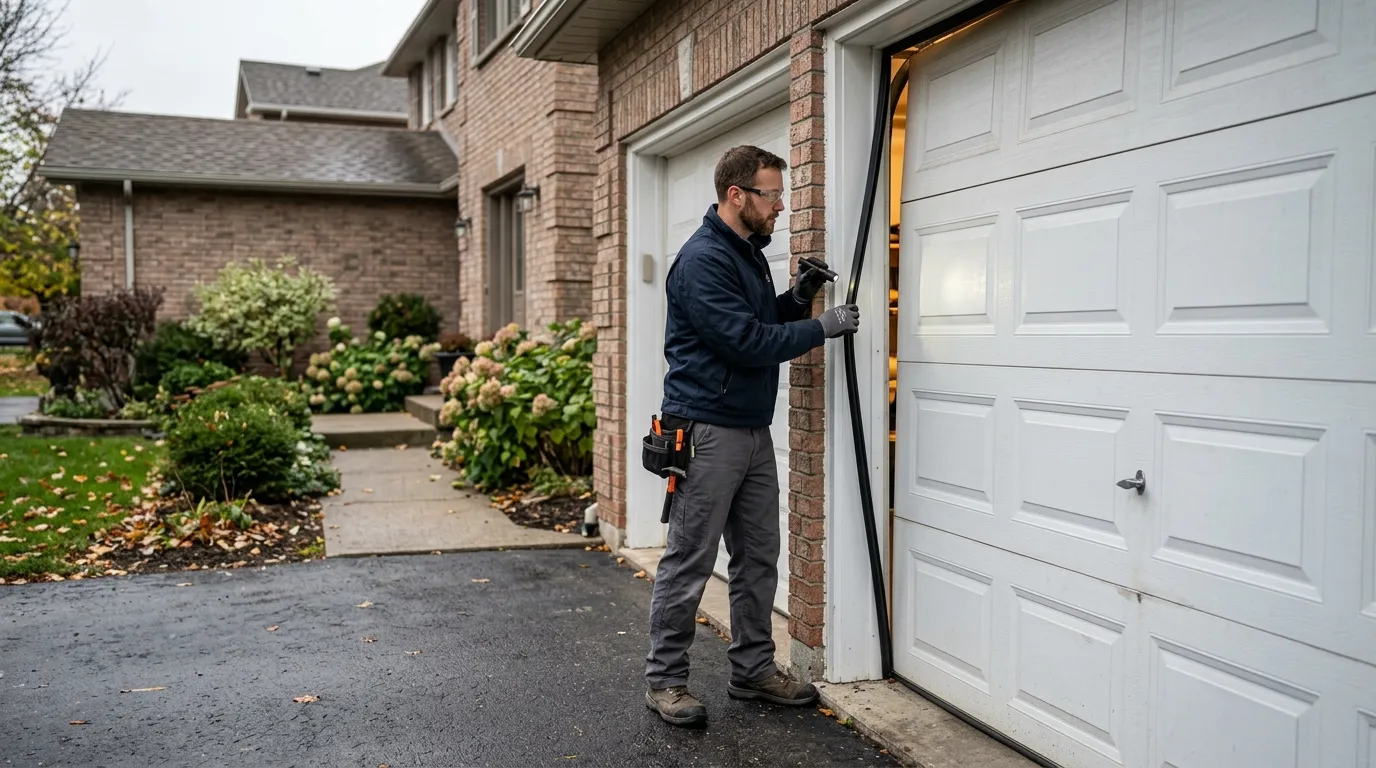
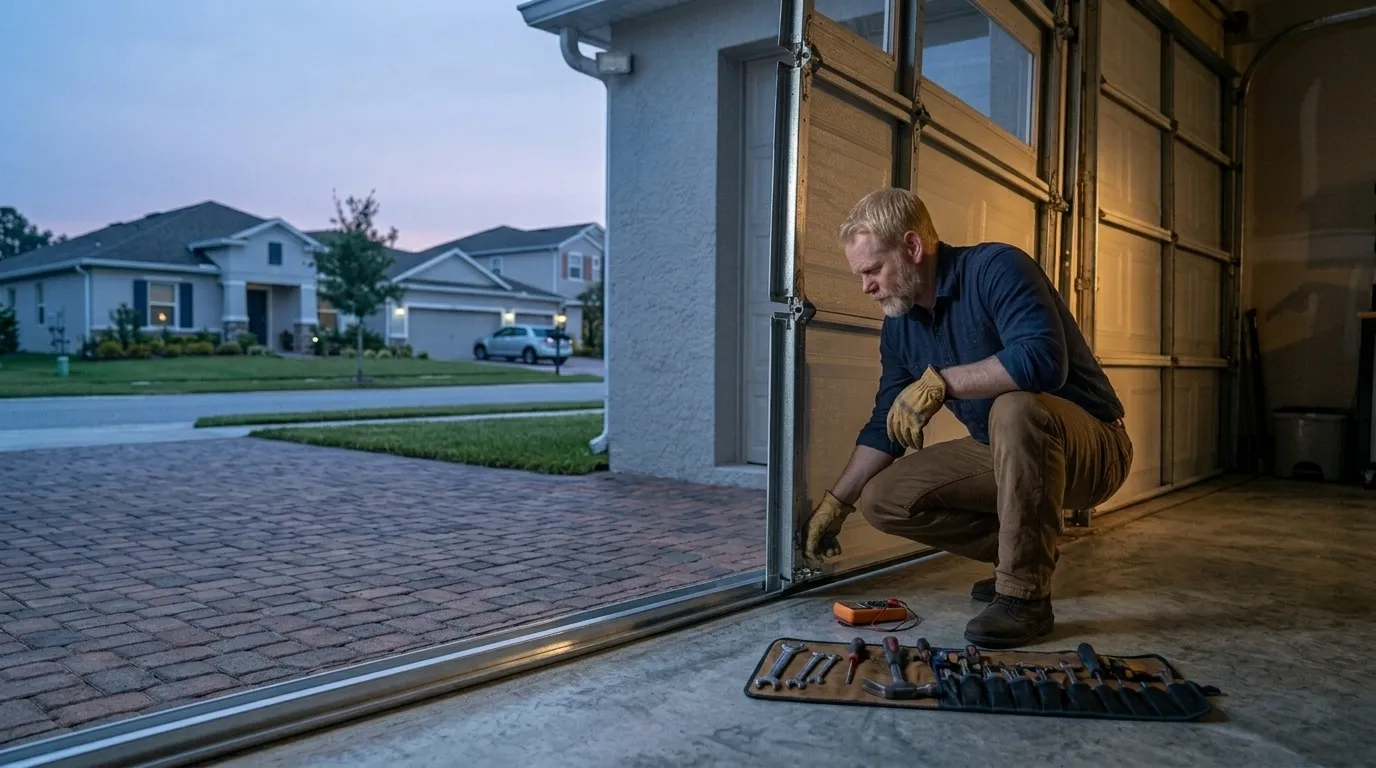
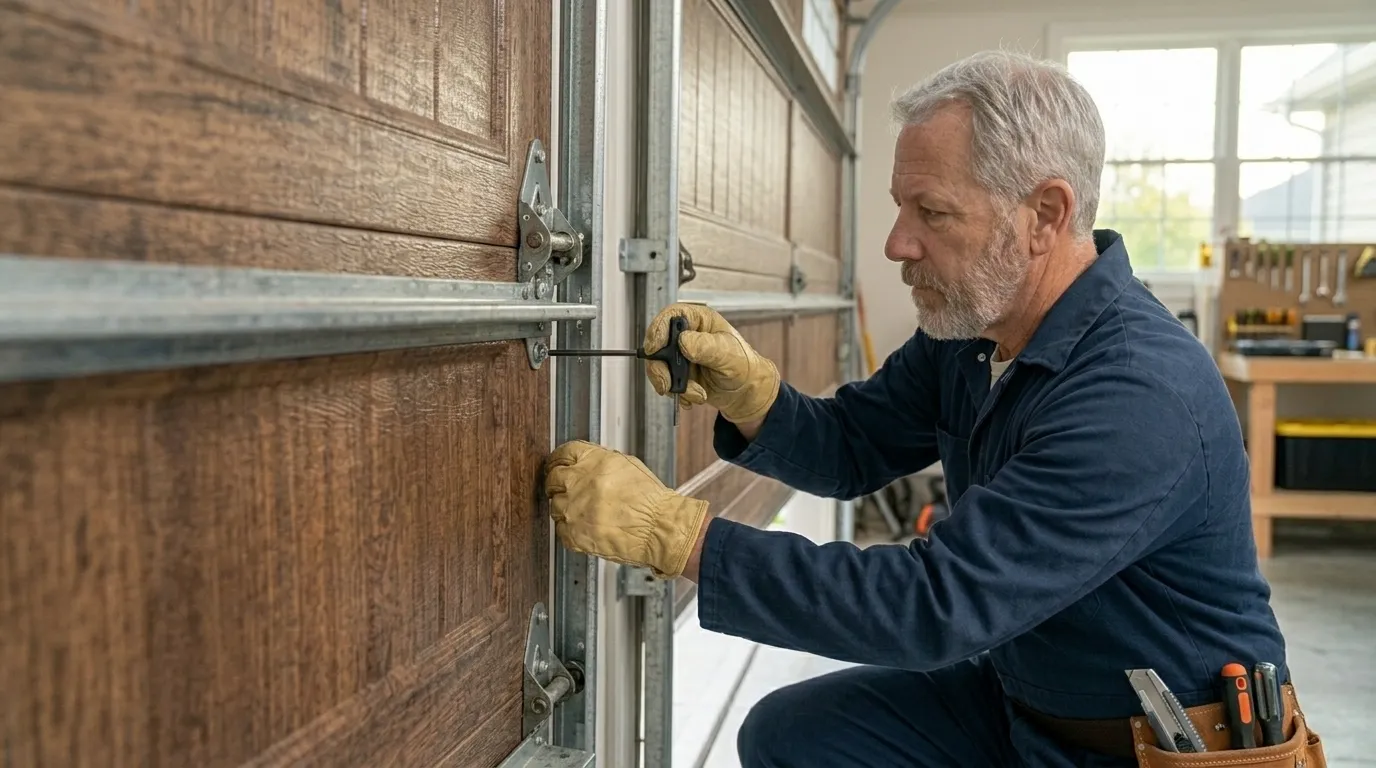
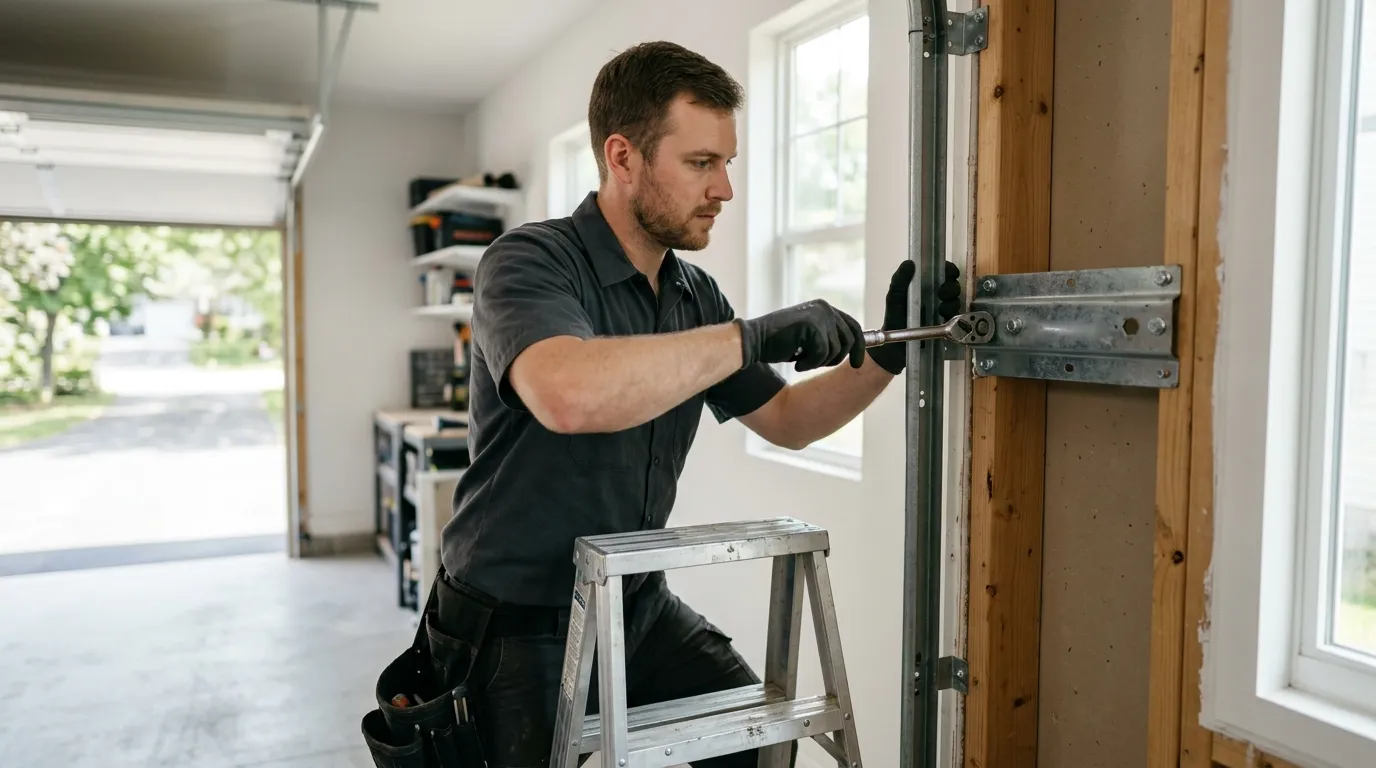
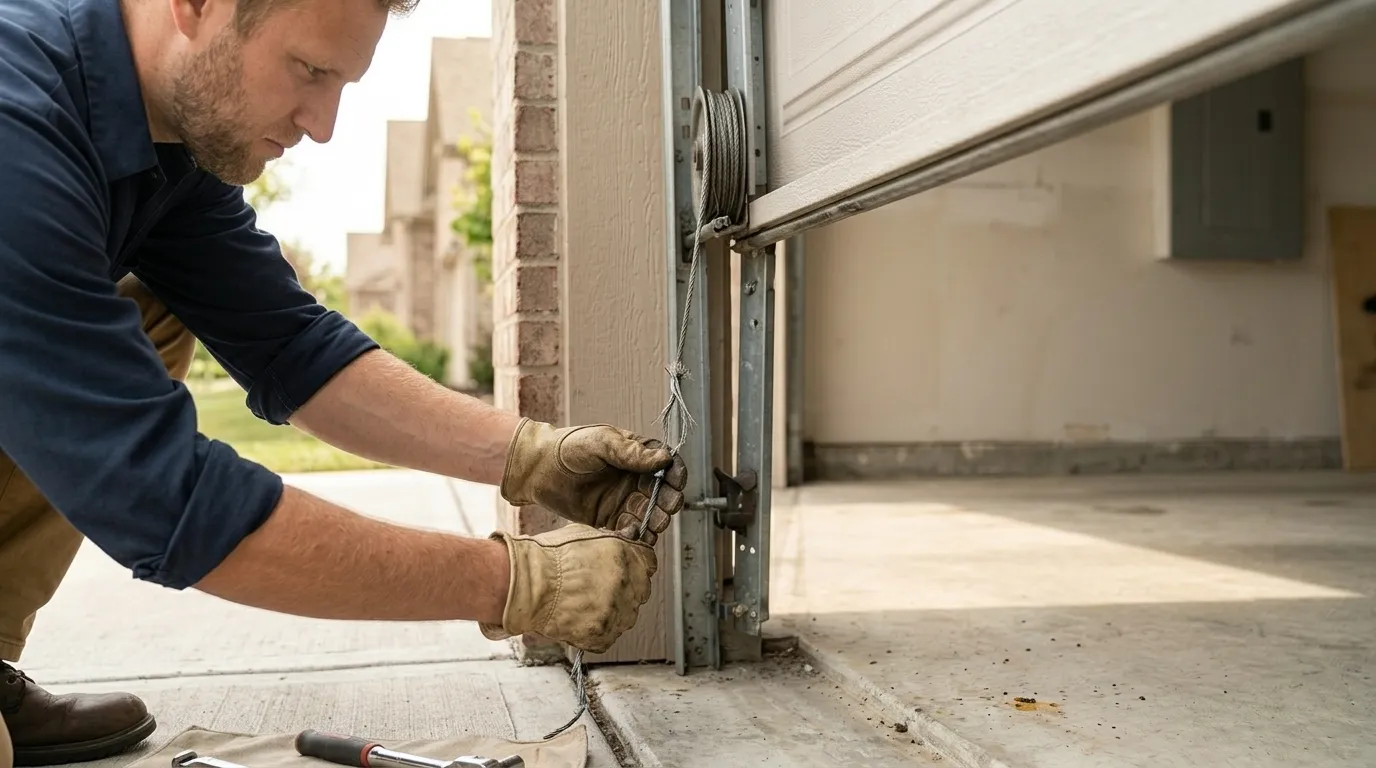
We also hear about tracks that have worked loose from wood jambs that have shifted over seven decades of freeze and thaw. With 3,115 households in this pocket of the coverage area, a fair number of them are still running original or first-generation replacement hardware, and it shows up in the calls: doors that bind halfway up, cables that have started to fray at the drum, and openers that grind before they lift.
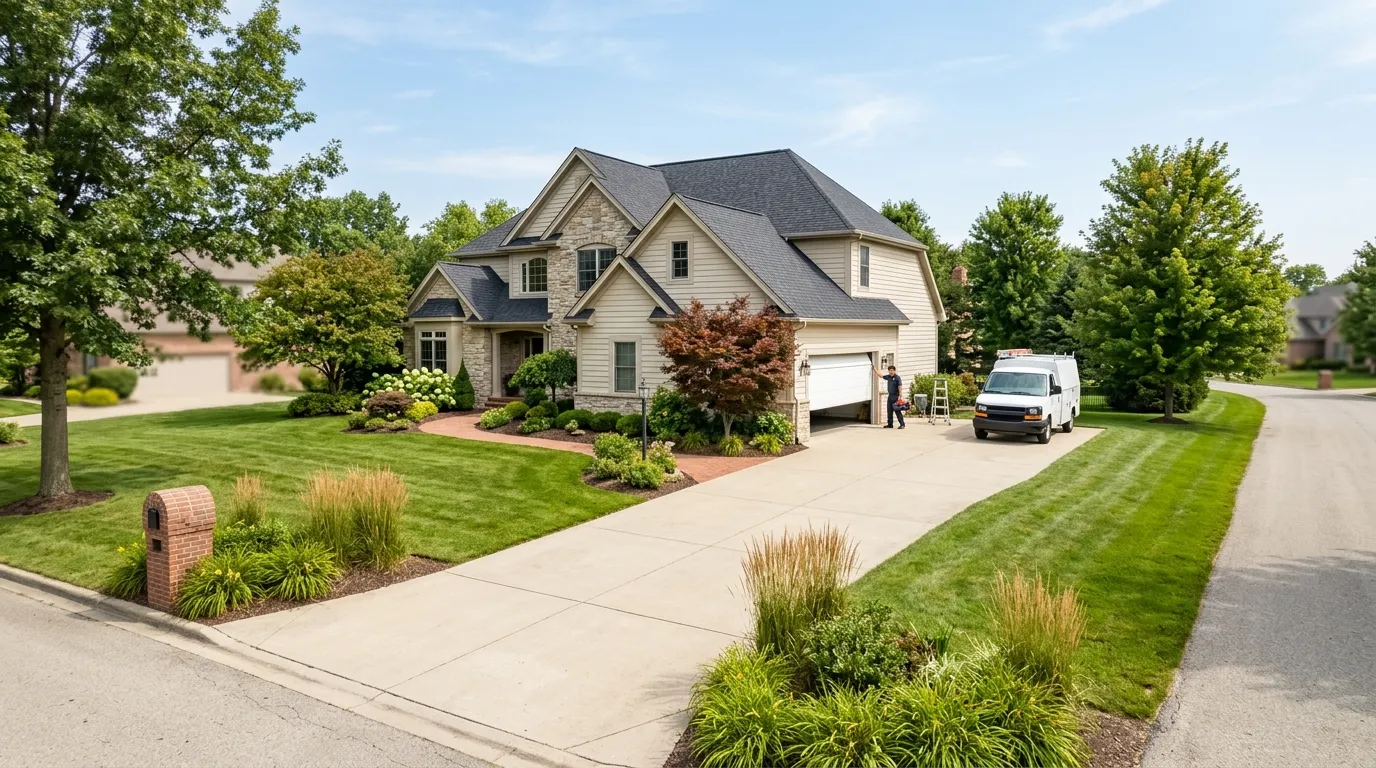
We make the trip out from Lincolnwood, roughly 12 miles, for these calls. It's a straightforward drive, but we're not based in Broadview, so we schedule the visit rather than showing up same-hour.
What the Housing Means for Your Door
A house built around 1954 was almost never built with a torsion spring system overhead. The common setup from that period is a pair of extension springs running along the horizontal track, held with a lot less redundancy than what code requires now. When one of those springs lets go, the door can drop hard and fast, and the safety cables that are supposed to catch a broken spring often aren't there at all on the original hardware.
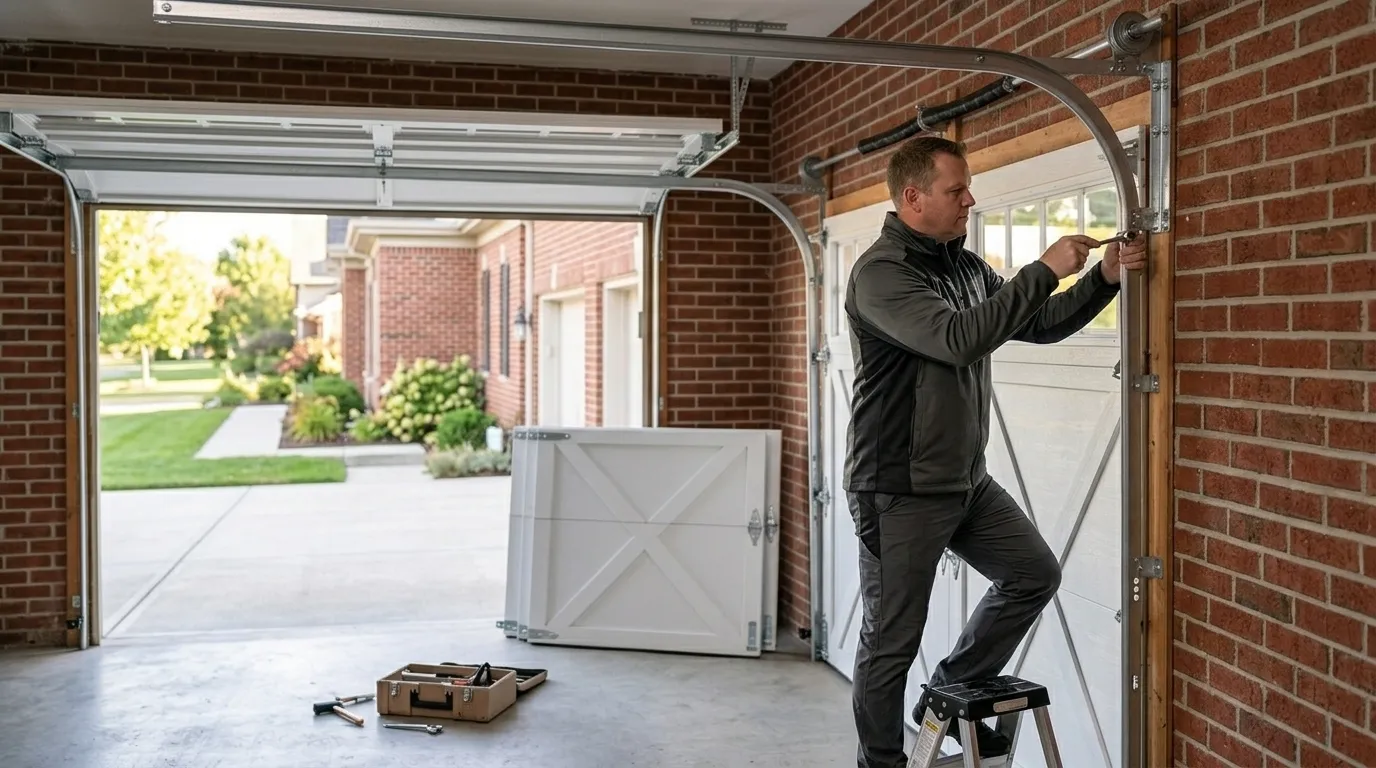
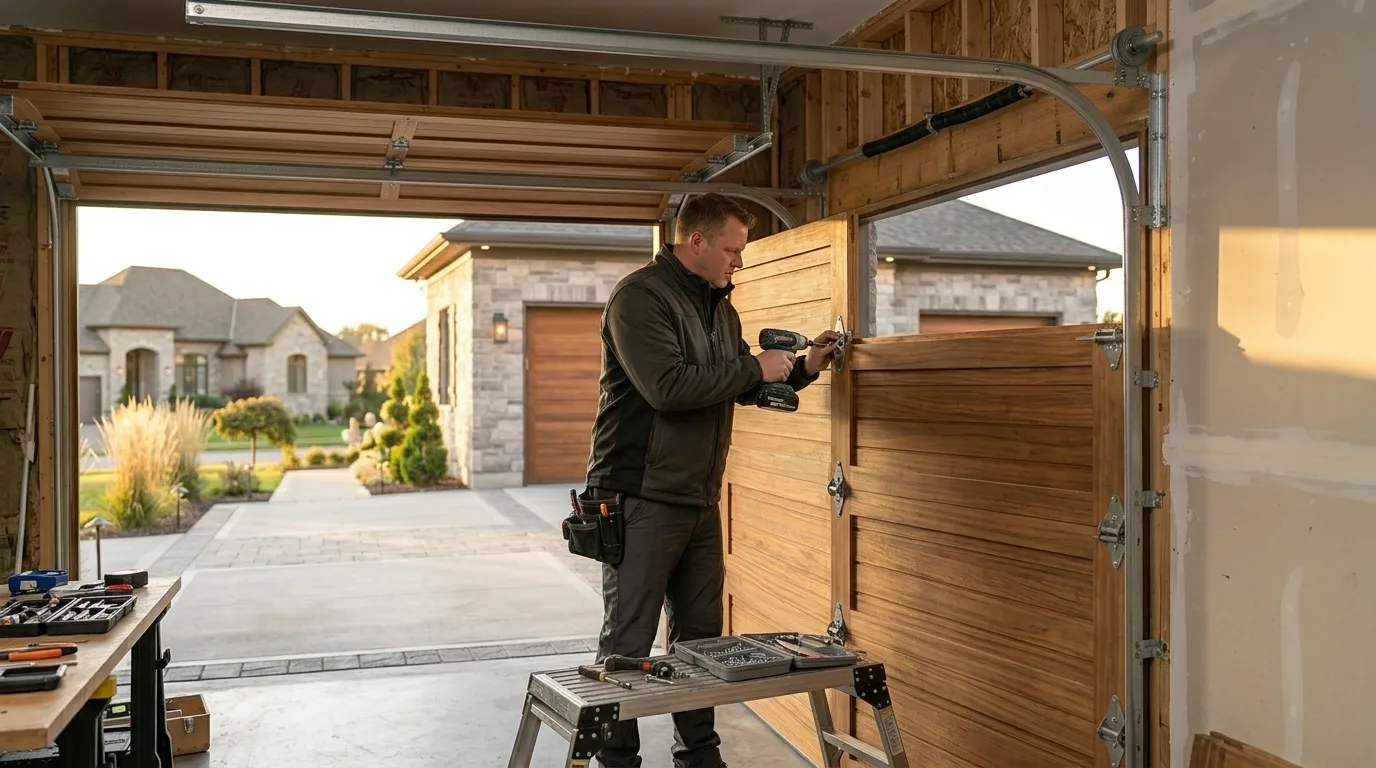
Openers in these houses have usually been swapped out more than once, but the track and drum hardware behind the opener is frequently original or close to it. That means a repair call here is rarely just "replace the opener." It's often a mismatch between newer motor hardware and older track geometry, and that mismatch is what causes the grinding, the off-track rollers, and the doors that only close if you hold the wall button down the whole way.
With household income in this pocket at $60,139, a lot of homeowners here are choosing between a targeted repair and a full replacement, and the right answer depends on what's actually failing - the spring system, the track, or the opener itself.
The Houses Here
Across the wider service area the housing stock runs from 1938 to 1994, with the median landing at 1961 and most of it concentrated in 40 named areas built out through the 1960s and 70s. Broadview sits on the older end of that range at a 1954 median, roughly a decade ahead of newer pockets in the coverage area, which puts more of its garages into the first wave of postwar construction rather than the later boom.
That earlier build date is the reason spring failures and track wear show up here more often on older extension-spring setups than on the torsion systems common in houses built after the mid-1960s. It's also why openers here have frequently been replaced independent of the track and spring hardware, since the motor is the part that wears out fastest while the structural hardware behind it can outlast several openers.
Of the roughly 52,848 owner-occupied houses across the full service area and 104,270 households, Broadview's 3,115 households are a small but consistent slice of the calls we get from the older end of the build-year range.