Serving Lincolnwood, IL & nearby
(224) 353-7699
Lincolnwood, IL

Garage Door Spring Repair for Glencoe Homes

Glencoe homes median out five years older than the wider service area. That shifts spring sizing and mounting. We drive out from Lincolnwood, 9 miles, for the fix.

Garage Door Spring Repair for Glencoe Homes
Lincolnwood, IL
8 services
5 service areas
Diagnosis first, then the fix

The DIY Question

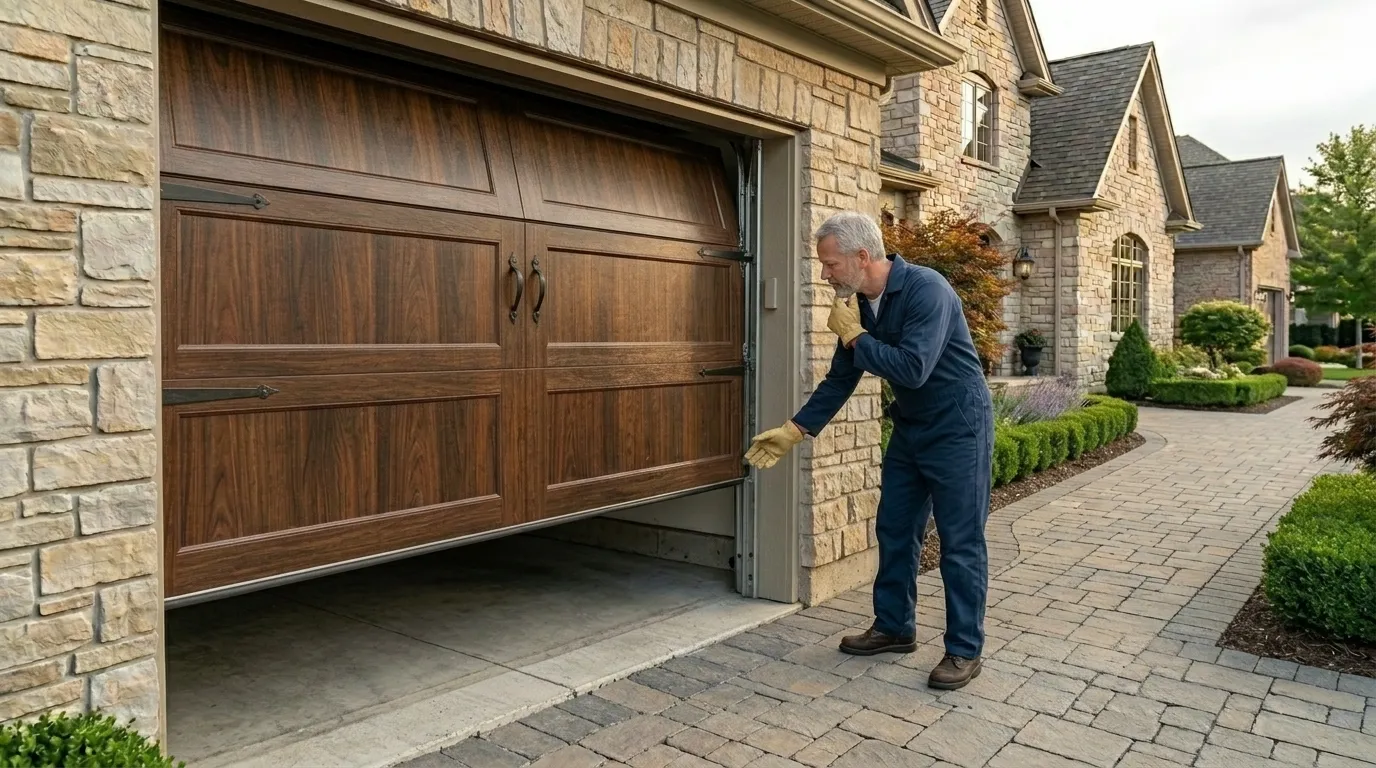
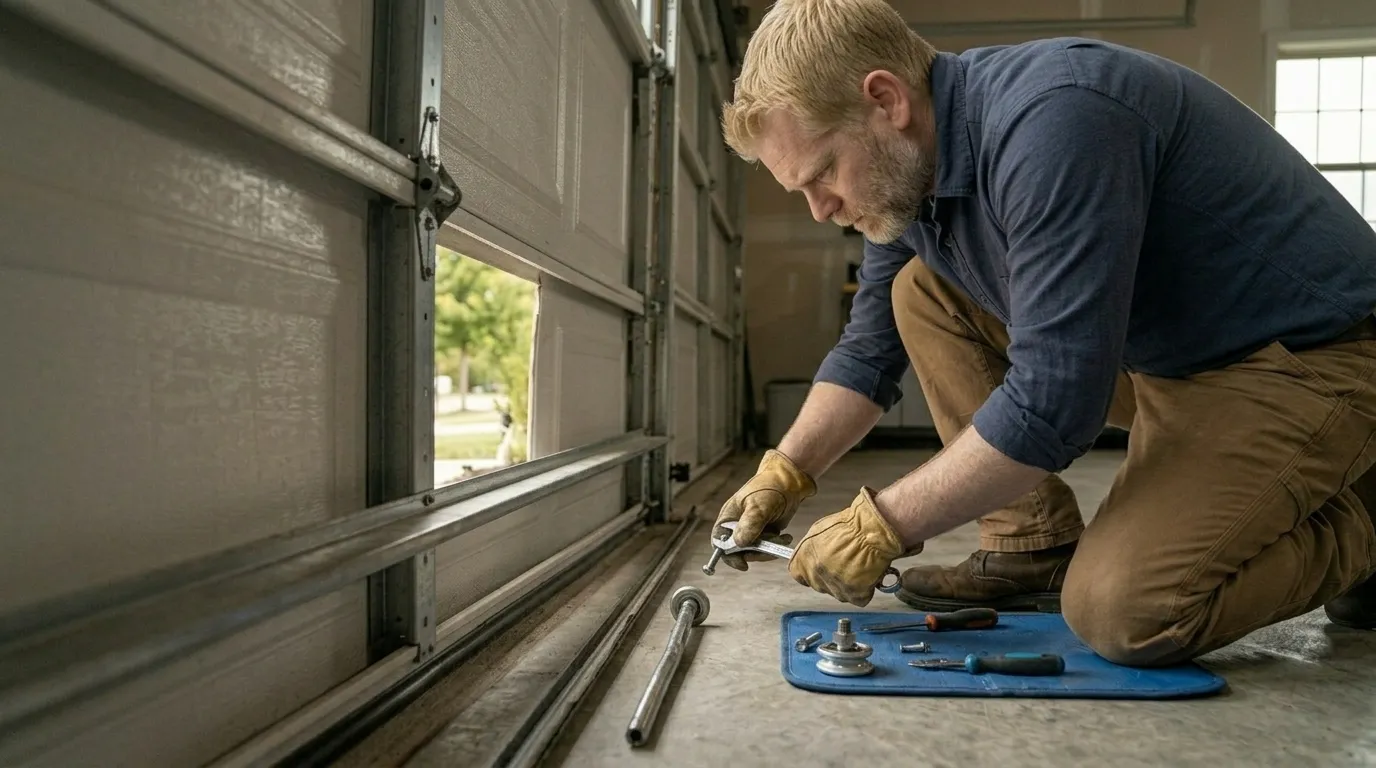
Glencoe's housing stock runs a touch older than the median across the areas we cover out of Lincolnwood - 1955 here versus 1961 across the wider service area. That six-year gap matters more than it sounds like on paper. A garage built in the mid-1950s is more likely to carry a single long torsion spring on a wood jamb, not the paired shorter springs and steel track you see on houses from the 1970s. If you're pulling up a wind-up torsion spring on a bar wrench for the first time, on hardware that's been in place since before most spring calculators existed, that's not a starter project. The spring is wound under enough force to break bones if it lets go, and the winding cones on older units corrode in ways that make them grab or slip without warning. Cable and pulley setups from that era also weren't built for the counterbalance ratios common today, so even a like-for-like spring swap can leave the door out of balance. If you've got the tools and you've done it before, fine. If this is a first attempt on a door this age, call it out and get someone out to look at it before you put a wrench on the bar.

The Cost of This Job

We don't post a flat number for spring jobs because the spring itself, the mounting hardware, and how much of the rest of the assembly is original all change what's involved. What we can tell you is that Glencoe sits about 9 miles from our shop in Lincolnwood, and that distance is built into how we schedule the drive, not into a separate travel charge tacked onto your invoice. On a house built around 1955, expect the quote to depend on whether the spring is a standard size or a longer, heavier-gauge unit sized for an older door, and whether the drums, bearing plates, or cable are worn enough to need swapping at the same time. Doing the spring alone and leaving worn cable in place is a false economy - you'll be back out here in a year for a snapped cable instead.

How It Shows Up

The most common sign is a door that won't budge, or one that an opener strains against and then reverses. On a torsion spring that's fully broken, you'll usually hear it - a bang from the garage, sometimes mistaken for something falling, and then a door that feels twice as heavy when you try to lift it by hand. On a door that's still moving but wrong, watch for one side dropping faster than the other, or the door hanging open a few inches when it should be shut flat. Homes on the older end of Glencoe's build range are more likely to run a single center-mounted spring, so a failure there takes the whole door down at once rather than letting one side hold. If your opener is straining, clicking, or cutting out mid-cycle on a door that used to run quiet, that's the spring giving out under load, not the opener.

What Can Go Wrong

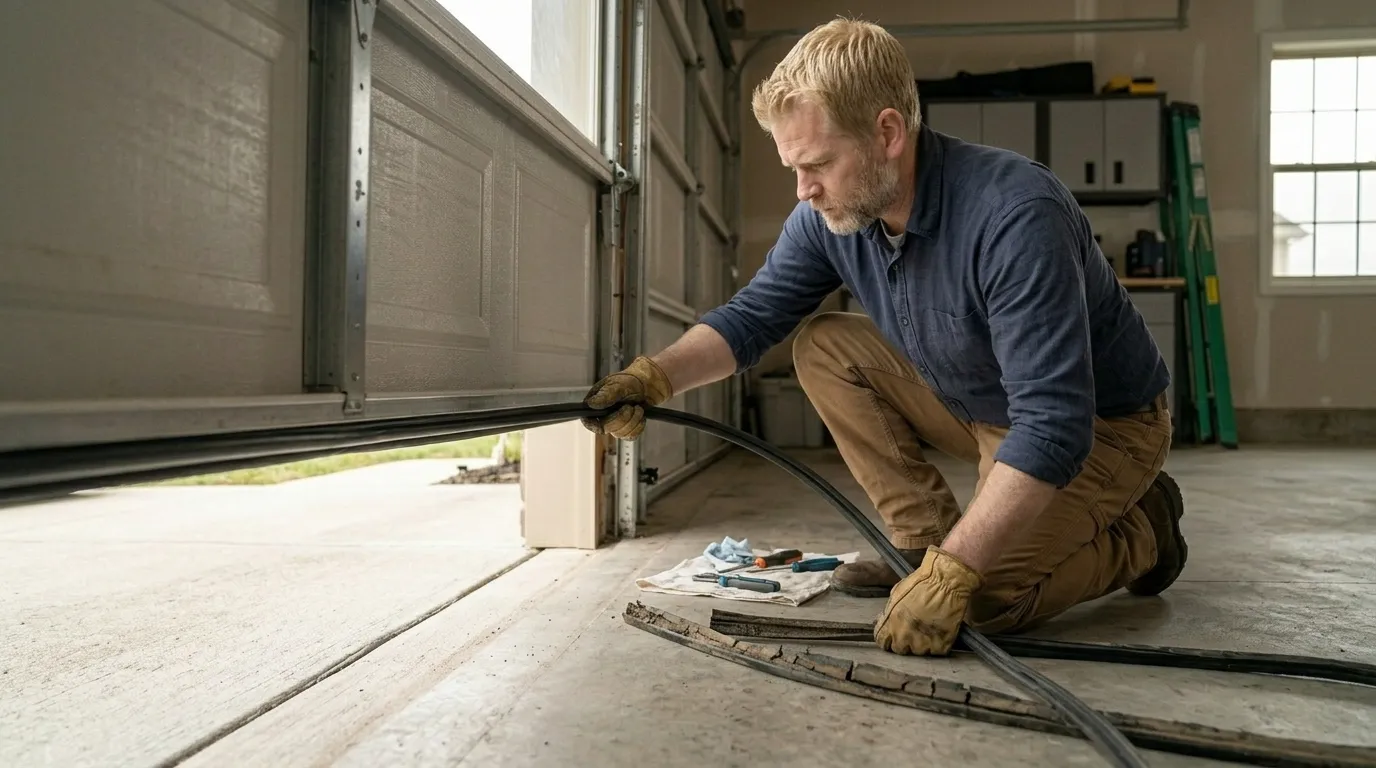
Winding cones seize on older torsion setups, especially where the original spring has never been replaced. When a cone won't turn cleanly on a wrench, the temptation is to force it, and that's how the spring lets go unevenly instead of releasing under control. On houses from the 1955 era, we also see mounting brackets that were fine for the original spring's diameter but aren't rated for a heavier modern replacement, which means the bracket needs attention too, not just the spring. Cable that's frayed near the drum from decades of use can snap the moment the new spring takes the load, so we check that before calling the job done. None of this is unique to any one house, but it's more common the closer the build year sits to the middle of the last century, which is where a good share of Glencoe's housing falls.

Why This Fails Locally

Cold, damp winters put steel torsion springs through repeated contraction and expansion, and that cycle is what eventually fatigues the coil past its rated life, regardless of how well the door was installed. The climate here runs a cold moderate pattern typical of the broader region, and a spring rated for a certain number of cycles wears out faster when it's also fighting temperature swings twice a year. On a door that's original to a 1955 build, that spring has likely been through decades of that cycle already, on hardware never designed with today's heavier insulated panels in mind if the door itself was ever upgraded. That combination - old mounting hardware, a newer heavier door, and a coastal-lake climate pattern - is exactly the mismatch that causes a spring to fail sooner than its rated cycle count would suggest.
What the Fix Involves

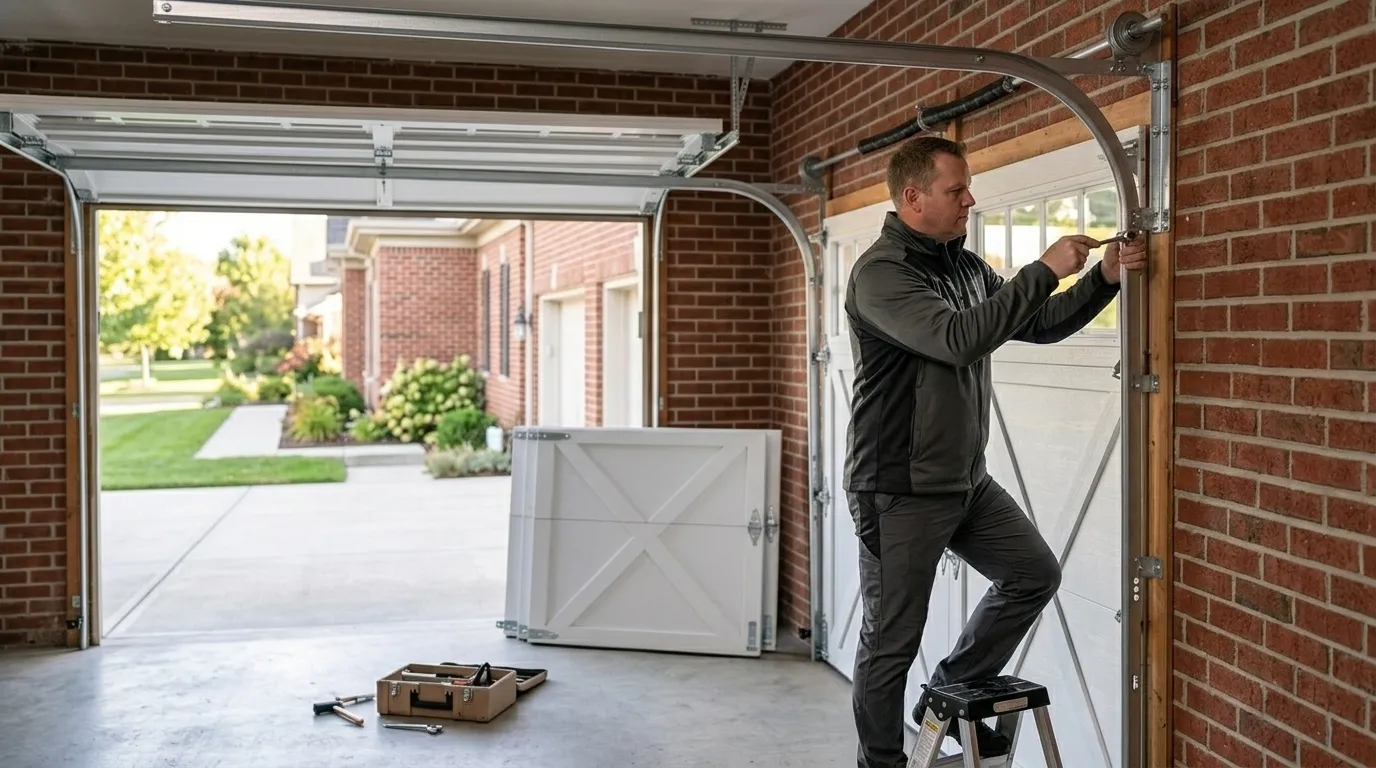
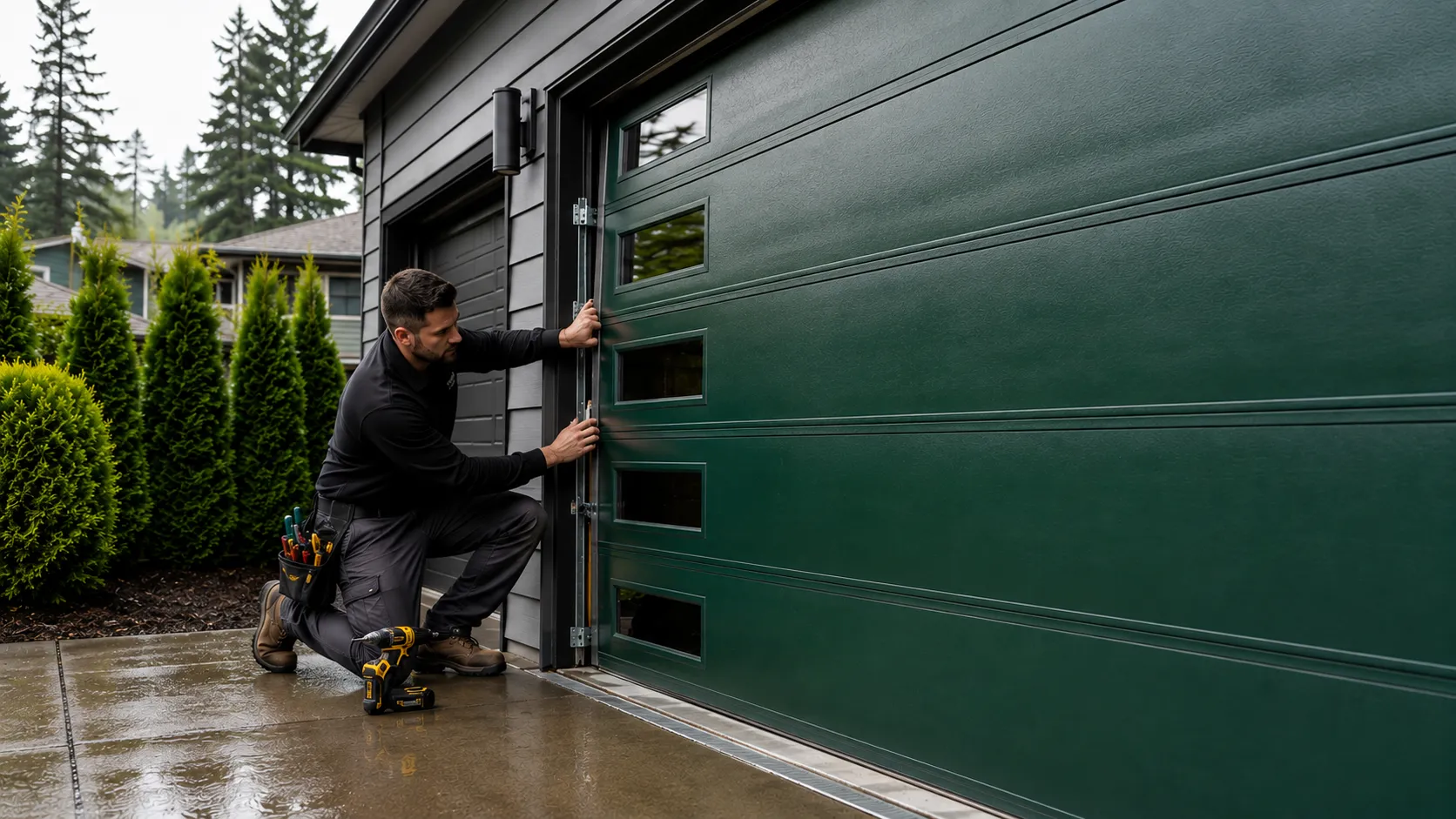
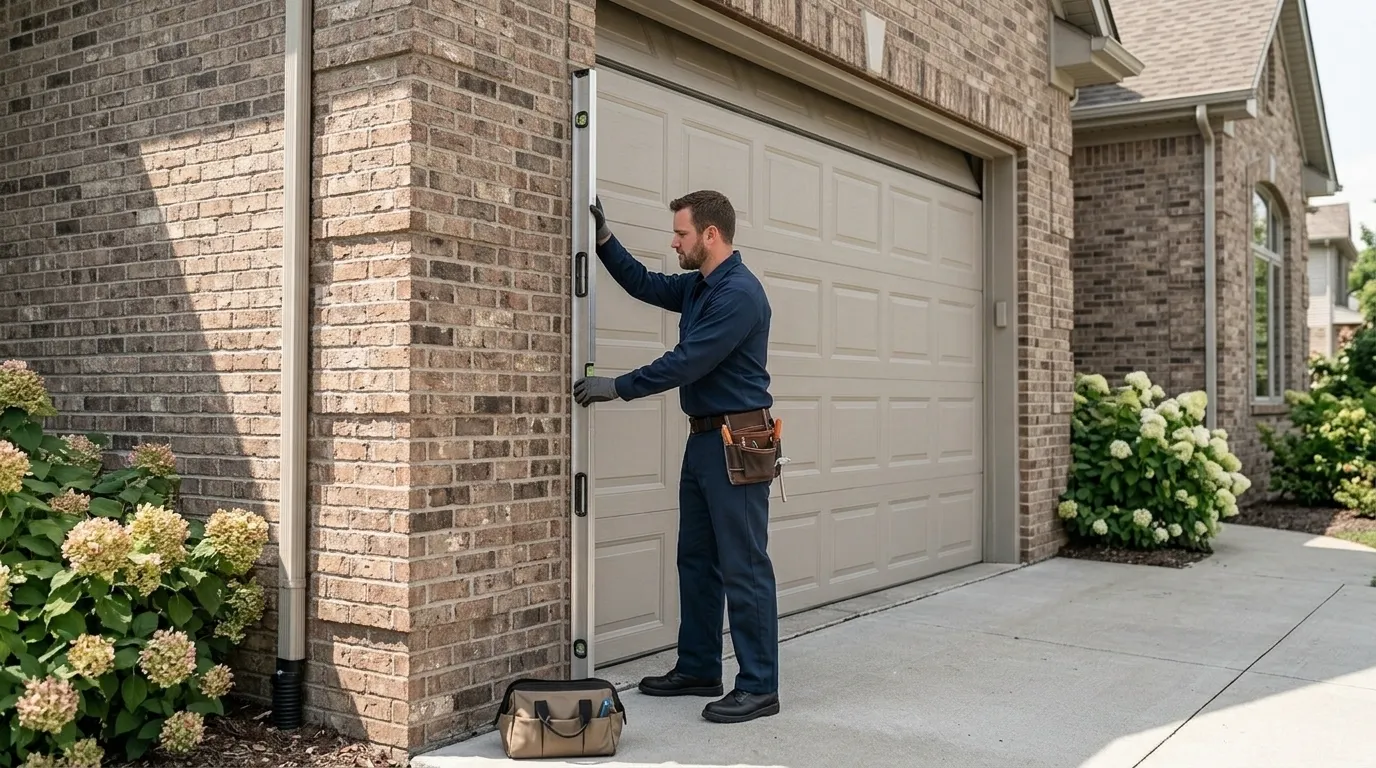
We size the replacement spring to the door's actual weight and drum size, not just to whatever was in there before, because a spring that was undersized from the start will fail again on the same timeline. That means measuring the door, checking the wind direction and the wire gauge of the old spring, and confirming the drums and cable are still within spec before we put a new spring under tension. On older Glencoe houses we also check the center bracket or end bearing plates, since those take the brunt of the load and are often the weak point on hardware this age. One limit worth being upfront about: if the track or drums are bent or badly worn, replacing just the spring won't fix the underlying balance problem, and we'll tell you that instead of sending you off with a spring job that doesn't hold.

How it works

From “it’s stuck” to “it’s fixed”

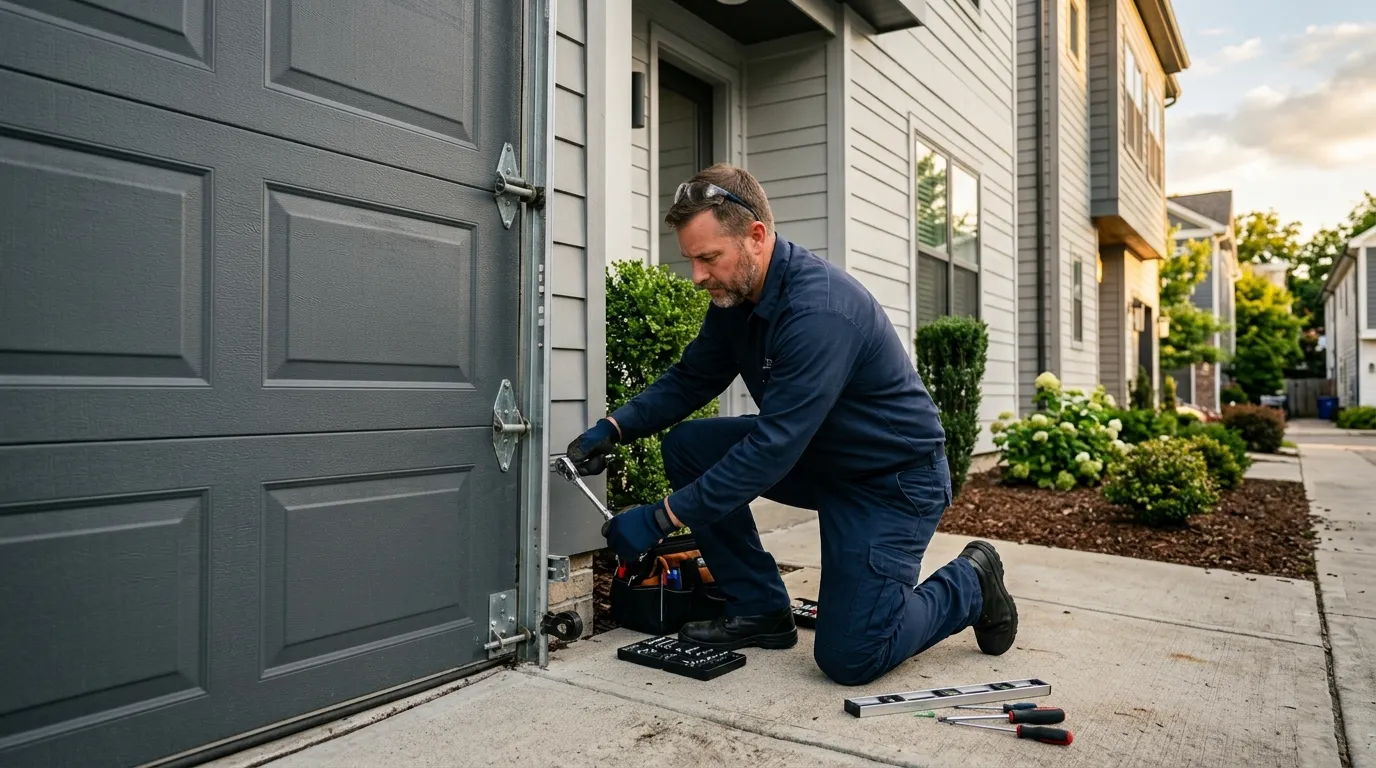
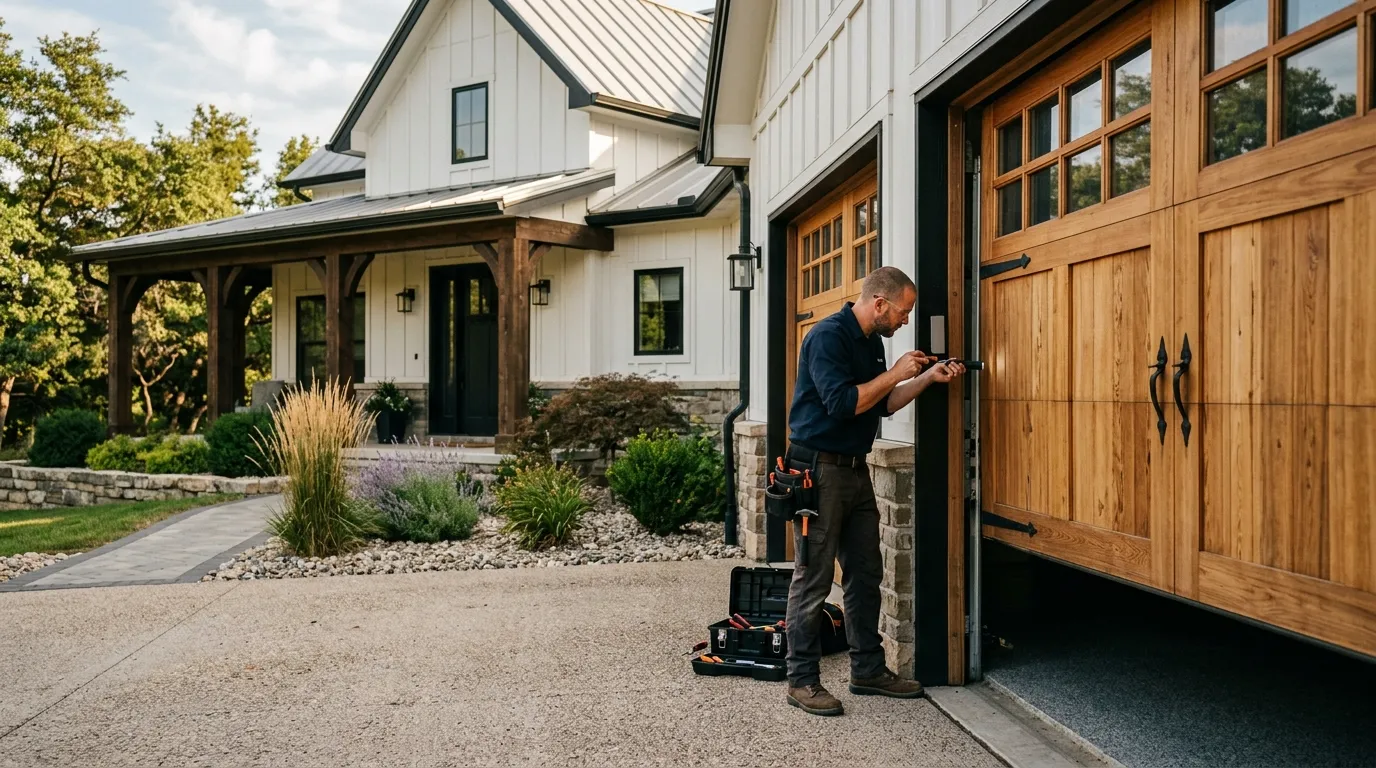
Tell us what’s wrong - Lincolnwood garage door service

Tell us what’s wrong

Describe the symptom - won’t open, loud bang, opener runs but the door won’t move.

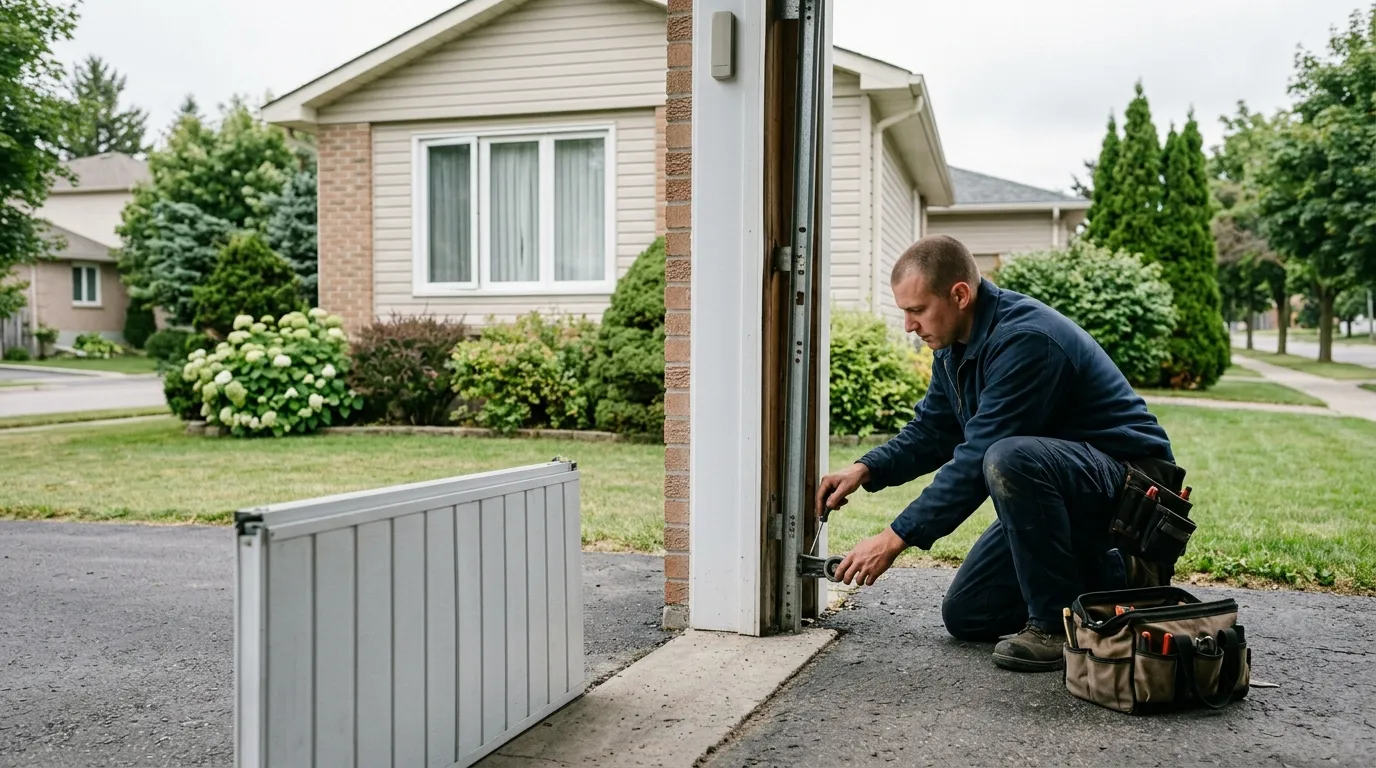
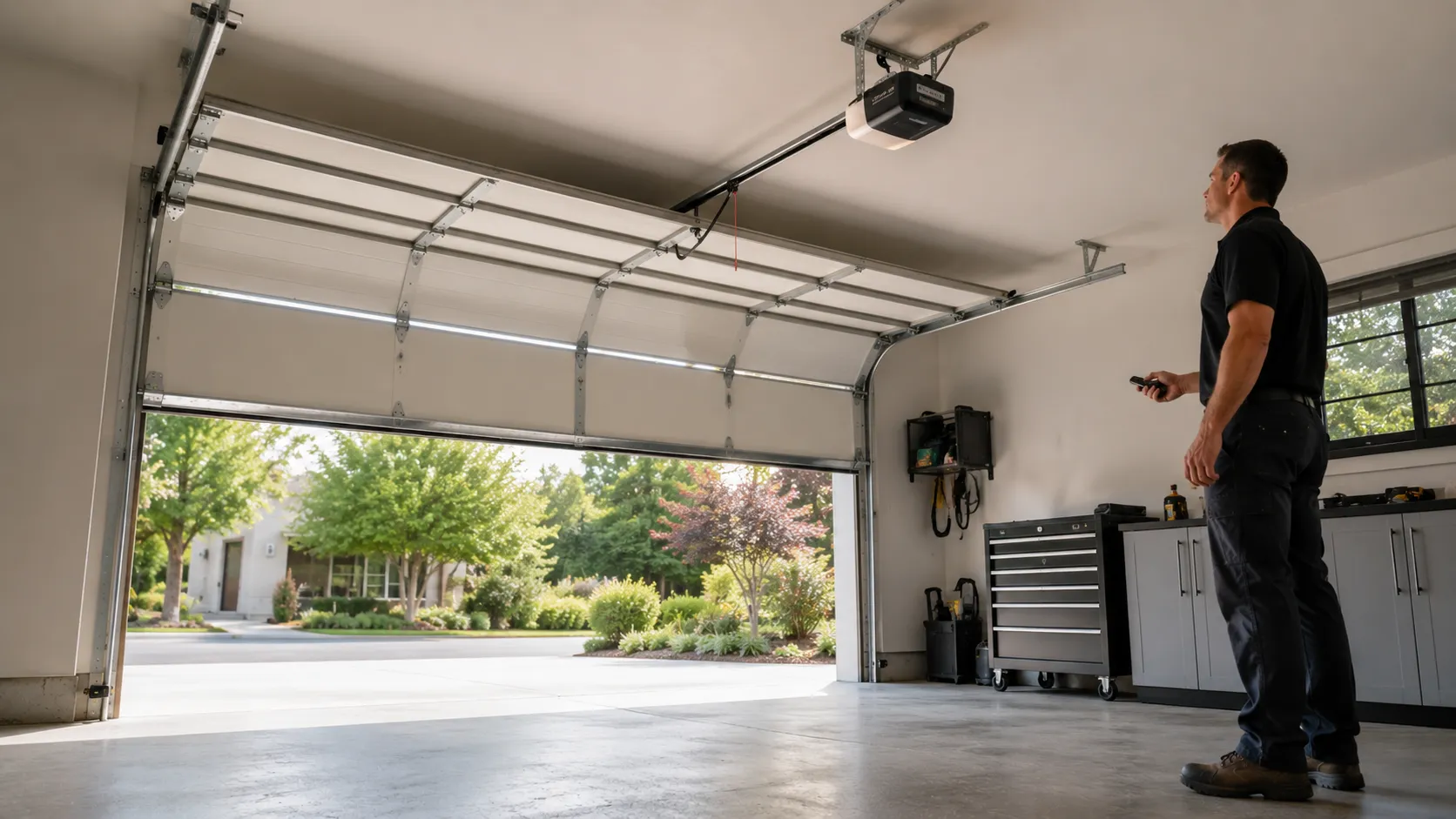
On-site diagnosis - Lincolnwood garage door service

On-site diagnosis

A technician tests the door under power and by hand and finds what actually failed.

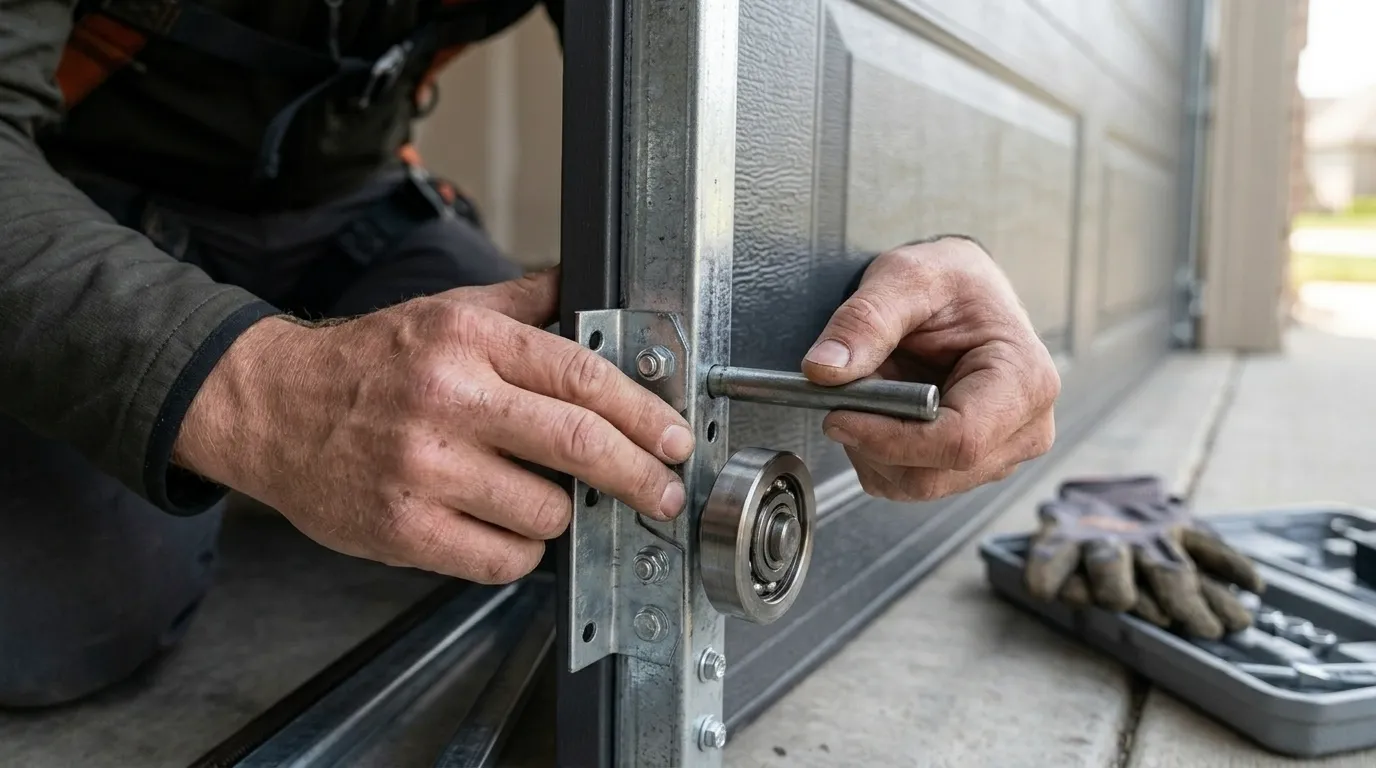
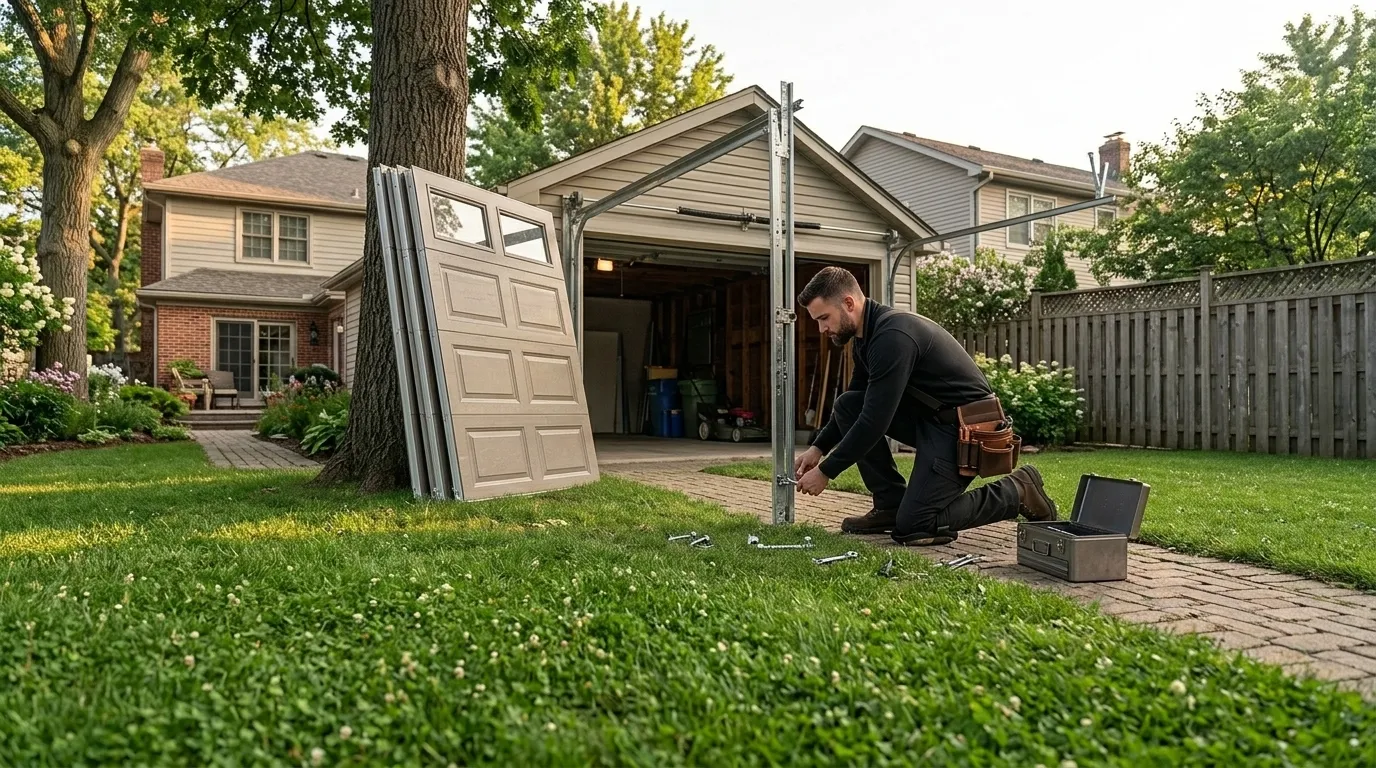
Clear, up-front plan - Lincolnwood garage door service

Clear, up-front plan

You get the fix that’s needed and what drives the cost - before any work starts.

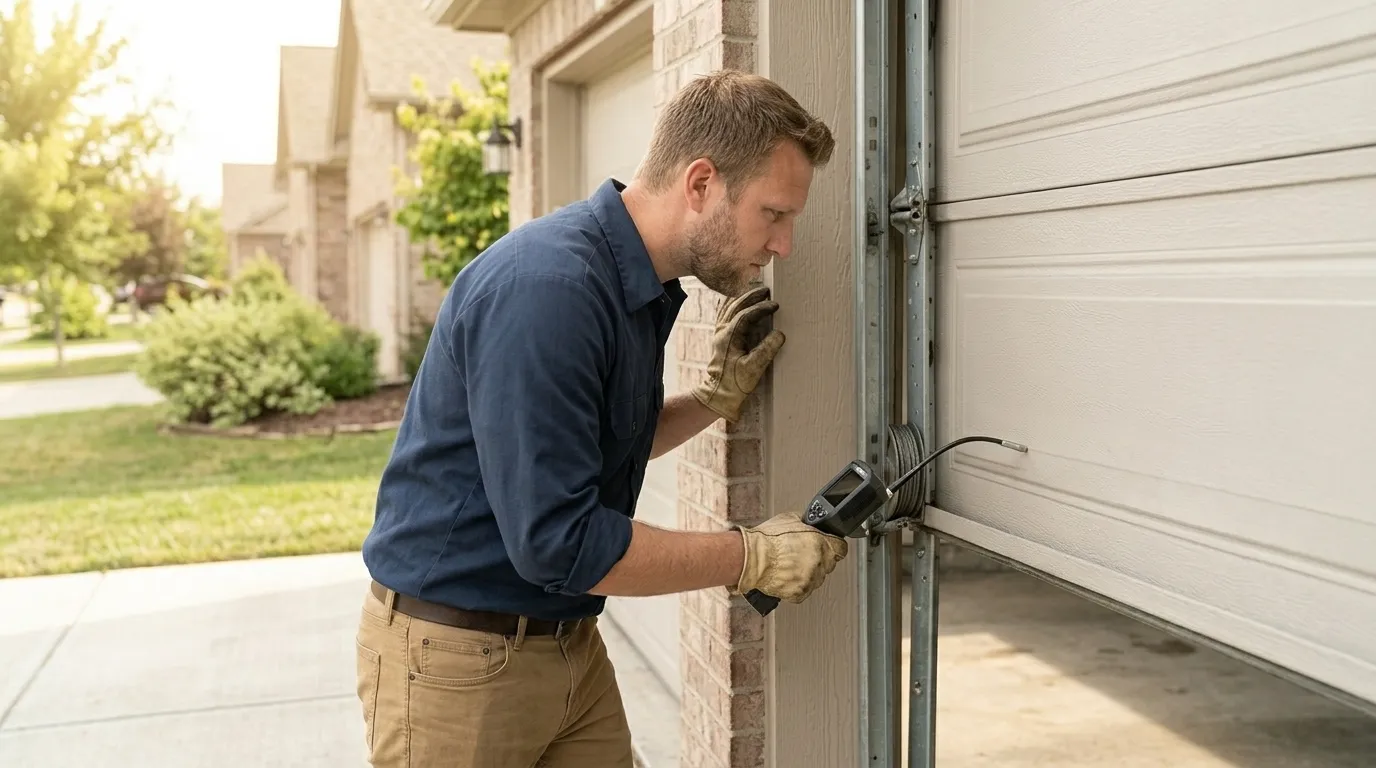
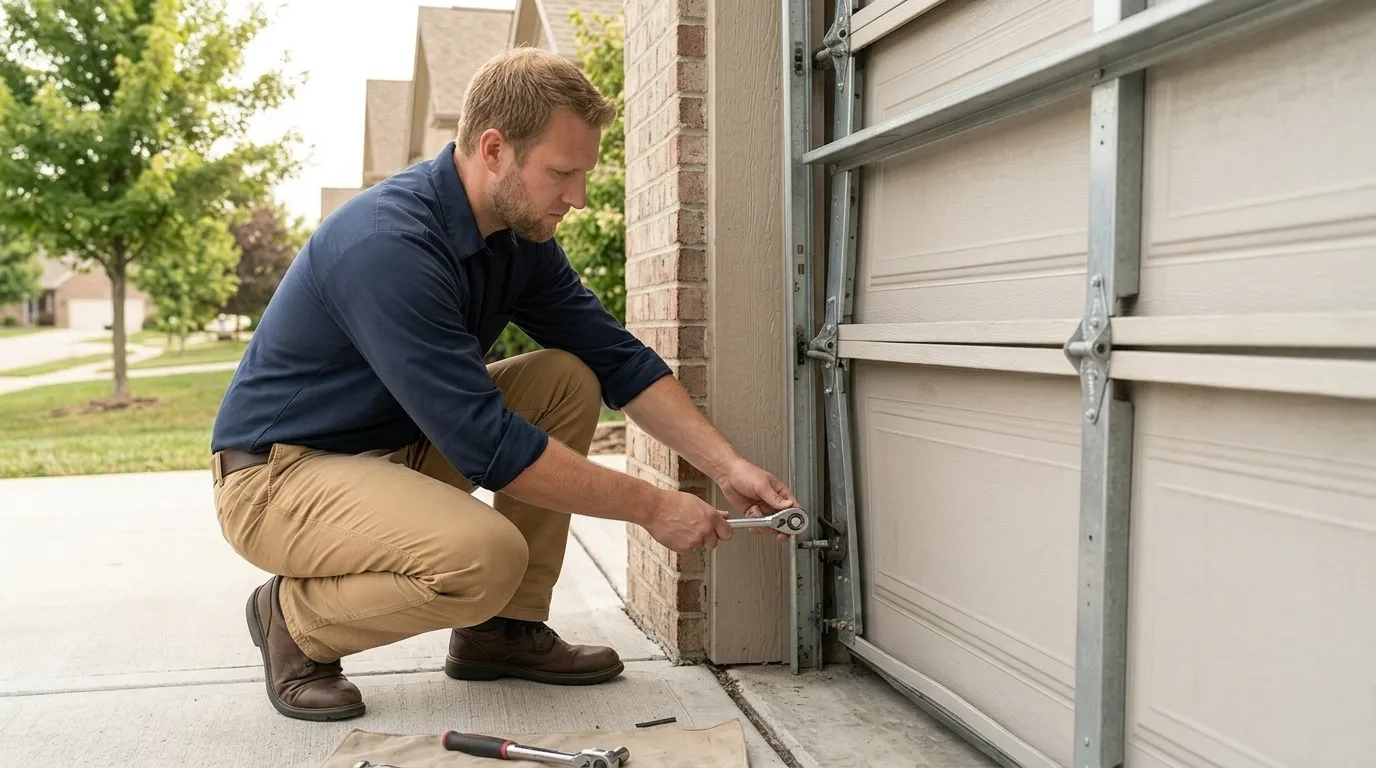
Repaired & tested - Lincolnwood garage door service

Repaired & tested

The repair is done, the door is set true and tested, and the work area left clean.

Serving Lincolnwood, IL - tell us what your door’s doing and we’ll take it from there.

How we work

What to expect

Diagnosis firstEvery visit starts by finding what actually failed - not a pre-written parts list.
The right part for the doorSprings and openers matched to the door’s weight and age, so the fix holds up.
Straight answersWhen a repair makes more sense than a replacement - or the reverse - you hear it plainly.
Clean, careful workTension released safely, hardware set true, the door tested under power before we leave.
12,646Residents in Lincolnwood
8Garage door services
5Neighborhoods & suburbs
ILServing Lincolnwood, IL
Questions

Frequently asked

Straight answers about garage door repair in Lincolnwood. Still unsure? Ask us directly.

Is a broken spring on an older Glencoe garage door different to fix than a newer one?

Often, yes. Houses built around 1955 more commonly used a single long torsion spring on simpler mounting hardware than the paired-spring setups common on 1970s doors. That changes what we check before replacing the spring - mainly the bracket condition and whether the door's weight has changed since the original install.

How far out is Glencoe from your shop?

About 9 miles from our location in Lincolnwood. We don't run a branch or depot in Glencoe, so every job is a scheduled drive out, not a walk-in stop.

Can I replace a torsion spring myself?

You can, if you've done it before and have the right bar wrenches and clamps. On older doors with original winding cones, the hardware can grab or slip unpredictably, and the spring is under enough tension to cause serious injury. If this is your first time, it's worth having someone look at it first.

Will a new spring fix an opener that's struggling?

Usually, if the opener was straining against a failing spring rather than a fault of its own. Once the door is properly balanced on a correctly sized spring, the opener should go back to lifting and lowering it without strain. If it still struggles, that points to a separate opener issue.

Ready to get your garage door sorted?

Tell us what it’s doing and where you are in Lincolnwood - we’ll take it from there.

Request a QuoteCall