Serving Lincolnwood, IL & nearby
(224) 353-7699
Lincolnwood, IL

Why Garage Door Safety Sensors Drift in Lincolnwood Homes

Lincolnwood homes built mostly in the 1960s and 70s see sensor misalignment from slab shift and cold-climate freeze-thaw. Here's why it happens and what it costs to fix right.

Why Garage Door Safety Sensors Drift in Lincolnwood Homes

What Most People Get Wrong

Most owners assume a blinking sensor light means the sensor itself is dead. Nine times out of ten it isn't the eye, it's the bracket. The two photo-eye sensors on either side of the door track have to stay pointed at each other within a fraction of a degree, and on a house built the way most of Lincolnwood was built - between 1938 and 1994, with the bulk of that stock going up in the 1960s and 70s - those brackets are usually screwed straight into original wood jambs that have moved a little every year since Eisenhower was president. People re-aim the sensor, it works for a week, then it's back. The fix that actually holds is re-anchoring the bracket to something that isn't shifting, not nudging the sensor a quarter inch and calling it done. We also see owners disconnect the sensors entirely to stop the nuisance reversals, which defeats the one safety feature standing between the door and a pinched hand or a trapped pet. That's not a repair, that's a liability sitting in the garage.

How Local Conditions Play In

This area sits in a cold moderate climate band, and that matters more for sensor alignment than most people expect. It's not the cold itself that throws the eyes out of true, it's the freeze-thaw cycle underneath the slab every winter and spring. The concrete apron and the garage floor heave slightly as the ground under them freezes and thaws, and since the sensor brackets are usually mounted low - 4 to 6 inches off the floor - even a small heave changes the angle of the beam. On a house from the 1960s or 70s original build era, the slab has had 50-plus winters to settle unevenly, so the drift tends to be consistent rather than random: same wall, same direction, every year around the same season. Once you know that, you stop chasing it every time it happens and instead mount the bracket on a shim system that tolerates the seasonal shift instead of fighting it.

The Situation

Across the 40 named neighborhoods and suburbs that make up this stretch of the north side and near-north suburbs, the same building era shows up over and over - houses framed in the 1960s and 70s, some reaching back to the late 1930s. That means the sensor problem isn't a Lincolnwood quirk, it's a build-era quirk that repeats block after block. A garage converted or added onto in that era often has a jamb that was never plumb to begin with, which is a different problem than seasonal slab movement and needs a different fix - usually a new mounting plate rather than a re-shim. We can tell the difference on-site in a few minutes by checking whether the drift is seasonal (comes back every winter) or constant (never really goes away). One limitation worth saying plainly: if the jamb itself is rotted or the framing has shifted more than an inch out of square, no bracket fix holds for long, and at that point you're looking at rebuilding the opening, not adjusting a sensor.

The Cost of This Job

With a median household income of $99,861 across the service area and roughly 104,270 households, about half of them in owner-occupied houses, most owners here treat this as a repair worth doing properly rather than a stopgap. A re-anchored bracket with a shim system costs less than a service call for the same complaint every winter for the next five years. Replacing a rotted jamb section is a bigger job and the price reflects that - it's carpentry as much as garage door work. We don't quote a number without seeing the mounting surface first, because a slab that's heaved an inch calls for a different fix than one that's heaved an eighth of an inch, and guessing on the phone does nobody any favors.
How it works

From “it’s stuck” to “it’s fixed”

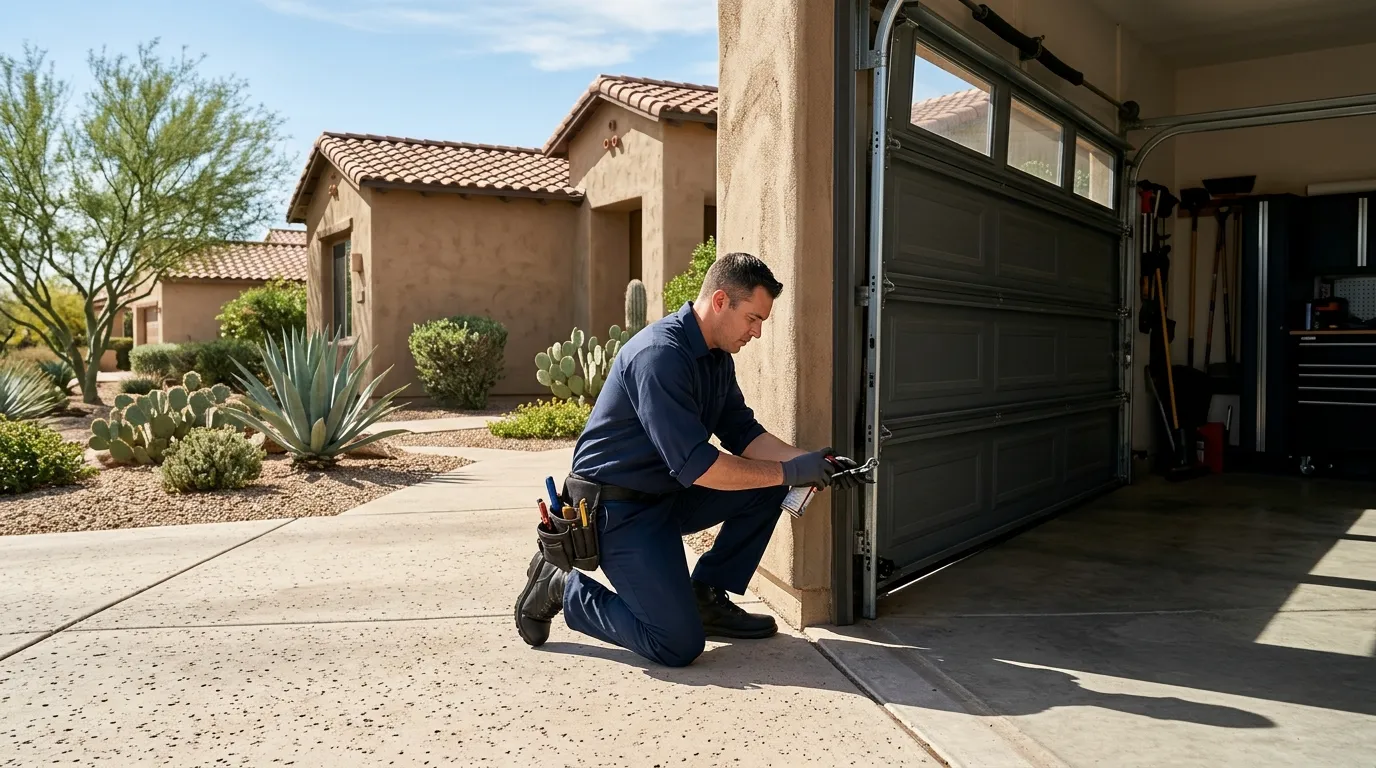
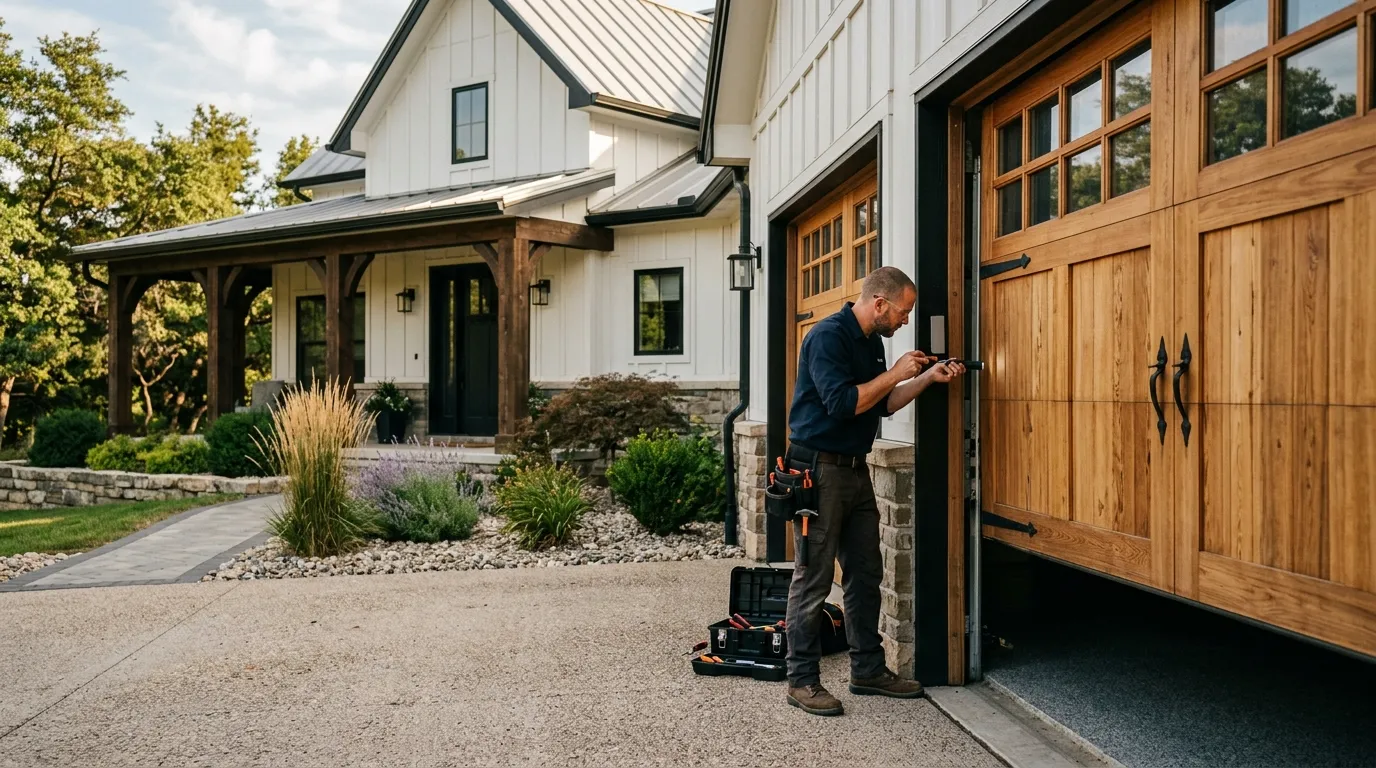
Tell us what’s wrong - Lincolnwood garage door service

Tell us what’s wrong

Describe the symptom - won’t open, loud bang, opener runs but the door won’t move.

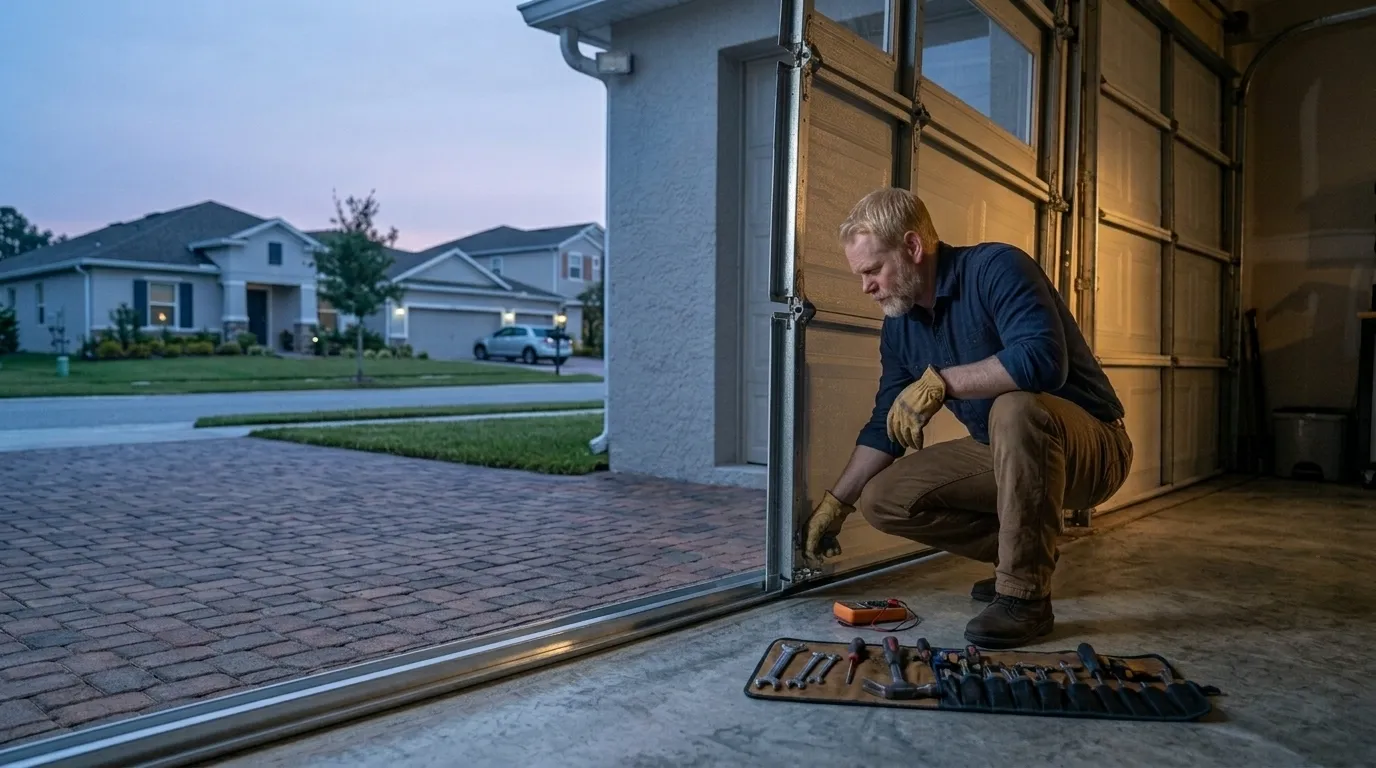
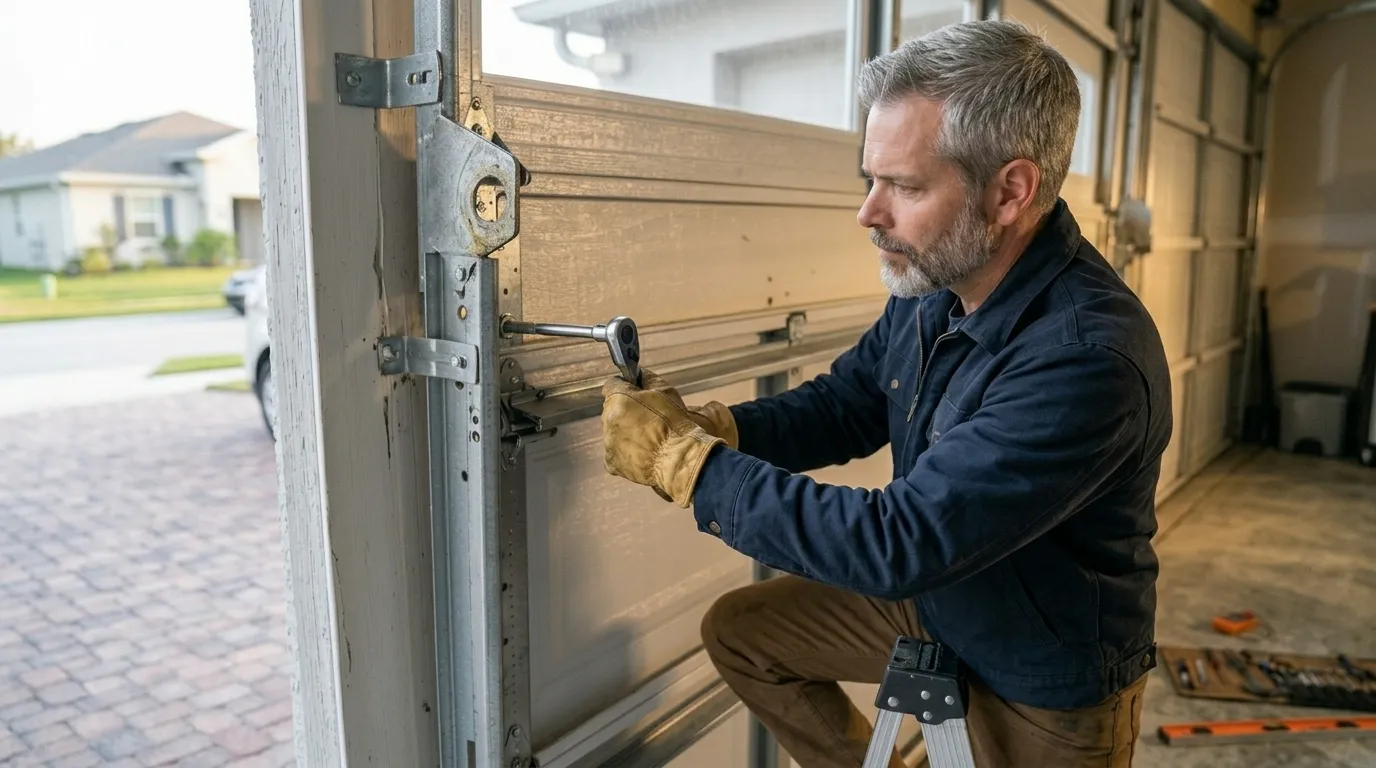
On-site diagnosis - Lincolnwood garage door service

On-site diagnosis

A technician tests the door under power and by hand and finds what actually failed.

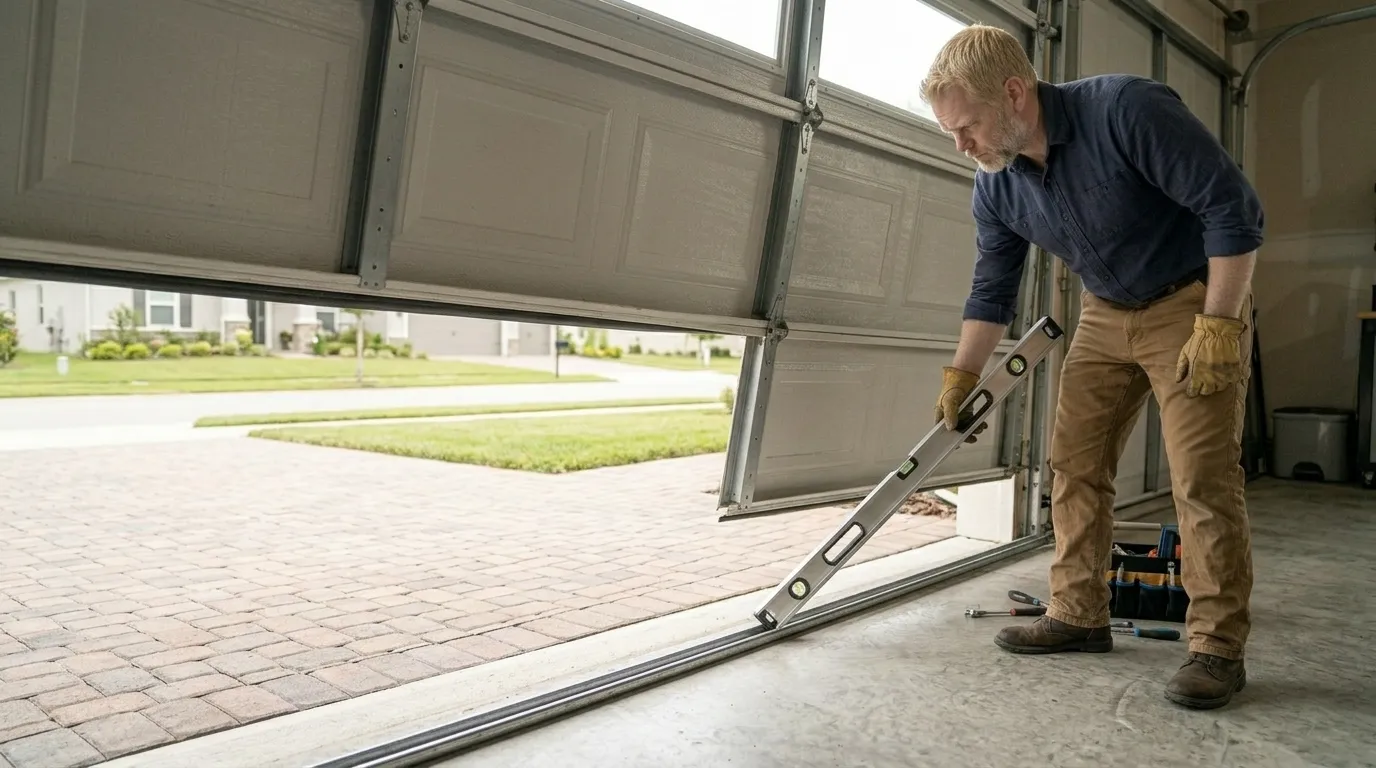
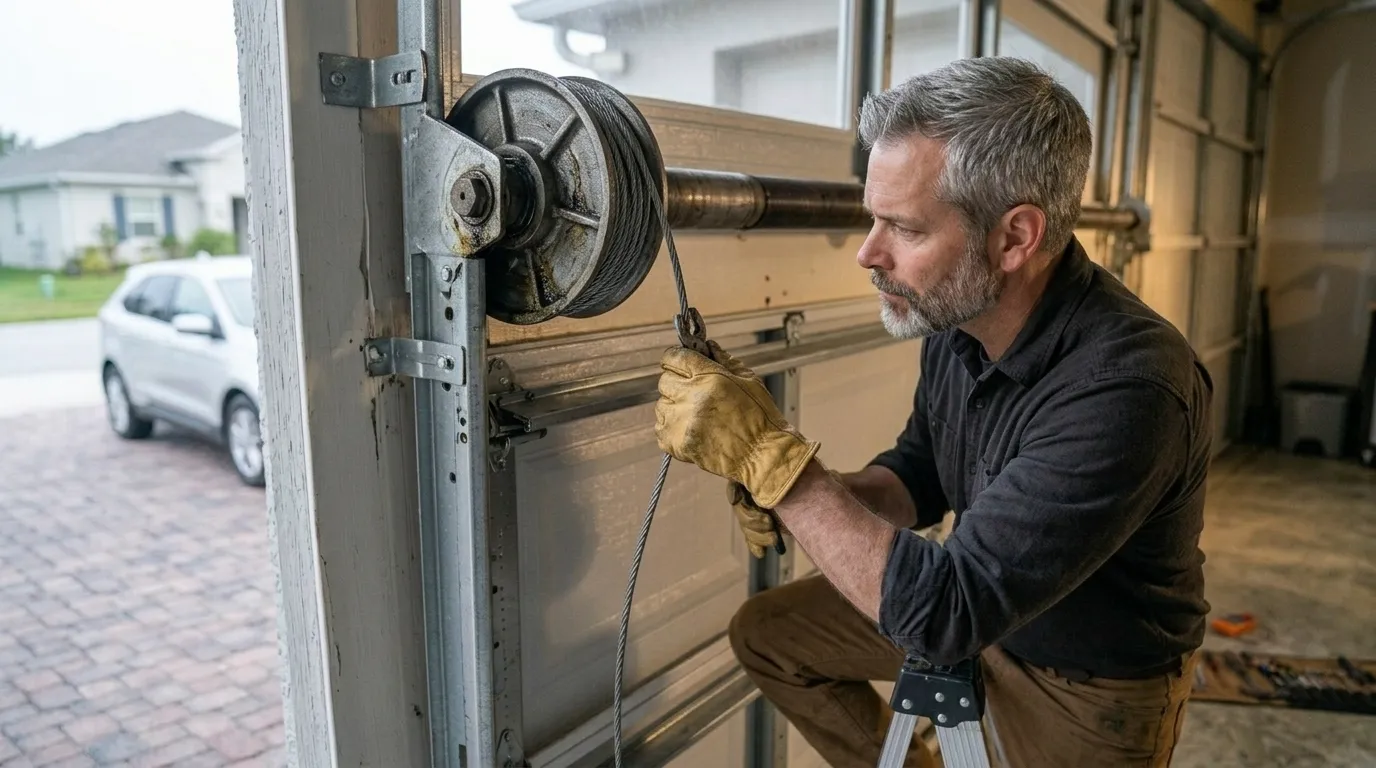
Clear, up-front plan - Lincolnwood garage door service

Clear, up-front plan

You get the fix that’s needed and what drives the cost - before any work starts.

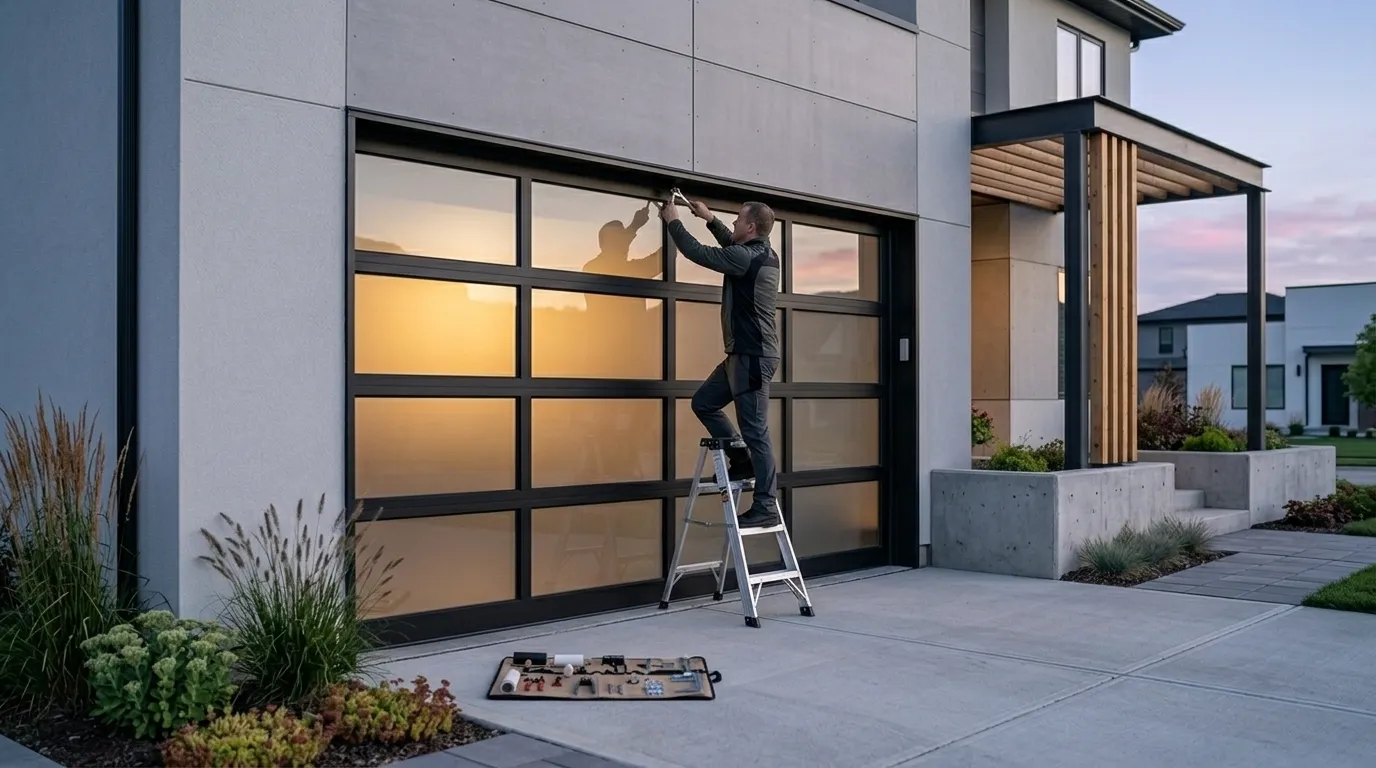
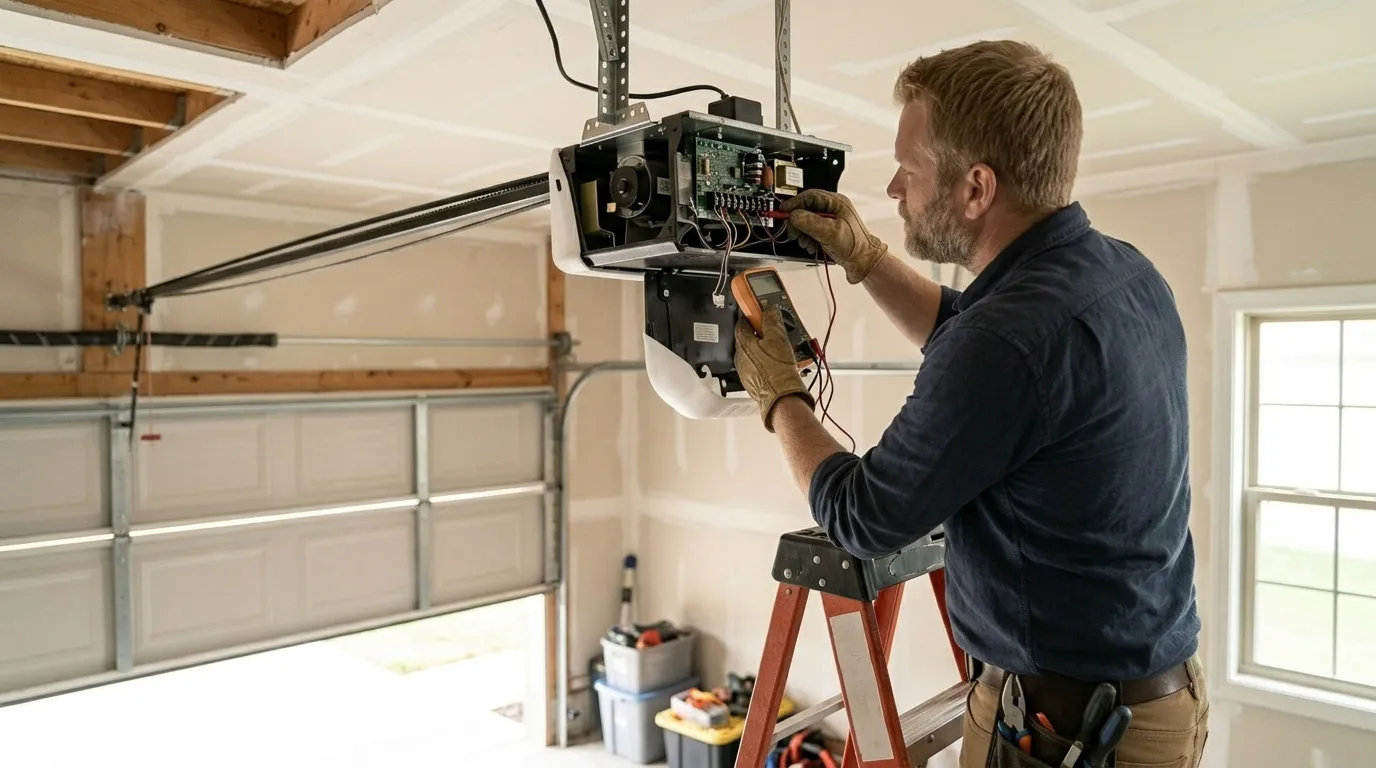
Repaired & tested - Lincolnwood garage door service

Repaired & tested

The repair is done, the door is set true and tested, and the work area left clean.

Serving Lincolnwood, IL - tell us what your door’s doing and we’ll take it from there.

How we work

What to expect

Diagnosis firstEvery visit starts by finding what actually failed - not a pre-written parts list.
The right part for the doorSprings and openers matched to the door’s weight and age, so the fix holds up.
Straight answersWhen a repair makes more sense than a replacement - or the reverse - you hear it plainly.
Clean, careful workTension released safely, hardware set true, the door tested under power before we leave.
What we do

Garage Door Services

Repair and installation work for Lincolnwood homes and businesses.

Garage Door Repair in Lincolnwood

Garage Door Repair

Garage door repair for Lincolnwood homes built between 1938 and 1994, where original torsion hardware and cold-weather spring fatigue are the most common calls.

Learn more
Garage Door Installation in Lincolnwood

Garage Door Installation

Garage door installation built for Lincolnwood's 1938-1994 housing stock and cold winters. Lincolnwood Garage Door Pros explains what fails and why, and how we handle it.

Learn more
Garage Door Service in Lincolnwood

Garage Door Service

Lincolnwood homes built mostly between 1938 and 1994 show the same spring and track wear from cold-climate cycling. We know the pattern and what it takes to fix.

Learn more
Spring Repair in Lincolnwood

Spring Repair

Torsion springs on Lincolnwood's 1960s-era doors wear out on a schedule tied to the housing stock and cold winters. Same service area, straight answers on repair.

Learn more
Off-Track Repair in Lincolnwood

Off-Track Repair

Off track garage doors are common in Lincolnwood's 1938-1994 housing stock once original track hardware ages and cold-weather cycling adds stress. Here's why, and what a fix looks like.

Learn more
Panel Replacement in Lincolnwood

Panel Replacement

Cracked, dented, or rusted garage door panels are common in Lincolnwood's 1960s housing stock. See why panels fail here and what replacement actually runs.

Learn more
Roller Replacement in Lincolnwood

Roller Replacement

Worn rollers on original torsion track are common in Lincolnwood's 1960s housing stock. Here's why, what it costs, and how to book a visit.

Learn more
Maintenance in Lincolnwood

Maintenance

Seasonal garage door maintenance for Lincolnwood homes built between 1938 and 1994 - spring, cable, and opener checks before cold-weather failures hit.

Learn more
Questions

Frequently asked

Straight answers about garage door repair in Lincolnwood. Still unsure? Ask us directly.

Why do my garage door sensors only act up in the winter?

That's almost always the freeze-thaw cycle moving the slab under the sensor bracket. Houses built in the 1960s and 70s, which is most of what's around here, have had decades of that seasonal shift, and the brackets are usually mounted low enough to feel it. It comes back at the same time every year because the ground moves the same way every year.

Can I just re-aim the sensors myself?

You can, and it'll work for a while, but if the bracket itself is loose or mounted to a shifting jamb, it'll drift back. A permanent fix means anchoring the bracket to something stable, not just pointing the eyes at each other again.

Is it ever okay to disconnect the safety sensors?

No. They're required for a reason - they stop the door from closing on a person, pet, or object. If they keep tripping, the fix is to solve the alignment problem, not remove the safety feature.

How do I know if it's the bracket or the sensor itself that's bad?

If the light on the sensor flickers or won't hold steady even when nothing's in the way, and it happens in the same season every year, it's almost always the mount, not the electronics. A dead sensor unit usually just stays dark, it doesn't flicker seasonally.

Ready to get your garage door sorted?

Tell us what it’s doing and where you are in Lincolnwood - we’ll take it from there.

Request a QuoteCall