How It Shows Up
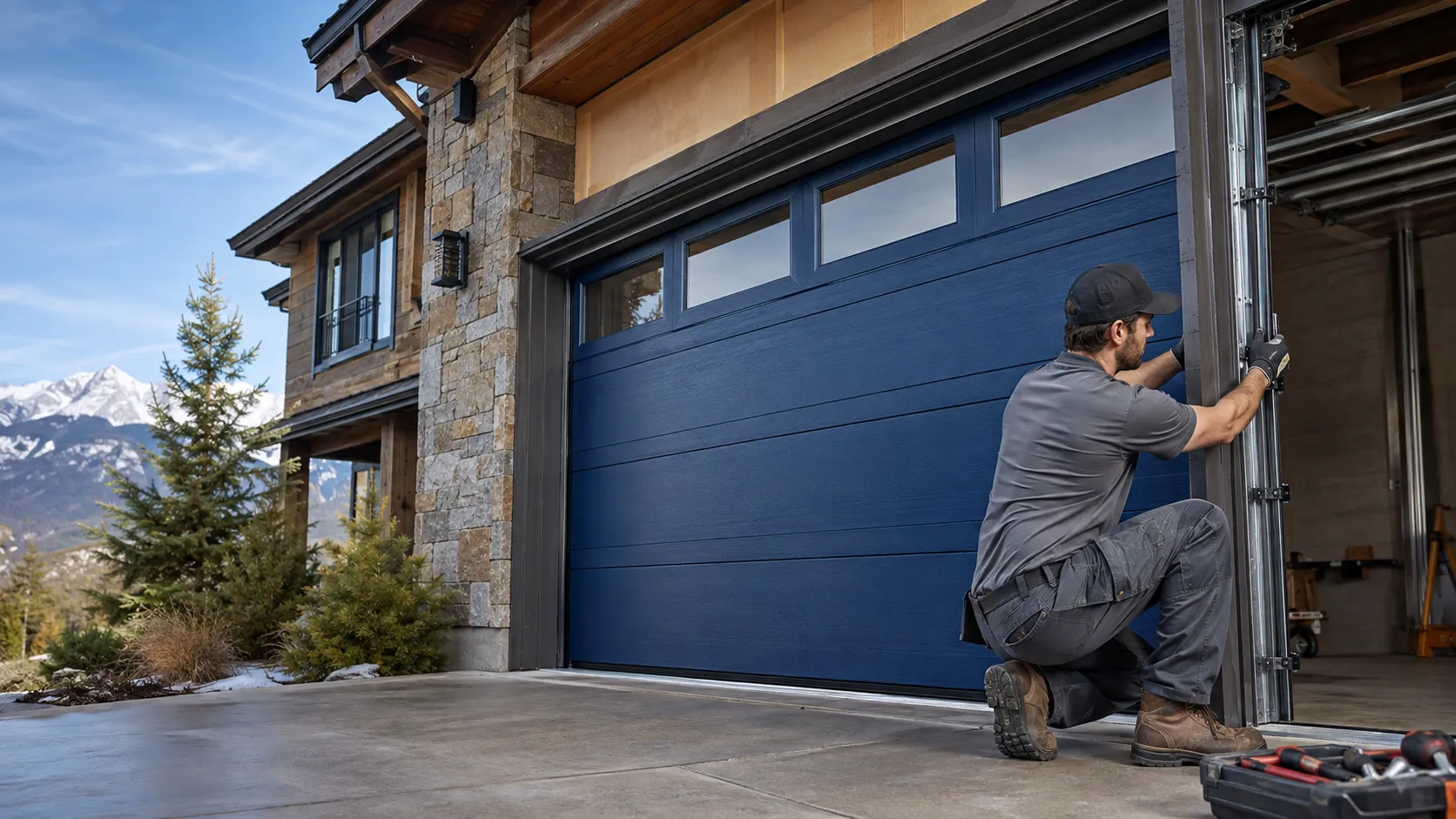
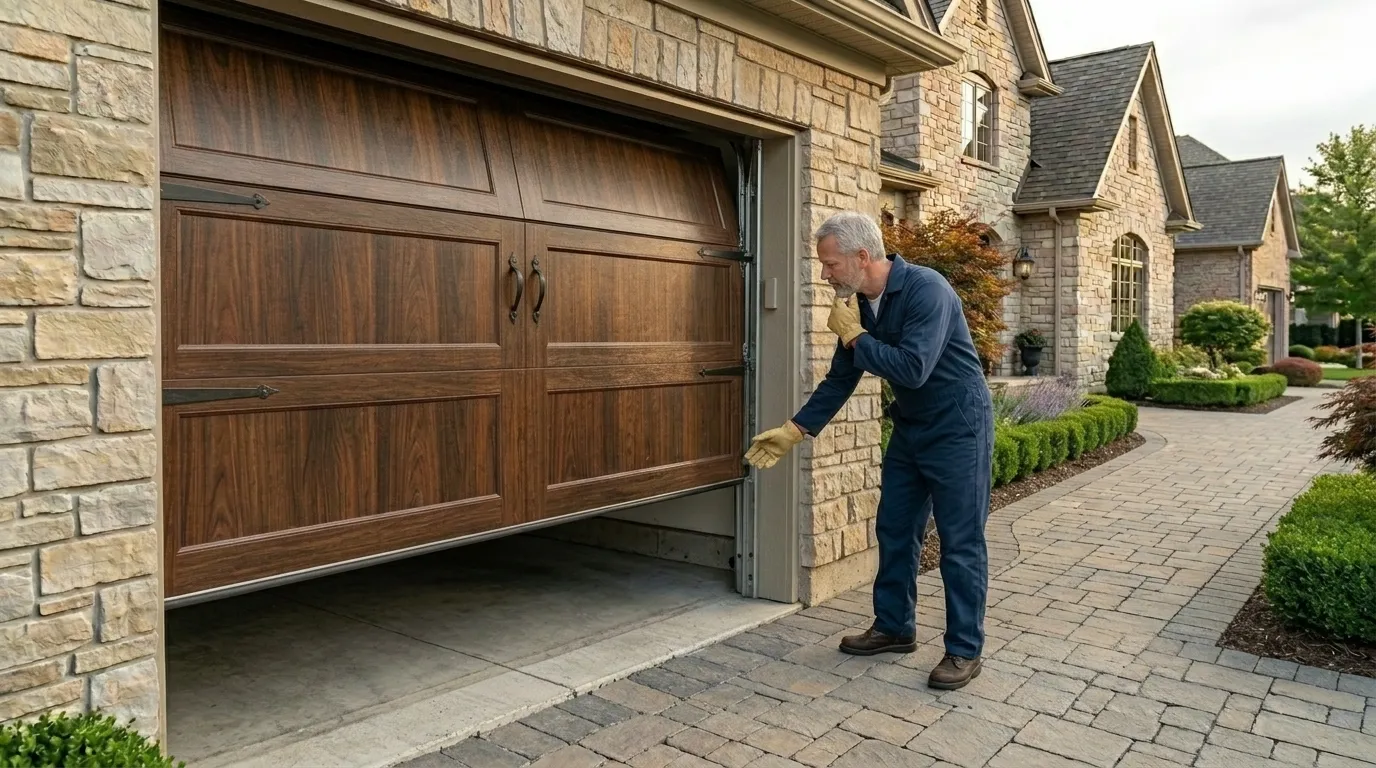
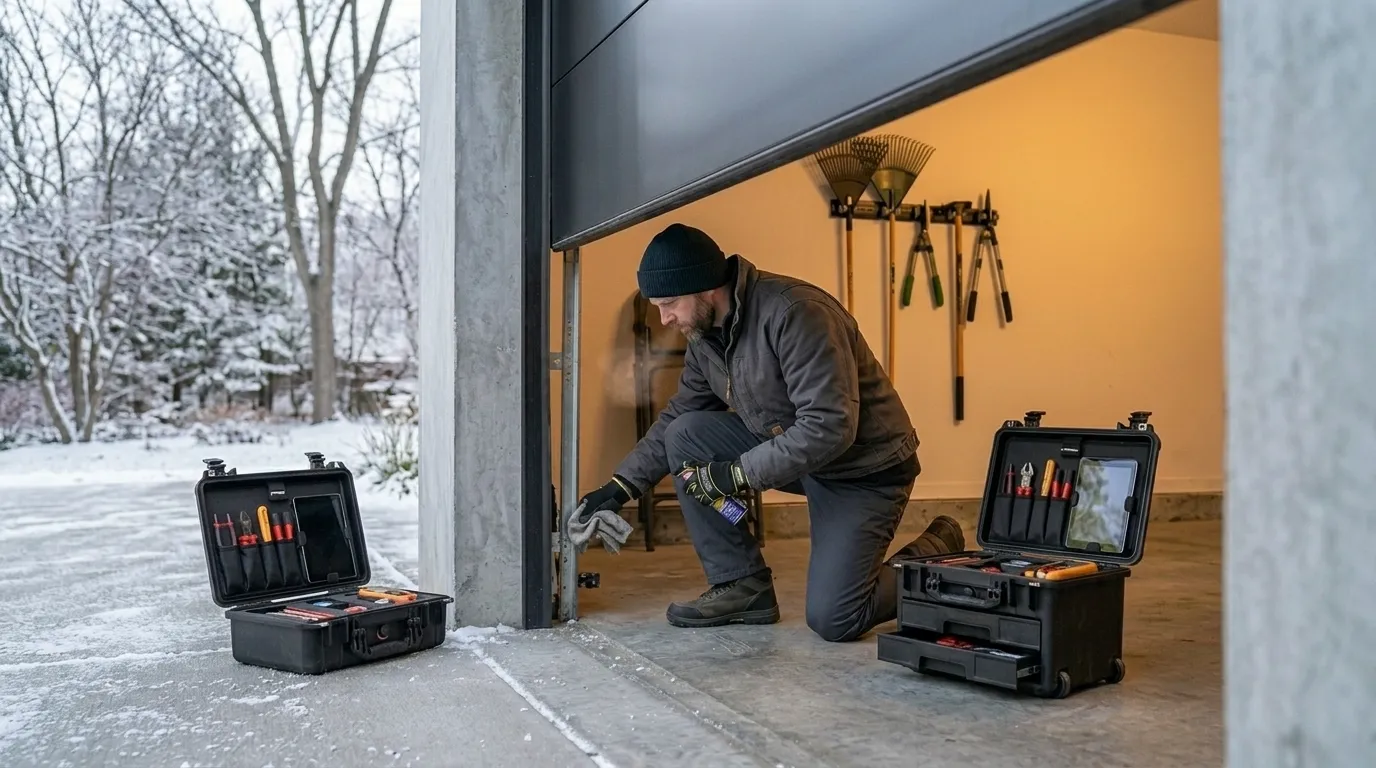
You notice it in small ways before the door quits on you. The opener strains a beat longer than it used to before the door lifts. A roller clicks past the same spot on the track every single cycle. The cable at one drum starts to look a little frayed, or a little loose, and you tell yourself you'll look at it this weekend. Cold mornings make it worse - the door feels heavier, the opener chain sounds tighter, and a spring that was already tired from years of cycling starts to bind instead of coil smooth.
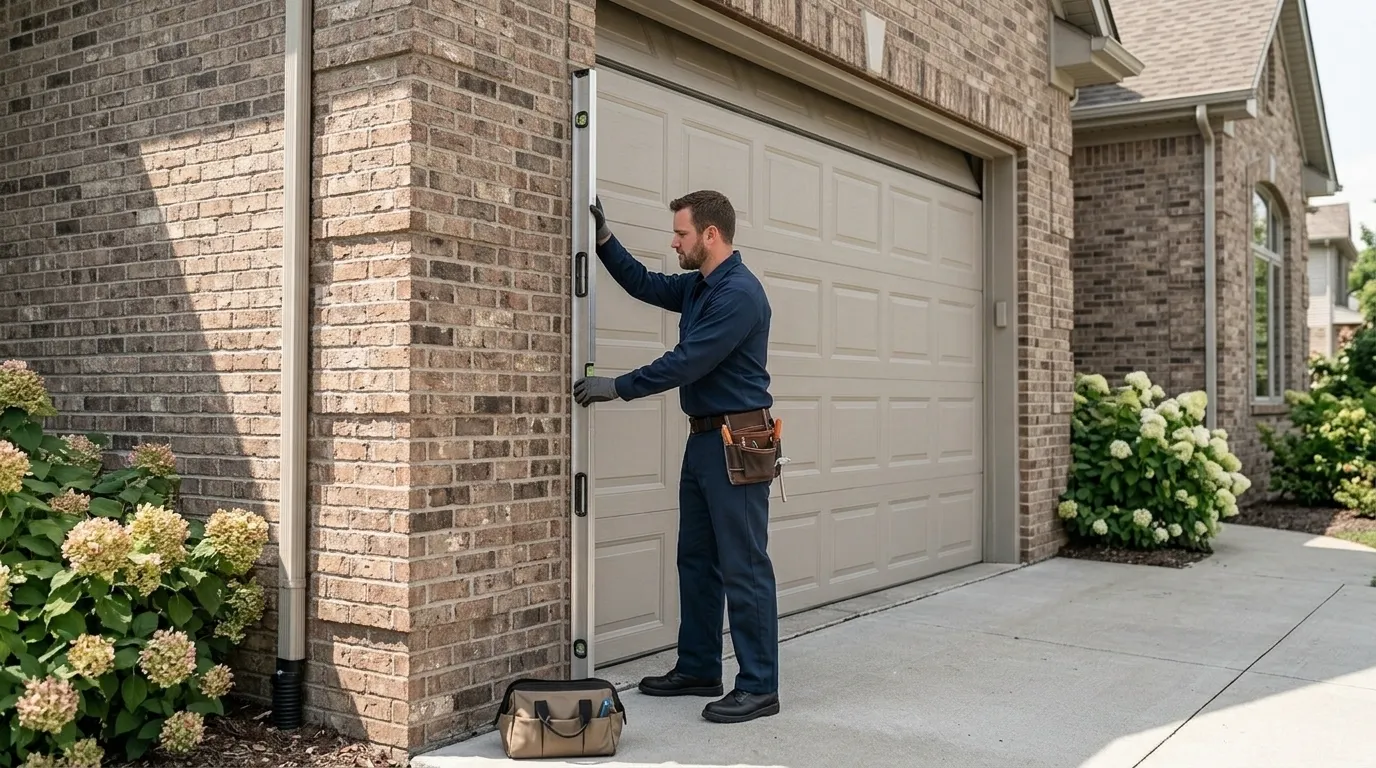
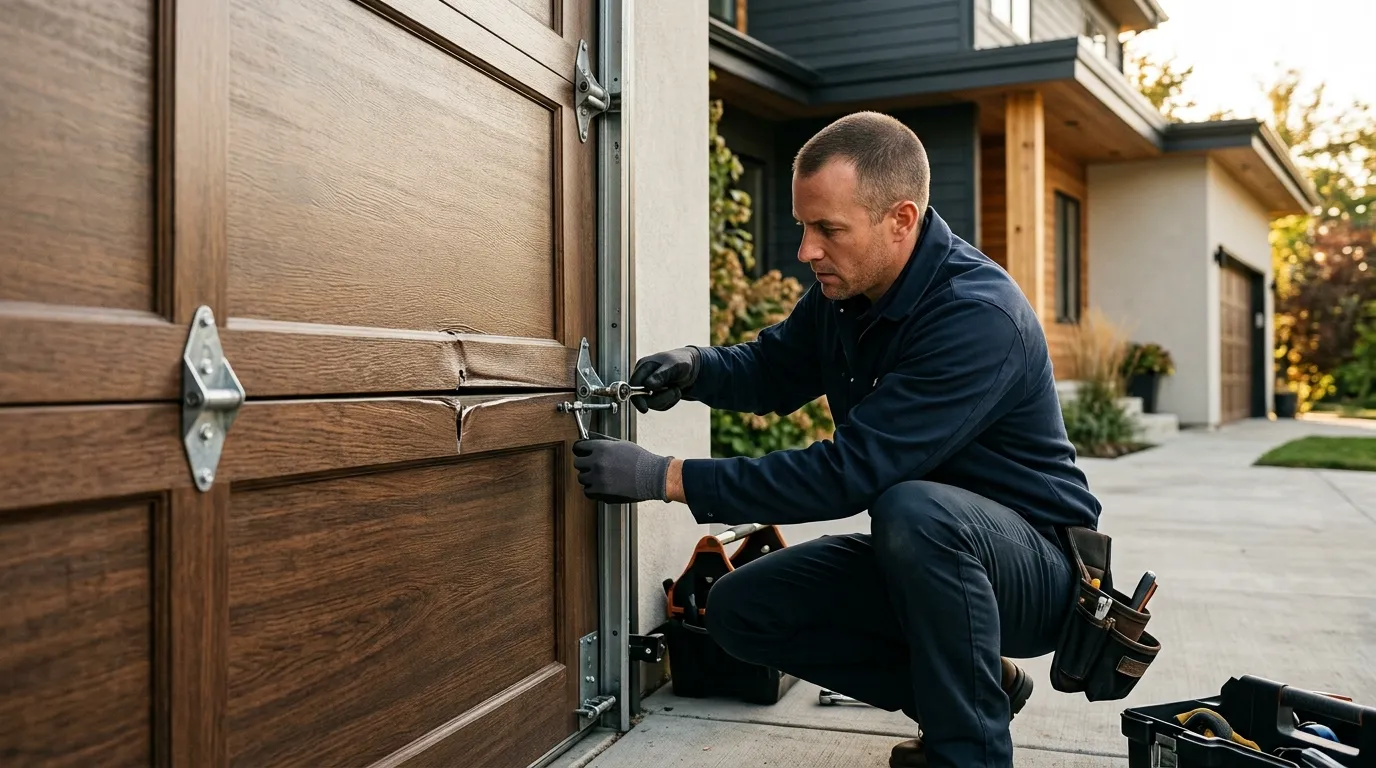
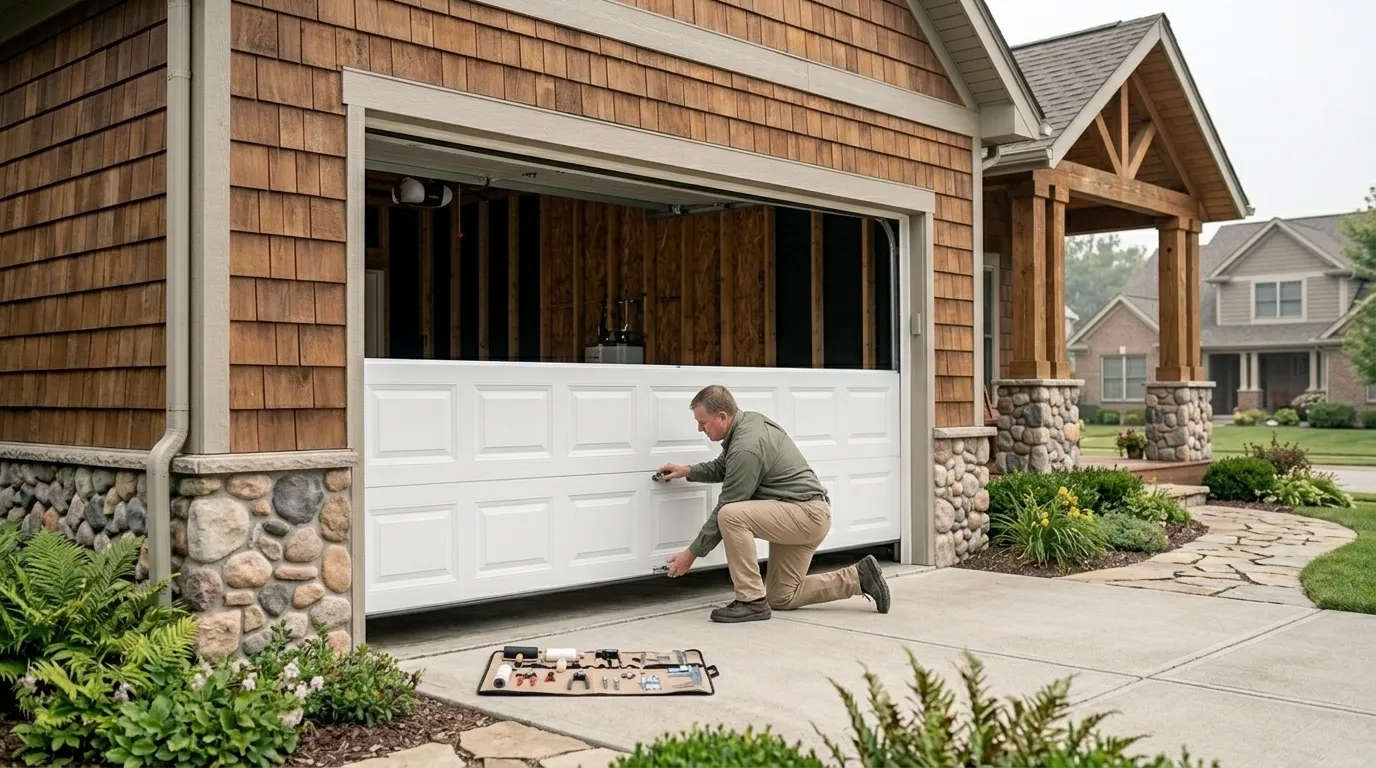
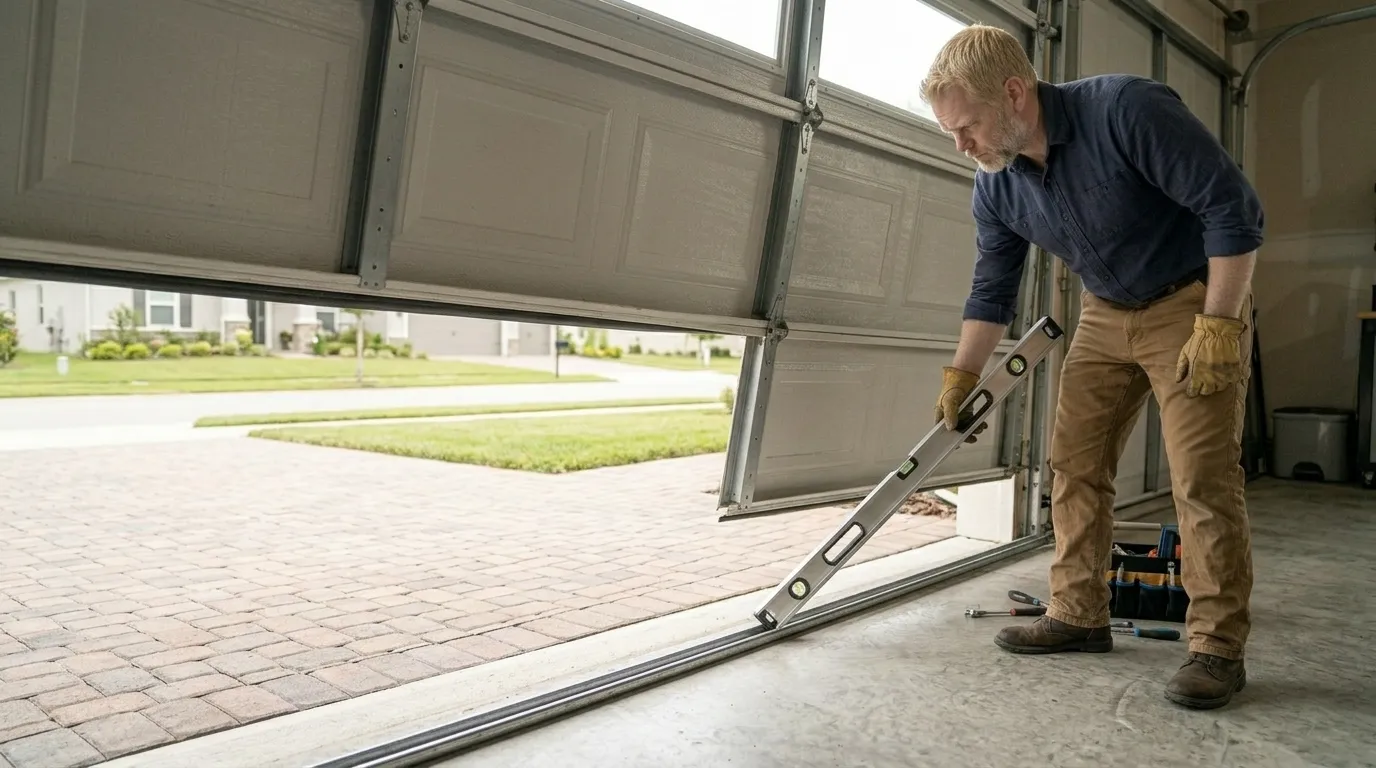
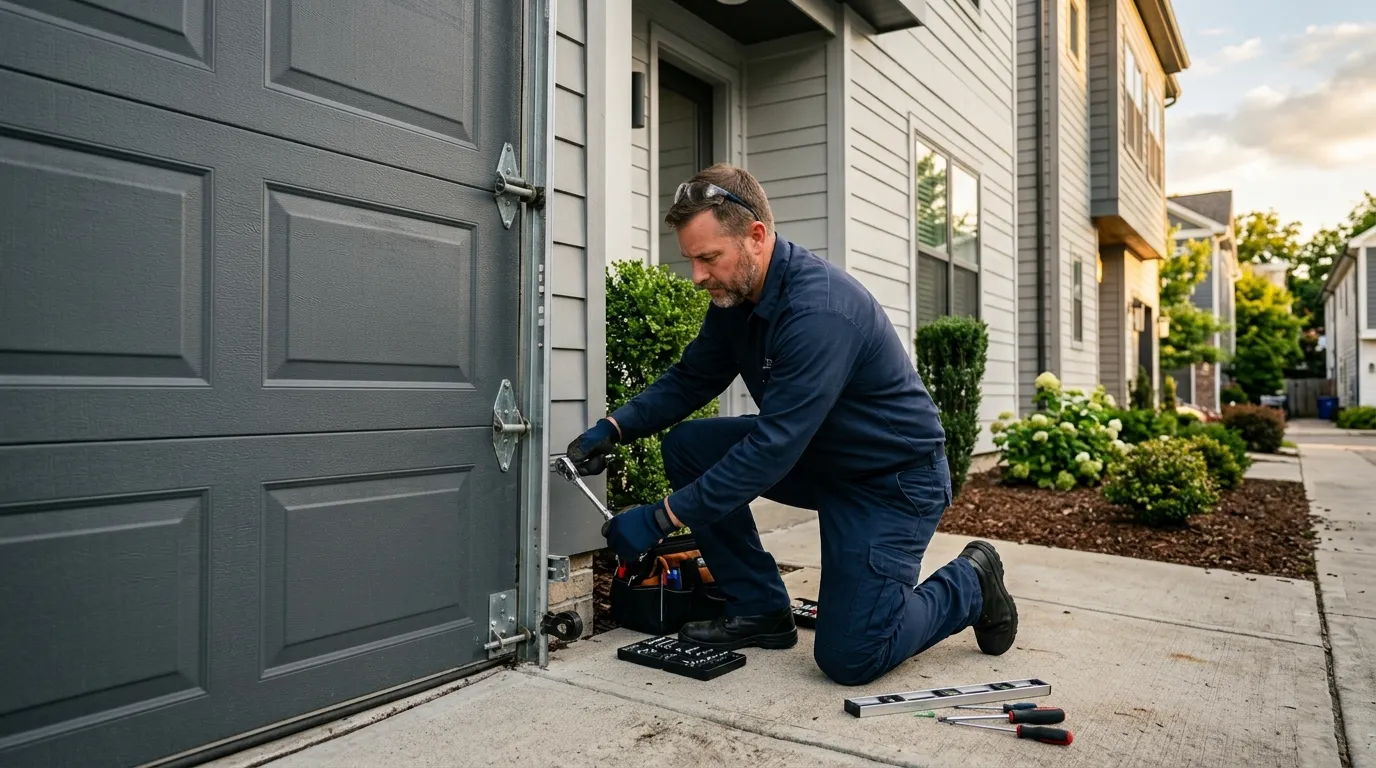
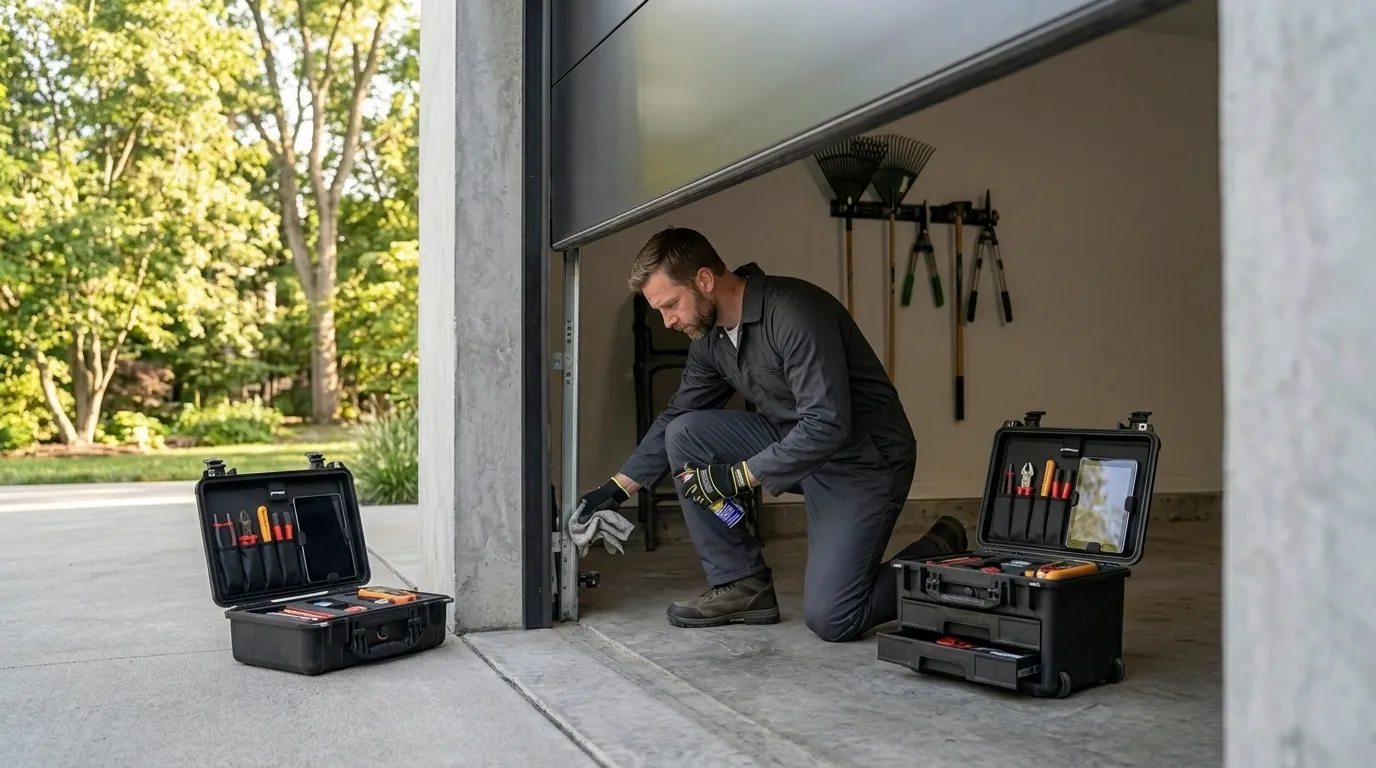
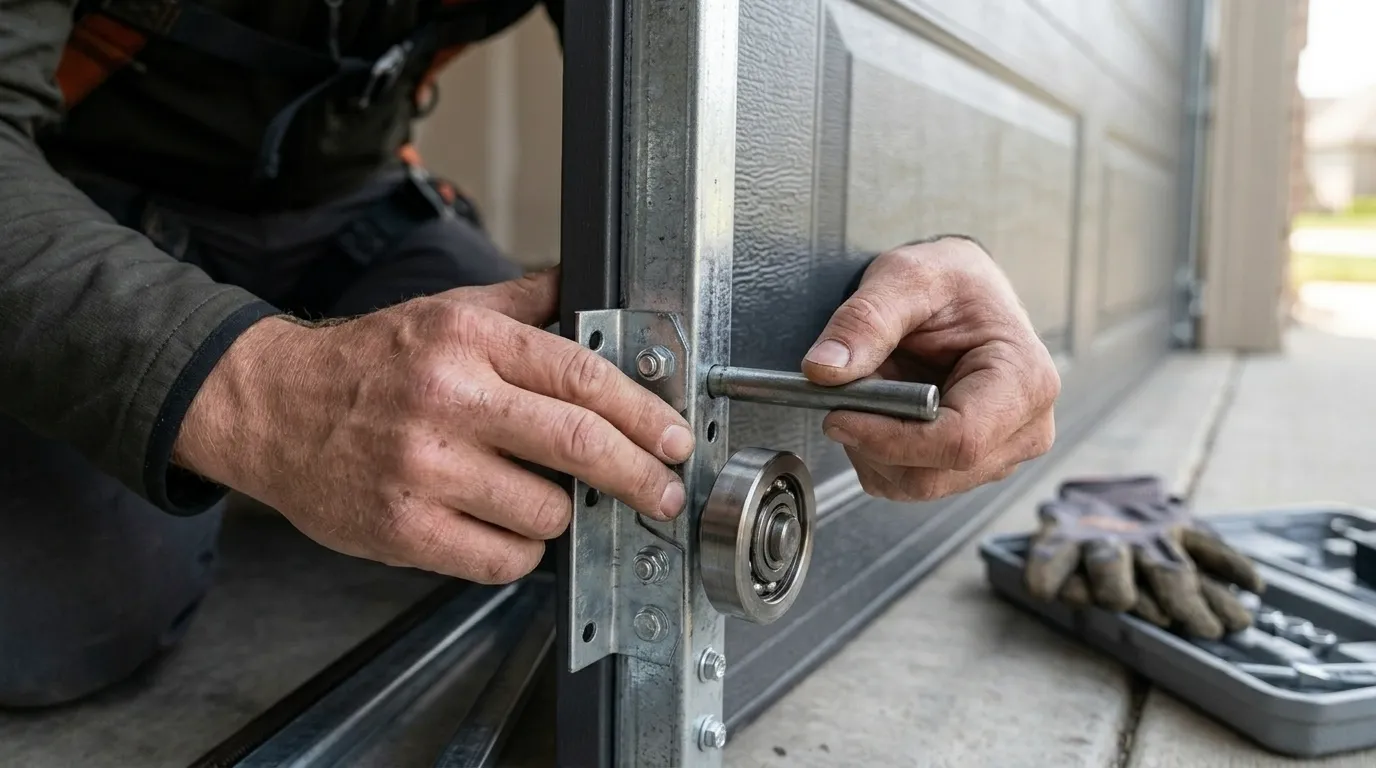
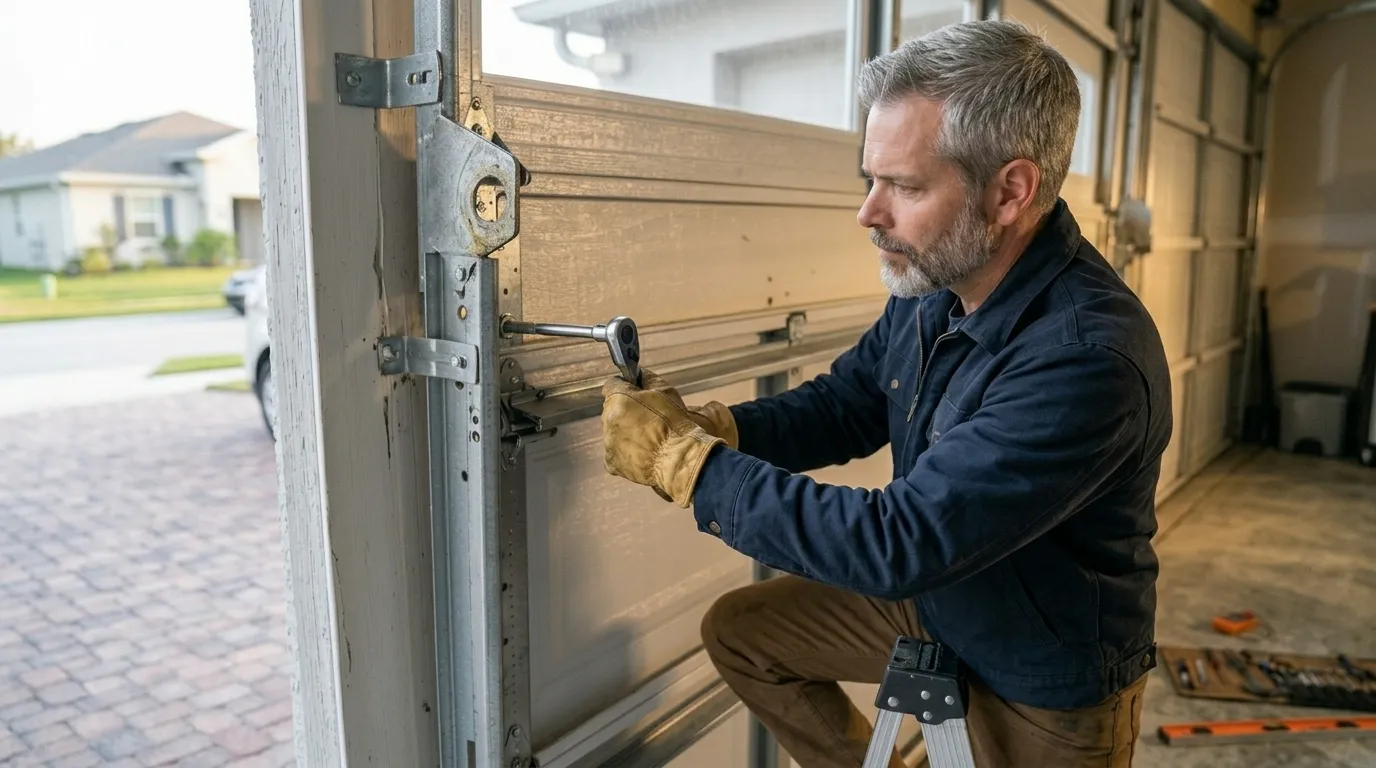
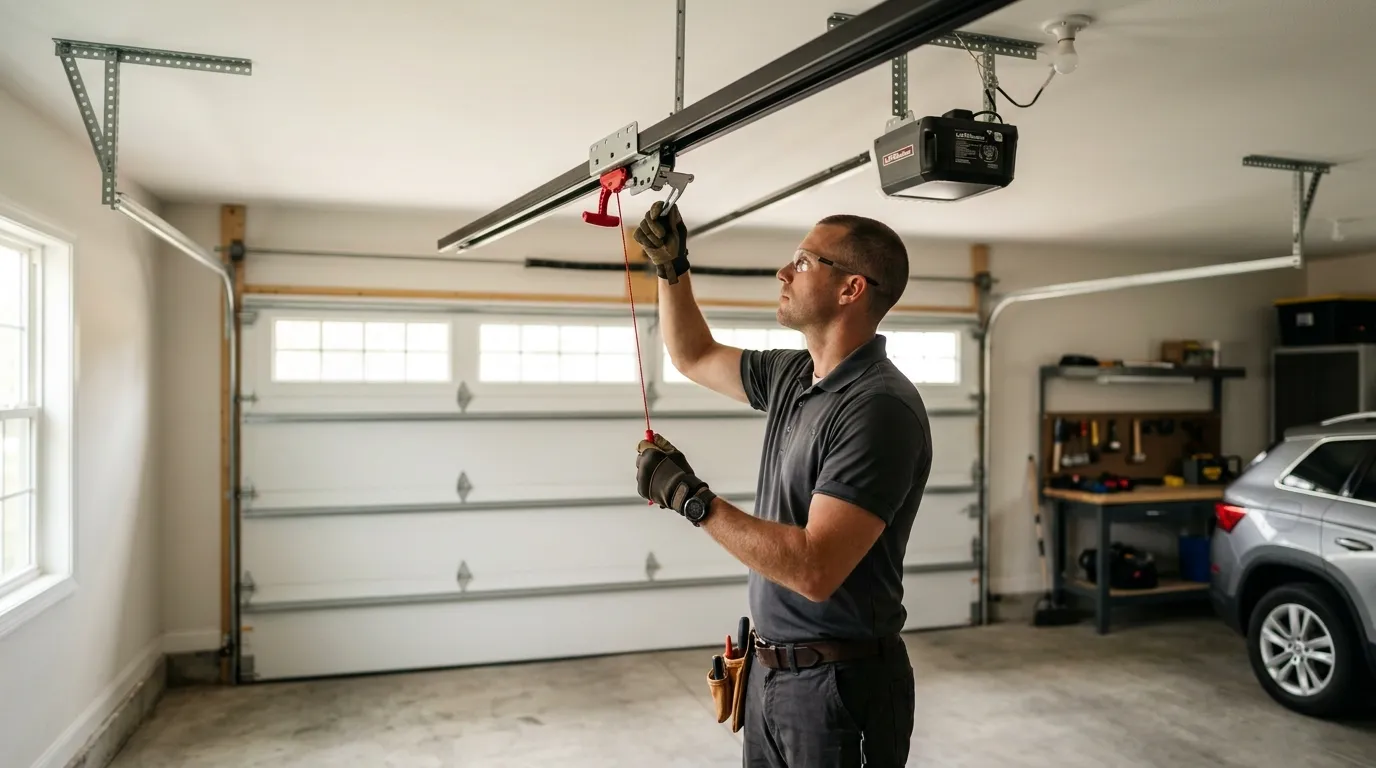
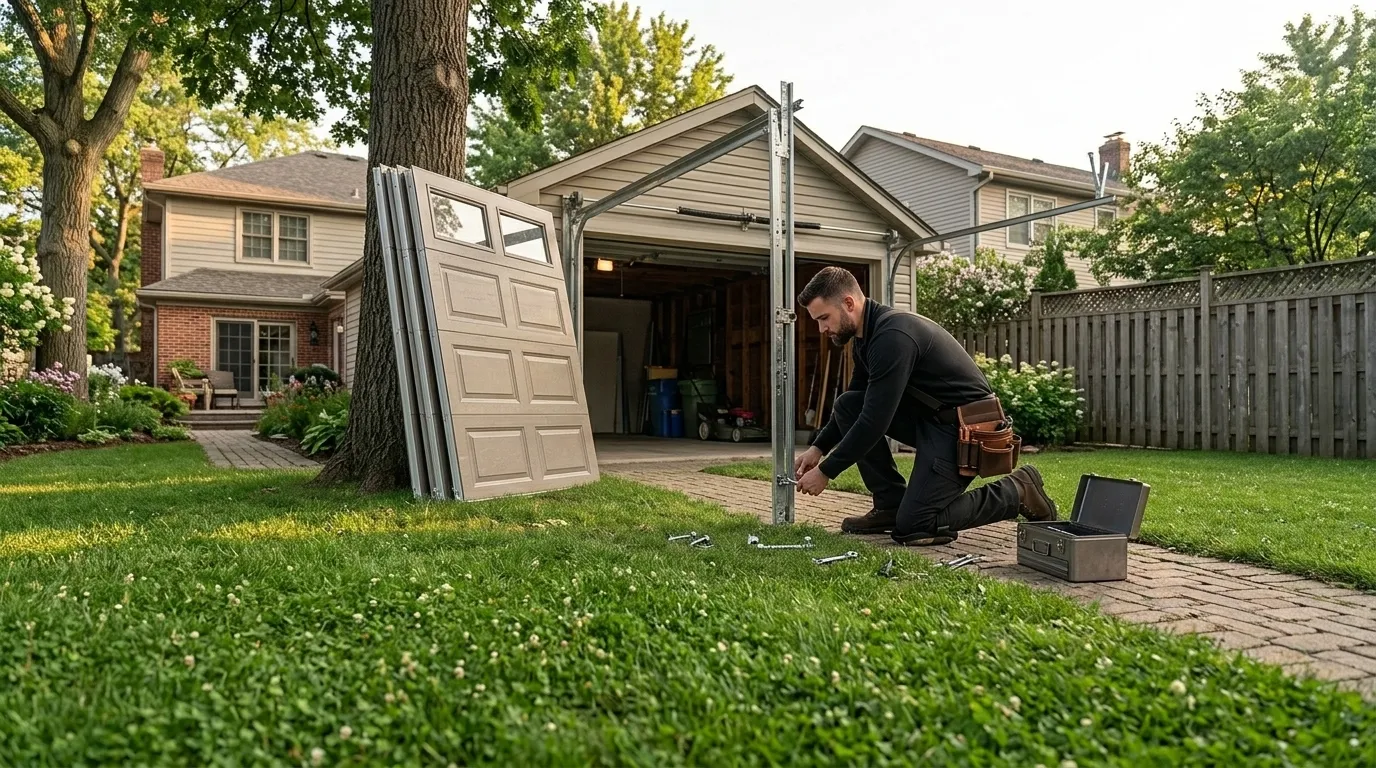
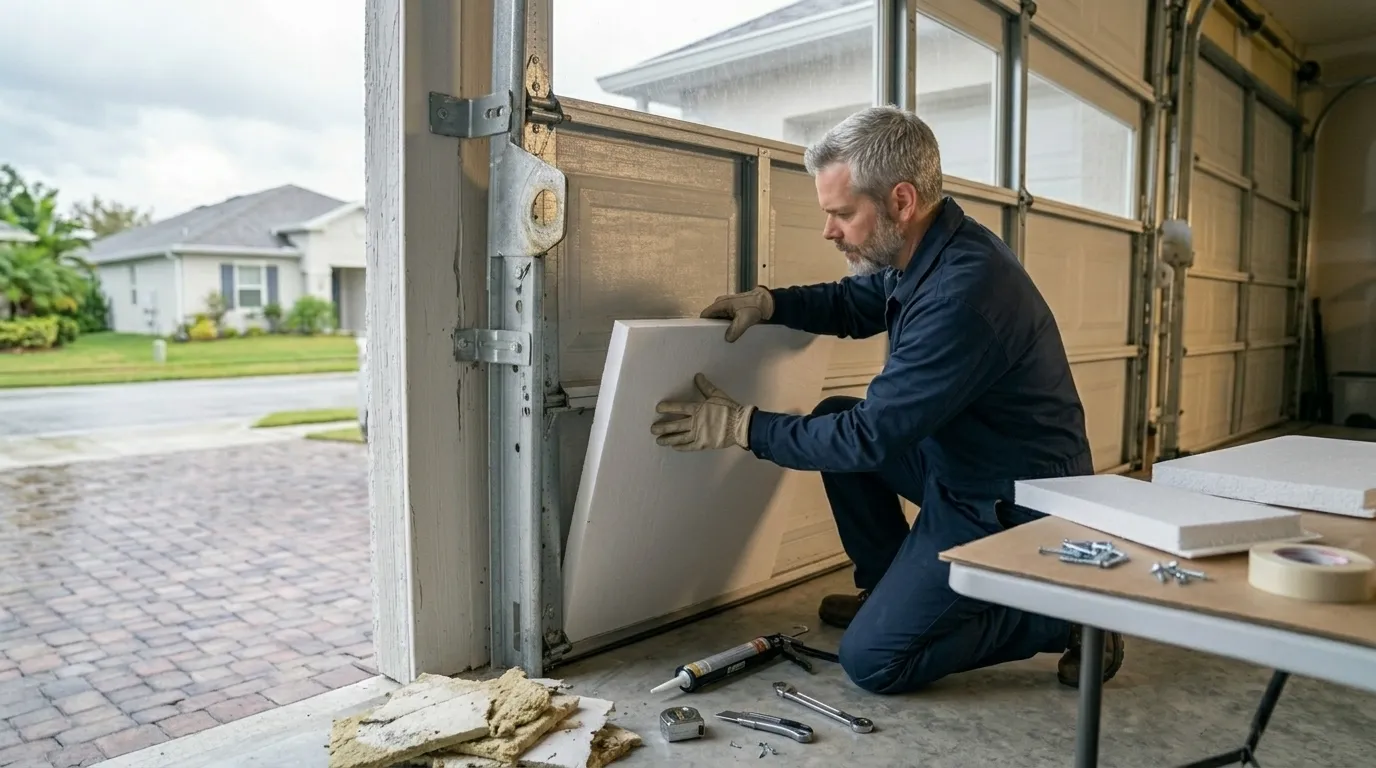
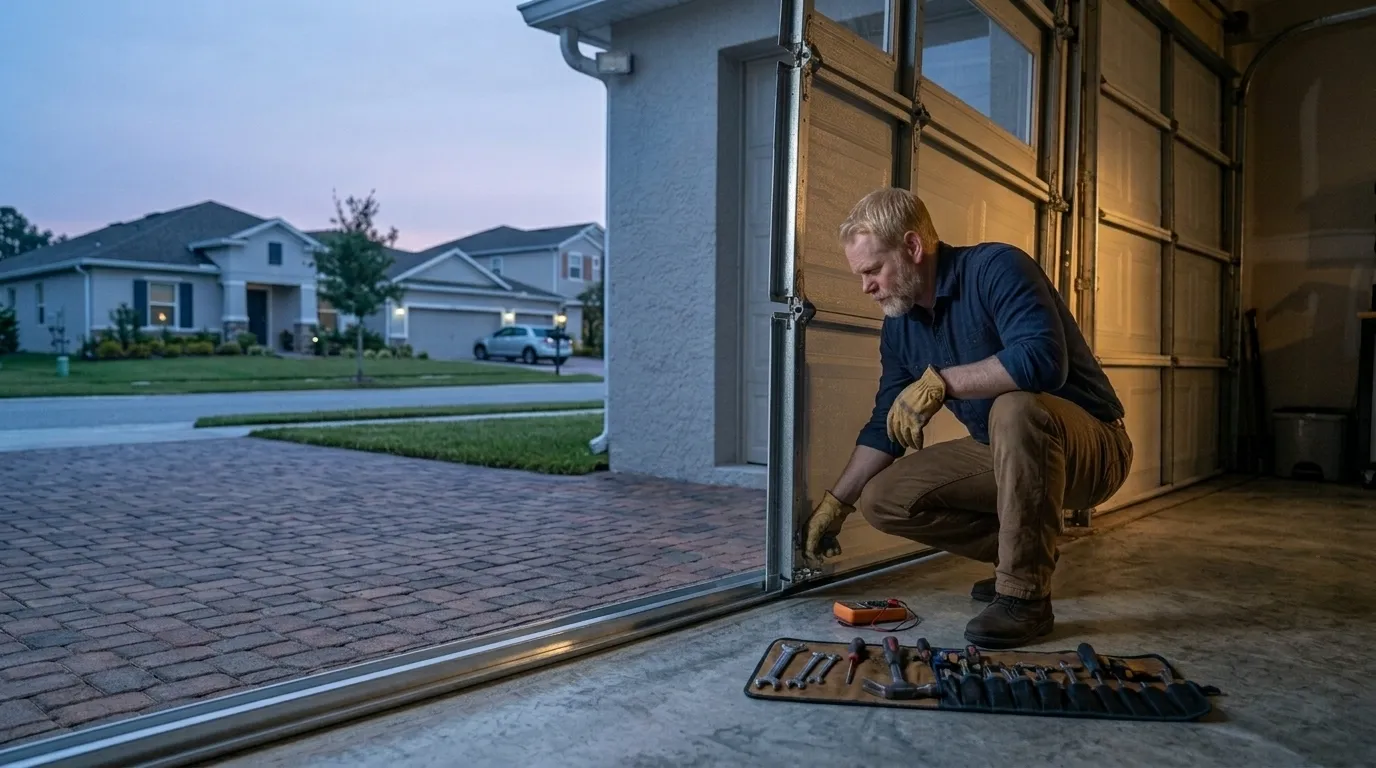
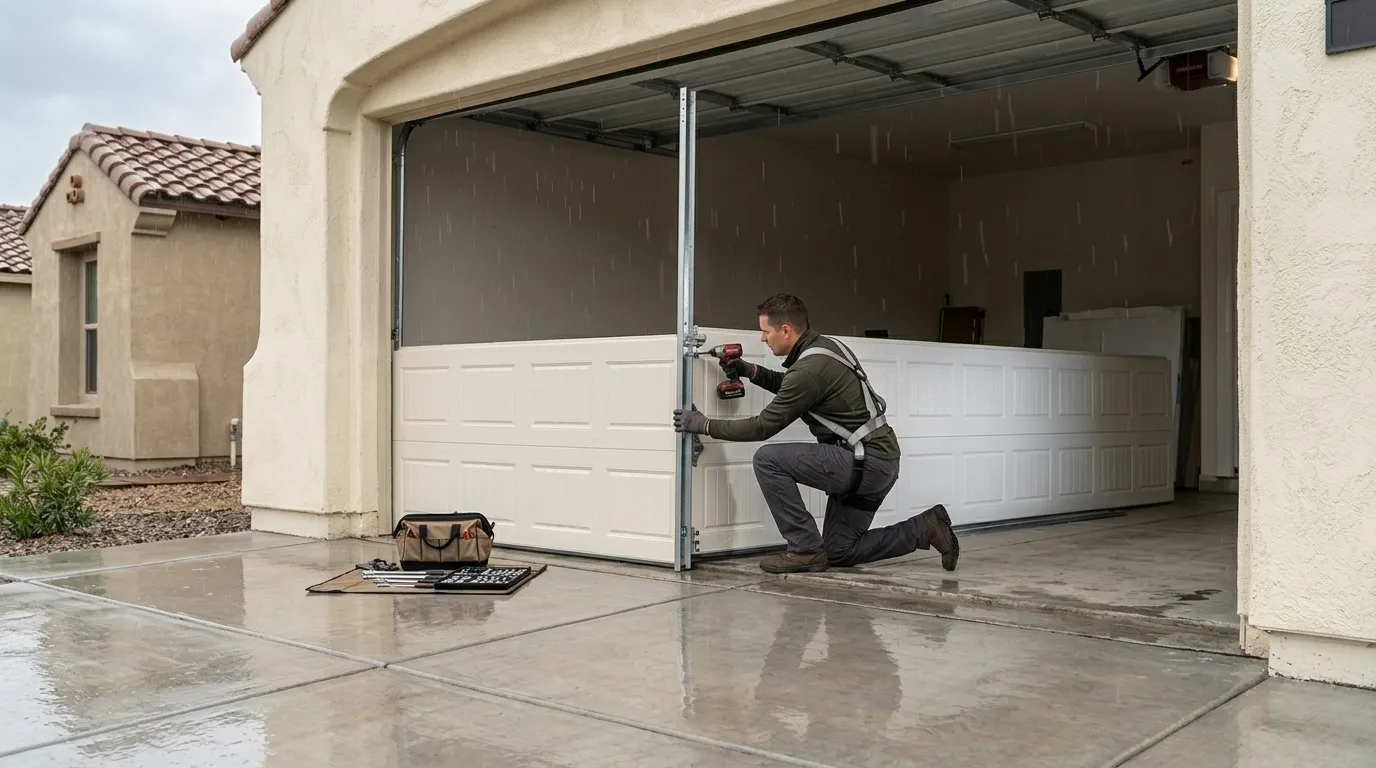
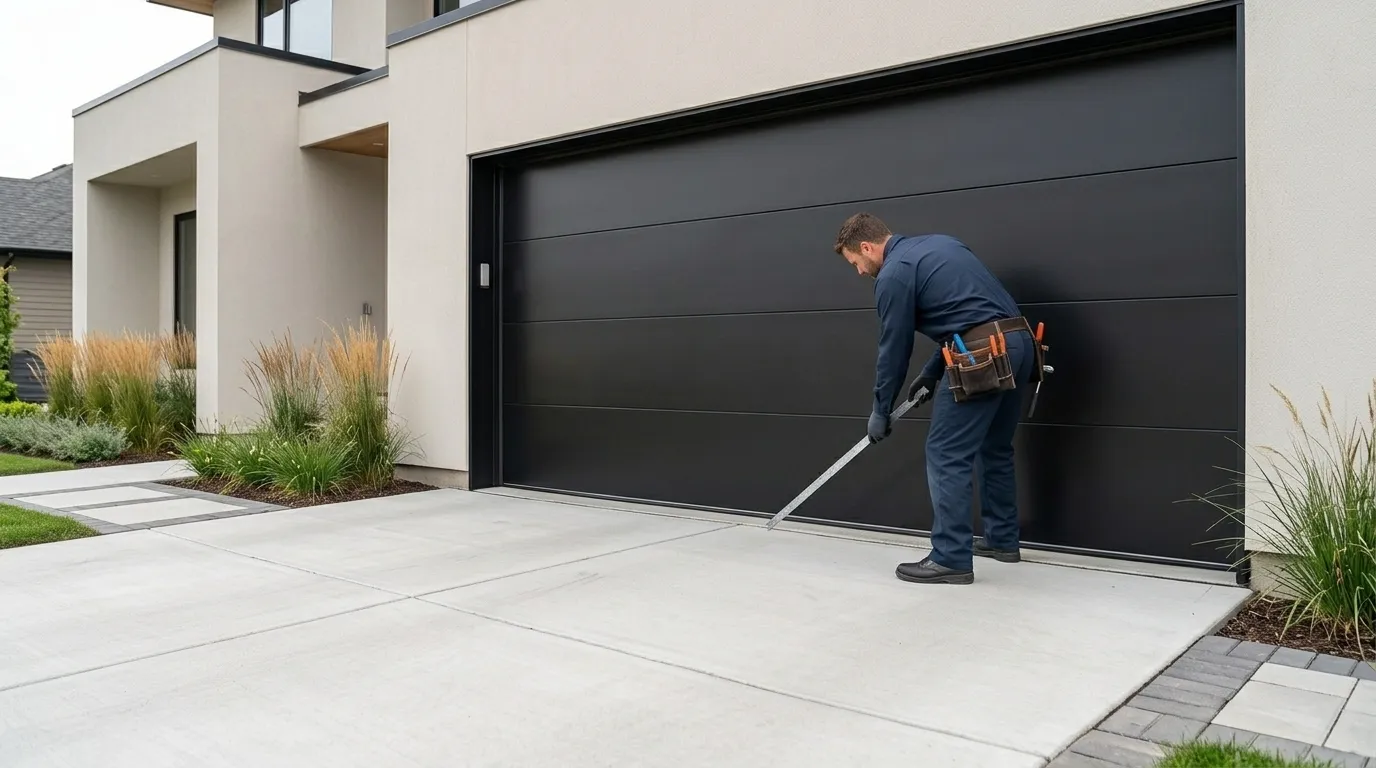
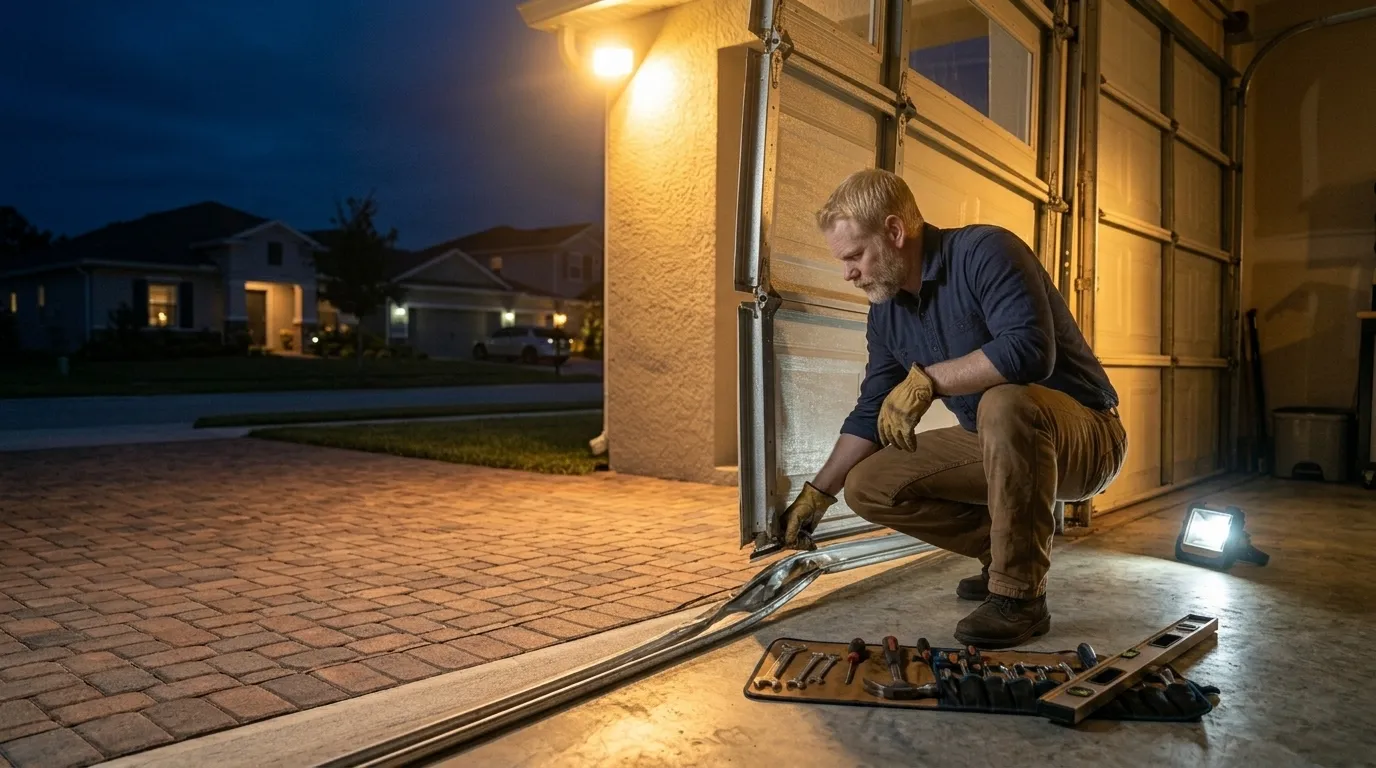
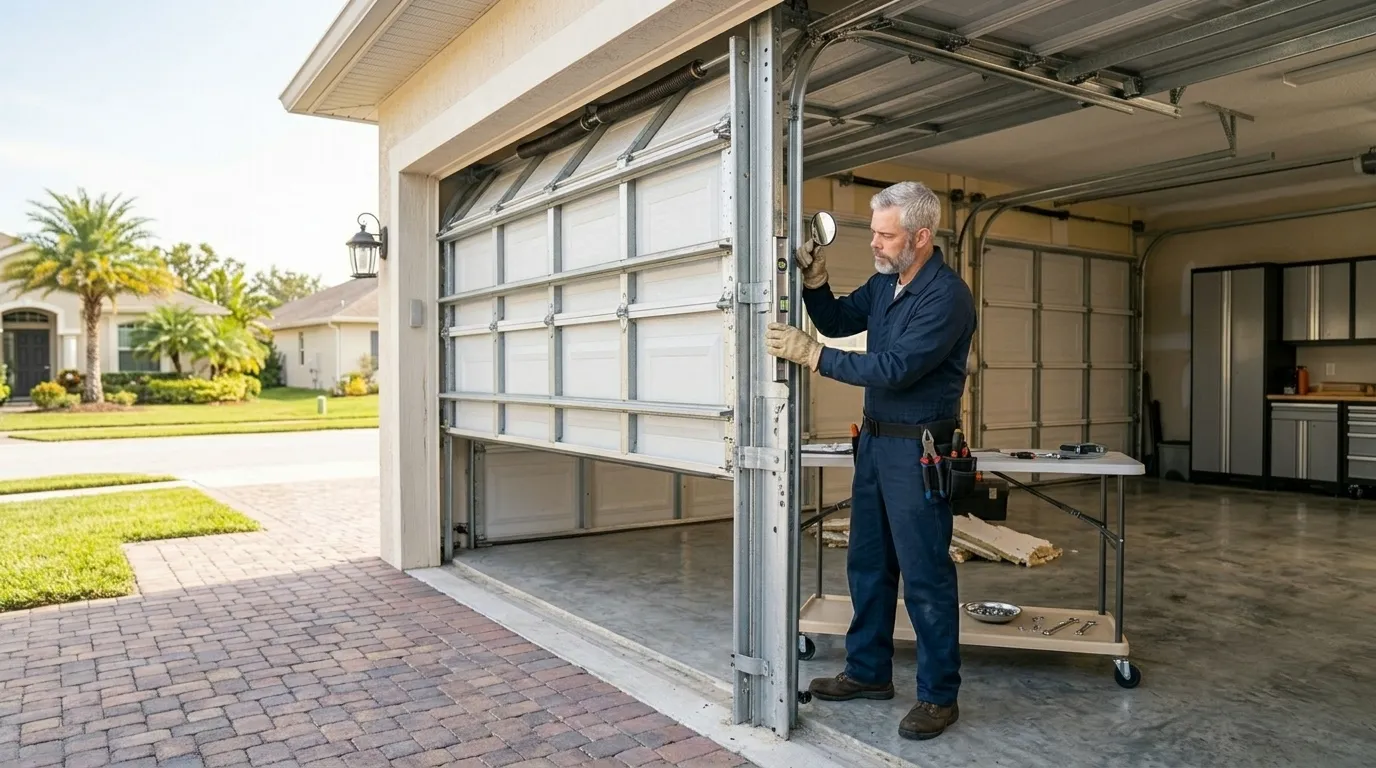
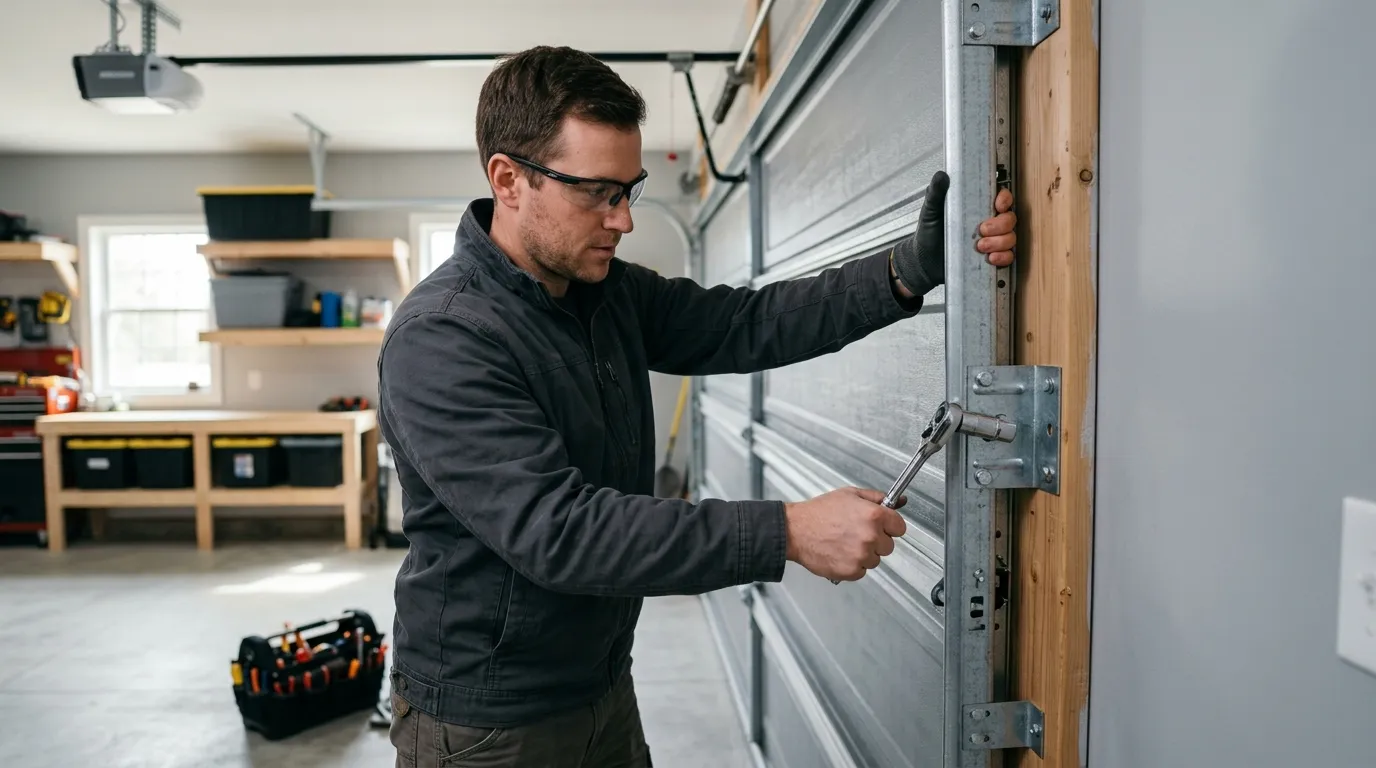
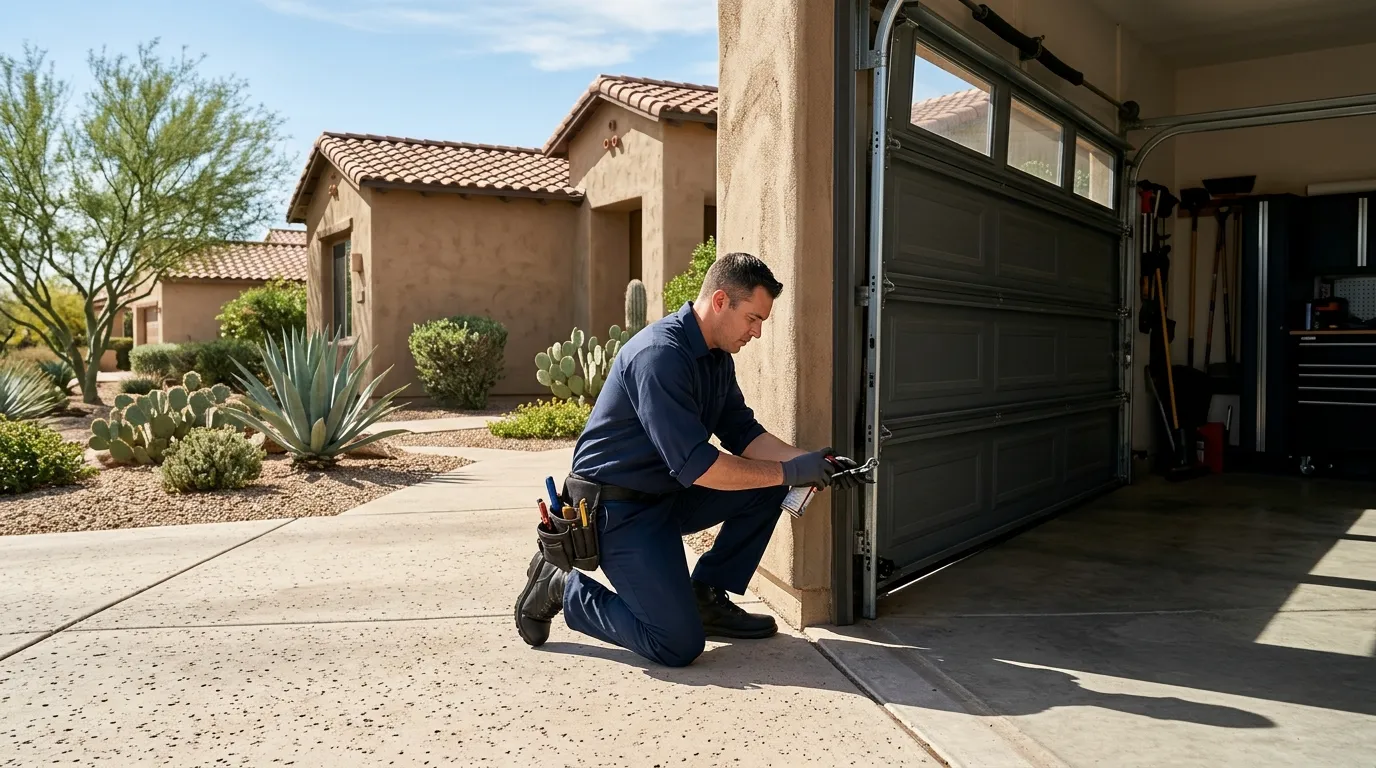
None of this is dramatic until the day it is. A torsion spring doesn't warn you before it lets go; it just does, usually while the door is halfway up. Maintenance is the work of catching the groan before it becomes the snap - lubricating rollers and hinges, checking spring tension and cable wear, tightening the hardware that's worked loose from thousands of open-close cycles, and testing the opener's force settings so it isn't fighting a door that's out of balance. On a well-kept door none of this takes long. On a door that's been ignored for years, it takes longer, and it usually turns up more than one thing.
Why This Fails Locally
Most houses in the Lincolnwood service area were built between 1938 and 1994, with the median landing around 1961, and a lot of doors and openers out there are still running on hardware that predates modern safety standards - older extension springs without containment cables, openers with no auto-reverse sensors, tracks bolted to framing that's shifted a little over sixty-plus years. That's not a knock on the houses. It's just what a mid-century housing stock looks like when the garage door was the one system nobody thought to update on the same schedule as the roof or the furnace.
That puts Lincolnwood in a cold-moderate climate band, where a torsion spring rated for one temperature range gets asked to cycle through swings most manufacturers didn't design for decades ago. Steel contracts in the cold, lubricant thickens, and a spring already near the end of its cycle life loses tension faster in January than it does in July. Skip a season of maintenance on a door like that and you're not looking at a minor adjustment - you're looking at a spring replacement, or a cable that finally gives out on the coldest week of the year, which is exactly when you don't want to be without a garage.
Booking a Visit
We work across a service area of roughly 104,270 households, about half of them owner-occupied houses with an attached garage door somewhere on the property. Homeowners here report a median household income near $99,861, which is worth mentioning only because it tells you what a fair local price range should look like - not rock-bottom, not luxury markup, just a fair job for a fair rate.
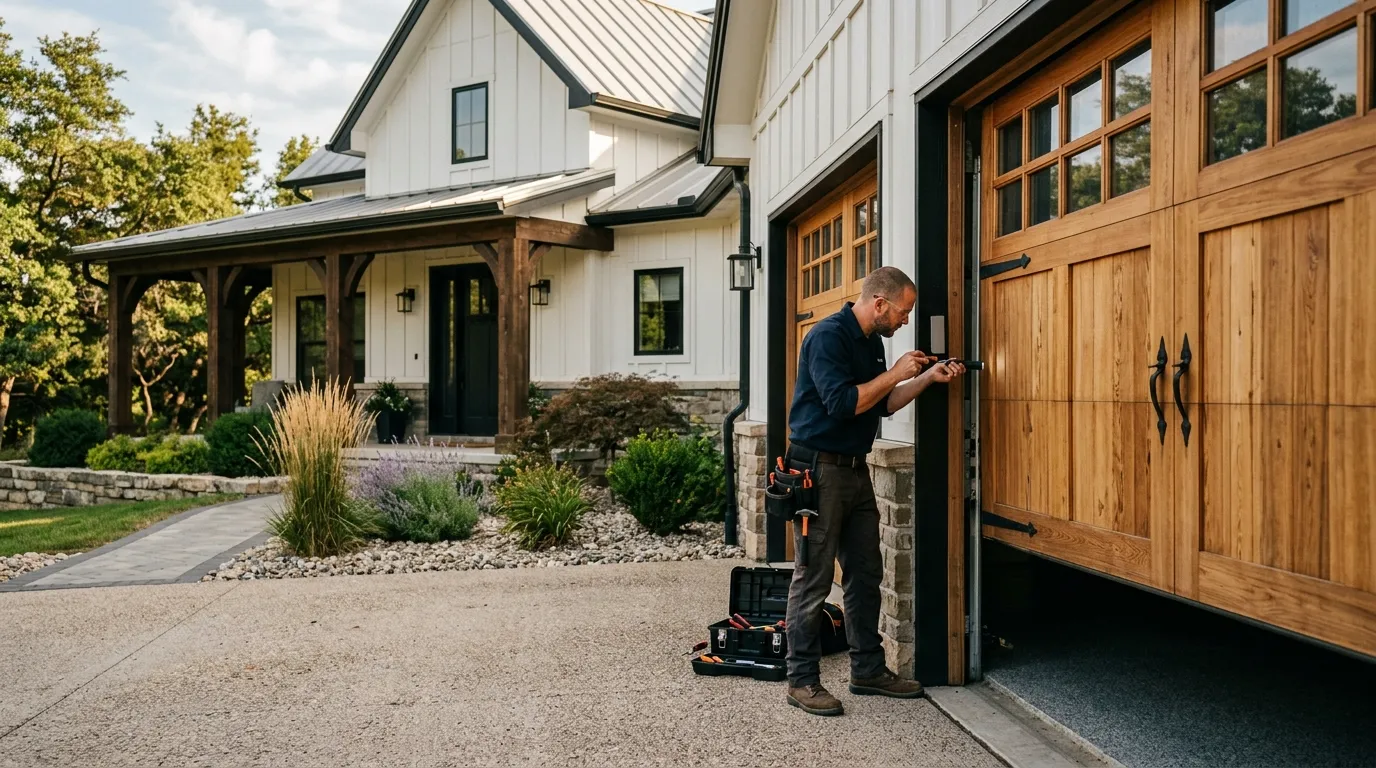
From Lincolnwood, that covers everywhere from two miles east-southeast to Oak Brook sixteen miles out, plus the 40-some named neighborhoods and suburbs in between - Glencoe, and the rest. If you're not sure whether a maintenance visit or a repair is what you need, that's a fair question to ask before we come out, not after. Head to our home page to see the full range of what we handle, or get in touch to set a time that works for your schedule.