How It Shows Up
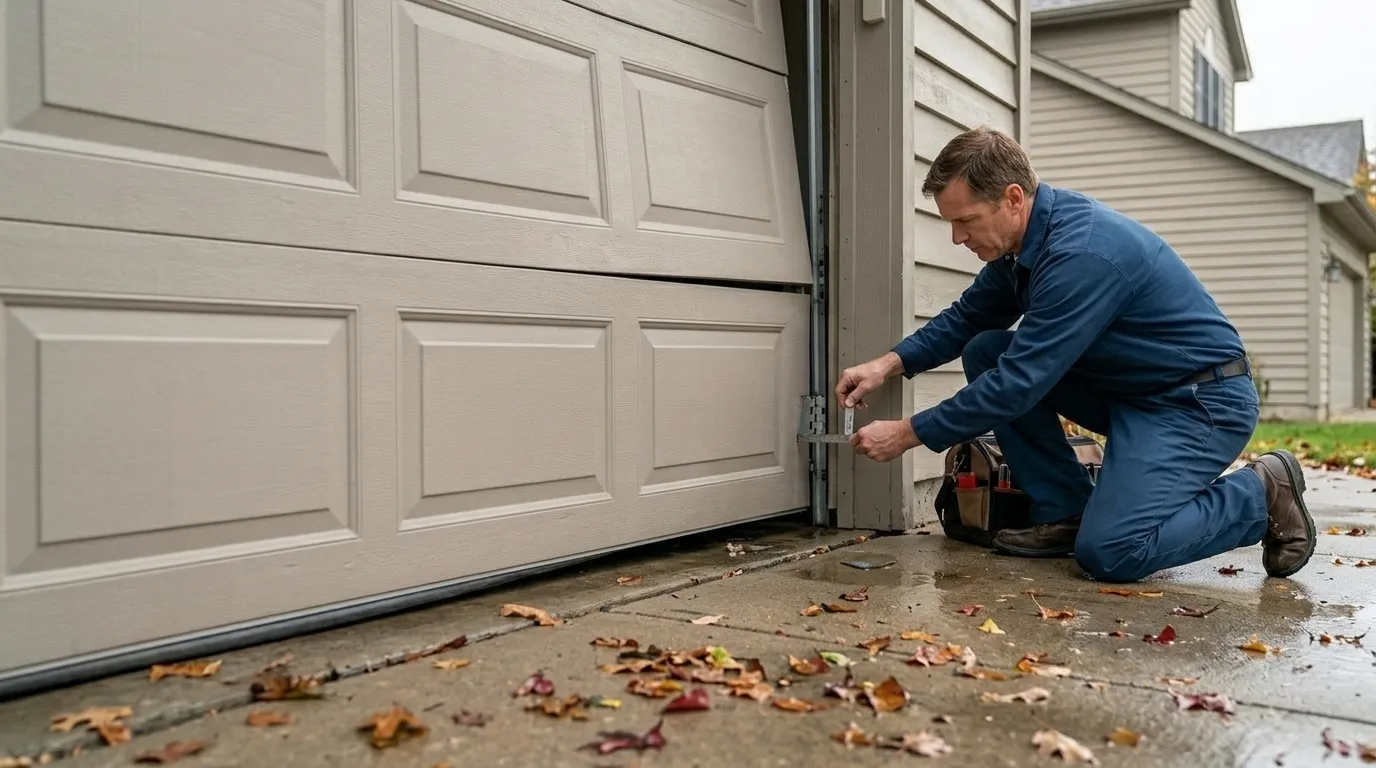
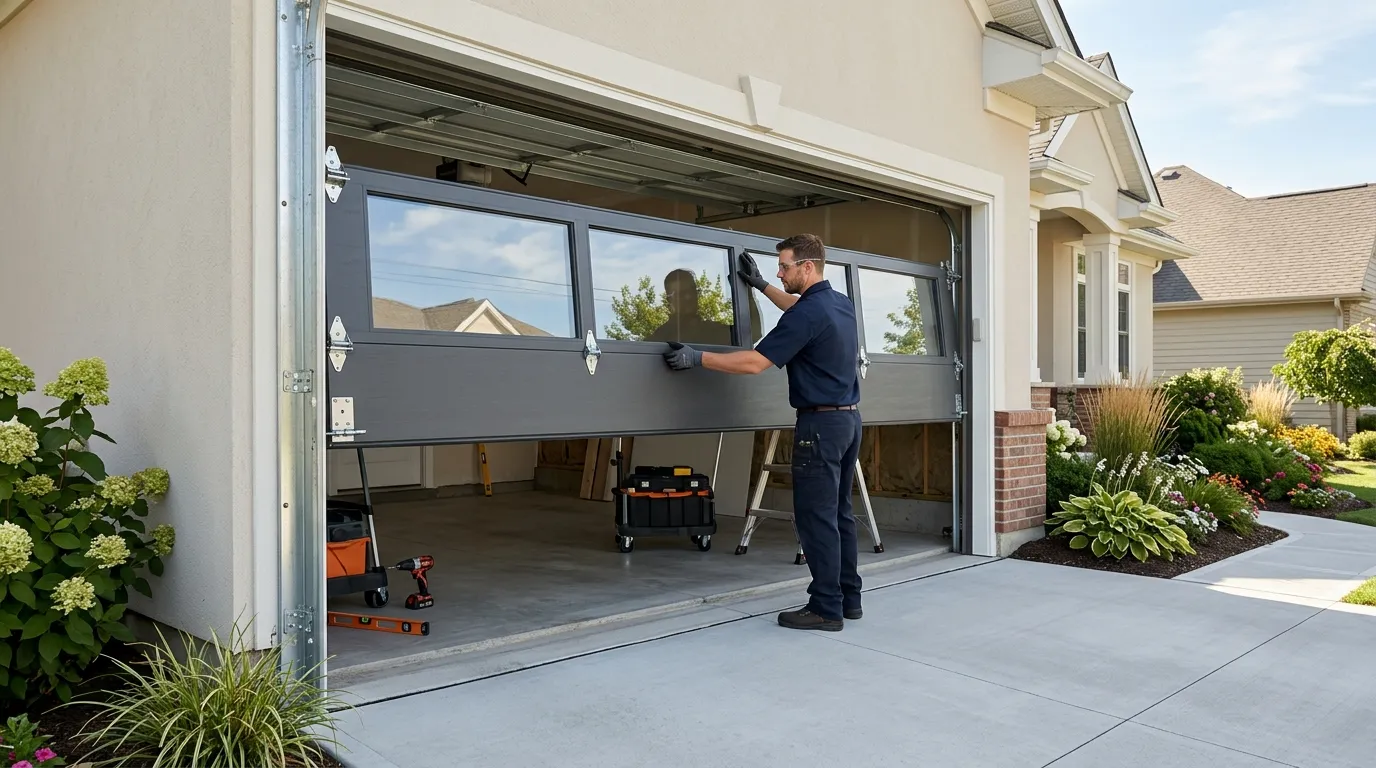
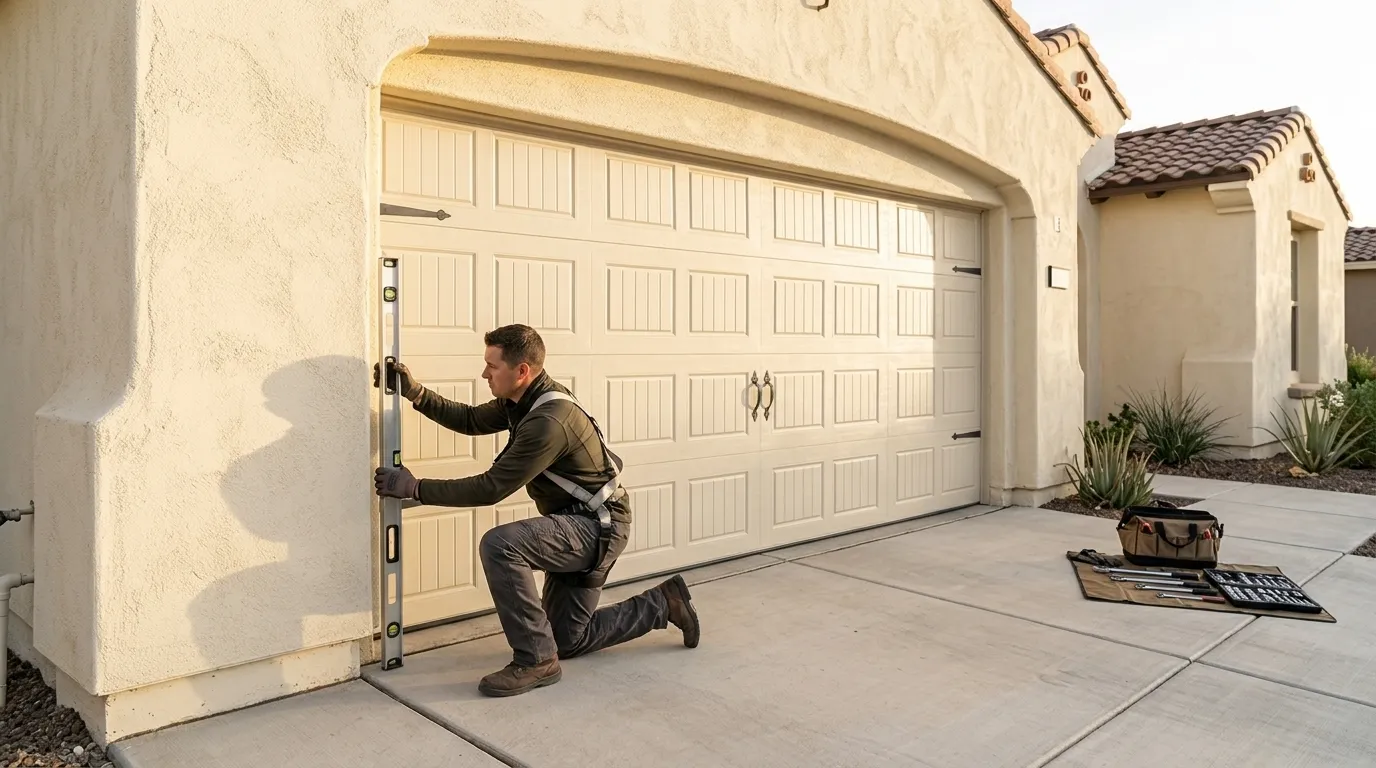
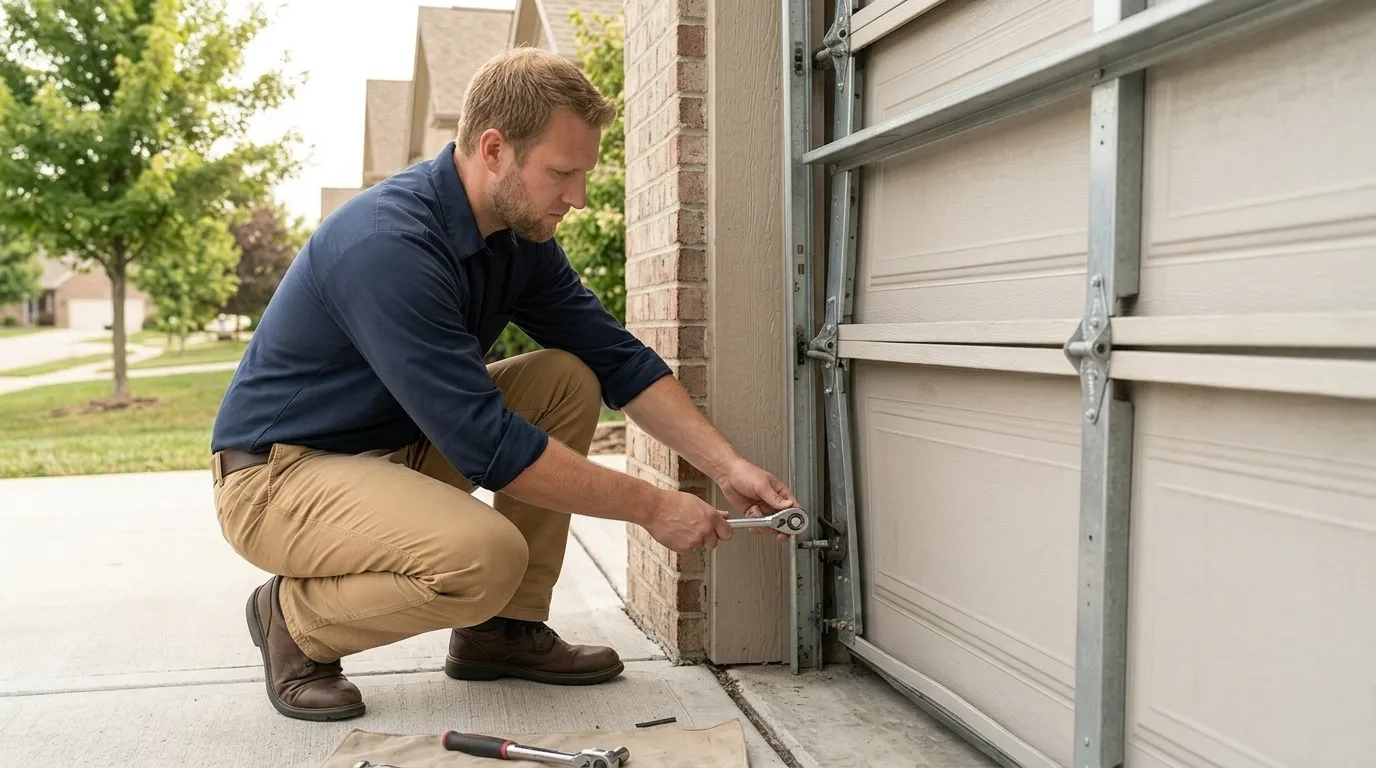
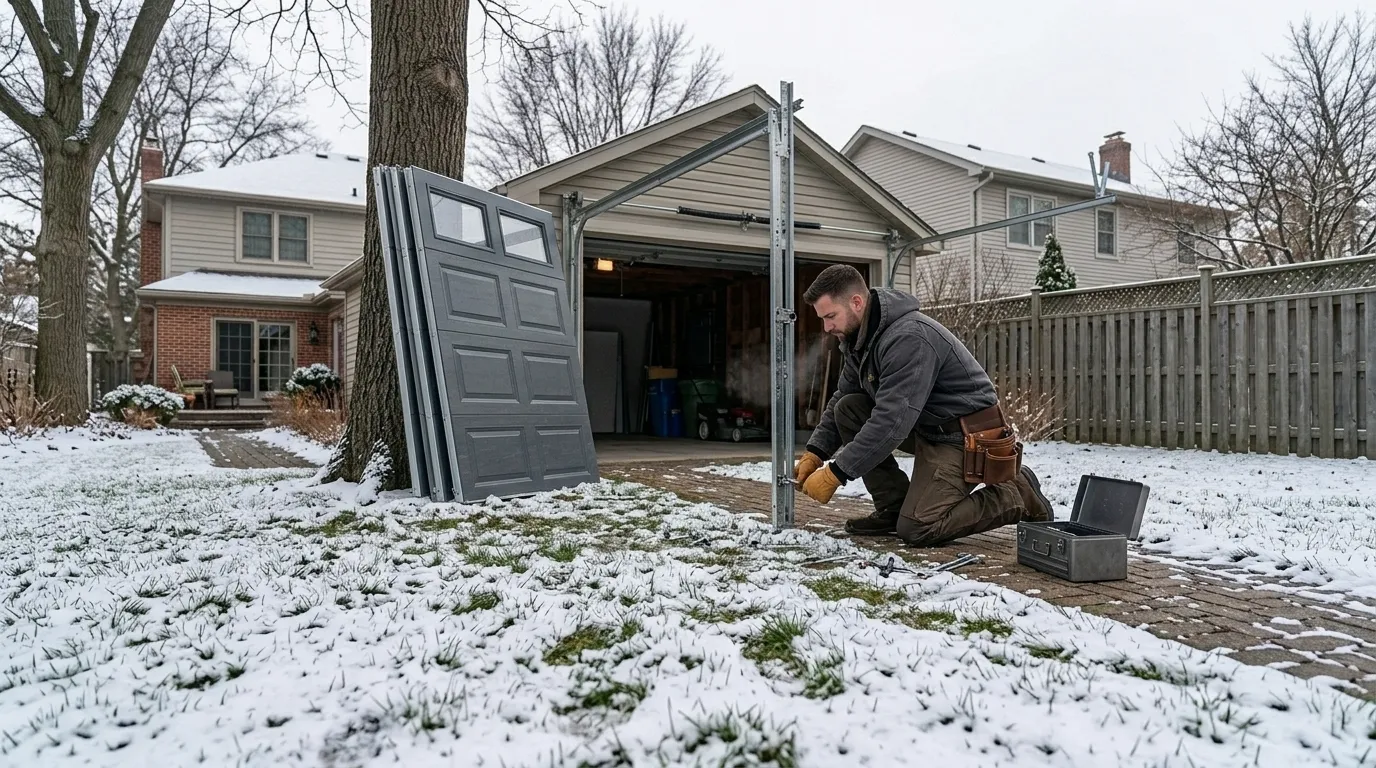
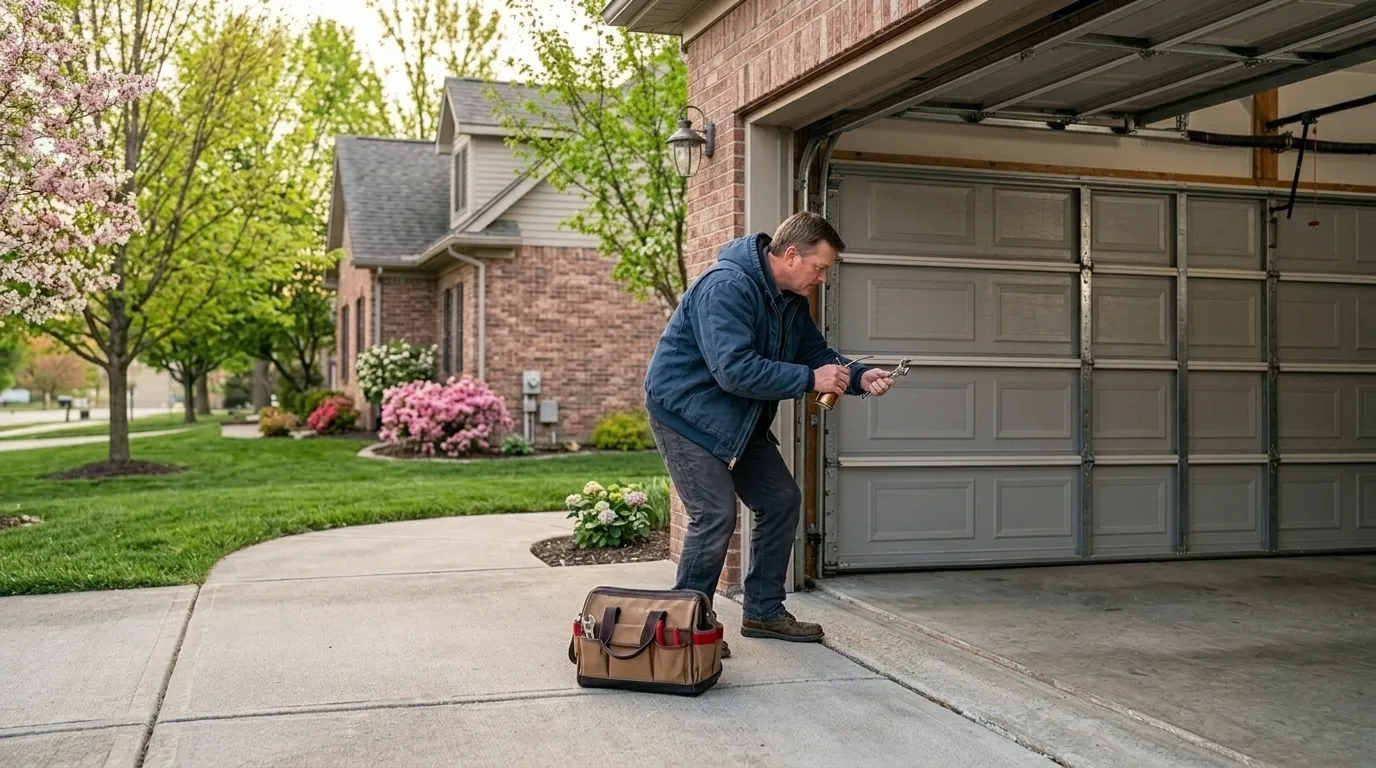
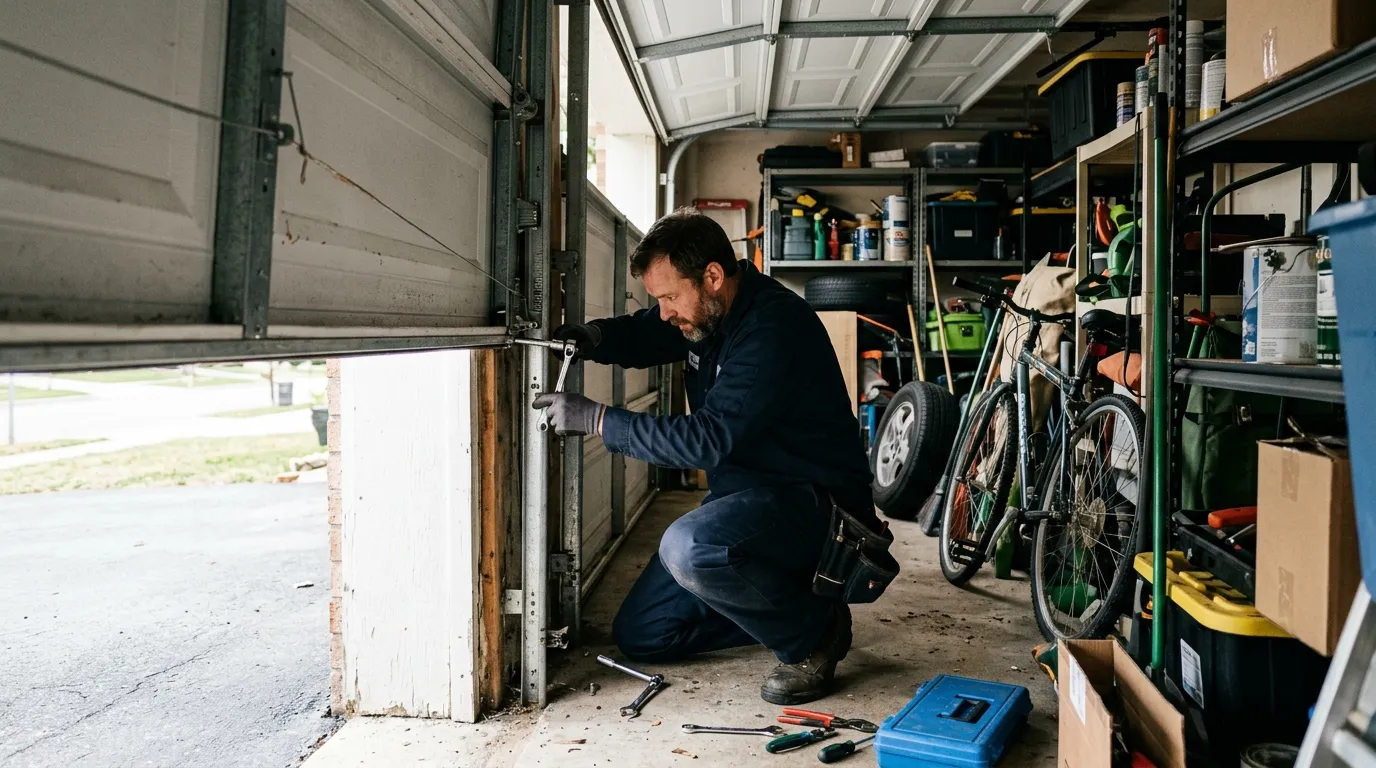
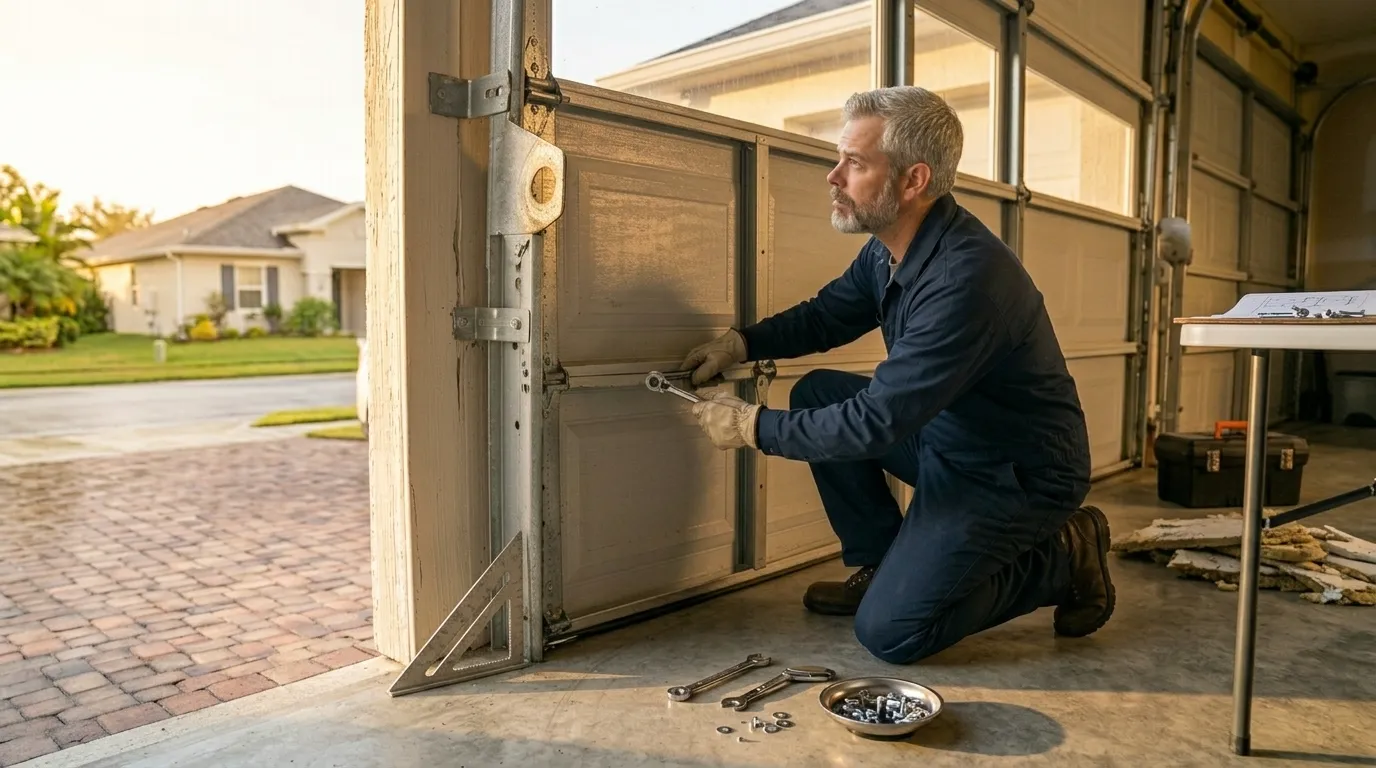
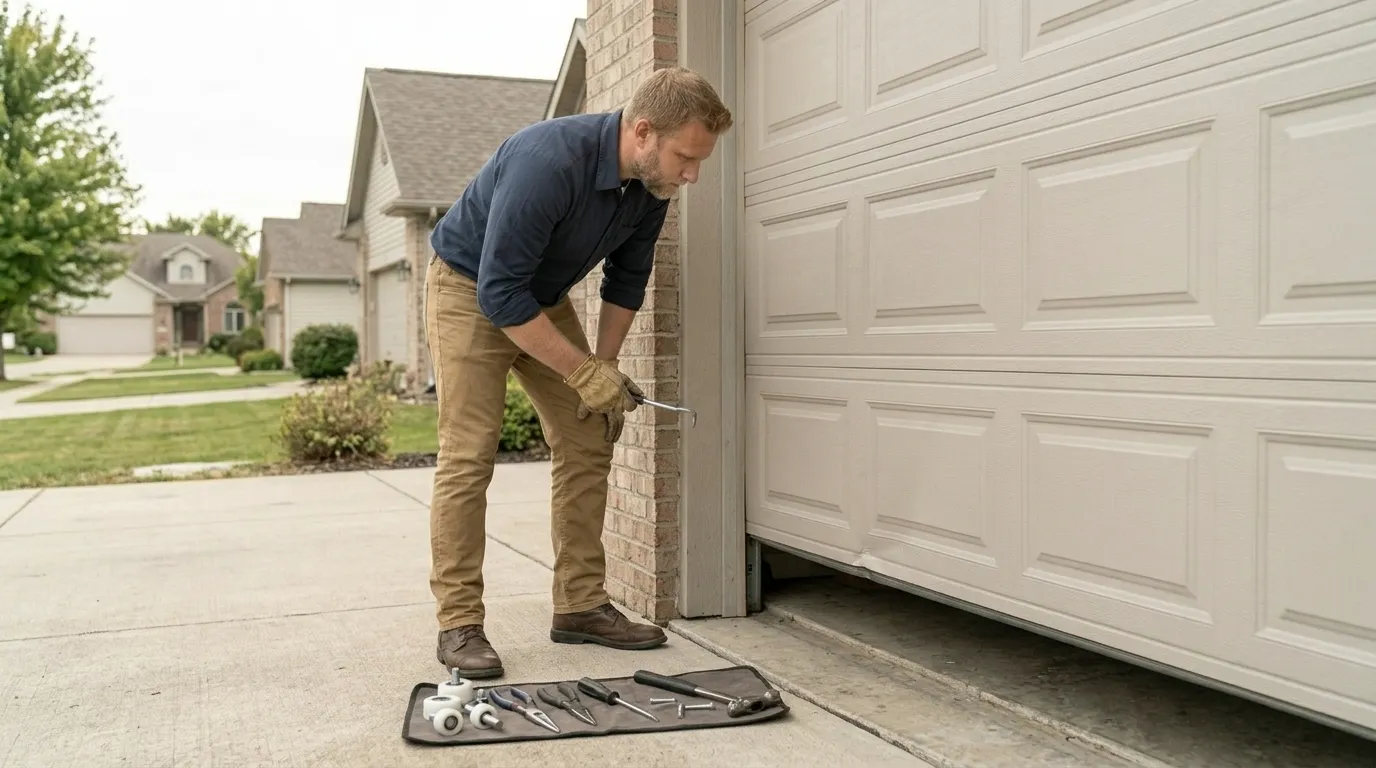
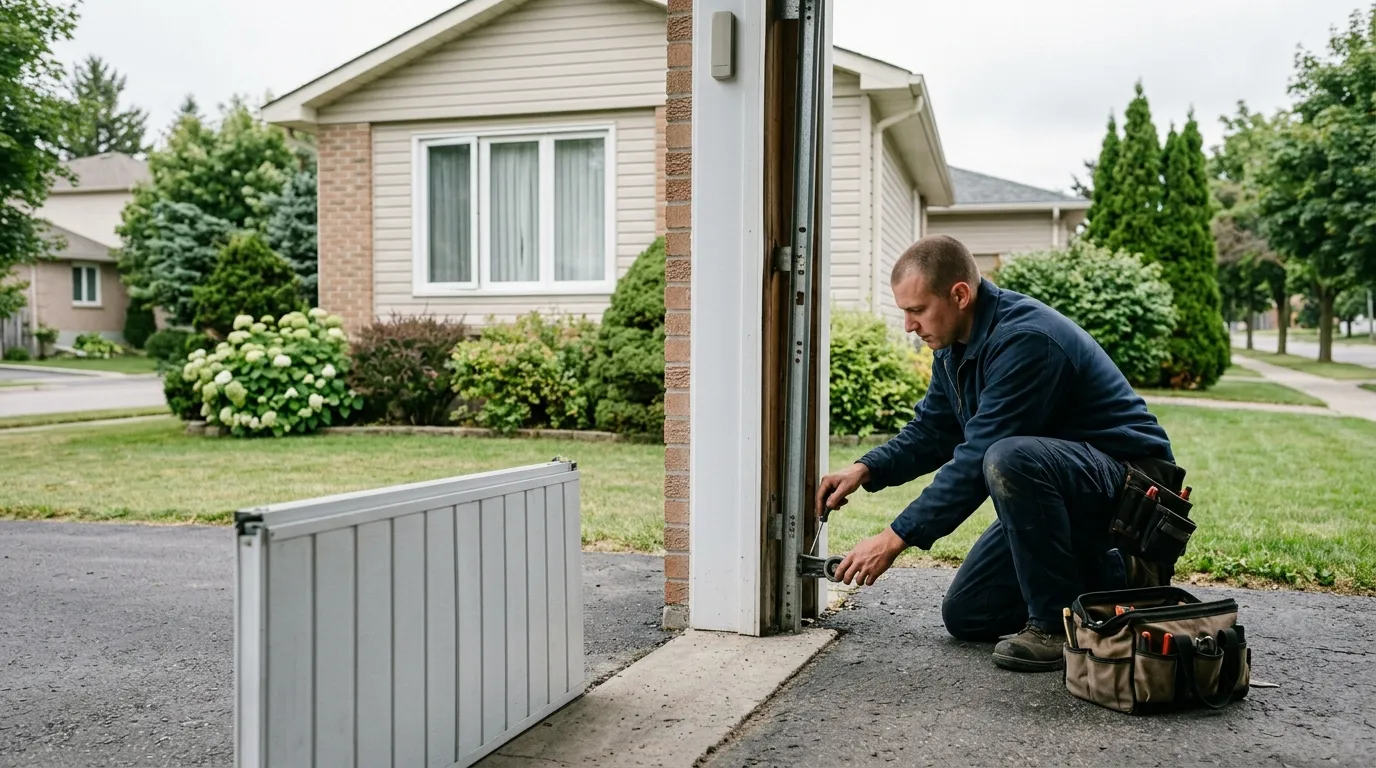
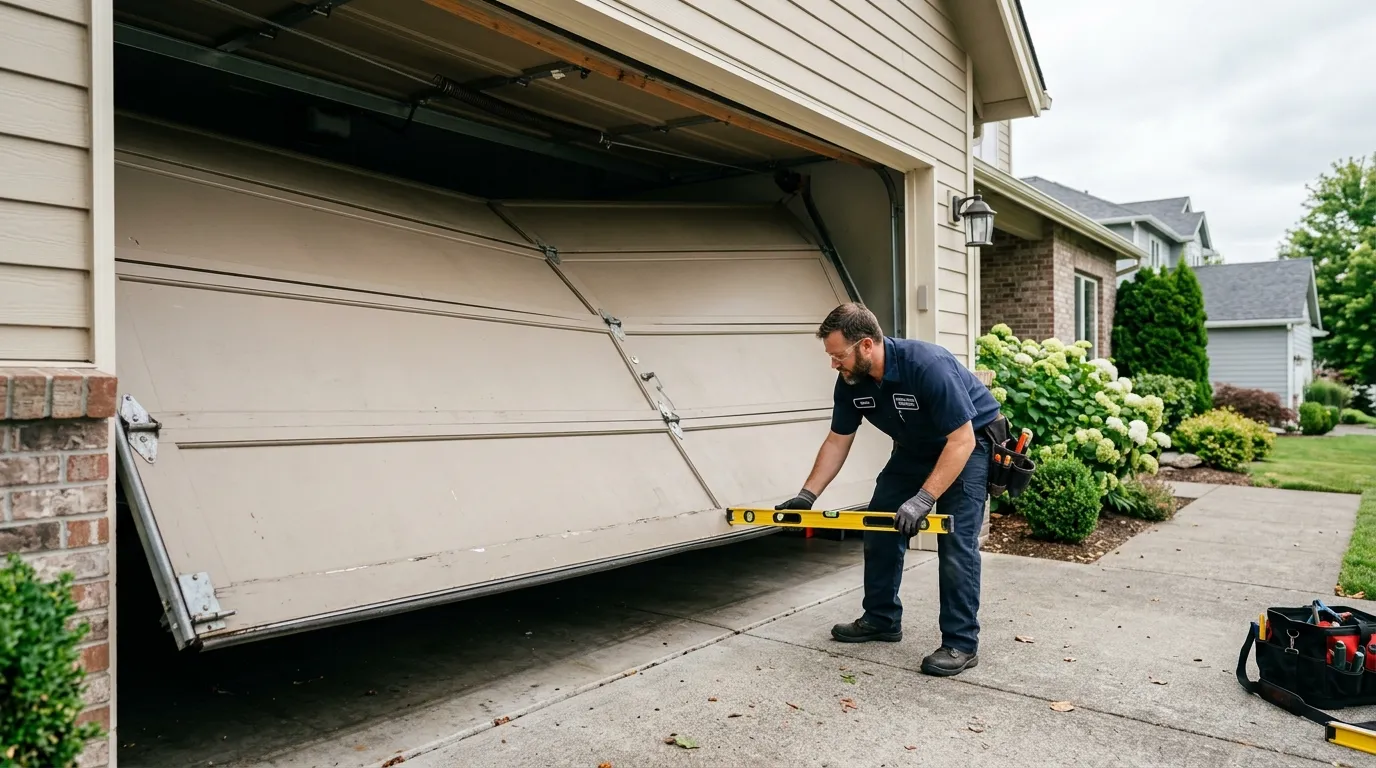
A panel job rarely starts as a panel job. Somebody backs into the door, or a section that's been rusting from the inside out finally buckles, and now there's a visible dent, a crack running along a seam, or a bottom panel that's gone soft and won't hold a screw anymore. On a lot of the doors we see in this service area, the damage is on one or two sections out of eight, not the whole door.
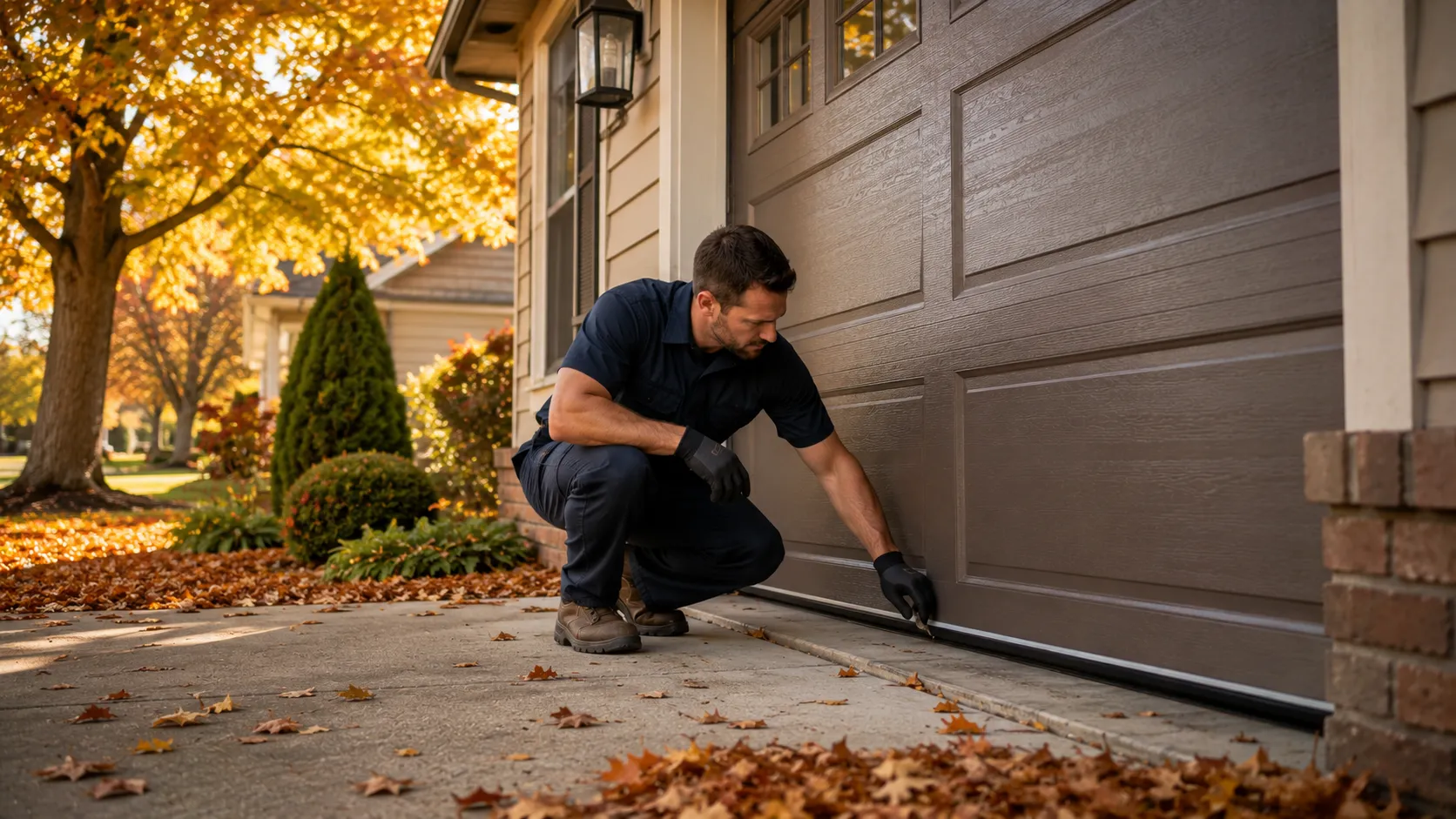
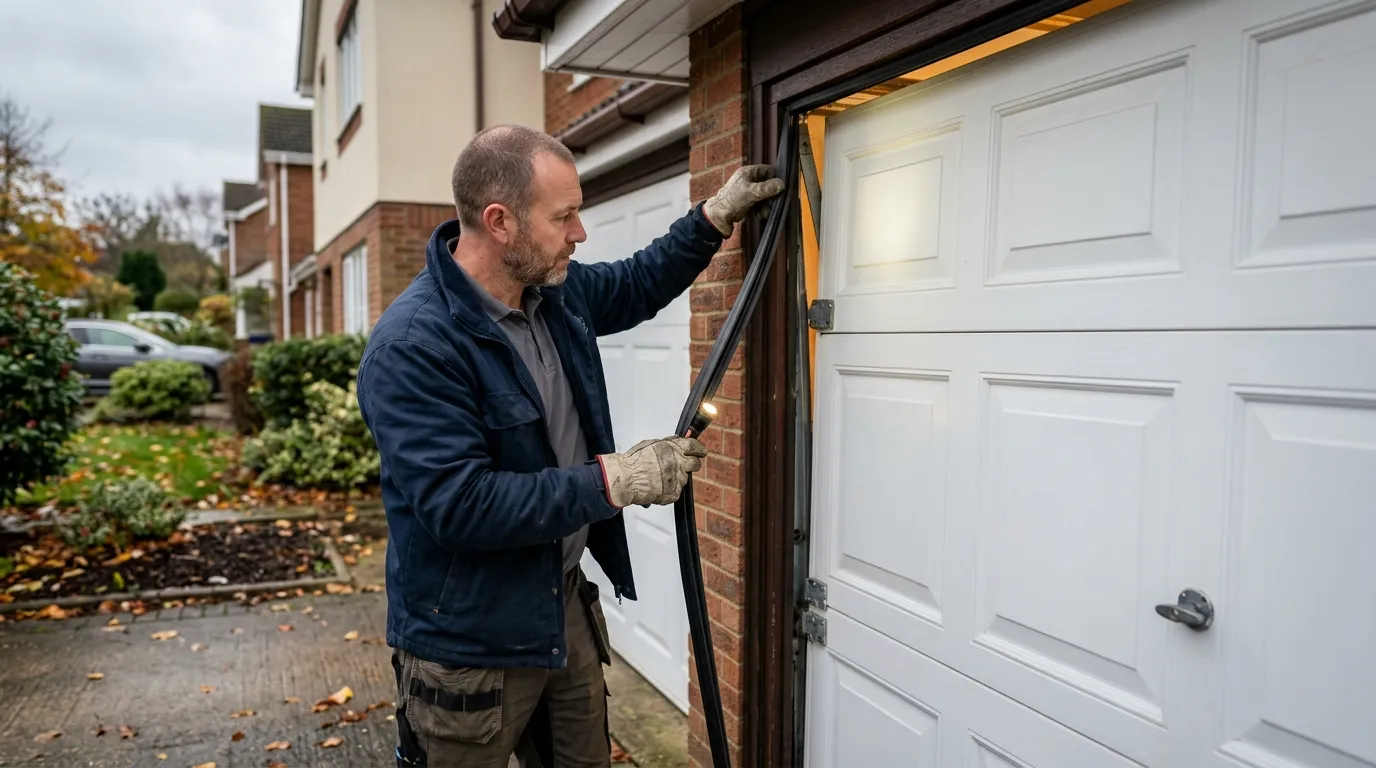
The other way it shows up is quieter: a panel warps just enough that the door binds in the track, or the seams start separating where steel meets steel and moisture gets behind the skin. That second kind is slower and it's the one owners tend to ignore the longest, because the door still opens and closes. It just doesn't seal right, and in a cold-climate winter that gap around a warped panel is where the heat loss and the ice both start.
We see both kinds across this whole area - not just Lincolnwood but the towns around it, from out toward. The pattern is the same because the housing pattern is the same.
Why This Fails Locally
Housing across this service area was mostly built between 1938 and 1994, with the median year sitting around 1961, and the bulk of it going up through the 1960s and '70s across the 40 named neighborhoods we cover. That matters for panels specifically: doors installed on houses from that era were sized and gauged for the hardware standards of the time, and a lot of those original steel sections are heavier-gauge and narrower than what's sold today. When one section on a door like that fails, you're not always matching it off a shelf.
Add a cold, moderate climate on top of that. Steel panels that age through repeated freeze-thaw cycles get seam rust before they get visible dents - the rust starts on the inside of the panel where condensation sits, and by the time it shows on the outside, the section has already lost structural stiffness. That's a different failure path than a warm-climate town would see, where sun and UV do more of the damage than moisture and cold does.
So the same fault - a bad panel - has a local cause here: 1960s-era steel, decades of Illinois winters, and hardware that doesn't always cross-match to what's in a current inventory.
Booking a Visit
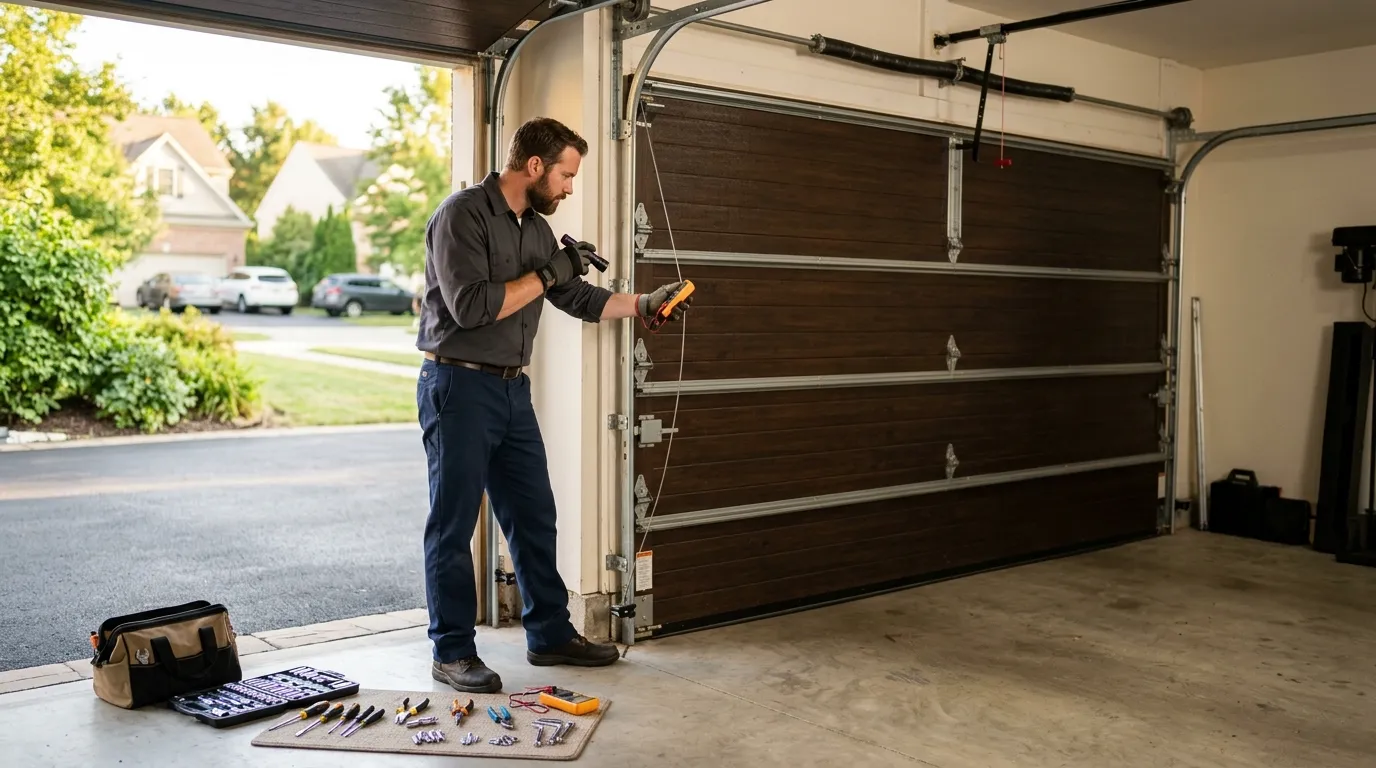
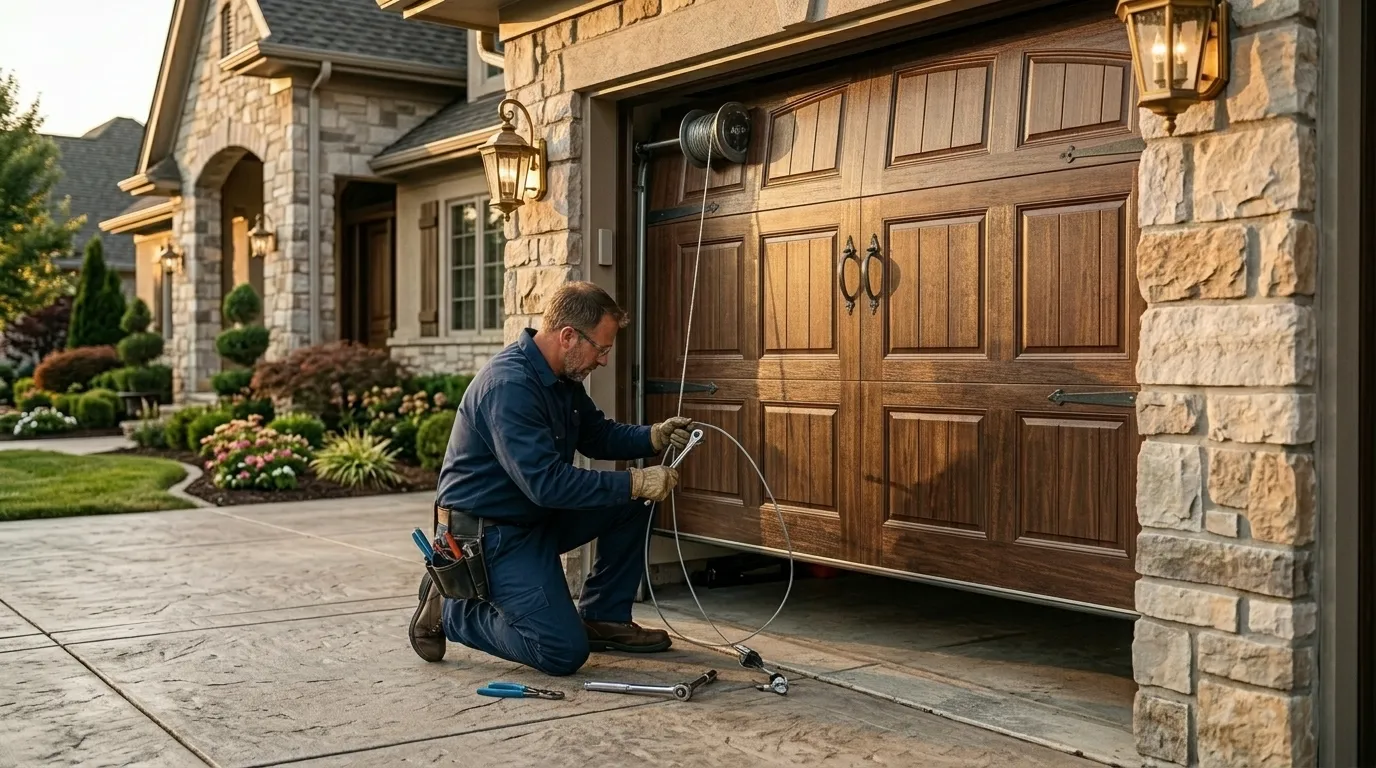
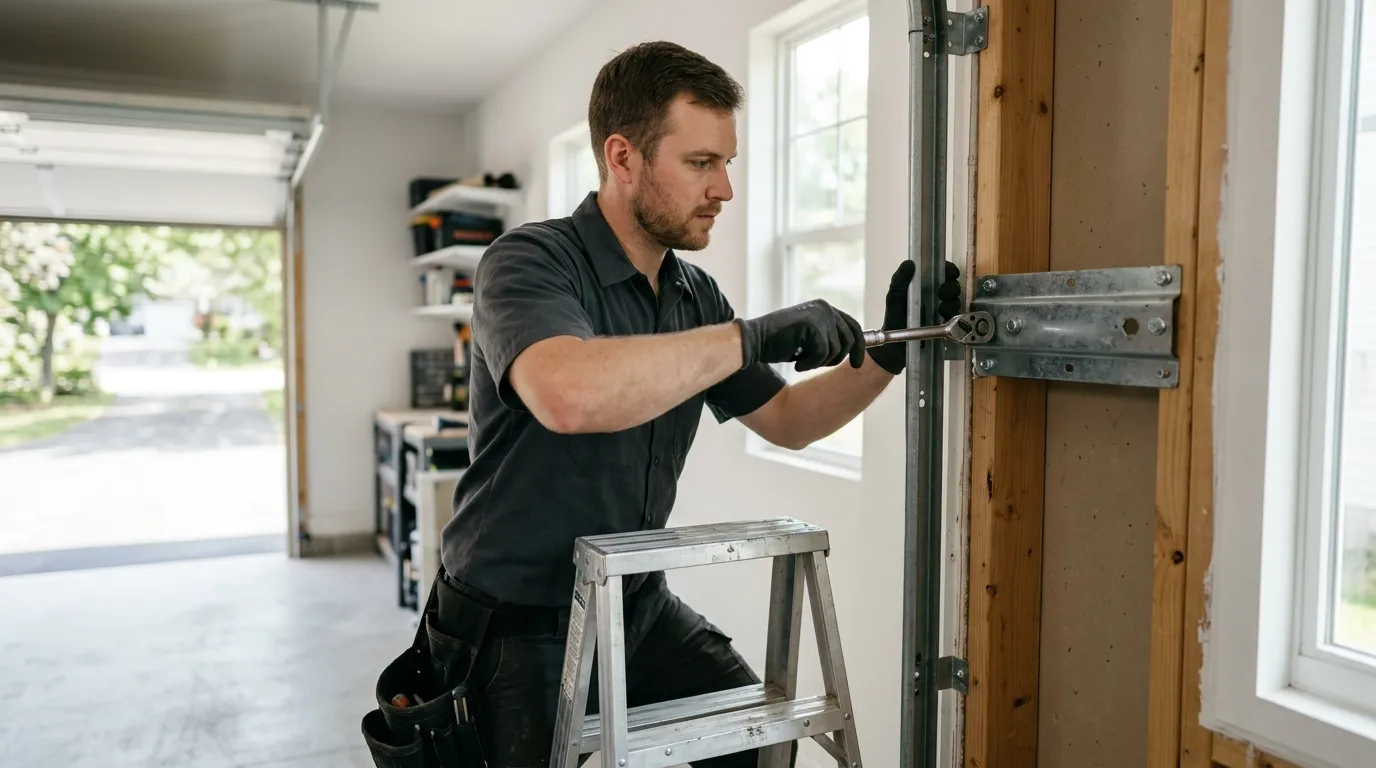
We cover Lincolnwood and the towns around it - Winnetka, and the rest of the area out to about a 16-mile radius, along with the closer-in neighborhoods. Wherever you're calling from in that range, we send the same truck and the same process: look at the panel, check whether it's a match job or a replace-the-door job, and give you a real number before anything comes apart.
If you've already got the dent or the crack in front of you, have the door's approximate age and how many sections are damaged ready when you call - it speeds up the visit. If you're not sure whether it's a panel problem or something in the track or opener causing the panel to look worse than it is, that's fine too. We sort that out on site.