Serving Lincolnwood, IL & nearby
(224) 353-7699
Lincolnwood, IL

Why Cold Weather Is When Lincolnwood Springs Actually Break

Why torsion springs fail on Lincolnwood's older doors when temperatures drop, what the housing stock here has to do with it, and what the fix actually costs.

Why Cold Weather Is When Lincolnwood Springs Actually Break

What Most People Get Wrong

Most owners figure the cold itself snapped the spring. It didn't - not directly. A torsion spring fails from metal fatigue, thousands of open-and-close cycles wearing down the coil until it's ready to go. Cold weather is just the trigger that finishes the job, because steel gets less flexible as the temperature drops and a spring that was already near its limit loses the last bit of give it had.

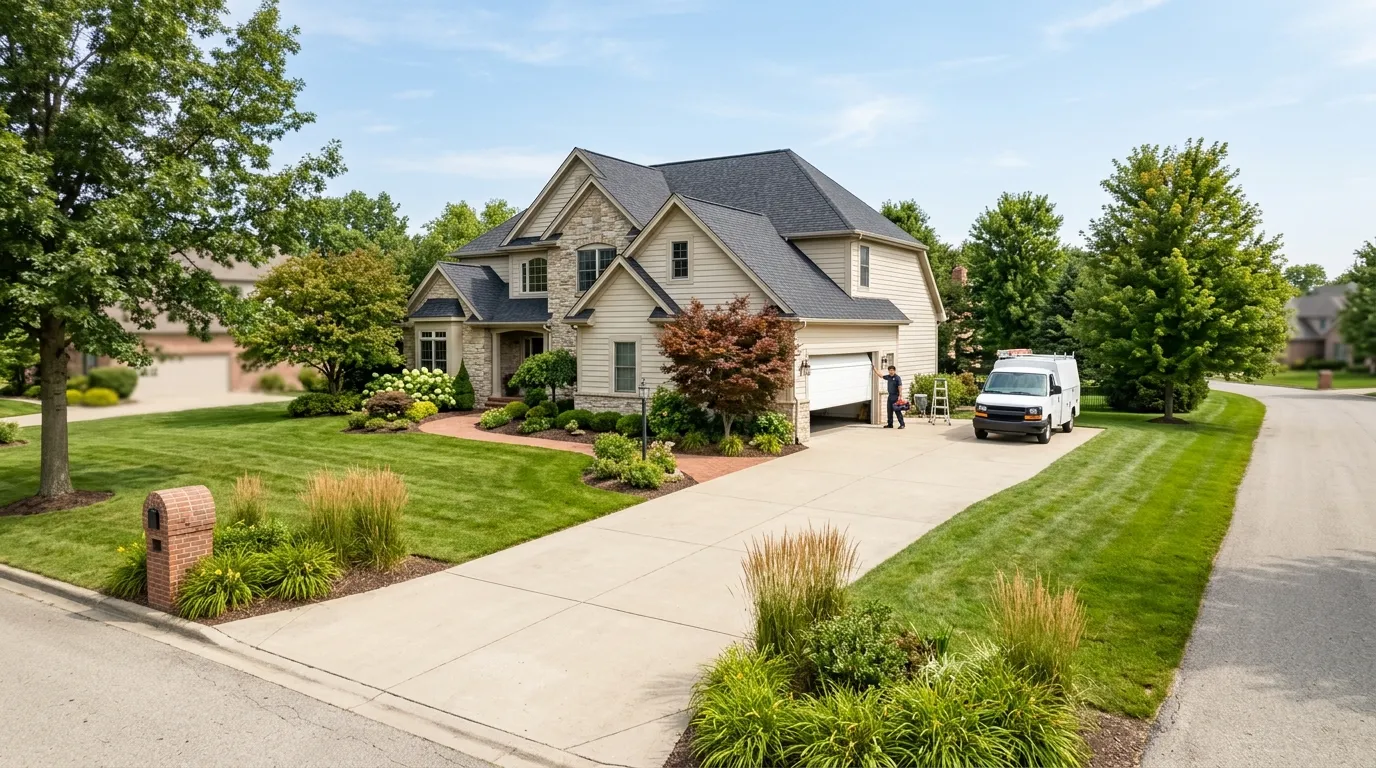
What matters more is when the spring was put on in the first place. Lincolnwood's housing stock runs from 1938 to 1994, with the typical home going up around 1961. A door and spring set installed when a 1960s house was built, or even replaced once since, has had six decades of cycles to work through. Nobody replaces a spring on a schedule - they replace it when it breaks, usually on the coldest morning of the year when the door won't budge and the car is stuck inside.

The fix isn't complicated once you're on site. Matching the spring to the door's actual weight and wind pattern is the part people skip when they grab a universal replacement off a shelf, and that mismatch is what puts you back at square one within a year or two.

How Local Conditions Play In

Lincolnwood sits in a cold-moderate climate band. That's not the brutal extreme end of the Midwest, but it's enough freeze-thaw swing every winter to matter for a spring that's already fatigued. Steel contracts as it cools, and a coil under tension has less margin to flex before it gives. That's why the failure calls cluster in the cold months rather than spreading evenly across the year.

The housing stock compounds it. Homes here, and across the wider band of similarly aged areas nearby - - mostly went up in the 1960s and 70s. A lot of those garages were built as unheated, unconditioned space attached to a heated house, which means the door and its hardware sit right at outdoor temperature all winter, with nothing softening the swing.

One honest limitation: cold doesn't cause every winter failure. Some doors going out in January would have gone out in July too - the spring was simply at the end of its life. Weather picks the day. It doesn't always pick the cause.

The Situation

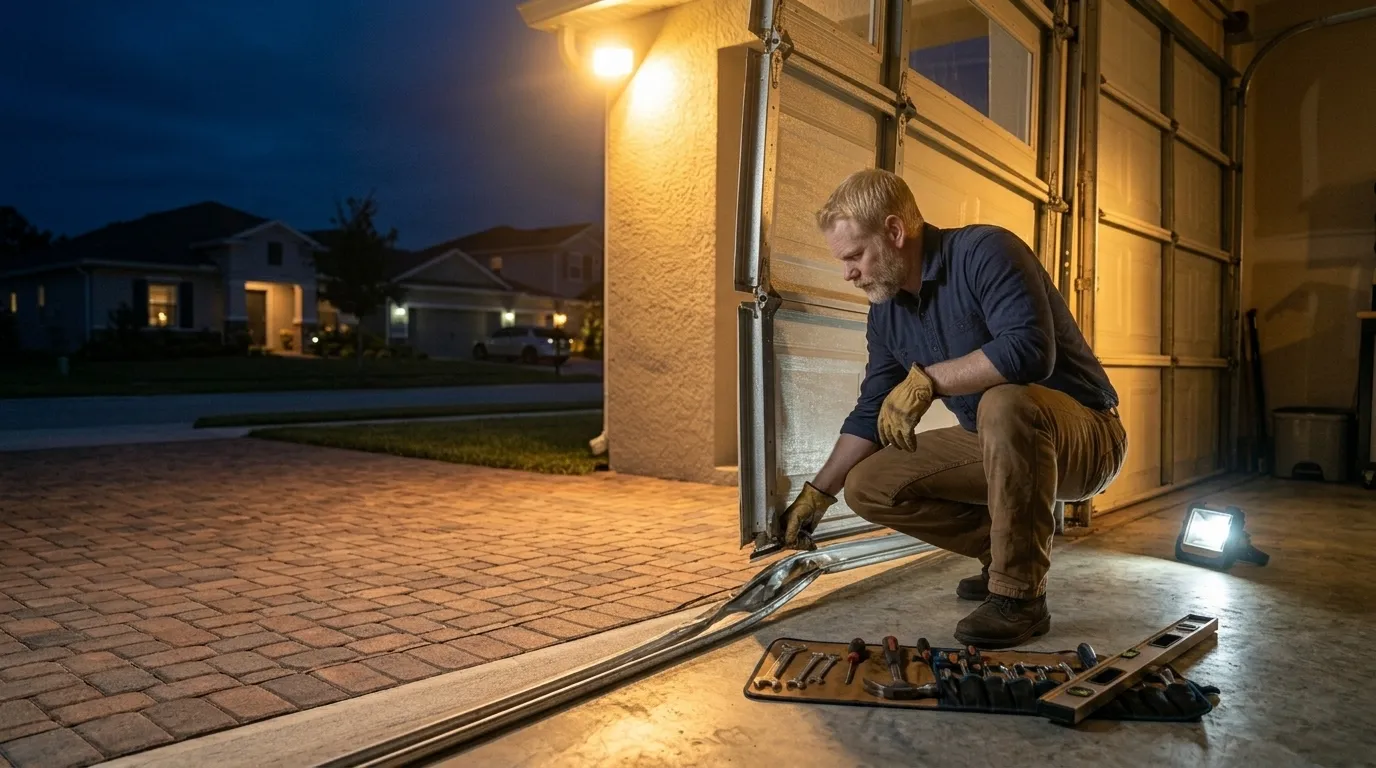
The call usually comes the same way. Overnight temperatures drop, the door gets used once in the morning, and the spring - already thin from age - lets go. On a double door with two torsion springs, sometimes only one breaks and the door looks like it's still working, just heavier and crooked. That's the version that gets ignored for a week and then strips the opener gears trying to force it.

Across the service area there are 52,848 owner-occupied houses out of roughly 104,270 households total, and a large share of those owner-occupied doors were installed when the property was built rather than upgraded since. That means the spring behind a lot of these doors has never been touched. It's original hardware doing a job it was sized for decades ago, on a door that may have picked up extra weight from insulation panels or a heavier opener added later.

The practical result: cold-weather spring calls aren't random bad luck. They're the predictable tail end of an installation date that, for a lot of houses here, sits closer to 1961 than to now.

The Cost of This Job

I'm not going to hand you a number here, because a spring job isn't one job. Single-spring torsion setups, dual-spring setups on heavier doors, and springs that need to be re-sized because the original was undersized for the door all price out differently, and I don't have a rate sheet to quote against in this piece.

What I can tell you is what drives the cost regardless of town: door weight, whether it's one spring or two, whether the drums and cables are original or already worn, and whether the opener took damage trying to lift a door with a dead spring. A door with 1960s-era hardware sometimes needs the drums or bearing plate replaced alongside the spring, since those parts wear on the same clock.

Given a median household income of $99,861 across this area, most owners here aren't choosing the cheapest possible fix over a durable one - they're choosing between a proper spring match now and a callback in eighteen months. That second call almost always costs more than doing it right the first time.
How it works

From “it’s stuck” to “it’s fixed”

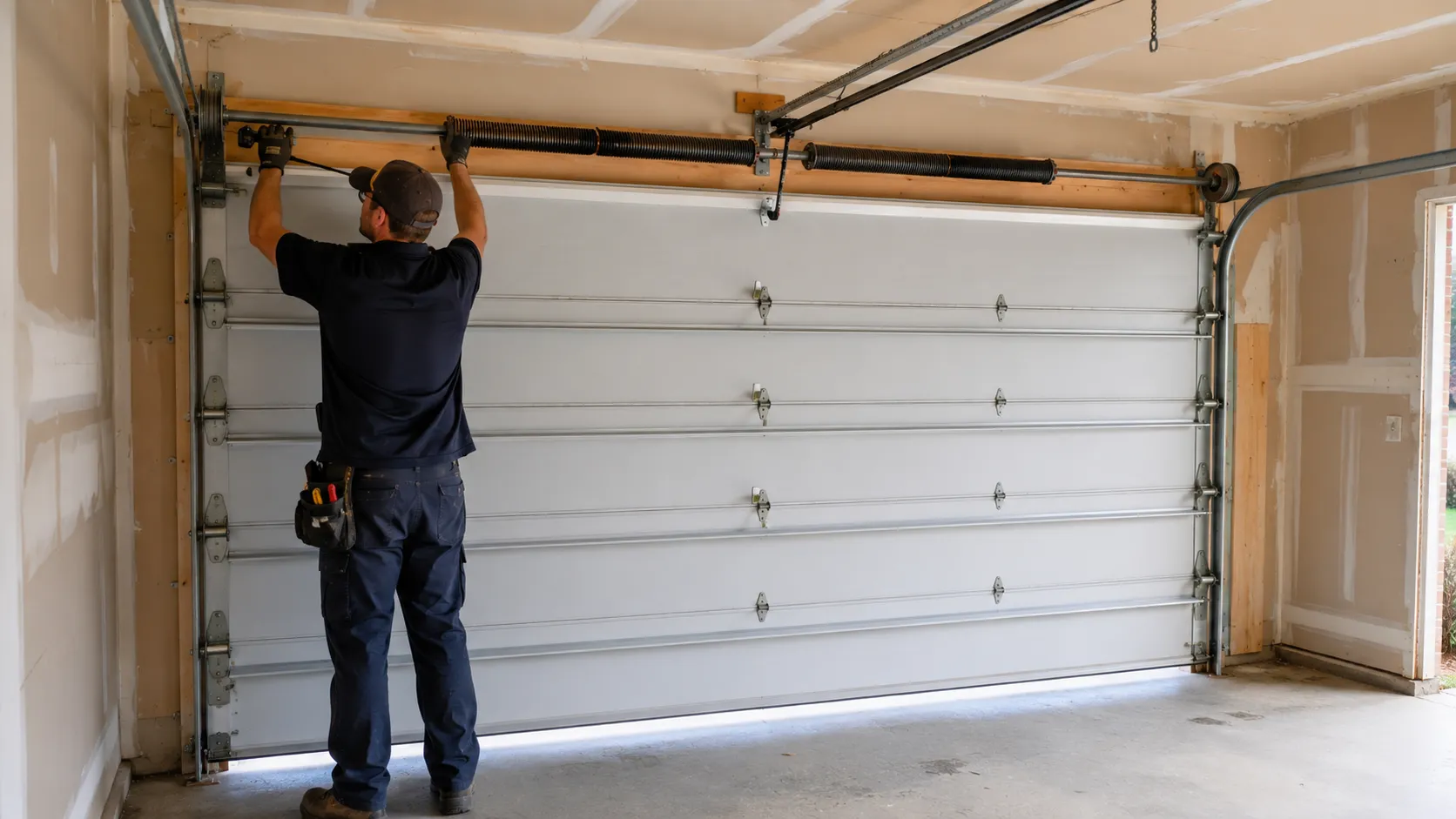
Tell us what’s wrong - Lincolnwood garage door service

Tell us what’s wrong

Describe the symptom - won’t open, loud bang, opener runs but the door won’t move.

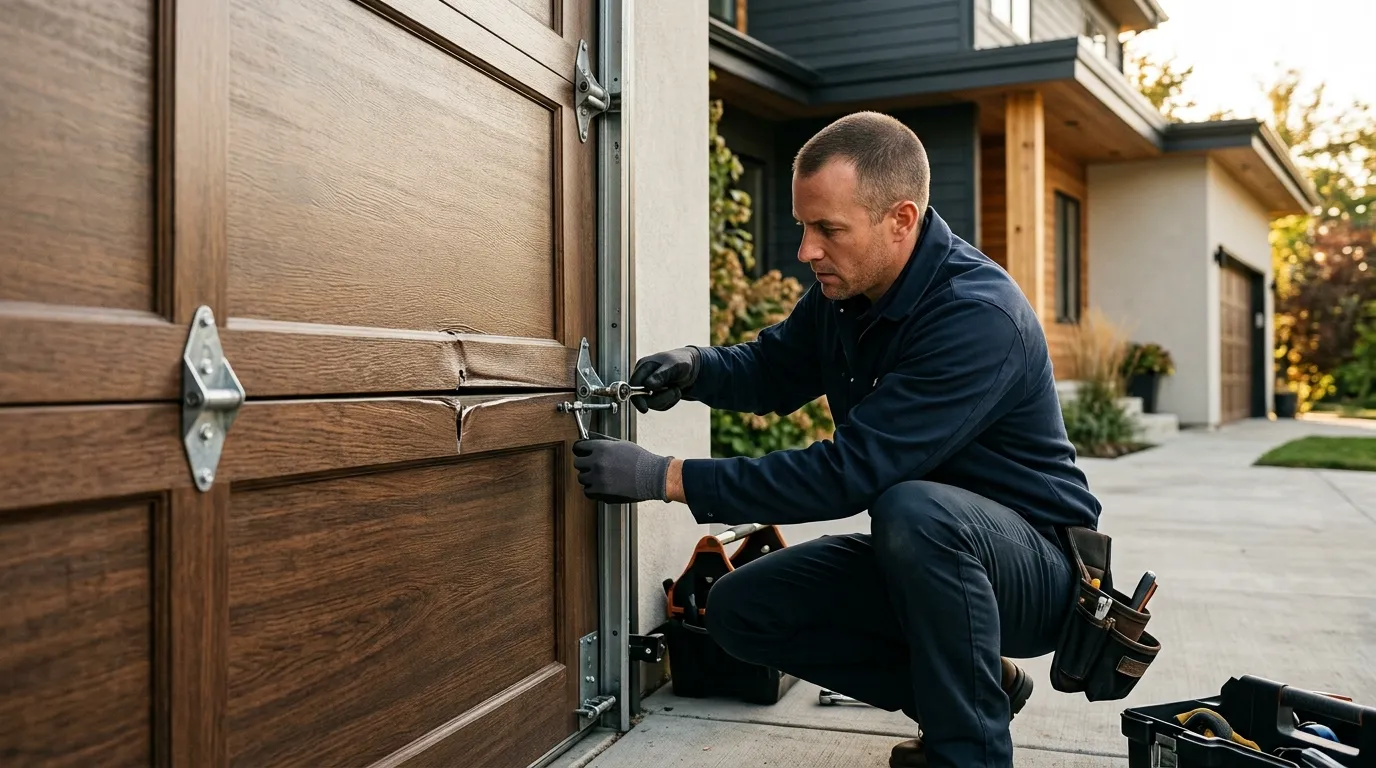
On-site diagnosis - Lincolnwood garage door service

On-site diagnosis

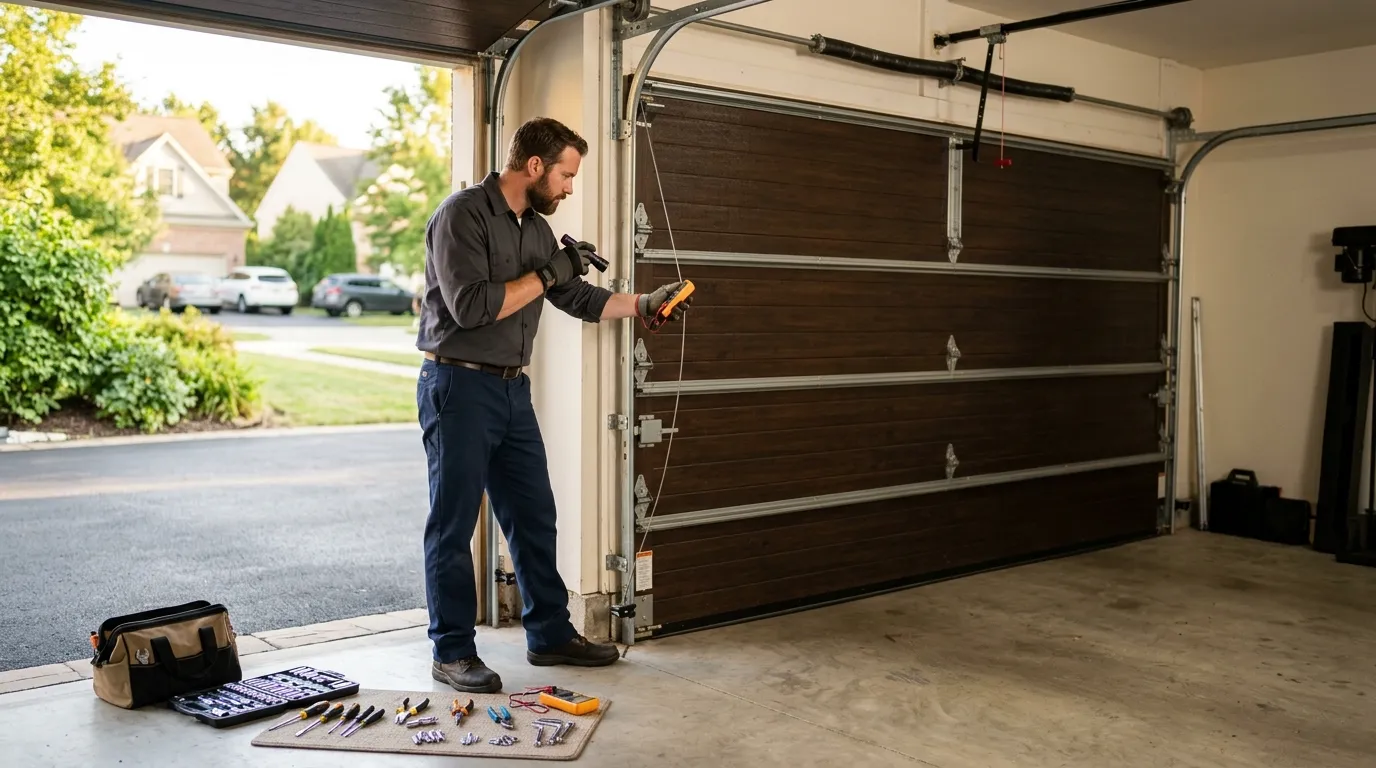
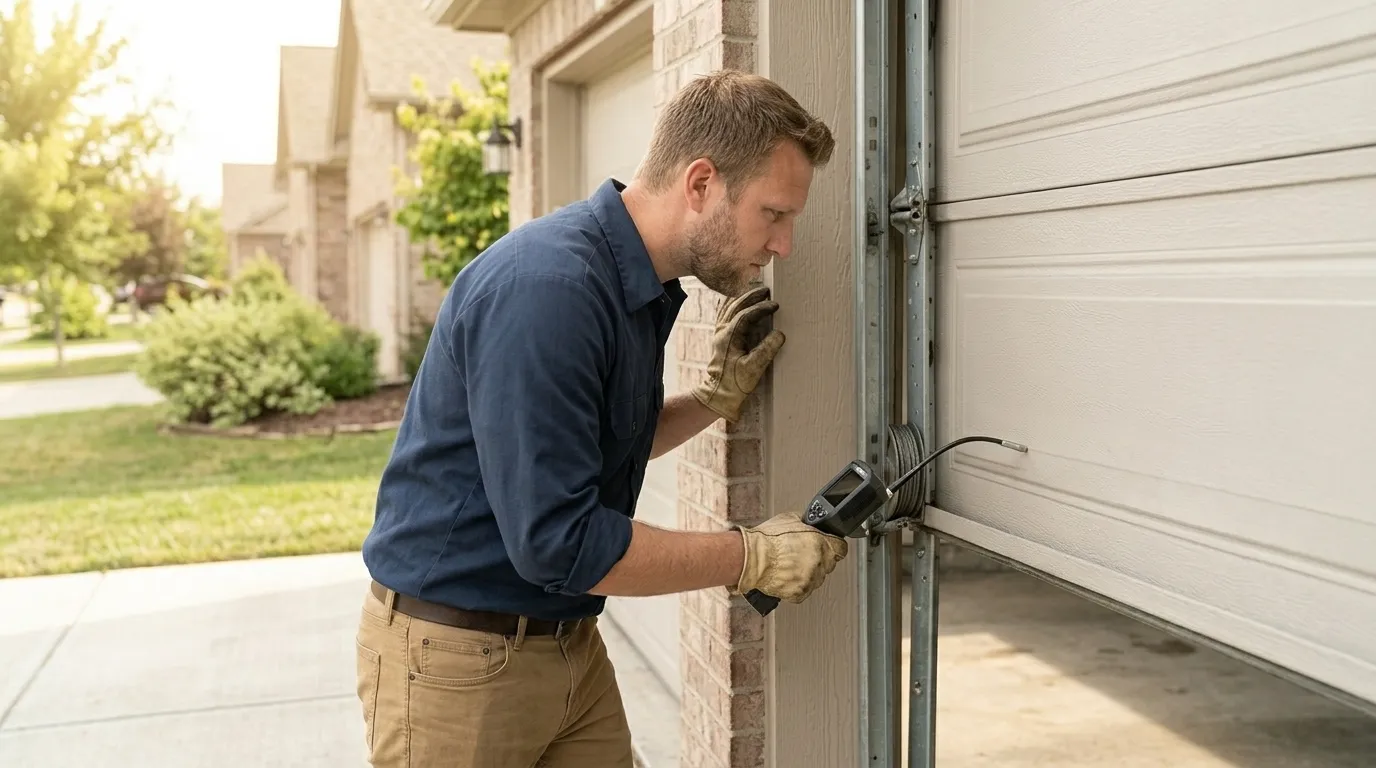
A technician tests the door under power and by hand and finds what actually failed.

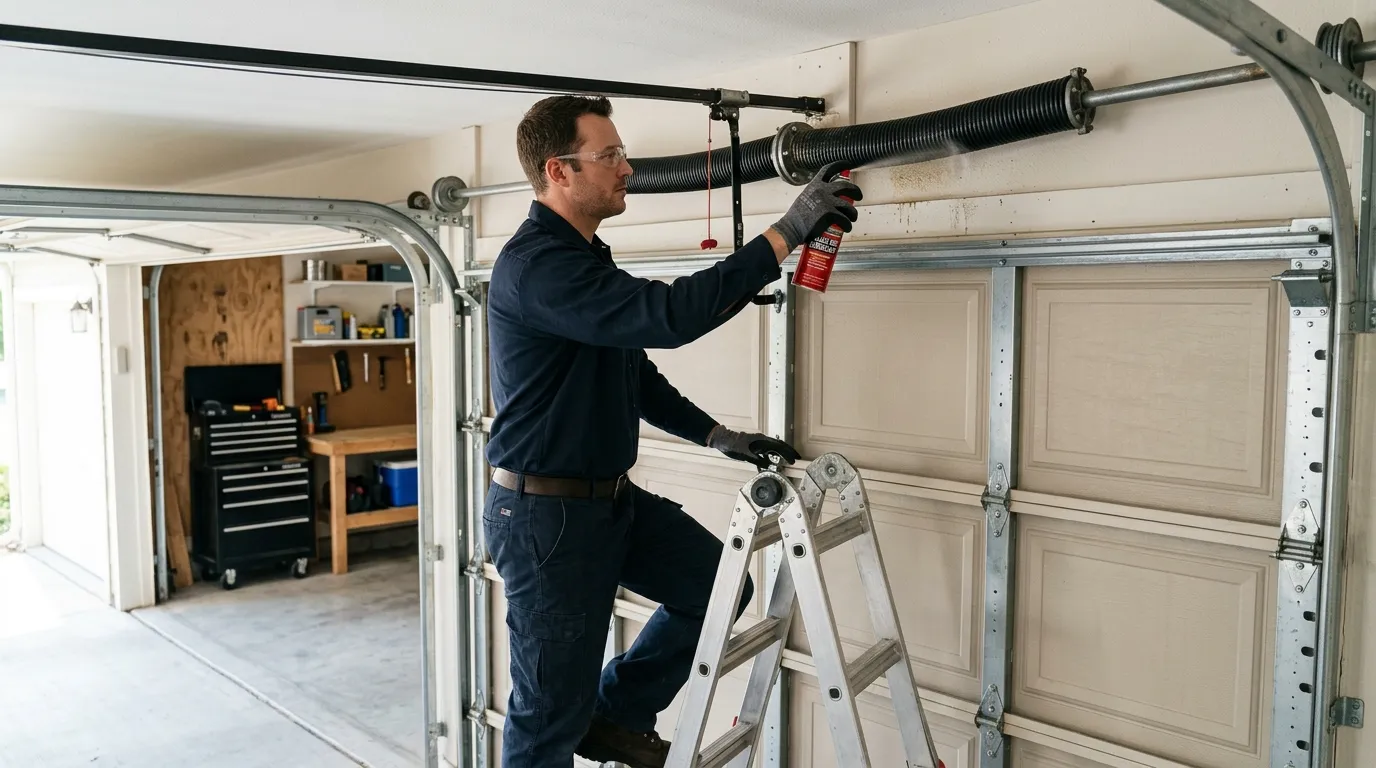
Clear, up-front plan - Lincolnwood garage door service

Clear, up-front plan

You get the fix that’s needed and what drives the cost - before any work starts.

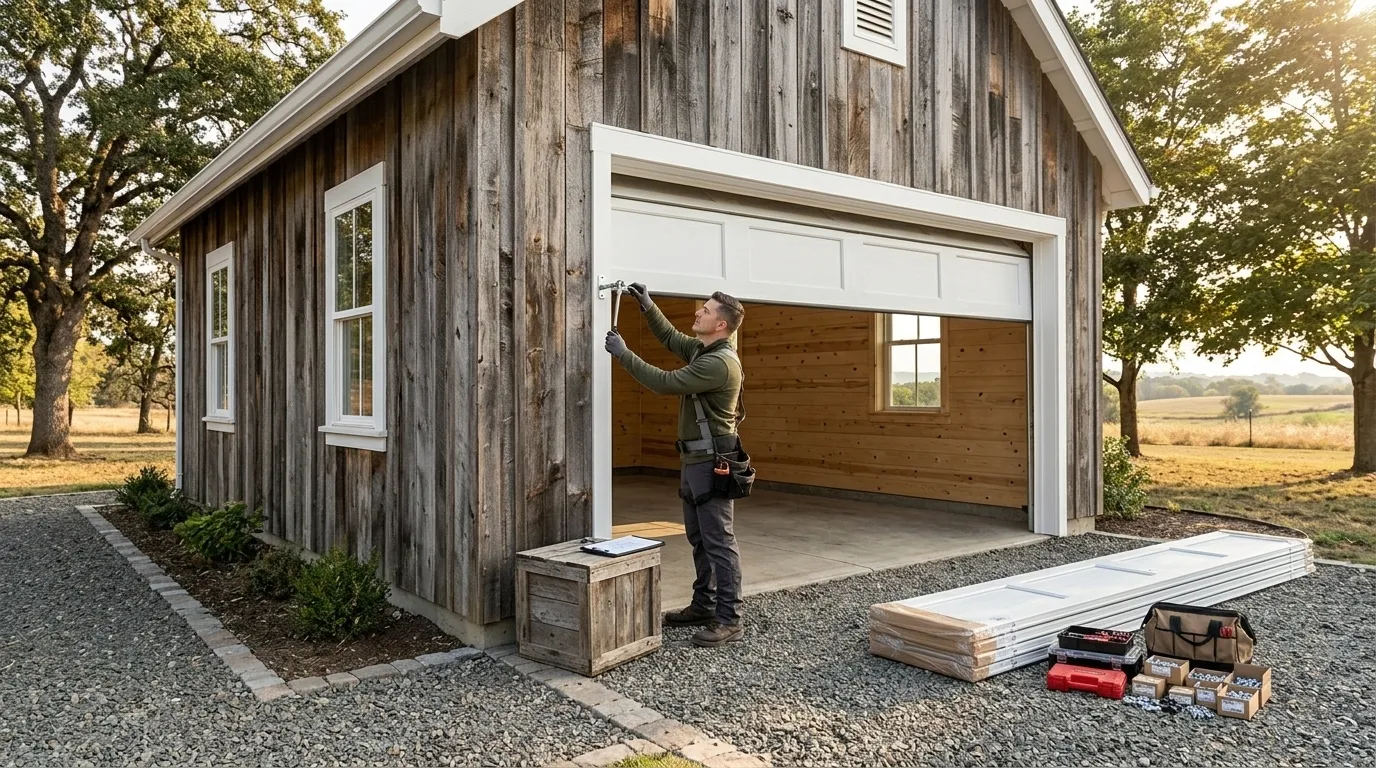
Repaired & tested - Lincolnwood garage door service

Repaired & tested

The repair is done, the door is set true and tested, and the work area left clean.

Serving Lincolnwood, IL - tell us what your door’s doing and we’ll take it from there.

How we work

What to expect

Diagnosis firstEvery visit starts by finding what actually failed - not a pre-written parts list.
The right part for the doorSprings and openers matched to the door’s weight and age, so the fix holds up.
Straight answersWhen a repair makes more sense than a replacement - or the reverse - you hear it plainly.
Clean, careful workTension released safely, hardware set true, the door tested under power before we leave.
What we do

Garage Door Services

Repair and installation work for Lincolnwood homes and businesses.

Garage Door Repair in Lincolnwood

Garage Door Repair

Garage door repair for Lincolnwood homes built between 1938 and 1994, where original torsion hardware and cold-weather spring fatigue are the most common calls.

Learn more
Garage Door Installation in Lincolnwood

Garage Door Installation

Garage door installation built for Lincolnwood's 1938-1994 housing stock and cold winters. Lincolnwood Garage Door Pros explains what fails and why, and how we handle it.

Learn more
Garage Door Service in Lincolnwood

Garage Door Service

Lincolnwood homes built mostly between 1938 and 1994 show the same spring and track wear from cold-climate cycling. We know the pattern and what it takes to fix.

Learn more
Spring Repair in Lincolnwood

Spring Repair

Torsion springs on Lincolnwood's 1960s-era doors wear out on a schedule tied to the housing stock and cold winters. Same service area, straight answers on repair.

Learn more
Off-Track Repair in Lincolnwood

Off-Track Repair

Off track garage doors are common in Lincolnwood's 1938-1994 housing stock once original track hardware ages and cold-weather cycling adds stress. Here's why, and what a fix looks like.

Learn more
Panel Replacement in Lincolnwood

Panel Replacement

Cracked, dented, or rusted garage door panels are common in Lincolnwood's 1960s housing stock. See why panels fail here and what replacement actually runs.

Learn more
Roller Replacement in Lincolnwood

Roller Replacement

Worn rollers on original torsion track are common in Lincolnwood's 1960s housing stock. Here's why, what it costs, and how to book a visit.

Learn more
Maintenance in Lincolnwood

Maintenance

Seasonal garage door maintenance for Lincolnwood homes built between 1938 and 1994 - spring, cable, and opener checks before cold-weather failures hit.

Learn more
Questions

Frequently asked

Straight answers about garage door repair in Lincolnwood. Still unsure? Ask us directly.

Does cold weather actually break garage door springs, or is that a myth?

Cold weather doesn't create the damage, but it finishes it. A spring fails from fatigue built up over years of cycles. Cold steel flexes less, so a spring that's already near its limit is more likely to give out on a freezing morning than a mild one. The underlying wear was there all along.

How do I know if my spring is original to the house?

If you haven't had it replaced and the house was built in the 1960s or 70s - common across this area - there's a real chance it's original or close to it. A sagging door, visible gaps in the coil, or a door that feels heavier than it used to are signs worth a look before it fails outright.

Why does only one spring break on a double door?

Two-spring setups don't always wear evenly - one side often takes slightly more load or was wound a bit differently at install. When one goes, the door still lifts but crooked and heavy, which strains the opener. Both springs are usually close in age, so replacing just one often means a second failure isn't far off.

Is it worth replacing the opener at the same time as the spring?

Not automatically. If the opener ran fine before the spring broke and wasn't forced against a dead spring for long, it may be fine. If it was straining to lift the door for days before you called, the gears or motor may already be worn - that's worth checking before you close the job up.

Ready to get your garage door sorted?

Tell us what it’s doing and where you are in Lincolnwood - we’ll take it from there.

Request a QuoteCall