The DIY Question
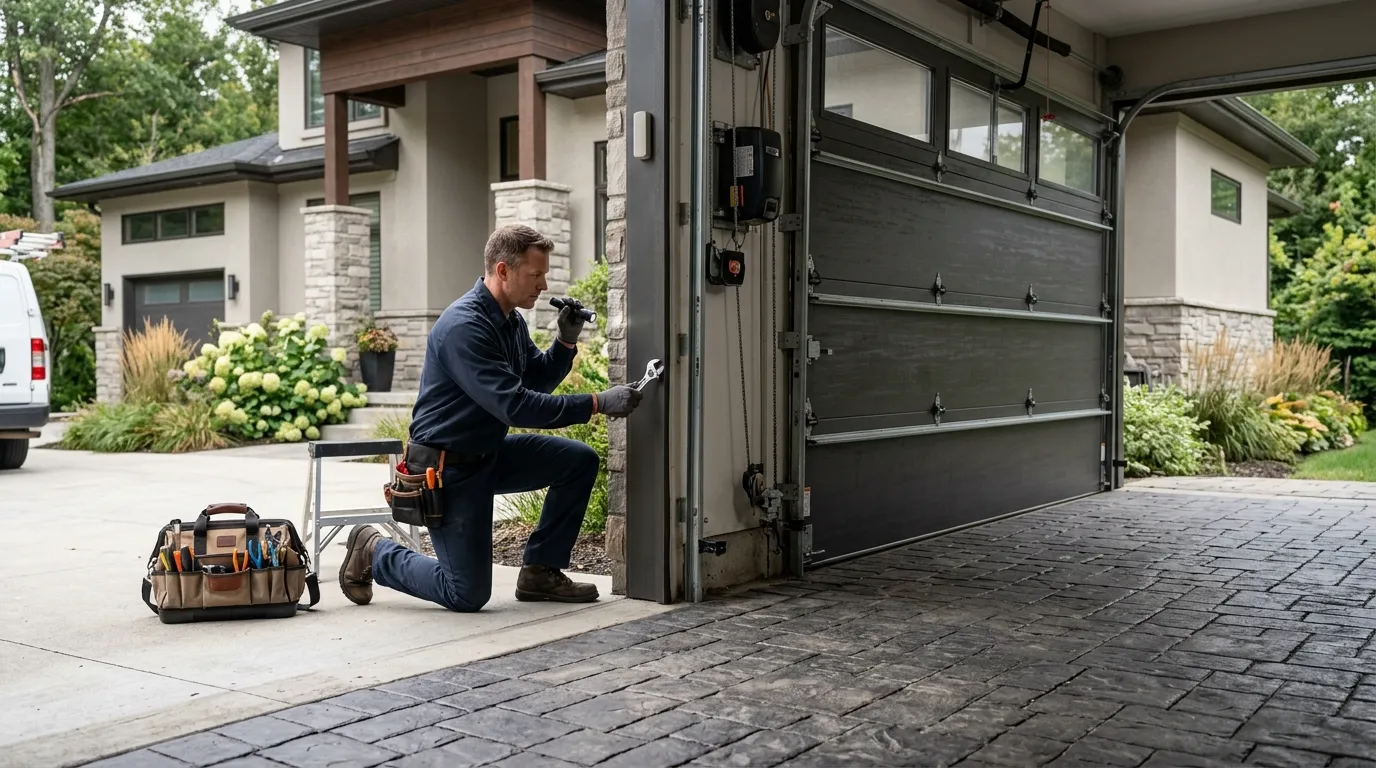
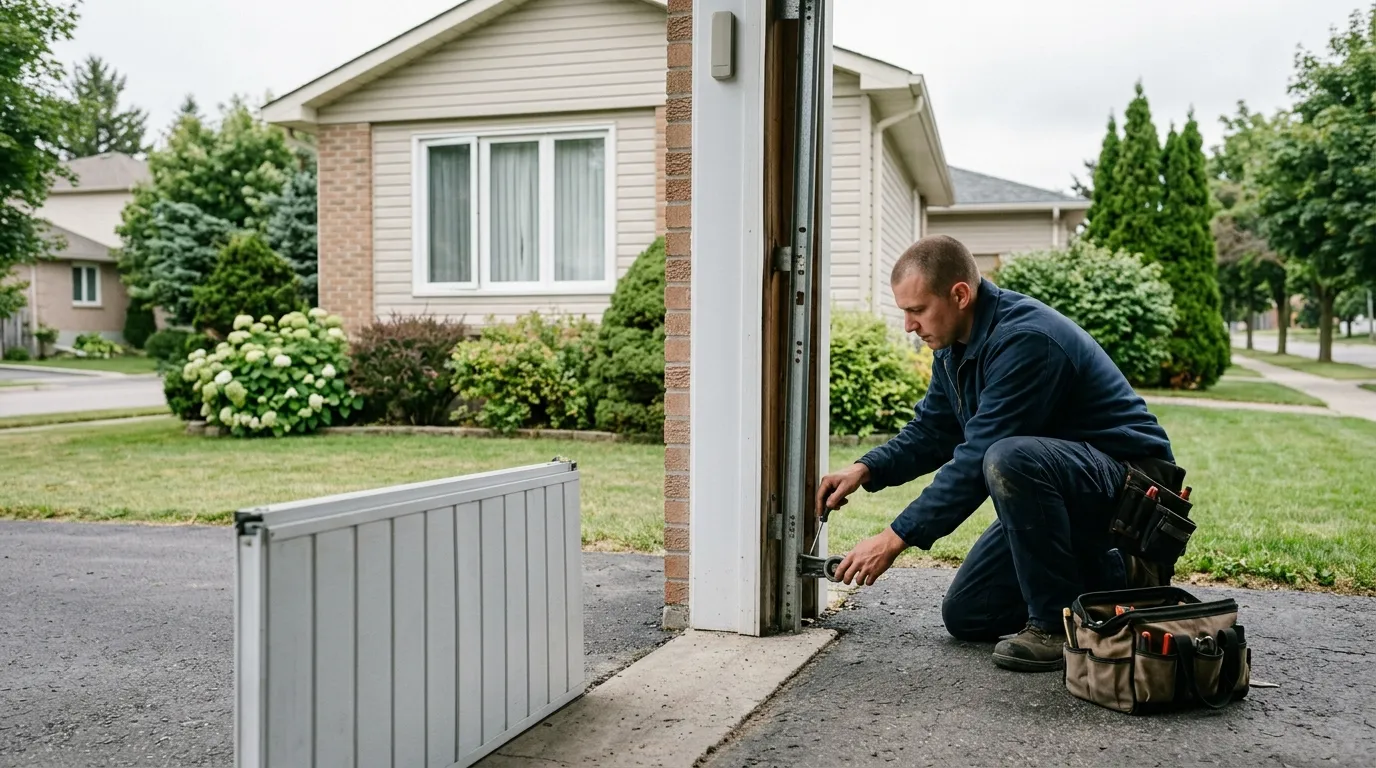
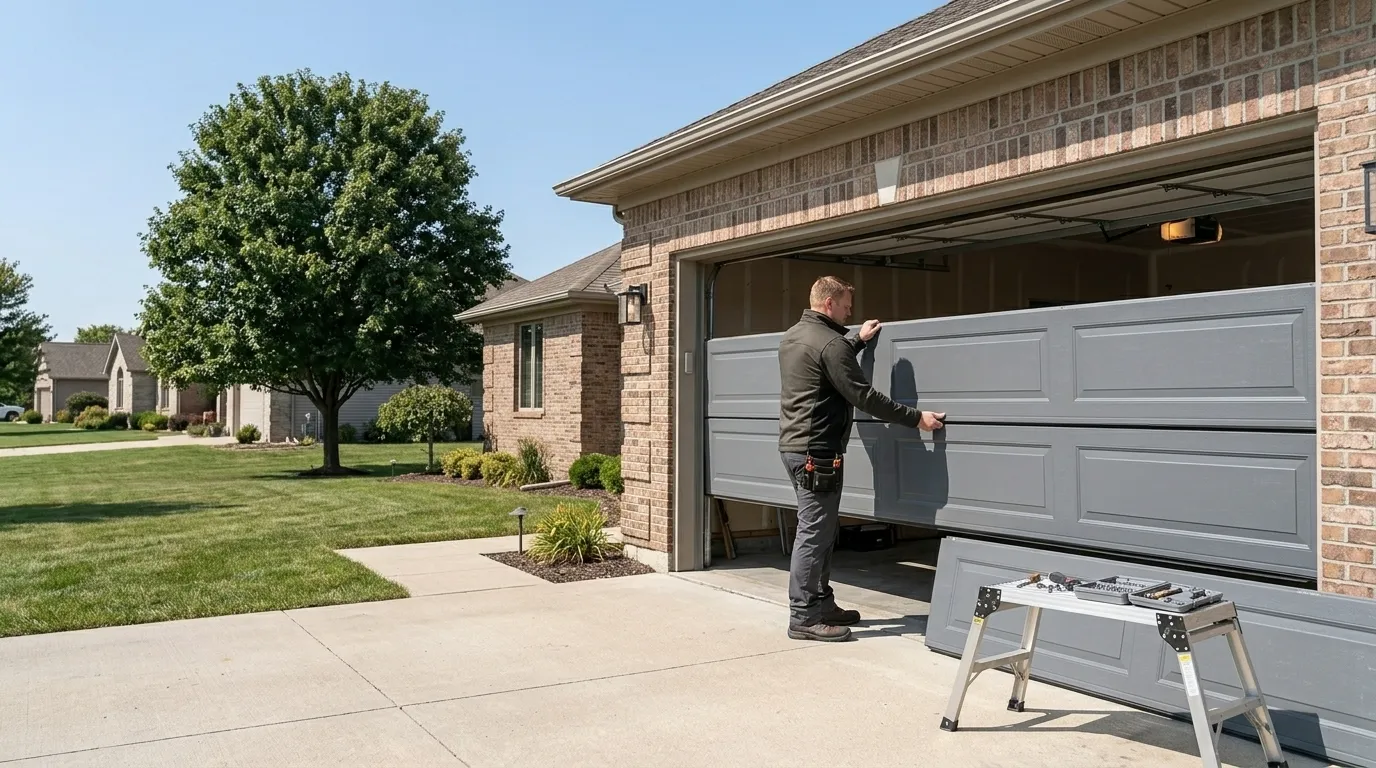
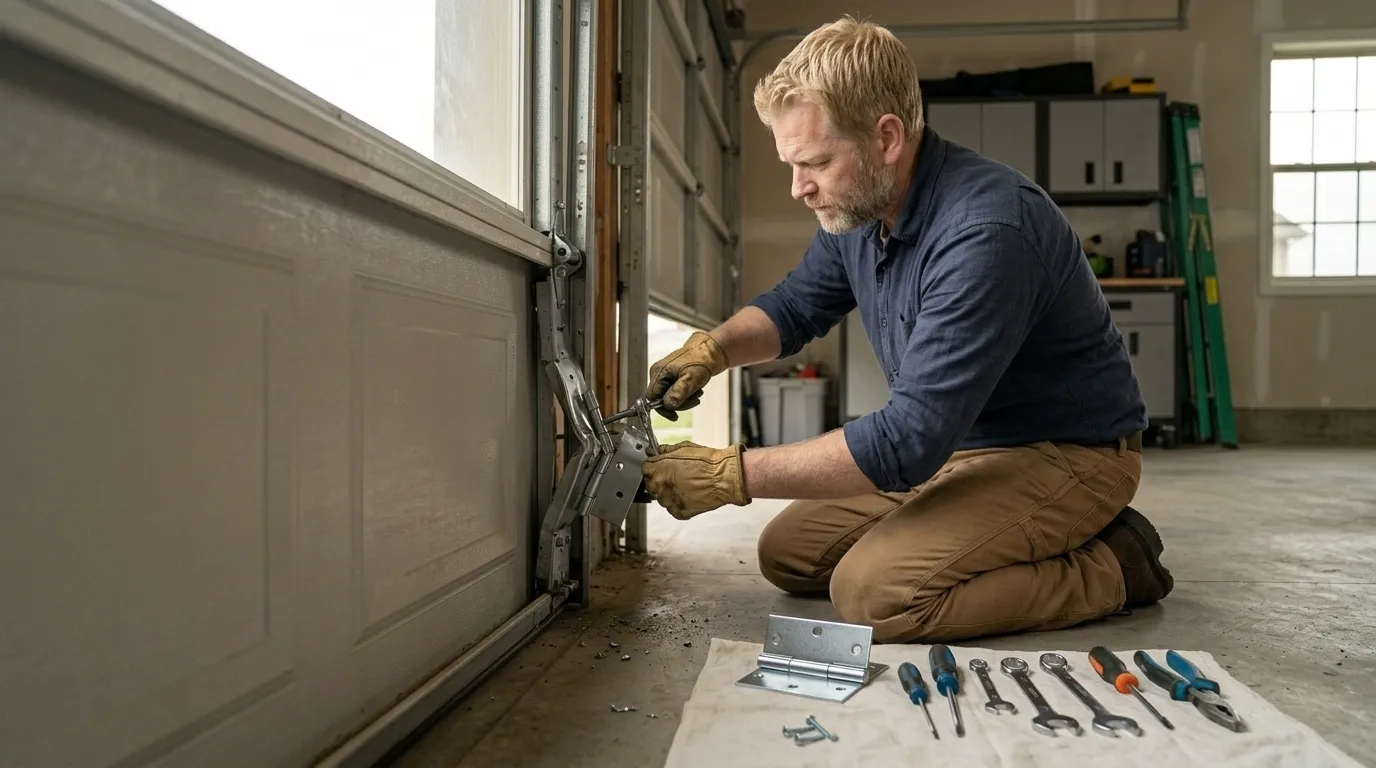
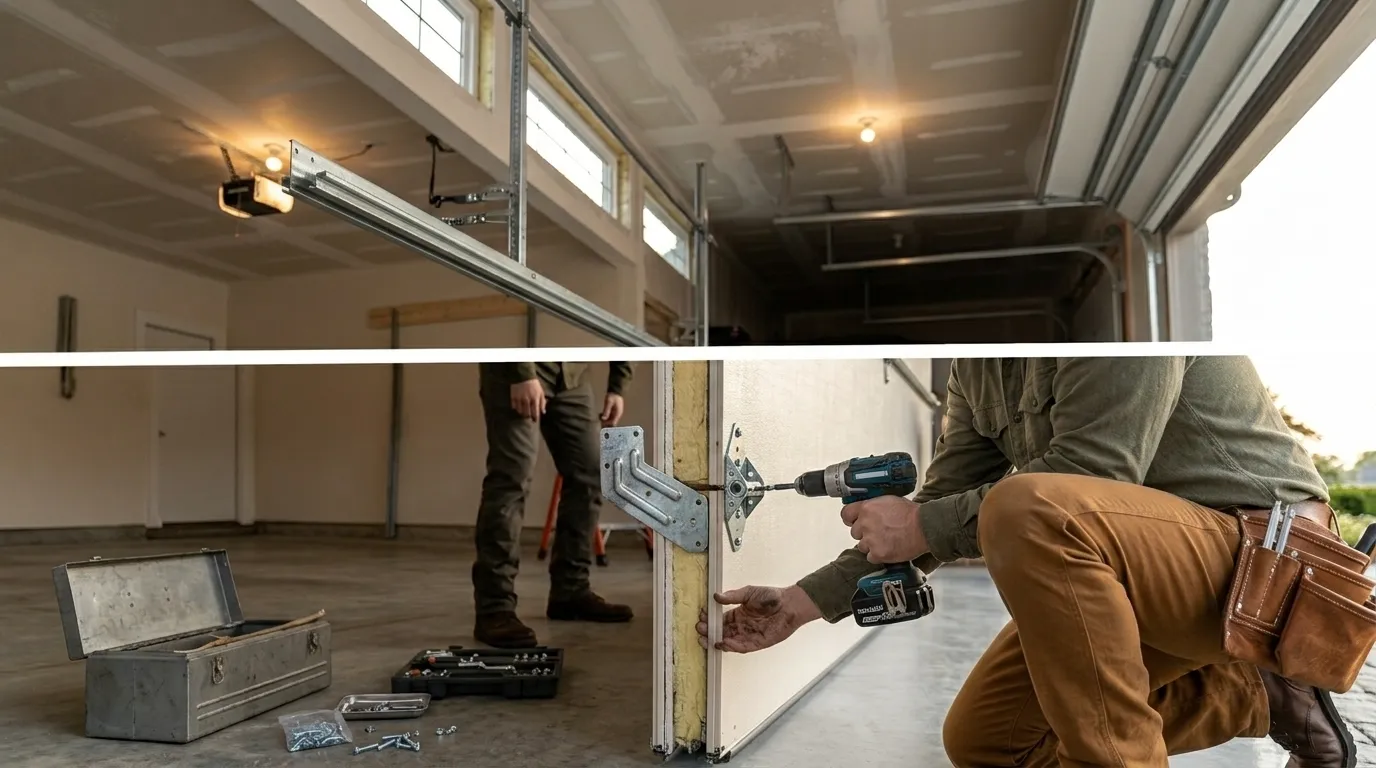
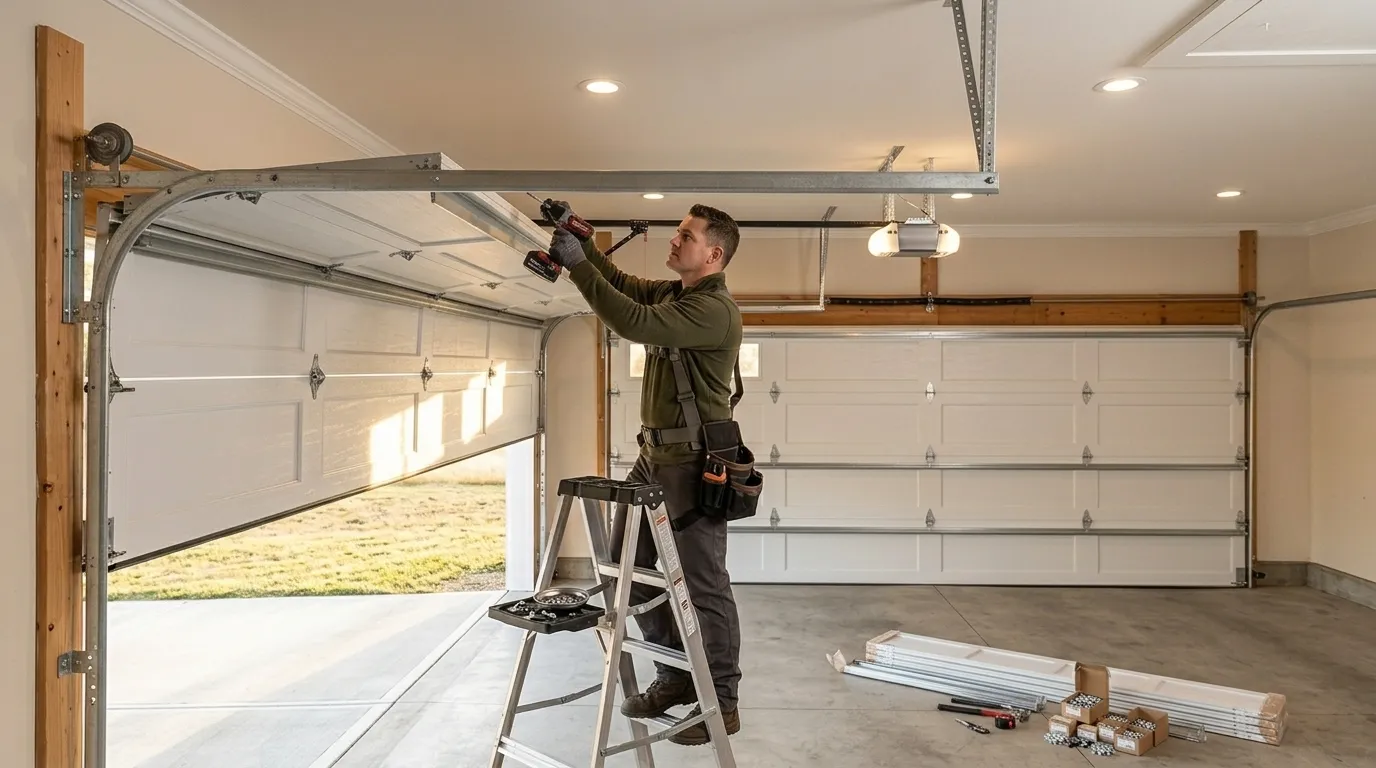
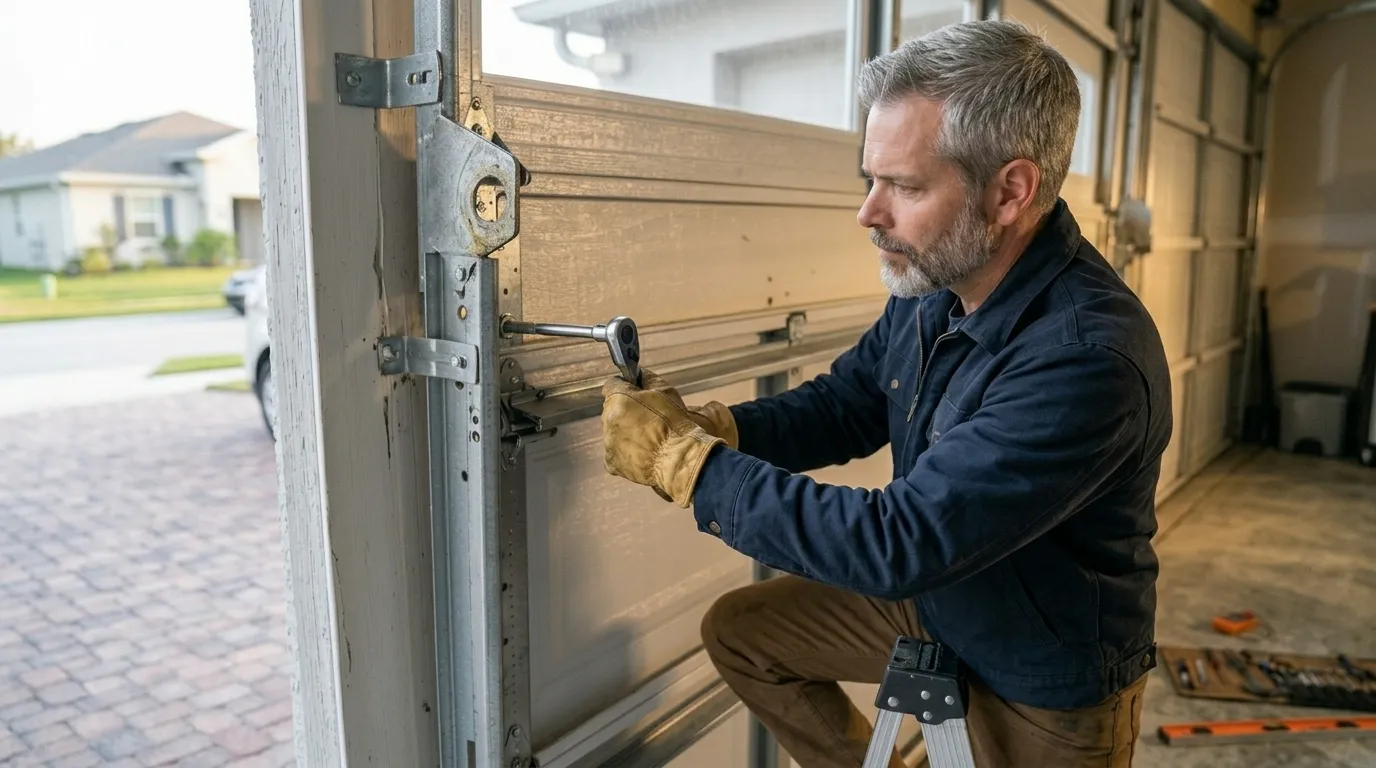
Glencoe is a small town by household count - about 3,033 of them, which means the panel problems here don't repeat the way they do in a place with ten times the housing stock. You're less likely to find a bin-store match for your exact door, and a lot of the doors on this side of the service area date to the mid-1950s, when steel gauges and panel widths weren't standardized the way they are now. Swapping one panel yourself is fine if you can find an exact match - same rib pattern, same gauge, same stile spacing. If you can't, you're better off pulling a full section and matching the rest of the door to it rather than forcing a close-enough panel into a track that's been running true for close to seventy years. A door that old flexes differently once you introduce a stiffer or thinner replacement panel into one bay. That's not a safety issue on day one, but it becomes one at the hinge points within a season or two. If you're not comfortable pulling the door off its track to check squareness before you order, that's the point where this stops being a weekend job.
The Cost of This Job
We don't publish a flat price for Glencoe because the job depends on whether we're matching an existing panel or replacing a full section, and how far off the original spec the door has drifted. What we can say: household income here runs well above the wider service area's median, and homeowners in this range more often choose full-door replacement over patch repair once a second panel starts going, because the labor cost difference between fixing one more panel and replacing the door narrows fast on an older door. We travel the 9 miles from Lincolnwood for the job either way - there's no local depot markup, but there's also no walk-up service window, so the estimate is a phone or photo conversation first, then a scheduled visit.
What Can Go Wrong
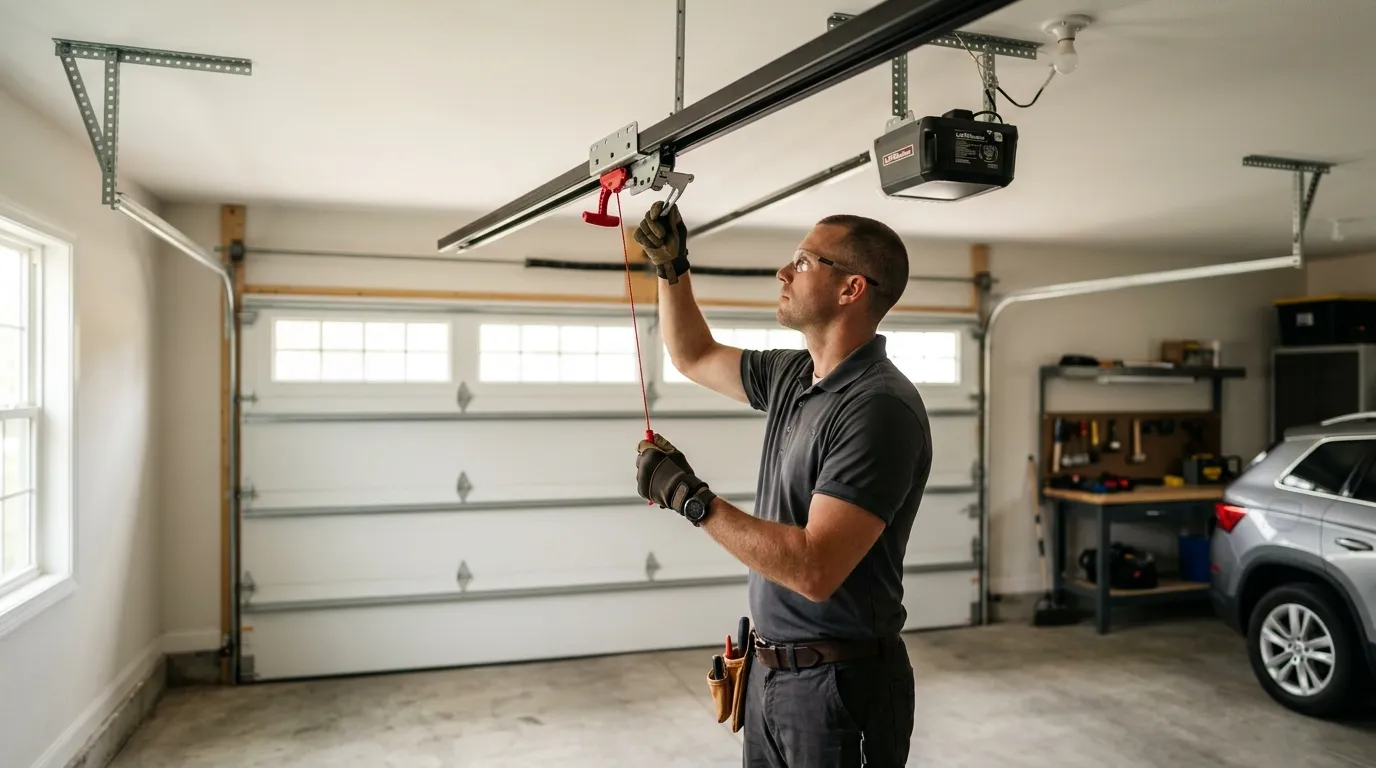
The most common mistake on a door built around 1955 is ordering a panel by width alone and ignoring stile depth - older doors often ran a deeper stile than current stock, and a shallow replacement section sits proud of the rest of the door, catching wind and rattling in the track. The second mistake is skipping a track alignment check after the swap. A door that's run for close to seventy years settles unevenly on its hinges, and a fresh, straight panel dropped into a track that's shifted a few degrees will bind at the rollers within weeks. We've seen both mistakes lead to a second service call that costs more than doing the alignment check the first time.
Why This Fails Locally
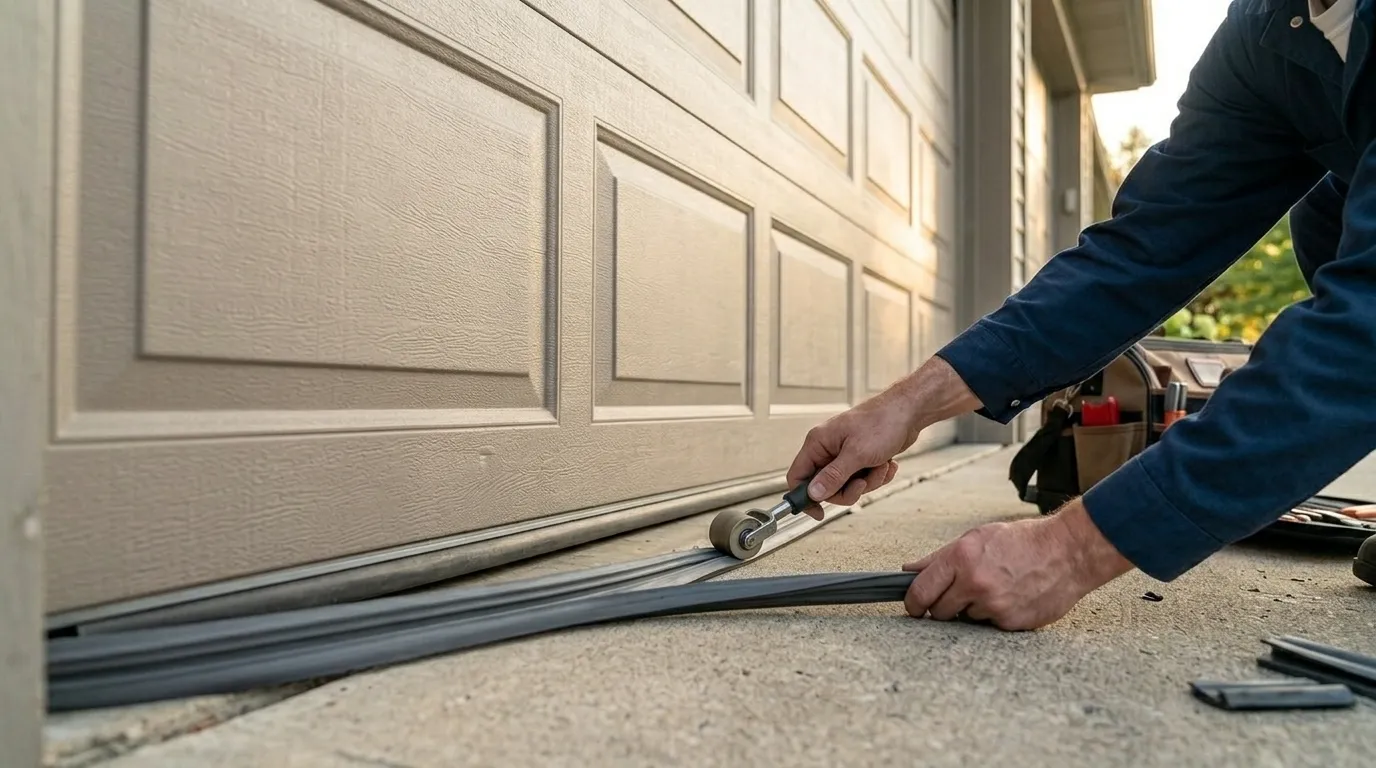
This isn't a generic wear-and-tear story. The service area's housing runs 1938 to 1994 with a median around 1961, but Glencoe's own stock centers closer to 1955 - older than the area average, which means original one-piece or early sectional doors are more common here than in the newer pockets of the territory. Add the cold-moderate climate band: steel panels here go through a real freeze-thaw cycle each winter, and that cycle is what turns a small dent into a stress crack along the panel's rib line over a few seasons. A door built in 1955 wasn't engineered with today's coating standards, so a ding that would just sit there on a 1990s door starts corroding from the inside on a 1955 one.