The DIY Question
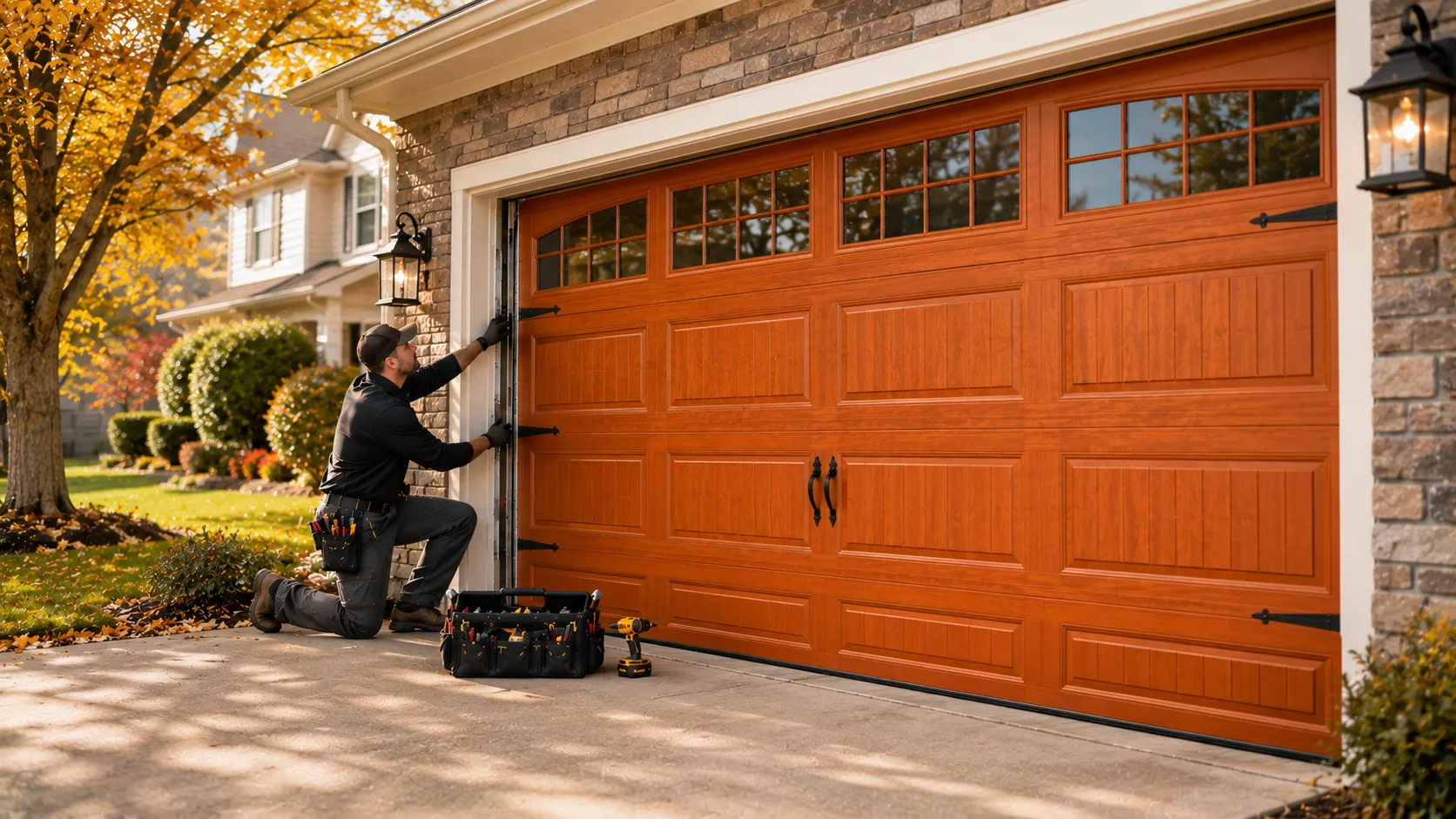
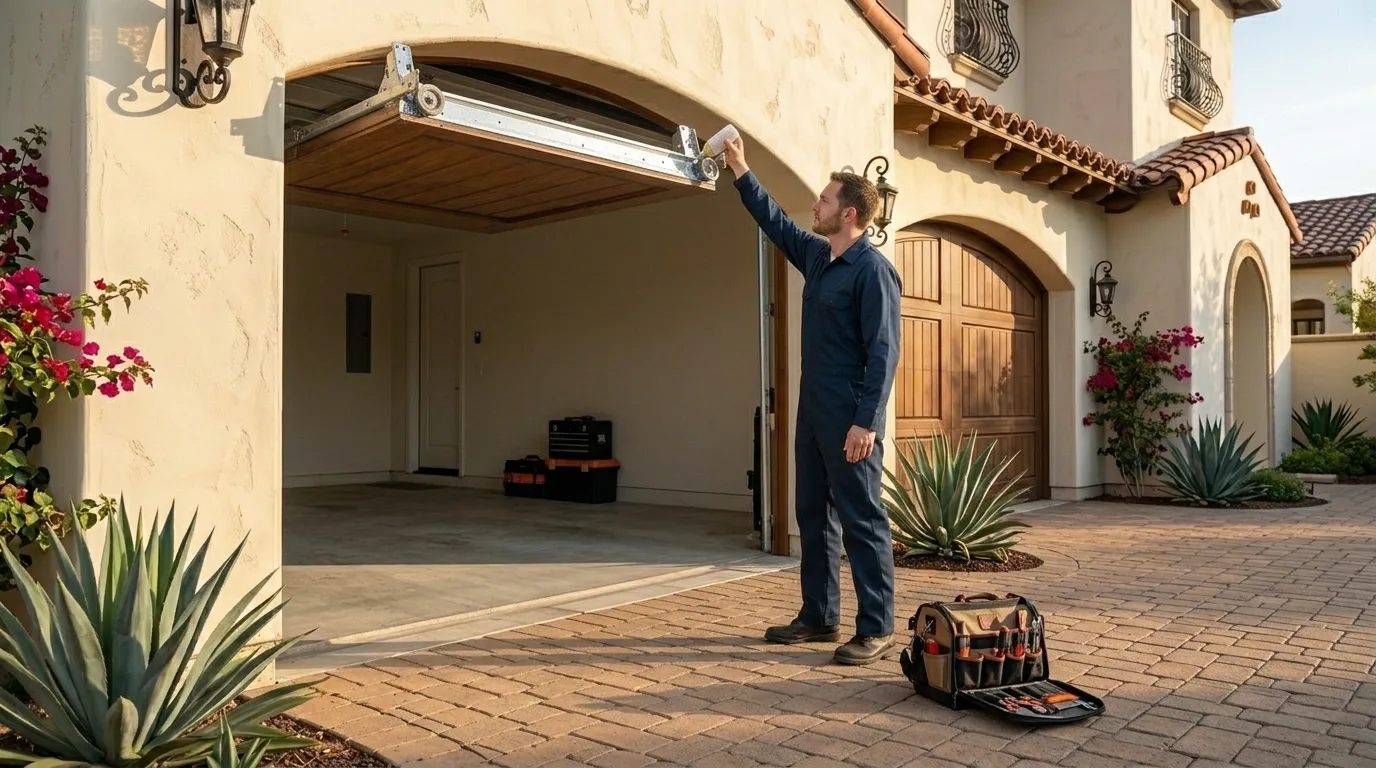
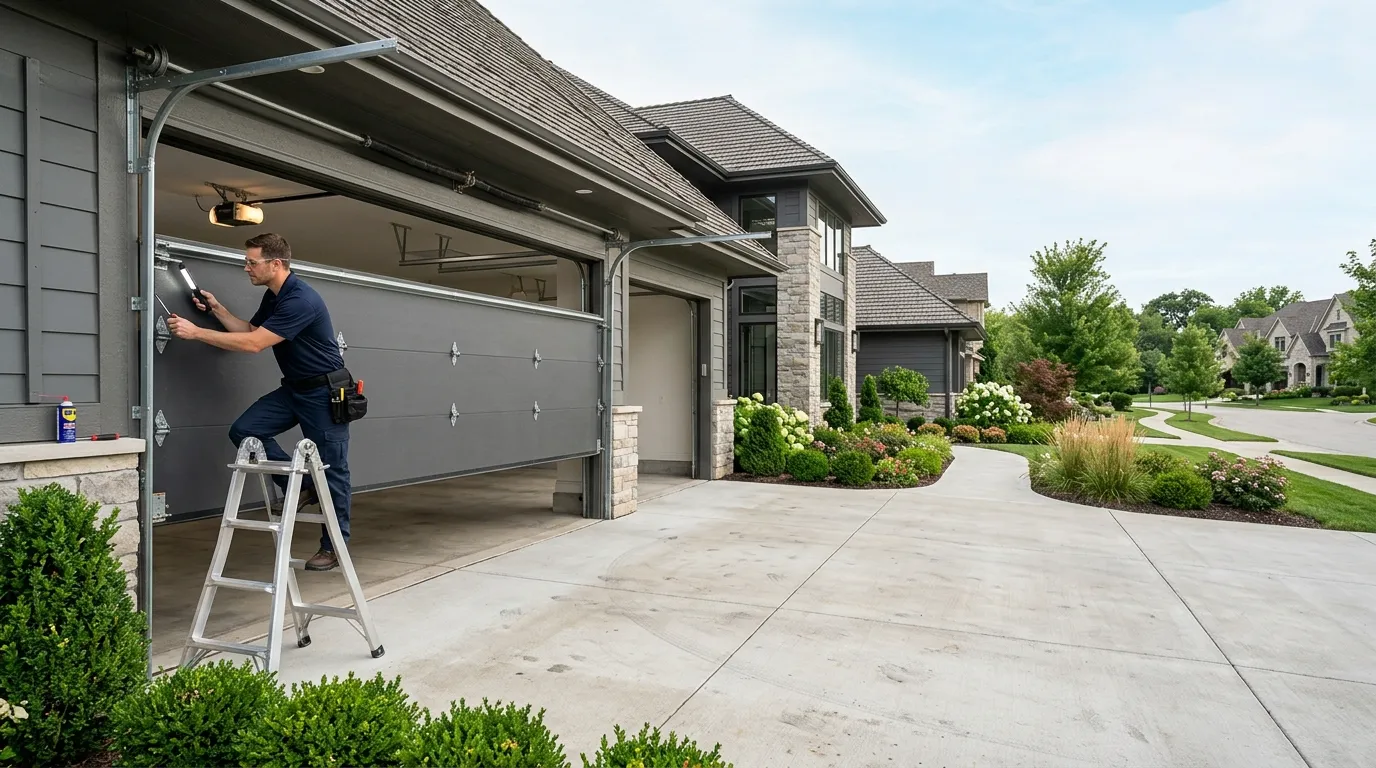
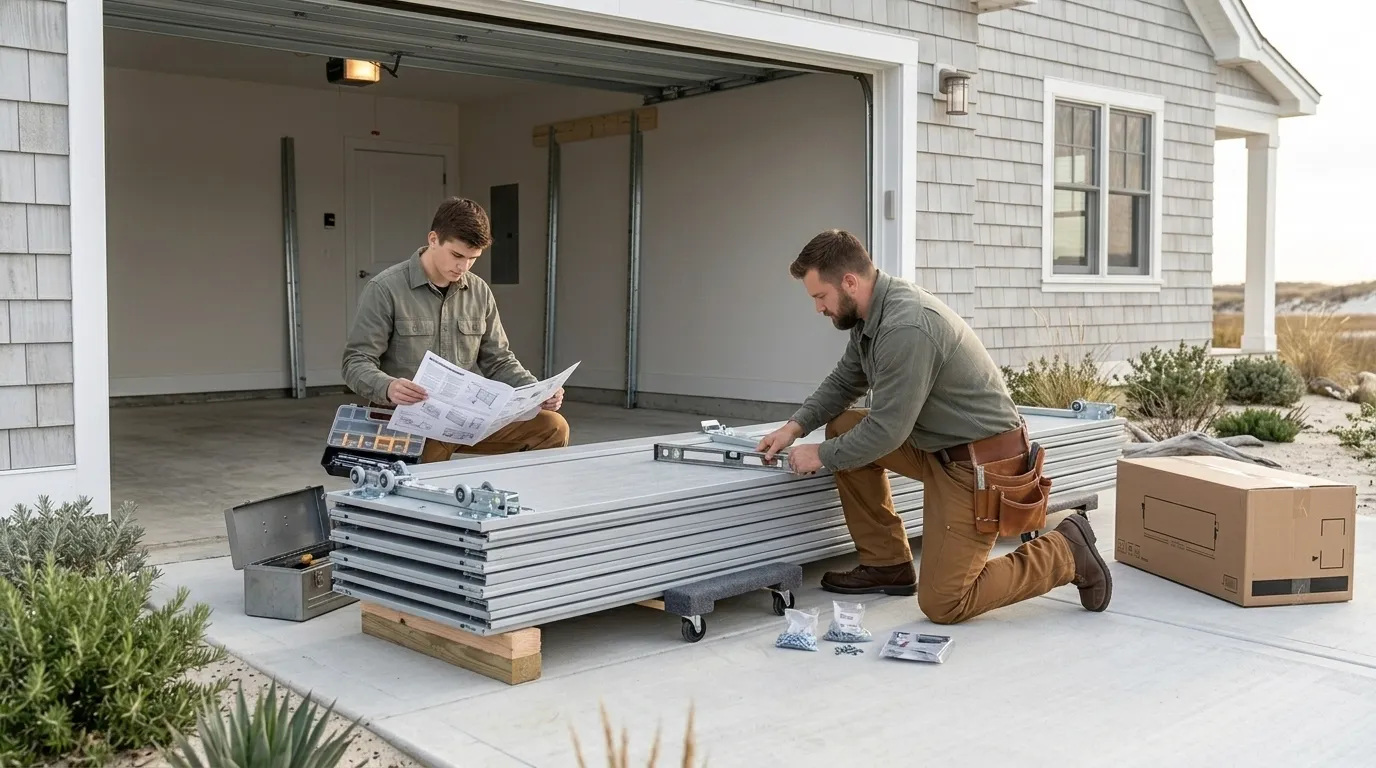
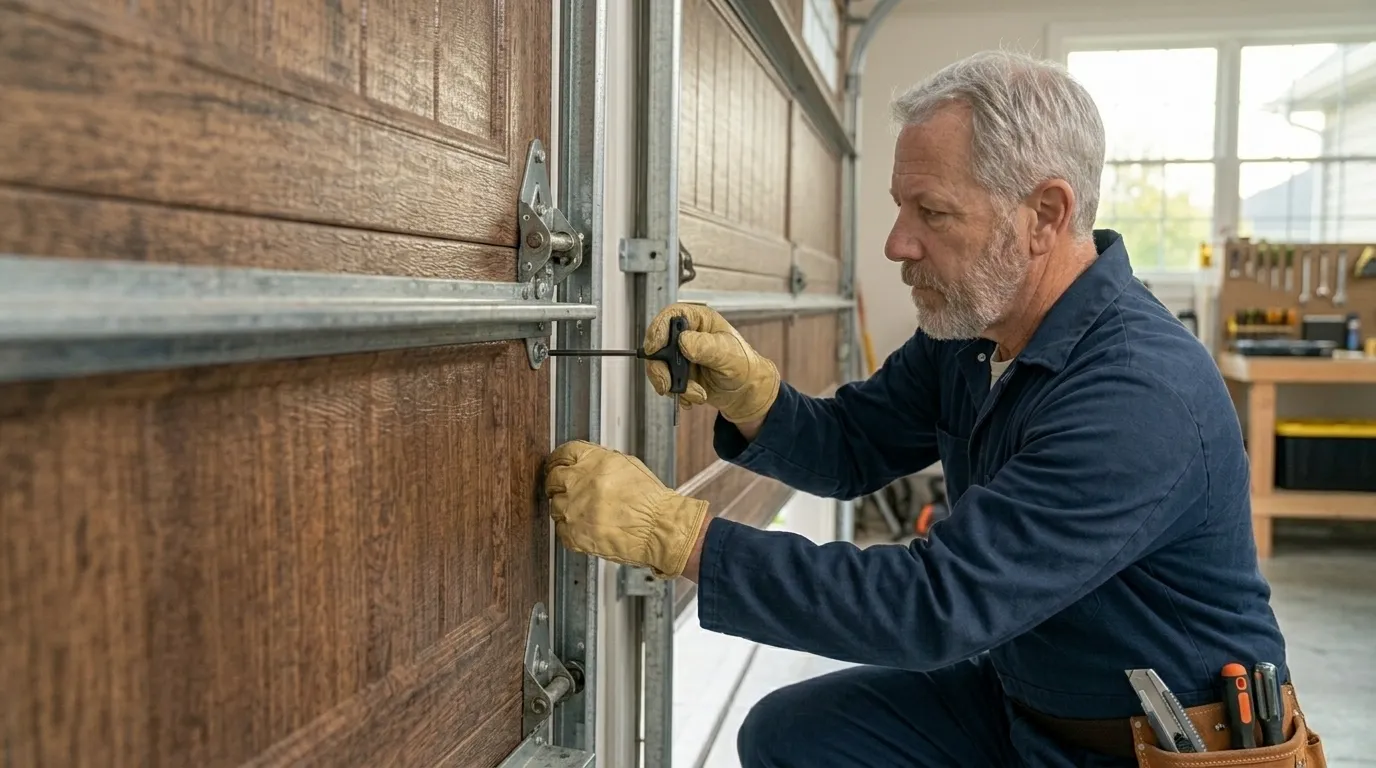
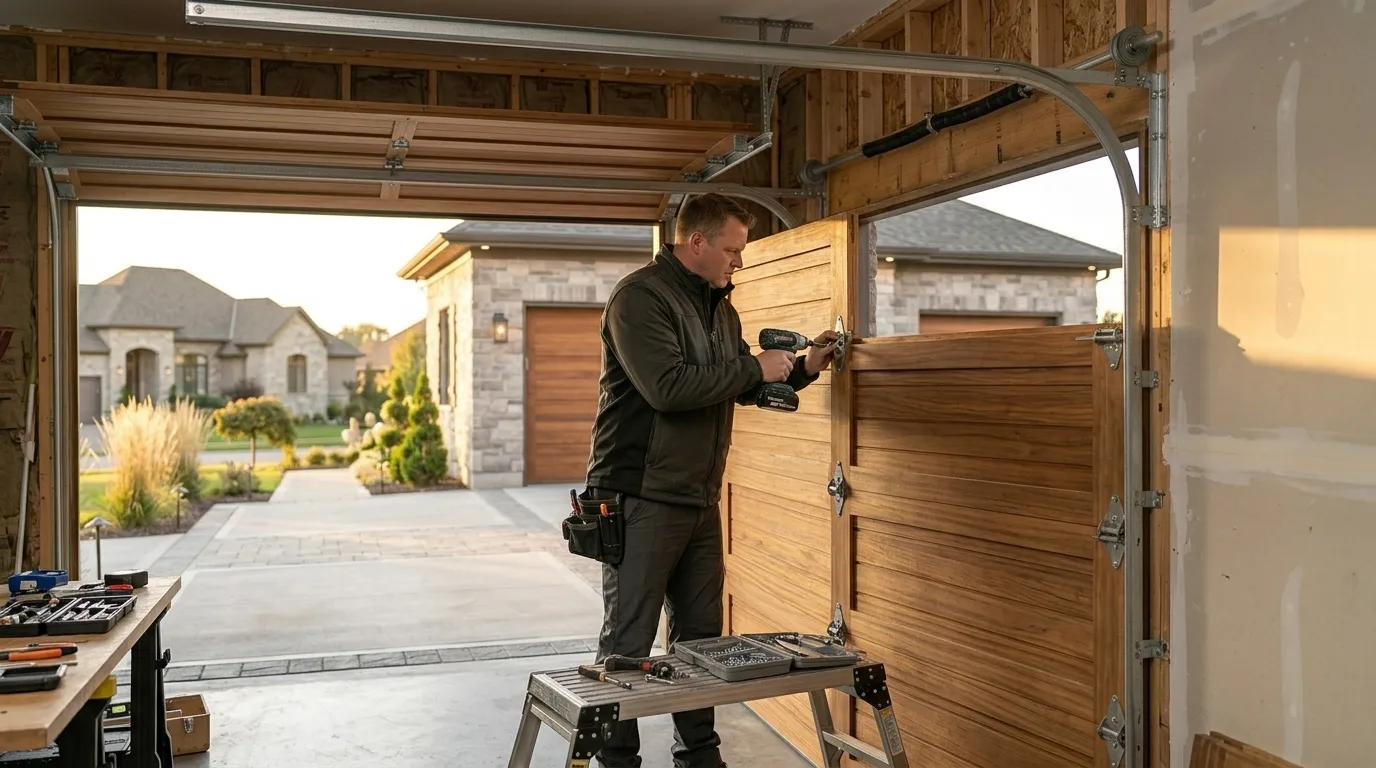
A lot of Glencoe garages were built around 1955, a bit earlier than the 1961 median across the wider area we cover. That five-to-ten year gap matters more than it sounds: doors from the mid-50s were still commonly single-panel, side-hinged, or early sectional units on hardware that predates the torsion-spring standard most people picture today. If you're used to YouTube videos about lubricating rollers and checking a modern torsion spring's tension, that advice may not map onto what's actually hanging in your garage. Basic stuff - wiping down tracks, checking the weatherstrip, listening for new noises - is fine to do yourself on any door, any era. But adjusting spring tension or resetting cable drums on older hardware is not a place to guess. The parts are under real load, and on an older door you may not even be able to tell at a glance what style of spring system you have without opening the housing. If your garage still has its original door or its original opener from a mid-century build, that's the one thing worth having a second set of eyes on before you touch anything with a wrench.
The Cost of This Job
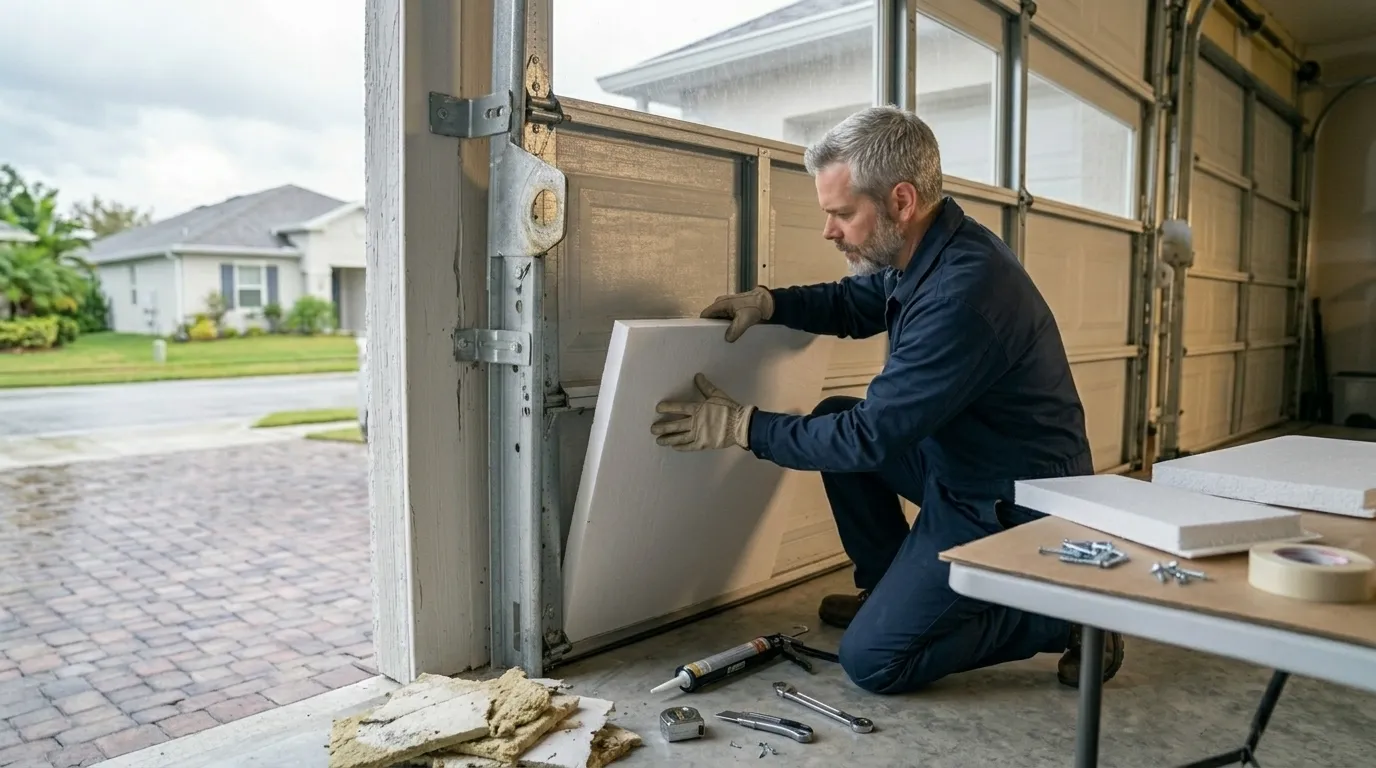
We don't have a fixed price to quote you here, and we're not going to guess one. What we can tell you is that a standard maintenance visit runs differently on a door built to 1955-era standards than on something from the 90s, because there's more to inspect: original brackets, older draw-bar hinges, and lift mechanisms that may have been retrofitted once or twice over seventy years rather than replaced outright. That inspection time is the variable, not the labor rate. Glencoe sits about 9 miles out from our Lincolnwood base, so travel is a factor we build into scheduling rather than something we tack on as a surprise. If a part turns out to need replacing mid-visit - a hardened roller, a frayed cable - that's a separate conversation, not a hidden fee. We'd rather tell you what we found and let you decide than push a number on you before we've looked.
What Can Go Wrong
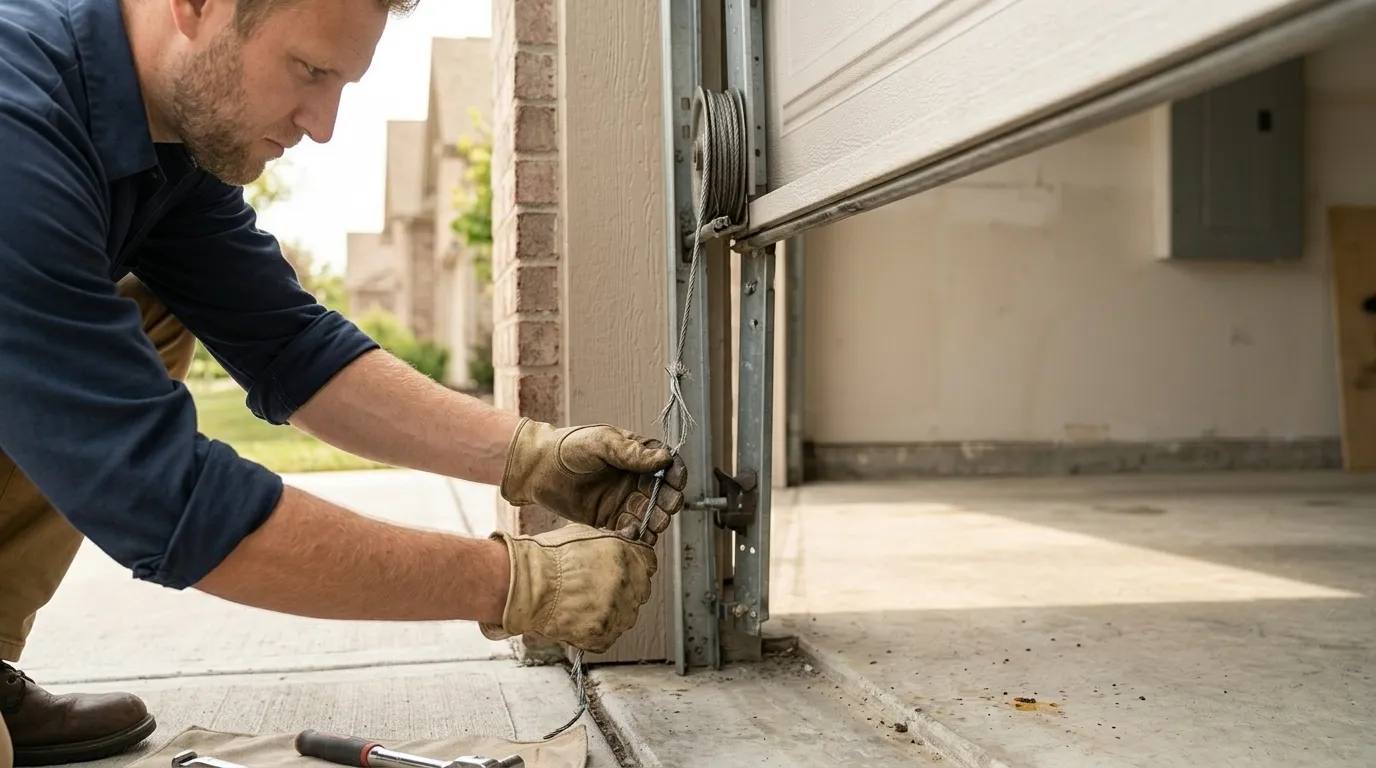
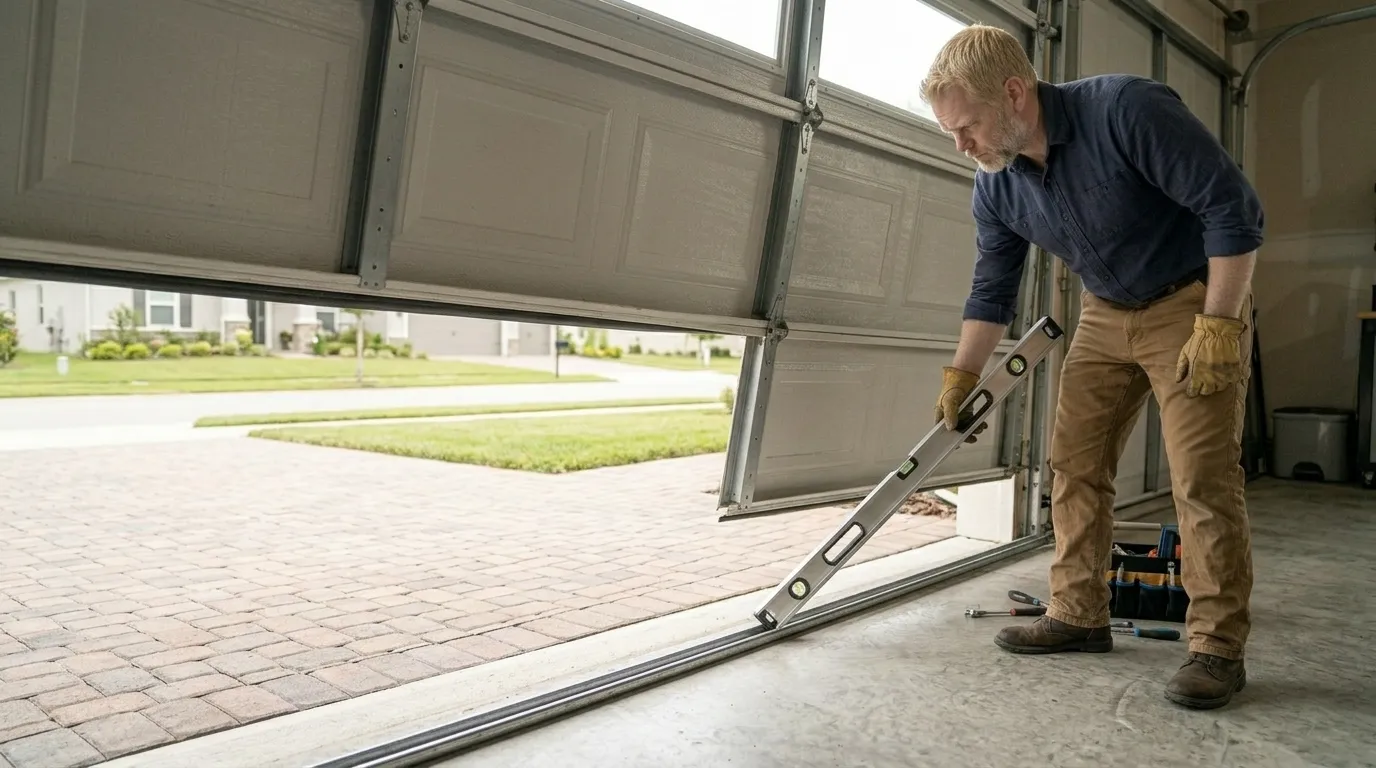
The failure mode we watch for on 1950s-era doors is a spring or cable that finally lets go after decades of slow fatigue, usually without warning, because the wear was gradual and invisible until it wasn't. On older hardware, cable drums and spring anchors weren't always built to the same tolerances as later standardized systems, so when something does fail, it can fail unevenly - one side of the door dropping while the other holds. Rollers that have hardened with age can also seize in the track rather than slide, which puts sideways stress on brackets that were never designed for that load. None of this is unique to any one house; it's what happens to steel and hardware left in place since the Eisenhower administration. The risk isn't that the door won't work tomorrow - it's that when it finally does go, it goes without much notice.
Why This Fails Locally
This isn't a generic maintenance problem - it's specific to what was standard when Glencoe's garages went up. A door built around 1955 predates the widespread adoption of torsion springs mounted on a single header-shaft; a lot of homes this age still ran extension springs along the horizontal track, a system that ages differently and needs a different kind of check. Combine that older hardware with a moderate-cold climate that puts real seasonal stress on spring steel, and you get a door that can feel fine in August and bind in January. Add in that this pocket of the service area carries a notably higher median household income than the wider region, which we've found tends to mean homeowners who kept the original door and opener rather than replacing early, simply because the house didn't need the excuse. The result is a higher share of original 1950s hardware still in service here than in newer-stock parts of the area.