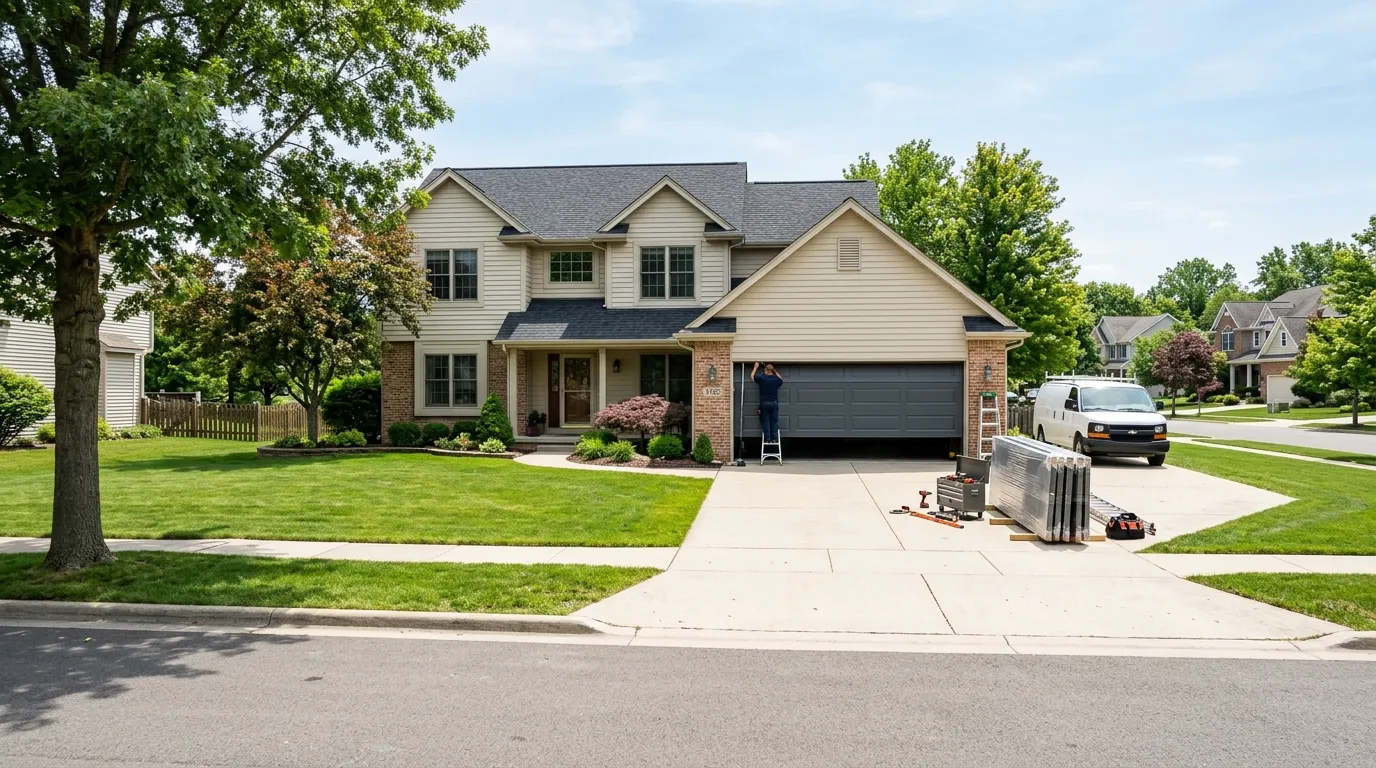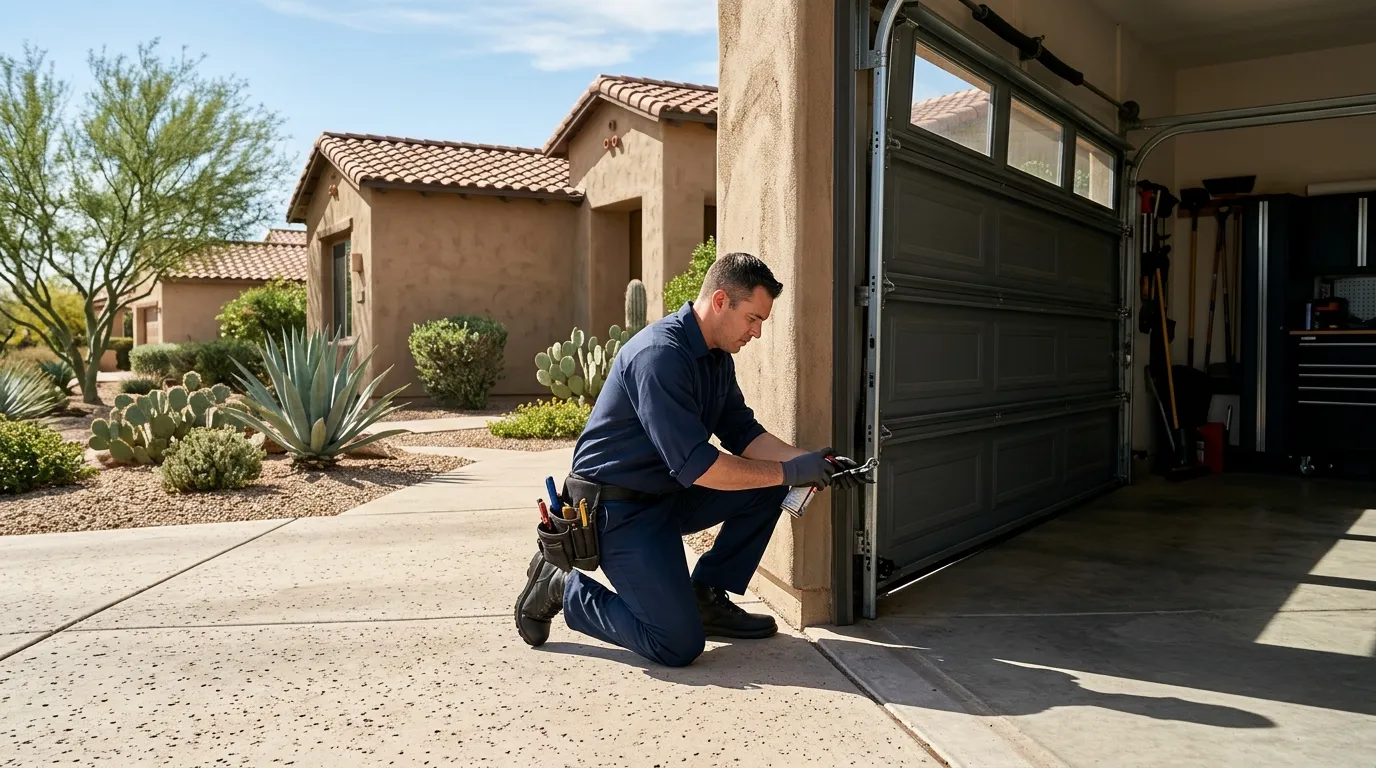
The DIY Question
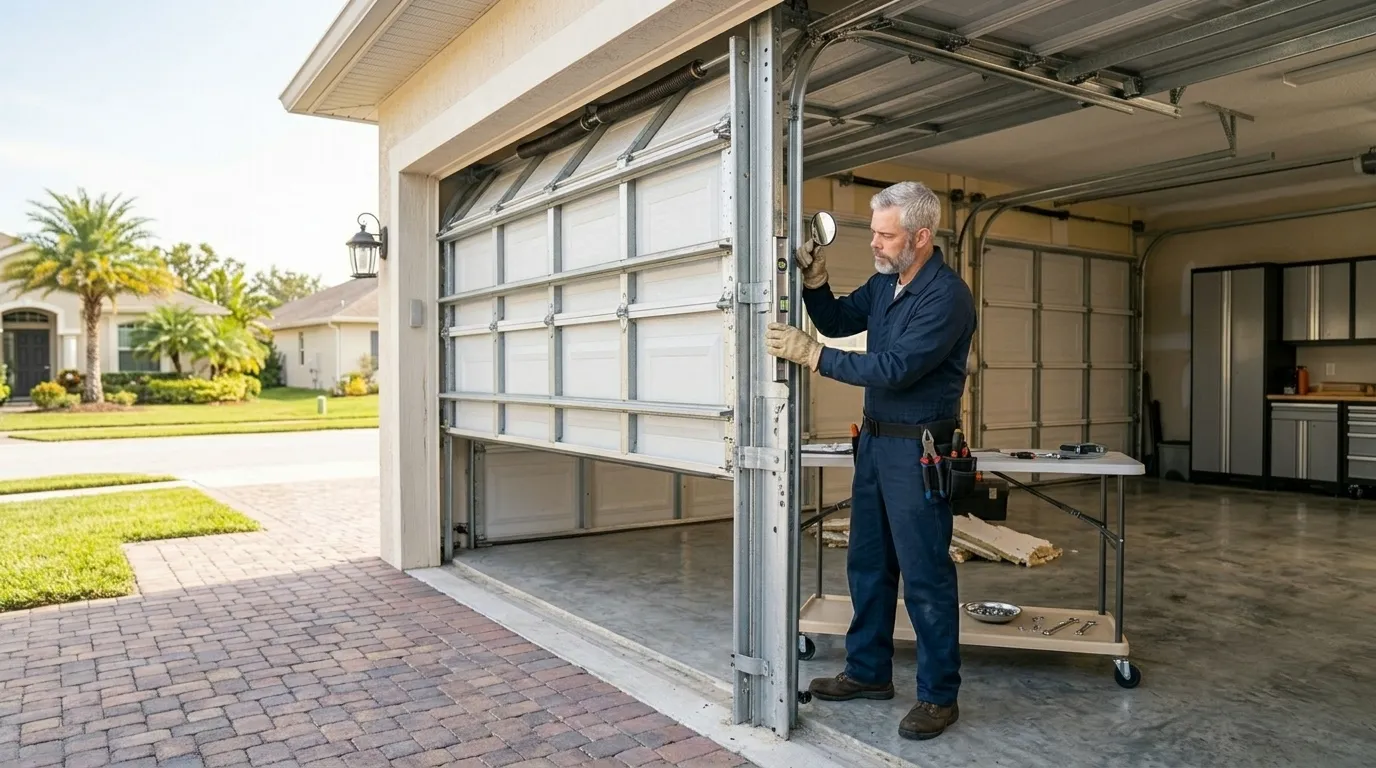
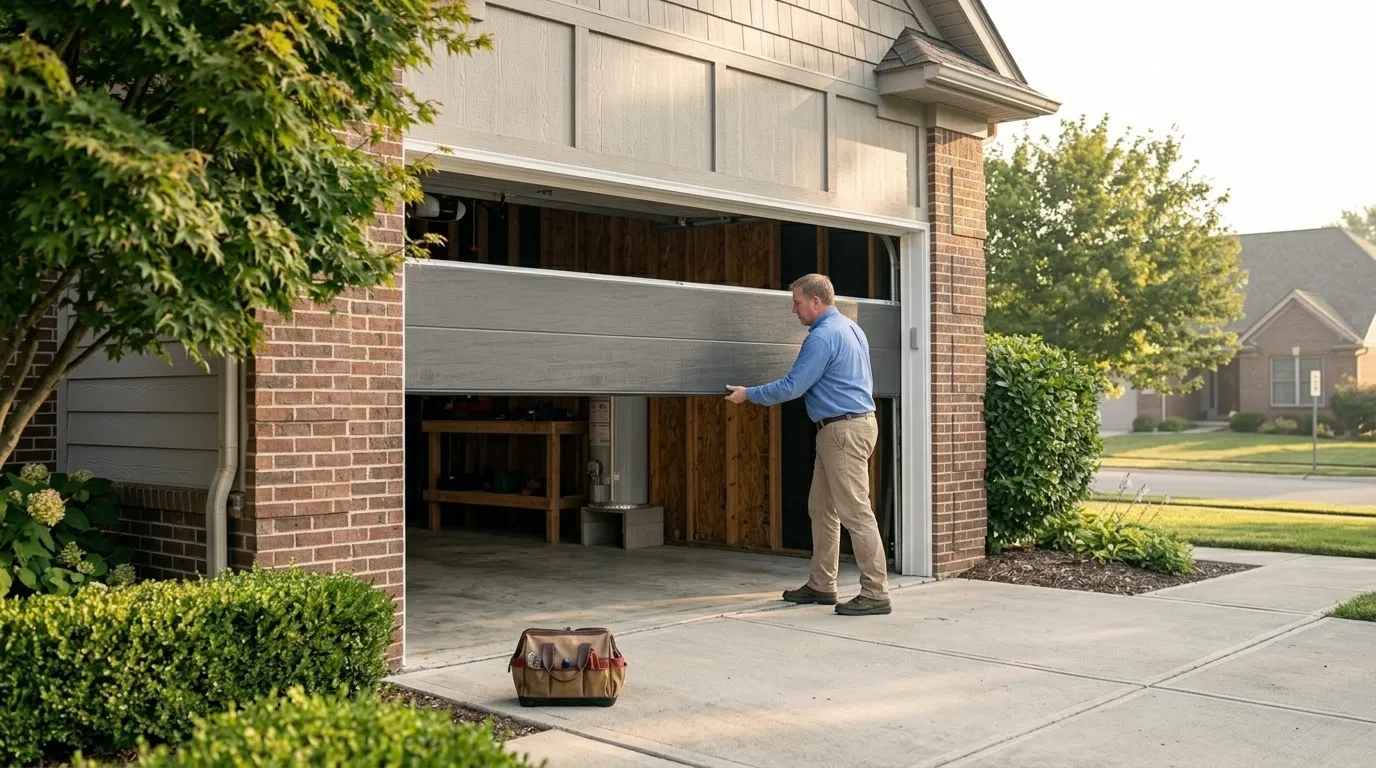
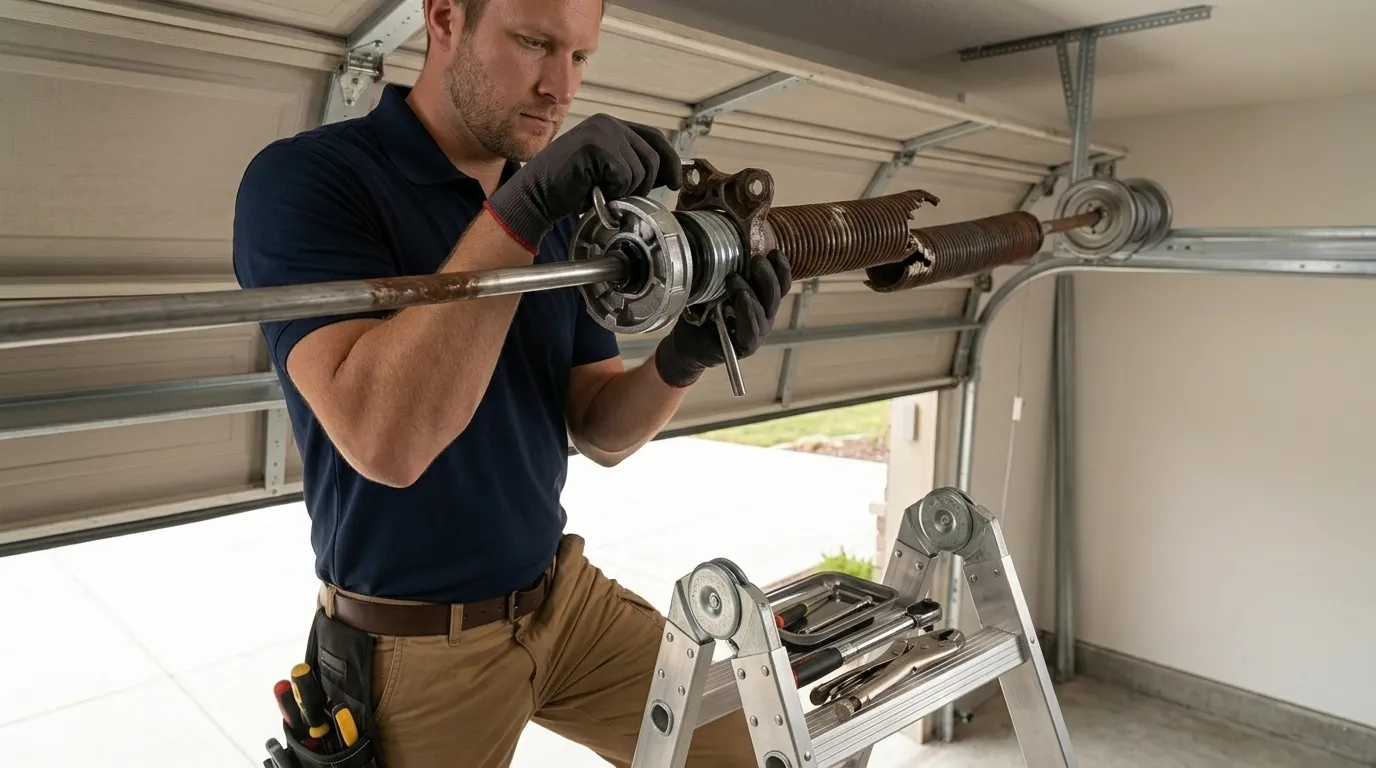
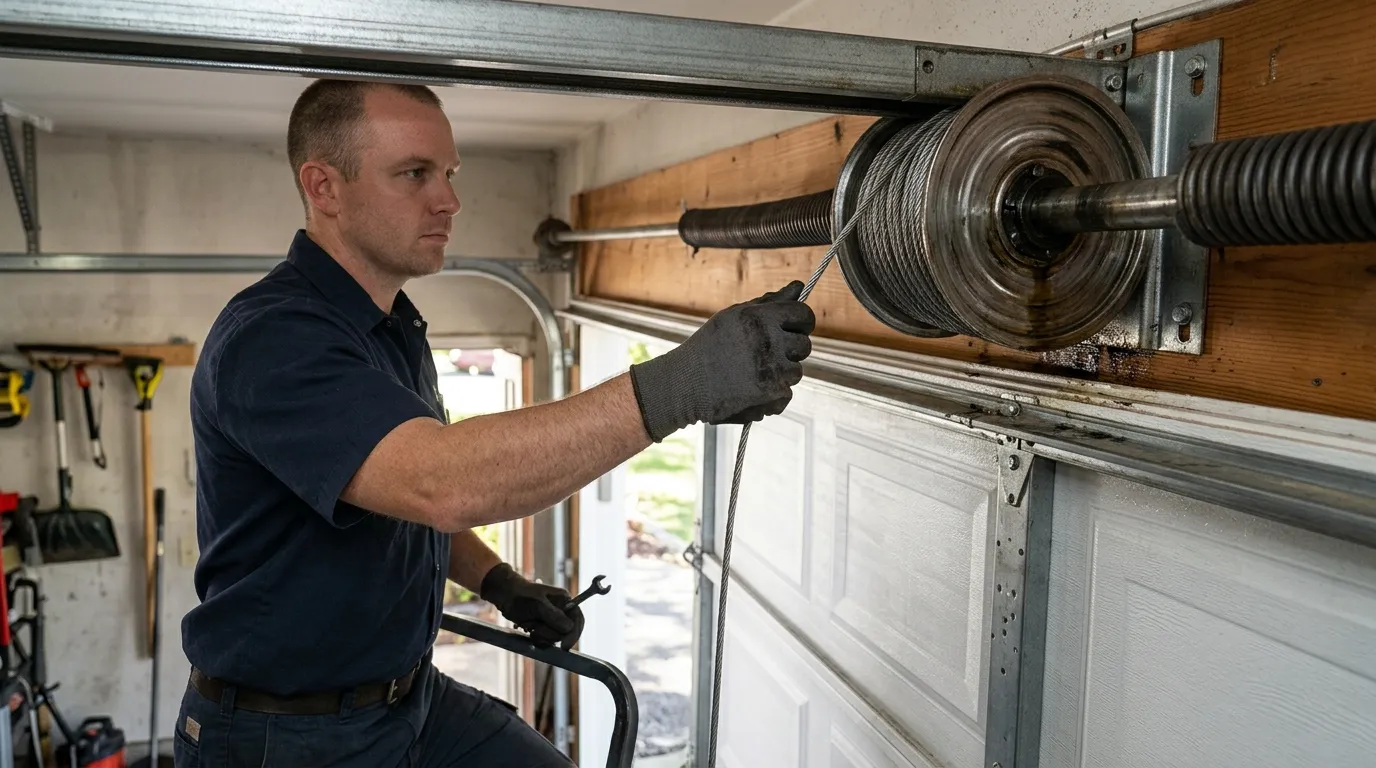
The spring that snaps on a Glencoe door is usually not the spring a big-box store sells you. Homes here went up with a median build year of 1955, and a lot of the original torsion hardware never got upgraded when the door itself did. Somebody replaces a wood panel door with a steel insulated one and keeps the old torsion shaft, or swaps the springs but not the drums, and now the wind load on the new door doesn't match the wind-up on the old spring. That mismatch is what actually fails - not age alone, mismatched pairing.
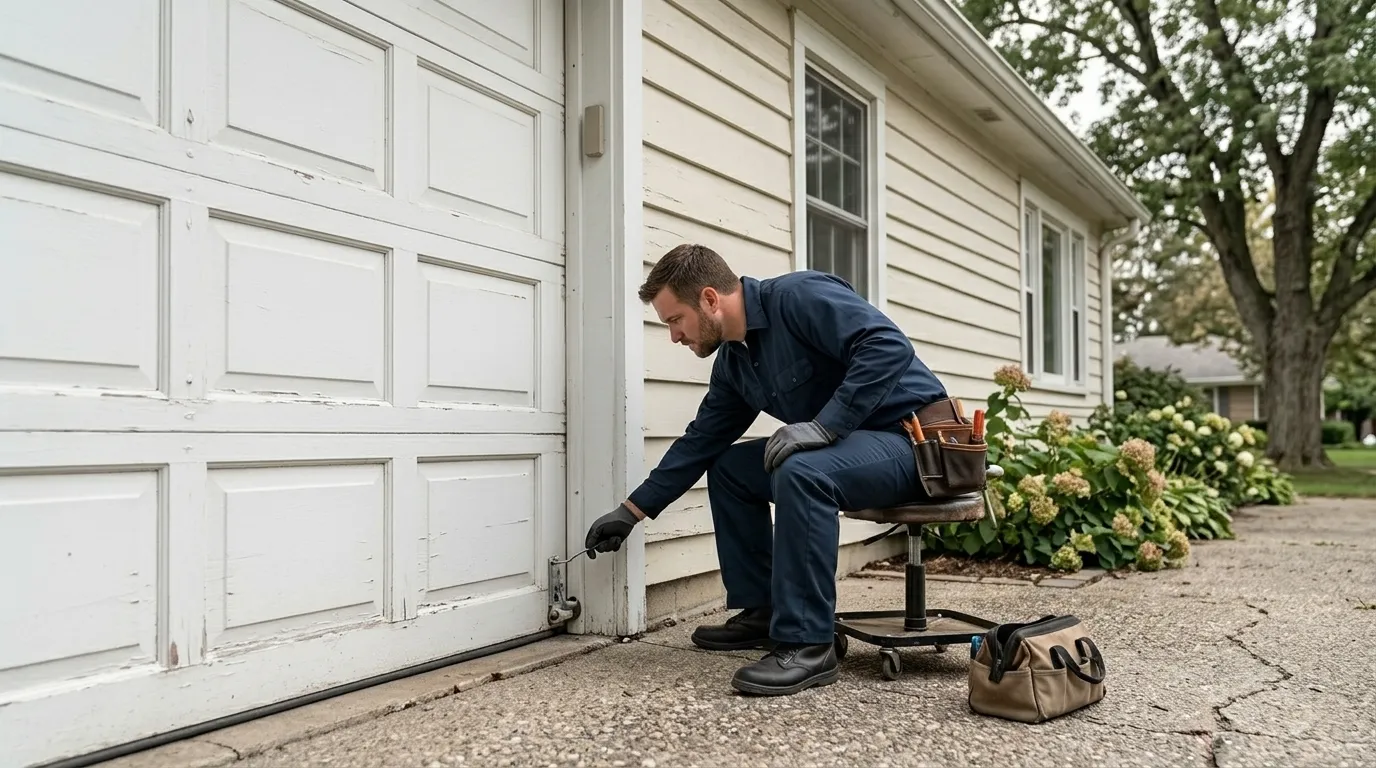
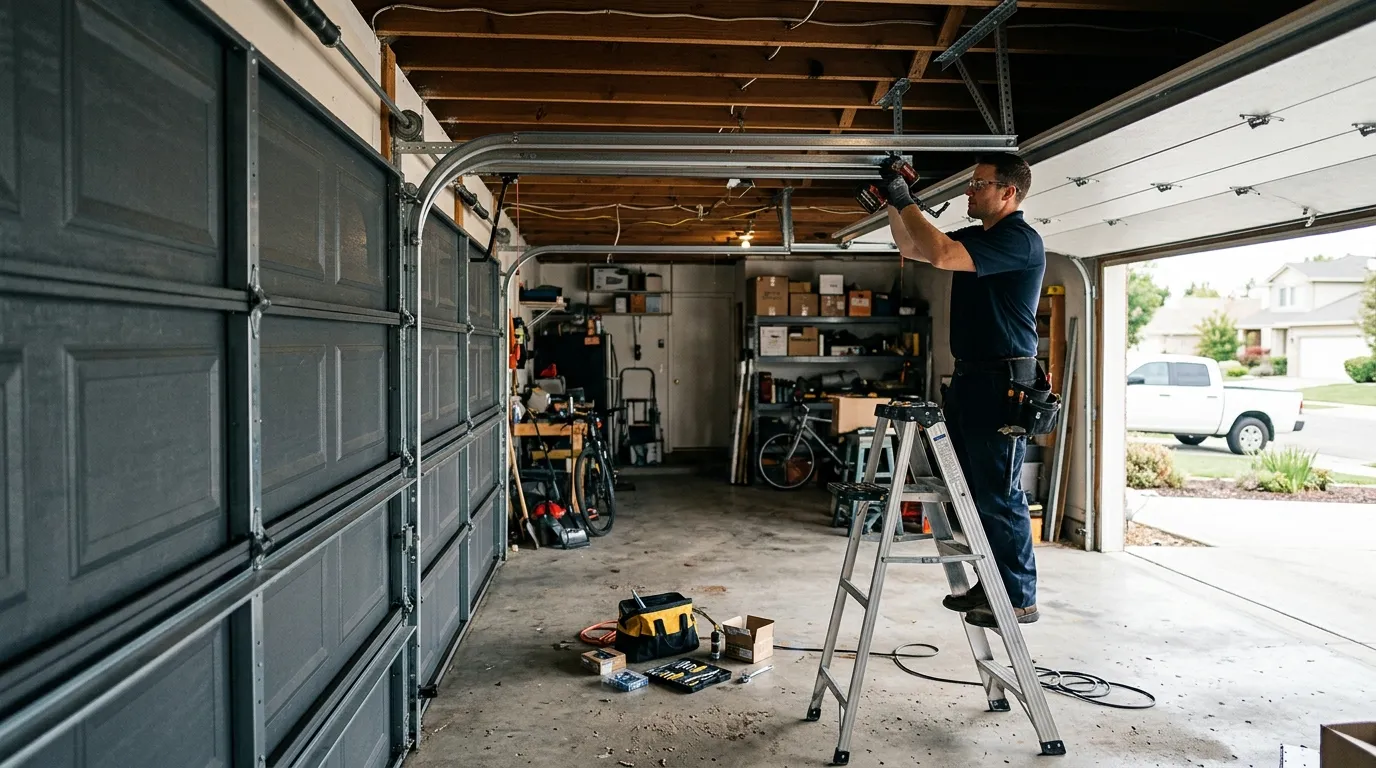
So the DIY question isn't really "can I do this myself," it's "do I know what's actually on the other end of that shaft." A 1955-era door opening was framed for a lighter panel than most manufacturers build today, which means the torsion spring wound for it can be under- or over-tensioned once a heavier insulated door goes on. Winding a spring under the wrong tension is how people lose fingers, and it's also how you crack a new panel within a year. If you don't know the wire gauge and wind count stamped on your existing spring, this isn't a Saturday project. Measuring the opening and calling it in is the safer starting point, even if the fix ends up being simple.
The Cost of This Job
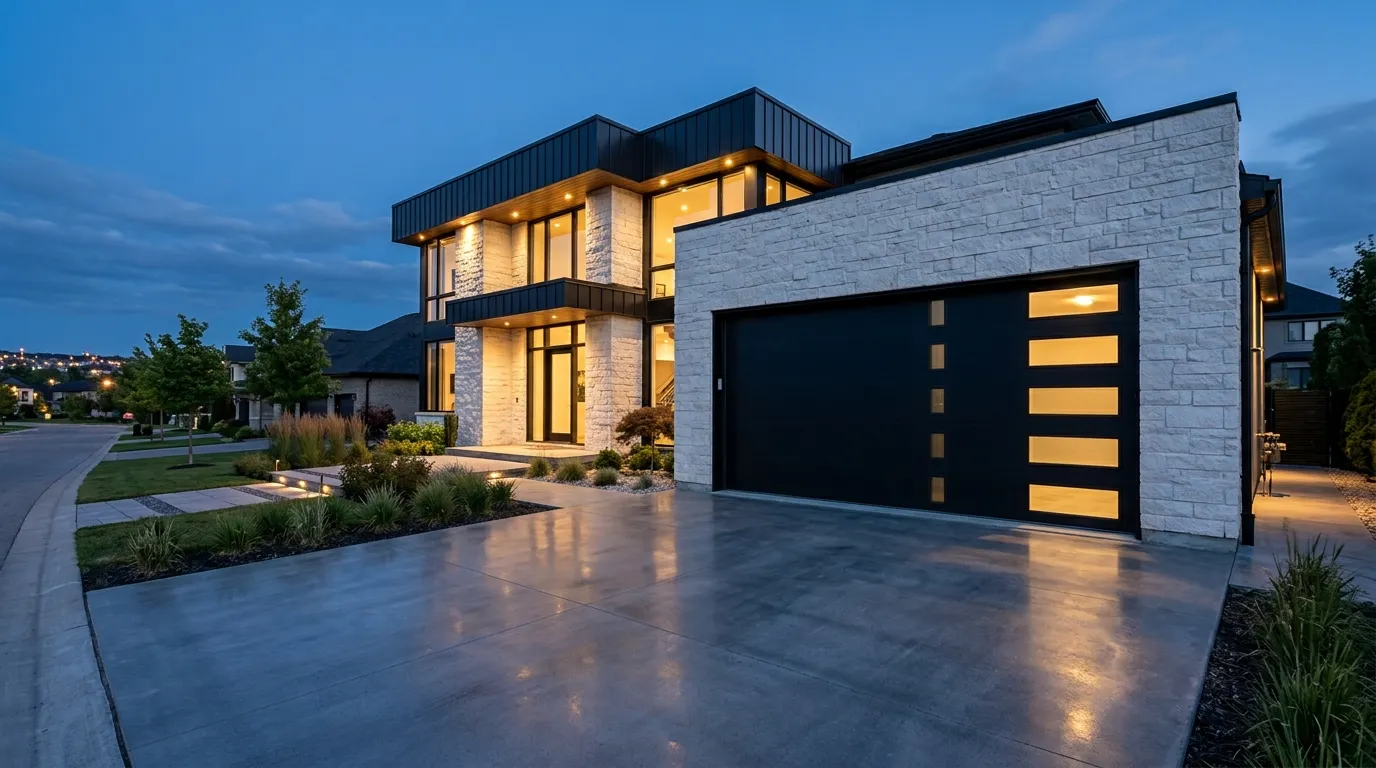
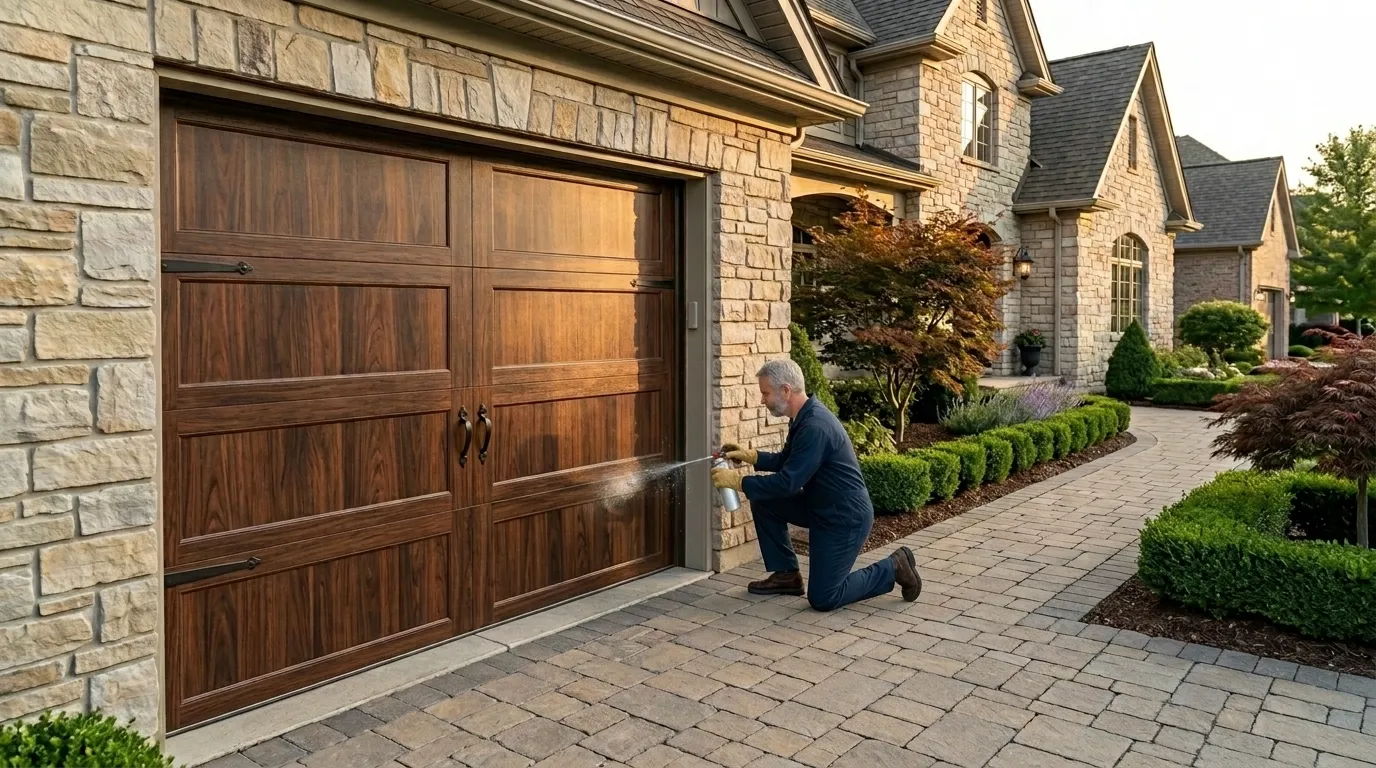
We don't have a Glencoe-specific price list to hand you here - that's a call-and-quote conversation once we've seen the door. What we can tell you is what drives the number up in a house like the ones in this area: households here report a median income around $250,001, well above the roughly $99,861 median across the wider service area, and higher-income homes more often carry custom or oversized doors, wood-look overlays, or insulated steel panels sized for wider openings. Those doors use heavier-duty springs and sometimes non-standard track, and parts for non-standard track cost more and take longer to source than parts for a builder-grade door.
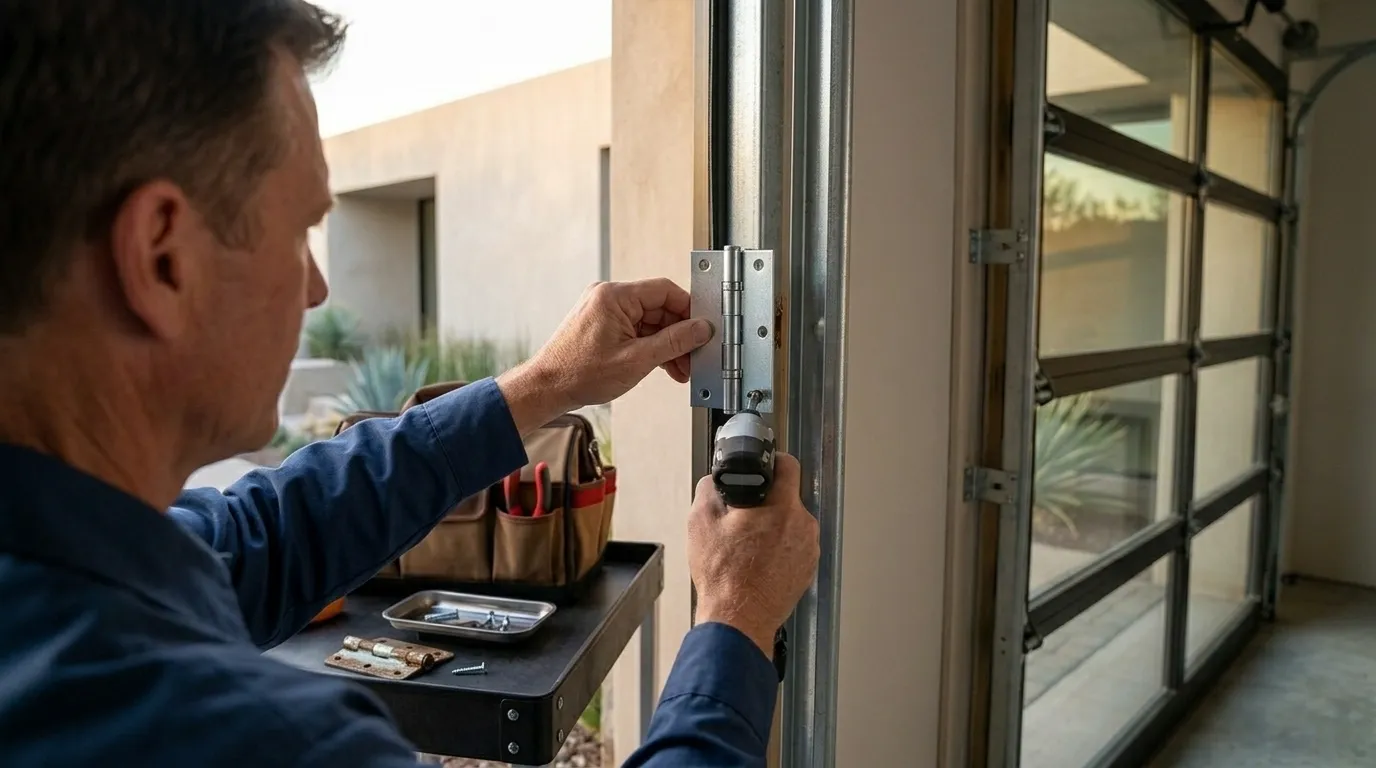
The other cost factor is distance. We run this call from Lincolnwood, about 9 miles out, so there's a trip charge built into any quote before parts or labor even enter the conversation - ask about it up front rather than assuming a flat rate. If your door is one of the original mid-1950s builds still running its first-generation hardware, expect the quote to lean toward hardware replacement rather than a patch job, since parts that old often aren't stocked anywhere and a repair can cost close to what a new spring set runs.
What Can Go Wrong
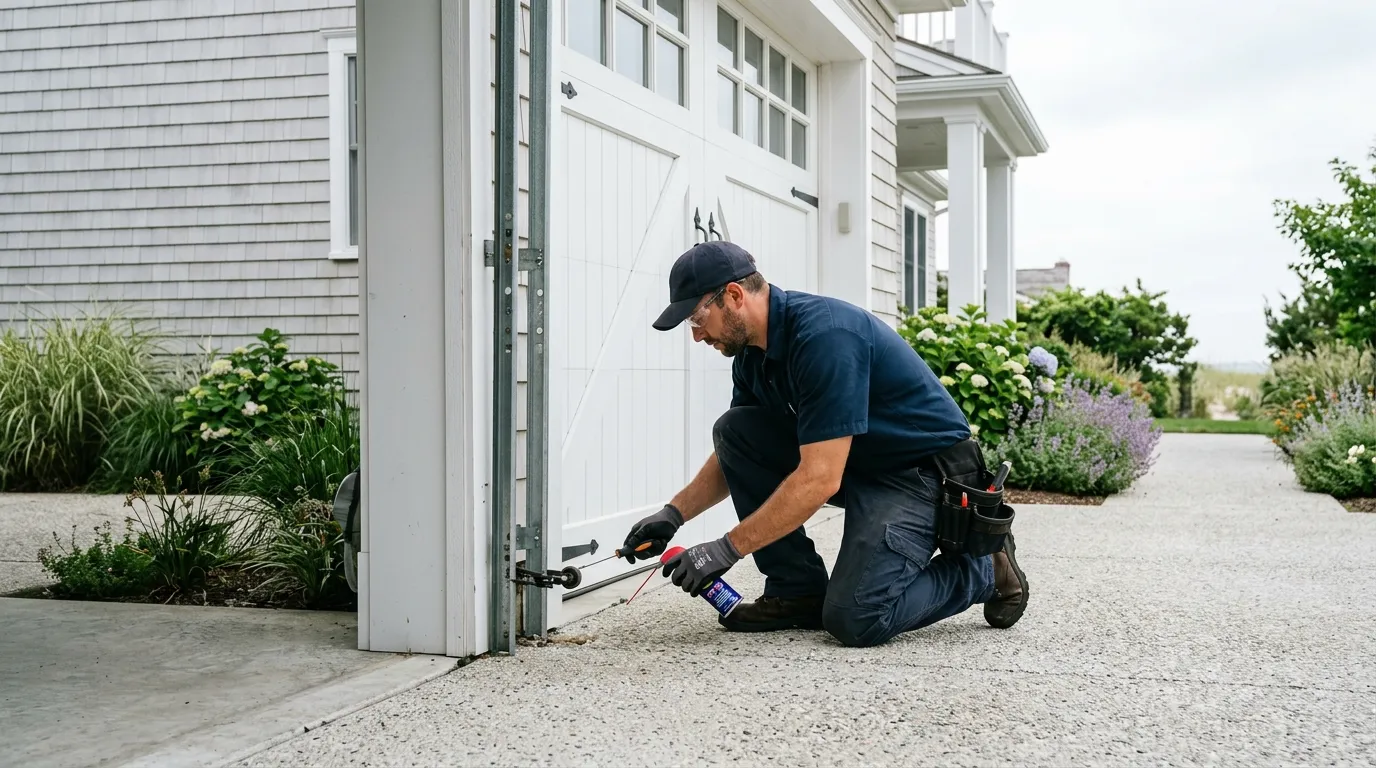
Beyond a snapped torsion spring, the failure that shows up most on older stock in this area is a stripped or stretched extension spring on doors that never got upgraded to torsion at all - some 1950s-era openings still run the original extension setup, and those springs weren't built with the safety cables that became standard later. If one of those lets go, it can whip loose rather than just drop.
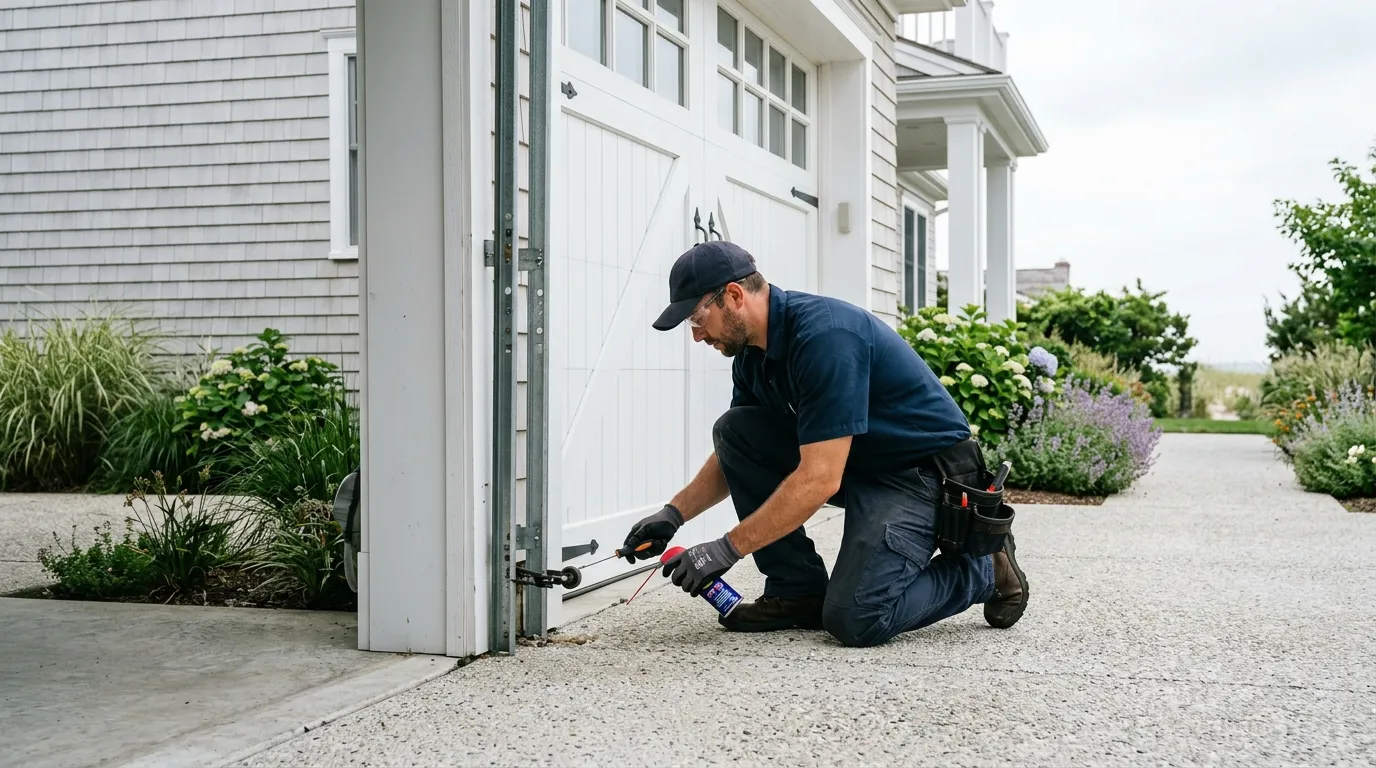
Opener mismatches cause trouble too. A newer opener bolted onto an original door and frame, without checking the door's actual weight and balance, will burn out a drive gear trying to lift a door it was never sized for. Track alignment is the other quiet failure - decades of settling in an older foundation can pull a track a few degrees out of true, which isn't visible to the eye but shows up as a roller binding partway through the cycle. None of these are emergencies the first week. They're the kind of wear that gets worse slowly until one cold morning it doesn't open at all.
Why This Fails Locally
This isn't a generic aging-door story - it's specific to what got built here and when. A median construction year of 1955 puts a large share of these homes at the front edge of the broader 1938-1994 range across the service area, which means Glencoe's stock skews a little older than the service area median of 1961. Older openings, older original hardware, and in many cases a homeowner who's upgraded the door face without ever touching the spring system underneath it.
With only about 3,033 households in this town, compared to over 104,270 households across the wider area we cover, there isn't a large local supply of technicians who've handled this specific combination of vintage opening and higher-end retrofit door often. That's not a knock on the town - it's a numbers problem. Fewer houses means fewer chances for a repair crew to build familiarity with what's actually behind these garage walls, which is part of why getting someone who's seen 1950s torsion setups paired with modern doors matters more here than in a subdivision built all at once in the same decade with the same parts.