How It Shows Up
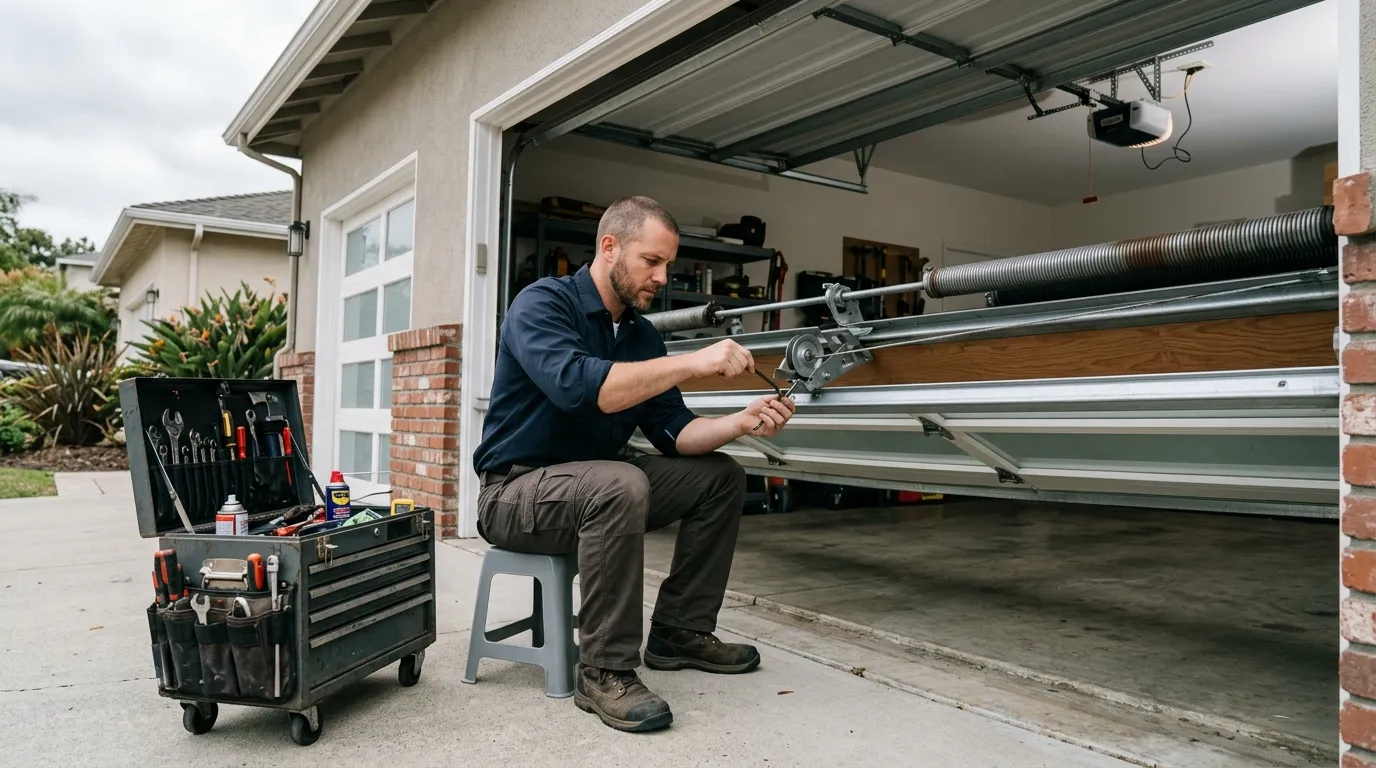
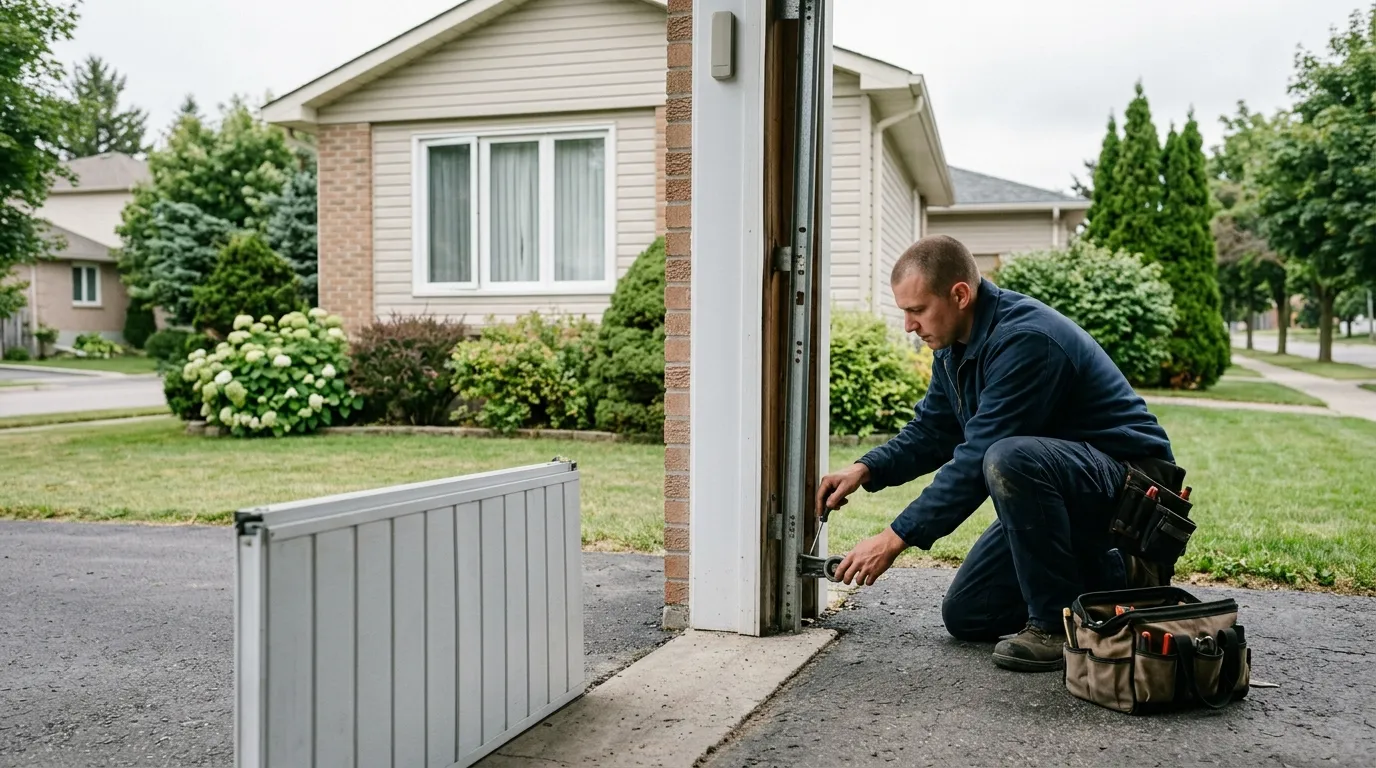
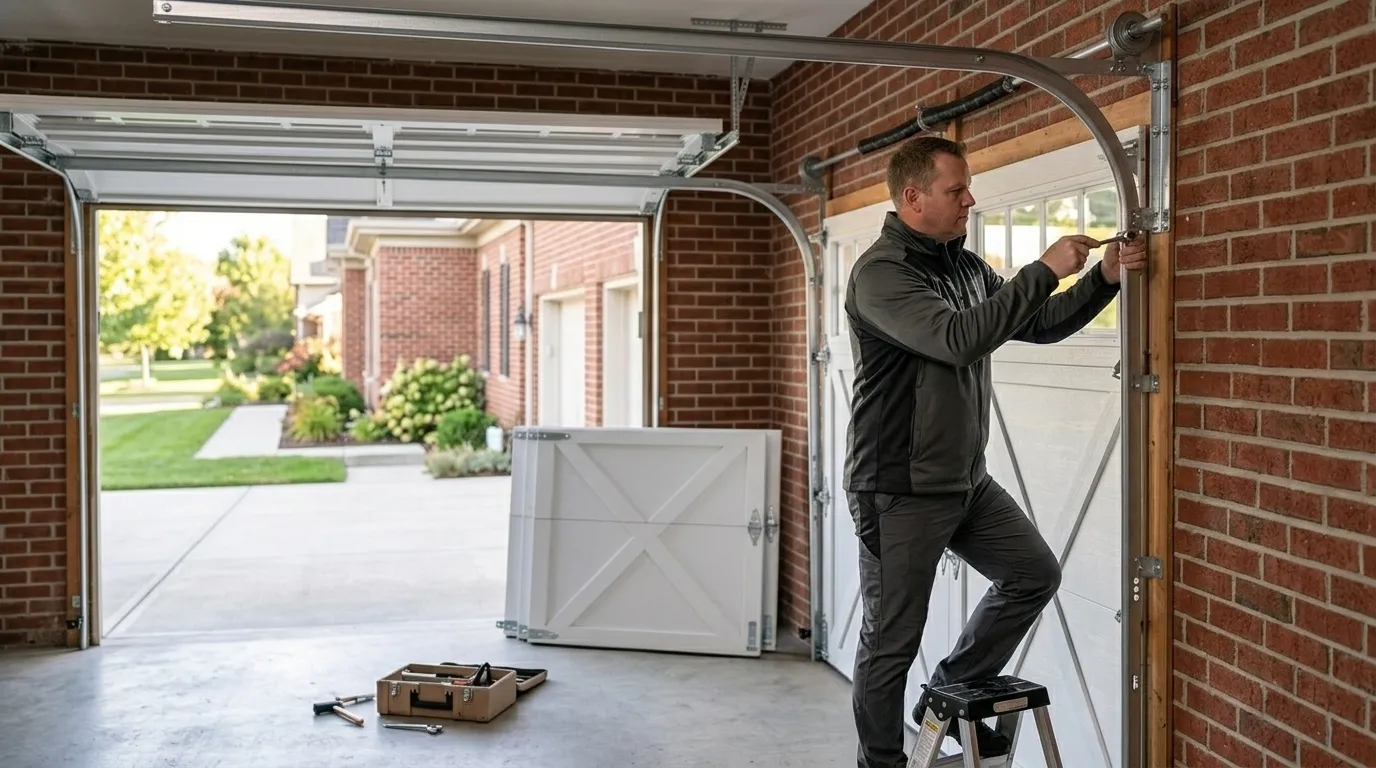
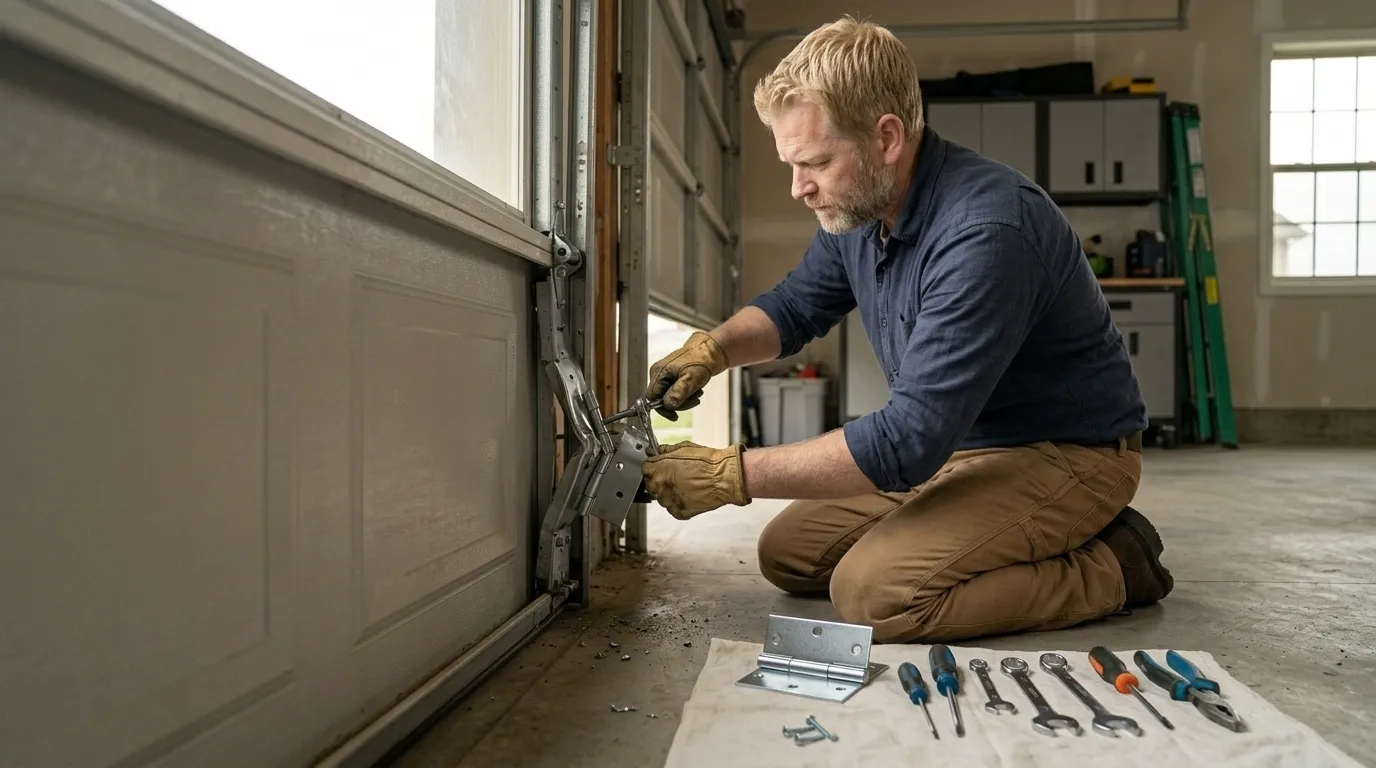
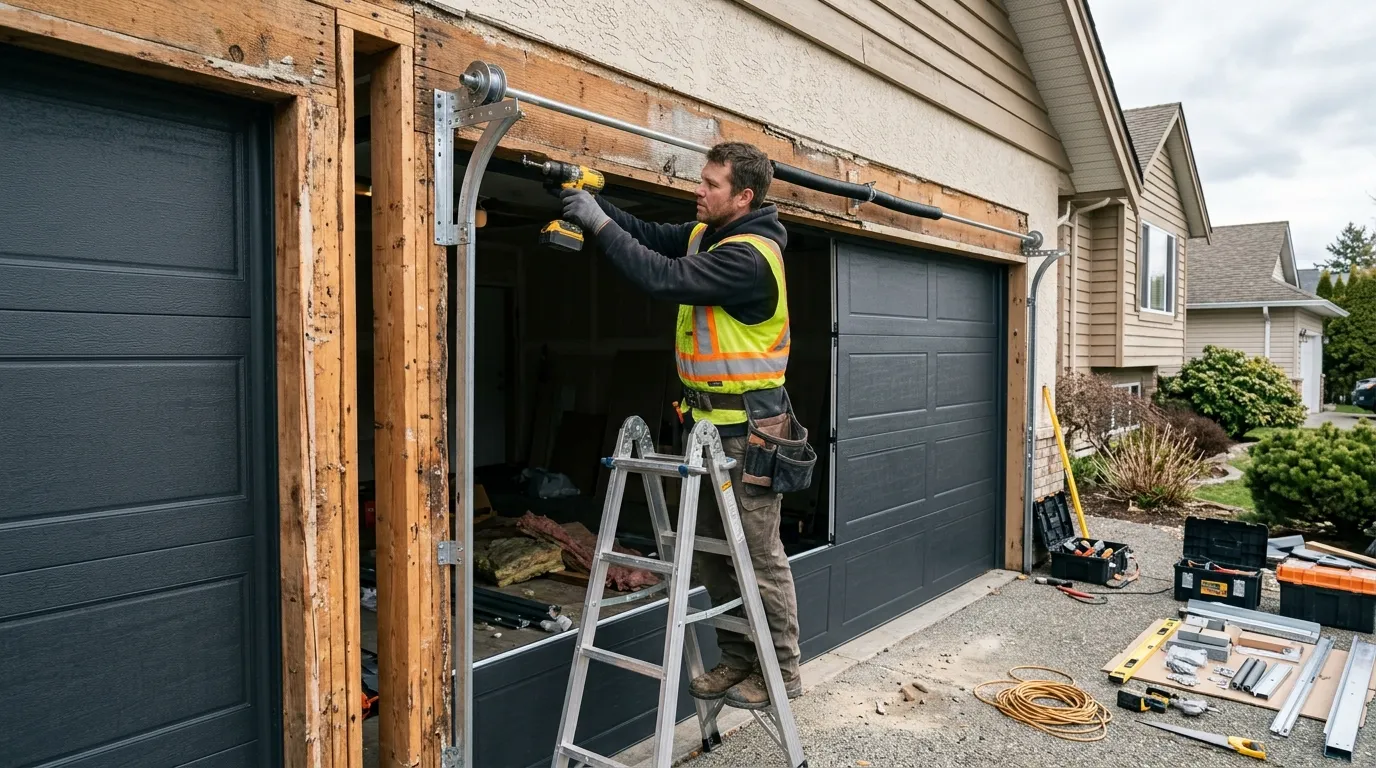
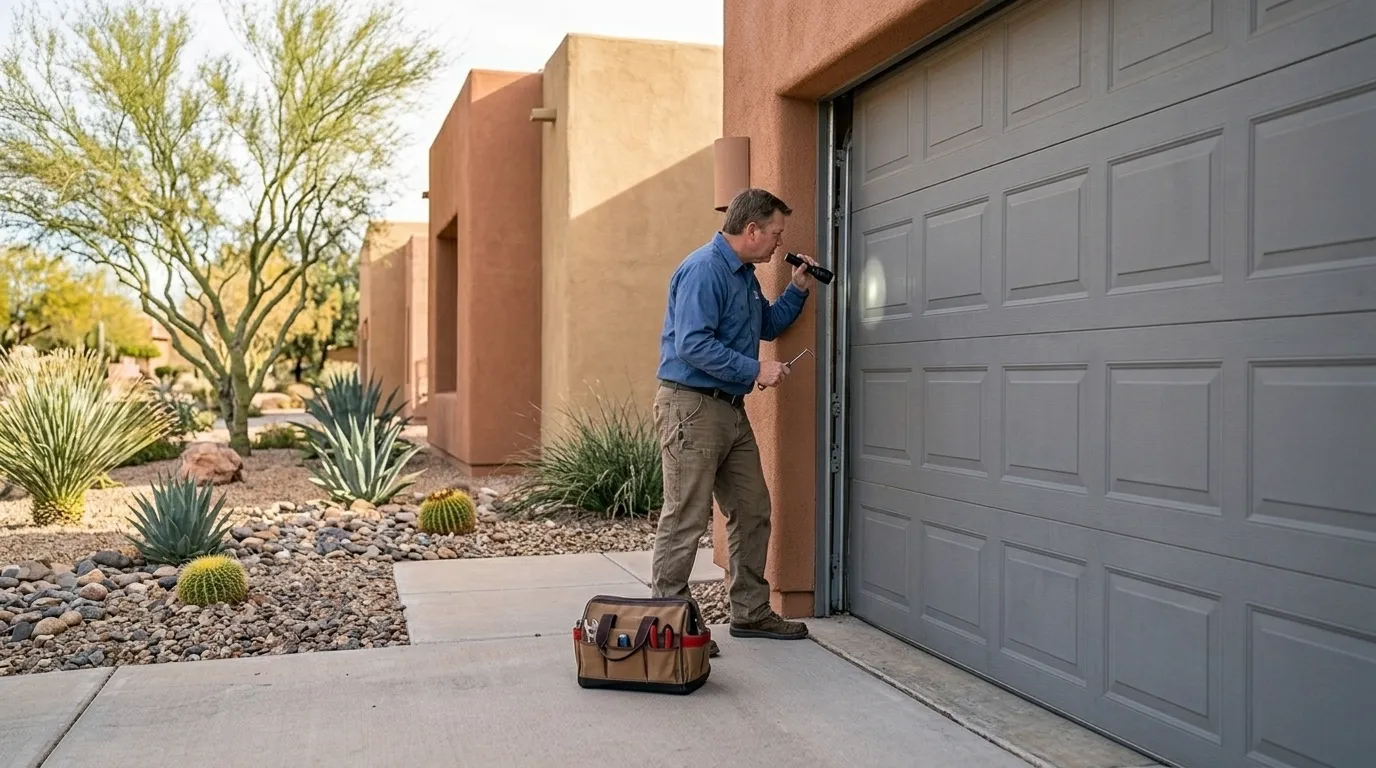
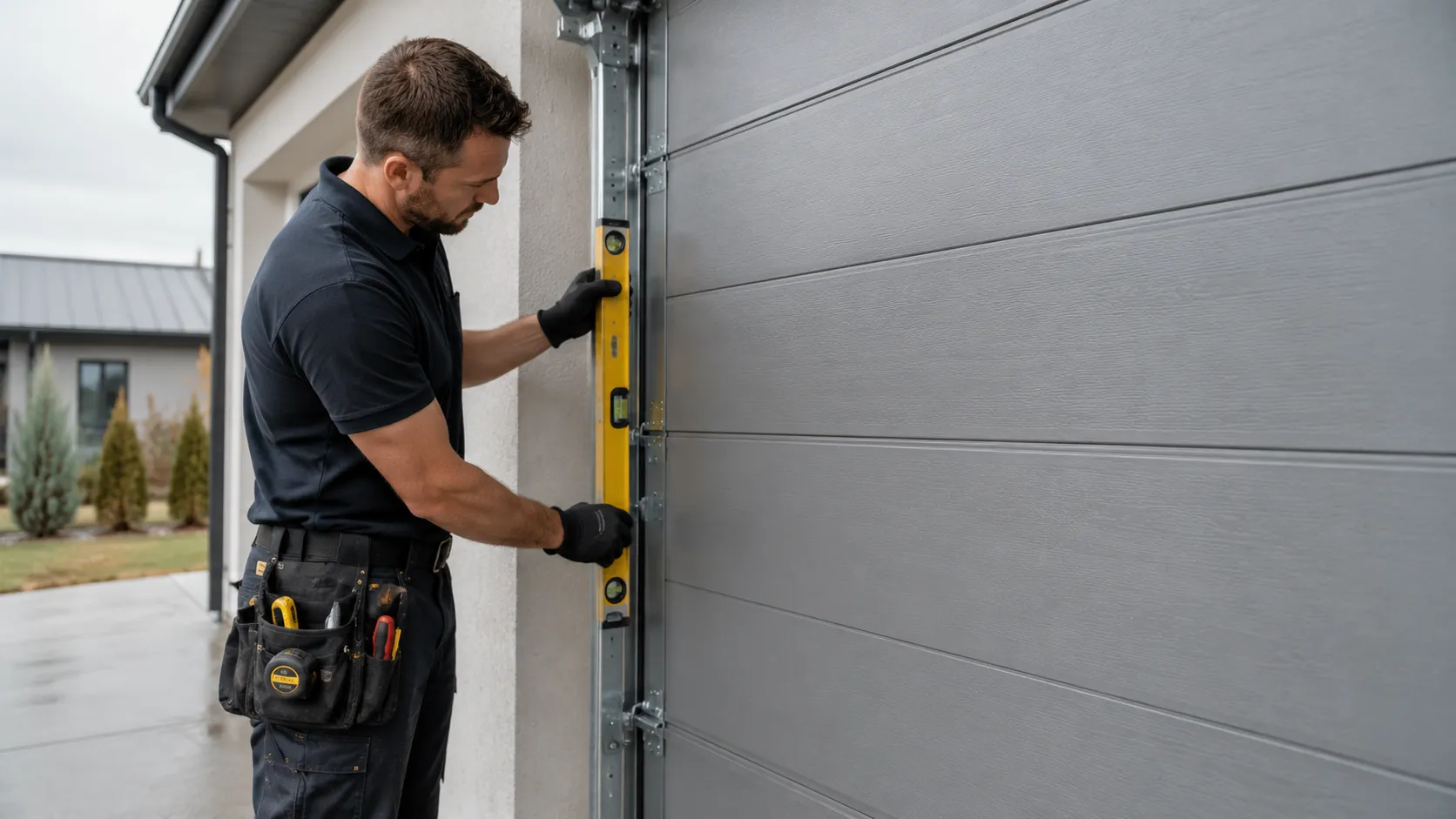
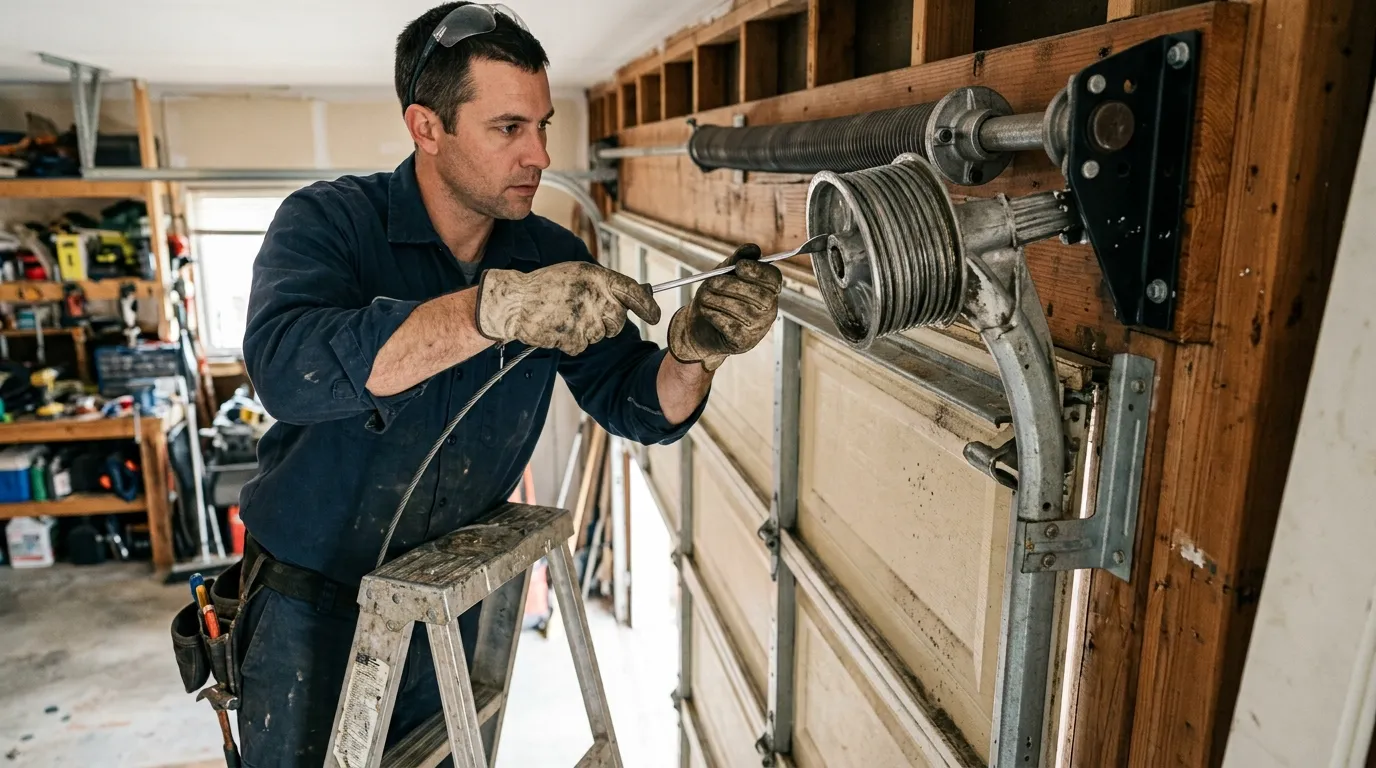
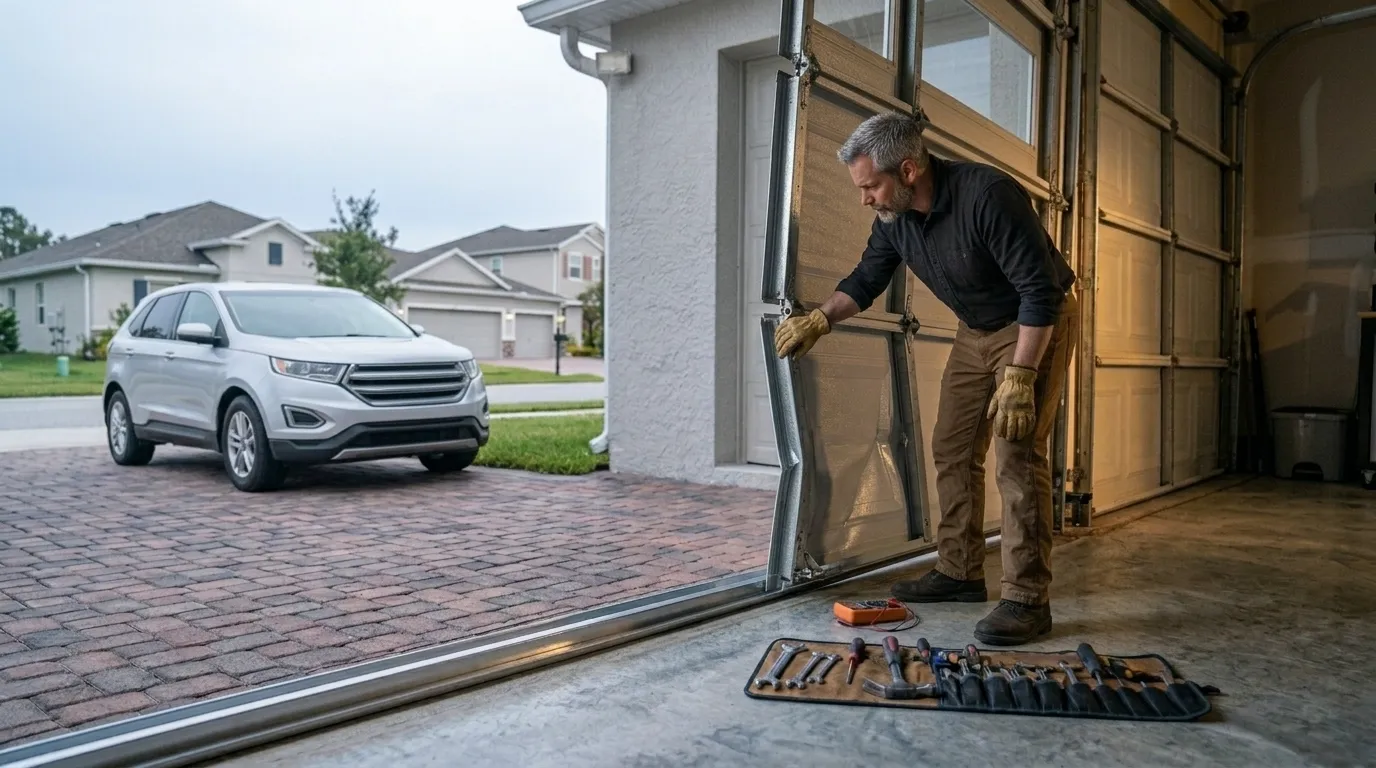
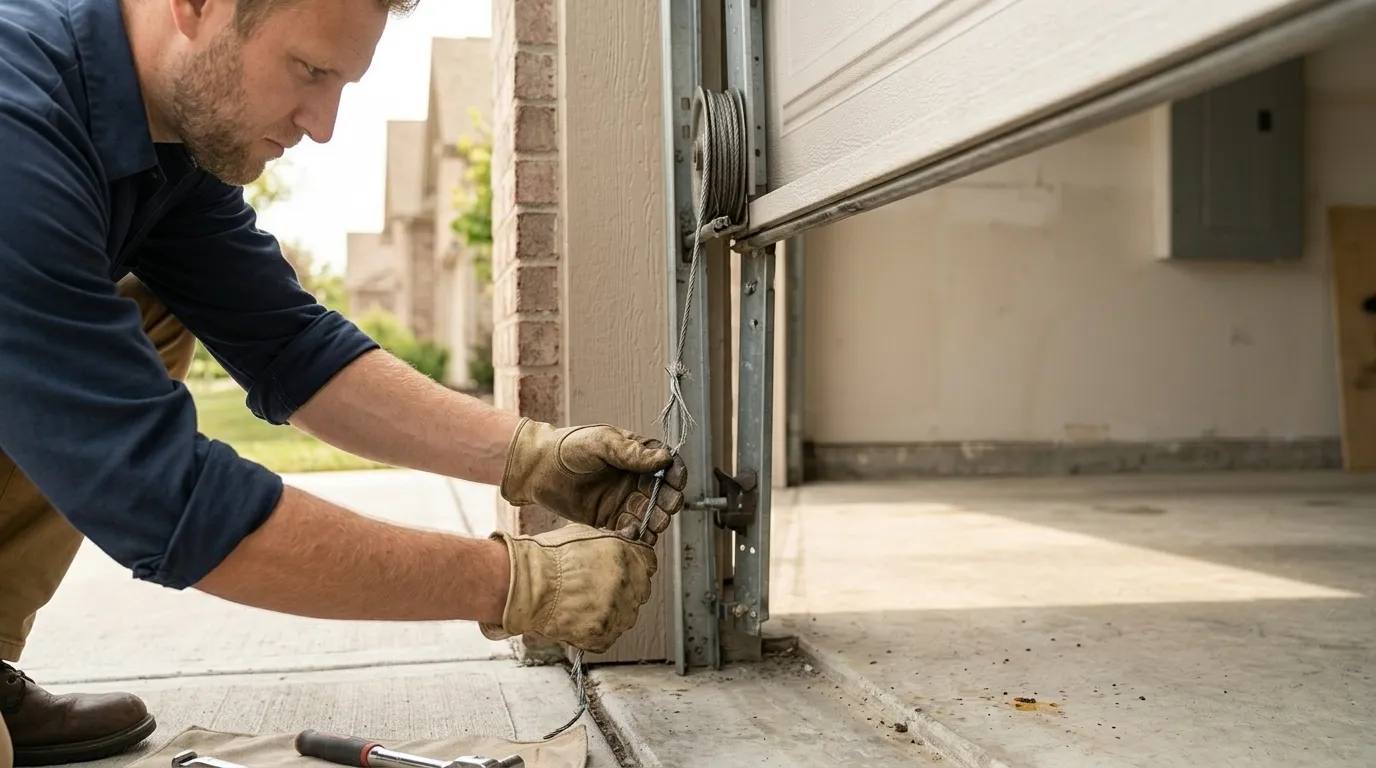
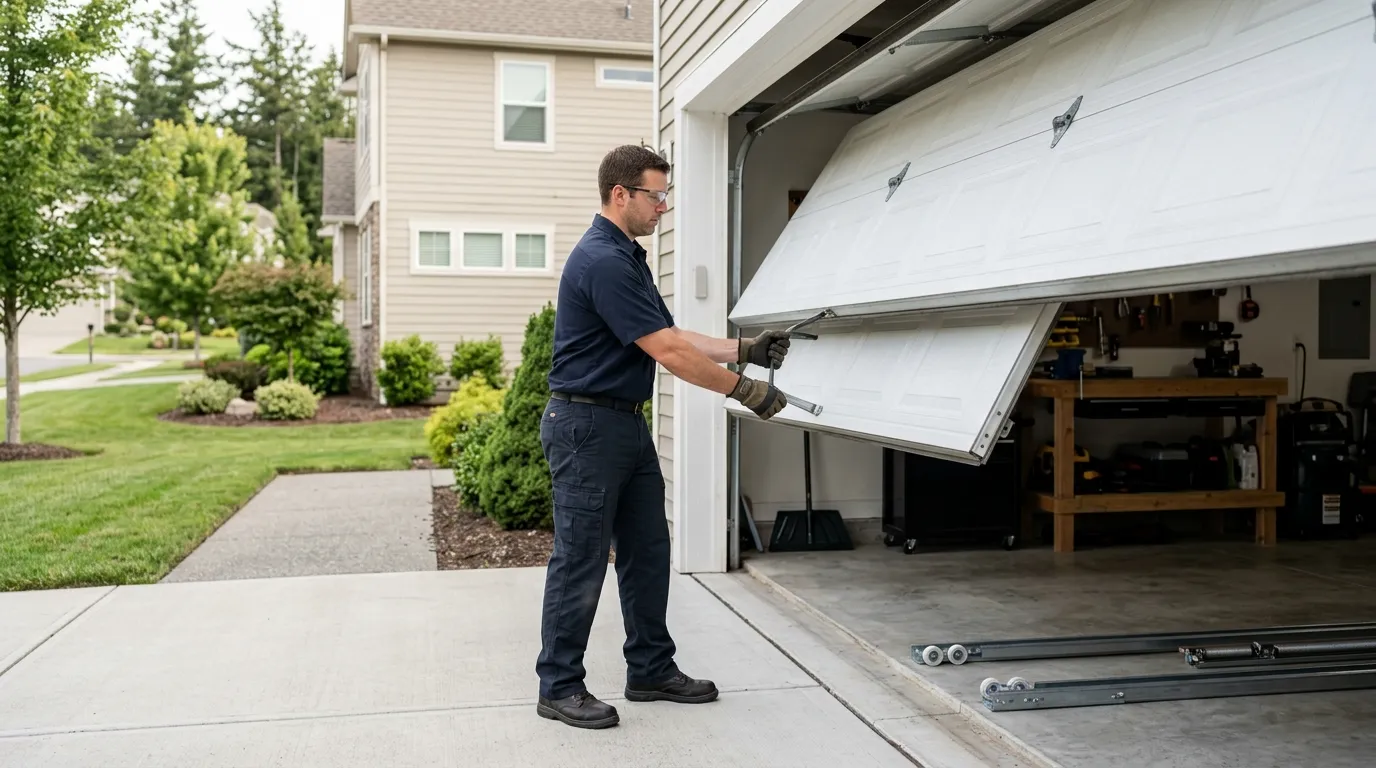
You notice it before you can name it. The door jerks instead of gliding, there's a grinding or clunking sound around the third or fourth panel section, or the door hangs up at the same spot on the track every time. Sometimes a roller has cracked and you can see the wheel sitting at an angle instead of flush in the track. Other times the roller is fine but the stem has worn loose in its bracket, so the whole panel rattles side to side as it travels.
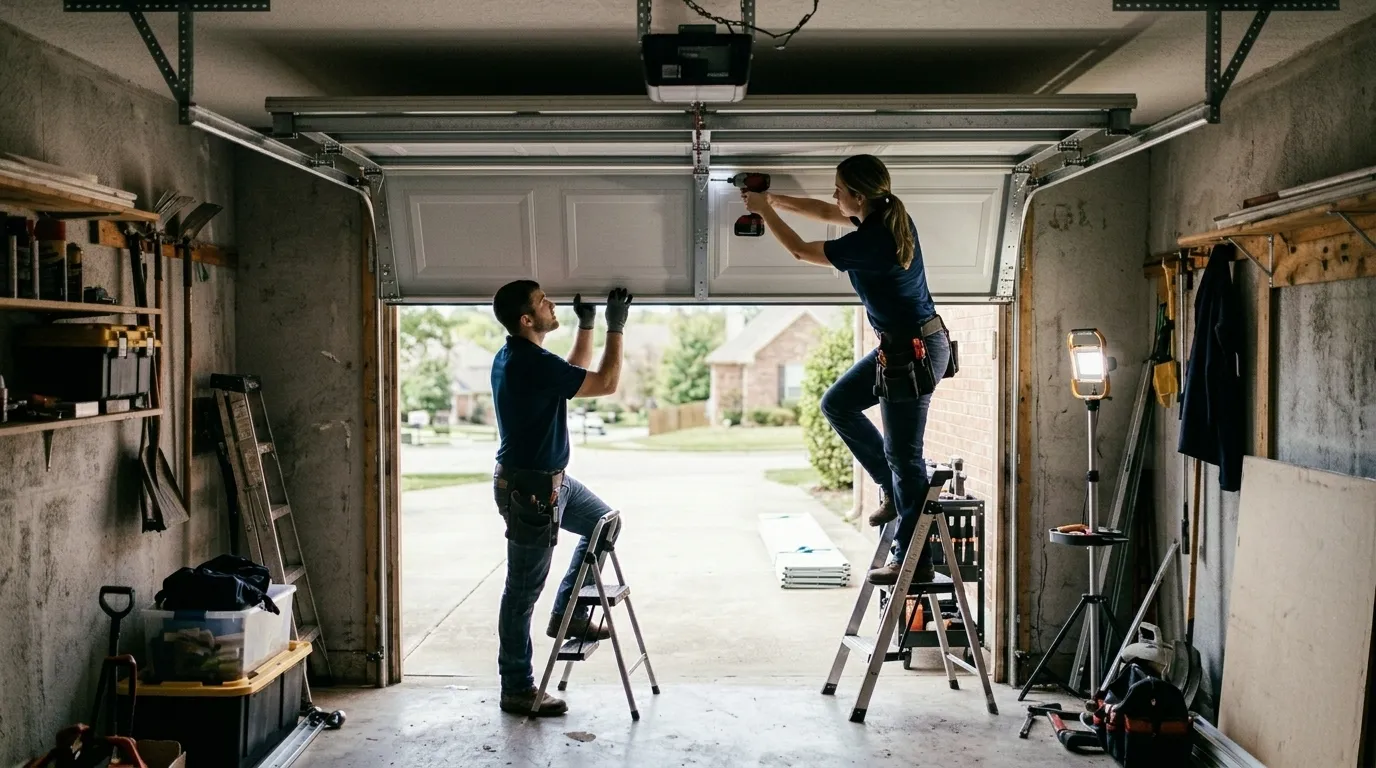
Most calls we get for this start the same way: a homeowner mentions the door 'sounds different' weeks before it actually sticks. That lag matters, because a roller that's dragging is putting extra load on the opener motor and the cable drum the whole time. By the time the door binds hard enough to stop, you're usually not looking at one bad roller - you're looking at a full set that's aged out together, since they were all installed the same day decades ago and wear on the same curve.
On steel rollers especially, the plastic sheave can shed material inside the track without much noise at all. If your door has gotten quieter and heavier at the same time, that's the tell.
Why This Fails Locally
Housing across this service area was mostly built between 1938 and 1994, with the bulk of it - including most of Lincolnwood and the nearby areas we cover - going up in the 1960s and 70s. That generation of garage doors used steel rollers on steel track, a combination that was standard for the era but has no self-lubricating tolerance built in. Fifty-plus years of seasonal swings wear those wheels down to a bare stem, and a lot of these original setups have never had the rollers touched.
The climate band here is cold and moderate, which means the grease inside a roller bearing thickens hard in winter and the steel track contracts. A roller that's already worn doesn't just squeak in that cold - it can bind outright on the first hard freeze, right when you need the door to open for a car. Then spring humidity swells the wood jambs and doors that were borderline all winter suddenly won't clear the track at all.
This isn't a fault that shows up because someone did something wrong. It's what happens to steel-on-steel roller hardware that's been running in a cold-moderate climate for as long as most of this housing stock has existed.
Booking a Visit
If your door is grinding, hanging at the same spot, or has visibly cracked rollers, don't keep running the opener through it - that's how a roller job turns into a track and bracket job. We cover Lincolnwood and the surrounding area out to towns like and the other communities in our service area, all sitting on roughly the same 1960s-70s housing stock and the same cold-moderate climate swings.
Across this service area there are 104,270 households and 52,848 owner-occupied houses, and a median household income of $99,861 - most of the homes we're called to are original owners' houses with original hardware, which is exactly the profile that needs this kind of roller work done right rather than patched.
Get in touch through our home page to set up a visit. Tell us what you're hearing and where on the track it happens - that alone usually tells us whether we're bringing a bag of rollers or planning for more.